
2027 Most Popular Education Degree Programs Ranking in Arizona

Co-Founder and Chief Data Scientist
Choosing the right education degree program in Arizona can shape your future career and personal growth. This article presents the 2027 Most Popular Education Degree Programs Ranking in Arizona, created by the Research.com team of data scientists, to guide you through the best options available.
By exploring this ranking, you'll gain clear insights into programs that align with your goals and interests. An education degree opens doors to meaningful work, making a positive impact on communities and inspiring the next generation.
Take this step with confidence and discover a path that feels right for you.
Key benefits of getting education degree in Arizona
- Education degree graduates in Arizona can expect competitive salaries, such as Special Education Teachers earning around $76,000 annually and Instructional Designers making about $77,200, offering financial stability and rewarding careers.
- Graduates from Arizona State University's education programs often find diverse career paths, including roles as ESL teachers or Early Childhood Educators, allowing them to impact communities meaningfully.
- Completing an education degree online through universities like the University of Arizona provides flexibility and convenience, enabling students to balance studies with personal and work commitments effectively.
- 2027 Most Popular Education Degree Programs Ranking in Arizona
- What can I expect from education degree in Arizona?
- Where can I work with education degree in Arizona?
What can I expect from education degree in Arizona?
When it comes to cost, getting an education degree in Arizona is pretty doable for most students. On average, if you're attending a public university like Arizona State University or the University of Arizona, undergrads usually pay somewhere between $10,000 and $15,000 a year if you're an in-state student. That's a solid deal compared to a lot of other places!
Graduate programs do cost a bit more, around $12,000 to $20,000 annually, depending on the school and program. Many grads from Northern Arizona University mention that while the price is higher, the hands-on classroom experience and connections they build totally make it worth it. Plus, Arizona offers plenty of scholarships and financial aid, especially if you're planning to teach STEM or bilingual students, which can really lighten the load.
So, if you picture yourself teaching kids in a bustling Phoenix classroom or leading an after-school program in Tucson, the investment in your education degree here often feels manageable and rewarding. Many past students feel they got great value for their cost, combining solid education with real-world experience.
Where can I work with education degree in Arizona?
If you're studying education in Arizona, you've got a bunch of cool career options waiting for you. Many grads end up teaching in public or private K-12 schools across the state-think Phoenix or Tucson-especially since schools are always on the lookout for teachers in subjects like math and science. A lot of folks from places like Arizona State University share stories about how rewarding it is to connect with students and make a real difference every day.
But it's not just about teaching in classrooms. Some graduates dive into roles like school counselors or instructional coordinators, helping shape how schools run and how teachers teach. Over at Maricopa Community Colleges, education grads often find themselves supporting students or jumping into faculty roles, riding the wave of growing college enrollments.
And if you're into tech or training, companies in Phoenix are keen on hiring education majors to develop digital learning tools and corporate training programs. It's a great way to blend your education skills with cool, modern tech.
Plus, nonprofits and government agencies in Arizona need education experts to push for better policies and community programs, so your degree opens doors you might not have thought of initially.
If you're wrapping up an education degree in Arizona, you might be wondering, "What kind of paycheck can I actually expect?" Well, graduates from schools like Arizona State University or Northern Arizona University often see a range of salaries depending on their path. For example, a special education teacher can pull in around $76,000 a year, which is a solid bump compared to the state average of about $58,000 for general K-12 teachers.
Early childhood educators, maybe from programs at community colleges, usually start closer to $41,000, which is still a respectable starting point. ESL teachers, another popular career choice here, earn around $65,430 on average, making this path a neat mix of good pay and real impact in Arizona's diverse communities.
Instructional designers, often a bit more behind-the-scenes but crucial for online and hybrid learning, bring in approximately $77,200, which is pretty exciting considering the growing digital education trend.
Graduates often share that the salary prospects feel rewarding, especially when combined with the chance to make a real difference in Arizona classrooms and beyond.
- Public universities in Arizona charge between $10,000 and $15,000 per year for a bachelor's degree in education for in-state students.
- Private colleges typically cost more than $25,000 annually for education degrees.
- Entry-level teachers in Arizona earn around $42,000 per year, with median salaries rising to $55,000-$60,000 as experience grows.
- The state has a steady demand for teachers, especially in special education, math, and science fields due to ongoing shortages.
- Teacher certification requires completing an approved program and passing state exams, with alternative certification available for career changers.
- Financial aid options include state scholarships, grants, federal aid, and loan forgiveness for those teaching in high-need areas.
If you're thinking about getting an education degree in Arizona, most folks finish their bachelor's in about four years of full-time study. That's pretty much the standard, whether you're at Arizona State University or the University of Arizona. Graduates often mention how the mix of general classes, education theory, and hands-on student teaching really prepares them for the classroom and keeps things interesting.
Going for a master's, like the ones ASU offers, usually takes around two years. Some choose part-time or online options to juggle work and school, which might stretch things out but makes it way easier to manage life's busy pace.
- Associate degrees typically wrap up in about two years and give you a good foundation if you want to keep going.
- If you're aiming for a doctorate, expect to spend anywhere from three to six years, especially with research and dissertation work included.
Many students appreciate the practical experience from Arizona's teaching practicum requirements, though it can add a semester or more. Overall, it's about balancing your time and goals while enjoying the journey toward becoming an educator in Arizona.
To teach in Arizona’s public schools, graduates must obtain state certification by completing specific requirements that ensure readiness for classroom instruction. First, you must earn your bachelor’s degree from an accredited institution and complete an educator preparation program approved by the Arizona Department of Education (ADE). Many programs integrate student teaching or practicum experiences, which provide the hands-on training essential for teacher effectiveness. Next, candidates must pass the Arizona Educator Proficiency Assessments (AEPA), which include the Professional Knowledge exam as well as the subject-specific and pedagogy assessments relevant to your desired teaching field. Upon successfully completing these exams, you’ll submit fingerprint clearance through the Arizona Department of Public Safety and the Federal Bureau of Investigation to satisfy background check requirements. After meeting these academic and testing prerequisites, apply for an initial “Standard” teaching certificate through the ADE’s online portal. This certificate is valid for three years and may be renewed indefinitely, provided you accumulate the required continuing education credit hours. For those seeking faster advancement or specialized roles, pursuing a graduate degree can boost both expertise and pay scale-consider exploring our Inexpensive Online Master’s in Education Degree Programs Ranking in Columbia, MO for budget-friendly master’s options. Finally, to move from an initial to a professional teaching certificate, Arizona mandates completion of a mentor-supported induction program and 180 days of verified full-time teaching. By understanding these clear certification pathways, aspiring educators can navigate Arizona’s licensing process with confidence and join the teaching workforce fully equipped to make an impact.
Choosing between online and on-campus education degrees in Arizona really comes down to how you like to learn and manage your time. Online programs, like those offered at Arizona State University, let you study whenever it suits you, which is perfect if you're juggling work or family. Many grads mention how the flexibility of asynchronous classes helped them stay on track without missing out on life's other demands.
On the flip side, going to school on-campus means you get that in-person vibe-chatting with professors, teaming up on projects, and diving into hands-on student teaching experiences at nearby schools. Universities like the University of Arizona offer solid on-campus programs where students value those real-time connections and easy access to campus resources like libraries and tutoring.
Sure, online degrees require strong self-discipline, but they're still fully accredited and recognized by the Arizona Department of Education for teacher licensure. Many students find their perfect fit by weighing these lifestyle perks and challenges while planning their path into education.
If you're thinking about pursuing an education degree in Arizona, you're probably wondering about the average cost. On average, you can expect to spend around $13,000 if you're an in-state student, which is pretty reasonable compared to out-of-state or private university tuition. Many graduates who studied at popular schools like Arizona State University tell stories of managing their expenses by living with roommates or buying used textbooks to make the most of their budget. This makes the average cost of education degree in Arizona feel much more approachable.
Out-of-state students often face higher tuition fees, nearly three times that amount, but the overall cost can still be manageable with the right planning. Private schools, including well-known options like Grand Canyon University, usually charge a bit more, but still within a range that many find worth it because of the quality education and flexible schedules. When you add in living costs like housing and supplies, the total expenses start to add up, so having a clear budget is key.
One great tip from recent grads is to check out scholarships and financial aid early. For a clearer idea of where to start, you might want to explore the most affordable education schools in Arizona, which offer solid programs without overwhelming costs. Knowing the Arizona education degree total expenses up front can help you plan better and avoid surprises while you study.
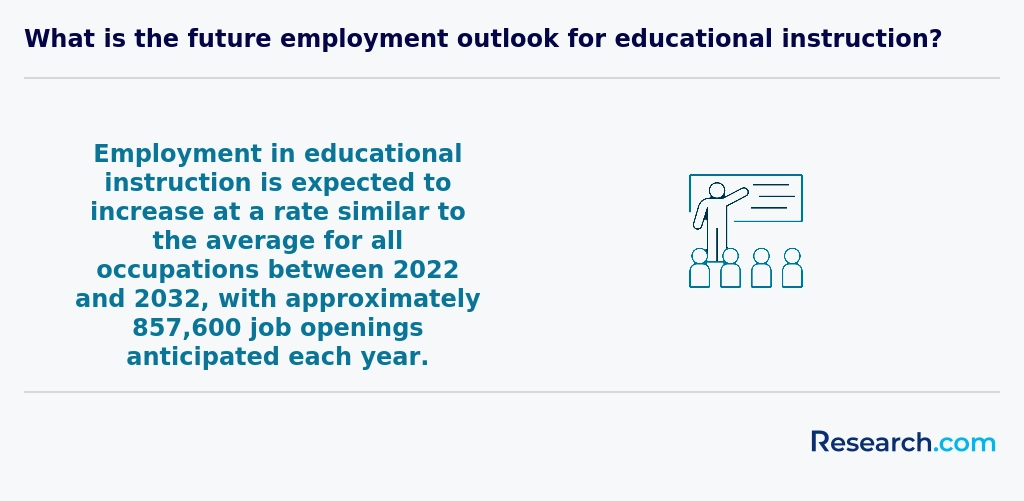
When considering an education degree program in Arizona, affordability is a crucial factor. Prospective students often find themselves weighing the costs of tuition, fees, and living expenses against the potential benefits of their chosen program. To make informed decisions, it's essential to explore not just the sticker price but also the value that each program offers. For instance, some institutions may provide more comprehensive support services, such as mentoring, career counseling, and internship opportunities, which can significantly enhance the overall educational experience. Furthermore, the availability of financial aid, scholarships, and grants can substantially reduce the financial burden, making certain programs more accessible. If you're looking for the most affordable education schools in Arizona, researching these aspects can help you identify programs that offer the best balance of quality and affordability. By understanding the total cost of attendance and the potential return on investment, aspiring educators can choose a program that aligns with their budget and career aspirations, ultimately leading to a more fulfilling and successful teaching career.
If you're diving into an education degree in Arizona, there's a bunch of financial aid options that can really lighten the load. For starters, federal aid like Pell Grants is a big help-these don't need to be paid back and can cover up to $7,395, which is awesome for students at schools like Arizona State University or the University of Arizona. Many grads from these places remember how crucial FAFSA was for unlocking this support.
State programs also play a big role, especially the Arizona Teacher Loan Forgiveness Program. Imagine teaching in an underserved school for a couple of years and knocking off up to $5,000 from your student loans-it's a smart way to ease debt and give back at the same time.
On top of that, both ASU and U of A offer scholarships tailored to education majors, rewarding hard work and commitment to areas like special ed or STEM. Lots of grads have shared how these scholarships made finishing their degree feel possible without drowning in tuition bills.
And for those already working as educators? Some districts pitch in with tuition assistance, helping you upgrade your skills without fronting all the cash yourself. It's like having a teammate in your corner while you grow your career in Arizona's education scene.
Before enrolling in any education degree program in Arizona, ensuring that your chosen institution and program hold proper accreditation and meet state certification standards is crucial. Accreditation serves as a seal of quality, confirming that a program has been rigorously evaluated by agencies such as the Council for the Accreditation of Educator Preparation (CAEP) or the Higher Learning Commission (HLC). Graduates of CAEP-accredited programs often report smoother pathways to licensure and more competitive job prospects. In Arizona, the State Board of Education requires aspiring teachers to complete an approved educator preparation program, pass the Arizona Educator Proficiency Assessments (commonly known as PRAXIS), and obtain a fingerprint clearance card. I’ve guided many students through this process, emphasizing early registration for testing dates and proactive communication with program advisors to avoid last-minute hurdles. Maintaining program accreditation also ensures eligibility for federal financial aid, so always verify accreditation status on the U.S. Department of Education’s database before submitting your application. For those looking beyond Arizona’s borders or considering advanced degrees, exploring affordable options is key. You might also find value in our ranking of Inexpensive Online Master’s in Education Degree Programs Ranking in Columbia, MO, which highlights cost-effective, accredited master’s programs that can enhance your credentials and meet stringent licensure requirements. By prioritizing accredited programs and understanding certification steps early on, you’ll build a solid foundation for a successful teaching career in Arizona and beyond.
If you're thinking about jumping into an education degree program in Arizona, here's what you'll typically need to get started. Most folks enrolling in bachelor's programs at popular schools like Arizona State University or Northern Arizona University share that having a high school diploma or GED is the very first must-have. Then, there's usually a need to show some test scores-like the SAT or ACT, though some places have eased up on this recently and gone test-optional. A decent GPA, around 2.5 or higher, is another box to check before applying.
Graduates often mention that if you're aiming for a master's in education, you'll need a bachelor's degree from an accredited school, preferably related to education, but don't worry if your background's different; some programs at the University of Arizona allow you to take extra courses to catch up. Lots of folks find submitting GRE scores helpful, but some schools waive it if you've got solid experience or grades.
Aside from academics, there's real talk about fingerprint clearance cards and passing background checks, which are vital for getting your teaching license here. Plus, passing Arizona's Educator Proficiency Assessments (AEPA) before you dive into student teaching is a must-have for that hands-on experience everyone at local colleges talks about.
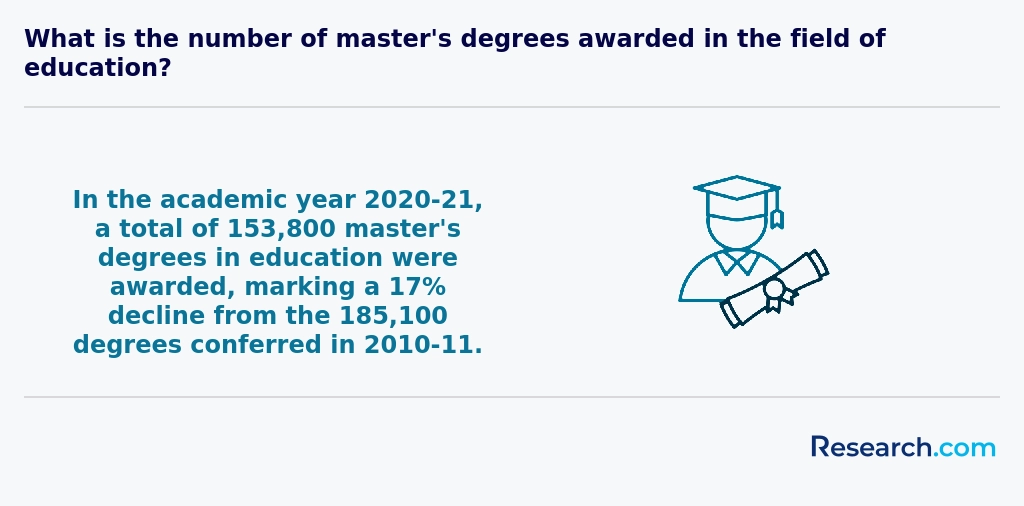
For educators eager to expand their expertise and remain competitive, continuous professional development and advanced studies play a crucial role. This section explores pathways to grow beyond an initial education degree, emphasizing the importance of certifications, workshops, and even doctoral studies that can further elevate teaching careers. For instance, those looking to develop advanced skills in educational leadership might consider pursuing a best online doctorate in higher education, which offers a blend of flexible learning and rigorous curriculum tailored for professionals. Complementary to formal education, attending conferences, engaging in peer learning groups, and leveraging mentorship opportunities can provide real-world insights that enrich your teaching practices. Continuous education not only enhances instructional methods but also prepares educators to adapt to emerging challenges in classroom management, curriculum innovation, and technology integration, ensuring long-term career success and satisfaction.
If you're diving into an education degree in Arizona, get ready for a solid mix of courses that really set you up for success in the classroom. Think about studying Educational Psychology, where you'll learn why kids behave the way they do and how they actually learn-super helpful when you're figuring out how to connect with students. Then there's Curriculum Development and Instructional Strategies, which is all about crafting lesson plans that keep students engaged and learning.
Graduates from places like Arizona State University often mention how classroom management classes gave them the confidence to handle real-life chaos, whether it's a lively group or a distracted learner. You'll also dive into Foundations of Education to understand the history and social stuff behind teaching, plus Assessment and Evaluation to master measuring student progress.
Courses in Special Education and Technology Integration are highlights too, preparing you to support all kinds of learners and use digital tools effectively. Many students from community colleges around Phoenix say these classes made them feel ready to step into actual classrooms during their practicum, which is a major hands-on part of the degree in Arizona.
If you're exploring education degree specializations in Arizona, you'll find a bunch of options that really fit what you want to do. Graduates from popular universities around the state often share how programs like Early Childhood Education helped them connect with preschoolers in vibrant classroom settings, while others found their passion in Elementary Education, preparing kids across various subjects.
Many students dive into Secondary Education, focusing on subjects like math or science for middle and high school. Some choose Special Education to make a real difference with kids who need extra help, which is hugely rewarding. Education degree specializations in Arizona also include paths like Educational Leadership for those eyeing school principal roles, or School Counseling to support student mental health.
You'll also see a big focus on bilingual education and ESL programs, especially important given Arizona's diverse communities. If you're curious about advancing further, graduates often explore the best online doctorate in higher education options available.
When choosing the best education degree programs in Arizona, think about what kind of teacher you want to be and the career path you're aiming for. For example, graduates from Arizona State University often share how their programs balance theory with hands-on experiences in local schools, which really preps them for the classroom. Remember, Arizona law requires at least a bachelor's degree plus state certification for public school teaching, so look for programs that are CAEP accredited and align with state requirements.
Cost also matters-a lot. Many students find affordable education degrees Arizona 2027 options by comparing public universities with tuition around $11,000 yearly to pricier private schools. Some going for advanced degrees even choose online or hybrid programs for flexibility. If you want to explore more budget-friendly options beyond Arizona, you might check out Inexpensive Online Master's in Education Degree Programs Ranking in Columbia, MO for inspiration.
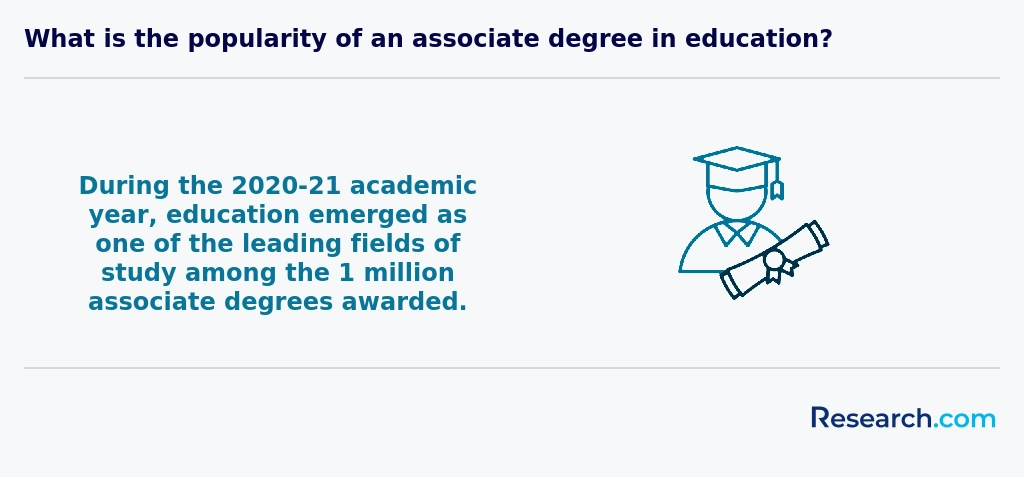
Graduates with an education degree in Arizona have a bunch of great career options waiting for them. Many jump straight into teaching roles in public or private K-12 schools, whether that's elementary, middle, or high school. Arizona's growing need for skilled educators in special education, math, science, and bilingual programs means jobs are out there. For example, a recent graduate from Arizona State University shared how excited they were to land a teaching job focusing on bilingual education in Phoenix.
Besides teaching, education degree holders often explore roles like school counselors, curriculum developers, or education administrators, especially if they continue with additional certifications or advanced degrees. Folks studying education at Northern Arizona University have found rewarding careers as instructional coordinators, blending tech and teaching. This all ties well into education degree career options in Arizona, where demand keeps growing.
Plus, many grads enjoy working in exciting areas like educational technology or supporting English Language Learners. If you want to explore highest paying certifications connected to these fields, it's worth looking into the specialized programs available. It's a rewarding path with plenty of room to make a real difference!
If you're thinking about a career in teaching or education in Arizona, the job market is looking pretty solid right now. With the state's K-12 student population growing and schools always needing good teachers, especially in high-demand areas like special education and bilingual programs, graduates from places like Arizona State University and Northern Arizona University often find plenty of opportunities waiting for them. Many recent grads share how rewarding it is to step into classrooms where their skills are truly needed and appreciated.
Arizona's schools actively support new educators with perks like loan forgiveness and signing bonuses, making it easier to start your career right out of college. For those worried about salary, the starting pay is competitive-averaging around $44,000-and tends to rise nicely with experience, hitting about $57,000. If you're exploring career paths or wondering about the costs, many students appreciate the affordable tuition at Arizona's public universities. It's a great advantage to balance quality education with manageable expenses.
Many who choose an education degree in Arizona are energized by the positive outlook and ongoing demand they hear about firsthand. If you want to explore other options, check out these degrees for older adults that could complement your career. Overall, the Arizona teaching career opportunities stay promising, making this a rewarding path for folks passionate about shaping the future.
2027 Most Popular Education Degree Programs Ranking in Arizona
Investing in your education is a significant decision that can shape your future, and the Research.com team is dedicated to supporting you in making well-informed choices. To provide clarity for those considering education degrees in Arizona, we have carefully developed the "2027 Most Popular Education Degree Programs Ranking in Arizona." Our commitment to quality, credibility, and accuracy is demonstrated through rigorous research and thorough analysis behind this ranking.
We utilized the following reputable data sources to ensure a comprehensive evaluation:
By consulting this ranking, readers will gain valuable insights into the most popular education degree programs in Arizona, empowering them to select a path aligned with their goals and the latest trends. For a detailed understanding of how this ranking was created, please visit our Research.com methodology page.


# 13 position
Arizona State University Digital Immersion
Master of Arts in Teaching

# 14 position
Arizona State University Digital Immersion
Bachelor of Arts in Education
# 15 position
Arizona State University Digital Immersion
Doctor of Education


# 20 position
University of Phoenix-Arizona
Master of Arts in Education

Frequently Asked Questions About education
Education degree students in Arizona can enhance their learning by actively engaging in both theoretical and practical experiences. Participating in extensive fieldwork through Arizona's public school partnerships allows students to apply classroom knowledge in real-world settings. According to the Arizona Board of Regents, nearly 75% of education students benefit from internships or student-teaching placements across the state, improving their readiness for certification.
Utilizing resources at universities like Arizona State University, which offers specialized workshops and tutoring, supports academic success. Additionally, joining professional organizations such as the Arizona Education Association can provide networking and mentorship opportunities that deepen understanding of local education issues and policies.
Emerging niches within the education field in Arizona reflect the broader national trends emphasizing technology integration and specialized support roles. One growing area is educational technology, driven by the increasing use of digital tools in classrooms and remote learning environments. Arizona schools are investing in training educators to use these technologies effectively, creating demand for degrees focused on instructional technology.
Special education remains a critical niche, with Arizona reporting higher-than-average needs for qualified teachers in this area, according to the Arizona Department of Education. Careers addressing autism spectrum disorders and behavioral interventions are especially expanding.
Another emerging field is bilingual education, responding to Arizona's diverse population. Proficiency in Spanish and English enhances employability, fitting the state's demographic trends.
Career and technical education (CTE) is also gaining prominence, preparing students for high-demand trades and technology jobs, supported by state initiatives to boost workforce readiness.
Preparing for the job market after completing an education degree in Arizona involves several key steps. Graduates should first seek Arizona Department of Education certification, a requirement for most teaching positions in the state. According to ADE, over 50,000 educators are employed statewide, highlighting a competitive but stable job market.
Building practical experience through student teaching placements in local schools strengthens resumes. Additionally, networking within Arizona's education community, including attending job fairs sponsored by organizations like the Arizona Education Association, can open employment doors.
It's also advisable to explore ongoing professional development opportunities, as Arizona values continuing education for teachers to maintain certification and improve classroom skills.
Employers in Arizona prioritize several key skills when hiring graduates with education degrees. Effective communication is essential, enabling teachers to engage diverse student populations and collaborate with families. According to the Arizona Department of Education, strong classroom management skills are highly valued, as they help maintain a productive learning environment.
Critical thinking and adaptability are also important, given the evolving educational standards and integration of technology in classrooms. Additionally, cultural competency is increasingly emphasized due to Arizona's diverse demographics. Data from the National Center for Education Statistics indicates that Arizona's student body is becoming more varied, requiring educators to be sensitive and inclusive.
Lastly, knowledge of educational technology tools and data-driven instruction methods is crucial to meeting state performance goals.
Finding internships in Arizona related to an education degree involves several practical steps tailored to the state's unique academic and professional landscape. Many universities, such as Arizona State University, offer internship programs through their education departments designed to connect students with local K-12 schools and educational organizations.
Students should explore state resources like the Arizona Department of Education's website, which lists approved internship opportunities and guidelines. Additionally, local school districts in Phoenix, Tucson, and other cities frequently post openings for education interns seeking classroom experience. Networking through university career centers and attending education job fairs can also enhance chances of securing a position.
According to recent data from the National Center for Education Statistics, Arizona's commitment to teacher preparation supports over 10,000 education students annually, many of whom participate in district-level internships. This experiential learning is essential to meet state certification requirements and gain practical skills.
In Arizona, earning an education degree significantly enhances career mobility and advancement opportunities. According to the Arizona Department of Education, teachers with bachelor's degrees often have higher starting salaries than those without, and obtaining advanced degrees can lead to salary increases of up to 10-20%. Additionally, many school districts require a master's degree for leadership roles such as principals or curriculum coordinators.
The Arizona Board of Regents reports that education graduates who pursue licensure tend to experience faster job placement. Furthermore, specialized credentials in areas like special education or English as a Second Language (ESL) open doors to in-demand positions across the state.
Studying for an education degree in Arizona offers strong preparation for interdisciplinary roles by combining foundational teaching skills with cross-sector knowledge. Many Arizona universities integrate coursework in psychology, sociology, and technology, enabling future educators to address diverse student needs and collaborate beyond traditional classrooms. For example, Arizona State University emphasizes STEM education and community partnerships, enhancing interdisciplinary competence.
According to the Arizona Department of Education, effective teachers often work with social workers, counselors, and health professionals, requiring a broad skill set. Graduates gain experience in adapting curriculum for different learning environments, crucial for roles in education policy, special education, and educational technology fields.
When choosing between a thesis and a non-thesis education degree program in Arizona, consider your career goals and learning preferences. Thesis programs typically involve original research and are ideal for students interested in academia or advanced specialist roles. According to the National Center for Education Statistics, Arizona universities offer both options across many public and private institutions.
Non-thesis programs focus more on practical skills and coursework, suiting professionals seeking leadership positions or classroom application without research demands. Data from the Arizona Board of Regents indicates that non-thesis tracks often have shorter completion times, appealing to working adults.
Understanding these differences helps match your commitment and future ambitions with the program structure best suited for your needs.
Students based in Arizona who want to study education abroad have several pathways to consider. Many Arizona universities, including Arizona State University (ASU) and the University of Arizona, offer study abroad programs specifically designed for education majors. These programs often include partnerships with international schools, allowing students to gain classroom experience overseas.
Arizona ranks among the top states for education degree enrollment, with about 25,000 students enrolled in education programs in 2023, according to the National Center for Education Statistics (NCES). Participation in study abroad can enhance these programs by providing cultural competence and global teaching perspectives.
Additionally, Arizona students may apply for scholarships through federally funded programs like the Gilman Scholarship, aimed at supporting undergraduates studying abroad. This financial aid significantly reduces the cost of international education experiences.
Part-time job opportunities in Arizona that complement education degree studies include roles such as teacher assistants, tutoring providers, and after-school program coordinators. These positions allow students to gain hands-on experience in educational settings while pursuing their degrees.
According to the Arizona Department of Education, schools often seek teacher assistants to support classroom activities, especially in districts like Phoenix and Tucson. Tutoring is another flexible option, with demand growing due to increased focus on individualized learning.
Working in after-school programs or youth centers is valuable for developing classroom management and communication skills. Many community centers and nonprofit organizations in Arizona offer part-time roles aligned with educational goals.
Education students in Arizona have multiple networking opportunities through universities and statewide organizations. Schools like Arizona State University and the University of Arizona host education fairs, guest lectures, and career workshops that connect students with local school districts and experienced educators.
Additionally, organizations such as the Arizona Education Association provide professional development and networking events tailored to future teachers. According to the Arizona Department of Education, these efforts help bridge students to local K-12 schools for internships and student teaching placements, which are crucial for building professional connections.
Students also benefit from membership in national groups with Arizona chapters, such as the Future Educators Association, which promotes peer networking and mentorship. These resources collectively enhance career readiness in the state's educational field.
Alumni networks play a crucial role for education degree students in Arizona by providing valuable connections and support. Many Arizona universities, such as Arizona State University, have large, active alumni communities that offer mentoring, internship opportunities, and job referrals. According to the National Center for Education Statistics, strong alumni engagement correlates with higher employment rates after graduation.
These networks also facilitate professional development through events and workshops, helping students stay updated on educational trends. For students pursuing teaching credentials, alumni often share insights about Arizona's specific certification requirements and school districts.
Overall, involvement in alumni networks enhances career readiness and expands professional contacts throughout the state.
Customizing an education degree program in Arizona to align with your career goals involves selecting specific specializations, electives, and practical experiences. Many Arizona universities offer flexible curriculum options, such as concentrations in special education, curriculum design, or educational leadership. According to the Arizona Board of Regents, students can often combine coursework with field placements in local schools to gain relevant hands-on experience.
Online and hybrid programs also provide personalized pacing and course choices, accommodating working professionals or those changing careers. Additionally, earning certifications alongside your degree, such as bilingual education or STEM teaching endorsements, can enhance your qualifications in Arizona's diverse educational landscape.
Education students in Arizona often face several challenges during their degree programs. One key difficulty is managing the balance between demanding coursework and required field experiences or student teaching. These practical components are essential but can be time-consuming and stressful, especially for those working part-time or supporting families.
Additionally, Arizona's teacher shortage creates pressure on education students to enter the workforce quickly, sometimes with limited support or mentoring. According to the Arizona Department of Education, the state had over 2,000 teacher vacancies in 2023, highlighting the urgency but also the challenge in preparation.
Financial strain is another common issue, as the cost of tuition combined with living expenses can be high. Many students rely on federal aid or scholarships, but funding gaps remain a concern.
With an education degree in Arizona, graduates can pursue a variety of professional certifications to expand their careers. The most common is the Arizona Preliminary Teaching Certificate, which allows individuals to teach in public K-12 schools. To earn this, candidates must complete an approved teacher preparation program and pass relevant exams such as the Arizona Educator Proficiency Assessments (AEPA).
Other certifications include endorsements in specialized areas like special education, bilingual education, and reading instruction. These endorsements require additional coursework and testing. According to the Arizona Department of Education, over 60% of educators supplement their credentials with such endorsements to meet diverse student needs.
Beyond teaching, education graduates can also obtain certifications in school counseling or administration by completing graduate-level requirements and passing state exams, opening pathways to leadership roles in Arizona schools.
To write a winning application for an education program in Arizona, start by thoroughly researching the specific schools and programs you are interested in. Arizona boasts several reputable institutions offering education degrees, such as Arizona State University and the University of Arizona. Tailor your personal statement to highlight your passion for teaching and alignment with the program's mission.
Include any relevant experience, such as volunteering or working in schools, to demonstrate your commitment. According to the Arizona Board of Regents, presenting a clear career goal and strong academic background improves your chances significantly.
Be sure to follow each program's application instructions carefully and submit all required materials before deadlines.
The field of education is increasingly viewed through a global lens, reflecting diverse teaching methods, cultural awareness, and international collaboration. For students pursuing education degrees in Arizona, understanding these global perspectives is essential in a connected world. According to the National Center for Education Statistics, over 25% of Arizona's teachers now engage with multicultural curricula, highlighting a shift toward inclusive education.
Globally, educators emphasize skills like critical thinking, digital literacy, and adaptability. Arizona institutions incorporate these trends to prepare future teachers for diverse classrooms. Moreover, UNESCO promotes global competencies in education careers, a focus reflected across US education standards.
These perspectives equip education professionals to address local and international challenges, supporting a dynamic career path in Arizona's evolving educational landscape.
Gaining practical experience while pursuing an education degree in Arizona is essential for success in the teaching profession. Many universities in Arizona, such as Arizona State University and the University of Arizona, incorporate student teaching internships as part of their programs. These internships provide hands-on classroom experience under the supervision of licensed teachers.
Additionally, candidates often participate in fieldwork placements, volunteering in local schools to build classroom management and instructional skills. According to the Arizona Department of Education, nearly 90% of education degrees include a practicum or student teaching component, reflecting statewide standards.
Engaging in these experiences not only fulfills certification requirements but also enhances job readiness by connecting theory with real-world practice.
Choosing the right concentration within an education degree program in Arizona depends on your career goals and interests. Arizona offers various specializations such as Early Childhood Education, Special Education, and Secondary Education. According to the Arizona Department of Education, demand is growing notably for teachers qualified in STEM subjects and special education.
Consider Arizona's teacher shortage areas, which include math and science, to increase job prospects after graduation. Review program curriculum and ensure it aligns with your desired grade level and student needs. Research faculty expertise and available practicum or internship opportunities in local schools to gain practical experience.
Accredited institutions in Arizona follow state licensure requirements, which vary by concentration. Understanding state certification paths early can guide your concentration choice efficiently.
- 2027 Most Popular Education Degree Programs Ranking in New Mexico
- 2027 Most Popular Education Degree Programs Ranking in Nevada
- 2027 Most Popular Education Degree Programs Ranking in Utah
- 2027 Most Popular Education Degree Programs Ranking in Texas
- 2027 Most Popular Education Degree Programs Ranking in Oklahoma
- 2027 Most Popular Education Degree Programs Ranking in Kansas
- 2027 Most Popular Education Degree Programs Ranking in Montana
- 2027 Most Popular Education Degree Programs Ranking in Nebraska
- 2027 Most Popular Education Degree Programs Ranking in South Dakota
- 2027 Most Popular Education Degree Programs Ranking in North Dakota
See What Experts Have To Say About Studying Education
Read our interview with Education experts

Alan J. Singer
Education Expert
Professor of Teaching, Learning and Technology
Hofstra University

Nooshan Ashtari
Education Expert
Professor & Book Author
University of Southern California

- 2025/2026 Cost of Attendance (COA) | University of Phoenix https://www.phoenix.edu/tuition-financial-aid/cost-of-attendance.html
- Promising Niches in the Global EdTech Landscape - Blog https://rocketech.it/blog/post/global-edtech-landscape-what-niches-are-the-most-promising
- AEEB - Arizona Education Employment Board https://arizonaeducationjobs.com/
- Know more about thesis vs non- thesis: what is the difference? https://studyfans.com/en/blogs/816
- The Pros and Cons of Online Learning vs. Traditional Education https://www.sophia.org/blog/higher-education/pros-cons-online-learning-vs-traditional-education/
- Career Paths https://arizonacareerpathways.org/career-paths/
- How to Write a Great Letter of Intent for a Teaching Job | Zen Educate https://www.zeneducate.com/us/resources/becoming-a-teacher/how-to-write-letter-of-intent-teaching-job/
- Your guide to an early childhood education career in Arizona | Arizona Early Childhood https://azearlychildhood.org/uncategorized/articles/early-childhood-education-scholarships-guide/
- What is the FAFSA? https://www.azregents.edu/fafsa/fafsa
- Why Is Education Important in Your Career Advancement? - KWSP Malaysia https://www.kwsp.gov.my/en/w/article/career-advancement


