
2027 Most Popular Education Degree Programs Ranking in New Mexico

Co-Founder and Chief Data Scientist
Choosing the right education degree program can shape your future career and personal growth. This article introduces the 2027 Most Popular Education Degree Programs Ranking in New Mexico, developed by the Research.com team of data scientists.
By exploring this ranking, you'll gain clear insight into the top programs that align with your goals. Whether you're starting fresh or considering a career change, understanding the options available will help you make an informed decision.
Education is a powerful path-discover programs that inspire and prepare you for success in New Mexico's evolving educational landscape.
Key benefits of getting education degree in New Mexico
- Salary for education degree graduates: Graduates in New Mexico can expect rewarding salaries, such as $70,740 annually for elementary school teachers and $76,000 for special education teachers, reflecting strong earning potential in education careers.
- Career paths: Education degree holders from universities like the University of New Mexico often find opportunities as instructional designers or ESL teachers, opening doors to diverse and fulfilling roles in schools and educational organizations.
- Benefits of online education degrees: Online degrees from institutions such as New Mexico State University provide flexibility, allowing students to balance work and study while gaining the skills needed to succeed in dynamic education careers.
- 2027 Most Popular Education Degree Programs Ranking in New Mexico
- What can I expect from education degree in New Mexico?
- Where can I work with education degree in New Mexico?
What can I expect from education degree in New Mexico?
The average cost of pursuing an education degree in New Mexico varies but generally ranges from $7,000 to $15,000 annually at public universities like New Mexico State University and the University of New Mexico. Many graduates recall navigating budgets carefully while benefiting from financial aid options such as state scholarships aimed at easing tuition burdens. These programs often make higher education feel accessible and rewarding, allowing students to focus on rigorous coursework and immersive student teaching experiences in local school districts.
Graduates frequently mention how hybrid and online courses have reduced costs related to commuting or relocating, a huge relief for those balancing work and family. The state's support through loan repayment initiatives further lightens financial pressures, especially for those committing to teaching in underserved communities.
Envision a future where these costs stabilize or possibly decrease, fueled by increased state investment and innovative program delivery methods. Students at New Mexico universities can anticipate growing opportunities to gain quality training without overwhelming debt, making a meaningful teaching career more within reach.
Where can I work with education degree in New Mexico?
Graduates with an education degree in New Mexico frequently find rewarding roles in K-12 public and private schools, where demand for teachers remains strong. Those from institutions like the University of New Mexico often share how specializing in ESL or special education has opened doors to vibrant classrooms filled with multicultural students, fueling their passion for inclusive learning. Looking ahead, this bilingual skillset will only grow more crucial as New Mexico's diverse population expands.
Many graduates also discover fulfilling careers in early childhood education, working in preschools and childcare centers across the state. Those from New Mexico State University speak enthusiastically about contributing to early learning initiatives that shape children's futures from birth to age five, feeling a deep sense of impact from day one.
Beyond classrooms, education degree holders are stepping into roles at community colleges and universities as advisors and coordinators, influencing curriculum and teacher training. Emerging leadership opportunities in educational administration further allow graduates to shape policy and school culture, fueling their drive to make lasting change in New Mexico's education system.
Graduates with an education degree in New Mexico can expect a range of earning possibilities depending on their specialization and experience. For instance, elementary school teachers typically earn around $70,740 annually, reflecting a solid starting point for those stepping into classrooms across the state. Special Education teachers enjoy even higher wages, with mean salaries near $76,000, rewarding those who provide vital support to diverse learners.
Those who choose to become English as a Second Language (ESL) teachers find promising opportunities, with mean wages of about $65,430, reflecting the region's growing cultural diversity. Early Childhood Educators, while starting with lower averages around $41,410, play a crucial role in foundational learning and often find fulfilling career paths that grow with experience.
Instructional Designers, a more innovative and emerging career path for education graduates, command median wages of $77,200. Graduates from New Mexico's well-regarded universities often share stories of moving into these roles by combining their education background with technological skills, opening doors to more creative and flexible careers.
These figures highlight the rewarding potential of an education degree in New Mexico, where passion for helping others aligns with steadily increasing salaries across diverse roles and settings. Many graduates from local colleges appreciate how these opportunities grow as they gain certifications or advanced degrees while contributing to their communities.
- The average annual cost for in-state tuition and fees at public colleges in New Mexico is between $8,000 and $12,000, while private colleges often charge over $20,000.
- The job market for education graduates is stable with steady demand, especially for teachers in STEM subjects and bilingual education.
- Starting salaries for education graduates typically begin around $42,000 per year, increasing to about $55,000 with experience and advanced certification.
- Teaching licensure in New Mexico requires completing an approved program and passing the New Mexico Teacher Assessments.
- Alternative certification options are available for those with degrees in other fields, helping to address teacher shortages in rural areas.
Graduates from universities like the University of New Mexico often describe their journey through a bachelor's degree in education as a rewarding four-year commitment filled with growth and anticipation. Many appreciate how this timeframe allows for deep immersion in pedagogy and hands-on classroom experience, setting a strong foundation for future teaching careers in New Mexico's diverse communities.
At institutions such as Central New Mexico Community College, students pursuing associate degrees share enthusiasm about completing their programs in roughly two years. This quicker path opens doors to teaching assistant roles or early childhood education jobs, making education careers feel rapidly attainable and meaningful.
Those advancing to a master's degree often speak of the added two years post-bachelor's as an opportunity to refine their skills and specialize. They find value in flexible schedules offered by New Mexico Highlands University, which accommodate working professionals striving to balance study and life.
Emerging trends suggest accelerated or alternative certification programs could further shorten these timelines, letting prospective teachers step into classrooms with renewed confidence and excitement within even less time.
: For prospective students looking to pursue an education degree in New Mexico without accumulating significant debt, finding the most affordable education schools is crucial. This endeavour involves researching institutions that offer quality education programs at a lower cost, ensuring that financial constraints do not hinder academic aspirations. To aid in this search, resources like cheapest education school in new mexico can provide valuable insights, highlighting schools that balance affordability with educational excellence. By considering factors such as tuition fees, financial aid options, and the overall cost of attendance, students can make informed decisions about their education, prioritizing both their financial stability and academic goals.
Graduates from the University of New Mexico often describe their on-campus experience as energizing, valuing direct conversations with professors and hands-on activities in campus libraries and labs. This face-to-face interaction fosters a strong community feeling and immediate feedback, which many find motivating. In contrast, those studying online through Western New Mexico University appreciate the freedom to balance coursework with jobs or family life. The asynchronous format means they can learn late at night or early morning, crafting schedules that fit their personal rhythms.
Cost is another key factor shaping experiences. Some online students note savings from avoiding commuting and housing expenses, even if tuition rates vary. Meanwhile, on-campus students often enjoy immersive environments that prepare them for classroom realities, including student teaching placements available through New Mexico's education network.
Looking forward, technology could further bridge these worlds, enhancing virtual collaboration while preserving the rich interaction typical of in-person study. For New Mexico students, this evolving landscape means more options to tailor education degrees to individual lifestyles and career goals.
After completing an Education degree in New Mexico, graduates must secure state licensure before entering K–12 classrooms. The New Mexico Public Education Department (NMPED) oversees teacher certification and ensures candidates meet quality and safety standards. Key steps include:
- Enroll in and graduate from an NMPED-approved educator preparation program.
- Achieve passing scores on the PRAXIS Core Academic Skills for Educators (reading, writing, mathematics) and the PRAXIS Subject Assessments relevant to your endorsement area.
- Complete fingerprint-based background checks and submit official transcripts to NMPED.
- Apply online for an Initial (Level I) license via the Educator Data System (EDS), paying applicable fees.
- Accumulate 30 hours of professional development annually to renew your license and advance to a Level II credential after three years of successful teaching. Many candidates leverage flexible online pathways to satisfy coursework and test preparation requirements while balancing work and family commitments. For those seeking cost-effective options, our Low Cost Online Education Degree Programs Ranking in Campbellsville, KY highlights accredited programs that align with New Mexico’s certification standards. Understanding and fulfilling these licensure requirements early in your academic journey ensures a seamless transition from student teaching to a fully certified educator role, empowering you to contribute confidently to New Mexico’s diverse classrooms.
The average cost of an education degree in New Mexico reflects a balance between accessibility and quality, with median in-state total costs near $8,183. Many graduates from popular institutions, such as the University of New Mexico, find this investment rewarding as they embark on fulfilling careers in education. For those considering the education degree tuition and fees New Mexico offers, tuition at public universities can be quite affordable compared to national averages, especially for in-state students. This affordability opens doors for numerous aspiring educators eager to make a difference in their communities.
Students often share that while tuition forms the largest part of expenses, additional costs such as fees, books, and supplies add around $1,000 to $1,500 annually. These manageable expenses contribute to an overall positive experience, allowing students to focus on their studies and practical training. Also, about 60% of education students benefit from financial aid, further easing the financial burden. Graduates from private colleges, although facing higher tuition, praise the focused attention and tailored programs that support their professional growth.
Looking ahead, New Mexico's education programs may become even more accessible as institutions explore flexible learning options and increased scholarship opportunities. Prospective students interested in exploring cost-effective paths may want to check out the cheapest education school in new mexico to find personalized options that fit their budget and goals.
Average cost of education degree in New Mexico will likely evolve with changing educational landscapes, but current data shows it remains a compelling choice for those motivated to contribute to the field of education with reasonable financial investment and strong community support.
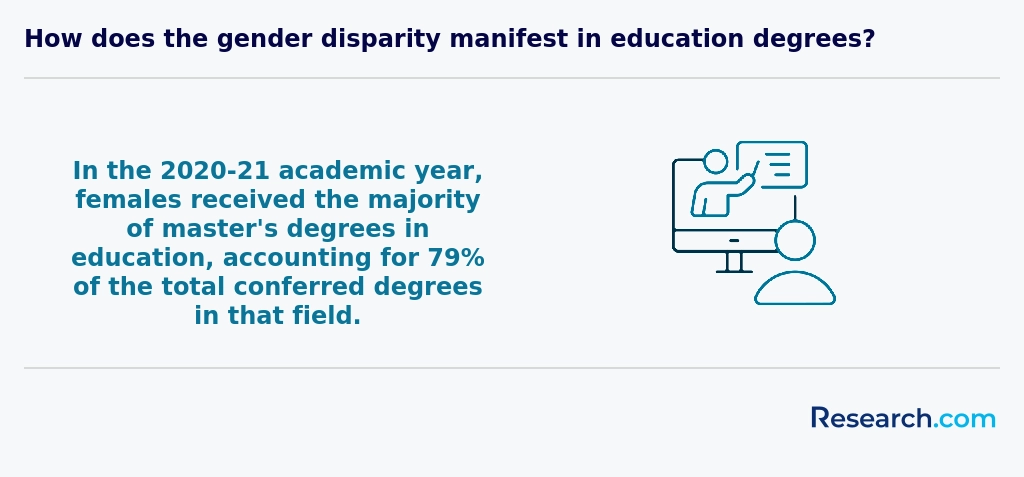
Earning your Education degree is only the first step-obtaining a teaching license through the New Mexico Public Education Department (NMPED) ensures you’re legally qualified to lead classrooms across the state. First, candidates must complete an NMPED-approved educator preparation program, which often includes student teaching and rigorous coursework in pedagogy and classroom management. Upon program completion, aspiring teachers must pass the New Mexico Teacher Assessments (NMTA), covering General Knowledge, Professional Knowledge, and Subject Area exams. Once exam scores are received, applicants submit a licensure packet online via the NMPED Educator Portal, including official transcripts, NMTA results, and a fingerprint clearance report from the Department of Public Safety. Licenses are granted in specific endorsements-such as Early Childhood, Special Education, Secondary Education, or Bilingual Education-so it’s vital to align your program specialization with the endorsement you wish to obtain. After initial licensure, New Mexico requires educators to renew certificates every five years. Renewal criteria include completing 60 professional development units (PDUs) in areas like culturally responsive teaching or technology integration. Many teachers fulfill these requirements through workshops offered by local districts or by enrolling in affordable online graduate courses-see our Low Cost Online Education Degree Programs Ranking in Campbellsville, KY for budget-friendly options that count toward recertification credits. By understanding and navigating these certification steps, graduates can confidently transition from student teaching to full-time educators, equipped to meet New Mexico’s diverse classroom needs.
Students pursuing education degrees in New Mexico often find valuable financial aid through a mix of federal grants, state programs, and scholarships, shaping hopeful futures at places like the University of New Mexico and New Mexico State University. Graduates frequently recall how applying for the Pell Grant eased their financial stress early on, offering up to $7,395 annually without repayment worries, which allowed them to focus more on their teaching skills than on tuition costs.
State-specific programs add an encouraging layer of support. Many education majors have benefited from the Teacher Loan Forgiveness Program, which promises up to $17,500 in loan forgiveness after teaching full-time in high-need New Mexico schools, making the prospect of committing to local classrooms feel truly rewarding. Meanwhile, the New Mexico Higher Education Department's low-interest loans help reduce the burden of education debt, turning ambitious students into confident educators.
Scholarships from regional organizations and universities also spark optimism. Students often share stories of securing both merit-based and need-based awards that made continuing their studies at local colleges manageable. Work-study opportunities in school districts and tutoring centers simultaneously provide experience and income, making the whole educational journey feel attainable and meaningful in the Land of Enchantment.
Students aiming to enroll in education degree programs at universities like the University of New Mexico or New Mexico State University generally start by meeting foundational requirements such as a high school diploma or GED, with many graduates recalling how their 2.5 GPA threshold initially shaped their application journey. Increasingly, these schools emphasize holistic admissions, often waiving standardized tests like the SAT or ACT, which allows hopeful educators to focus on crafting compelling personal statements that reflect their passion and commitment to teaching.
Many graduates share that submitting letters of recommendation and highlighting volunteer work in local schools made a decisive difference, especially for early childhood and special education tracks. Graduate programs now lean toward applicants with a bachelor's degree and often expect a minimum 3.0 GPA, though candidates with strong community-based experience frequently find these expectations flexible.
Looking ahead, prospective students in New Mexico might anticipate growing integration of digital portfolios and virtual interviews, enriching the application process while showcasing authentic teaching experiences. Licensing prerequisites remain firmly intertwined, with successful applicants preparing early for background checks and state assessments, turning these challenges into motivating milestones on their path to becoming educators.

Navigating accreditation and licensure is essential for any prospective educator in New Mexico. The New Mexico Public Education Department (NMPED) mandates that teacher preparation programs hold Council for the Accreditation of Educator Preparation (CAEP) or equivalent regional accreditation to ensure graduates meet rigorous standards. Enrolling in a CAEP-accredited program guarantees that your coursework-ranging from educational psychology to curriculum design-aligns with state competencies and national benchmarks. Upon graduation, candidates must apply for licensure through the NMPED, passing the New Mexico Teacher Assessments (NMTA) Basic Skills and Content Knowledge exams. These assessments evaluate core competencies in reading, writing, mathematics, and subject-specific pedagogy. Successful completion leads to the Level I educator license, valid for five years, during which new teachers complete a mentor-driven induction program. It’s also wise to compare online and on-campus offerings: while on-campus programs provide face-to-face mentoring and immediate feedback, accredited online programs can offer greater flexibility. For those exploring affordable accredited online options, consider reviewing the Low Cost Online Education Degree Programs Ranking in Campbellsville, KY, which highlights institutions balancing accreditation quality with budget-friendly tuition. Finally, keep renewal requirements in mind: New Mexico requires 60 professional development hours every five years, ensuring educators remain current with instructional strategies and state standards. Prioritizing accreditation and understanding licensure pathways will empower you to embark on a compliant, credible, and career-ready teaching journey.
Education degree programs in New Mexico typically include courses that blend theory with hands-on practice, preparing students for the diverse classrooms they'll encounter. Graduates from universities like the University of New Mexico often share how courses such as Foundations of Education illuminated New Mexico's unique cultural landscape, making them feel connected to the communities they plan to teach. Many find Instructional Strategies particularly empowering, as it offers practical techniques for managing classrooms and creating engaging lessons that address students' varied needs.
Future educators also value courses like Multicultural Education, which prepares them to teach in the state's richly diverse schools, embracing Hispanic and Native American cultures. Students appreciate how Special Education courses equip them to support learners with disabilities, fostering inclusion and empathy.
Technology integration is another growing trend, with students excited about using digital tools to enhance learning. Field experiences at New Mexico institutions give real-world practice, reinforcing skills learned in class and building confidence as future teachers.
Education degree specializations in New Mexico are evolving to meet future classroom demands. Graduates from institutions like the University of New Mexico report that traditional tracks such as Elementary and Secondary Education remain popular, offering strong preparation for teaching diverse student populations. Many find joy in mastering techniques for culturally responsive teaching, reflecting New Mexico's unique demographics.
Popular teaching majors New Mexico also include Special Education, where students develop rewarding skills to support learners with disabilities. Future educators are increasingly drawn to this specialization, sensing both the challenge and fulfillment it brings. With sustained STEM interest, Secondary Education majors focusing on science or math feel empowered to contribute to statewide efforts expanding STEM access.
Early Childhood Education and Educational Leadership prepare students for roles ranging from nurturing young minds to guiding schools. Some graduates explore advanced opportunities through masters in library science online cost programs, finding flexible pathways to deepen expertise while working. New Mexico's education degree specializations inspire a blend of passion and innovation in future educators.
Choosing the best education degree in New Mexico means looking beyond just curriculum and costs-it involves envisioning your future role as an educator in local communities. Graduates from institutions like the University of New Mexico often share how direct engagement with nearby schools during field experiences helped them feel confident stepping into classrooms on day one. This hands-on aspect is a key consideration for those seeking best education degree programs in New Mexico, offering a real-life perspective that theory alone can't provide.
Affordability is another major factor shaping decisions. Many students exploring affordable education degrees New Mexico appreciate how community colleges and newer online programs open doors without overwhelming debt. Some find it helpful to review rankings such as Low Cost Online Education Degree Programs Ranking in Campbellsville, KY to compare realistic options while balancing work and family life.
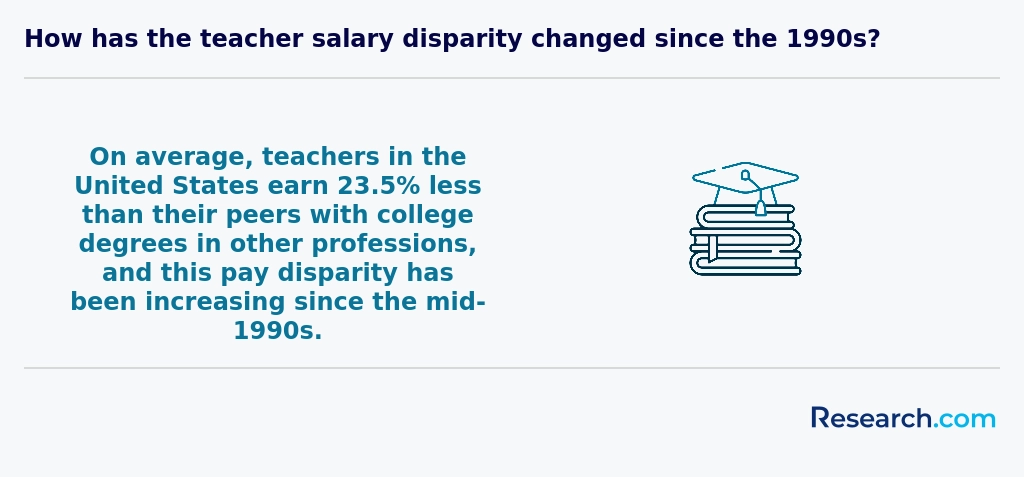
Graduates with an education degree in New Mexico find themselves at the forefront of diverse career paths, shaped by the state's educational needs and community values. From becoming licensed K-12 teachers in local public schools to taking on innovative roles such as instructional coordinators, many find fulfillment in shaping young minds. Education students from institutions like the University of New Mexico often describe rewarding experiences working as special education specialists or school counselors, supporting students' unique learning and emotional needs. These practical opportunities exemplify the range of job opportunities with education degree New Mexico offers.
Emerging trends highlight early childhood education as a vibrant field, with programs expanding in preschools and daycare settings, fueled by state initiatives. For graduates aiming for academia or advanced roles, combining their degrees with further study-such as a 12 month master's degree online-opens doors to college instructor or educational technology positions. Such forward-looking choices reflect the evolving landscape of education degree career options New Mexico continues to provide.
Graduates holding an education degree in New Mexico often find themselves at the heart of meaningful change, especially in rural and underserved communities where teacher shortages are most acute. Many graduates from popular institutions like the University of New Mexico express optimism about their ability to quickly secure teaching positions, reflecting the steady job market and growing demand highlighted by the education degree job outlook New Mexico. Those pursuing bilingual or special education certifications discover even stronger opportunities, as state schools increasingly require these skills to support a diverse student population.
New Mexico's commitment to improving public education through initiatives such as loan forgiveness programs motivates graduates to remain in the state, giving them a competitive advantage in job placement. Students frequently share success stories of how tuition affordability and targeted scholarships at local universities allowed them to focus on gaining practical experience, rather than financial stress. For those exploring broader career prospects in education, emerging roles in curriculum development and education technology offer exciting possibilities.
Attracting prospective students, many now explore the top online colleges with open enrollment to enhance their qualifications while balancing work and life, fueling a hopeful outlook for teaching career opportunities in New Mexico.
2027 Most Popular Education Degree Programs Ranking in New Mexico
Investing in your education is a significant decision that can greatly impact your future, and the Research.com team recognizes the gravity of this choice. To support prospective students in New Mexico, we have carefully developed the "2027 Most Popular Education Degree Programs Ranking in New Mexico." Our dedication to quality, credibility, and accuracy is demonstrated through rigorous research and thorough data analysis carried out to assemble this ranking.
We utilized the following reputable data sources to ensure a comprehensive evaluation of education degree programs:
By consulting this ranking, readers will obtain insightful information about the most popular education programs in New Mexico, enabling them to make well-informed decisions about their academic pursuits. For further information on how this ranking was created, please visit our Research.com methodology page.


# 10 position
New Mexico Highlands University
Bachelor of Arts in Education

Frequently Asked Questions About education
Education degree students in New Mexico can maximize their learning experience by taking advantage of practicum and student teaching opportunities offered through state universities. The New Mexico Higher Education Department highlights that hands-on classroom experience is crucial for skill development and employment readiness. Engaging with diverse school districts across urban and rural areas enhances cultural competency, a key trait for local educators.
Students should also utilize academic advising and tutoring services provided on campus to stay on track with certification requirements set by the New Mexico Public Education Department. Networking with educational organizations like the New Mexico Association for Colleges of Teacher Education can offer mentorship and career guidance. Additionally, leveraging financial aid and scholarships dedicated to teacher preparation programs supports sustained focus on studies.
Emerging niches within the education field in New Mexico reflect broader national trends shaped by technology and demographic shifts. One growing area is educational technology, where degrees focus on integrating digital tools for effective teaching. According to the New Mexico Public Education Department, demand for educators skilled in remote and hybrid learning methods has increased significantly since 2020.
Another emerging niche is special education with an emphasis on culturally responsive teaching, addressing the needs of New Mexico's diverse student population, including Native American communities. The New Mexico Higher Education Department reports a steady rise in programs tailoring education to multilingual learners and students with disabilities.
Finally, leadership and administration programs are expanding to prepare educators for evolving school management roles amid ongoing educational reforms.
Graduates with education degrees in New Mexico should focus on building practical experience to enhance job market readiness. Participating in student teaching placements is essential, as these internships provide real classroom exposure and improve employment prospects. According to the New Mexico Public Education Department, schools increasingly prefer candidates with hands-on training and classroom management skills.
Networking plays a key role; attending local education conferences and joining professional organizations like the New Mexico Education Association can connect job seekers with mentors and job openings. Additionally, obtaining New Mexico teaching licensure by passing the required PRAXIS exams is mandatory to qualify for public school positions.
Staying informed about regional salary trends helps graduates negotiate effectively; the average starting salary for teachers in New Mexico was around $39,000 in 2023 (Bureau of Labor Statistics). Continuous professional development and certification renewal further boost employability and career growth opportunities.
Employers in New Mexico prioritize several key skills in graduates with education degrees. Foremost among these is strong classroom management, essential for supporting diverse student populations. According to the New Mexico Public Education Department, educators who demonstrate effective communication skills and cultural sensitivity tend to have higher success rates in local schools.
Critical thinking and problem-solving abilities are also highly valued, as teachers often adapt lessons to meet varied learning needs. Additionally, proficiency with technology integration is increasingly important, reflecting statewide efforts to enhance digital learning tools. Collaboration and teamwork skills are crucial too, given the emphasis on multidisciplinary approaches in New Mexico's education system.
Finding internships in New Mexico related to education degrees involves several practical steps. Many universities in the state, such as the University of New Mexico and New Mexico State University, offer partnerships with local school districts to place students in classroom internships. These opportunities often count toward graduation requirements and provide hands-on teaching experience.
The New Mexico Public Education Department supports aspiring educators through initiatives promoting field placements across the state's diverse communities. According to the department, nearly 60% of education majors complete internships in public schools within New Mexico, enhancing their practical skills.
Students should also explore nonprofit organizations focused on education, which frequently offer internships supporting literacy and after-school programs. Additionally, online internship databases specific to New Mexico can help identify openings tailored to education majors.
In New Mexico, earning an education degree significantly enhances career mobility and advancement opportunities. According to the New Mexico Public Education Department, teachers with advanced degrees often qualify for higher salary scales and leadership roles within schools. Additionally, the Bureau of Labor Statistics reports a projected 5% growth in education-related jobs in the state through 2030. Education degrees also open pathways to specialized positions such as curriculum coordinators or educational consultants, roles that generally require formal training beyond a bachelor's degree. For professionals aiming to impact policy or administration, advanced credentials are increasingly essential in New Mexico's competitive education sector.
Studying for an education degree in New Mexico emphasizes interdisciplinary skills by integrating diverse fields such as psychology, sociology, and technology. Programs often include coursework that prepares students to address complex challenges in varied educational settings. For example, New Mexico's public universities incorporate culturally responsive teaching strategies to meet the needs of a diverse student population, reflecting the state's rich multicultural background.
According to the New Mexico Higher Education Department, graduates with education degrees in the state frequently pursue roles beyond traditional teaching, such as curriculum design, educational technology, or policy development. This interdisciplinary approach equips students to collaborate across departments and adapt to evolving educational demands.
Choosing between a thesis and a non-thesis education degree program in New Mexico depends on your career goals and learning preferences. Thesis programs typically involve original research and are ideal if you plan to pursue a doctoral degree or work in academic research. Non-thesis programs emphasize practical skills and coursework, suitable for those seeking leadership roles in schools or education administration.
In New Mexico, the Higher Learning Commission accredits universities offering these options, such as the University of New Mexico and New Mexico State University. According to the New Mexico Higher Education Department, about 35% of education master's students choose thesis tracks that develop advanced research skills.
Consider your time commitment as thesis programs often require more months to complete. Also, reflect on whether you prefer writing and investigation or hands-on application. Talking to program advisors can help clarify what fits best with your professional ambitions.
Students based in New Mexico seeking education degrees have a variety of opportunities for studying abroad through partnerships held by many U.S. institutions. While New Mexico itself hosts public universities like the University of New Mexico, which supports study abroad programs, most students enroll in programs affiliated with their home universities or through national exchange organizations.
Typically, education majors may participate in semester-long or summer abroad experiences focused on comparative education, language immersion, or international teaching practice. According to the Institute of International Education, about 1.5% of U.S. education students study abroad, reflecting growing interest in global perspectives among future educators.
New Mexico students can leverage federal financial aid and scholarships designed specifically for study abroad to offset costs, often available through their institutions. Programs in countries such as the United Kingdom, Ireland, and Spain are common for education majors aiming to enhance their global teaching skills.
Students pursuing education degrees in New Mexico can benefit from various part-time jobs that enrich their academic experience. Common opportunities include teacher assistant roles in public schools, where New Mexico employs over 25,000 licensed teachers, providing practical classroom exposure (New Mexico Public Education Department, 2023).
Additionally, working as a tutor, particularly in subjects like reading and math, helps develop communication skills critical for educators. Many tutoring centers and community programs in cities such as Albuquerque and Santa Fe seek part-time tutors.
Positions in after-school programs and educational nonprofits also align well with education studies, offering insight into diverse learning environments.
Education students in New Mexico have several networking opportunities through universities and professional organizations. Institutions like the University of New Mexico and New Mexico State University offer education students access to workshops, career fairs, and student teaching placements that connect them with local schools and educators.
The New Mexico Education Association (NMCC) is a key professional network, providing events and conferences for future teachers to meet experienced professionals and learn about industry trends. According to the NMCC, participation in such events can improve job placement prospects significantly.
Additionally, many programs partner with local school districts, enabling students to build relationships during internships.
Alumni networks play a crucial role for education degree students in New Mexico by offering valuable professional connections and resources. Graduates from institutions like the University of New Mexico and New Mexico State University often gain access to job leads and mentorship through active alumni groups. According to the New Mexico Higher Education Department, about 15% of education graduates find initial employment through alumni referrals.
These networks also provide opportunities for workshops, career fairs, and continued learning, helping students stay informed about state education policies and teaching standards. This connection fosters a supportive community that can enhance career advancement in New Mexico's public schools.
Customizing your education degree program in New Mexico allows you to align your studies with specific career goals. Many public universities, such as the University of New Mexico and New Mexico State University, offer flexible options including concentrations in special education, educational leadership, or curriculum development. You can select elective courses and practicum experiences tailored to the age group or subject matter you wish to teach.
Additionally, some programs provide online or evening classes to accommodate working professionals. According to the New Mexico Higher Education Department, over 60% of education students in the state choose programs that integrate practical training with theory to better prepare for licensure exams and classroom challenges.
Education students in New Mexico often face unique challenges related to both academic demands and local context. According to the New Mexico Public Education Department, many students contend with limited access to diverse teaching resources, especially in rural areas where schools may lack up-to-date technology. This disparity can affect the hands-on training essential for education degrees.
Another significant challenge is managing field experiences and student teaching placements. With a shortage of mentor teachers statewide, students sometimes struggle to find suitable practicum sites that meet licensure requirements.
Financial constraints also impact many education students, as New Mexico ranks below the national average in median household income, affecting affordability for higher education. These factors combined create hurdles that candidates must navigate to complete their degrees successfully.
With an education degree in New Mexico, you can pursue several professional certifications to advance your teaching career. The most common certification is the New Mexico Level 1 Teaching License, which qualifies you to teach in public schools across the state.
Beyond initial licensure, educators can seek endorsements in special education, bilingual education, or educational leadership. These endorsements enhance job prospects and are often required for specialized teaching roles.
Additionally, New Mexico offers National Board Certification, a respected credential recognized nationwide, which can lead to higher salaries and increased professional recognition.
Data from the New Mexico Public Education Department shows nearly 60% of new educators pursue additional certifications within five years of obtaining their initial degree.
Writing a winning application for an education program in New Mexico starts with understanding the specific requirements of the institution you are applying to. Most universities, such as the University of New Mexico and New Mexico State University, require a strong academic record, letters of recommendation, and a personal statement that highlights your passion for teaching and community impact.
Applicants should emphasize any relevant experience working with diverse student populations, which is crucial in New Mexico's multicultural educational settings. Including clear career goals related to addressing local education challenges can strengthen your application.
Additionally, meeting all deadlines and submitting transcripts from accredited U.S. institutions is essential. According to the New Mexico Higher Education Department, programs often look for candidates with a GPA of 3.0 or higher for competitive admission.
Careers in education are viewed globally as essential for social development and economic growth. In the United States, including New Mexico, teaching is recognized as a critical profession contributing to community advancement and lifelong learning opportunities.
According to the New Mexico Higher Education Department, enrollment in education degree programs has remained stable, reflecting ongoing demand for qualified educators. Nationally, the Bureau of Labor Statistics projects a 5% growth in kindergarten through secondary teaching jobs through 2031, showing steady opportunities.
Internationally, educators often participate in exchange programs and collaborative projects, broadening their perspectives and pedagogical skills, which benefits students both locally and globally. This global exchange is increasingly valued in New Mexico's multicultural educational landscape.
Understanding these trends helps prospective students appreciate the broad impact and importance of education careers beyond their immediate regions.
To gain practical experience while studying for an education degree in New Mexico, students often participate in student teaching placements, a required component in most teacher preparation programs. These placements allow aspiring educators to work directly in local classrooms under the supervision of experienced teachers.
Many universities in New Mexico, such as the University of New Mexico and New Mexico State University, partner with public schools to ensure hands-on learning opportunities. According to the New Mexico Public Education Department, more than 85% of education students complete student teaching as part of their certification process.
Additionally, internships and volunteer opportunities in community education settings offer valuable experience. These engagements help students build classroom management skills and develop connections within New Mexico's education system.
Choosing the right concentration within an education degree program in New Mexico begins with understanding local education needs and your career goals. The New Mexico Public Education Department highlights a strong demand for special education and bilingual educators, as over 30% of K-12 students are English language learners. Exploring concentrations like special education, early childhood, or bilingual education aligns well with these workforce trends.
Consider also where you want to teach, as urban and rural districts may have different priorities. Research program accreditation through the Council for the Accreditation of Educator Preparation (CAEP) to ensure quality education. Lastly, connect with local schools for practical experience, which is essential for licensure in New Mexico. This approach helps identify a concentration that matches both state needs and personal aspirations.
- 2027 Most Popular Education Degree Programs Ranking in Texas
- 2027 Most Popular Education Degree Programs Ranking in Utah
- 2027 Most Popular Education Degree Programs Ranking in Oklahoma
- 2027 Most Popular Education Degree Programs Ranking in Nevada
- 2027 Most Popular Education Degree Programs Ranking in Kansas
- 2027 Most Popular Education Degree Programs Ranking in Nebraska
- 2027 Most Popular Education Degree Programs Ranking in Missouri
- 2027 Most Popular Education Degree Programs Ranking in Montana
- 2027 Most Popular Education Degree Programs Ranking in South Dakota
- 2027 Most Popular Education Degree Programs Ranking in North Dakota
See What Experts Have To Say About Studying Education
Read our interview with Education experts

Nooshan Ashtari
Education Expert
Professor & Book Author
University of Southern California


- Top 15 Skills Employers Look for in College Graduates https://www.vupune.ac.in/blog/top-15-skills-employers-look-for-in-college-graduates
- Get the skills employers want | Study UK https://study-uk.britishcouncil.org/why-study/succeed-your-career/get-skills-employers-want
- Teaching Programs in New Mexico https://www.educationdegree.com/states/new-mexico/
- Networking For Educators: How To Grow A Professional Circle - Carlow University https://www.carlow.edu/networking-for-educators/
- Teaching Degree Requirements in 2023 | Teachers of Tomorrow https://www.teachersoftomorrow.org/blog/insights/teaching-degree-requirements/
- Cost of Online Education vs. Traditional Education [2025]: Comparison https://educationdata.org/cost-of-online-education-vs-traditional-education
- How to Choose a Concentration for Your Master of Education 3 Questions to Consider https://www.aiuniv.edu/degrees/education/articles/how-to-choose-an-education-specialization
- Seven Major Challenges Facing Education in the 21st Century https://www.internationalschoolparent.com/articles/seven-global-education-challenges/
- Education is Calling | New Mexico | Investing in Your Success in the Classroom https://www.educationiscallingnm.org/
- Education Study Abroad Programs | Go Overseas https://www.gooverseas.com/study-abroad/education


