
2027 Most Affordable Education Degree Programs Ranking in Portland

Co-Founder and Chief Data Scientist
Choosing the right education degree program in Portland can feel overwhelming. That's why the Research.com team of data scientists created the 2027 Most Affordable Education Degree Programs Ranking in Portland to guide you.
This article offers clear, data-driven insights, helping you discover programs that balance quality and affordability. Whether you're starting fresh or continuing your education, this ranking empowers you to make informed decisions.
Investing in an education degree opens doors to rewarding careers and personal growth. Explore the options with confidence and excitement for your future.
Key benefits of getting education degree in Portland
- Salary benefits: Graduates with an education degree in Portland can expect competitive salaries, such as $76,000 for Special Education Teachers and $77,200 for Instructional Designers, providing financial stability and rewarding career options.
- Diverse career paths: For example, a Portland State University education graduate might pursue roles in elementary education, ESL teaching, or early childhood education, offering varied opportunities to make a difference in the community.
- Online degree advantages: Earning an education degree online from institutions like the University of Oregon allows flexible scheduling and often faster completion, making it easier to balance life, work, and study while preparing for a fulfilling career.
- 2027 Most Affordable Education Degree Programs Ranking in Portland
- What can I expect from education degree in Portland?
- Where can I work with education degree in Portland?
What can I expect from education degree in Portland?
The average cost of pursuing an education degree in Portland can feel surprisingly manageable, especially for residents. Graduates from programs at Portland State University often recall that tuition hovered around $9,600 per year for in-state students, making it an affordable choice compared to many other cities. This accessibility allows students to focus more on gaining meaningful experience rather than being burdened by overwhelming debt.
Many students appreciate how scholarship opportunities and financial aid further ease the financial load, transforming their educational journey into an exciting investment rather than a stressful expense. Imagine balancing coursework with hands-on teaching internships in vibrant Portland schools without the constant worry of tuition fees spiraling out of control.
For out-of-state learners, costs tend to be higher, but the city's growing education community often shares strategies to secure funding or part-time teaching positions that help manage expenses. This creates a supportive network where future educators not only learn but thrive financially and professionally during their studies.
Where can I work with education degree in Portland?
Graduates with an education degree in Portland often find diverse career paths waiting for them, from classroom teaching to innovative roles in educational technology. Many feel excited by the prospect of joining Portland Public Schools, the state's largest district, where they can shape the futures of thousands of students across all grade levels. Alumni of Portland State University, for example, report stepping into positions as teachers or academic advisors, where their passion for education fuels real change.
Others embrace early childhood education, working in preschools or daycare centers that prioritize quality development programs-a growing trend in the city. Graduates envision themselves leading community education initiatives or nonprofit outreach programs that promote equity and engagement, which resonates deeply with their values.
With additional certifications, education degree holders also pursue leadership positions such as school principals or curriculum developers, driving systemic improvements. Those with advanced degrees often secure roles in local colleges, blending teaching with innovative research to influence education's future in Portland.
Graduates from education programs in Portland often see promising salary prospects soon after completing their degrees. For instance, elementary school teachers frequently earn around $70,740 annually, which aligns well with Portland's competitive salaries and living costs. Special education teachers, thanks to their specialized expertise, can command higher pay, with average salaries near $76,000, reflecting the important role they play in supporting diverse learners.
Many graduates from Portland's well-regarded schools, such as Portland State University or the University of Portland, share how their hands-on training and internships contribute to early job offers with salaries close to these figures. Emerging education professionals also explore roles like instructional designers, who earn around $77,200, blending education with technology - a growing and exciting trend in Portland's education landscape.
Roles such as English as a Second Language teachers offer about $65,430 annually, enabling graduates to work with Portland's diverse communities. Meanwhile, early childhood educators earn approximately $41,410. These roles highlight how an education degree can open doors to various fulfilling career paths with stable and competitive incomes in the Portland area.
- Tuition for a bachelor's degree in education in Portland public colleges ranges from $9,000 to $12,000 per year for in-state students, while private colleges often charge over $20,000 annually.
- Master's degree programs in education cost between $12,000 and $25,000 total, with part-time and online options available to reduce expenses.
- Average starting salaries for education graduates in Portland are around $45,000 per year, increasing to about $60,000 or more with experience and certifications.
- Teacher job growth in Portland is projected at 5% over the next decade, with higher demand in STEM, special education, and bilingual education fields.
- Portland offers several accredited institutions with programs that support licensure, including required exams and background checks for Oregon teachers.
Completing an education degree in Portland typically aligns with traditional timelines, but emerging flexible options are reshaping that experience. Graduates from Portland State University often reflect on their four-year journey through the Bachelor of Arts in Education, highlighting how the structured eight-semester path allowed them to build meaningful classroom skills while engaging with local communities. For those arriving with a prior bachelor's degree, master's programs at institutions like the University of Portland offer part-time schedules extending up to three years, enabling learners to balance work and study without sacrificing depth.
Some students embrace accelerated or online courses, thrilled by the chance to finish a bachelor's in about three years or a master's degree in just one. These programs fit perfectly for working adults eager to advance swiftly while juggling busy lives. Portland's evolving education landscape inspires hopeful educators who see these options as gateways to leadership roles and innovative teaching methods.
Doctoral candidates often embark on a challenging three to five-year path, driven by passion for policy, research, and academic contribution, energized by Portland's vibrant education community and resources.
Ensuring your Education degree program is accredited and aligned with Oregon’s certification standards is critical for a seamless transition into teaching roles. Most reputable institutions in Portland, OR, hold accreditation from the Council for the Accreditation of Educator Preparation (CAEP) or the Northwest Commission on Colleges and Universities (NWCCU). CAEP accreditation guarantees that coursework meets national quality benchmarks, while NWCCU oversight ensures institutional rigor and student support. To obtain initial teacher licensure in Oregon, graduates must apply through the Oregon Teacher Standards and Practices Commission (TSPC) and complete the following requirements: - Approved program completion: Graduate from a TSPC-approved educator preparation program, which includes supervised student teaching experiences and coursework in educational psychology, curriculum design, and classroom management. - Praxis examinations: Pass the Praxis Core Academic Skills for Educators (reading, writing, mathematics) and content-specific Praxis II tests relevant to your teaching specialization. - Background check and fingerprinting: Submit to state and federal criminal history checks as mandated by TSPC. - Professional portfolio: Compile evidence of teaching effectiveness, lesson planning, and reflective practice, often reviewed during the induction period. For candidates exploring flexible pathways or out-of-state alternatives, be sure to verify reciprocity agreements. Some online degrees hold cross-state approval, and you may want to compare options like our Affordable Online Education Degree Programs Ranking in Idaho for programs with both affordability and comprehensive certification support. By selecting an accredited program that aligns with TSPC guidelines, you’ll meet Oregon’s educator preparation standards and position yourself for successful licensure and a thriving teaching career.
Graduates from Portland State University often share how on-campus education degrees create a strong community feel, with face-to-face interactions sparking spontaneous study groups and immediate feedback from instructors. This immersive environment encourages hands-on learning, especially during student teaching placements arranged nearby, which many find invaluable for building confidence and real-world skills.
In contrast, online education degree students in Portland appreciate the freedom to balance family or work alongside their studies, benefiting from asynchronous classes that fit any schedule. Many find virtual collaboration tools surprisingly effective for connecting with peers across Oregon and beyond, fostering diverse perspectives that enrich their educational experience.
While on-campus programs incur higher living costs, graduates value the access to campus resources like counseling and libraries, which become hubs for personal and academic growth. Online learners, however, save on commuting and housing, reinvesting those savings into technology upgrades or professional development.
Looking ahead, hybrid models blending Portland's campus strengths with digital flexibility may redefine how education degrees engage future teachers, combining convenience with community in innovative ways.
When exploring options for education degree programs in Portland, OR, one crucial factor to consider is accreditation. Accreditation ensures that the program meets specific standards of quality, relevance, and effectiveness, which is vital for future educators. To find institutions that offer accredited education programs, prospective students can visit websites like affordable education schools in Oregon to get a comprehensive overview of accredited programs. This step is essential because accredited programs provide students with a competitive edge in the job market, as employers often prefer candidates who have graduated from accredited institutions. Furthermore, accreditation affects the eligibility of students for federal financial aid, making it a critical consideration for those who require financial assistance to pursue their education degree. By prioritizing accreditation, prospective students can ensure they are investing in a high-quality education that will prepare them for successful careers in education.
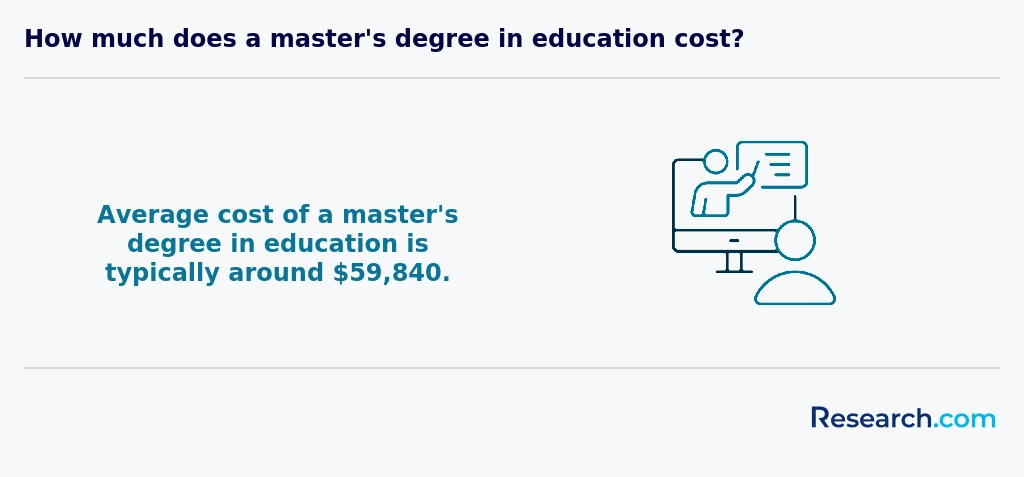
The average cost of an education degree in Portland generally falls around $36,370 for in-state students, offering a relatively accessible option compared to out-of-state tuition which can exceed $59,800. Graduates from Portland's universities often reflect on their investment as a worthwhile step toward fulfilling careers in education, appreciating how financial planning and available support make this achievable. The typical tuition fees for education programs combined with living expenses shape the overall affordability, influencing students' decisions about the length and intensity of their studies.
Many education students at popular institutions in Portland find that the balance between cost and quality creates opportunities to engage deeply with their coursework without overwhelming debt. Practical experiences, such as student teaching placements arranged by these universities, enhance learning while building confidence and professional networks. This blend of affordability and experiential learning is central to why more students are exploring affordable education degree programs Portland tuition fees offer, which aligns well with their long-term goals.
Additional costs like textbooks, supplies, and fees typically add $1,200 to $1,500 annually, but many students manage these expenses through scholarships and part-time work. For those interested in comparing options, the affordable education schools in Oregon provide a useful starting point for considering different pricing structures and financial aid possibilities. The interplay between tuition costs, aid availability, and program quality makes planning for an education degree in Portland an encouraging and dynamic journey.
Before enrolling in an Education degree program, it’s essential to verify both program accreditation and state licensure pathways to ensure your credentials will be recognized by employers and certification bodies. Regional and Program Accreditation • Northwest Commission on Colleges and Universities (NWCCU) – Regional accreditation required for all degree-granting institutions in Oregon. • Council for the Accreditation of Educator Preparation (CAEP) – National accreditation for teacher preparation programs, demonstrating adherence to rigorous standards. State Licensure Pathway through the Oregon Teacher Standards and Practices Commission (TSPC) 1. Complete an approved educator preparation program: Ensure the program is CAEP-accredited or TSPC-approved. 2. Pass required examinations: – Praxis Core Academic Skills for Educators (reading, writing, mathematics) – Praxis Subject Assessments specific to your teaching endorsement (e.g., elementary, special education) 3. Submit TSPC application: Includes official transcripts, Praxis scores, fingerprint-based background check, and application fee. 4. Obtain an Initial Teaching License: Valid for three years; allows full instructional duties. 5. Upgrade to a Continuing License: After teaching at least one year and completing an approved mentor-supported induction program or earning a master’s degree. Endorsements and Additional Credentials • Bilingual Education or English Language Learner (ELL) endorsements • Reading Specialist or Special Education endorsements • Administrator credentials for those pursuing educational leadership roles Continuing Education and Professional Development • Required 90 professional development hours every five years for license renewal • Workshops, graduate courses, and TSPC-approved in-service credits • Participation in the Oregon Education Association and local school district programs For those exploring flexible online routes, you may also compare nationally recognized options by visiting the Affordable Online Education Degree Programs Ranking in Idaho, which highlights cost-effective fully online programs suitable for educators seeking remote study.
Students pursuing education degrees in Portland often find financial aid a vital support system, with federal and state programs paving the way to affordable learning. For instance, a graduate from Portland State University can vividly recall how the FAFSA unlocked Pell Grants covering a substantial portion of their $11,500 annual tuition, easing the pressure of upfront costs. Many peers leverage the Oregon Opportunity Grant too, which provides up to $4,300 annually, making enrollment in local teacher prep programs more accessible and less stressful.
Beyond grants, numerous scholarships targeted at future educators energize students' dreams. Graduates reflect warmly on receiving aid from local school districts' scholarships, like those by Portland Public Schools, which encourage commitment to high-need teaching fields with partial tuition coverage. This kind of support not only reduces financial strain but also fosters a sense of belonging and purpose.
Looking ahead, loan forgiveness programs such as Public Service Loan Forgiveness (PSLF) give hope to aspiring teachers dedicating themselves to public schools, promising debt relief after years of service. Oregon's Teacher Incentive Fund further underscores a growing trend of innovative state incentives, designed to make education careers sustainably rewarding.
Aspiring educators in Portland, OR, can significantly boost their careers by strategically focusing on professional development and networking practices. This section highlights actionable tips, such as building a robust resume with practical experiences, engaging in continuous learning through workshops and certificate courses, and leveraging mentorship opportunities from experienced professionals in the education sector. Utilizing career services at local institutions and attending job fairs can help connect you with key industry players and potential employers. Additionally, exploring resources aimed at maximizing your earning potential-such as high-paying jobs with a master's in education-can offer valuable insights into salary trends and job growth opportunities in the region. By tapping into both traditional networking events and emerging digital platforms, graduates enhance their visibility and competitiveness in the job market, ultimately paving the way for a fulfilling and prosperous career in education.
Enrolling in an education degree program in Portland typically begins with holding a high school diploma or its equivalent, such as a GED. Graduates from local universities often recall submitting their transcripts and, in some cases, SAT or ACT scores-though many Portland institutions now embrace test-optional policies, reflecting a shift toward more flexible admission standards.
Many students highlight how meeting a minimum GPA requirement, usually around 2.5 to 3.0, became a motivating factor to focus early on core subjects like English and math. These foundational courses prepare candidates for the rigorous curriculum that lies ahead, a reality genuine for both community college students and those at major Portland universities.
For those pursuing graduate-level education degrees locally, a bachelor's degree is mandatory. Alumni frequently share how providing strong letters of recommendation and demonstrating hands-on experience with diverse classroom settings enhanced their applications. This emphasis on cultural competence and inclusivity is becoming a hallmark of Portland teacher training, helping students feel both challenged and supported as future educators.

Graduation and licensure success rates are vital indicators of program quality for affordable education degree programs in Portland, OR. On average, public universities in Portland report a 78% six-year graduation rate for in-state Education majors, with retention rates of 85% from freshman to sophomore year. Private institutions, such as Lewis & Clark College, boast an 81% on-time completion rate for bachelor’s in Education. Additionally, first-time pass rates for teacher certification exams (e.g., the Praxis series) range between 72% and 88% across local programs, reflecting the strength of their curriculum and faculty mentorship. Employment placement is another key metric: approximately 65% of graduates secure full-time teaching positions or related educational roles within 12 months of graduation. For those who pursue alternative careers-such as instructional design or educational administration-the 12-month placement rate is around 60%. Alumni satisfaction surveys indicate that 90% of respondents feel their program adequately prepared them for classroom management, curriculum development, and community engagement. Financial return on investment (ROI) complements these outcomes. The average debt-to-earning ratio for Education graduates in Portland stands at 0.58, meaning that annual post-graduation earnings exceed average student loan balances by nearly double. Prospective students interested in comparing affordability and outcomes across regions can explore our Affordable Online Education Degree Programs Ranking in Idaho for additional context. By evaluating graduation rates, licensure pass rates, and employment outcomes alongside cost data, aspiring educators can make well-informed choices that balance affordability with academic excellence and career readiness.
Education degree programs in Portland typically include courses like Educational Psychology, Curriculum Development, and Instructional Strategies, which graduates often describe as eye-opening and deeply relevant to real classroom challenges. At popular institutions such as Portland State University, students appreciate how these courses are tied closely to Portland's diverse public schools, helping them feel prepared to engage with a wide range of learners.
Many students find the Assessment and Evaluation class especially rewarding, as it equips them to track student progress effectively, often sharing stories about their practicum experiences where these skills made a tangible difference. Special Education courses also stand out, creating a sense of fulfillment by empowering future teachers to support students with varying needs.
Emerging trends include integrating educational technology and multicultural education to reflect Portland's evolving community, which graduates say adds a dynamic and hopeful dimension to their studies. Hands-on student teaching embedded in these programs often leaves students feeling confident and excited about stepping into Oregon classrooms.
Education degree specializations Portland students pursue often reflect evolving community needs and future educational trends. Graduates of Portland State University and other popular institutions describe immersive programs in Elementary Education that equip them with vital skills to foster early literacy and numeracy in diverse classrooms. Secondary Education specializations, including focused training in STEM and foreign languages, prepare educators to engage adolescents in dynamic and technology-integrated environments.
Meanwhile, students drawn to Special Education find rewarding challenges addressing the varied learning needs encountered in Portland's inclusive classrooms. Early Childhood Education offers a forward-thinking approach supporting children's development from birth to age eight, a specialization gaining momentum as research underscores the importance of early intervention. Those eager to influence school policy choose Educational Leadership paths, envisioning a future where they guide innovative administrative practices in Oregon's growing school districts.
Many recognize the benefits of enrolling in Portland affordable education degree programs that balance cost and quality, enabling more access to these diverse options. Those weighing career outcomes often explore high-paying jobs with a master's in education after specialization, fueling optimism about their professional futures.
Choosing the best affordable education degrees Portland offers means imagining yourself fully engaged in a program that fits both your career goals and lifestyle. Graduates from Portland State University often share how the balance between practical classroom experience and flexible online learning helped them thrive emotionally and professionally. Considering programs with accredited licensure support ensures you are prepared for Oregon's teaching requirements, making the path to certification smoother and less stressful.
Envision comparing tuition costs between public and private options, where affordable programs provide access without sacrificing quality. Many students appreciate that institutions in Portland offer hybrid models, enabling them to work while studying, creating a sense of empowerment and control over their futures.
Emerging trends highlight the value of specialized degrees aligned with local school needs, helping graduates find meaningful job placements quickly. Exploring resources like the Affordable Online Education Degree Programs Ranking in Idaho can broaden your perspective on where flexibility and cost meet, empowering your decision within the top education degree programs Portland fosters.
Graduates with an education degree in Portland find diverse and evolving career paths that reflect the city's dynamic educational scene. From traditional teaching jobs with education degree Portland offers to innovative roles, the landscape is growing. Many graduates from institutions like Portland State University embrace classroom roles, specializing in subjects such as STEM or special education, feeling fulfilled as they make a direct impact on students' lives.
Others explore administrative or counseling positions within Portland's public and private schools, motivated by a desire to shape policies or support student well-being. Additionally, Portland's thriving nonprofit and educational technology sectors provide exciting avenues for graduates eager to pioneer community outreach or develop digital learning tools. Portland's commitment to early childhood education also opens doors in daycare and pre-K programs, aligning well with graduates passionate about foundational learning.
For those interested in faster entry or alternative tracks, graduates often leverage fast paced degree programs available locally to accelerate their careers. This wide array of education degree career options in Portland inspires graduates to envision impactful futures beyond traditional settings.
The education degree job opportunities in Portland remain promising as the city experiences steady growth in student enrollment and places strong emphasis on public education. Graduates from Portland State University and other local institutions often share optimistic reflections about quickly finding roles, particularly in special education and bilingual classrooms where demand is highest. Many report that earning advanced certifications greatly enhances their employment prospects and salary potential within Portland's competitive landscape.
Looking ahead, Portland's teacher employment outlook 2027 suggests continued expansion, driven by both population growth and targeted initiatives addressing shortages in key subjects like math and science. Students training locally feel encouraged by programs that offer loan forgiveness and other incentives, which help ease the financial burden of education degrees. For those weighing options, exploring easy degrees to get can be an initial step toward a rewarding career in teaching by selecting pathways that align with their strengths and local job market needs.
2027 Most Affordable Education Degree Programs Ranking in Portland
Investing in your education is a significant decision that requires careful consideration, and the Research.com team fully recognizes the importance of guiding prospective students towards the best opportunities. To support individuals exploring affordable education degree options in Portland, we have diligently developed the "2027 Most Affordable Education Degree Programs Ranking in Portland." Our unwavering commitment to quality, credibility, and accuracy is demonstrated by the thorough research and analysis that underpin this ranking.
We utilized the following reputable data sources to ensure a comprehensive evaluation of education degree programs:
By reviewing this ranking, readers will obtain valuable insights to help them identify affordable, high-quality education degree programs in Portland, enabling informed and confident decisions about their academic futures. For a detailed explanation of our data and methodology, please visit our Research.com methodology page.
# 1 position
Warner Pacific University Professional and Graduate Studies
Master of Arts in Teaching


Frequently Asked Questions About education
Education degree students in Portland can maximize their learning by engaging in both theoretical coursework and practical experiences. Portland State University, the largest institution in the city offering education programs, emphasizes hands-on learning through its partnerships with local schools. This allows students to gain valuable classroom experience alongside their studies. According to the Oregon Higher Education Coordinating Commission, over 60% of education students in Oregon participate in student teaching placements, a critical step for skill development.
Joining study groups and education-focused organizations in Portland can also enhance understanding and networking opportunities. Additionally, leveraging Portland's diverse community provides insight into teaching students from various backgrounds, an essential skill for modern educators.
The education field is rapidly evolving, with several emerging niches gaining attention in Portland and across the U.S. One growing area is educational technology, where specialists design digital tools to enhance learning experiences. According to a 2023 report by the National Center for Education Statistics, demand for educators skilled in edtech is increasing by 15% annually.
Another notable niche is special education with a focus on neurodiversity, reflecting Portland's inclusive educational priorities. Programs now emphasize training teachers to support students with autism and ADHD in inclusive settings.
Additionally, bilingual education is expanding, driven by Oregon's diverse population, with programs aiming to prepare educators for multilingual classrooms. The Oregon Department of Education highlights a 12% rise in dual-language learners statewide, influencing local training needs.
Preparing for the job market after completing an education degree in Portland involves several key steps. First, obtaining licensure through the Oregon Teacher Standards and Practices Commission (TSPC) is essential for teaching positions in public schools. Graduates should also engage in student teaching experiences and internships, which Portland-area universities often coordinate with local schools.
Networking within Portland's education community can increase job prospects. Participating in job fairs hosted by institutions such as Portland State University helps connect candidates with employers. According to the Oregon Employment Department, education jobs in the Portland metro area are expected to grow by 8% through 2030, indicating steady demand.
Finally, considering continued professional development or advanced certifications in specialties like ESL or special education can improve employability. Utilizing resources like the Portland Public Schools career portal provides access to current job openings and hiring events.
Employers in Portland prioritize several key skills when hiring graduates with education degrees. Strong communication abilities are essential, as teachers must effectively engage diverse student populations. According to the Oregon Employment Department, 72% of local school districts emphasize classroom management skills alongside instructional expertise.
Critical thinking and adaptability are also highly valued, especially due to the evolving educational standards and technologies used in Portland classrooms. Data from Portland Public Schools show an increasing demand for educators proficient in digital tools and inclusive teaching methods.
Finally, collaboration skills stand out, as educators often work closely with colleagues, families, and community partners to support student success.
Finding internships relevant to an education degree in Portland requires a strategic approach. Start by exploring local school districts such as Portland Public Schools, which often offer internships and practicum opportunities for education students. These placements provide valuable classroom experience and networking.
Universities like Portland State University have dedicated career centers that connect students with education internships in the Portland metro area. Additionally, organizations like TeachOregon offer resources to help students find relevant placements.
It is important to check requirements early, as many internships require background checks and approval from the educational institution. According to the Oregon Employment Department, education internships in Portland have grown by 5% in the past three years, reflecting increasing opportunities for hands-on experience.
In Portland, earning an education degree significantly enhances career mobility and advancement opportunities within the local school systems and educational institutions. According to the Oregon Department of Education, teachers with a bachelor's degree in education have a higher likelihood of securing full-time positions compared to those without formal credentials.
Advanced degrees, such as a master's in education, can lead to roles in school administration, curriculum development, or special education, often accompanied by salary increases of 10-20% based on district pay scales. The Portland Public Schools district reports that professionals with higher education qualifications are prioritized for leadership and specialized roles.
Additionally, many districts in Portland require state licensure, which is closely tied to completing accredited education degree programs. Candidates with these credentials tend to experience less job turnover and greater long-term employment stability.
Studying for an education degree in Portland equips students with skills that extend beyond traditional teaching. Many programs emphasize interdisciplinary learning, combining education theory with psychology, sociology, and technology. This approach addresses the diverse needs of today's classrooms and community settings.
Portland's universities often partner with local organizations, providing students hands-on experience in various fields such as social work and special education. According to the Oregon Higher Education Coordinating Commission, about 60% of education graduates from Portland schools engage in internships that cross traditional academic boundaries.
This preparation enhances adaptability, enabling graduates to work effectively in collaborative environments involving multiple disciplines.
Choosing between a thesis and a non-thesis education degree in Portland hinges on your academic and career goals. A thesis program typically involves conducting original research and writing a detailed paper, which suits students interested in pursuing doctoral studies or research-based careers.
Non-thesis programs focus more on coursework and practical skills, making them ideal for educators aiming for direct classroom application or administrative roles. According to Portland State University statistics, about 40% of their graduate education students opt for thesis tracks, reflecting strong research engagement.
Consider your time commitment as thesis programs may require additional months for research and writing.
Review program requirements at Portland institutions to align your choice with professional aspirations and workload capacity.
Students in Portland seeking to study education abroad have several options through partnerships and programs offered by local universities. Portland State University, for example, provides exchange opportunities with schools in countries such as Spain and South Korea, allowing education majors to gain international teaching experience.
Additionally, many programs align with U.S. Department of Education standards, ensuring credits earned abroad apply toward Oregon teaching licensure. According to the Institute of International Education, roughly 10% of Portland State's education students participate in study abroad annually, emphasizing a growing trend.
Scholarships and financial aid specifically for teaching candidates pursuing international study are also accessible through local education foundations and university grants.
Portland offers several part-time job opportunities that can effectively complement education degree studies. Many education students find positions as teacher assistants in local public schools, allowing hands-on experience and boosting practical skills. According to the Oregon Department of Education, approximately 25% of education students in Portland engage in support roles during their studies.
Additionally, tutoring services are in demand, especially in subjects like math and reading, which aligns with education curriculum requirements. Community centers and afterschool programs in Portland often hire part-time staff for mentoring roles, providing valuable exposure to diverse student needs.
Libraries also offer part-time roles related to literacy promotion, reinforcing educational theories with practice. These jobs not only provide income but also enhance resumes for future teaching careers.
Education students in Portland benefit from numerous networking opportunities that support their professional growth. Local universities such as Portland State University and the University of Portland host regular events, workshops, and career fairs specifically for education majors. These gatherings connect students with experienced educators, school administrators, and potential employers.
Additionally, Portland has active chapters of national organizations like the Oregon Education Association (OEA) and the Future Educators Association (FEA), which provide mentorship programs and regional conferences. These groups promote collaboration and offer access to over 15,000 education professionals statewide, according to OEA's 2023 membership data.
Students can also engage in community outreach and volunteer programs within Portland Public Schools, further expanding their local professional networks and gaining practical experience essential for careers in education.
Alumni networks offer significant advantages for education degree students in Portland by providing valuable professional connections. These networks often include graduates working in local school districts, which can help current students access internships and job placements more easily. According to the Oregon Department of Education, around 15,000 educators work statewide, and strong alumni ties enhance employment opportunities within this competitive market.
Moreover, alumni frequently participate in mentoring programs, sharing insights about credential requirements and classroom experience specific to Oregon's education system. This support helps students navigate certification processes efficiently.
The University of Portland and Portland State University maintain active alumni groups, fostering collaboration and continuous learning among education professionals across the city.
Customizing your education degree program in Portland to fit your career goals involves selecting courses and specializations that align with your desired path. Many Portland institutions offer flexible degree options, including endorsements in special education, English as a Second Language (ESL), or educational technology.
Portland State University, for example, provides opportunities for students to tailor their studies through electives and practicum placements in diverse community settings, helping build relevant skills for urban education environments. According to the Oregon Higher Education Coordinating Commission, over 60% of education students in the state pursue specialized tracks to increase job market competitiveness.
Additionally, consider pursuing certificates or dual degrees alongside your major to enhance your qualifications. Active work experience, internships, and professional networking in Portland schools can further customize your educational journey to meet local district requirements and personal career ambitions.
Education students in Portland commonly face several challenges during their studies. One major issue is managing the balance between rigorous coursework and required field experiences, such as student teaching placements. These placements often demand significant time and travel, adding pressure to already busy schedules.
Financial burdens also represent a frequent concern. According to the Oregon Higher Education Coordinating Commission, in 2023, the average annual tuition for in-state students in education programs was approximately $8,500, not including living expenses. This cost can be a barrier for many aspiring educators.
Additionally, accessibility to quality practicum sites varies across Portland neighborhoods, impacting hands-on learning opportunities. Students must navigate diverse classroom environments while adapting to various teaching methodologies, which can be challenging without substantial support.
With an education degree in Portland, several professional certifications can enhance your career prospects. The most common certification is the Oregon Teaching License, required to teach in public K-12 schools. This involves completing approved teacher preparation programs and passing licensure exams like the edTPA.
Specialized certifications are also available. For example, you can pursue endorsements in subjects such as Special Education, English as a Second Language (ESL), or Reading Specialist certification, which address specific student needs and increase job opportunities. These endorsements usually require additional coursework and exams.
Beyond teaching, options include becoming a National Board Certified Teacher (NBCT). This prestigious, voluntary certification demands evidence of teaching excellence and student learning, recognized nationwide.
Portland's education workforce, according to the Oregon Department of Education, has seen growing demand for ESL and Special Education certified professionals, reflecting local community needs.
Writing a winning application for an education program in Portland requires careful attention to detail and clear communication of your passion for teaching. Start by researching the specific program's requirements, as Portland's universities like Portland State University and University of Portland may have slightly different criteria.
Highlight your academic achievements and relevant experience, including volunteer or work in educational settings. According to the Oregon Higher Education Coordinating Commission, demonstrating local community involvement can strengthen your application.
Compose a compelling personal statement that explains why you want to teach in Portland and how your goals align with the school's mission. Include any certifications or licenses, as Oregon requires teacher candidates to meet state standards.
Finally, ensure your application is error-free and submit all transcripts and recommendation letters by the deadline. Timeliness is crucial since Portland education programs are competitive and receive hundreds of applications annually.
Education careers in the United States, including Portland, are influenced by global trends emphasizing multicultural competence and technology integration. According to the National Center for Education Statistics (NCES), U.S. teacher preparation programs increasingly focus on preparing educators to work in diverse classrooms with students from various cultural backgrounds. This approach aligns with global shifts towards inclusivity in education.
Portland's education programs incorporate these values, reflecting broader international priorities such as adapting to digital learning environments. The U.S. Department of Education highlights that teachers skilled in technology use tend to improve student engagement and outcomes, which is vital in today's interconnected world.
Furthermore, global demand for qualified educators remains strong, with the OECD reporting steady growth in education sector employment worldwide. For Portland students, acquiring an education degree means entering a career that is both locally relevant and globally informed.
Gaining practical experience while studying for an education degree in Portland is essential for career readiness. Many local universities and colleges integrate student teaching placements into their programs. For example, Portland State University collaborates with public schools in the Portland area, allowing students to engage in supervised classroom teaching.
Additionally, internships at nearby educational nonprofits provide hands-on experiences beyond traditional classrooms. The Oregon Department of Education highlights that around 85% of education students in Oregon complete practicum hours, which build skills in classroom management and lesson planning.
Volunteering in community learning centers is another option, offering exposure to diverse student populations. These experiences prepare students for licensure and future employment in Portland's growing education sector.
Choosing the right concentration within an education degree program in Portland involves considering your career goals and local job market demands. Popular specializations include early childhood education, special education, and educational leadership. The Oregon Employment Department projects a 7% growth for education roles in the Portland metro area through 2030, especially for special education teachers. Researching program accreditation is essential; the Council for the Accreditation of Educator Preparation (CAEP) recognizes several Portland institutions. Prospective students should also assess opportunities for practical experience, such as student teaching placements within Portland Public Schools, which serve over 49,000 students and often partner with universities.
- 2027 Most Affordable Education Degree Programs Ranking in Eugene
- 2027 Most Affordable Education Degree Programs Ranking in Stockton
- 2027 Most Affordable Education Degree Programs Ranking in San Francisco
- 2027 Most Affordable Education Degree Programs Ranking in Los Angeles
- 2027 Most Affordable Education Degree Programs Ranking in Irvine
- 2027 Most Affordable Education Degree Programs Ranking in Riverside
- 2027 Most Affordable Education Degree Programs Ranking in La Jolla
- 2027 Most Affordable Education Degree Programs Ranking in San Diego
- 2027 Most Affordable Education Degree Programs Ranking in Denver
- 2027 Most Affordable Education Degree Programs Ranking in Phoenix
See What Experts Have To Say About Studying Education
Read our interview with Education experts

Alan J. Singer
Education Expert
Professor of Teaching, Learning and Technology
Hofstra University


- Education degree - Tłumaczenie po angielsku - Słownik angielsko-polski Diki https://www.diki.pl/slownik-angielskiego
- Putting theory into practice: The value of an interdisciplinary approach to teaching https://my.chartered.college/impact_article/putting-theory-into-practice-the-value-of-an-interdisciplinary-approach-to-teaching/
- Navigating Challenges In Education, Learning & Development - those who can https://www.thosewhocan.org/navigating-challenges-in-education-learning-and-development/
- Education Cover Letter: 6 Steps to Write a Job-Winning One [+Example & Template] | Cake https://www.cake.me/resources/cover-letter/education-cover-letter
- Benefits of Networking for Students https://www.melioeducation.com/blog/benefits-of-networking-for-students/
- How to Get the Education You Need to Further Your Career https://www.aportlandcareer.com/get-the-education-you-need-to-further-your-career/
- Students: This is How You Should Prepare for the Job Market https://www.agencycentral.co.uk/articles/students-this-is-how-you-should-prepare-for-the-job-market/
- Top 10 Effective Networking Tips for Students https://www.unfc.ca/blog/networking-tips-for-students
- Networking For Educators: How To Grow A Professional Circle - Carlow University https://www.carlow.edu/networking-for-educators/
- International teaching and education jobs https://www.tes.com/jobs/search/international





