
2027 Most Affordable Education Degree Programs Ranking in Stockton

Co-Founder and Chief Data Scientist
Choosing the right education degree program in Stockton can feel overwhelming. That's why this article presents the 2027 Most Affordable Education Degree Programs Ranking in Stockton, created by the Research.com team of data scientists.
By exploring this ranking, potential students can make informed decisions based on affordability and quality. Pursuing an education degree opens doors to rewarding careers and personal growth.
Whether you're starting fresh or advancing your journey, this guide is designed to support your goals with clear, trustworthy information.
Key benefits of getting education degree in Stockton
- Graduates with an education degree in Stockton can expect rewarding salaries, such as $76,000 annually for Special Education Teachers and $65,430 for ESL Teachers, reflecting strong earning potential in meaningful careers.
- Career paths for education graduates from Stockton State University include roles like Instructional Designer, Early Childhood Educator, and Elementary School Teacher, offering diverse opportunities to impact students at various stages.
- Completing an education degree online from a Stockton-based program provides flexibility for working adults and saves commuting time, making it easier to balance life while advancing your career.
- 2027 Most Affordable Education Degree Programs Ranking in Stockton
- What can I expect from education degree in Stockton?
- Where can I work with education degree in Stockton?
What can I expect from education degree in Stockton?
Students pursuing education degrees in Stockton typically face tuition costs that feel surprisingly manageable compared to bigger California metros. For example, graduates from San Joaquin Delta College often recall how affordable community college tuition made it possible to start their teaching careers without overwhelming debt. Many began by earning credits there before transferring seamlessly to California State University, Stanislaus - Stockton Center, where in-state tuition still remains a reasonable investment.
On average, completing a bachelor's degree requires around 120 to 150 semester units, with total expenses influenced by the balance of courses taken at community colleges versus four-year universities. Credential programs, like those at CSU Stanislaus, add one to two years, often paid with the help of grants or federal aid. Graduates frequently describe this combination of accessible pricing and financial aid as empowering, letting them focus on mastering classroom skills rather than worrying about costs.
By choosing Stockton's education pathways, students benefit not just from lower costs but also from tailored programs that reflect their community's diversity and educational needs, making the investment feel both practical and personally rewarding.
Where can I work with education degree in Stockton?
Graduates from education programs at Stockton's colleges, like San Joaquin Delta College, discover they're stepping into vibrant classrooms across local K-12 schools, including those in Stockton Unified and Lodi Unified districts. Imagine the impact of joining over 1,200 teachers already shaping young minds in these communities. It's not just about teaching core subjects; many find themselves drawn to special education, where meeting the unique needs of diverse students sparks a deep sense of fulfillment and purpose.
Others transition into private or faith-based schools, embracing alternative educational roles that challenge traditional methods. Some graduates feel inspired to become curriculum specialists or educational coordinators, crafting programs that ignite curiosity and drive engagement. For those seeking leadership, pursuing advanced degrees opens doors to administrative roles like principals or program directors-positions crucial for steering Stockton's schools toward excellence.
Community colleges here also welcome education graduates as instructors and advisors, where guiding adult learners creates a rewarding career path. Many find joy in nonprofit or government positions focused on youth, weaving real change into Stockton's educational fabric every day.
Graduates with education degrees in Stockton step into a rewarding career landscape where earnings reflect both dedication and specialization. Take, for example, those who start as elementary school teachers earning a mean annual wage of about $70,740-figures that closely match the local cost of living and opportunities. Students from popular institutions like the University of the Pacific report feeling energized knowing their degree holds strong financial potential alongside community impact.
Special education teachers, a critical role in Stockton's schools, enjoy a median salary near $76,000, highlighting the premium placed on expertise and specialized training. ESL teachers stand out too, making around $65,430 annually with hourly wages of $31.46, a comforting balance for graduates passionate about cultural diversity and inclusion.
Early childhood educators often begin with $41,410 annually, which can feel humble but grows with experience and added certifications. Instructional designers command some of the highest salaries, around $77,200, rewarding creativity in educational content development. These figures reflect a local ecosystem where education degrees can foster not only fulfilling roles but financial stability for Stockton graduates as they invest in their communities.
- In Stockton, in-state public college tuition for education degrees ranges from $6,000 to $8,000 per year, while private schools often charge over $20,000 annually.
- Community colleges like San Joaquin Delta College offer more affordable courses at $1,000 to $2,000 per year before transferring to a university.
- Entry-level teachers can expect salaries between $45,000 and $55,000 annually, with experienced educators earning over $70,000.
- There is a steady demand for qualified teachers in Stockton, especially in special education and bilingual education roles.
- California requires passing the CBEST and CSET exams and completing a state-approved teacher preparation program for licensure.
Completing an education degree in Stockton typically takes about four years of full-time study, a timeframe students at California State University, Stanislaus, or the University of the Pacific often embrace. Many graduates recall the rhythm of balancing coursework and student teaching, feeling the steady progress toward their goal despite occasional challenges. This four-year path is the standard, yet studying education here is rarely a simple checklist; it's a lived experience shaped by each individual's pace and responsibilities.
For those who juggle work or family, extending the journey to six years or more is common, reflecting a realistic approach rather than a failure to meet deadlines. Graduate programs in Stockton, like a master's degree or credential preparation, usually add 18 to 24 months, pushing students to a deeper engagement with their passion for education. These periods allow for rich learning and connection, making the time investment feel worthwhile and profoundly personal.
Understanding the return on investment (ROI) for an education degree in Stockton, CA, is essential for making informed financial decisions. ROI compares the total cost of earning your degree-tuition, fees, textbooks, and living expenses-against your projected post-graduation earnings. By evaluating ROI, prospective students can estimate how long it will take to recoup their investment and begin generating net income. On average, in-state students at public four-year institutions in Stockton pay approximately $27,146 per year in total cost of attendance, while out-of-state students face about $45,708 annually. With entry-level salaries for ESL Teachers averaging $63,130 and Instructional Designers around $73,080, the typical payback period for in-state students ranges between 2 and 3 years. Factoring in scholarships and grants-such as Cal Grants and the Stockton Scholars program-can reduce this period by 6–12 months, further enhancing ROI. For students open to flexible, cost-effective pathways, online programs often deliver competitive ROI. Exploring the Low Cost Online Education Degree Programs Ranking in the Midwest can reveal programs with lower tuition and living costs, helping you compare regional ROI benchmarks. Online formats also allow employed individuals to earn while they learn, minimizing debt accumulation. To maximize ROI, consider these strategies:
- Secure scholarships and federal aid early by completing the FAFSA on time.
- Opt for accelerated or hybrid programs to shorten time to degree.
- Leverage work-study positions or part-time teaching assistantships to offset living costs.
- Choose accredited programs with strong career services for higher job placement rates. By analyzing cost versus expected salary and adopting proactive financial planning, students in Stockton can ensure their education degree yields a strong, sustained return on investment.
Choosing between online and on-campus education degrees in Stockton isn't just about convenience; it's a reflection of how you want to experience learning. Graduates from California State University, Stanislaus often recall the immersive energy of attending lectures in person-the spontaneous discussions after class, the hands-on practica, and the community vibe that fuels motivation. On-campus students describe feeling anchored by a structured routine, surrounded by peers and professors who bring the curriculum to life.
Meanwhile, online learners value the freedom to study anytime, anywhere, which fits perfectly with busy work schedules or family commitments. Many find the asynchronous format liberating, allowing them to absorb material deeply on their own timelines without the rush of fixed class hours. Yet, they also appreciate local partnerships that make possible valuable fieldwork in Stockton schools, bridging virtual study with real-world teaching experiences.
Financially, Stockton's in-state tuition at Stanislaus hovers around $7,000 annually-similar for both formats-yet online students save on commuting, which shifts some of the traditional college stress into efficient convenience. This dynamic challenges the usual idea that on-campus always delivers better value.
These contrasting experiences underscore that the difference lies less in degree quality and more in how education shapes your daily life-and your future path in Stockton's diverse teaching community.
Achieving a valid teaching credential in California begins with enrolling in a CAEP-accredited education program, which ensures compliance with the California Commission on Teacher Credentialing (CTC) standards. Stockton students must complete a program that covers both pedagogy and subject-matter preparation, often verified through passing the California Subject Examinations for Teachers (CSET). Upon program completion, candidates submit a Teaching Performance Assessment (TPA) portfolio and apply for either a Multiple or Single Subject Teaching Credential, depending on the grade level and subject focus. For those aspiring to educational leadership, the Preliminary Administrative Services Credential requires additional coursework in school finance, governance, and site-based management. Prospective students should confirm program accreditation by checking both institutional accreditation (e.g., WASC Senior College and University Commission) and program-specific approval by the CTC. Accreditation not only impacts eligibility for state financial aid but also ensures seamless transfer of credentials if you choose to teach in another state. While exploring accredited pathways in California, you may also want to compare out-of-state options through our Low Cost Online Education Degree Programs Ranking in the Midwest, which highlights programs meeting equivalent accreditation criteria and offering competitive tuition rates. Understanding these requirements early empowers candidates to budget for exam fees, credential application costs, and mandated fingerprinting services. By prioritizing accredited programs and staying abreast of CTC updates, Stockton education graduates can streamline their path to licensure and maximize career mobility across K–12 and administrative roles.
The average cost of a education degree in Stockton typically sits around $57,080 for in-state students, a figure that surprises many when weighed against national averages. Graduates from San Joaquin Delta College often recount starting their journey at a community college level to minimize expenses, providing a more affordable education degree path without sacrificing quality. This approach exemplifies affordable education degree programs Stockton 2027 hopefuls might consider when budgeting for their futures.
At Stockton State University, the journey to an education degree can range closer to $75,332 for out-of-state students, a number that challenges assumptions about accessing higher education. Yet, those investing in this path frequently express pride in their financial planning and diligence to secure scholarships and grants, highlighting the accessibility of financial aid as a game-changer.
Beyond tuition, graduates emphasize the reality of additional costs like books, supplies, and living expenses, which can significantly impact total spending. Many share stories of balancing part-time jobs or utilizing campus resources to alleviate these burdens.
For those exploring lower-cost options, the California public education system remains a stronghold of affordability. Prospective students are encouraged to research pathways and options thoroughly, such as considering affordable accounting schools in California as a reference point for cost-effective program structures and financial support.
In today’s dynamic educational landscape, staying up-to-date with industry trends and expert perspectives is as crucial as selecting an affordable program. Leading educators and career counselors emphasize the growing importance of technology integration, personalized learning, and data-driven decision-making in classrooms. Experts recommend that prospective students not only focus on traditional academic parameters but also actively seek opportunities to develop skills in digital literacy and innovative teaching methods. This forward-thinking approach helps graduates remain competitive and responsive to evolving student needs and policy changes in education. Moreover, staying informed on emerging trends can significantly enhance long-term career success; for example, exploring complementary fields such as advanced library science has proven valuable for many educators. For additional insights and related opportunities, consider visiting https://research.com/degrees/most-affordable-online-masters-degrees-in-library-science. Embracing these expert insights can empower students to navigate the complexities of modern education with confidence and strategic foresight.
Many aspiring teachers in Stockton quickly learn that financial aid is more nuanced than just filling out the FAFSA. Graduates from California State University, Stanislaus - Stockton Center often recall that federal aid options like Pell Grants, federal loans, and work-study programs were lifelines, not just safety nets. These supports don't just reduce costs; they open doors to focusing on teaching rather than looming debt.
State aid also plays a powerful role. The Cal Grant frequently covers tuition, fees, and even some living expenses for eligible students, a reality that transforms opportunities for local residents pursuing education degrees. Graduates from San Joaquin Delta College appreciate how community college scholarships and aid programs make foundational coursework affordable, easing the path to transferring to a university.
Beyond public aid, many working professionals benefit from employer tuition assistance offered by Stockton school districts, turning ongoing education into a supported journey rather than a personal financial burden.
Graduates of education degree programs in Stockton, CA, often consider the financial implications of their educational investment, weighing the costs of tuition, fees, and living expenses against potential salaries and career advancement opportunities. Understanding the return on investment (ROI) for education degrees is crucial, as it helps prospective students make informed decisions about their academic and professional futures. For those interested in exploring affordable options, researching affordable accounting schools in California can provide valuable insights into the financial aspects of higher education. By examining the cost-benefit analysis of education programs, graduates can better navigate the job market and make strategic decisions about their career pathways, ultimately maximizing their ROI and achieving long-term financial stability.
Enrolling in an education degree program in Stockton demands more than just academic records; it reflects a readiness to embrace a meaningful career. At institutions like California State University, Stanislaus, Stockton graduates often recall their high school diplomas or GED as just the starting gate. The real challenge begins with meeting test expectations-SAT or ACT scores-though recent shifts toward test-optional policies have offered a breath of fresh air for some students.
But it's not all about numbers. Many students vividly remember the moment they submitted volunteer hours or crafted heartfelt statements explaining their passion for teaching. This blend of commitment and academic readiness makes the application process feel personal, not just procedural.
Some programs require background checks and immunization proof, especially if fieldwork is involved, making students feel a sense of responsibility before even entering the classroom. Community colleges like San Joaquin Delta provide accessible pathways, reminding students that starting locally can be both affordable and rewarding.
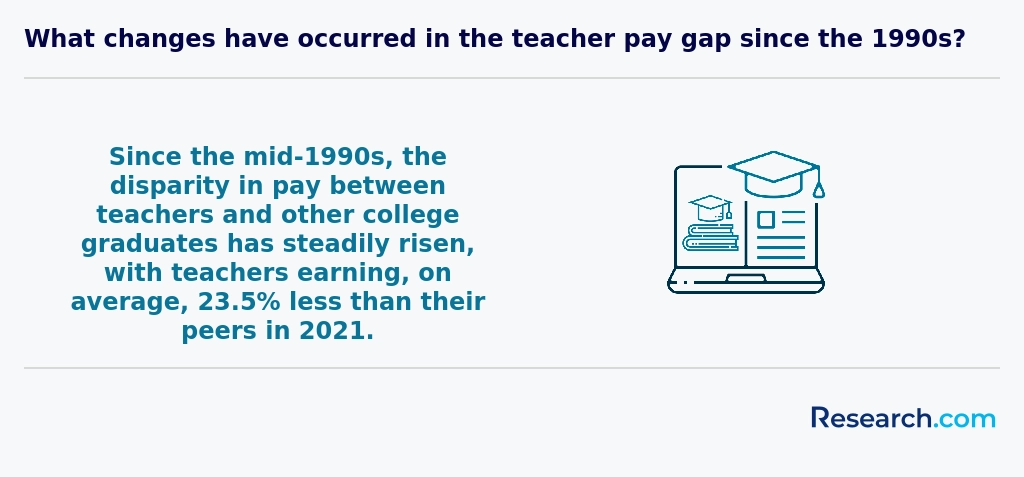
Evaluating program outcomes is essential for selecting the right education degree in Stockton, CA, as graduation rates, credential exam pass rates, and job placement figures reflect a program’s real-world effectiveness. Stockton’s public four-year institutions report an average six-year graduation rate of 68%, while community colleges like San Joaquin Delta College see a two-year completion rate near 42%. Teacher credential exam pass rates across Stockton programs consistently exceed 90%, indicating strong preparation in pedagogy and classroom management techniques. Employment outcomes further demonstrate program quality: data show that 88% of education graduates from the University of the Pacific secure full-time teaching or administrative roles within six months of graduation, and California State University, Stanislaus graduates report a 92% job placement rate in K-12 and higher education settings. Alumni satisfaction surveys reveal that 85% of respondents feel well-prepared for state certification requirements and classroom challenges, highlighting the value of hands-on student teaching and mentorship components. For a broader comparative view on affordability versus outcomes, prospective students may benefit from exploring benchmarks beyond California. For example, the Low Cost Online Education Degree Programs Ranking in the Midwest offers insights into how institutions balance cost efficiency with strong graduation and employment metrics, helping you gauge where Stockton programs stand on a national scale.
Students pursuing education degrees in Stockton find their coursework deeply connected to real classroom dynamics. Graduates from popular local colleges often share how courses like Educational Psychology and Child and Adolescent Development transformed their understanding of student behavior, allowing them to respond thoughtfully to diverse needs they witnessed during student teaching.
The emphasis on Curriculum Planning and Assessment equips them to craft lesson plans that resonate, not just check boxes. At institutions well-known in Stockton, these skills come alive through hands-on experiences in nearby schools, bridging theory and practice.
Topics such as Diversity and Inclusion reflect Stockton's multicultural community, challenging students to embrace cultural competence. Graduates recall engaging discussions on equity and classroom management techniques that helped them build respectful, effective environments for all learners.
Courses in Educational Technology and Education Law and Ethics reassure future teachers that they are prepared for both innovation and the complex responsibilities of their careers, fostering confidence as they step into their roles.
Specializations in education degrees in Stockton go far beyond the traditional classroom role, challenging students to envision their future impact. Graduates from popular local institutions often share how specializing in Elementary Education transformed their approach, grounding them in teaching literacy and math to young learners with creativity and compassion. This relatable experience highlights Stockton's dedication to preparing educators who thrive in real classrooms with real challenges.
For those seeking variety, Stockton offers fields like Secondary Education, focusing on adolescents in middle and high schools, where graduates emphasize balancing subject mastery with effective classroom management. Special education remains a powerful, growing path-graduates describe the rewarding challenge of adapting lessons for diverse learners with disabilities.
Students exploring education degree specializations in Stockton also embrace innovative routes such as Educational Technology or English as a Second Language (ESL), tailoring practices to modern demands. The appeal of these practical, hopeful tracks is echoed by graduates across Stockton's universities, who highlight accessible tuition and rich, real-world training. For alternatives and further options, consider programs listed at https://research.com/degrees/most-affordable-online-masters-degrees-in-library-science.
Choosing the best affordable education degrees Stockton requires looking beyond just program titles or costs. Graduates from San Joaquin Delta College often share how starting at a local, cost-effective institution gave them both confidence and practical experience without overwhelming debt. These personal stories reveal that the best choice aligns with your career goals-whether pursuing a Bachelor of Arts to inspire young learners or a Master's degree aimed at leadership roles in schools.
Many Stockton students also weigh program flexibility, seeking hybrid or online options to balance work and family-a reality shared by countless peers. Accreditation by WASC is non-negotiable here for licensure in California, often a fact overlooked in the eagerness to enroll. Preferentially choosing a program focused on your passion, like special education, connects you with targeted support services, internships, and vibrant community networks that alumni call game changers.
Financially savvy students dig into scholarships, aid, and compare tuition not only within Stockton but also consider expanding horizons through Low Cost Online Education Degree Programs Ranking in the Midwest. This balanced approach is crucial for unlocking opportunities without sacrificing future stability, truly embodying what thoughtful decision-making means in selecting top education degree programs in Stockton.

Graduates with an education degree in Stockton find their career paths are far from limited to traditional classroom roles. Many start as licensed teachers within local school districts, but others quickly discover opportunities as instructional coordinators or special education teachers, roles that demand creativity and deep commitment to student success. In fact, students from nearby programs like California State University, Stanislaus often share how their hands-on experiences prepared them for careers beyond teaching, such as becoming school counselors or education administrators shaping district-wide policies.
Those seeking to make a direct impact on early learners gravitate toward early childhood education specialist positions, while others pursue adult education instruction, where they provide vital skills and literacy training to diverse community members. The varied career choices show how an education degree job opportunities Stockton truly reflect the complexity of educating across ages and needs.
Moreover, many graduates appreciate the affordability of local institutions, which eases financial concerns and allows focus on passion rather than debt. For those wondering about alternative fast-track options, exploring best 6 month programs that pay well nearby can complement traditional education degree pathways.
The education degree job outlook Stockton offers reveals an unexpectedly robust and stable market, driven largely by the city's growing population and school enrollment demands. Graduates from local institutions like California State University Stanislaus or San Joaquin Delta College often share stories of securing diverse roles, from classroom teaching to educational leadership, thanks to Stockton Unified School District's broad hiring spectrum. These experiences highlight how obtaining state certification and specialized skills seriously enhances job prospects.
Financially, new teachers can expect starting salaries around $48,000, with seasoned educators earning well beyond $70,000, making education a viable and rewarding career path locally. Importantly, Stockton's colleges provide relatively affordable tuition, helping to reduce typical graduate debt burdens, especially when compared to national averages. For students weighing the cost and benefit in their career planning, exploring options at online open enrollment colleges can offer added flexibility and support.
The Stockton teaching career opportunities expand further as state initiatives prioritize bilingual educators and those in special education, sectors that graduates find both challenging and fulfilling. Job seekers thrive by embracing continuous professional development, staying ahead in this evolving educational landscape.
2027 Most Affordable Education Degree Programs Ranking in Stockton
Investing in your education is a significant decision that can shape your future, and the Research.com team understands the importance of making informed choices. To assist prospective students in Stockton, we have meticulously crafted the "2027 Most Affordable Education Degree Programs Ranking in Stockton." Our commitment to quality, credibility, and accuracy is reflected in the extensive research and analysis conducted to compile this ranking.
We utilized the following reputable data sources to ensure a comprehensive evaluation of education degree programs:
By exploring this ranking, readers will gain valuable insights into the most affordable education degree programs available in Stockton, empowering them to make well-informed decisions about their academic future. For more details on our approach, please visit our Research.com methodology page.
# 1 position
Humphreys University-Stockton and Modesto Campuses
Master of Arts in Teaching

# 2 position
Humphreys University-Stockton and Modesto Campuses
Bachelor of Arts in Education

Frequently Asked Questions About education
Education degree students in Stockton can maximize their learning experience by actively engaging in both coursework and practical opportunities. Stockton offers access to several accredited institutions where students benefit from small class sizes, promoting personalized instruction and meaningful discussions.
Internships and student teaching placements within local school districts provide valuable real-world experience, essential for effective teaching skills. According to the California Department of Education, Stockton schools frequently partner with universities to support student teachers, enhancing their professional readiness.
Students are encouraged to utilize campus resources such as tutoring centers, academic advising, and professional workshops to strengthen their knowledge and skills. Staying current with educational technology trends also prepares candidates for today's classrooms.
The education field is evolving with several emerging niches that reflect changing societal needs and advances in technology. In Stockton, one growing area is special education focused on inclusive practices, addressing the needs of diverse learners. According to the California Commission on Teacher Credentialing, demand for special education teachers in Stockton increased by 12% in recent years.
Another significant niche is educational technology, or EdTech, where professionals design digital learning tools and platforms. The rise of remote learning during the pandemic accelerated interest in this field nationwide.
Additionally, culturally responsive teaching is gaining importance, promoting equity and diversity in classrooms. Stockton's diverse population increases the relevance of this specialty for future educators.
Preparing for the job market after earning an education degree in Stockton involves several deliberate steps. First, gaining practical experience through student teaching or internships is essential. Stockton Unified School District often partners with local colleges, providing valuable classroom exposure. According to the National Center for Education Statistics, candidates with hands-on experience have higher employment rates.
Networking is also crucial. Joining local education associations, such as the California Teachers Association chapter in San Joaquin County, can open doors to job opportunities. Additionally, obtaining necessary certifications, like the California Preliminary Teaching Credential, is mandatory for public school employment.
Developing skills in technology integration and special education can further improve job prospects in Stockton's diverse educational environment.
Employers in Stockton look for education degree graduates who demonstrate strong classroom management skills. According to the California Commission on Teacher Credentialing, effective behavior management is essential for improving student outcomes in K-12 settings.
Communication skills remain a top priority. Graduates must be able to engage with diverse student populations and collaborate with parents and colleagues. The California Department of Education highlights that bilingual communication is especially valued in Stockton's multilingual communities.
Additionally, technological proficiency is increasingly important. Employers expect graduates to integrate digital tools into lesson plans to enhance learning, aligning with trends identified by the National Center for Education Statistics.
Finally, adaptability and problem-solving abilities are critical to meet evolving educational standards and student needs in Stockton's public schools.
Finding internships in Stockton related to an education degree involves a combination of local resources and institutional support. Many universities in Stockton, such as the University of the Pacific, offer dedicated career centers that connect students with internship opportunities in nearby schools and educational programs.
Public school districts in Stockton often collaborate with higher education institutions to provide field experience placements. The Stockton Unified School District, for example, has programs that welcome student teachers and interns to support classroom learning.
Online platforms like Handshake or local nonprofit organizations focused on education can also be useful in identifying internships. According to the California Employment Development Department, internships in Stockton's education sector have grown by about 8% over the last two years, reflecting increasing local opportunities.
Obtaining an education degree in Stockton can significantly enhance career mobility and advancement opportunities within the region's school systems. According to the California Department of Education, Stockton has seen a steady increase in demand for qualified teachers, driven by population growth and ongoing efforts to improve educational outcomes.
Holding a degree often qualifies candidates for higher starting salaries and eligibility for leadership roles such as department heads or curriculum specialists. For instance, Stockton Unified School District offers salary increments based on educational credentials, with teachers holding master's degrees earning up to 15% more than those with only a bachelor's.
Furthermore, education degrees enable professionals to adapt to diverse roles including counseling and administration, supporting long-term career growth. Data from the National Center for Education Statistics highlights that educators with advanced degrees experience lower unemployment rates and greater job stability, trends evident in Stockton's education workforce as well.
Studying for an education degree in Stockton equips students with diverse skills suited for interdisciplinary roles in schools and community settings. Programs often incorporate coursework in psychology, sociology, and communication, fostering a broad understanding of learner needs beyond traditional teaching methods. Stockton's institutions emphasize practical experience, enabling students to work with multi-disciplinary teams that include counselors, social workers, and healthcare professionals.
According to the California Department of Education, Stockton's education students benefit from partnerships with local agencies, preparing them for collaborative work environments. This interdisciplinary approach aligns with national trends toward holistic education strategies that address academic and social development concurrently.
When choosing between a thesis and a non-thesis education degree program in Stockton, consider your career goals and learning preferences. Thesis programs often suit students aiming for research roles, doctoral studies, or academic careers, as they require developing original research and strong analytical skills. Non-thesis programs generally focus on practical application and coursework, appealing to those seeking immediate career advancement in classrooms or administration.
In Stockton, institutions like California State University Stanislaus offer both options, allowing flexibility. According to the National Center for Education Statistics, about 40% of education master's students nationwide choose thesis tracks, though local preferences may vary.
Evaluate your time availability, interest in research, and professional plans to guide your choice.
Students based in Stockton interested in studying education abroad have several pathways through U.S. higher education institutions. Many universities partner with international programs, allowing students to complete part of their education degree overseas while earning credits toward their U.S. degree. For instance, the University of the Pacific, located in Stockton, offers study abroad opportunities in countries like Spain and France, which can complement education majors' learning.
Additionally, Stockton students can participate in exchange programs and internships approved by their college's education department, gaining global teaching experience. According to the Institute of International Education (2023), about 15% of U.S. education majors engage in study abroad programs to enhance their credentials. These experiences help develop cultural competence, an essential skill for teachers today.
Stockton offers several part-time job opportunities that complement education degree studies. Working as a teacher's aide in local K-12 schools allows students to gain classroom experience while supporting licensed teachers, which is valuable for future certification.
Many Stockton education students also find tutoring gigs, either privately or through community centers, helping younger students improve literacy and math skills. According to the California Employment Development Department, education support roles in Stockton are growing at a steady rate of 4% annually, making these positions accessible.
Additionally, part-time roles in after-school programs or childcare facilities give practical exposure to child development and classroom management. These jobs enhance skills that education degree programs emphasize, such as communication and lesson planning.
Education students in Stockton have several networking opportunities through local universities like the University of the Pacific and San Joaquin Delta College. These institutions frequently host career fairs and workshops that connect students with regional school districts and educational organizations. According to the university websites, these events often attract dozens of local employers looking for teaching candidates.
Students can also join education-focused clubs and honor societies, which provide peer support and professional connections. Stockton's education community benefits from partnerships with public schools, offering field experience and mentoring programs to facilitate real-world networking.
Additionally, participation in state and national education conferences, sometimes promoted by California educators' associations, broadens networking beyond Stockton, helping students build valuable contacts in the teaching profession.
Alumni networks provide valuable support to education degree students in Stockton by connecting them to experienced professionals. These networks often offer mentorship opportunities, helping students gain practical insights and career advice from graduates who understand the local education landscape.
In Stockton, institutions like California State University Stanislaus have active alumni groups that facilitate job placements and internships within regional school districts. According to the university's 2023 alumni survey, 68% of education graduates secured employment within six months, frequently citing alumni connections as a key factor.
Engagement with alumni also enhances networking skills and broadens access to workshops, seminars, and teaching resources specific to Stockton's diverse student populations. This support system strengthens graduates' readiness for local educational challenges and opportunities.
Students seeking to customize their education degree programs in Stockton have multiple options to align studies with career goals. Many institutions in Stockton offer flexible curricula with concentrations such as special education, curriculum development, or educational technology. These allow students to focus on specific skills relevant to their desired roles.
Moreover, Stockton schools often provide opportunities for internships and field experiences in local schools, helping students gain practical insight. Elective courses enable further tailoring, supported by academic advisors who assist in mapping coursework to professional objectives.
The California State University system reports that approximately 65% of education graduates in the state pursue certification tracks, reflecting a practical approach to career customization in teaching careers.
Education students in Stockton often face significant challenges balancing academic demands with personal and financial responsibilities. According to recent reports from the California Department of Education, many students juggle part-time jobs alongside their studies to cover tuition and living expenses. This dual pressure can impact their academic performance and mental health.
Another common issue is the limited availability of hands-on teaching opportunities. Stockton's schools sometimes struggle with providing enough quality field placements, essential for practical training. This can delay student progress and reduce real-world preparation.
Additionally, retention rates for education majors in Stockton lag behind statewide averages, with several studies pointing to inadequate academic support as a key barrier. These factors combined create a challenging landscape for education students pursuing their degrees in the region.
With an education degree in Stockton, professionals can pursue several recognized certifications to advance their careers. The most common certification is the California Preliminary Multiple Subject Teaching Credential, enabling graduates to teach elementary school. For those interested in secondary education, the Single Subject Teaching Credential is available, focusing on specific subjects. Additionally, earning a California Clear Credential is essential for experienced teachers to continue their careers.
Beyond teaching, candidates may obtain certifications in special education or bilingual education, reflecting Stockton's diverse student population. Professional certifications also include administrative credentials for those seeking roles like principals or counselors. Pursuing these certifications enhances job prospects in Stockton's educational system.
Writing a winning application for an education program in Stockton requires careful preparation and attention to detail. Start by clearly demonstrating your passion for teaching and commitment to student success, which are key values emphasized by local institutions such as California State University, Stanislaus, which serves the Stockton area.
Highlight relevant experiences, such as volunteer work or previous education roles, to show practical understanding. According to the National Center for Education Statistics, successful applicants often include strong academic records with a GPA around 3.0 or higher. Also, prepare a thoughtful personal statement reflecting your goals and alignment with Stockton's community needs.
Request recommendation letters from professionals familiar with your work ethic and dedication. Proofread your documents carefully to avoid errors. Meeting all deadlines and following each program's specific requirements increases your chances of acceptance significantly.
An education career in Stockton reflects broader trends seen across the United States, emphasizing the importance of cultural awareness and global competencies. According to the California Department of Education, educators are increasingly encouraged to incorporate diverse global perspectives into their teaching practices to prepare students for a connected world.
In Stockton, programs focus on skills such as multilingual communication and multicultural curriculum design. Nationally, the U.S. Bureau of Labor Statistics projects a 5% growth for education professionals through 2031, reflecting steady demand influenced by globalization.
Students seeking education degrees in Stockton benefit from aligning their studies with these global trends, making them more competitive in both local and international education fields.
Gaining practical experience while studying for an education degree in Stockton is essential for developing effective teaching skills. Many local universities and colleges incorporate fieldwork or student teaching placements as part of their programs. For example, California State University, Stanislaus, with a campus near Stockton, collaborates with local elementary and secondary schools to offer hands-on teaching opportunities.
Students often complete a set number of hours in real classrooms, typically between 100 and 600 hours, depending on certification requirements. These placements allow students to apply theory, receive mentorship, and build classroom management skills.
Additionally, volunteering at community educational programs or tutoring services in Stockton provides valuable experience and networking opportunities. Such practical components meet California's credentialing standards set by the Commission on Teacher Credentialing.
Choosing the right concentration within an education degree program in Stockton begins with understanding your career goals. Stockton offers various specializations such as early childhood education, special education, and curriculum design. Research from the California Department of Education highlights a demand for special education teachers, reflecting local workforce needs.
Consider the programs offered by institutions like the University of the Pacific and San Joaquin Delta College, which align concentrations with state certification requirements. Compare course content, hands-on training opportunities, and faculty expertise.
Financial factors also affect your choice; Stockton State College reported that concentrations in high-demand fields often yield better employment outcomes. Finally, connect with academic advisors to discuss how each concentration fits your professional aspirations and the local job market.
- 2027 Most Affordable Education Degree Programs Ranking in San Francisco
- 2027 Most Affordable Education Degree Programs Ranking in Los Angeles
- 2027 Most Affordable Education Degree Programs Ranking in Irvine
- 2027 Most Affordable Education Degree Programs Ranking in Riverside
- 2027 Most Affordable Education Degree Programs Ranking in La Jolla
- 2027 Most Affordable Education Degree Programs Ranking in San Diego
- 2027 Most Affordable Education Degree Programs Ranking in Eugene
- 2027 Most Affordable Education Degree Programs Ranking in Portland
- 2027 Most Affordable Education Degree Programs Ranking in Phoenix
- 2027 Most Affordable Education Degree Programs Ranking in Denver
See What Experts Have To Say About Studying Education
Read our interview with Education experts


Nooshan Ashtari
Education Expert
Professor & Book Author
University of Southern California

- Teaching Job Roles | Teach For Life https://www.teachforlife.com/teachingjobs/global-perspectives-teacher
- Finding Your Path: How to Align Studies with Career Goals https://www.alfabetaglobal.com/blogs/finding-your-path-how-to-align-your-studies-with-your-career-goals
- Experiential Learning | Culver-Stockton College https://culver.edu/academics/experiential-learning/
- Why You Should Consider Training to Become a Teacher - Stockton SCITT https://stocktonscitt.uk/news/why-you-should-consider-training-to-become-a-teacher/
- Remote Learning | Stockton Riverside College https://www.stockton.ac.uk/remote-learning
- MONPERATOTO Jati Diri Situs Togel Online Resmi Bersama Agen Toto Togel 4D Terpercaya https://writerslife.org/educational-markets/
- Stockton Unified School District - Career Pathways in Stockton Unified School District https://www.stocktonusd.net/career-pathways-in-stockton-unified
- EDUCATION AS A KEY IN CAREER BUILDING https://journals.vilniustech.lt/index.php/JBEM/article/download/15399/10674
- What Can I Do With a Teaching Degree (Besides Teach)? https://www.alleducationschools.com/blog/what-can-i-do-with-a-teaching-degree-besides-teach/
- Can Higher Education Improve Long-Term Career Success https://studysphereadvisors.com/how-higher-education-influences-long-term-career-growth/


