2027 Most Affordable Accounting Degree Programs Ranking in California

Co-Founder and Chief Data Scientist
Exploring affordable accounting degree programs in California can be overwhelming. To simplify this, the article presents the 2027 Most Affordable Accounting Degree Programs Ranking in California, developed by the Research.com team of data scientists. This ranking helps students identify quality programs that balance cost and value.
Choosing the right accounting degree opens doors to a rewarding career with strong job prospects. By reading the article, students will gain clear insights to make confident, informed decisions toward their educational future and financial well-being.
Key benefits of getting accounting degree in California
- Salary for accounting degree graduates: Graduates in California can expect competitive salaries, such as $90,780 annually for a Staff Accountant and around $49,580 for roles like Bookkeeper or Tax Preparer, providing strong financial stability.
- Career paths: An accounting degree opens doors to diverse careers, from auditing and tax preparation to accounts payable, highlighted by graduates of popular California universities securing rewarding positions in respected firms.
- Online degree benefits: Earning an accounting degree online from a well-known California institution offers flexibility and convenience, allowing students to balance work or family while gaining skills that are equally respected by employers.
- 2027 Most Affordable Accounting Degree Programs Ranking in California
- What can I expect from accounting degree in California?
- Where can I work with accounting degree in California?
What can I expect from accounting degree in California?
The average cost of earning an accounting degree in California varies significantly depending on the institution and program type. Graduates from well-known public universities, such as those in the University of California system, often report tuition ranging from $13,000 to $17,000 per year for in-state students. Private institutions, including those with prestigious accounting programs, generally charge between $40,000 and $60,000 annually. Many students reflect on the value of these investments, noting that the robust CPA exam preparation and strong alumni networks provided by these schools justify the higher costs.
For example, someone studying at a popular California State University might balance affordability with comprehensive curriculum and local internship opportunities in Los Angeles or San Francisco, which are critical to career growth. Others appreciate flexible online or hybrid programs offered by accredited colleges, which often come at a reduced cost and allow working professionals to advance without resigning their jobs.
Students frequently emphasize the advantage of institutions that align coursework with California's 150 semester unit CPA requirement, easing the path to licensure and making the financial commitment feel well spent.
Where can I work with accounting degree in California?
Graduates from accounting programs at universities like UCLA and San Diego State often find themselves welcomed into public accounting firms, ranging from intimate local practices to powerhouse international companies such as the Big Four. This path offers firsthand experience in auditing, tax, and consulting, and many cherish the clear route toward becoming a Certified Public Accountant (CPA), a credential highly respected throughout California.
Others discover rewarding careers in private industries, especially in California's dynamic sectors like Silicon Valley tech or the entertainment powerhouses around Los Angeles. These environments challenge accountants to navigate complex financial landscapes, offering a sense of accomplishment in managing budgeting, reporting, and compliance for high-profile companies.
Working for government agencies or non-profits also appeals to those who value public service and transparency. Graduates often recall the fulfillment of helping local city offices or nonprofit organizations maintain financial integrity, ensuring that public funds and donations are responsibly handled.
Across these options, many find pride in the versatility their degree offers and the ability to contribute meaningfully to diverse workplaces throughout California's vibrant economy.
Graduates from accounting programs at prominent California institutions, such as those near Los Angeles or the Bay Area, often find their first roles as staff accountants earning a mean annual wage around $90,780. This figure, drawn from recent Bureau of Labor Statistics data, aligns well with on-the-ground feedback from alumni, reflecting solid entry-level opportunities that validate their hard work.
Many also begin in bookkeeping or tax preparation roles, with average annual salaries close to $49,580. These positions serve as reliable stepping stones, helping graduates gain practical experience and confidence as they navigate the finance world. Watching peers move from these roles into higher-paying ones offers reassurance and motivation to newcomers.
For example, graduates from universities known for rigorous accounting curricula find that starting out in roles like associate auditor or accounts payable clerk-with similar mean wages-builds a foundation for future career growth. Their experiences highlight that while initial salaries vary, steady advancement is achievable.
Living in California, especially near tech hubs or financial centers, means salaries can be higher, boosting the excitement of entering the field and making the accounting degree a worthwhile investment.
- In California, the annual cost for a bachelor's in accounting ranges from $7,000 to $15,000 at public universities for in-state students and exceeds $30,000 at private universities.
- Community colleges offer more affordable options with costs usually below $5,000 per year for in-state students through associate degrees or transfer programs.
- The median annual salary for accountants and auditors in California is about $82,000, higher than the national median.
- Entry-level salaries for accounting graduates typically range from $50,000 to $65,000 per year depending on location and employer.
- California requires 150 semester units to sit for the CPA exam, often needing additional coursework beyond a four-year degree.
- The state's major cities like Los Angeles, San Francisco, and San Diego offer many job opportunities in public accounting, corporate finance, government, and non-profit sectors.
Completing an accounting degree in California typically takes about four years for a full-time student, especially at popular institutions like the University of California campuses or California State University schools. Graduates often recount the steady rhythm of a traditional bachelor's program, balancing rigorous coursework with campus life. Many find this timeframe rewarding, as it allows deep engagement with foundational accounting principles without rushing.
However, several graduates share that accelerated programs, such as those offered at some California State Universities, enabled them to finish in three years by taking summer courses and heavier credit loads. This path suits highly motivated students eager to start their careers sooner.
On the other hand, part-time students, often juggling work and family, might take five years or more. These students appreciate the flexibility and steady progress, even if it extends the journey.
For those aiming for CPA licensure, the journey often extends beyond these timelines because of the 150-semester unit requirement. Many elect to pursue a master's degree or extra coursework post-bachelor's, adding one to two years of enriching study, often at institutions like USC or Loyola Marymount University, where such programs are well-regarded.
Choosing between an online and an on-campus accounting degree in California often comes down to lifestyle and learning preferences. Graduates from California State University, Long Beach often praise the on-campus experience for its dynamic classroom discussions and unique opportunities to network with professors and peers in person. These direct interactions can lead to collaborative projects that feel more immediate and enriching.
On the other hand, online programs offer unparalleled flexibility, especially for those balancing work or family. Many students enrolling in online accounting degrees appreciate the ability to access coursework and exams at their own pace, which California institutions increasingly support. One graduate shared that this flexibility allowed them to maintain a full-time job while advancing academically without the stress of commuting or rigid schedules.
Cost considerations also play a role. While tuition rates for in-state students hover between $7,000 and $10,000 annually regardless of format, online learners save on housing and transportation costs, making it a financially smarter choice for some.
Both paths meet rigorous accreditation standards, ensuring eligibility for the CPA exam, but the key differences lie in how you prefer to connect with the material and your community.
Becoming a licensed Certified Public Accountant (CPA) in California requires meeting stringent educational, examination, and experience criteria established by the California Board of Accountancy (CBA). First, candidates must complete at least 150 semester units of college coursework, including 24 semester units in accounting subjects (such as financial accounting, auditing, taxation, and cost accounting) and 24 semester units in business-related courses (for example, finance, business law, and ethics). Next, you must pass all four sections of the Uniform CPA Examination, administered by the American Institute of Certified Public Accountants (AICPA). In addition, California-specific candidates are required to complete the professional ethics exam-the AICPA’s Comprehensive Course in Professional Ethics-demonstrating a commitment to high ethical standards in practice. Once you’ve passed the CPA Exam, you must accrue at least one year (2,000 hours) of qualifying work experience under the supervision of a licensed CPA in California or a reciprocal state. This experience must involve accounting, attest, compilation, management advisory, financial advisory, tax, or consulting skills. To maintain an active CPA license in California, professionals must complete 80 hours of continuing professional education (CPE) every two years, with a minimum of 20 hours in accounting and auditing, 20 in taxation, and four in ethics. Staying current with evolving standards and regulations not only ensures compliance but also enhances your marketability in a competitive job market. For students in Southern California exploring affordable pathways that align with these requirements, our Low Cost Accounting Degree Programs Ranking in San Diego, CA offers a curated list of institutions that meet both academic and CPA eligibility standards.
The average cost of an accounting degree in California generally reflects a median total tuition expense of around $64,378, with in-state students often paying closer to $44,458. Many graduates from popular universities like those in the California State University (CSU) or University of California (UC) systems share stories of managing tuition costs thoughtfully while benefiting from high-quality programs that position them well in the competitive accounting job market. These institutions offer a blend of accessibility and prestige that many find motivating as they balance their academic ambitions and financial realities.
For those exploring California affordable accounting programs tuition, community colleges often play a vital role. They provide a practical stepping stone by teaching foundational accounting coursework at a fraction of the cost before transfer to a four-year university. This path resonates with students who appreciate both fiscal responsibility and academic progress, easing the burden of the overall expense while building confidence in their studies.
Numerous graduates recall that beyond tuition, expenses for books, supplies, and living can add significant layers to the total cost. Smart planning and utilizing financial aid opportunities at private institutions, which sometimes charge $30,000 to $50,000 annually, often make these investments feel worthwhile. Those who want to explore cost-effective options can find guidance on the cheapest online accounting schools in California, which offers a promising alternative to traditional campuses.
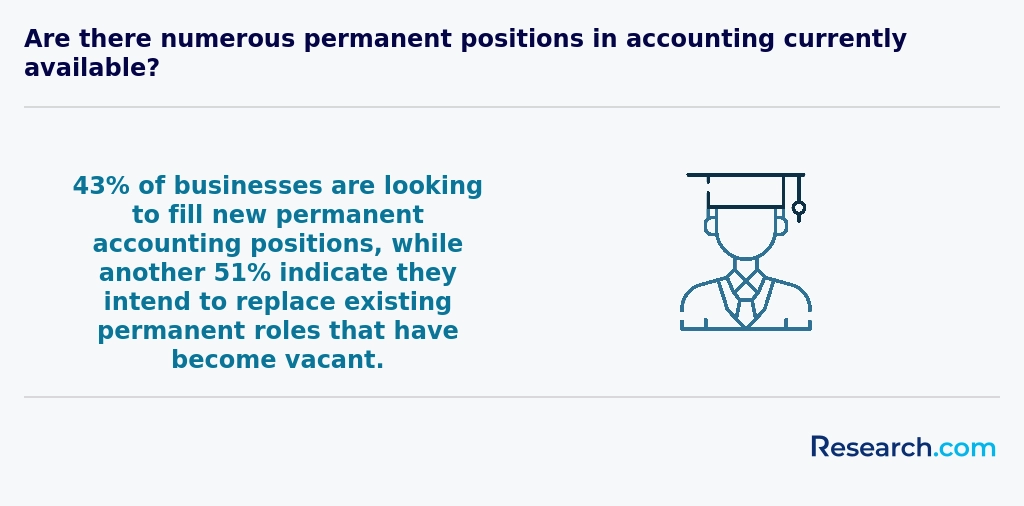
To make an informed decision about pursuing an accounting degree in California, it's essential to consider the affordability and value of these programs. The cost of tuition, fees, and living expenses can vary significantly between institutions, making it crucial to evaluate the return on investment. For those seeking affordable options, exploring the cheapest online accounting schools in California can provide valuable insights. Many of these programs offer flexible scheduling, online courses, and competitive tuition rates, making them an attractive choice for working professionals and students on a budget. Furthermore, the long-term benefits of an accounting degree, including higher salaries and greater job security, can far outweigh the initial costs, making it a worthwhile investment for those interested in this field.
Accounting students in California often find financial aid essential to managing the substantial costs at institutions like UCLA or San Diego State University. Graduates frequently recall relying on Pell Grants, which can cover up to $7,395 annually, easing the burden during early semesters. These grants are especially valuable because they do not require repayment, offering peace of mind to students balancing coursework and budgeting.
Many also benefit from Cal Grants, which provide up to $12,570 yearly to eligible students at UC or CSU campuses. For example, a recent graduate from UC Berkeley shared how Cal Grant A made four-year studies feasible, while Cal Grant B helped with living expenses during the challenging first year.
Work-study opportunities present another practical financial aid avenue, allowing students to gain accounting experience while earning income. Scholarships from accounting bodies like CalCPA bolster this support, rewarding dedication and easing costs further.
This layered approach to aid-federal, state, institutional, and organizational-creates a robust safety net that California accounting majors learn to navigate early in their academic journey.
The accounting field is rapidly evolving, driven by technological advancements, regulatory changes, and shifting global markets. Prospective students and professionals alike should keep an eye on emerging trends such as automation, data analytics, blockchain integration, and sustainable finance practices. These developments not only enhance the relevance of traditional skills but also open pathways to innovative career roles. As the industry expands, graduates may need to adapt by acquiring additional certifications or even pursuing an accelerated accounting bachelor's degree to bolster their competitive edge. Furthermore, the increasing emphasis on environmental, social, and governance (ESG) factors is reshaping how companies approach financial reporting and accountability, making ethical judgment and strategic thinking more critical than ever. Staying informed about these shifts ensures that future accountants remain agile, prepared not only to meet current market demands but also to drive change in the financial landscape.
Enrolling in an accounting degree program in California means meeting several key prerequisites that set a solid foundation for success. Graduates from top schools like UCLA or San Diego State often reflect on how maintaining a GPA around 3.0 helped them gain admission and stay competitive. This GPA requirement is typical across many UC and CSU campuses, underscoring the importance of consistent academic effort.
Beyond grades, foundational coursework in algebra and statistics frequently appears on admission checklists. Reflecting on peers' experiences at California State University, Long Beach, a strong grasp of these subjects proved essential not only for acceptance but also for managing the quantitative demands in accounting classes.
Applicants should also prepare for standardized tests, although test-optional policies at some institutions provide flexibility. Furthermore, completing introductory courses like business law or financial management often eases the transition into upper-division accounting courses, especially for those transferring from community colleges, such as those in the Los Angeles Community College District.
Many students recall that meeting English proficiency standards via TOEFL or IELTS was a crucial step, particularly for non-native speakers aiming to thrive in programs requiring clear communication and complex terminology.

One of the most critical steps after earning an accounting degree is obtaining professional certification, and in California, the Certified Public Accountant (CPA) designation is the gold standard. To qualify for the CPA license, candidates must satisfy the following requirements: 1. Education Requirements • Complete 150 semester units at an accredited institution, including at least 24 units in accounting subjects (e.g., financial reporting, taxation, auditing) and 24 units in business-related courses. • Many aspiring CPAs choose an affordable accredited accounting degree online that meets the 150-unit requirement while offering flexible scheduling. 2. Uniform CPA Examination • Pass all four sections of the CPA exam (Auditing and Attestation, Business Environment and Concepts, Financial Accounting and Reporting, Regulation) administered by the AICPA and NASBA. • Allocate 4–6 months of dedicated study time, leveraging review courses and practice exams. 3. Ethics Examination • Complete California’s Professional Ethics Exam (PETH), which tests knowledge of the AICPA Code of Professional Conduct and state rules. • Register and pass the exam before applying for the license. 4. Experience Requirement • Accumulate at least 12 months (2,000 hours) of general accounting experience under the direct supervision of a licensed CPA. • Experience can include auditing, tax preparation, financial reporting, or consulting. 5. Continuing Professional Education (CPE) • Maintain the CPA license by completing 80 hours of CPE every two years, including ethics and technical subjects. • Many online platforms and professional associations offer CPE courses to help CPAs stay current with industry standards. By understanding and planning for these steps early, California accounting graduates can streamline their path from diploma to licensed CPA, enhancing credibility, job prospects, and earning potential in the state’s competitive financial landscape.
Students pursuing accounting degrees at well-known California universities often find their coursework carefully tailored to blend theory with practical application. Graduates frequently recall how courses like Financial Accounting helped them confidently prepare and analyze real company financial statements, a skill directly applicable in internships and entry-level roles.
Managerial Accounting courses stand out by teaching how to make internal business decisions-something graduates at institutions like San Diego State University found invaluable when contributing to team projects and case studies. Intermediate Accounting deepened their understanding of GAAP, essential for meeting California's professional standards.
Courses in Auditing and Taxation bring their own relevance, guiding students through the complexities of federal regulations and audit procedures, mirroring scenarios encountered in California firms. Additionally, Accounting Information Systems bridges practice with technology, enabling graduates from University of California campuses to adapt quickly to evolving digital tools in the workplace.
These courses, combined with broad business classes, equip students not only with knowledge but also the confidence to thrive in diverse accounting careers across California.
Accounting degree specializations in California offer students a variety of pathways tailored to their career ambitions. Many graduates from well-known universities emphasize how public accounting tracks, centered on CPA exam preparation, opened doors to diverse sectors like technology and entertainment, highlighting the state's dynamic economy. Managerial accounting appeals to those who enjoy strategic roles, equipping students with skills in budgeting and performance analysis critical for internal decision-making at California's thriving corporations.
Forensic accounting is increasingly valued in California's intricate legal and financial landscape, where graduates reflect on engaging with real fraud investigations and corporate compliance cases. Specializing in taxation also provides a compelling focus, allowing students to master the unique aspects of California's tax laws, a benefit highly praised by those serving local businesses and individuals.
Other graduates appreciate studying at institutions recognized for California accounting programs with specialization options such as auditing, financial accounting, accounting information systems, and nonprofit accounting. Many successfully enhance their careers by choosing an accelerated accounting bachelor's degree to fast-track their entry into the profession.
Choosing the best accounting degree in California begins with understanding your financial options. Graduates from large public universities like those in the CSU system often reflect on how tuition affordability, around $7,500 annually for in-state students, made pursuing their degree manageable without overwhelming loans. Yet, some found community colleges ideal starting points, prolonging their education at a fraction of the cost before transferring to a four-year program. Exploring top accounting programs cost California carefully can lead you to balance quality and expense wisely.
Accreditation also plays a crucial role, as graduates from AACSB-accredited schools frequently share how that recognition opened doors to competitive internships in major hubs like Los Angeles and San Francisco. Those regional connections enhanced their practical experience and job prospects.
For those aligning their studies with CPA requirements, successful alumni emphasize programs that integrate 150 semester units needed for licensure, avoiding delays after graduation. If affordability matters, consider exploring affordable accredited accounting degree online options, which can provide flexibility while maintaining a solid education foundation.
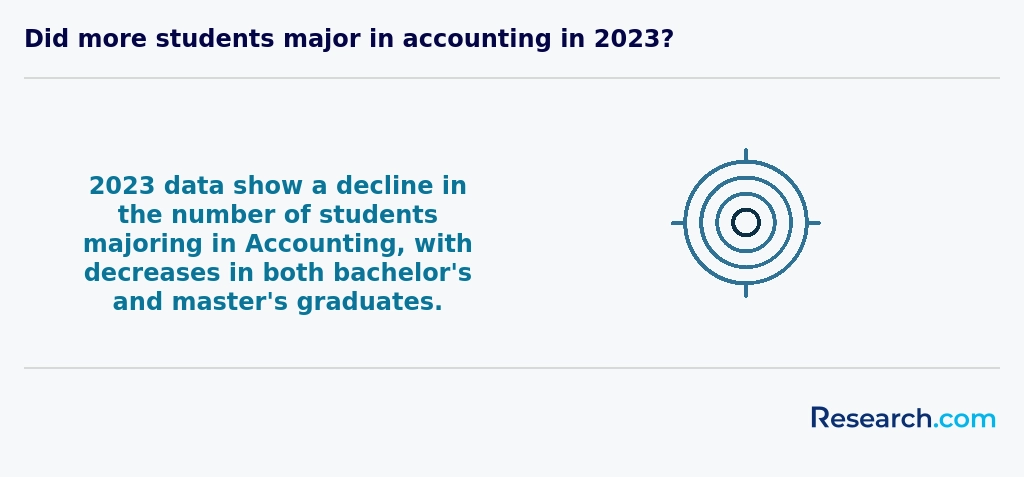
Graduates with an accounting degree in California find themselves opening many doors across varied fields. From public accounting to corporate finance, the options are broad and rewarding. Many blossoming professionals recount their early days at universities like UCLA or San Diego State University, where rigorous coursework and practical experiences prepare them for CPA certifications. The accounting career opportunities in California show how well-trained graduates are highly sought after for positions in public accounting firms, government agencies, and thriving corporations across tech, entertainment, and agriculture sectors.
For example, becoming a Certified Public Accountant is a common goal, with many graduates landing roles at Big Four firms or serving as trusted advisors in smaller firms. Others pursue forensic accounting to combat fraud or gravitate towards management accounting to shape important business strategies. Some find fulfillment working within California's public sector, assisting fiscal oversight and auditing for local governments, motivated by a sense of civic pride.
It's no surprise that jobs with an accounting degree in California promise not only financial stability but also varied paths. Those concerned about the cost of education can explore affordable options highlighted in the Low Cost Accounting Degree Programs Ranking in San Diego, CA, helping them balance investment with opportunity.
The job market for those with an accounting degree in California remains vibrant and promising. Graduates from well-known institutions such as the University of California, Berkeley, and California State University, Fullerton often find themselves stepping confidently into roles within diverse industries like tech startups in Silicon Valley or healthcare organizations in Los Angeles. The steady demand for accounting professionals reflects California's dynamic economy and robust regulatory landscape, offering continuous opportunities for career growth.
Many accounting degree job outlook California stories from alumni reveal that their skills are especially valued in sectors embracing emerging technologies like cryptocurrency and fintech. This evolving landscape encourages graduates to stay adaptable while benefiting from competitive salaries, particularly in metropolitan areas where wages are notably higher. For students aiming to boost their qualifications further, pursuing a CPA while enrolled in a 1 year online masters degree program can amplify job prospects and elevate earning potential.
Graduates often express optimism due to the plentiful opportunities in both public accounting firms and corporate finance departments. These experiences highlight how a California accounting degree employment opportunities steadily align with the state's expansive business environment and its anticipated growth in financial roles.
2027 Most Affordable Accounting Degree Programs Ranking in California
Investing in your education is a significant decision that can shape your future, and the Research.com team fully understands the importance of making informed choices. To support prospective students in California, we have carefully developed the "2027 Most Affordable Accounting Degree Programs Ranking in California." Our dedication to quality, credibility, and accuracy is demonstrated through rigorous research and detailed analysis conducted to assemble this ranking.
We utilized the following reputable data sources to ensure a comprehensive evaluation of accounting degree programs:
By exploring this ranking, readers will gain valuable insights into affordable, high-quality accounting degree programs in California, empowering them to make confident and well-informed educational decisions. For more information about how this ranking was created, please visit our Research.com methodology page.
# 1 position
Ashford University
Master of Accountancy

# 2 position
Ashford University
Bachelor of Arts in Accounting


# 10 position
Touro University Worldwide
Master of Business Administration - Accounting Concentration



Frequently Asked Questions About accounting
Accounting degree students in California can maximize their learning by combining rigorous coursework with practical experience. California hosts many accredited programs that follow CPA (Certified Public Accountant) exam requirements, an essential milestone for a professional accounting career. Students should seek internships in local accounting firms or corporations to apply theoretical knowledge.
Joining student organizations like the California Society of CPAs (CalCPA) can provide networking opportunities and industry insights. According to the Bureau of Labor Statistics, California employs the highest number of accountants nationwide, increasing job prospects upon graduation.
Utilizing university resources such as tutoring and workshops on accounting software enhances technical skills. Additionally, focusing on emerging areas like tax laws and auditing in California's dynamic economy will prepare students for competitive roles.
The accounting field in California is evolving with several emerging niches attracting growing interest. One notable area is forensic accounting, which involves investigating financial crimes and fraud. Demand for professionals in this niche is rising due to increased corporate regulation and compliance requirements. Another important niche is environmental accounting, focusing on the financial impact of sustainability practices, reflecting California's leadership in green policies.
Additionally, technology-driven roles such as accounting data analytics and cybersecurity accounting are expanding rapidly. These positions require familiarity with big data and protecting financial information from cyber threats. According to the California Workforce Development Board, jobs in these specialized fields are expected to grow significantly over the next decade.
Graduates with accounting degrees in California can enhance job prospects by gaining professional certifications such as the CPA, which remains the most recognized credential in the field. California requires 150 semester units and passing the Uniform CPA Exam to become licensed. According to the California Board of Accountancy, CPA holders earn significantly higher salaries, with a median annual wage around $80,000.
Networking is also crucial. Joining state accounting associations and attending career fairs improve connections to local employers. Internships during studies provide practical experience and often lead to job offers.
Familiarity with industry-standard software like QuickBooks and Excel enhances competitiveness. Staying informed about California tax laws and regulations ensures relevant, up-to-date knowledge for employers.
Employers in California seek accounting degree graduates with strong analytical and technical skills. Proficiency in accounting software, such as QuickBooks and SAP, is highly valued due to the state's diverse business landscape. According to the California Society of CPAs, communication skills are also critical, as accountants must clearly explain financial data to non-experts.
Additionally, knowledge of California tax laws and regulations is essential because of the state's complex tax environment. Critical thinking and problem-solving abilities help graduates navigate compliance issues effectively.
Soft skills like teamwork and ethical judgment hold significant weight, especially in firms focused on transparency and governance. These competencies align with trends reported by the Bureau of Labor Statistics for accounting roles in California.
Finding internships in California relevant to accounting degrees involves several practical steps. Start by exploring university career centers, as many California colleges maintain partnerships with local accounting firms. These centers often list internships exclusive to students. According to the California Society of CPAs, the state hosts thousands of accounting firms, providing diverse opportunities from small firms to Big Four companies.
Networking is crucial; attend industry events or join accounting student chapters like Beta Alpha Psi. Websites like Handshake also aggregate internship listings targeting California students. Additionally, some state agencies and businesses offer internships, especially in cities like Los Angeles and San Francisco, where demand for accounting professionals remains strong.
An accounting degree in California significantly enhances career mobility and advancement opportunities. California's robust economy, home to numerous Fortune 500 companies and a strong financial sector, demands skilled accountants. According to the U.S. Bureau of Labor Statistics (BLS), the employment of accountants and auditors in California is projected to grow 7% from 2021 to 2031, reflecting steady demand.
Holding an accounting degree is often a prerequisite for obtaining certifications like the Certified Public Accountant (CPA), which is highly respected and often required for senior roles. In California, earning a CPA license requires 150 semester units and passing the Uniform CPA Exam, boosting career prospects.
Graduates with an accounting degree are qualified for diverse positions such as financial analysts, auditors, and tax examiners. This versatility promotes career mobility across industries including tech, finance, and government, all prominent in California.
Studying for an accounting degree in California equips students with skills beyond basic financial reporting. Programs often integrate business law, information technology, and ethics, fostering an interdisciplinary approach. California universities embed courses that emphasize data analytics and management, responding to evolving market demands.
According to the National Association of State Boards of Accountancy (NASBA), interdisciplinary skills are increasingly valuable as accounting roles intersect with technology and compliance. In California, where industries like tech and entertainment dominate, accounting graduates benefit from exposure to diverse subjects that enhance adaptability.
This blending of knowledge prepares students for roles in financial consulting, forensic accounting, and business strategy, creating versatility in a competitive job market.
When choosing between a thesis and a non-thesis accounting degree program in California, consider your career goals and learning preferences. Thesis programs typically require conducting original research and writing a detailed paper, which benefits those interested in academic careers, research, or pursuing a Ph.D. Non-thesis programs focus more on coursework and practical skills, ideal for students aiming to enter the workforce quickly or advance in accounting roles.
California universities like San Francisco State University and CSU Long Beach offer both options, aligning with state CPA requirements. According to the California Board of Accountancy, practical experience is essential, making non-thesis paths attractive for exam preparation.
Cost and time also matter-thesis programs may take longer and involve higher fees due to research resources. Review each program's curriculum and outcomes before deciding.
Students in California seeking to study accounting abroad have several pathways through American universities and international partnerships. Many California institutions offer study abroad programs allowing students to take accounting courses in countries such as the United Kingdom, Australia, and Canada. These programs often focus on global accounting standards like IFRS, providing valuable international experience.
Some California universities have exchange agreements with programs abroad, enabling students to complete part of their accounting degree overseas while ensuring credits transfer back. According to the California Community Colleges Chancellor's Office, study abroad participation among Californians increased by 15% in recent years, reflecting growing interest.
Additionally, students may pursue dual-degree options with foreign universities accredited under recognized bodies like AACSB, which enhances global career opportunities.
Students pursuing accounting degrees in California often seek part-time jobs that strengthen their skills and improve their resumes. Common roles include tax preparers, bookkeeping assistants, and payroll clerks. These positions provide practical experience with financial documentation and compliance practices, essential in the accounting field.
According to the California Employment Development Department, accounting and auditing clerks held over 90,000 jobs in the state as of 2023, with many opportunities available on a part-time basis. Internships in local accounting firms and tax offices also offer valuable exposure to real-world applications of accounting principles.
Additionally, roles in data entry and financial analysis support developing proficiency in accounting software such as QuickBooks and Excel, widely used in California businesses. Gaining experience in these part-time roles can significantly enhance a student's employability after graduation.
Accounting students in California have access to a wide range of networking opportunities essential for career growth. Many universities partner with professional organizations such as the California Society of Certified Public Accountants (CalCPA), which hosts regular events and workshops. These gatherings help students connect with experienced accountants and potential employers.
Internships are another key networking avenue. California's diverse economy supports many accounting internships in industries such as entertainment, technology, and finance. These experiences provide practical contacts within local businesses and firms.
Additionally, campus accounting clubs and honor societies often invite guest speakers from top companies, fostering valuable industry connections for students.
Alumni networks play a crucial role for accounting degree students in California by providing valuable career connections and mentorship opportunities. Many universities in the state maintain active alumni associations that support students in job placement and internships across California's large accounting sector, which employs over 130,000 professionals according to the U.S. Bureau of Labor Statistics (2023).
Students gain access to seasoned accountants who can offer guidance on exam preparation for certifications like the CPA. Additionally, alumni networks facilitate networking events and workshops that improve students' professional skills and expand their contacts within California's diverse industries, including tech, finance, and government.
Such connections often translate into competitive advantages in California's job market, where relationships can directly impact hiring decisions.
California offers a range of options to customize your accounting degree program, helping you align education with your career goals. Many universities allow students to select electives in tax accounting, auditing, or forensic accounting. This flexibility helps tailor your skills to sectors like corporate finance, government, or public accounting. Some programs also offer evening and online classes, ideal for working professionals.
The state's Board of Accountancy requires 150 semester units for CPA licensure, so students often combine undergraduate and graduate courses for this purpose. According to the California Department of Consumer Affairs, customizing your program to meet CPA requirements increases job prospects in California's robust economy.
Accounting students in California often face several challenges throughout their education. One major hurdle is the rigorous curriculum, which includes complex topics like taxation, auditing, and financial reporting. According to the California Board of Accountancy, mastering these subjects is essential to pass the Uniform CPA Exam, a requirement for licensure in the state.
Another difficulty is balancing coursework with practical experience, as internships are highly competitive but critical for building a professional network. Additionally, the rising cost of tuition at California public and private universities poses financial stress, impacting many students' ability to focus solely on studies.
Time management and adapting to evolving accounting technologies also present ongoing obstacles for students aiming to stay current in the field.
With an accounting degree in California, you can pursue several professional certifications that enhance your career prospects. The most recognized credential is the Certified Public Accountant (CPA) license, which requires 150 semester units of education, passing the Uniform CPA Exam, and meeting California's experience requirements. According to the California Board of Accountancy, the state awarded over 4,000 CPA licenses in 2023.
Other valuable certifications include the Certified Management Accountant (CMA) and Certified Internal Auditor (CIA). The CMA focuses on financial management and planning, while the CIA is geared toward internal auditing. These certifications are offered by national organizations and respected in California's job market.
Additionally, the Certified Fraud Examiner (CFE) credential is popular for accountants interested in fraud detection and prevention. Earning these certifications typically requires passing exams and obtaining relevant work experience, making an accounting degree a critical stepping stone.
To craft a winning application for an accounting program in California, start by highlighting your academic strengths, especially in math and business-related courses. Admissions committees value a strong GPA; the average incoming GPA for competitive California accounting programs typically ranges from 3.3 to 3.7, according to data from the National Center for Education Statistics.
Include clear, concise personal statements that explain your motivation for pursuing accounting and how it aligns with your career goals. California's job market for accountants is robust, with the Bureau of Labor Statistics projecting a 6% growth through 2032, emphasizing the importance of relevant career aspirations.
Applicants should also provide letters of recommendation from teachers or supervisors familiar with their quantitative and analytical skills. Finally, be sure to meet all deadlines and tailor your application to each program's specific requirements, as California schools often look for candidates demonstrating both academic ability and practical commitment to the field.
Accounting careers in California benefit from a broad global perspective due to the state's diverse economy and strong international business ties. Professionals with accounting degrees often work with multinational corporations, requiring knowledge of international financial standards such as IFRS alongside US GAAP. According to the California Board of Accountancy, over 80,000 certified public accountants (CPAs) operate in the state, reflecting a highly competitive and interconnected marketplace.
California's accounting graduates are increasingly positioned to engage in cross-border audits and tax planning, as global commerce expands. Institutions like the University of Southern California emphasize curricula that include global accounting practices, preparing students for careers both locally and abroad.
Gaining practical experience while studying for an accounting degree in California is essential for career readiness. Many universities encourage students to pursue internships with local accounting firms, businesses, or government agencies. According to the California Society of CPAs, internships provide valuable workplace skills and networking opportunities.
Some California colleges offer cooperative education programs that combine classroom learning with paid work experience. Additionally, joining campus accounting clubs or volunteer tax assistance programs, like the IRS Volunteer Income Tax Assistance (VITA) program, can build real-world skills.
California's diverse economy provides ample chances to apply accounting concepts before graduation, enhancing job prospects in this competitive field.
Choosing the right concentration within an accounting degree program in California depends on your career goals and interests. Common concentrations include auditing, taxation, forensic accounting, and managerial accounting. Each specialization prepares students for different roles in the field. For example, taxation focuses on federal and state tax laws, which is important in California due to its complex tax code, as noted by the California Society of CPAs. Auditing is essential for careers in public accounting firms and government agencies.
Look at the job market in California, which is expected to grow by 10% for accountants and auditors through 2030 according to the U.S. Bureau of Labor Statistics. Consider concentrations that align with high-demand skills to increase job prospects. Additionally, review program curricula and certifications offered, such as CPA exam preparation, which is vital in California for public accounting careers.
- 2027 Most Affordable Accounting Degree Programs Ranking in Arizona
- 2027 Most Affordable Accounting Degree Programs Ranking in Idaho
- 2027 Most Affordable Accounting Degree Programs Ranking in Washington
- 2027 Most Affordable Accounting Degree Programs Ranking in Colorado
- 2027 Most Affordable Accounting Degree Programs Ranking in Hawaii
- 2027 Most Affordable Accounting Degree Programs Ranking in Minnesota
- 2027 Most Affordable Accounting Degree Programs Ranking in Alabama
- 2027 Most Affordable Accounting Degree Programs Ranking in Florida
- 2027 Most Affordable Accounting Degree Programs Ranking in Georgia
- 2027 Most Affordable Accounting Degree Programs Ranking in West Virginia
See What Experts Have To Say About Studying Accounting
Read our interview with Accounting experts

John Wermert, Ph.D., CPA
Accounting Expert
Associate Professor of Accounting
Middle Tennessee State University

Yaw M. Mensah
Accounting Expert
Professor and Interim Vice Dean for Strategic Partnerships
Rutgers Business School

- How to Meet Accounting Degree Requirements for Career Success - ICMS https://www.icms.edu.au/degree-discovery/how-to-meet-accounting-degree-requirements/
- Accountant Job Outlook & Demand Report 2026 - Intuit Blog https://www.intuit.com/blog/innovative-thinking/accountant-job-outlook-demand-report/
- How do they influence the accounting students' career choice? https://edulearn.intelektual.org/index.php/EduLearn/article/download/19870/10113
- Accounting Degree Program Guide | Accounting.com https://www.accounting.com/degrees/overview/
- Jobs you can get with a degree in Accounting | Monroe University https://www.monroeu.edu/academics/undergraduate-programs/school-business-and-accounting/jobs-with-degree-in-accounting
- Accounting Abroad: Benefits and Opportunities : ThisWayToCPA : AICPA https://www.thiswaytocpa.com/education/articles/make-the-most-of-your-education/accounting-abroad-benefits-and-opportunities/
- California CPA requirements https://www.becker.com/cpa-review/california-cpa-requirements
- How to Find Your Ideal Accounting Niche - INAA https://www.inaa.org/how-to-find-your-ideal-accounting-niche/
- Know more about thesis vs non- thesis: what is the difference? https://studyfans.com/en/blogs/816
- 15 Accounting Careers: Undergraduate & Graduate Paths https://www.baypath.edu/news/bay-path-university-blogs/post/15-accounting-careers-undergraduate-graduate-paths/