
2027 Most Valuable Accounting Degree Programs Ranking in Jersey City

Co-Founder and Chief Data Scientist
Choosing the right accounting degree program can shape your future career and financial success. In this article, you'll find the 2027 Most Valuable Accounting Degree Programs Ranking in Jersey City, created by the Research.com team of data scientists. This ranking helps you discover which programs offer the best value and career potential.
Whether you're starting your education journey or considering a change, understanding these options will guide you toward a degree that truly pays off. Pursuing accounting opens many doors and provides lasting opportunities in a stable, rewarding field.
Key benefits of getting accounting degree in Jersey City
- Accounting degree graduates in Jersey City can expect competitive salaries, such as a Staff Accountant earning about $90,780 annually, while roles like Bookkeeper and Tax Preparer typically earn around $49,580 per year.
- Career paths for accounting graduates from institutions like Saint Peter's University in Jersey City include becoming auditors, tax advisors, or financial analysts, offering diverse opportunities in both public and private sectors.
- Obtaining an accounting degree online from a local university allows for flexible study schedules and often lower costs, making it easier to balance work and education while building valuable skills.
- 2027 Most Valuable Accounting Degree Programs Ranking in Jersey City
- What can I expect from accounting degree in Jersey City?
- Where can I work with accounting degree in Jersey City?
What can I expect from accounting degree in Jersey City?
The average cost of earning an accounting degree in Jersey City varies significantly depending on the institution and the degree level. Graduates from popular colleges in the area often report spending between $10,000 and $20,000 per year for tuition, with community colleges offering more affordable associate degrees and four-year universities charging higher rates for bachelor's programs. Many students find that financial aid and scholarships play a crucial role in making these programs manageable, especially since some institutions partner with local businesses to offer internships that can offset expenses through stipends.
Graduates commonly recall late nights balancing coursework on financial reporting and cost accounting with part-time jobs or internships at nearby firms. This practical experience often justifies the cost, as the region's status as a financial hub provides real-world contexts that enhance learning. However, some learners question whether the higher tuition at private institutions always translates into better career outcomes compared to more affordable public options in Jersey City.
Ultimately, students weigh these financial commitments against the value of gaining access to robust accounting curricula that emphasize data analysis, CPA exam preparation, and communication skills-competencies essential in a competitive job market. The investment feels worthwhile to many who envision successful careers in Jersey City's thriving financial sector.
Where can I work with accounting degree in Jersey City?
Graduates from accounting programs at institutions like New Jersey City University often find themselves well-positioned for diverse roles in Jersey City's vibrant job market. Many secure positions in public accounting firms such as Deloitte and KPMG, where they engage in auditing, tax, and advisory work-experiences that deepen their practical skills. One graduate described landing an entry-level auditing role shortly after earning a CPA certification, emphasizing how the city's proximity to major financial hubs opened doors quickly.
Others pursue careers in corporate settings, working for companies in sectors like technology or real estate, where internal auditing and financial analysis are crucial. A recent graduate shared how an internship with a local fintech startup helped her develop expertise in accounting systems and regulatory compliance, showcasing Jersey City's growing opportunities beyond traditional finance.
Additionally, government positions in budgeting and financial reporting attract graduates interested in public service. While competition exists, familiarity with municipal finance through local coursework can provide a competitive edge. Although the market is promising, success often depends on blending technical knowledge with real-world experience and certifications, illustrating the multifaceted nature of accounting careers in this region.
Graduates with an accounting degree from institutions in Jersey City, such as New Jersey City University or Saint Peter's University, can typically expect starting salaries around $55,000 to $65,000, in line with local market trends. According to U.S. Bureau of Labor Statistics data, roles commonly held by new accounting graduates include Staff Accountant, with a mean annual wage near $90,780, which reflects strong earning potential as skills develop.
Many graduates share that internships and certifications, like the CPA, greatly influence their ability to achieve salaries at the higher end of these ranges. Those working as Bookkeepers or Tax Preparers might begin closer to $49,580 annually, but they often see growth as experience deepens. Mid-career professionals in Jersey City report salaries between $80,000 and $100,000, emphasizing the value of local financial industry connections.
While some graduates appreciate consistent salary growth, others highlight that market competition requires continuous learning. Those who combine academic achievement with practical internships find rewarding and reliable career paths near this metropolitan area's financial hubs.
- Tuition for accounting degrees in Jersey City ranges from about $10,000 to $20,000 per year at public institutions for in-state students and can exceed $30,000 annually at private colleges.
- Starting salaries for entry-level accountants in Jersey City typically range between $55,000 and $65,000 per year.
- Experienced accountants with certifications like the CPA can earn between $90,000 and $110,000 within five to ten years.
- The job market in Jersey City is strong, with a 7% projected growth for accountants and auditors through 2031 in the metropolitan area.
- Many schools in Jersey City offer internships and cooperative education programs to help students gain practical experience before graduating.
- Accounting programs accredited by AACSB are recommended due to their high academic standards and career benefits.
In Jersey City, finishing an accounting degree typically takes about four years for full-time students at local institutions like New Jersey City University or Saint Peter's University. Many graduates recall feeling a strong sense of accomplishment after adhering to this traditional timeline, balancing coursework and personal commitments effectively.
Some students choose to accelerate their studies by taking heavier course loads, completing their degrees in three years or less. While this path can be rewarding, it demands rigorous time management and can add pressure, as shared by past students who appreciated the faster journey but also acknowledged the challenges.
Part-time learners, such as working professionals in the city, often extend their studies to five or six years. Graduates from this group often speak positively about the flexibility evening and weekend classes provide, allowing them to maintain their careers while progressing academically.
Many students also factor in additional time when pursuing a master's degree or extra credits to meet CPA eligibility, often extending their education to five years or more. This step is viewed as an investment, with graduates expressing confidence and excitement about the added credentials enhancing their career prospects.
. When evaluating options for accounting degree programs, it's essential to consider the value that each institution offers. Prospective students should look for programs that provide a well-rounded education, preparing them for the complexities of the financial sector. One crucial aspect to consider is the program's reputation and the opportunities it offers for career advancement. For instance, attending a valuable accounting school in New Jersey can significantly enhance one's career prospects, given the state's vibrant business community and proximity to major financial hubs like New York City. This strategic location not only offers access to a plethora of internships and job opportunities but also exposes students to a diverse range of industries and financial practices, making their educational experience more comprehensive and valuable.
Accounting students in Jersey City often face a meaningful choice between online and on-campus programs, each offering distinct experiences. Graduates from local universities appreciate on-campus classes for the immediate interaction with professors and peers, which helps sharpen skills through real-time feedback. These programs also provide valuable internships with nearby financial firms, giving hands-on experience crucial in accounting careers.
Conversely, online students highlight the convenience of studying around work and family commitments, a significant advantage in a city with high living costs like Jersey City. One graduate shared how online courses allowed balancing a full-time job while progressing steadily through the curriculum. Though some online learners miss face-to-face networking, virtual resources and occasional local internships help bridge that gap.
Both paths meet rigorous accreditation standards, such as AACSB, ensuring education quality. Ultimately, the difference comes down to preferred learning style and life circumstances, with Jersey City's dynamic professional landscape supporting opportunities in either format.
To make the most of your accounting degree in Jersey City, NJ, it’s essential to develop strategies that enhance both academic performance and career readiness. Start by setting clear academic goals and organizing a study schedule that balances coursework, internships, and networking events. Joining student groups or accounting clubs can provide additional hands-on experience, opportunities to exchange insights with peers, and even lead to mentorship relationships with professionals in the field. Consider scheduling regular consultations with academic advisors and career services to ensure you're on track with graduation requirements and gaining exposure to real-world challenges. Additionally, when exploring career opportunities, you might find valuable insights, such as insights into accounting major jobs, which can help align your academic efforts with practical job market demands. Keep abreast of industry trends by following reputable accounting publications and attending local workshops or seminars. This proactive approach not only builds your technical skills but also strengthens your professional network, setting a solid foundation for a successful career in accounting.
The average accounting degree cost in Jersey City reflects a balance between accessibility and quality, with median total expenses around $42,756 for both in-state and out-of-state students. This figure helps clarify the real investment needed beyond initial assumptions. Many students start at local community colleges, such as Hudson County Community College, where costs are significantly lower, often around $5,000 to $7,000 per year in tuition for in-state residents. This pathway can reduce overall expenses dramatically for those who aim to transfer to four-year institutions later.
For those attending public universities like Rutgers University, in-state tuition typically ranges from $15,000 to $18,000 per year, meaning students spending four years there may accumulate costs close to the median totals. Graduates from these schools often speak positively about the value received for the price, with experiences shaped by strong networking opportunities and reputable accounting programs tailored for practical engagement.
In contrast, private colleges around Jersey City present a different financial picture, with annual costs from $30,000 to $50,000 including tuition and materials. While these expenses are considerably higher, graduates frequently mention the personalized attention and resources that can ease the challenges of accounting studies. Prospective students should weigh these options thoughtfully, especially considering total expenses and post-graduation prospects.
Students planning their budget should also explore scholarships and financial aid available to reduce these costs. For those seeking a reliable guide on choosing a valuable path, reviewing lists like the valuable accounting school in New Jersey can be a practical step toward informed decisions about Jersey City accounting degree tuition fees.

A key advantage of completing an accounting degree in Jersey City, NJ, is the clear pathway it provides toward industry-recognized certifications that enhance employability and earning potential. The most sought-after credential is the Certified Public Accountant (CPA) license, which typically requires 150 credit hours, successful completion of the Uniform CPA Examination, and a state-mandated ethics exam. Many local programs integrate CPA exam review courses into their curriculum, ensuring graduates feel confident tackling sections on auditing, financial accounting, and regulation. Beyond the CPA, other valuable credentials include the Certified Management Accountant (CMA) and the Certified Internal Auditor (CIA). The CMA designation, administered by the Institute of Management Accountants, emphasizes strategic financial management and cost analysis, while the CIA focuses on risk assessment and internal controls. Jersey City institutions often partner with professional bodies to offer specialized workshops and mentorship opportunities, allowing students to gain hands-on experience in forensic accounting, fraud detection, or corporate compliance-skills that directly align with these certifications. For students balancing work and study, accelerated pathways can be especially attractive. Many choose an accounting degree online fast that not only fulfills academic requirements but also includes integrated exam prep support for CPA and other certification exams. By strategically selecting courses that map directly to certification exam topics, graduates can streamline their timeline from diploma to licensed professional, positioning themselves for leadership roles in public accounting firms, corporate finance departments, or government agencies.
Accounting students in Jersey City often rely on a mix of federal, state, and private financial aid to manage tuition costs, which can range widely from about $10,000 at public colleges to over $40,000 at private universities. Graduates from institutions like New Jersey City University commonly highlight the importance of filing the FAFSA early to access federal Pell Grants, which offer up to $7,395 annually without requiring repayment. This grant alone can noticeably lighten the financial burden during their studies.
State aid also plays a crucial role. The New Jersey Tuition Aid Grant (TAG) provides need-based support specifically for in-state full-time undergraduates, potentially covering up to $9,000 per year. Accounting students at Saint Peter's University have shared how TAG made attending private institutions more achievable, especially when combined with local scholarships.
Scholarships from the Jersey City Chamber of Commerce and organizations like the AICPA often fill gaps left by grants. These awards, ranging from $1,000 to $10,000, are frequently tied to merit or financial need and reflect recognition of academic effort, which appreciates students' dedication.
Working students report that employer tuition assistance offers practical relief, allowing them to balance their education and job responsibilities. However, some caution that private loans or payment plans, while accessible, can introduce long-term financial pressure, urging prospective students to prioritize grant and scholarship options first.
To enroll in an accounting degree program in Jersey City, applicants typically need a high school diploma or a GED equivalent, ensuring a basic educational foundation. Graduates from well-known local colleges recall that strong skills in algebra and sometimes statistics were vital, as these build the analytical thinking necessary for accounting coursework. For instance, students attending Jersey City-area institutions often found that being comfortable with numbers before starting helped reduce early stress and boosted confidence.
Some programs also recommend English and social studies, which support effective communication and contextual understanding of business environments. While SAT or ACT scores were traditionally required, many Jersey City schools now adopt test-optional policies, reflecting a shift that relieved pressure for some students, allowing their academic records and motivation to stand out more.
At the graduate level, like for a Master of Accounting, most programs expect a bachelor's degree-preferably in accounting or related fields-with a minimum GPA around 3.0. Local graduates emphasize that demonstrating professional experience or strong recommendations often made their applications more competitive, highlighting the importance of practical readiness alongside academic credentials.

Investing in an accounting degree in Jersey City, NJ, requires careful consideration of both upfront costs and long-term earnings. On average, students at public institutions incur total expenses of approximately $26,030 per year, including tuition and fees, while private nonprofit programs can range up to $55,840 annually. By contrast, graduates step into roles like Staff Accountant with a mean salary of $86,740 or Financial Analyst roles pushing earnings even higher. Calculating a simple payback period-total cost divided by starting salary-reveals that most students can recoup their educational investment within three to four years of full-time employment. Beyond direct costs, prospective students should weigh additional factors that influence ROI: • Debt Service: With typical student loan interest rates around 4.5%, monthly payments for a $40,000 debt average $415 over ten years. • Salary Growth: Accounting professionals in Jersey City often see annual salary increases of 3–5%, accelerating ROI and total lifetime earnings. • Career Advancement: Earning certifications like CPA or CMA can boost salaries by 15–20%, shortening payback to under three years. Moreover, flexible online master’s programs offer even greater value by reducing opportunity costs. For students exploring cost-effective pathways to advanced credentials, see our Inexpensive Online Master’s in Accounting Degree Programs Ranking in Missouri to compare ROI across regions and make an informed decision that aligns with both career goals and budget.
Accounting degree programs in Jersey City typically include core courses such as financial accounting, which many graduates describe as foundational for understanding how businesses track their money. Managerial accounting is also common, teaching students to use financial data to make strategic decisions, something alumni from local universities often find invaluable for internships and early career roles.
Students usually engage with auditing courses, learning to critically assess financial statements, which resonates with those who enjoy detail-oriented work. Taxation classes cover various tax laws, providing practical knowledge frequently praised by graduates working in local firms that serve diverse clients across New Jersey.
Additionally, courses on accounting information systems highlight how technology supports modern financial management, a topic students often cite when reflecting on their readiness for dynamic workplaces. Many programs in Jersey City also incorporate business law and ethics to ground students in legal and ethical decision-making, crucial in real-world accounting scenarios.
Electives like forensic accounting or international accounting allow tailoring studies and often excite students interested in the city's global business environment, enhancing their confidence in pursuing specialized careers.
Accounting degrees in Jersey City commonly offer several focused specializations that reflect the diverse interests and career aspirations of students. Graduates from popular institutions often highlight financial accounting as a core focus, involving skills in preparing financial statements and regulatory compliance, which aligns well with the city's corporate and financial services landscape. This area resonates strongly with many local students seeking practical experience through internships at nearby firms.
In addition to financial accounting, managerial accounting is popular, emphasizing decision-support tools like budgeting and performance analysis. Graduates passionate about internal business operations appreciate this specialization's relevance, especially within Jersey City's mid-sized companies and startups that value hands-on financial planning expertise. This is a key example of how Jersey City accounting program concentrations are tailored to local economic conditions.
Other specializations include taxation, where students delve into complex federal and state tax codes-skills highly sought after by business professionals in this busy commercial hub. For those intrigued by technology, accounting information systems offer a blend of IT and finance, ideal for the digital age. Many graduates also recognize forensic accounting's growing importance, particularly amid rising regulatory scrutiny in urban areas.
Students curious about career paths often consult resources like the accounting major jobs page to align their studies with real-world opportunities, ensuring their specializations provide both satisfaction and strong professional prospects.
Choosing the best accounting degree in Jersey City involves evaluating a mix of factors without relying solely on reputation or tuition costs. Graduates from well-known local institutions often emphasize the value of accredited programs, particularly those with AACSB recognition, as these ensure rigorous standards that employers respect. However, some students find success entering the field through more affordable accounting colleges Jersey City offers, balancing cost with curriculum quality.
Considering your career path, look beyond the basic curriculum to specializations such as forensic accounting or corporate finance, which some Jersey City programs emphasize. Practical experience is equally vital; proximity to New York's financial district means internships are a game-changer that many grads highlight as pivotal to employment outcomes. One graduate noted how strong internship connections at their Jersey City university led directly to a permanent role at a top accounting firm.
Comparing in-state tuition with out-of-state and private options reveals significant variation. To accelerate time to degree and reduce expenses, some students opt for an accounting degree online fast, a choice worth weighing carefully. Ultimately, assessing graduation and CPA exam pass rates completes the picture of which program fits your goals best.
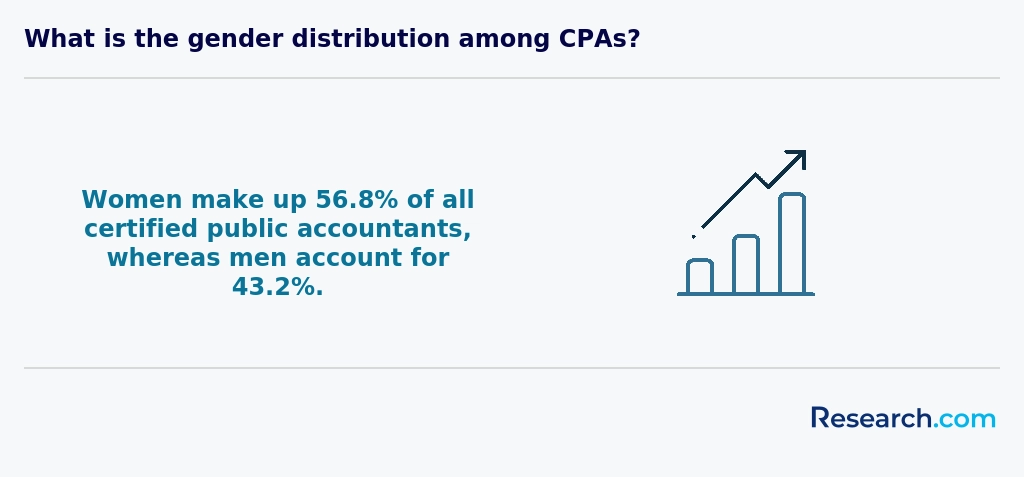
Graduates with an accounting degree in Jersey City find a range of career paths shaped by the city's proximity to New York's financial hub and a strong local business presence. Many secure roles as Certified Public Accountants (CPAs), a position highly valued here due to a competitive financial services industry. Those embarking on this path often experience rewarding careers with salaries rising from entry-level $55,000 to six figures as they gain expertise. Others explore roles like financial analysts or internal auditors, where analytical skills drive investment decisions or enhance organizational controls, respectively.
Students from colleges popular for accounting in Jersey City often highlight opportunities in corporate accounting, managing budgets and financial reporting for well-established firms. Some graduates choose public sector roles, such as budget analysts in government, which offer stability but different challenges than private industry. For those seeking flexible further education, exploring the Inexpensive Online Master's in Accounting Degree Programs Ranking in Missouri can be an option to balance cost and career advancement. Overall, accounting career opportunities in Jersey City reflect a broad spectrum, rewarding both ambition and practical experience.
The accounting job market Jersey City offers a diverse range of opportunities influenced by its close ties to New York City's financial hub. Graduates from well-known local colleges often find roles in public accounting, corporate finance, and government agencies. Some report that the city's dynamic environment, combined with internships and networking through their university programs, plays a significant role in landing positions. However, competition remains stiff, requiring not only solid academic credentials but also professional certifications like the CPA to advance.
Jersey City accounting degree employment opportunities extend beyond traditional firms to financial institutions and nonprofits, reflecting broad economic activity. Graduates often highlight how local tuition affordability and access to extensive internship resources improve the transition from study to work. Still, the evolving regulatory landscape means continuous learning is essential.
For those balancing education with career goals, exploring fast online undergraduate degrees for working adults has become a practical path favored by many seeking to benefit from the growing job market.
2027 Most Valuable Accounting Degree Programs Ranking in Jersey City
Investing in your education is a significant decision that can shape your future, and the Research.com team understands the importance of making informed choices. To assist prospective students in Jersey City, we have meticulously crafted the "2027 Most Valuable Accounting Degree Programs Ranking in Jersey City." Our commitment to quality, credibility, and accuracy is reflected in the extensive research and analysis conducted to compile this ranking.
We utilized the following reputable data sources to ensure a comprehensive evaluation of accounting programs:
By exploring this ranking, readers will gain valuable insights into the most valuable accounting degree programs available in Jersey City, helping them make well-informed decisions about their educational paths. For more details on our methodology, please visit our Research.com methodology page.


Frequently Asked Questions About accounting
Accounting degree students in Jersey City can enhance their learning by engaging with local internships, given the city's proximity to New York City's vast financial sector. This hands-on experience is crucial as 78% of accounting graduates find employment through internships, according to the National Association of Colleges and Employers (NACE).
Networking opportunities also play a vital role. Joining student chapters of organizations like the American Institute of CPAs (AICPA) helps students connect with professionals and stay updated on industry trends.
Additionally, utilizing resources offered by Jersey City-based colleges, such as tutoring centers and accounting labs, reinforces classroom knowledge. Pursuing CPA exam preparation offered locally can improve certification success rates, which currently stand at approximately 50% nationwide for first-time candidates.
The accounting field is evolving rapidly, with several emerging niches gaining importance for professionals in Jersey City and across the U.S. One of the fastest-growing areas is forensic accounting, which involves investigating financial fraud and providing litigation support. According to the U.S. Bureau of Labor Statistics, jobs in forensic accounting are expected to grow 16% through 2031, faster than the average for business occupations.
Environmental accounting is another niche gaining traction, focusing on tracking costs related to sustainability and regulatory compliance. This specialty aligns with growing corporate responsibility trends.
Additionally, data analytics in accounting is expanding rapidly. Accountants with skills in big data tools and automation, particularly in finance hubs like Jersey City near New York, are in high demand. The American Institute of CPAs highlights that 75% of firms plan to invest more in technology and analytics by 2025.
After completing an accounting degree in Jersey City, it is important to develop a strong professional network within the city's financial and business sectors. Engaging with local accounting firms and attending events hosted by the New Jersey Society of Certified Public Accountants can provide valuable connections and insights.
Gaining practical experience through internships or part-time positions in Jersey City's numerous accounting firms increases employability. The city's proximity to New York City also offers additional opportunities for exposure to large corporate accounting practices.
Obtaining certifications such as the CPA (Certified Public Accountant) enhances job prospects significantly. According to the Bureau of Labor Statistics, accounting jobs in New Jersey are projected to grow 7% by 2030, highlighting the importance of certification and experience in standing out.
Employers in Jersey City highly value accounting graduates who demonstrate strong analytical and technical skills. Proficiency in accounting software such as QuickBooks and Microsoft Excel is often essential, as these tools streamline financial reporting and data analysis. Communication skills are also critical; accountants must clearly explain complex financial information to clients or team members who may lack a financial background.
Attention to detail is another top skill, given that small errors can lead to significant financial discrepancies. According to the New Jersey Department of Labor, employment for accountants in the Jersey City area is expected to grow by 8% through 2030, highlighting a rising demand for capable professionals.
Additionally, knowledge of US tax laws and auditing standards boosts employability, especially for firms handling diverse or corporate clients. Employers prefer graduates who combine these technical and interpersonal competencies to deliver accurate, ethical, and insightful financial guidance.
Finding internships in Jersey City for accounting students involves several strategic steps. Start by exploring local businesses and accounting firms, as Jersey City hosts a growing financial sector with firms often seeking interns. Utilize your university's career center, which typically maintains partnerships with local companies and posts internship opportunities.
Professional organizations such as the New Jersey Society of Certified Public Accountants (NJCPA) offer networking events and internship listings specifically for accounting students. Additionally, websites like Handshake and LinkedIn can help locate relevant internships in Jersey City, with many employers targeting candidates from regional schools.
According to the U.S. Bureau of Labor Statistics, internships significantly improve job prospects in accounting, underscoring the importance of early experience.
Obtaining an accounting degree in Jersey City can significantly enhance career mobility and advancement opportunities. The city's growing financial sector, part of the larger New York metropolitan area, creates a demand for professionals with solid accounting credentials. According to the U.S. Bureau of Labor Statistics, accountants and auditors in the New York-Newark-Jersey City area earn a median annual wage above the national average, indicating strong local job market potential.
Many employers in Jersey City prefer candidates with a bachelor's or master's degree in accounting, especially those who pursue Certified Public Accountant (CPA) licensure. This certification often leads to higher salaries and quicker promotion paths.
Furthermore, accounting degrees offer transferable skills such as financial analysis, tax preparation, and auditing, which provide flexibility to transition across industries, including banking, consulting, and government roles within Jersey City's diverse economy.
Studying for an accounting degree in Jersey City equips students with skills that extend beyond traditional accounting tasks. Many local programs emphasize interdisciplinary learning, integrating courses in finance, information technology, and business management. This approach prepares graduates to collaborate effectively across departments in dynamic work environments. According to the National Association of Colleges and Employers, 75% of employers value accounting graduates with cross-functional knowledge.
Jersey City's proximity to New York City provides students access to diverse industries, enhancing real-world experience through internships. This exposure helps in understanding broader economic contexts and developing versatile problem-solving abilities useful in roles such as financial analysis or consulting.
Choosing between a thesis and a non-thesis accounting degree program in Jersey City depends largely on your career goals and learning preferences. Thesis programs emphasize research, requiring students to produce a detailed paper, which suits those interested in academia or specialized fields like forensic accounting. Non-thesis options focus more on practical coursework and internships, ideal for students aiming to enter the workforce quickly.
Jersey City hosts several universities offering both options, with accounting graduates finding local job placement rates around 85%, according to the New Jersey Higher Education Statistical Report 2023. Consider whether you prefer hands-on experience or academic research before deciding.
Students based in Jersey City who want to study accounting abroad have several pathways through US higher education programs offering international study options. Many universities in New Jersey and nearby states participate in exchange programs or offer study abroad experiences with partner institutions worldwide, allowing students to earn credits toward their accounting degrees.
For example, Rutgers Business School provides opportunities to study accounting or finance in Europe or Asia for a semester, enhancing global business understanding. According to NACE's 2023 survey, accounting remains one of the top fields benefiting from international experience in the US job market. Students can also consider accredited online accounting degrees with global components.
Jersey City offers various part-time job opportunities that can enhance accounting degree education. Common roles include bookkeeping assistant, tax preparation aide, and payroll clerk. These positions provide practical experience with financial software and regulatory compliance, important for students planning CPA certification.
Local businesses and accounting firms frequently seek part-time support, with an average hourly wage around $18-$22, according to the U.S. Bureau of Labor Statistics. Additionally, positions in finance departments of Jersey City's growing financial sector offer exposure to corporate accounting practices.
Internships in government agencies, such as the Jersey City Municipal Finance Division, can also supplement classroom learning by providing real-world auditing and budgeting experience.
Jersey City offers accounting students strong networking opportunities due to its proximity to New York City's financial district and a thriving local business environment. Students can connect through university-sponsored career fairs, internships, and accounting clubs at institutions like Saint Peter's University and New Jersey City University.
Professional organizations such as the New Jersey Society of Certified Public Accountants (NJCPA) hold regular events nearby, providing access to seasoned accountants and recruiters. According to NJCPA, participation in their networking sessions can increase job placement rates for students by up to 20%.
Additionally, local firms often collaborate with colleges for guest lectures and mentoring programs, enabling students to build relationships before graduation. Online platforms like LinkedIn are also widely used for networking in this region, helping students connect beyond physical events.
Alumni networks play a significant role in supporting accounting degree students in Jersey City by providing valuable professional connections. Many local universities and colleges maintain active alumni groups that help current students access internship and job opportunities within the city's robust financial sector.
Engaging with these networks allows students to receive mentorship from experienced accountants, which can improve career guidance and skill development. According to the National Association of Colleges and Employers, over 70% of job placements result from networking, which highlights the importance of these relationships.
Additionally, alumni events and workshops in Jersey City facilitate knowledge sharing about industry trends and certifications like CPA.
Customizing an accounting degree program in Jersey City involves selecting courses and experiences that align with your specific career goals. Many local institutions offer elective classes in areas like auditing, taxation, or forensic accounting, allowing students to develop focused expertise.
Internships with Jersey City's diverse financial firms provide practical experience and networking opportunities, crucial for career advancement. According to the New Jersey Department of Labor, accounting jobs in the Jersey City metro area are expected to grow by 7% from 2022 to 2032, highlighting the importance of relevant skills.
Additionally, pursuing certifications such as CPA or CMA alongside your degree can further tailor your education to meet professional standards and increase job prospects within the region.
Accounting students in Jersey City often face several challenges unique to the urban and economic environment of the area. One common difficulty is managing the high cost of living, which adds financial pressure alongside tuition fees. According to the U.S. Bureau of Labor Statistics, many students work part-time jobs to support themselves, affecting study time and academic performance.
The competitive local job market poses another challenge. Jersey City has a growing finance sector but limited entry-level accounting roles, increasing pressure on students to excel academically and gain internships. Additionally, adapting to rigorous accreditation standards such as CPA requirements demands substantial study and exam preparation.
With an accounting degree, you can pursue several professional certifications that enhance your career prospects. The most recognized is the Certified Public Accountant (CPA) license, which requires passing a rigorous exam and meeting experience criteria. CPAs are in high demand in Jersey City's growing finance sector.
Other valuable certifications include the Certified Management Accountant (CMA), focusing on financial management, and the Certified Internal Auditor (CIA), which targets auditing skills. The Chartered Financial Analyst (CFA) credential is also popular for those interested in investment and portfolio management.
Each certification has specific educational and experience requirements, often aligned with state regulations. According to the New Jersey State Board of Accountancy, CPA candidates must complete 150 semester hours, often fulfilled through advanced degrees or additional coursework.
Writing a winning application for an accounting program in Jersey City begins with showcasing your academic strengths. Admissions committees often look for a strong foundation in math and business courses, so highlight relevant grades and coursework. Including practical experience, such as internships or positions supporting finance-related tasks, can also strengthen your profile.
Be sure to craft a clear and focused personal statement. Explain why you chose accounting and how studying in Jersey City aligns with your career goals. Jersey City's proximity to major financial centers like New York can offer unique opportunities, so mentioning this strategic advantage may help.
Finally, prepare thorough and accurate application materials, including transcripts and letters of recommendation. According to the National Association of State Boards of Accountancy, programs near financial hubs often value professional endorsements. Attention to detail reflects qualities vital for accountants.
The accounting profession in Jersey City reflects a broader global trend emphasizing the importance of international standards and cross-border financial expertise. As businesses increasingly operate worldwide, accountants are expected to understand global regulations such as the International Financial Reporting Standards (IFRS) alongside U.S. Generally Accepted Accounting Principles (GAAP).
According to the Bureau of Labor Statistics, accounting jobs in New Jersey are projected to grow by 7% from 2022 to 2032, a rate consistent with national expectations. Jersey City's proximity to New York City, a global financial hub, often exposes accounting graduates to multinational firms and diverse regulatory environments.
Global perspectives also highlight the demand for skills in technology, data analysis, and ethical standards. Many accounting programs in Jersey City now integrate these trends to prepare students for careers that extend beyond local markets.
Gaining practical experience while studying for an accounting degree in Jersey City is essential to enhance job prospects and apply theoretical knowledge. Many local colleges, including institutions such as Saint Peter's University and New Jersey City University, have strong connections with nearby accounting firms and financial institutions.
Students often secure internships through these partnerships, providing hands-on experience that complements academic learning. According to the New Jersey Business & Industry Association, internships increase employment chances by up to 40% for accounting graduates statewide.
Additionally, joining student chapters of professional organizations like the American Institute of CPAs (AICPA) offers networking opportunities and workshops tailored to accounting students in the Jersey City area.
Work-study jobs in university finance offices or community non-profits also provide practical experience while helping students finance their education.
Choosing the right concentration within an accounting degree in Jersey City depends on your career goals and the local job market. Popular concentrations include auditing, tax accounting, and forensic accounting. Jersey City's proximity to New York City offers numerous opportunities in financial services, which makes areas like auditing and tax particularly valuable.
Consider industry demand: the Bureau of Labor Statistics reports steady growth in accounting jobs nationwide, with New Jersey seeing a higher concentration of accounting firms near Jersey City. Research local employers' preferred skills by attending career fairs or consulting Jersey City-specific labor market insights from the New Jersey Department of Labor.
Additionally, think about your interests and strengths, such as analytical skills for forensic accounting or regulatory knowledge for tax specialization. Many programs in Jersey City provide flexibility to explore different concentrations before deciding.
- 2027 Most Valuable Accounting Degree Programs Ranking in New York
- 2027 Most Valuable Accounting Degree Programs Ranking in Brooklyn
- 2027 Most Valuable Accounting Degree Programs Ranking in Bronx
- 2027 Most Valuable Accounting Degree Programs Ranking in Fairfield
- 2027 Most Valuable Accounting Degree Programs Ranking in Philadelphia
- 2027 Most Valuable Accounting Degree Programs Ranking in Albany
- 2027 Most Valuable Accounting Degree Programs Ranking in Providence
- 2027 Most Valuable Accounting Degree Programs Ranking in Baltimore
- 2027 Most Valuable Accounting Degree Programs Ranking in Boston
- 2027 Most Valuable Accounting Degree Programs Ranking in Washington
See What Experts Have To Say About Studying Accounting
Read our interview with Accounting experts

John Wermert, Ph.D., CPA
Accounting Expert
Associate Professor of Accounting
Middle Tennessee State University

Yaw M. Mensah
Accounting Expert
Professor and Interim Vice Dean for Strategic Partnerships
Rutgers Business School

- How to Become a CPA in New Jersey - Intuit Blog https://www.intuit.com/blog/life-at-intuit/intuit-experts/how-to-become-a-cpa-in-new-jersey/
- Get Ahead in Accounting: Ways to Build Relevant Work Experience https://www.fctraining.org/gain-accounting-work-experience.php
- Accounting and Analytics, M.S. https://catalog.njcu.edu/graduate/business/accounting/accounting-ms/
- Requirements to Become a CPA in New Jersey https://www.njcpa.org/build-career/become-a-cpa/requirements
- Mastering the Art of Networking: A Guide for Accounting Students https://www.wscpa.org/blog/607cb669-8d98-427e-8c9b-06129d9297e8:mastering-the-art-of-networking-a-guide-for-accounting-students
- Everything About Bachelor’s in Accounting https://www.allbusinessschools.com/accounting/bachelor-degree-in-accounting/
- How to get into accounting as a graduate https://targetjobs.co.uk/careers-advice/accountancy-banking-and-finance/how-get-accounting-graduate
- Expectations of accounting students in relation to their ... https://sevenpubl.com.br/anais7/article/download/4780/8840/19578
- 5 accounting certifications without a degree | Becker https://www.becker.com/blog/career/5-accounting-certifications-you-can-earn-without-a-degree
- ACCOUNTING AND AUDITING (THESIS / NON-THESIS) - Lisansüstü Eğitim Enstitüsü https://lee.nisantasi.edu.tr/en/accounting-and-auditing/


