2027 Most Valuable Accounting Degree Programs Ranking in Boston

Co-Founder and Chief Data Scientist
Choosing the right accounting degree program in Boston can feel overwhelming. That's why this article offers the 2027 Most Valuable Accounting Degree Programs Ranking in Boston, created by the Research.com team of data scientists. It's designed to help you make an informed decision based on reliable data.
Exploring these ranked programs will give you insights into quality education and career potential. Earning an accounting degree opens doors to stable, rewarding opportunities that fit your goals and passions.
Take this step confidently toward a brighter future in accounting.
Key benefits of getting accounting degree in Boston
The key benefits of getting an accounting degree in Boston include:
- Graduates can expect strong earning potential, with roles like Staff Accountant offering a mean annual wage of $90,780, while positions such as Bookkeeper, Tax Preparer, and Associate Auditor typically earn around $49,580 annually.
- A degree opens diverse career paths in Boston's vibrant market, from accounting firms to corporate finance, inspired by graduates from popular universities like Boston University who find opportunities in various accounting and auditing roles.
- Online accounting degrees from reputable Boston schools provide flexible learning schedules, allowing graduates to balance work and study, making it easier to advance their careers without pausing their income.
- 2027 Most Valuable Accounting Degree Programs Ranking in Boston
- What can I expect from accounting degree in Boston?
- Where can I work with accounting degree in Boston?
What can I expect from accounting degree in Boston?
The average cost of earning an accounting degree in Boston varies significantly depending on the type of institution. Graduates from public universities like the University of Massachusetts Boston often share stories of managing their education with more affordable in-state tuition, which can make a substantial difference when balancing expenses and academic ambitions. Conversely, those attending private colleges face higher tuition fees, yet frequently benefit from scholarships designed specifically for accounting students, which lighten the financial load.
Students often describe the challenge-and excitement-of navigating these costs while capitalizing on Boston's rich networking opportunities. The investment feels worthwhile as they connect with top firms and secure internships in the city's bustling financial sector.
Balancing cost against the quality of education and real-world exposure, many find Boston's mix of institutions provides pathways tailored to diverse financial situations without compromising the rigorous training essential for CPA licensure and competitive careers.
Where can I work with accounting degree in Boston?
Graduates with an accounting degree from Boston University or Northeastern often find themselves navigating a vibrant job market far beyond the classroom. Many begin their careers at major public accounting firms like Deloitte or PwC, where auditing complex financial statements and preparing tax returns feels like solving a real-world puzzle every day. This early exposure to diverse industries not only builds skills but also shapes confidence and professional identity.
Others move into corporate finance roles within Boston's powerhouse companies such as Biogen or State Street, managing budgets and financial compliance. Imagine working behind the scenes in a hospital like Massachusetts General, ensuring patient care is supported through precise billing and budget control-this is the kind of meaningful work many graduates describe as rewarding.
Students from schools like Suffolk University also often enter the nonprofit sector or tech startups, where they apply forensic accounting to combat fraud or optimize financial planning. The emerging tech scene here offers a dynamic environment filled with innovation and new challenges, igniting excitement for many recent grads.
Graduates from Boston's well-regarded accounting programs, such as those at Boston University and Northeastern University, often find their efforts rewarded with compelling salary opportunities. For example, a staff accountant position, commonly pursued by recent grads, offers a mean annual wage near $90,780, which many find encouraging once they land their first role.
Those stepping into roles like bookkeeper, tax preparer, or associate auditor can expect mean annual salaries around $49,580. This baseline reflects typical entry points for many starting out and helps frame the financial landscape for managing Boston's higher cost of living.
Imagine a graduate from a Boston college, balancing studies and internship hours, then securing an accounts payable clerk job earning close to $49,580 annually. The stable, predictable income helps build confidence and supports early professional growth.
While these figures may prompt reflection on salary expectations, they also highlight Boston's unique advantage: seasoned local professionals often negotiate salaries elevated by the city's economic vigor. This makes Boston an exciting place to launch an accounting career, blending robust earnings with rewarding development paths.
- Tuition for a bachelor's degree in accounting in Boston ranges from $35,000 to $55,000 per year, varying by public or private institution.
- Entry-level accountants in Boston earn about $60,000 annually, which is higher than the national average.
- Experienced accountants or CPAs can earn median salaries of $85,000 or more in Boston.
- The job market for accountants in Boston is stable, with a projected growth rate of 6% over the next decade.
- Many Boston accounting programs offer internships and emphasize CPA exam preparation for better career opportunities.
- Higher living costs in Boston, including housing and transportation, should be factored into your education budget.
Completing an accounting degree in Boston often takes around four years for a bachelor's when attending schools like Boston University or Northeastern University full-time. Graduates frequently share how the steady pace allows them to balance campus life and internships, making the journey feel rewarding rather than overwhelming. Yet some students challenge this norm by accelerating their studies with extra credits or summer courses, wrapping up in about three years. This path demands discipline and a packed schedule but can fuel a strong sense of accomplishment and momentum.
For those aiming higher with a master's in accounting or tax, the timeframe varies widely-from one to two years full-time at institutions such as Bentley University or Suffolk University, to up to three years part-time. Many graduates recount how part-time studies, paired with real-world work, enrich their understanding and make the process feel dynamic and practical rather than purely academic.
Students also explore combined bachelor's-master's programs, finishing both degrees in roughly five years, a strategic choice that sparks excitement by blending efficiency with depth in their field.
To further enhance your understanding of the best accounting programs available, it is crucial to explore the most valuable accounting schools in Massachusetts, which offer a blend of academic excellence, career opportunities, and networking possibilities. By visiting https://research.com/rankings/accounting/most-valuableccounting-ma as a resource for valuable accounting schools in Massachusetts, you can gain insights into the top institutions and their unique strengths, empowering you to make an informed decision that aligns with your career aspirations and financial realities. This exploration can help you identify programs that not only provide a solid educational foundation but also open doors to lucrative job opportunities, internships, and professional networks that are essential for success in the dynamic field of accounting.
Choosing between an online and an on-campus accounting degree in Boston often boils down to how you envision your daily learning experience. Graduates from Northeastern University frequently recall the energizing buzz of face-to-face classes, where instant professor feedback and lively peer discussions made mastering tough accounting concepts feel achievable and even enjoyable. That personal connection, coupled with access to Boston's networking events and internships, shapes a uniquely immersive education.
On the other hand, online graduates emphasize the freedom to study around work and family commitments, accessing courses anytime through digital platforms. For them, institutions offering online programs in Boston deliver tailored flexibility, though sometimes at the cost of less spontaneous interaction. Imagine balancing a midweek study session after work while still feeling connected via virtual discussion boards and remote collaboration-which demands strong self-motivation but rewards with convenience.
Ultimately, the choice reflects more than convenience or cost-it's about the kind of engagement and environment that fuels your passion for accounting in Boston's vibrant academic landscape.
Pursuing an accounting degree in Boston combines rigorous academics with hands-on experience, preparing you for a competitive job market and certifications such as the CPA. You can anticipate: • Structured Curriculum and Workload: – Foundational courses in financial accounting, managerial accounting, and taxation lay the groundwork in your first two years. – Advanced topics-auditing, forensic accounting, and accounting information systems-surface in junior and senior years, alongside case studies and group projects. • Experiential Learning Opportunities: – Co-op programs and internships at Big Four and regional firms immerse you in real-world tasks, from ledger reconciliation to audit planning. – Workshops on software like QuickBooks, SAP, and Oracle Financials ensure you graduate tech-savvy. • CPA Exam Preparation: – Dedicated review sessions and ethics modules align with Massachusetts licensure requirements. – Faculty-led study groups boost pass rates and clarify complex standards. • Networking and Career Support: – Career fairs and alumni panels connect you with hiring managers. – Career services guide resume writing and interview skills, while student clubs host guest speakers from local firms. • Benchmarking Your Future Earnings: – Throughout your program, you’ll research roles such as audit accountant, exploring resources like how much does an audit accountant make to gauge salary expectations and ROI. By the time you walk across the stage, you’ll have a solid GPA, professional references, a polished skill set, and confidence to enter Boston’s thriving accounting community.
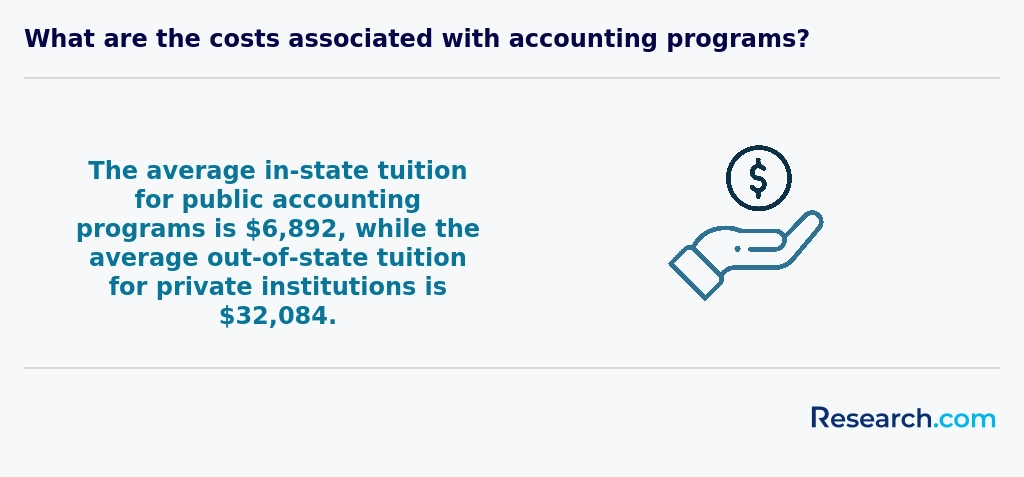
The average cost of an accounting degree in Boston challenges many students' expectations. While median totals hover around $47,550 for in-state residents and $71,466 for out-of-state students, the reality can be quite personal and variable. Graduates from public institutions like UMass Boston often reflect on their manageable tuition rates paired with the benefits of living in the city, balancing cost with opportunity. In contrast, private schools such as Boston University and Northeastern present a more significant investment, with tuition closer to $50,000-$61,000 annually, yet promise access to a robust network and internship pipelines that can accelerate early career success.
Understanding Boston accounting degree tuition and fees means factoring in living expenses, which are notably high, often adding about $15,000 a year. Many students fondly recall stretching their budgets through part-time work or scholarships, emphasizing how financial aid can transform the affordability equation. The picture isn't just numbers; it's the rewarding feeling of growth that accompanies navigating these financial realities while pursuing a goal that resonates deeply.
Those exploring accounting programs often seek the valuable accounting schools in Massachusetts to maximize return on investment. The financial commitment may seem daunting at first, but the skills, connections, and confidence gained can make the journey worthwhile. Delving into these figures helps prospective students see how their personal circumstances and choices shape the true cost of an accounting degree in Boston, making it more than just an abstract average but a path to tangible career rewards.
Embarking on an accounting degree in Boston offers more than rigorous academic training-it provides a vibrant, real-world learning experience that blends classroom studies with practical exposure. As a student, you can expect a curriculum that is both challenging and enriching, featuring hands-on projects, case studies, and opportunities for networking with local industry professionals. The city’s dynamic financial community ensures that your education is bolstered by internships, workshops, and guest lectures, each designed to bridge theory with practical application. Additionally, many programs integrate modern digital tools with traditional coursework, creating an adaptable learning environment that supports both in-person and remote education. For those curious about the academic journey and planning the future, resources are readily available to help you map out a successful career path-learn more about academic timelines and planning at how long does it take to become a accountant. By choosing an accounting program in Boston, you are not only investing in professional expertise but also in a highly immersive student life experience characterized by strong mentorship, peer collaboration, and unmatched career opportunities. This blend of academic excellence and practical experience positions you to thrive in a demanding yet rewarding industry.
Many accounting students in Boston quickly realize that tackling the steep tuition fees-ranging from $30,000 to $50,000 annually-requires tapping into a mosaic of financial aid opportunities. Federal aid through FAFSA often becomes a lifeline; graduates from Boston University and Northeastern share how Pell Grants and Direct Loans made their educational journey manageable while they balanced part-time work.
State-specific funds, like the Massachusetts State Grant, are a hidden gem that in-state attendees at schools such as Suffolk University swear by to lessen financial strain. Meanwhile, institutional scholarships from institutions like Boston College recognize academic excellence and leadership, directly empowering accounting majors to focus more on mastering debits and credits than on mounting bills.
Private scholarships, including those from MassCPAs, offer a hopeful boost, often felt most deeply by students juggling work-study and internships in Boston's bustling finance sector. These combined aids don't just ease tuition-they illuminate pathways toward a confident, supported start in the accounting profession.
Students often measure value by comparing total investment-tuition, fees, and living expenses-to early-career earnings. The average debt load for a bachelor’s in accounting from a Boston institution is approximately $28,000, with graduates reporting a median starting salary of $62,000. At this rate, full payback typically occurs within 4.5 years, assuming moderate annual salary growth of 3%. Compared to national averages, Boston graduates see 12% faster debt recovery, thanks to the city’s higher salary scales. For those prioritizing cost-effectiveness, exploring options beyond Boston can reveal additional value. For instance, our Affordable Accounting Degree Programs Ranking in Saint Paul, MN highlights institutions with lower tuition and living expenses, which may offer an accelerated ROI for budget-conscious students. Evaluating ROI also means considering long-term earnings potential. With a mean wage of $86,740 for staff accountants and steady job growth projections of 4% through 2032, Boston alumni often enjoy significant income gains over their careers. Adding specialized certifications, such as the CPA or CFA, can boost salary prospects by an additional 15–20%, further shortening the payback period. Ultimately, assessing the ROI of Boston accounting programs involves balancing upfront costs against lifetime earnings and professional growth opportunities. Prospective students should weigh these metrics alongside qualitative factors-such as alumni networks and corporate partnerships-to make a truly informed decision.
Enrolling in an accounting degree program in Boston demands more than just a high school diploma-though that remains the essential first step. Graduates from Boston's top programs often talk about the importance of strong math foundations, especially in algebra and statistics, which many students solidify at institutions like Bunker Hill Community College before transferring. These prerequisites aren't just bureaucratic hoops; they prepare you for the analytical rigor that defines accounting, reflecting a real-world challenge you'll embrace with confidence.
It's common for Boston universities to request official transcripts and sometimes SAT or ACT scores, though many have become more flexible, focusing instead on your demonstrated ability in relevant coursework. Applicants who have thoughtfully prepared with financial accounting or business fundamentals before applying tend to feel more at ease navigating the curriculum.
Several students recall the critical role recommendation letters and personal statements played, highlighting their passion for accounting and readiness to engage deeply with the material. Some programs even ask for interviews or placement tests, offering a direct glimpse into your potential and commitment beyond numbers.
Boston's competitive academic environment encourages prospective students to view prerequisites as stepping stones-not barriers-fueling enthusiasm for a rewarding future in accounting.
Accounting degrees in Boston challenge students with a blend of rigorous core courses that reach beyond basic number crunching. Graduates from well-known local universities often describe the intense focus on financial and managerial accounting as eye-opening-learning how external financial reports reveal a company's health while mastering internal budgeting decisions that drive real business outcomes.
In Boston, taxation courses are not just theoretical; students engage with complex Massachusetts tax codes, preparing them for the unique local challenges they'll face professionally. Auditing classes feel like investigative journeys where students learn to scrutinize records and uncover discrepancies, fostering confidence and critical thinking.
Many students appreciate the inclusion of accounting information systems, which bridges technology and finance, reflecting the city's fast-paced, innovation-driven economy. The coursework in business law and ethics further grounds them in the realities of regulatory pressures they encounter in Boston's bustling financial sector.
Graduates often recall how quantitative methods and statistics sharpened their analytical skills, empowering them to interpret data crucial for impactful decision-making. These courses, embedded in Boston's accounting programs, feel practical and relevant, sparking excitement about entering a thriving, evolving profession.
Accounting degree specializations in Boston are as diverse as the city's dynamic financial landscape itself. Graduates from popular universities and colleges here often reflect on how their chosen tracks shaped not only their skills but their perspectives on the profession. For instance, those pursuing Tax Accounting dive deep into the labyrinth of federal and state tax laws, preparing themselves for the strategic challenges faced by Boston's corporate firms. Meanwhile, students who specialized in Forensic Accounting describe an almost detective-like thrill in unraveling financial fraud, a skill increasingly valued in a city bustling with corporate headquarters and legal disputes.
Boston accounting programs with specialization options frequently include Auditing, where graduates learn to critically assess financial records under stringent ethical standards, a necessity within the city's public accounting firms. Others choose Management Accounting, honing budgeting and cost analysis capabilities that directly impact business decision-making in Boston's competitive markets. These specializations help students connect theory with real-world application, creating a distinct advantage.
Many graduates recommend considering how much time you want to invest in your study path for these specializations; if you're curious about how long does it take to become a accountant, Boston's institutions offer programs tailored for different paces and styles, reinforcing the value of aligning your academic journey with your career goals.
Choosing the best accounting degree in Boston means digging deeper than surface-level rankings or flashy brochures. Graduates from Boston University and Northeastern University often reflect on how AACSB accreditation shaped their growth, ensuring the curriculum met rigorous industry standards. This accreditation isn't just a stamp; it signals access to faculty with real-world expertise and programs that embrace evolving financial landscapes.
Think about the day-to-day experience: one graduate credits flexible evening classes for allowing continuation of a part-time job, turning theory into practice amidst Boston's bustling finance scene. Another values the seamless pathway from internships with local firms to full-time roles, making the college-to-career transition feel tangible and grounded. For those seeking affordable accounting colleges in Boston, weighing tuition against financial aid and alumni connections becomes critical - the investment pays off if opportunities align closely with career ambitions.
Understanding the true value of an accounting degree also means asking, "how much does an audit accountant make?" in Boston's competitive market. This clarity helps envision your future role, salary potential, and the real impact of Boston's accounting programs beyond textbooks. Reflection on these points distinguishes a degree that's merely good from one that's exceptional.
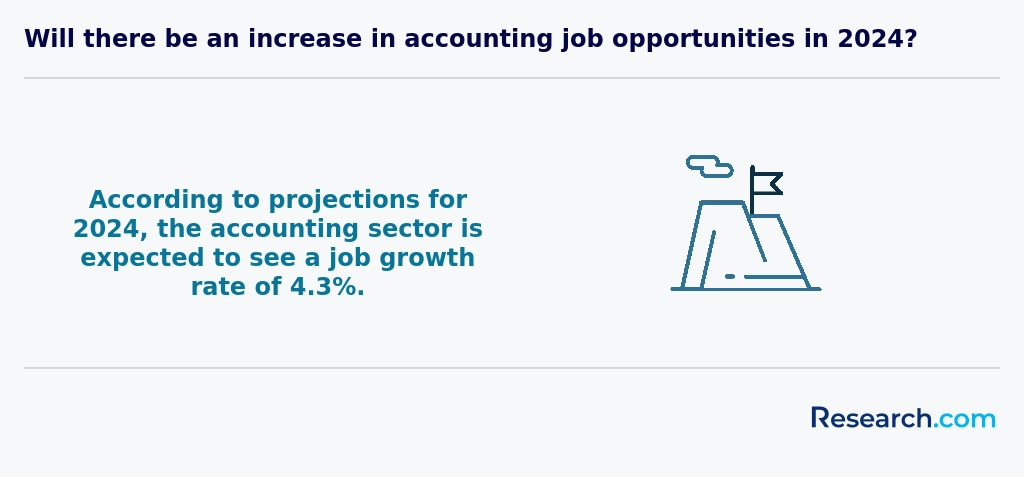
Graduates from Boston's leading institutions often find that an accounting degree opens diverse doors, defying the traditional expectation of a single career path. Beyond public accounting giants like Deloitte or PwC, where many alumni gain invaluable exposure, career opportunities in Boston extend to corporate roles within biotech and healthcare firms, reflecting the city's economic fabric. Imagine a graduate from a top Boston college navigating complex budgeting at Boston Scientific-this real-world challenge transforms textbook knowledge into strategic impact, reinforcing why Boston accounting degree job prospects remain vibrant.
Others discover fulfilling careers in government accounting or nonprofit financial management, aligning with Boston's civic spirit and philanthropic landscape. These roles demand a nuanced understanding of public funds and grant management, which many Boston-based accounting students experience firsthand through internships. Such experiences enrich their resume and cultivate a sense of purpose rarely matched by conventional private-sector roles. For those eager to break new ground, Boston's fintech and forensic accounting sectors offer thrilling challenges driven by innovation and data analytics.
Interested students weighing economic factors might find valuable insight in the Affordable Accounting Degree Programs Ranking in Saint Paul, MN, aiding strategic decisions about educational investments tied to accounting career opportunities in Boston.
The accounting job opportunities in Boston defy the notion that a degree alone guarantees success. Graduates from well-known Boston-area universities find themselves in a uniquely competitive yet rewarding environment, where multiple Big Four firms and boutique agencies actively recruit skilled candidates. These graduates often describe the city's bustling financial sector as a place where every internship and networking event can pivotally shape their early careers.
Accounting degree career outlooks in Boston are bright, but demand specialization. Many graduates from local colleges realize that excelling means blending technical accounting skills with industry-specific knowledge-whether in biotech or nonprofit management. This dynamic pushes students to consider professional certifications like the CPA, which local employers increasingly expect. The real-life budget constraints and salary negotiations of first jobs here demonstrate the premium placed on certified expertise.
For those weighing educational costs, the path to success might include pursuing an online associate's degree in 6 months before advancing to traditional Boston programs, balancing tuition investment and gaining timely job market entry.
2027 Most Valuable Accounting Degree Programs Ranking in Boston
Investing in your education is a significant decision that can shape your future, and the Research.com team understands the importance of making informed choices. To assist prospective students in Boston, we have meticulously crafted the "2027 Most Valuable Accounting Degree Programs Ranking in Boston." Our commitment to quality, credibility, and accuracy is reflected in the extensive research and analysis conducted to compile this ranking. We utilized the following reputable data sources to ensure a comprehensive evaluation of accounting programs:
By exploring this ranking, readers will gain valuable insights into the most valuable accounting degree programs in Boston, helping them make well-informed decisions about their educational and professional futures. For more details on our methodology, please visit our Research.com methodology page.


# 5 position
Cambridge College
Master of Science in Accounting

Frequently Asked Questions About accounting
Accounting degree students in Boston can maximize their learning by combining classroom study with practical experience. Boston, as a financial and business hub, offers access to numerous internships at top firms, which enhances real-world skills. According to the Massachusetts Department of Higher Education, nearly 40% of accounting students in the state participate in cooperative education programs or internships. Engaging in student organizations like the American Institute of CPAs (AICPA) Boston chapter provides networking and professional development opportunities. Additionally, taking advantage of local workshops on tax updates and regulations helps students stay current in a rapidly evolving field.
The accounting field is evolving rapidly, with several emerging niches gaining attention, especially in Boston's competitive job market. One notable growth area is forensic accounting, where professionals analyze financial data to detect fraud and support legal cases. According to the Bureau of Labor Statistics, demand for forensic accountants is expected to grow by 16% through 2030, faster than the average for all occupations.
Environmental accounting is also gaining traction in Boston, reflecting increasing corporate focus on sustainability reporting. This niche helps companies measure environmental costs and adhere to regulations.
Additionally, technology-driven roles such as accounting data analytics are expanding. Boston's tech-driven economy values accountants skilled in software like QuickBooks, SAP, and emerging AI tools.
After completing an accounting degree in Boston, preparing for the job market involves strategic steps to enhance employability. Start by obtaining relevant certifications such as the CPA, highly regarded in Massachusetts. According to the Massachusetts Department of Unemployment Assistance, the demand for accountants in Boston is expected to grow by 8% through 2030.
Networking in Boston's robust finance sector is essential. Join local chapters of professional organizations like the Massachusetts Society of CPAs. Internships at Boston-based firms provide practical experience and can lead to full-time roles.
Develop proficiency in accounting software widely used in the region, including QuickBooks and Microsoft Excel, to boost your résumé.
Finally, attend Boston career fairs and utilize university career services to access job listings and employer contacts tailored to accounting graduates.
Employers in Boston highly value accounting graduates who demonstrate strong technical skills, including proficiency in accounting software like QuickBooks and advanced Excel capabilities. According to the Bureau of Labor Statistics, nearly 80% of accounting roles require competency in financial analysis and reporting. Analytical thinking and attention to detail are critical for accuracy in audits and tax preparation, which are in high demand in Boston's finance sector.
Communication skills also rank highly, as accountants must explain complex information clearly to clients and colleagues. Additionally, knowledge of US GAAP and familiarity with regulatory changes remain essential. The Massachusetts Department of Higher Education highlights that employers appreciate candidates with internship experience and CPA certification preparation.
Finding internships in Boston relevant to an accounting degree involves leveraging local resources and networks. Boston hosts numerous accounting firms, including big names like Deloitte and PwC, which actively recruit interns. The city's strong financial sector provides ample opportunities for practical experience.
Students should utilize university career centers, which often have exclusive partnerships with local businesses. Websites such as Handshake and the Boston Society of Certified Public Accountants (BSCPA) also list internships specifically for accounting students.
Networking through events and professional organizations is crucial. According to BSCPA, over 4,000 accounting professionals are active in the Boston area, offering substantial mentorship and internship chances.
Applying early and tailoring your resume to highlight relevant skills can increase the likelihood of securing internships in this competitive market.
An accounting degree in Boston significantly enhances career mobility and advancement opportunities. The city's robust financial sector, including numerous accounting firms and corporate headquarters, values formal education highly. According to the U.S. Bureau of Labor Statistics, accountants in the Boston metropolitan area earn a median annual wage approximately 15% higher than the national average, reflecting local demand for skilled professionals.
Many employers in Boston prefer candidates with an accounting degree due to the rigorous knowledge base in tax law, auditing, and financial management it provides. Completing such a degree also lays the groundwork for certifications like the CPA, which is often essential for career advancement.
The degree improves access to a diverse range of roles, from public accounting to corporate finance, enabling graduates to transition between sectors more easily. Additionally, Boston's networking events and internship programs aligned with universities contribute further to upward mobility.
Studying for an accounting degree in Boston equips students with essential skills that extend beyond traditional accounting. Boston's universities often integrate coursework in finance, data analytics, and information systems, preparing graduates for interdisciplinary roles in various industries. According to the Massachusetts Department of Higher Education, over 60% of accounting programs in the state include cross-disciplinary electives or joint majors.
Local employers, especially in Boston's robust finance and tech sectors, value graduates who can navigate complex data and regulatory environments, making interdisciplinary knowledge crucial. Additionally, partnerships between universities and firms provide real-world experience in diverse business functions.
Overall, Boston's academic environment fosters versatile accountants ready to adapt across multiple professional fields.
When choosing between a thesis and a non-thesis accounting degree program in Boston, students should consider their career goals and learning preferences. Thesis programs focus on original research and may be ideal for those aiming at academic roles or specialized fields within accounting. Non-thesis programs generally emphasize practical skills and coursework, offering a faster route to enter the workforce or pursue certifications like the CPA.
In Boston, where the financial sector is robust, a non-thesis program can be advantageous for immediate employment opportunities. Research from the Boston Business Journal notes that 65% of recent accounting graduates found jobs within six months, many valuing practical experience.
Thesis programs often require strong writing and analytical abilities, with some Boston-area universities offering close faculty mentorship. Choosing depends on whether you prefer research depth or applied knowledge.
Students based in Boston who wish to study accounting abroad have several options through partnerships between local universities and international institutions. Schools such as Boston University and Northeastern University often offer study abroad programs specifically tailored for accounting students. These programs allow students to earn credits towards their degree while gaining global business and accounting perspectives.
Many of these exchanges take place in countries with strong accounting standards, like the United Kingdom and Canada, helping students understand different regulatory environments. According to the Institute of Management Accountants, such international experience can enhance employability in the competitive Boston accounting job market, which showed a 7% growth in accounting roles between 2021 and 2023.
Students should also consider summer programs or internships abroad endorsed by Boston-based universities, which provide real-world accounting experience with a global focus.
Boston offers multiple part-time job opportunities that can enhance accounting students' education by providing practical experience. Popular roles include accounting clerk positions, bookkeeping assistants, and payroll coordinators, which allow students to apply classroom knowledge in real-world settings.
The city hosts many small businesses and startups that often seek part-time help for financial record management. According to the Massachusetts Executive Office of Labor and Workforce Development, Boston's financial services sector employs over 70,000 professionals, creating a significant demand for accounting-related support roles.
Internships and roles at accounting firms-ranging from local boutiques to branches of Big Four firms-also provide valuable exposure to auditing, tax preparation, and financial analysis.
Accounting students in Boston have numerous networking opportunities due to the city's strong financial and academic presence. Many universities, such as Boston University and Northeastern University, offer events and career fairs specifically tailored for accounting majors. These gatherings connect students with local firms and alumni working in accounting and finance sectors.
Beyond campus events, Boston hosts chapters of professional organizations like the Massachusetts Society of CPAs. This group regularly holds seminars, workshops, and networking dinners, providing students access to seasoned professionals.
According to the Bureau of Labor Statistics, Massachusetts has a higher concentration of accounting jobs compared to the national average, which encourages companies to engage actively with local talent.
Alumni networks play a crucial role for accounting degree students in Boston by offering access to a vast community of professionals. These networks often facilitate mentorship opportunities, providing students with guidance on career pathways and industry insights specific to the local market. Boston, home to numerous top-ranked universities, benefits from strong connections between alumni and major accounting firms headquartered in the city such as PwC, Deloitte, and KPMG.
According to the Boston Society of Certified Public Accountants, alumni involvement increases students' job placement rates by up to 25%. Networking events and job fairs hosted through alumni channels also expose students to internships and entry-level positions, which are critical in the competitive Boston accounting job market.
Strong alumni ties contribute to an understanding of regional industry trends, regulatory changes, and local business environments. For students, this means enhanced career readiness and smoother transitions into professional roles within Boston's dynamic financial sector.
Customizing an accounting degree program in Boston begins with selecting schools that offer flexible curriculum options. Many institutions in the Boston area provide concentrations or elective courses in areas such as tax accounting, forensic accounting, and auditing. This allows students to align their studies with specific career goals.
Internship opportunities with Boston-based firms also add practical experience, a critical component for career customization. According to the Massachusetts Department of Higher Education, over 70% of accounting graduates in Boston secure internships connected to their specialization before graduation.
Additionally, students may pursue CPA exam preparation courses as part of their degree, which is highly valued in Boston's competitive job market. Networking through Boston's strong accounting professional organizations further supports career-focused customization.
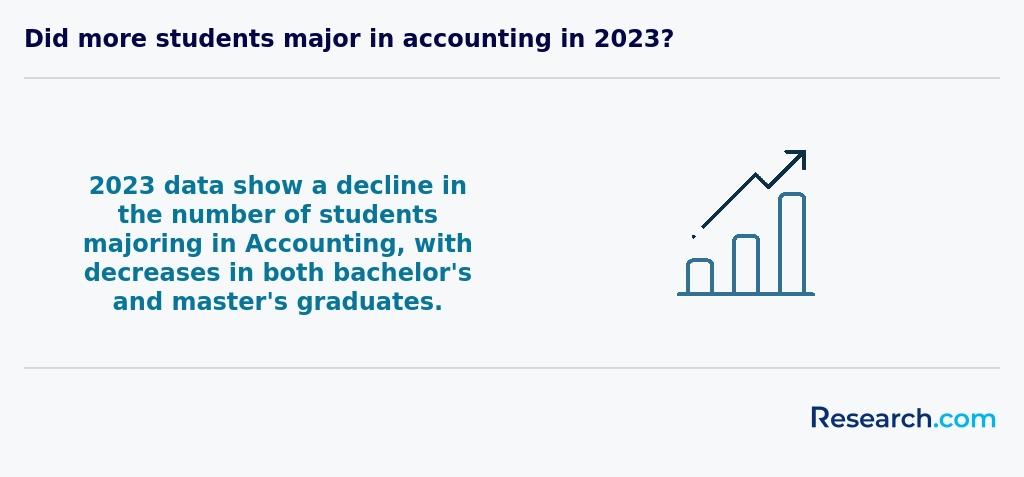
Accounting students in Boston often face significant challenges related to the city's competitive academic environment and evolving industry demands. A common difficulty is balancing rigorous coursework with gaining practical experience through internships, which are crucial in Boston's finance hub. According to the Massachusetts Department of Higher Education, enrollment in accounting programs has increased by 8% over the past three years, intensifying competition for internship positions. Additionally, many students struggle with mastering new financial software and regulations, which continuously update due to changes in federal and state tax laws. These technical skills are essential for success but require substantial time investment.
Another challenge is managing the cost of education. Boston's high living expenses add pressure on students, who often need part-time jobs while attending full-time classes. The National Association of State Boards of Accountancy notes that passing the CPA exam is a major hurdle, with Boston-area candidates facing pass rates slightly below the national average, highlighting the demanding nature of accounting certification. Together, these factors create a complex learning environment requiring strong time management and resilience from students pursuing accounting degrees in Boston.
With an accounting degree in Boston, graduates can pursue several respected professional certifications that enhance career prospects. The most prominent credential is the Certified Public Accountant (CPA), required for many accounting roles and recognized nationwide. To become a CPA in Massachusetts, candidates must meet education and exam requirements set by the Massachusetts Board of Public Accountancy.
Other valuable certifications include Certified Management Accountant (CMA), which focuses on financial management and strategy, and Certified Internal Auditor (CIA), relevant for auditing roles. These certifications open doors in both public and private sectors.
According to the Massachusetts Society of CPAs, Boston has a strong demand for CPAs, reflecting the city's robust financial sector and diverse businesses.
To write a winning application for an accounting program in Boston, start by highlighting your strong quantitative skills and relevant coursework, such as economics or statistics. Boston-area programs often value applicants with internships or work experience in finance or accounting, so be sure to include these details. According to the Boston Business Journal, accounting roles in the city grew by 7% from 2019 to 2023, underscoring the importance of practical experience.
Demonstrate your commitment to the field by mentioning participation in related student organizations, such as Beta Alpha Psi, common in Boston colleges. Lastly, tailor your personal statement to reflect your career goals and how studying in Boston aligns with local industry opportunities.
The accounting profession is increasingly shaped by global standards and practices, making a degree in accounting highly versatile. In the United States, including Boston, accountants often prepare for certifications like the CPA, which is recognized in some form internationally. According to the American Institute of CPAs, nearly 75% of U.S. accounting firms engage in work with multinational clients, underscoring the need for understanding global financial regulations.
Boston, as a financial hub, benefits from firms that operate globally, providing students local opportunities to gain international exposure. The integration of International Financial Reporting Standards (IFRS) with U.S. GAAP also means accounting professionals must be familiar with cross-border requirements. This global perspective enhances career flexibility and growth potential for graduates.
Gaining practical experience while studying for an accounting degree in Boston is essential for career readiness. Many Boston-area universities offer internships through partnerships with local firms, including accounting and financial services companies. According to the Boston Foundation, the city's strong professional services sector provides abundant internship opportunities, especially during summer breaks.
Students can also participate in cooperative education programs (co-ops) that alternate classroom study with paid work experience. Professional organizations like the Massachusetts Society of CPAs (MSCPA) offer student memberships, networking events, and mentorships to help build industry connections early.
Hands-on experience with accounting software, often included in coursework, further prepares students for real-world tasks. Additionally, volunteer opportunities with nonprofit organizations in Boston provide practical exposure to bookkeeping and financial reporting.
Choosing the right concentration within an accounting degree program in Boston requires understanding your career goals and the local job market. Popular concentrations include auditing, tax accounting, forensic accounting, and management accounting. Each offers different career paths and skill sets.
Boston's strong financial and consulting sectors create strong demand for tax and forensic accountants. According to the Massachusetts Executive Office of Labor and Workforce Development, tax-related accounting jobs grew by 7% in Greater Boston from 2020 to 2023. Forensic accounting is also growing due to increased corporate fraud investigations.
Research program specifics at Boston-area universities to ensure they offer concentrations aligning with your interests and career objectives.
- 2027 Most Valuable Accounting Degree Programs Ranking in Providence
- 2027 Most Valuable Accounting Degree Programs Ranking in Albany
- 2027 Most Valuable Accounting Degree Programs Ranking in Fairfield
- 2027 Most Valuable Accounting Degree Programs Ranking in Bronx
- 2027 Most Valuable Accounting Degree Programs Ranking in New York
- 2027 Most Valuable Accounting Degree Programs Ranking in Brooklyn
- 2027 Most Valuable Accounting Degree Programs Ranking in Philadelphia
- 2027 Most Valuable Accounting Degree Programs Ranking in Baltimore
- 2027 Most Valuable Accounting Degree Programs Ranking in Washington
- 2027 Most Valuable Accounting Degree Programs Ranking in Buffalo
See What Experts Have To Say About Studying Accounting
Read our interview with Accounting experts

John Wermert, Ph.D., CPA
Accounting Expert
Associate Professor of Accounting
Middle Tennessee State University


- Networking events for accountants in 2026 | Eagle Education https://www.eagle-education.co.uk/eagle/networking-events-for-accountants-in-2026/
- Bachelor of Accounting Degree - South Africa | Boston City Campus https://www.boston.ac.za/accounting-financial-services-faculty/bachelor-of-accounting-degree/
- How do they influence the accounting students' career choice? https://edulearn.intelektual.org/index.php/EduLearn/article/download/19870/10113
- Expectations of accounting students in relation to their ... https://sevenpubl.com.br/anais7/article/download/4780/8840/19578
- Accounting Courses https://www.boston.ac.uk/find-a-course/by-department/creative-cultural-business/accounting
- College Readiness: Connecting with the Alumni Network - Community Foundation https://southcoastcf.org/college-readiness-connecting-with-the-alumni-network/
- How to Choose a Degree in Accounting | Accounting.com https://www.accounting.com/resources/choosing-a-program/
- Top 10 Accounting and Finance Skills Employers Want | Tamarack Recruiting | Tamarack Recruiting https://tamarackrecruiting.com/top-10-accounting-and-finance-skills-employers-want-tamarack-recruiting/
- ACCOUNTING AND AUDITING (THESIS / NON-THESIS) - Lisansüstü Eğitim Enstitüsü https://lee.nisantasi.edu.tr/en/accounting-and-auditing/
- Skills You Need for a Career Path in Accounting | AIU https://www.aiuniv.edu/degrees/business/articles/top-skills-for-career-in-accounting