2027 Most Valuable Accounting Degree Programs Ranking in Pennsylvania

Co-Founder and Chief Data Scientist
Choosing the right accounting degree program is a major step toward a rewarding career. This article presents the 2027 Most Valuable Accounting Degree Programs Ranking in Pennsylvania, crafted by the Research.com team of data scientists.
Designed to guide Pennsylvania students, the ranking highlights programs that balance quality education with career prospects. Reading this will help you make a confident, informed choice about your future education and professional path.
An accounting degree offers strong job opportunities and personal growth-explore the programs that can best support your ambitions.
Key benefits of getting accounting degree in Pennsylvania
- Salary for accounting degree graduates: Graduates can expect competitive salaries, such as a Staff Accountant earning a mean annual wage of $90,780 or a Bookkeeper with around $49,580 annually, reflecting strong financial rewards for the skills gained.
- Career paths: An accounting graduate from Penn State University may pursue diverse roles including Tax Preparer, Associate Auditor, or Accounts Payable Clerk, demonstrating the degree's flexibility and abundant job opportunities in Pennsylvania.
- Benefits of online degrees: Completing an accounting degree online from a university like Drexel allows for flexibility and work-life balance, making it easier to gain experience while studying and accelerating career growth.
- 2027 Most Valuable Accounting Degree Programs Ranking in Pennsylvania
- What can I expect from accounting degree in Pennsylvania?
- Where can I work with accounting degree in Pennsylvania?
What can I expect from accounting degree in Pennsylvania?
The average cost of earning an accounting degree in Pennsylvania varies depending on the type of institution. Graduates from public universities like Penn State or the University of Pittsburgh often benefit from lower in-state tuition rates, which can range between $18,000 to $25,000 annually. Those attending private schools such as Temple University typically face higher costs, roughly $30,000 to $40,000 per year. Many students balance these expenses by applying for scholarships, financial aid, or participating in co-op programs that combine paid work with academic credit.
Students often find value in the investment, as programs include extensive preparation for CPA certification, which requires 150 credit hours in Pennsylvania. For example, a graduate from a state university shares how their integrated bachelor's and master's track helped them reach CPA eligibility without extra semesters, saving both time and money. By factoring in these options and available resources, Pennsylvania students can pragmatically plan their education costs while aiming for strong professional outcomes.
Where can I work with accounting degree in Pennsylvania?
Graduates with an accounting degree from Pennsylvania State University or Temple University often find rewarding career paths waiting in public accounting firms like Deloitte and PwC, especially in Philadelphia or Pittsburgh. These firms provide hands-on experience in auditing and tax preparation, essential for those aiming for CPA certification. Many graduates describe the first year as challenging but exciting, thanks to the clear steps toward licensure and career advancement.
Banks such as PNC Financial Services and Citizens Bank in Pennsylvania consistently hire accounting graduates for roles in financial analysis and compliance. For students familiar with accounting software from their coursework, these positions offer a practical way to apply skills while navigating the financial sector's regulatory landscape.
Others report success entering Pennsylvania's healthcare sector, where hospitals and insurance companies rely on accountants for budgeting and reimbursements. Graduates from the University of Pittsburgh recall how internships in healthcare finance helped secure stable jobs after graduation.
State and local government agencies also present stable employment routes, with opportunities in tax collection and public fund auditing. Recent grads often appreciate the predictable workload and public service impact. Manufacturing hubs in Lehigh Valley and Erie similarly seek accountants for cost accounting roles, allowing graduates to combine financial expertise with real-world production insights.
Graduates with an accounting degree in Pennsylvania can expect solid earning potential right after school. For example, many recent grads from well-known local schools, such as Penn State or Villanova, start in roles like Staff Accountant, where the mean annual wage is about $90,780, according to the latest BLS data. This is a strong foundation for building a career with confidence.
Other common entry-level jobs include Bookkeeper, Tax Preparer, Associate Auditor, and Accounts Payable Clerk, each paying around $49,580 annually. Many graduates find these roles fulfilling as they develop practical skills and gain crucial workplace experience.
Graduates often find that choosing a metropolitan area like Philadelphia or Pittsburgh leads to higher wages and more diverse job opportunities. With steady professional growth and certifications such as CPA, they can expect their salaries to increase significantly beyond these starting points, making Pennsylvania a promising place to begin an accounting career.
- In Pennsylvania, public university in-state tuition for accounting degrees ranges from $15,000 to $30,000 per year, while private schools charge between $30,000 and $50,000 annually.
- Community colleges offer a more affordable path with tuition typically between $4,000 and $8,000 per year.
- Starting salaries for entry-level accounting graduates average between $52,000 and $58,000 annually.
- Experienced accountants earn around $75,000 to $85,000 per year, with senior roles often paying higher.
- The job market for accountants in Pennsylvania is expected to grow by about 7% over the next decade.
- CPA candidates in the state usually require 150 credit hours, and many degree programs prepare students for the Uniform CPA Examination.
Completing an accounting degree in Pennsylvania usually takes about four years for a full-time student starting with a bachelor's degree, like those attending Penn State or Temple University. Many graduates share that staying on a traditional schedule helps them balance coursework and internships smoothly. If you've already earned some college credits or hold an associate degree from a community college such as Bucks County Community College, an accelerated bachelor's program can cut your time down to two or three years.
For those aiming for CPA certification, a master's degree in accounting-common at schools like Villanova University-adds one to two years beyond the bachelor's. Graduates emphasize how completing their master's helped them meet the 150-credit-hour requirement and boosted their confidence entering the workforce.
Part-time and online options, favored by working students at institutions like Drexel University, provide flexibility but often extend completion time to four to six years. Many find this approach rewarding as it balances studies with professional and personal priorities.
Affordability in accounting education is not only about the listed tuition price. The more useful question is how much you will pay after grants, scholarships, transfer credits, employer tuition benefits, and online or part-time scheduling options are considered. A lower-cost program can be a strong choice if it is accredited, covers the accounting and business coursework needed for your goals, and offers enough career support to help you secure internships or entry-level roles.
When comparing Pennsylvania accounting programs, review the full cost of attendance rather than tuition alone. Fees, textbooks, software, transportation, housing, and the number of credits needed for graduation can change the real price of a degree. Students planning to become CPAs should also check whether the program helps them progress toward Pennsylvania’s 150-credit-hour expectation, because additional coursework can add time and cost.
Online programs may reduce commuting and housing expenses, especially for students who already work or live far from campus. If cost is your main concern, Research.com’s guide to an affordable online accounting school in pennsylvania can help you identify lower-cost pathways while still focusing on academic quality and career preparation.
- Compare net price after aid, not only published tuition.
- Ask whether accounting credits transfer cleanly from community colleges or prior coursework.
- Check whether CPA-related coursework is included or requires a later master’s degree.
- Look for internship access, career services, and employer connections that can improve return on investment.
- Confirm that online or hybrid formats provide the same academic and advising support as campus programs.
When deciding between an online and on-campus accounting degree in Pennsylvania, consider your daily routine and learning preferences first. Online programs, offered by institutions like community colleges and state universities, let you study on your own schedule, ideal if you're balancing work or family. Graduates often praise the flexibility but note the importance of staying disciplined with virtual classes, video lectures, and discussion boards.
On-campus degrees at schools such as Penn State or Temple University provide face-to-face interaction and direct access to professors, which many find energizing and motivating. Students highlight the value of in-person networking events and easy access to campus resources like libraries and study groups, which support learning and professional growth.
Both paths cover core accounting topics and prepare you fully for the CPA exam. However, on-campus learners should budget for commuting or housing costs common in Pennsylvania, while online students must ensure a reliable internet connection. Weigh these practical factors against your lifestyle to make the best choice for your accounting career.
A strong accounting career in Pennsylvania starts before graduation. The degree gives you the technical foundation, but employers also look for experience, communication skills, software familiarity, and evidence that you can apply accounting concepts in real business settings.
Begin by building mastery in financial accounting, managerial accounting, auditing, taxation, and accounting information systems. At the same time, develop complementary skills in spreadsheet modeling, data analysis, professional writing, presentation, and business ethics. These skills matter because accounting work often involves explaining complex financial information to managers, clients, auditors, regulators, or nonprofit boards.
Use internships, cooperative education, part-time bookkeeping roles, accounting club activities, and faculty mentorship to test different career paths. These experiences help you see what do accountants do in practice, including how day-to-day work differs across tax, audit, corporate accounting, government finance, and consulting.
Career-building steps for Pennsylvania accounting students
- Choose a CPA-aware academic plan. If licensure is a goal, map your credits early so you do not discover late that you need additional accounting or business coursework.
- Complete at least one internship. Internships can clarify whether you prefer public accounting, corporate finance, government, or nonprofit work.
- Build a professional network. Attend career fairs, accounting society events, alumni panels, and employer information sessions.
- Learn common accounting tools. Programs that include accounting software, analytics, and information systems can make the transition to work smoother.
- Consider certifications strategically. CPA, CMA, and related credentials can strengthen advancement prospects, but each has different requirements and career uses.
- Track industry changes. Automation, data analytics, and compliance changes continue to reshape accounting work, so ongoing learning is part of the profession.
The average cost of an accounting degree in Pennsylvania varies significantly depending on the type of institution and residency status. On average, a student pursuing accounting in-state at a public university might expect total expenses around $34,000 for the entire program. Graduates from schools like Penn State or Temple University reflect this figure after considering tuition, fees, and other vital expenses such as textbooks and materials.
Out-of-state students face higher costs, sometimes averaging $48,000 for their degree. This is a practical consideration for many applicants weighing the benefits of attending well-known private universities like Villanova or the University of Pennsylvania, where total costs can exceed $65,000 per year. Several graduates emphasize the value of financial aid and scholarships in making these high-cost private institutions manageable.
To manage the total expenses for accounting degree Pennsylvania 2027, prospective students should explore transfer pathways or associate degrees offered by community colleges and online programs. These can substantially reduce costs and provide a solid foundation before transferring to a four-year degree. For those considering flexible and affordable alternatives, there is a wide range of options such as an affordable online accounting school in pennsylvania that balances cost and quality effectively.
By carefully evaluating institutions and leveraging financial aid resources, students can pursue their accounting goals without overwhelming debt. Practical planning around the average cost of accounting degree in Pennsylvania is essential for a smooth educational journey and a confident start to a career in accounting.
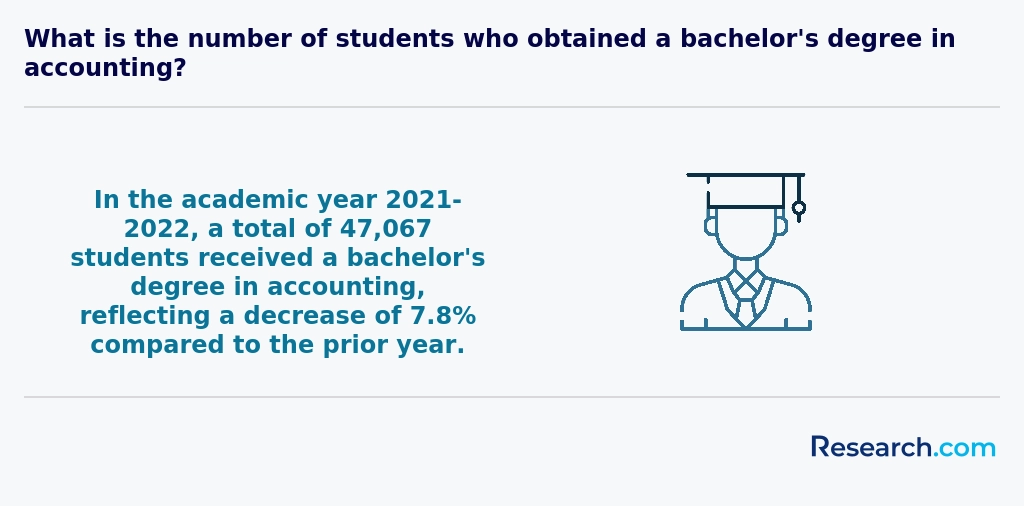
To fund an accounting degree in Pennsylvania, start by completing the FAFSA to access federal aid like Pell Grants, which can provide up to $7,395 annually without repayment. Many graduates from Pennsylvania State University recall how these grants eased their financial stress, allowing them to focus on coursework over part-time jobs.
Next, explore Pennsylvania's State Grant Program designed specifically for residents. This aid varies by need but can significantly reduce tuition costs at approved schools such as Temple University, where merit-based scholarships for accounting students also reward strong academic performance and leadership.
Federal student loans offer another practical option, with borrowing limits set by your year in school. Past accounting students often emphasize the predictability of these loans despite the responsibility of repayment with interest.
Don't overlook private scholarships from organizations like the Pennsylvania Institute of Certified Public Accountants (PICPA), which support students committed to CPA careers in Pennsylvania. Combining these funding sources can make pursuing an accounting degree manageable and motivating.
For many accounting majors, the Certified Public Accountant license is the credential that expands access to audit, tax, advisory, controller-track, and leadership roles. In Pennsylvania, candidates must meet state Board of Accountancy requirements that include a bachelor’s degree with 150 semester hours, 24 hours in accounting subjects, and 24 hours in business courses.
Because the 150-semester-hour requirement is higher than a typical bachelor’s degree, students should plan early. Some programs build CPA planning into advising, while others expect students to add a master’s degree, extra undergraduate credits, summer courses, or approved electives. The best choice depends on cost, schedule, transfer credits, and whether you want graduate-level specialization.
Many top programs integrate CPA review courses or partnerships with providers like Becker and Wiley, helping students start exam preparation before or shortly after graduation. Schools may also track first-time CPA Exam pass rates as one signal of program strength. For example, Penn State University reports a 72% first-time pass rate, while Temple University graduates achieve around 68%, both above the national average of 56%.
CPA preparation resources to look for
- CPA-focused academic advising that maps accounting, business, and total credit requirements
- Structured review options through campus partnerships or accounting departments
- Faculty mentorship for exam timing and section sequencing
- CPA study groups and tutoring sessions
- Access to practice exams through accounting clubs
- Mock interviews and resume workshops through career services
Graduates who earn the CPA license often move into audit, tax, or consulting roles with stronger advancement potential. To understand how compensation may vary by role, review Research.com’s guide to how much do auditors make and compare accounting career paths before choosing a specialization.
To enroll in an accounting degree in Pennsylvania, start by securing your high school diploma or GED, a fundamental step noted by graduates from schools like Temple University and Penn State. Many students found success by focusing on strong math skills, particularly in algebra and statistics, since admissions committees at these universities often scrutinize transcripts for performance in these areas.
Standardized test scores, such as the SAT or ACT, remain an important hurdle at many four-year Pennsylvania institutions, even though some have adopted test-optional policies. Those who submitted competitive scores to places like Drexel University noticed it strengthened their applications, opening doors to scholarship opportunities.
Planning ahead, taking high school courses in economics, business, or finance proves helpful. Students sharing their experience from West Chester University emphasize how classes in computer applications and communication gave them an edge with the practical side of accounting.
Completing the formal application-including personal statements and letters of recommendation-is essential. Most PASSHE schools require submission via their standardized platform, so preparing these materials early prevents last-minute stress.
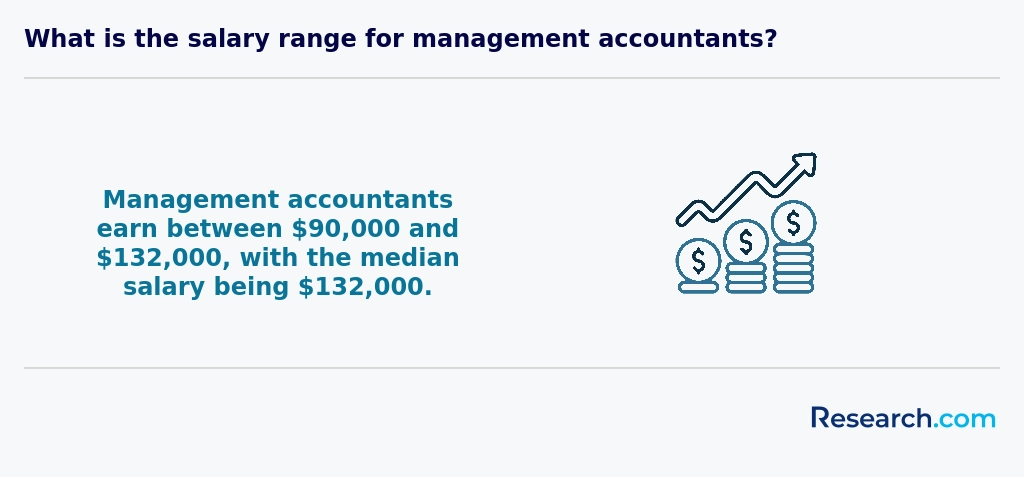
CPA exam performance is one useful indicator of how well an accounting program prepares students for professional practice. In Pennsylvania, graduates of top accounting degree programs show an average first-time pass rate of 68% compared to the national average of 55%. Leading institutions such as Pennsylvania State University and Temple University report pass rates exceeding 75%, reflecting rigorous coursework, faculty support, and sustained preparation in financial reporting, auditing, taxation, and related areas.
Pass rates should not be the only factor in your decision. A school with strong CPA outcomes may still be a poor fit if the total cost is too high, the format does not match your schedule, or the program does not offer the specialization you need. Likewise, a more affordable program can be a strong option if it provides CPA-aligned coursework, internship access, and advising that keeps you on track for licensure.
Career outcomes are also important. Recent data show that 92% of graduates secure full-time positions or graduate-level placements within six months of commencement. Major employers include regional public accounting firms, Fortune 500 corporations, and state agencies, with average starting salaries ranging from $60,000 to $70,000. Alumni surveys reveal that 88% of respondents attribute their rapid job placement to hands-on internships and career services support offered by their universities.
If you are comparing cost beyond Pennsylvania, reviewing the Inexpensive Accounting Degree Programs Ranking in Arizona can provide another point of reference for tuition, aid, and CPA-focused program value.
When pursuing an accounting degree in Pennsylvania, students typically enroll in core courses that build a strong foundation for practical work and certification. Graduates from well-known schools like Penn State or Temple University often highlight key classes such as Financial Accounting, which introduces how to report and analyze financial data, and Managerial Accounting, which focuses on using that data to make business decisions.
More specialized courses like Auditing teach the techniques to examine financial records, while Taxation covers essential federal and state tax laws-vital knowledge for future CPAs in Pennsylvania. Intermediate Accounting deepens understanding of asset valuation and liabilities, concepts students from local colleges have found crucial during internships.
- Accounting Information Systems, which shows how technology supports accounting functions.
- Cost Accounting, helping students grasp expense control in real business settings.
- Business Law, which explains regulations influencing accounting practices in Pennsylvania.
By completing these courses, students from Pennsylvania universities feel prepared to tackle challenges in both public and private sectors, equipped with skills directly applicable to everyday professional scenarios.
Accounting degree specializations in Pennsylvania typically cover areas such as Financial Accounting, Auditing, Taxation, Managerial Accounting, Forensic Accounting, and Information Systems Accounting. Graduates from popular colleges across the state often share how focusing on taxation, for example, directly prepared them for careers in Pennsylvania's robust finance sector, where expertise in tax planning is highly valued.
Those pursuing auditing express confidence in their ability to navigate regulatory environments after completing rigorous coursework combined with CPA exam prep, which many Pennsylvania universities emphasize. Students appreciate how the practical frameworks taught in managerial accounting help them support real-world business decisions in local manufacturing firms.
For anyone wondering about the path ahead, understanding what do accountants do in these specialized roles helps tailor your studies accordingly. Choosing the best accounting concentrations Pennsylvania universities offer ensures you invest time and money efficiently while setting yourself up for rewarding careers with strong demand statewide.
When choosing the best accounting degree in Pennsylvania, start by checking accreditation like AACSB or ACBSP-graduates from Villanova University and the University of Pennsylvania often highlight how this boosted their confidence and job prospects. Next, compare program specializations; some schools offer tracks in forensic accounting or taxation, allowing you to tailor your path. If you want to become a CPA in Pennsylvania, ensure the program meets the state's 150-credit hour requirement, a must for sitting for the CPA exam.
Think about costs realistically. Many students find community colleges appealing for affordable accounting degrees Pennsylvania colleges offer, often with tuition under $5,000, making budgeting less stressful. Also, consider location and flexibility; students juggling jobs appreciate online or hybrid options that let them balance work and study. Finally, explore schools with strong CPA exam pass rates and good employer connections. Graduates frequently share how these links helped them launch careers and understand how much do auditors make in the field.

Graduates from accounting programs in Pennsylvania often find rewarding career paths in public accounting, corporate roles, and government positions. For example, many who studied at universities around Philadelphia or Pittsburgh enter public accounting firms-ranging from local practices to Big Four offices-where they engage in auditing and tax preparation. This sector frequently encourages pursuing CPA licensure, an essential credential supported by Pennsylvania's 150-credit hour requirement. Those aiming for corporate accounting can leverage opportunities in Pennsylvania's robust manufacturing and healthcare industries, managing budgets and internal audits in familiar companies located within the state.
Some graduates choose government accounting, enjoying job stability and benefits while working on budget compliance and grant management for local agencies. Others pursue specialized fields like forensic accounting or accounting information systems, reflecting emerging trends in technology and fraud detection. Students balancing costs can explore affordable programs nearby through rankings like Inexpensive Accounting Degree Programs Ranking in Arizona, supporting a practical approach to starting diverse accounting career options in Pennsylvania.
The accounting job market in Pennsylvania remains strong, with graduates from schools such as Penn State and Temple University often finding steady demand in financial centers like Philadelphia and Pittsburgh. Employers in government, healthcare, and manufacturing consistently seek skilled accounting graduates, making entry-level roles accessible. Graduates often describe navigating this market as encouraging, especially when pursuing certifications like the CPA, which significantly boost hiring prospects and salary potential.
Employment outlook for accounting graduates Pennsylvania shows a solid growth rate of about 6% over the next decade. Graduates from universities like Drexel appreciate the diverse job opportunities nearby, from government agencies to private firms. Many also balance their studies with part-time work, aided by flexible options including quickest adult degree programs online, helping them gain practical experience while managing costs effectively.
While mean salaries hover around $77,600, graduates highlight that gaining relevant experience and certification transforms this base pay into a rewarding career path. Understanding the local market, such as the preference for CPA licensure in Pennsylvania, allows students to plan strategically and secure competitive roles post-graduation.
2027 Most Valuable Accounting Degree Programs Ranking in Pennsylvania
Investing in your education is a significant decision that can profoundly impact your future, and the Research.com team is fully aware of the importance of making well-informed choices. To support students considering accounting degrees in Pennsylvania, we have carefully developed the "2027 Most Valuable Accounting Degree Programs Ranking in Pennsylvania." Our dedication to quality, credibility, and accuracy is demonstrated through rigorous research and thorough data analysis.
We utilized the following reputable data sources to ensure a comprehensive evaluation of accounting programs:
By exploring this ranking, readers will gain valuable insights into the most valuable accounting programs in Pennsylvania, empowering them to make confident decisions aligned with their career goals. For an in-depth understanding of our ranking process, please visit our Research.com methodology page.
# 1 position
Pennsylvania State University-World Campus
Bachelor of Science in Accounting

# 2 position
Shippensburg University of Pennsylvania
Bachelor of Science in Business Administration in Accounting


# 4 position
Slippery Rock University of Pennsylvania
Bachelor of Science in Business Administration in Accounting

# 5 position
Pennsylvania State University-World Campus
Master of Professional Accounting
# 6 position
Strayer University-Pennsylvania
Bachelor of Business Administration in Accounting

# 7 position
Peirce College
Bachelor of Science in Accounting


# 10 position
Strayer University-Pennsylvania
Master of Science in Accounting
# 11 position
Pennsylvania State University-Main Campus
Bachelor of Science in Accounting
# 12 position
Drexel University
Bachelor of Science in Business Administration with Major in Accounting

# 13 position
Pennsylvania State University-Main Campus
Master of Accounting
# 14 position
University of Pittsburgh-Pittsburgh Campus
Bachelor of Science in Business Administration in Accounting


Frequently Asked Questions About accounting
Accounting degree students in Pennsylvania can greatly enhance their learning by taking advantage of the state's strong network of accredited programs and professional organizations. Many universities offer access to internships in the region's diverse industries, including finance, manufacturing, and healthcare, providing valuable hands-on experience that complements academic study.
Students should also consider joining organizations like the Pennsylvania Institute of Certified Public Accountants (PICPA). PICPA offers networking events, mentorship programs, and workshops tailored to accounting professionals in the state. According to the Bureau of Labor Statistics, Pennsylvania employs over 60,000 accountants and auditors, highlighting abundant job opportunities for students who engage with local resources.
Additionally, utilizing state-licensed CPA review courses early can streamline the path toward licensure, an essential step for many accountants in Pennsylvania. Keeping up with changes in state tax laws and regulations through continuous education helps students remain competitive and informed.
Emerging niches within the accounting field in Pennsylvania reflect broader national trends driven by technology and regulatory changes. One key area is forensic accounting, where professionals investigate financial fraud and assist in legal cases. Demand in Pennsylvania is growing as businesses and government agencies seek experts to combat financial crime.
Another expanding field is environmental accounting, which involves tracking costs linked to sustainability efforts. With Pennsylvania's commitment to green energy initiatives, accountants with expertise in sustainability reporting are increasingly valued. Additionally, accounting for cryptocurrency and blockchain technology is an emerging specialty, as more Pennsylvania firms engage in digital asset transactions.
The Pennsylvania Institute of CPAs highlights that professionals skilled in data analytics are more likely to secure positions with higher salaries, emphasizing the intersection of accounting and information technology as a growing opportunity.
To prepare for the job market after completing an accounting degree in Pennsylvania, students should focus on gaining both practical experience and professional credentials. Internships and cooperative education programs offered at many Pennsylvania universities, such as those in Philadelphia and Pittsburgh, provide valuable hands-on experience that employers highly value. According to the Pennsylvania Department of Labor & Industry, the job outlook for accountants in the state is expected to grow by 7% through 2030, emphasizing the need for relevant skills.
Students are also advised to pursue certification, particularly the Certified Public Accountant (CPA) license, which significantly improves job prospects. Pennsylvania requires 150 credit hours of education and passing the Uniform CPA Exam, a rigorous step towards licensure. Networking with local accounting firms and utilizing university career services can also enhance opportunities in competitive markets.
Employers in Pennsylvania seek accounting graduates with strong technical and analytical skills. Proficiency in accounting software like QuickBooks and Microsoft Excel is essential for managing financial data efficiently. According to the Pennsylvania Department of Labor & Industry, attention to detail and accuracy remain top priorities, as errors can have significant financial impacts.
Additionally, communication skills are highly valued, since accountants often explain complex financial information to clients or team members. Critical thinking and problem-solving abilities are also important, helping graduates adapt to changing regulations and business environments.
Familiarity with Pennsylvania's tax laws and regulatory frameworks can give candidates an edge in the local job market. The Bureau of Labor Statistics reports the demand for skilled accountants in Pennsylvania is expected to grow by 6% through 2030, highlighting the importance of these practical and interpersonal skills.
Finding internships in Pennsylvania for accounting students involves several strategic steps. Start by exploring university career centers, as many colleges maintain partnerships with local firms. According to the Pennsylvania Institute of Certified Public Accountants (PICPA), around 65% of accounting internships in the state are secured through such campus connections.
Additionally, online platforms like Handshake cater specifically to college students seeking internships in Pennsylvania. Networking with accounting professionals through events and LinkedIn can also open doors, as Pennsylvania's accounting sector employs over 20,000 professionals statewide.
Lastly, consider applying directly to public accounting firms in cities like Philadelphia and Pittsburgh, where many firms offer structured internship programs aligned with CPA licensure paths.
Obtaining an accounting degree in Pennsylvania significantly enhances career mobility and advancement opportunities. According to the U.S. Bureau of Labor Statistics, Pennsylvania employs over 70,000 accountants and auditors as of 2023, reflecting strong demand. A degree equips graduates with essential skills needed for roles in public accounting firms, corporate finance, and government agencies. Additionally, Pennsylvania's requirement for Certified Public Accountant (CPA) licensure includes education criteria that a bachelor's degree in accounting often satisfies, providing a clear pathway to higher-level positions.
Graduates with accounting degrees in Pennsylvania frequently see higher starting salaries and faster promotions compared to those without a degree. Professional credentials, combined with a degree from an accredited Pennsylvania institution, improve prospects for roles such as financial analysts, tax examiners, and controllers.
Studying for an accounting degree in Pennsylvania equips students with skills that extend beyond traditional accounting. Programs often integrate courses in finance, information systems, and business law, reflecting the interdisciplinary nature of today's workplace. This blend prepares graduates to collaborate with professionals in marketing, management, and IT.
Additionally, Pennsylvania's proximity to major financial hubs like Philadelphia and Pittsburgh provides students with access to internships and networking opportunities in diverse industries. According to the Pennsylvania Department of Labor & Industry, the demand for accountants who can navigate multiple domains is rising by 5% annually.
Such comprehensive education fosters versatility essential for roles in consulting, auditing, and corporate strategy.
Choosing between a thesis and a non-thesis accounting degree program in Pennsylvania depends on your career goals and learning preferences. Thesis programs typically require original research and suit students interested in advanced study or academic careers. Non-thesis programs focus more on practical skills and coursework, which may appeal to those targeting immediate employment in public accounting or corporate finance.
According to the Pennsylvania Department of Education, many business schools offer both options, with thesis tracks often taking longer to complete. Additionally, employers in Pennsylvania's growing accounting sector increasingly value certifications such as CPA over thesis experience, making non-thesis degrees a practical choice for some students.
Students in Pennsylvania who wish to study accounting abroad have several pathways through their home institutions. Many Pennsylvania universities with accounting programs, such as Penn State and Temple University, offer exchange programs or study abroad opportunities with partner schools in Europe, Asia, and Australia. These options allow students to complete part of their accounting coursework overseas while maintaining eligibility for licensure in the U.S. The Pennsylvania State System of Higher Education also supports international study trips focusing on global business and accounting practices.
Additionally, some programs provide internships or cooperative education experiences abroad to enhance practical skills in diverse financial environments. According to the National Association of State Boards of Accountancy, international experience can complement Pennsylvania's requirement of 150 credit hours for CPA candidates, especially since globalization is reshaping accounting standards and practices worldwide.
Students pursuing accounting degrees in Pennsylvania can benefit from various part-time job opportunities that build relevant skills and enhance their resumes. Many find roles as bookkeepers or accounting clerks, where they manage financial records and gain hands-on experience with accounting software such as QuickBooks.
Internships with local accounting firms or finance departments in businesses across Pennsylvania offer valuable exposure to tax preparation, auditing, and financial reporting. According to the U.S. Bureau of Labor Statistics, Pennsylvania's accounting and auditing sector is expected to grow by 6% through 2030, increasing demand for entry-level positions.
Other roles include payroll assistants or tax preparer aides, allowing students to develop expertise in state and federal tax regulations, crucial for CPA exam preparation.
Accounting students in Pennsylvania benefit from a variety of networking opportunities that can help advance their careers. Many universities maintain strong connections with regional accounting firms and businesses, offering students access to career fairs, internships, and mentorship programs. For example, the Pennsylvania Institute of CPAs (PICPA) hosts events and workshops that allow students to meet professionals and gain industry insights.
Additionally, some schools facilitate student chapters of national organizations like Beta Alpha Psi, where students network with peers and professionals. These opportunities can be crucial for job placement in Pennsylvania's competitive accounting job market, which the Bureau of Labor Statistics projects will grow by 6% through 2031.
Alumni networks in Pennsylvania offer accounting degree students significant advantages in career development. Through these networks, students gain access to professional connections with graduates employed in top firms such as PwC, Deloitte, and KPMG. According to the Pennsylvania Institute of Certified Public Accountants, over 60% of CPA candidates reported that networking played a crucial role in securing their first job. Alumni often provide mentorship, internship opportunities, and job referrals, helping students navigate the competitive job market. Moreover, many Pennsylvania universities host events and workshops where alumni share industry insights, keeping students informed about evolving accounting standards and practices.
In Pennsylvania, students can tailor their accounting degree programs to align with specific career goals by selecting relevant electives and concentrations. Many universities offer specialized tracks such as taxation, auditing, or forensic accounting. These options help build skills sought by employers in sectors prominent in the state, including finance, government, and manufacturing.
Internships and cooperative education programs are also widely available, providing practical experience and networking opportunities within Pennsylvania's business community. According to the Pennsylvania Department of Labor & Industry, accountant roles in the state are expected to grow 6% from 2022 to 2032, highlighting the importance of practical skills.
Choosing a program that integrates CPA exam preparation can further enhance career prospects, as Pennsylvania requires 150 credit hours and specific coursework for CPA licensure. Students should consult academics advisors to customize their coursework to both meet licensure requirements and focus on their targeted accounting fields.
Accounting students in Pennsylvania commonly face several academic and practical challenges. One major difficulty is mastering complex topics such as tax law, auditing, and financial reporting, which demand strong analytical and critical thinking skills. The constantly evolving regulatory environment, including Pennsylvania state tax codes and federal accounting standards, adds to the learning curve.
Additionally, many students struggle with passing the Certified Public Accountant (CPA) exam, a requirement for many accounting careers. According to the Pennsylvania State Board of Accountancy, the pass rate for first-time CPA exam takers in the state hovers around 50-60%, reflecting its rigor.
Time management is also a challenge, as accounting programs often require internships or practical experience alongside coursework. Balancing work, study, and life commitments can be demanding, especially for non-traditional or part-time students.
With an accounting degree in Pennsylvania, you can pursue several key professional certifications that enhance career opportunities. The most recognized is the Certified Public Accountant (CPA) license, which requires passing the CPA exam and meeting state-specific experience and education criteria. Pennsylvania adheres to the National Association of State Boards of Accountancy (NASBA) standards, requiring 150 semester hours and one year of relevant work experience.
Other valuable certifications include the Certified Management Accountant (CMA), focusing on management accounting skills, and the Certified Internal Auditor (CIA), which emphasizes auditing expertise. These certifications are nationally recognized and often boost salary prospects and job mobility.
According to the Pennsylvania Department of Labor, jobs for accountants and auditors are projected to grow by 10% through 2030, underscoring the value of these credentials.
To write a winning application for an accounting program in Pennsylvania, start by highlighting your academic achievements, especially in math and business-related courses. Strong grades in these subjects demonstrate your readiness for rigorous accounting coursework. Many top Pennsylvania schools look for applicants with a minimum GPA of 3.0 or higher, so maintaining solid academic performance is crucial.
Next, emphasize any relevant experience such as internships, part-time jobs, or volunteer work in finance or accounting. Pennsylvania's Department of Labor reports a growing demand for accountants, making practical experience an important asset.
Additionally, craft a clear personal statement explaining your interest in accounting and your career goals. Mention Pennsylvania's vibrant job market in cities like Philadelphia and Pittsburgh to show awareness of local opportunities. Finally, secure strong letters of recommendation from teachers or supervisors who can attest to your skills and dedication.
Accounting is recognized worldwide as a vital profession, crucial for business transparency and economic growth. In the United States, including Pennsylvania, accounting careers are increasingly influenced by global standards such as the International Financial Reporting Standards (IFRS) and the Generally Accepted Accounting Principles (GAAP).
Many Pennsylvania accounting programs emphasize these frameworks to prepare graduates for international opportunities. According to the Pennsylvania Department of Labor & Industry, accountants and auditors in the state earn a median annual wage of about $79,000, reflecting strong demand.
Professionals with global knowledge often work in multinational corporations, public accounting firms, or government agencies. They must be skilled in cross-border financial regulations and ethics, which enhances their employability beyond the U.S.
As globalization advances, accounting degrees that include global perspectives become more valuable, equipping students to navigate diverse financial environments.
Gaining practical experience while studying for an accounting degree in Pennsylvania is vital for career success. Many Pennsylvania universities encourage students to participate in internships, which provide hands-on exposure to real accounting tasks. According to the Pennsylvania Department of Labor & Industry, internships in accounting often pay between $15 and $25 per hour, depending on the employer and student experience.
Students can also engage in cooperative education programs, offered by some schools, that allow alternating semesters of study and full-time industry work. Additionally, joining student accounting organizations, such as Beta Alpha Psi chapters found statewide, can expand networking and practical skills. Volunteering for tax assistance programs like VITA is another way to apply classroom knowledge.
Choosing the right concentration within an accounting degree in Pennsylvania depends on your career goals and local market demands. Common concentrations include tax accounting, auditing, forensic accounting, and managerial accounting. Each offers distinct career paths and skill sets valued by Pennsylvania employers.
Consider the Pennsylvania Department of Labor & Industry's data, which shows strong demand for forensic accountants and auditors due to increased regulatory oversight and fraud investigations. Research local job postings to identify which skills are sought after, especially in cities like Philadelphia and Pittsburgh.
Also, evaluate if the program prepares you for certifications such as CPA, highly regarded in Pennsylvania's accounting job market.
- 2027 Most Valuable Accounting Degree Programs Ranking in Delaware
- 2027 Most Valuable Accounting Degree Programs Ranking in Connecticut
- 2027 Most Valuable Accounting Degree Programs Ranking in Kentucky
- 2027 Most Valuable Accounting Degree Programs Ranking in Indiana
- 2027 Most Valuable Accounting Degree Programs Ranking in Georgia
- 2027 Most Valuable Accounting Degree Programs Ranking in Illinois
- 2027 Most Valuable Accounting Degree Programs Ranking in Alabama
- 2027 Most Valuable Accounting Degree Programs Ranking in Arkansas
- 2027 Most Valuable Accounting Degree Programs Ranking in Minnesota
- 2027 Most Valuable Accounting Degree Programs Ranking in Louisiana
See What Experts Have To Say About Studying Accounting
Read our interview with Accounting experts

John Wermert, Ph.D., CPA
Accounting Expert
Associate Professor of Accounting
Middle Tennessee State University


- What Jobs Can You Get with an Accounting Degree? https://www.mountunion.edu/academics/undergraduate-degrees/accounting/what-jobs-can-you-get-with-an-accounting-degree
- Accounting Certifications Guide | Accounting.com https://www.accounting.com/certifications/overview/
- Accounting Work Experience in London | Guaranteed work experience https://www.kbmtr.co.uk/accounting-work-experience.php
- Accounting Abroad: Benefits and Opportunities : ThisWayToCPA : AICPA https://www.thiswaytocpa.com/education/articles/make-the-most-of-your-education/accounting-abroad-benefits-and-opportunities/
- Must-Have Skills for Accounting & Finance Graduates Entering Singapore’s Competitive Job Market https://www.lsbf.edu.sg/blog/accountancy-and-finance/must-have-skills-for-accounting-finance-graduates-entering-singapores-competitive-job-market
- 5 Niches for Accountants to Consider - Samera Global https://sameraglobal.com/5-niches-for-accountants-to-consider/
- The Diverse Skills you Gain with an Accounting Degree https://www.accounting-education.org/blog/accounting-degree-diverse-skills/
- Expectations of accounting students in relation to their ... https://sevenpubl.com.br/anais7/article/download/4780/8840/19578
- Challenges Faced by Accounting Students https://www.onlineassignment-expert.com/blog/what-are-the-challenges-faced-by-accounting-students
- Pennsylvania CPA Journal https://www.picpa.org/professional-resources/research-publications/pennsylvania-cpa-journal/fall-2023/2023/08/28/finding-the-ideal-accounting-curriculum