2027 Most Affordable Online Accounting Degree Programs Ranking in Pennsylvania

Co-Founder and Chief Data Scientist
Exploring affordable online accounting degree options in Pennsylvania just got easier. This article introduces the 2027 Most Affordable Online Accounting Degree Programs Ranking in Pennsylvania, developed by the Research.com team of data scientists.
Designed to guide you toward the best value programs, the ranking helps you make confident choices about your education path. Earning an accounting degree can open doors to rewarding career opportunities and financial stability.
Whether you're starting fresh or advancing your skills, this guide supports your goals with clear, reliable information.
Key benefits of getting online accounting degree in Pennsylvania
- Salary for accounting degree graduates: Graduates in Pennsylvania can expect rewarding salaries, such as a Staff Accountant earning a mean annual wage of $90,780 and roles like Bookkeeper or Tax Preparer typically earning about $49,580 per year.
- Potential career paths: An accounting graduate from Pennsylvania State University often pursues roles like Associate Auditor or Accounts Payable Clerk, enjoying diverse opportunities in finance, auditing, and tax preparation.
- Benefits of earning an online degree: Online accounting graduates from institutions like Drexel University appreciate the flexibility to balance work and study while accessing quality education that supports career advancement without relocating.
- 2027 Most Affordable Online Accounting Degree Programs Ranking in Pennsylvania
- What can I expect from online accounting degree in Pennsylvania?
- Where can I work with online accounting degree in Pennsylvania?
What can I expect from online accounting degree in Pennsylvania?
The average cost of an online accounting degree in Pennsylvania typically ranges between $20,000 and $40,000 for a bachelor's program, depending on the institution. Graduates from well-known schools like Penn State World Campus or Temple University often share how investing in these programs felt manageable due to flexible payment plans and financial aid options tailored for working adults.
Many students appreciate that the tuition reflects not only comprehensive coursework-covering financial accounting, taxation, auditing, and CPA exam preparation-but also access to valuable resources like virtual libraries and software training. One graduate described how balancing family life and studies was possible without sacrificing quality education thanks to Pennsylvania colleges' focus on online support services.
Associate degrees or certificates cost less and provide a strong foundation for entry-level roles or future study. For those aiming at public accounting or corporate finance, knowing your program is accredited by ACBSP or AACSB is a game changer, ensuring your tuition investment translates directly into career opportunities within Pennsylvania's vibrant job market.
Where can I work with online accounting degree in Pennsylvania?
With an online accounting degree in Pennsylvania, you'll find yourself stepping into a world of exciting career possibilities rooted right in your community. Graduates from schools like Penn State and Temple University often land roles in public accounting firms across Philadelphia and Pittsburgh, working on audits, taxes, and strategic consulting that keep businesses thriving. Imagine starting your day preparing tax returns for a local nonprofit, then advising a small business owner on managing payroll-this is the real impact you can have.
Many alumni discover fulfilling work in state and local government offices, such as the Pennsylvania Department of Revenue, where their expertise ensures public funds are handled responsibly. Some even pursue CPA certification alongside their online degree, opening doors to higher-level financial roles.
Corporate giants like Comcast and UPMC actively seek accounting graduates for roles in financial analysis and internal auditing, offering the chance to develop sharp analytical skills while contributing to economic growth. Others use their knowledge to support small businesses or launch their own consulting practices, especially in rural areas hungry for affordable financial guidance. Your degree truly empowers you to create a career that fits your passion and lifestyle.
Graduates from online accounting degree programs in Pennsylvania, such as those offered by Temple University or Penn State World Campus, often step into rewarding careers with salaries that reflect their dedication and skills. For example, entry-level roles like Bookkeeper or Tax Preparer typically offer mean annual wages around $49,580, according to the latest data. These positions provide valuable experience and a foot in the door of the accounting world.
As graduates gain confidence and expand their expertise, becoming Staff Accountants is a common next step, with an average salary near $90,780 per year. Many alumni from Pennsylvania's top online programs have shared how this jump in earnings motivated them to pursue further certifications like the CPA, unlocking even higher compensation and leadership opportunities.
Imagine starting your career in Philadelphia's bustling finance sector or joining a healthcare organization's accounting team in Pittsburgh-both vibrant markets where practical experience, combined with a respected online degree, can quickly propel your salary beyond initial expectations. Embrace your learning journey with optimism; thousands before you in Pennsylvania have transformed their education into prosperous accounting careers.
- Online accounting degrees in Pennsylvania cost between $20,000 and $45,000 for a bachelor's program, with public universities offering lower tuition for in-state students.
- Courses typically cover financial accounting, auditing, taxation, and managerial accounting to meet state and national standards.
- Starting salaries for graduates average around $55,000 per year, aligning with national entry-level accountant wages.
- Mid-career accountants in Pennsylvania earn over $75,000 annually, reflecting experience and certification increases.
- The job market is stable with demand driven by industries like finance, manufacturing, and healthcare across multiple employer types.
- Completing an online degree from an accredited Pennsylvania school satisfies educational requirements for CPA certification in the state.
Completing an online accounting degree in Pennsylvania can vary based on your goals and circumstances, but most students find a clear path within reach. For example, an associate degree usually takes about two years full-time. Many graduates from community colleges in Pennsylvania share how this foundation gave them the confidence to enter the workforce quickly while planning their next steps.
Bachelor's degrees typically take four years, but universities like Temple or Penn State offer flexible online programs that let students speed up their journey by taking extra courses or enrolling year-round. One graduate described finishing in just three years by leveraging transfer credits and staying committed, which made a big difference in starting their career sooner.
Graduate degrees, such as a Master of Accounting, often take one to two years full-time. Part-time options help working professionals balance jobs and studies, extending the timeline but making education manageable and enjoyable.
Remember, factors like transfer credits, part-time enrollment, and prerequisites can shape your timeline, so tailoring your program to fit your life leads to success and fulfillment.
To find the most affordable online accounting degree programs in Pennsylvania, students should consider factors such as tuition costs, financial aid, and program reputation. When evaluating the cost of a program, it's essential to look beyond the sticker price and consider the overall value provided. For instance, students can explore the cheapest accounting school in pennsylvania to find affordable options that meet their needs. Many institutions in Pennsylvania offer competitive pricing, scholarships, and grants that can significantly reduce the financial burden of pursuing an online accounting degree. By weighing these factors and exploring available financial aid options, students can make informed decisions about their educational investments and choose a program that aligns with their career aspirations and budget.
Choosing between an online and on-campus accounting degree in Pennsylvania is about matching your lifestyle and learning preferences to your goals. Graduates from Penn State who opted for on-campus programs often speak to the vibrant campus energy and spontaneous study groups that enriched their experience, offering a strong sense of community and direct access to professors. Meanwhile, those who completed their degrees online through institutions like Temple University appreciate the freedom to study on their own schedule, balancing coursework with jobs or family commitments in real-time.
Both options deliver rigorous curricula aligned with Pennsylvania's accounting standards, preparing you well for the CPA licensure. Yet, online learners rely more on recorded lectures and digital materials, which requires self-discipline but offers unparalleled flexibility.
Costs also differ: traditional students typically budget for housing and commuting near universities like Villanova, while online students save on these but may face some technology fees. Embrace the path that fuels your motivation and fits your daily rhythm-success in accounting is about commitment, no matter where you learn.
To sit for the CPA exam and ensure program quality, your online accounting degree must come from a regionally accredited institution and meet Pennsylvania State Board requirements. Key considerations include:
- Regional accreditation (e.g., MSCHE, NEASC) to secure employer recognition and federal aid eligibility
- Business school accreditation (AACSB or ACBSP) for rigorous accounting curricula and faculty expertise
- Completion of 150 semester credit hours, including at least 24 in accounting and 24 in business subjects
- Required courses in auditing, taxation, ethics and business law as specified by the PA State Board of Accountancy
Before applying, verify that your chosen program’s catalog explicitly aligns with these standards. For quality options, explore our online accounting degree ranking.
The average cost of an online accounting degree in Pennsylvania typically centers around a median total of about $33,630. For many students pursuing this path, especially those attending popular institutions like Penn State World Campus or Temple University's online programs, understanding these numbers translates into clearer budgeting and planning. In-state students might experience slightly lower costs, averaging close to $30,912, making these programs more attainable and encouraging a strong sense of motivation and purpose. On the other hand, out-of-state students may pay around $32,628, which is still competitive given the quality and network benefits these programs offer.
Many graduates recall how investing in an online accounting degree from Pennsylvania schools not only brought financial challenges but also immense satisfaction, knowing the value of their degree enriched their career prospects. The real advantage lies in affordable Pennsylvania online accounting degree programs that often combine quality education with resources like scholarships, financial aid, and flexible payment plans. These options make it easier to manage the costs while balancing work, family, and study commitments.
Students looking for the cheapest accounting school in pennsylvania can find programs that fit their budgets without sacrificing educational quality. As one graduate noted, the ability to study remotely while paying reasonable tuition helped them accelerate their career in corporate accounting with confidence and excitement for the future.

In today’s competitive accounting landscape, supplementing your degree with additional certifications can significantly boost your expertise and employability. Many graduates find that pursuing certifications such as the Certified Public Accountant (CPA), Certified Management Accountant (CMA), or specialized bookkeeping courses helps demonstrate commitment to ongoing professional development. In fact, exploring the ranking of the best bookkeeping certificate programs can be a practical first step toward identifying affordable, high-quality options that complement your accounting education. These certifications not only improve technical skills but also enhance soft skills like problem-solving and effective communication, making you more attractive to employers in various sectors. By integrating certification programs into your career plan, you can stay ahead of industry trends, expand your professional network, and unlock greater opportunities for advancement.
Many online accounting students in Pennsylvania have found encouragement in the variety of financial aid options available to ease their journey. Graduates from well-known institutions like Temple University and Penn State often recall the relief brought by federal aid such as Pell Grants, which can cover up to $7,395 annually for eligible students. Completing the FAFSA early opens doors to these vital resources, including Federal Direct Loans with manageable interest rates.
State-specific support through the Pennsylvania Higher Education Assistance Agency (PHEAA) is another cornerstone, offering grants up to $5,000 yearly based on need. Students from Drexel University frequently highlight how these funds, combined with institutional scholarships aimed at accounting majors, help shrink their tuition bills.
Professional groups like the Pennsylvania Institute of Certified Public Accountants (PICPA) also offer scholarships that reward both merit and financial need, making dreams more attainable. Employer tuition reimbursement is another practical aid, especially for those juggling work and study in Pennsylvania's thriving business scene.
Pursuing professional credentials is a pivotal step for online accounting graduates seeking to enhance credibility and career prospects. In Pennsylvania, the Certified Public Accountant (CPA) license is the most recognized credential. To qualify, candidates must complete 150 semester hours of college education-including at least 24 credit hours in accounting subjects (financial accounting, auditing, taxation) and 3 credit hours in ethics-pass the Uniform CPA Examination, and fulfill a one-year experience requirement under a licensed CPA. Additionally, Pennsylvania mandates the Professional Ethics Exam administered by the American Institute of CPAs (AICPA). Preparation strategies for the CPA Exam often include review courses, practice exams, and time-management planning. Many students benefit from online boot camps and continuing education providers that align with the AICPA Blueprints. Beyond the CPA, graduates may pursue other valuable certifications such as the Certified Management Accountant (CMA), administered by the Institute of Management Accountants (IMA), or the Certified Internal Auditor (CIA) from the Institute of Internal Auditors (IIA). Each credential requires its own examination and experience criteria, so mapping out a certification timeline early can streamline professional development. Employers frequently look for candidates who demonstrate both technical expertise and adherence to ethical standards. By combining your online degree with licensure, you signal commitment to best practices and regulatory compliance. To compare affordable programs that support these pathways, consider exploring our Most Affordable Accounting Degree Programs Ranking in Bronx, NY, which highlights institutions offering rigorous preparation and cost-effective tuition. Continued professional education (CPE) ensures that licensed accountants remain current with evolving standards and technologies. Pennsylvania CPAs must complete 36 hours of CPE every three years, including ethics coursework. By integrating licensure planning into your academic journey, you unlock higher earning potential and leadership roles in public accounting, corporate finance, and beyond.
To enroll in an online accounting degree program in Pennsylvania, you'll need to start with a solid foundation, just like many successful graduates from Penn State or Temple University have experienced. At minimum, a high school diploma or equivalent is required, along with official transcripts that show your academic journey so far. These documents help schools understand your readiness for the rigorous coursework ahead.
Many programs expect you to have strong skills in math and English-skills that you'll use every day, whether working through complex financial statements or communicating in professional settings. Some graduates recall how mastering college-level algebra or statistics at community colleges in Pennsylvania prepared them well for upper-level accounting courses.
If you aim for advanced programs, such as completing a bachelor's or pursuing a master's, be ready to meet GPA requirements, often around 2.5 to 3.0. Reliable internet access and computer proficiency are essential too, since online learning demands consistent engagement with digital platforms.
Finally, schools might ask for a statement of purpose or even an interview. These help reveal your passion for accounting, a quality many previous students found motivating as they balanced studies with real life. Knowing these requirements can boost your confidence and readiness, setting you on the path to success in Pennsylvania's vibrant accounting education community.
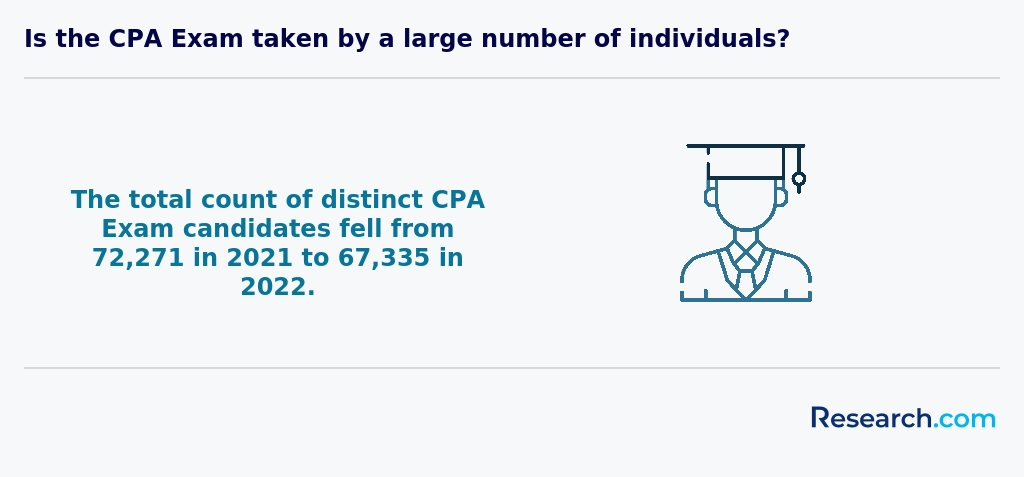
Aspiring accountants in Pennsylvania must obtain licensure as a Certified Public Accountant (CPA) to advance in public accounting and certain corporate roles. To qualify for the Uniform CPA Exam and state certification, candidates must meet the following core requirements: 1. Education (150 Credit Hours) • Pennsylvania requires 150 semester hours of college coursework, including a bachelor’s degree with specified accounting and business credits. Students pursuing an affordable online bachelor's degree in accounting can often satisfy this requirement by combining general education, core accounting courses (e.g., financial accounting, auditing, taxation), and elective business coursework. 2. Examination (Uniform CPA Exam) • Candidates must pass all four sections of the Uniform CPA Exam-Auditing and Attestation, Business Environment and Concepts, Financial Accounting and Reporting, and Regulation-within an 18-month rolling period. 3. Experience (1 Year of Public Accounting) • A minimum of one year (1,800 hours) of supervised accounting experience under a licensed CPA is required. Acceptable settings include public accounting firms, government agencies, or corporate accounting departments. 4. Ethics (State Board Requirement) • Applicants must pass the AICPA Ethics Exam or an equivalent ethics course approved by the Pennsylvania State Board of Accountancy. 5. Application and Fees • Submit a licensure application through the Pennsylvania State Board of Accountancy, including official transcripts, exam scores, experience verification, and applicable fees. Processing times vary; early application is recommended. By aligning your online coursework, internship experiences, and exam preparation with these licensure steps, you will be well-positioned to achieve CPA certification and unlock advanced career opportunities in Pennsylvania’s thriving accounting sector.
Students pursuing an online accounting degree in Pennsylvania often dive into courses like Financial Accounting and Managerial Accounting, where they learn to interpret real business transactions and make smart internal decisions. These classes, common at respected schools such as Temple University and Penn State World Campus, provide practical skills that graduates recall using in internships and entry-level roles with local firms.
Core courses also include Intermediate Accounting and Cost Accounting, sharpening your ability to navigate complex standards and manage budgets - skills highly valued by employers across Pennsylvania's diverse industries.
Beyond accounting, expect to study Business Law and Taxation, connecting classroom knowledge directly to the legal and tax challenges businesses face statewide. Ethics in Accounting is another key course; graduates often share how it shaped their professional mindset, preparing them for real-world dilemmas with integrity.
Students appreciate how these comprehensive courses blend theory with practical applications, making their education at Pennsylvania's online programs both inspiring and immediately relevant.
Online accounting degree specializations Pennsylvania students choose often include Financial Accounting, a core focus that prepares you to master financial statements and regulations - essential skills for those targeting the CPA credential, highly valued across the state. Graduates from renowned institutions like Temple University frequently share how this specialization opened doors to careers in Philadelphia's robust corporate finance sector.
Managerial Accounting is another sought-after concentration, perfect for those who enjoy analyzing financial data to guide business strategy. Many students at Penn State's World Campus find this specialization empowering, helping them thrive in budgeting and financial planning roles within Pennsylvania's diverse industries.
Emerging specializations like Forensic Accounting offer exciting opportunities to uncover financial fraud, a field growing rapidly with new state regulations and digital recordkeeping. Tax Accounting is also critical, especially given Pennsylvania's unique 3.07% flat income tax. Graduates often praise how this focus gave them an edge in understanding local tax landscapes. Plus, if you want to explore auditing, several programs train students to ensure accuracy and compliance, catering to Pennsylvania's strict business standards.
Consider exploring the ranking of the best bookkeeping certificate programs to complement your degree and broaden your expertise.
Choosing the best online accounting degree in Pennsylvania starts with verifying accreditation-graduates from schools accredited by ACBSP or AACSB consistently feel confident entering the local job market. When I speak with graduates from well-known Pennsylvania colleges, they highlight how a curriculum that includes CPA eligibility and thorough coverage of financial accounting, auditing, and taxation gave them a real edge, especially when preparing for the state's 150-credit hour CPA requirement.
Many students appreciate programs that offer true flexibility such as asynchronous classes and part-time enrollment, enabling them to balance work while progressing steadily. This balance is vital for busy Pennsylvanians aiming at success without sacrificing family or career. Comparing tuition alongside these features helps find the ideal program; in fact, exploring an affordable online bachelor's degree in accounting can uncover options combining quality and value.
Consider that graduates who engaged with schools offering strong industry ties in Philadelphia or Pittsburgh often share how internship opportunities propelled their careers. Career support and job placement make a meaningful difference, turning your degree into a launchpad for future success in Pennsylvania's vibrant accounting market.

Graduates pursuing online accounting careers in Pennsylvania find themselves stepping into a world rich with diverse opportunities. Those who studied at popular institutions like Penn State or Temple University often share how their degree opened doors to roles such as Public Accountant, responsible for tax preparation and audits, or Corporate Accountant, managing essential financial tasks within companies across Philadelphia's bustling economy. I've seen many graduates thrive as Auditors, ensuring compliance for government agencies in Harrisburg, while others flourish in financial analyst roles, helping businesses interpret complex data to make confident decisions.
Students appreciate that many positions reward further certifications like the CPA, which is closely overseen by the Pennsylvania State Board of Accountancy, making it a valuable career asset locally. Online accounting degree graduates often highlight the practical balance they gain by studying remotely while building connections in Pennsylvania's vibrant financial hubs. Seeking affordable tuition options? Check out the Most Affordable Accounting Degree Programs Ranking in Bronx, NY to explore similar accessible pathways.
Those ready to embrace accounting degree job opportunities Pennsylvania offers will find that their skills are in demand across sectors ranging from healthcare to manufacturing, painting a promising employment landscape.
The job market for online accounting graduates in Pennsylvania is vibrant and full of opportunity. Many graduates from well-regarded programs at universities in Philadelphia and Pittsburgh find themselves quickly employed across sectors such as finance, healthcare, and government. These employers appreciate the flexibility and current industry relevance of online accounting degrees, recognizing them as strong preparation for the CPA certification, which is crucial for career growth in the state.
Graduates often share how earning their degree online allowed them to balance work and family while gaining the knowledge needed to meet the Pennsylvania State Board of Accountancy's 150 credit hour licensure requirement. This practical approach leads to positive outcomes, with many landing roles offering salaries near the state average of $72,000, and with potential to grow in urban hubs. Considering the cost of education alongside career benefits is wise; those exploring options should review the top college majors in demand to align their choice with market needs.
2027 Most Affordable Online Accounting Degree Programs Ranking in Pennsylvania
Investing in your education is a significant decision that can shape your future, and the Research.com team understands the importance of making informed choices. To assist prospective students in Pennsylvania, we have meticulously crafted the "2027 Most Affordable Online Accounting Degree Programs Ranking in Pennsylvania." Our commitment to quality, credibility, and accuracy is reflected in the extensive research and analysis conducted to compile this ranking.
We utilized the following reputable data sources to ensure a comprehensive evaluation of accounting programs:
By exploring this ranking, readers will gain valuable insights into the most affordable and credible online accounting degree programs in Pennsylvania, enabling them to make well-informed decisions about their educational paths. For more details on our methodology, please visit our Research.com methodology page.
# 1 position
Penn State University Park
Master of Taxation





Frequently Asked Questions About accounting
Online accounting degree students in Pennsylvania can maximize their learning experience by actively engaging with course materials and instructors. Consistent participation in virtual discussions and timely submission of assignments help reinforce understanding. Many Pennsylvania institutions offer access to digital libraries and accounting software, allowing students to gain practical skills relevant to state-specific tax codes and regulations.
Seeking internships or part-time work within Pennsylvania firms can also enhance learning by providing real-world context. According to the Pennsylvania Department of Labor & Industry, accounting jobs in the state grow about 7% annually, highlighting opportunities to connect education with employment. Regular review of tax updates from the Pennsylvania Department of Revenue ensures current knowledge in a changing field.
The accounting field is rapidly evolving, with new niches emerging that align with advances in technology and regulatory changes. In Pennsylvania, demand is growing for professionals skilled in forensic accounting, which involves investigating financial fraud and disputes. According to the Pennsylvania Institute of Certified Public Accountants, forensic accounting jobs are expected to increase by over 10% in the next decade.
Another rising area is environmental accounting. As businesses face stricter sustainability regulations, accountants who can manage environmental costs and reporting are highly sought after. Additionally, data analytics is transforming accounting roles, requiring expertise in interpreting complex financial datasets.
Online accounting degree programs in Pennsylvania are adapting curricula to prepare students for these specialized careers.
After completing an online accounting degree in Pennsylvania, graduates should focus on building practical skills and industry connections. Pennsylvania's job market for accountants is robust, with the Bureau of Labor Statistics (BLS) projecting a 7% growth in accounting roles statewide through 2030. Obtaining certifications like the CPA (Certified Public Accountant) significantly improves job prospects, as Pennsylvania requires 150 credit hours and passing the CPA exam for licensure.
Networking through local chapters of the Pennsylvania Institute of Certified Public Accountants (PICPA) can provide valuable contacts and job leads. Internships and part-time roles during or after studies also enhance practical experience, highly valued by employers.
Employers in Pennsylvania value accounting graduates who demonstrate strong analytical skills. The ability to interpret financial data accurately is essential for roles such as auditor or tax accountant.
Proficiency in accounting software like QuickBooks and Excel is highly sought after. According to the Pennsylvania Department of Labor & Industry, over 60% of accounting jobs require advanced computer skills.
Effective communication skills also rank highly. Employers expect graduates to explain complex financial information clearly to clients or management.
Additionally, knowledge of Pennsylvania's tax laws and regulations gives candidates an advantage. Understanding state-specific compliance matters is vital for local businesses and public accounting firms.
Finding internships in Pennsylvania as an accounting student involves leveraging college resources and local professional networks. Many Pennsylvania universities offer career services that connect students with internships specifically in accounting and finance fields. Websites like Handshake and the Pennsylvania Institute of Certified Public Accountants (PICPA) provide listings and networking opportunities.
Also, consider targeting accounting firms headquartered in Pennsylvania, such as KPMG's Philadelphia office, which regularly offers internships. According to the Bureau of Labor Statistics, Pennsylvania employs over 50,000 accountants and auditors, reflecting a strong local job market and internship availability. Early application and personalized outreach are key strategies to secure these competitive positions.
An online accounting degree can significantly enhance career mobility and advancement in Pennsylvania's competitive job market. Employers in the state increasingly value candidates with formal accounting education due to the growing complexity of financial regulations. According to the Pennsylvania Department of Labor & Industry, accounting professionals earn a median annual wage of approximately $70,000, with opportunities rising in sectors such as finance, healthcare, and government.
Online degrees provide flexibility, allowing working professionals to upskill without disrupting their careers. Holding a degree also meets eligibility requirements for certifications like the CPA, which is highly respected in Pennsylvania and can lead to higher salaries and leadership roles.
Studying for an online accounting degree in Pennsylvania equips students with skills relevant beyond traditional accounting roles. Pennsylvania programs often integrate coursework in finance, economics, and business law, fostering interdisciplinary understanding. This approach prepares graduates for careers in areas such as financial analysis, auditing, and management consulting.
According to the Pennsylvania Department of Education, many accredited online programs align with the standards of the Pennsylvania Institute of Certified Public Accountants (PICPA), emphasizing practical, cross-disciplinary knowledge. Additionally, students gain proficiency in data analysis and technology applications, increasingly important in fields like forensic accounting and corporate strategy.
Overall, the curriculum supports adaptability and critical thinking, key for interdisciplinary roles in today's evolving job market.
When choosing between a thesis and a non-thesis online accounting degree in Pennsylvania, consider your career goals carefully. A thesis program typically involves conducting original research and writing a substantial paper, which is ideal if you plan to seek advanced roles or continue to graduate studies like a PhD.
Non-thesis programs often focus more on practical skills and coursework, which suits students aiming directly for professional accounting certifications such as the CPA. Pennsylvania requires 150 credit hours for CPA eligibility, so program format matters for how you meet this standard.
According to the Pennsylvania Department of Education, many top-ranked schools offer flexible options to accommodate working professionals.
Cost and program length may also vary; thesis tracks can be longer and sometimes more expensive due to research requirements. Review each school's curriculum and speak with advisors to ensure your choice aligns with your professional objectives.
Students based in Pennsylvania seeking to study accounting abroad have several pathways available, primarily through international exchange programs and partnerships offered by Pennsylvania universities. Many institutions in Pennsylvania, such as Penn State and Temple University, participate in study-abroad programs that include accounting courses abroad, especially within Europe and Asia.
Additionally, some online accounting degree programs based in Pennsylvania incorporate global business perspectives and may allow credit transfers from approved foreign institutions. The Association to Advance Collegiate Schools of Business (AACSB) accredits some Pennsylvania programs, ensuring quality education and facilitating international recognition.
U.S. students should consider the impact of Foreign Earned Income Exclusion and possible CPA reciprocity rules when planning study abroad. According to the Pennsylvania Department of Education, accounting remains a high-demand major, so international experience can enrich practical skills and global business understanding.
Part-time jobs in Pennsylvania can significantly enhance the educational experience of students pursuing an online accounting degree. Many students find roles such as bookkeeping assistants, tax preparers, or payroll clerks beneficial. These positions offer practical exposure to accounting principles covered in coursework.
According to the U.S. Bureau of Labor Statistics, Pennsylvania's demand for accounting-related roles is projected to grow 7% from 2022 to 2032, matching the national average. Positions in small businesses or local accounting firms provide insights into financial reporting and compliance, critical for career readiness.
Additionally, internships with nonprofit organizations or municipal offices in Pennsylvania give students a chance to understand accounting in public sector contexts. Such experience is invaluable for mastering software like QuickBooks and gaining familiarity with state tax codes.
Online accounting students in Pennsylvania have access to diverse networking opportunities despite studying remotely. Many universities offer virtual career fairs and networking events tailored specifically to accounting and finance students. These events enable connections with local Pennsylvania firms and alumni working across the state.
Professional organizations like the Pennsylvania Institute of Certified Public Accountants (PICPA) provide student memberships. Their events, webinars, and local chapter meetings offer valuable chances to build contacts with practicing CPAs and industry leaders.
Additionally, online platforms such as LinkedIn are widely used by Pennsylvania students to join accounting groups and connect with local employers. According to PICPA, over 60% of members report gaining business through networking activities.
Alumni networks provide significant advantages for students pursuing online accounting degrees in Pennsylvania. These networks create lasting professional connections that help graduates find jobs, internships, and mentorship opportunities within the state's accounting sector.
In Pennsylvania, where the accounting industry supports nearly 170,000 professionals (Bureau of Labor Statistics, 2023), having access to a strong alumni community can facilitate entry into competitive local markets such as Philadelphia and Pittsburgh. Alumni often share job leads and industry insights unavailable through standard career services.
Moreover, alumni networks support ongoing professional development by offering workshops, networking events, and collaborative learning platforms tailored for accounting students and graduates. This continued engagement helps members stay updated on Pennsylvania's accounting regulations and CPA licensing requirements.
Customizing an online accounting degree in Pennsylvania allows students to align their education with specific career goals. Many universities offer elective courses in areas like taxation, auditing, or forensic accounting, which can tailor your skills to desired industries. Pennsylvania's Department of Education approves programs that often include options for CPA exam preparation, essential for accounting licensure in the state.
Some schools also provide internship opportunities and partnerships with local firms, enhancing practical experience. According to the Pennsylvania Institute of Certified Public Accountants, students focusing on in-demand sectors like government or corporate accounting increase job prospects. Choosing a program with flexible scheduling supports working professionals seeking advancement in finance-related roles.
Online accounting students in Pennsylvania often face difficulties balancing coursework with personal and professional responsibilities. According to the National Center for Education Statistics, time management is a common challenge for adult learners pursuing online degrees nationwide. Additionally, students may encounter limited opportunities for hands-on experience, which is crucial in accounting fields that rely on practical application of skills.
Connectivity issues and the need for reliable technology also impact learning, especially in rural areas of Pennsylvania where internet access is less consistent. Moreover, accessing academic support services remotely can hinder progress.
Finally, staying motivated without in-person interaction presents ongoing challenges for many online learners in the state.
With an online accounting degree from a Pennsylvania institution, graduates can pursue several professional certifications to enhance their career prospects. The most common certification is the Certified Public Accountant (CPA), which requires 150 credit hours, including specific accounting and business courses, a requirement often met through online programs.
The CPA license is regulated by the Pennsylvania State Board of Accountancy, and passing the Uniform CPA Exam is essential.
Other valuable certifications include the Certified Management Accountant (CMA) and Certified Internal Auditor (CIA), both respected nationally and helpful for roles in corporate accounting and auditing.
According to the Pennsylvania Department of Labor, professionals holding these credentials tend to earn 15-30% higher salaries than non-certified accountants.
To write a winning application for an online accounting program in Pennsylvania, start by clearly demonstrating your interest and background in accounting. Pennsylvania hosts several respected institutions offering accredited online accounting degrees that require a combination of academic records, personal statements, and sometimes standardized test scores. Highlight any relevant coursework, work experience, or certifications such as bookkeeping or tax preparation.
Strong letters of recommendation can greatly enhance your application by validating your skills and work ethic. Pennsylvania's accounting job market is growing steadily-projected to increase by 5% through 2028 according to the U.S. Bureau of Labor Statistics-which makes showing a clear career plan in your statement crucial. Finally, proofread your essays carefully and tailor each application to the specific program's mission and values.
The accounting profession holds a strong global presence, shaped by shared standards like the International Financial Reporting Standards (IFRS), which influence practices even within the U.S. However, in Pennsylvania and broader U.S. contexts, Generally Accepted Accounting Principles (GAAP) remain the primary framework. Understanding both perspectives benefits students who pursue online accounting degrees, especially given the increasing globalization of business.
According to the Pennsylvania Institute of CPAs, the state's accounting job market is expected to grow by 8% from 2022 to 2032, reflecting steady demand locally and nationally. Globally, accountants are increasingly involved in cross-border financial reporting, tax regulations, and compliance, requiring familiarity with international standards.
For Pennsylvania students, developing a comprehensive accounting education online can provide the knowledge necessary to compete locally and globally. Awareness of international accounting trends enhances career flexibility and opportunities, especially in multinational firms.
Gaining practical experience while pursuing an online accounting degree in Pennsylvania is essential for career readiness. Many Pennsylvania universities encourage students to participate in internships, which are often available locally even for online learners. According to the Pennsylvania Department of Labor & Industry, internships in accounting increasingly lead to full-time employment.
Additionally, students can join virtual cooperative education programs offered by some institutions. These programs integrate work experience with coursework to build practical skills. Joining professional organizations, such as the Pennsylvania Institute of CPAs, provides networking and volunteer opportunities relevant to accounting.
Choosing the right concentration within an online accounting degree in Pennsylvania depends on your career goals and interests. Popular areas include forensic accounting, tax accounting, and auditing. Pennsylvania's growing job market in finance and accounting, with a 6% projected growth through 2030 according to the U.S. Bureau of Labor Statistics, makes specialized knowledge valuable.
Consider the specific skills each concentration offers and how they align with industry demand locally, especially in major cities like Philadelphia and Pittsburgh. Research Pennsylvania Board of Accountancy requirements if you aim to become a certified public accountant (CPA), as this may influence your course selection.
Lastly, review program flexibility and internship opportunities that support hands-on experience in your chosen field.
- 2027 Most Affordable Online Accounting Degree Programs Ranking in Maryland
- 2027 Most Affordable Online Accounting Degree Programs Ranking in New York
- 2027 Most Affordable Online Accounting Degree Programs Ranking in Massachusetts
- 2027 Most Affordable Online Accounting Degree Programs Ranking in Michigan
- 2027 Most Affordable Online Accounting Degree Programs Ranking in Georgia
- 2027 Most Affordable Online Accounting Degree Programs Ranking in Illinois
- 2027 Most Affordable Online Accounting Degree Programs Ranking in Missouri
- 2027 Most Affordable Online Accounting Degree Programs Ranking in Iowa
- 2027 Most Affordable Online Accounting Degree Programs Ranking in Kansas
- 2027 Most Affordable Online Accounting Degree Programs Ranking in Texas
See What Experts Have To Say About Studying Accounting
Read our interview with Accounting experts

John Wermert, Ph.D., CPA
Accounting Expert
Associate Professor of Accounting
Middle Tennessee State University

Yaw M. Mensah
Accounting Expert
Professor and Interim Vice Dean for Strategic Partnerships
Rutgers Business School

- The Diverse Skills you Gain with an Accounting Degree https://www.accounting-education.org/blog/accounting-degree-diverse-skills/
- Networking events for accountants in 2026 | Eagle Education https://www.eagle-education.co.uk/eagle/networking-events-for-accountants-in-2026/
- Accounting Career: Outlook and Overview | DeVry University https://www.devry.edu/blog/accounting-career-outlook.html
- Accounting Work Experience in London | Guaranteed work experience https://www.kbmtr.co.uk/accounting-work-experience.php
- How to Choose a Degree in Accounting | Accounting.com https://www.accounting.com/resources/choosing-a-program/
- Accounting Bachelor's Degree - Central Penn College https://www.centralpenn.edu/uncategorized/accounting/
- Earn an Online Accounting Degree | OEDb.org https://www.oedb.org/rankings/online-accounting-programs/
- Job Placement https://www.osbornetraining.org/job-placement/
- How to Find Your Ideal Accounting Niche - INAA https://www.inaa.org/how-to-find-your-ideal-accounting-niche/
- Tips for University Graduates Looking to Land Their First Accounting Job https://www.elby.ca/blog/2022/04/27/tips-for-university-graduates-looking-to-land-their-first-accounting-job/