2027 Fastest Online Master's in Accounting Degree Programs Ranking in the USA

Co-Founder and Chief Data Scientist
Choosing the right online master's in accounting program can feel overwhelming. To help you navigate your options, this article features the 2027 Fastest Online Master's in Accounting Degree Programs Ranking in the USA. Developed by the Research.com team of data scientists, this ranking offers valuable insights to guide your decisions.
By exploring these top programs, you'll discover which degrees combine quality education with efficient timelines. Earning an accounting degree opens doors to rewarding careers and greater financial confidence. This guide aims to empower you with trusted information and clear choices for your academic journey.
Key benefits of getting online accounting degree in America
- Salary for accounting degree graduates: Graduates can expect strong earning potential, with jobs like Certified Public Accountant, Tax Manager, and Forensic Accountant earning a mean annual wage of $90,780 and $43.65 per hour.
- Career paths: An accounting graduate from a popular university often finds diverse roles in corporate finance, auditing, or tax consulting, offering flexibility and growth opportunities in many industries.
- Benefits of an online degree: Graduates from top online programs enjoy the convenience of flexible study schedules and reduced costs, often balancing work and family while gaining credentials that employers respect.
- 2027 Fastest Online Master's in Accounting Degree Programs Ranking in the USA
- What can I expect from online accounting degree in America?
- Where can I work with online accounting degree in America?
What can I expect from online accounting degree in America?
The average cost of an online accounting degree in America can be surprisingly reasonable, often ranging between $15,000 and $30,000 for a complete bachelor's program, though this varies by institution and program type. Graduates from well-known public universities report that the flexibility and affordability of online formats helped them balance work and study without incurring overwhelming debt. For example, many who enroll in respected online programs at universities like the University of Florida or Arizona State University find that part-time options allow them to pace their learning alongside full-time jobs.
Students appreciate how online programs combine rigorous coursework with real-world case studies, preparing them not only for the CPA exam but also for immediate application in roles at firms or corporations. One graduate shared the relief of accessing lectures anytime, especially during tax season crunches, emphasizing that the investment felt worthwhile when internships led to career-launching experiences. This blend of affordability and career-enhancing value challenges the old notion that quality accounting education always demands a hefty financial commitment.
Where can I work with online accounting degree in America?
Graduates with an online accounting degree from well-regarded American institutions often find themselves immersed in diverse professional landscapes. Imagine a graduate from a university like Arizona State University or Penn State stepping into a public accounting firm, navigating audits, tax preparation, and advisory roles. They quickly learn the rhythm of client engagements and the satisfaction of solving complex financial puzzles. Others from schools like the University of Illinois may join corporations or healthcare organizations, managing budgets and internal reports that directly impact operational success.
Many find fulfilling roles in federal or state government agencies, where their work ensures transparency and responsible allocation of public funds-tasks that evoke a strong sense of civic duty. Financial services firms also attract graduates eager to blend accounting knowledge with risk assessment or forensic investigation, painting a dynamic career canvas. Some graduates even venture into tech companies, bridging accounting with data analytics and software development, illustrating how this degree adapts to the digital age and sparks genuine enthusiasm for innovation.
Graduates from popular programs like those at the University of Illinois Urbana-Champaign or Penn State often discover that their online accounting degree opens doors to lucrative opportunities. With mean annual wages around $90,780 for roles such as Certified Public Accountant, Corporate Accountant, Tax Manager, Auditing Manager, and Forensic Accountant, the financial rewards reflect both their dedication and the degree's value.
For many, starting salaries hover near $50,000 to $60,000, mirroring real experiences of recent graduates who begin in entry-level positions at firms or government agencies. Yet, the difference is clear once you gain certifications or step into managerial roles. As a Tax Manager or Auditing Manager, the $90,780 mean wage becomes attainable, reinforcing how skill-building and specialization translate directly into earnings.
This dynamic transforms the online learning path into a strategic move, especially when balancing work or family life, proving you can pursue a respected career without sacrificing flexibility. These numbers challenge anyone who doubts the financial worth of remote studies-accounting remains a gateway to a prosperous and stable career in America.
- The average cost of an online accounting degree ranges from $15,000 to $60,000, depending on the school and degree level.
- Starting salaries for accounting graduates in the US are around $55,000 per year and can rise with experience.
- Bachelor's degree holders typically earn about $77,000 annually, while those with advanced certifications like CPA can earn over $100,000.
- Job growth for accountants and auditors is projected at 7% from 2022 to 2032, matching the average for all occupations.
- Accreditation by recognized agencies like AACSB is crucial for quality education and certification eligibility.
- Many programs allow remote or local internships, helping students gain practical experience needed for job placement and certifications.
Completing an online accounting degree in America isn't simply a matter of clocking hours; it's about navigating a path that fits your life and ambitions. For many, an associate degree wraps up in about two years, serving as a practical springboard to entry-level roles or a stepping stone toward a bachelor's. Graduates from institutions like Arizona State University or the University of Illinois often share stories of balancing full-time jobs while embracing part-time study, sometimes stretching their timeline but gaining invaluable experience.
Traditional bachelor's degrees typically require four years, yet universities such as Penn State and Northeastern offer accelerated tracks allowing dedicated students to finish in three years or less. Imagine pushing through an intensive year-round schedule at Northeastern, fueled by the excitement of early career advancement. Graduate programs-think online master's degrees from schools like the University of Southern California-can be conquered in just 12 to 18 months if you dive into accelerated formats.
The reality for most is flexible pacing that respects life's unpredictability while keeping the dream of becoming a qualified accountant firmly within reach. It's less about rigid timelines and more about leveraging online programs to transform commitment into rewarding outcomes.
An accounting degree can qualify you for many roles, but professional credentials often determine how far and how quickly you can advance. Certifications signal that you have met an external standard in areas such as public accounting, management accounting, internal auditing, tax, fraud examination, bookkeeping, or financial analysis.
The right credential depends on your career goal. Students aiming for public accounting often plan around CPA requirements. Those interested in corporate finance may consider management accounting credentials. Professionals who work with controls, compliance, risk, or fraud may benefit from internal audit or forensic accounting training. Shorter credentials, including bookkeeping certificates, can also help students build practical skills for payroll, ledgers, reconciliations, and small-business accounting.
Professional development should continue after graduation because accounting rules, tax regulations, audit standards, data tools, and reporting expectations change over time. Before choosing a program, check whether it offers exam preparation resources, continuing education pathways, accounting software exposure, faculty with professional experience, and alumni connections in the areas where you want to work.
The difference between online and on-campus accounting degrees in America extends far beyond location. Graduates from institutions like the University of Illinois Urbana-Champaign often describe on-campus programs as immersive-feeling the energy of group study sessions, spontaneous conversations after class, and access to resources like campus career fairs and accounting clubs, which cultivate a sense of belonging and immediate support.
Conversely, online graduates from universities such as Arizona State University emphasize flexibility as a game-changer, especially for those balancing work or family. The ability to attend lectures on-demand or participate in virtual discussions allows students to tailor their schedules, though it demands strong self-motivation and time management.
Cost-wise, many appreciate how online programs at respected public universities reduce expenses by eliminating housing and commuting-an attractive reality for those mindful of total investment.
Ultimately, whether navigating local internships after on-campus classes or independently seeking virtual opportunities from home, both paths cultivate professional readiness. It's a trade-off between the vibrant campus experience and autonomous, adaptable learning-each shaping future accountants in distinct, meaningful ways.
To complete an online master’s in accounting as quickly as possible, choose a program with a structure that supports continuous progress and then build a realistic plan for staying on pace.
- Choose programs with multiple start dates and year-round sessions so you do not lose time waiting for the next term.
- Maximize transfer credits from prior coursework, certifications, or professional exams when the school allows them.
- Use accelerated course formats, such as 5–8 week terms, if you can manage the workload without sacrificing performance.
- Maintain a full-time load only if your work and personal schedule can support the required study time.
- Ask whether credit-by-exam or prior-learning assessments are available and applicable to your degree plan.
- Sequence demanding courses carefully so that tax, audit, reporting, analytics, and capstone requirements do not overlap in an unmanageable way.
- Balance speed with cost by comparing accelerated tracks with an affordable online accounting degree.
The fastest route is not always the best route if it leads to burnout, poor grades, or weak preparation for certification exams. Aim for the shortest timeline you can complete successfully while still gaining the accounting knowledge and professional readiness the degree is meant to provide.
The average cost of an online accounting degree in America can be surprisingly nuanced, reflecting more than just sticker price. While median total tuition fees hover around $25,500, the real story depends on residency and institutional type. For example, graduates from public universities often benefit from in-state tuition rates near $16,741, making their investment more manageable. Conversely, out-of-state students may face median costs around $25,338, a figure prompting many to weigh virtual options carefully before committing.
Consider a graduate from a well-known state university who studied remotely. They often find the total tuition fees for online master's in accounting USA to be balanced by the flexibility and ability to maintain full-time employment. This pragmatic approach not only softens financial pressures but also gives an empowering sense of control over one's education journey. At the same time, those pursuing programs at private institutions might encounter higher fees but can sometimes offset expenses with scholarships or financial aid tailored specifically for online learners.
In practice, students report that the average cost of online accounting degree USA extends beyond tuition to the costs of technology, course materials, and exam fees, especially for CPA certification. Balancing these costs, many feel satisfaction and confidence, knowing their degree aligns with career goals. Prospective students can explore options and compare prices through resources such as the most affordable accounting schools to make informed decisions that blend affordability with quality.
Finishing one of the fastest online master’s in accounting programs requires more than choosing a short program length. You need a degree plan that uses transfer credits, year-round enrollment, efficient course sequencing, and realistic workload planning.
Start by asking each school how many prior credits it will accept and whether undergraduate accounting coursework, graduate transfer credits, professional certifications, CLEP exams, or the CFA Level I credential can reduce the number of credits you still need. Policies vary, so get a written degree audit before you enroll.
Next, examine the academic calendar. Programs with summer and winter sessions, multiple annual start dates, and accelerated eight-week courses may help you avoid long gaps between terms. Some students can take two accelerated courses at once, but that pace requires strong time management, especially in technical courses such as Advanced Financial Reporting, Tax Research, auditing, analytics, or capstone work.
Finally, use support resources early. Faculty office hours, tutoring, peer study groups, library research help, and career services can prevent small delays from becoming major obstacles. If cost is also a concern, compare accelerated options with low cost online accounting degrees, since a faster timeline is most valuable when it does not create unnecessary debt or force you into an unsustainable workload.
Many online accounting students in America find federal aid indispensable when managing steep tuition costs, which can exceed $38,000 at public universities and skyrocket beyond $100,000 at private colleges. Take graduates from institutions like the University of Illinois Urbana-Champaign who recall how the Free Application for Federal Student Aid (FAFSA) opened doors to Pell Grants-awards that, for 2023-2024, reach up to $7,395 and require no repayment. This distinction is a lifeline, especially for those balancing work and studies.
Federal loans also play a significant role. Graduate students pursuing online Master's degrees at schools such as Penn State often access Direct Subsidized and Unsubsidized Loans, with annual borrowing limits of up to $20,500. The relief of subsidized loans not accruing interest during enrollment eases their financial burdens.
State-specific grants, like California's College Promise Grant, further lighten the load for local students. Universities frequently supplement these with merit scholarships targeted at accounting majors, fueling both ambition and opportunity. Meanwhile, scholarships from groups like the AICPA offer not just funding but critical professional connections, enriching the whole educational journey.
- Federal Pell Grants up to $7,395 per year for eligible undergraduates
- Direct Subsidized and Unsubsidized Loans with annual limits up to $20,500 for graduate students
- State grants and scholarships varying by location
- University merit- and need-based scholarships for accounting students
- Professional organization scholarships like those from AICPA
Cost is one of the most important filters when comparing online accounting degrees, especially for students who are already working or planning to pursue CPA preparation after graduation. The most affordable program is not always the lowest-priced option; it is the one that offers the right mix of accredited coursework, transfer-credit flexibility, student support, and career value for the total amount you will pay.
When evaluating affordability, look beyond advertised tuition. Ask whether the program charges separate online learning fees, technology fees, graduation fees, course-material fees, or higher tuition for out-of-state online students. Also compare whether the school offers accelerated terms, employer partnerships, scholarships, or credit for prior coursework, since these can reduce both cost and time to completion.
Students who want a lower-cost path should compare public universities, regionally accredited online programs, and schools with strong transfer policies. Researching the most affordable accounting schools can help you identify programs that keep tuition manageable while still covering core accounting areas such as financial reporting, auditing, taxation, accounting information systems, and managerial accounting.
Enrolling in an online accounting degree in America goes beyond simply having a high school diploma or GED. Graduates from respected programs at universities like the University of Illinois or Arizona State University recall the initial pressure of meeting GPA thresholds-often a minimum of 2.5 to 3.0-and sometimes facing standardized test requirements, though many found relief as test waivers became common post-2020. The true challenge lies in the foundational math skills; mastering high school algebra isn't just a box to check but a critical stepping stone that students vividly remember as opening doors to understanding complex accounting concepts.
Graduate hopefuls at institutions such as Indiana University describe navigating prerequisites like accounting principles and managerial accounting courses, often needing to complete them conditionally if their undergraduate degree wasn't accounting-specific. Beyond academics, students share how early attention to letters of recommendation, work experience, and even GRE or GMAT scores (when required) builds confidence and a sense of purpose. Reliable technology access, they note, is their lifeline to immersive online classrooms and dynamic accounting simulations, making the virtual experience tangible and engaging.
An online Master’s in Accounting can strengthen your qualifications, but licensure and certification rules still matter. The CPA, CMA, and CIA are among the most common credentials graduates consider, and each has different education, exam, and experience requirements.
Most state boards require 150 credit hours for CPA licensure, and many accelerated online programs are designed to help students reach that threshold through combined bachelor’s and master’s curricula. After meeting education requirements, CPA candidates must pass the Uniform CPA Examination, a four-part test covering Audit and Attestation, Business Environment and Concepts, Financial Accounting and Reporting, and Regulation.
For students focused on corporate accounting and financial leadership, the Certified Management Accountant credential, offered by the Institute of Management Accountants, requires a bachelor’s degree, two years of professional experience, and passing scores on two exam parts: Financial Planning, Performance, and Analytics; and Strategic Financial Management. The Certified Internal Auditor designation, governed by the Institute of Internal Auditors, emphasizes risk management and control frameworks, requiring candidates to pass three exam sections and demonstrate relevant work experience.
Before enrolling, compare each program’s CPA-aligned curriculum, exam review support, faculty advising, state authorization details, and graduate outcomes. Students comparing value may also review cost-conscious options such as the Most Affordable Accounting Degree Programs Ranking in California. Because licensure rules are state-specific, confirm requirements directly with the state board where you plan to practice.
Online accounting degrees in America typically immerse students in courses that go far beyond basic number crunching. Graduates from institutions like the University of Florida or Arizona State University often describe foundational classes in financial and managerial accounting as eye-opening, revealing how businesses truly track and interpret their finances.
These programs push students into intermediate and advanced courses, tackling complex financial statements and the intricate web of federal tax regulations. Imagine mastering auditing and internal controls, not just as theory but through real-world simulations that graduates recall as pivotal to their confidence in professional roles.
Courses such as tax law, cost accounting, business law, and ethics prepare students to navigate the challenging landscape of compliance and corporate responsibility-skills graduates say made their job search in American firms feel within reach.
Many recall how hands-on exposure to accounting software like QuickBooks or SAP transformed a daunting technology barrier into a genuine advantage, making them eager to enter the workforce knowing they could hit the ground running.
This curriculum's blend of economics and management courses provides context, helping students appreciate how accounting decisions resonate within broader market dynamics-something graduates from well-known public universities highlight as crucial for strategic thinking in today's dynamic business environment.
Online accounting degree specializations USA challenge traditional one-size-fits-all education by offering focused paths tailored to diverse career goals. Graduates from renowned schools in America recount how specializing in forensic accounting transformed their view of finance-combining investigative rigor with financial expertise to tackle fraud and legal challenges. Others found immense value in taxation, navigating ever-changing U.S. tax codes that impact individuals and corporations alike. The dynamic field of auditing, enriched by data analytics, remains a cornerstone, pushing students from institutions like state universities to engage deeply with regulatory accuracy and innovation.
Exploring accounting master's concentrations available in America, managerial accounting emerges as a gateway to leadership roles, emphasizing budgeting and strategic decisions vital to business success. Meanwhile, accounting information systems blend IT prowess with finance, a specialization praised by graduates thriving in tech-driven companies. Many students start with foundational skills in bookkeeping certificates before branching out, recognizing how specialization elevates professional opportunities and satisfaction. Real experiences from popular colleges underscore the emotional rewards and practical benefits of choosing the right specialization in a highly competitive landscape.
Costs vary widely but investing in a specialization often leads to greater job satisfaction and earning potential, making the journey worthwhile for many pursuing online accounting degrees. As students consider their future, specialization choice becomes not just a curriculum decision but a strategic life move.
Choosing the best online accounting degree in America demands more than just scanning rankings or price tags. Graduates from top schools like the University of Illinois or University of Florida often emphasize accreditation as a game-changer; programs recognized by AACSB or ACBSP bring a level of rigor and connection that truly prepares you for the CPA exam and a thriving career. Imagine juggling a full-time job while engaging in asynchronous courses that fit your schedule, rather than rigid class times-this flexibility is a real relief for many working professionals pursuing the best online accounting degree programs USA.
Cost often overshadows other factors but shouldn't solely guide your choice. Many students report choosing schools with a balanced tuition and strong career services rather than just the lowest price. For those prioritizing budget, exploring low cost online accounting degrees can uncover opportunities that don't sacrifice quality but ease financial strain.
Lastly, consider how a program's structure aligns with your long-term goals. Graduates often share how programs that include CPA exam prep and internships directly connected them to accounting firms, making their transition to the workforce smoother. Reflect deeply on these elements before deciding-your future career path depends on it.
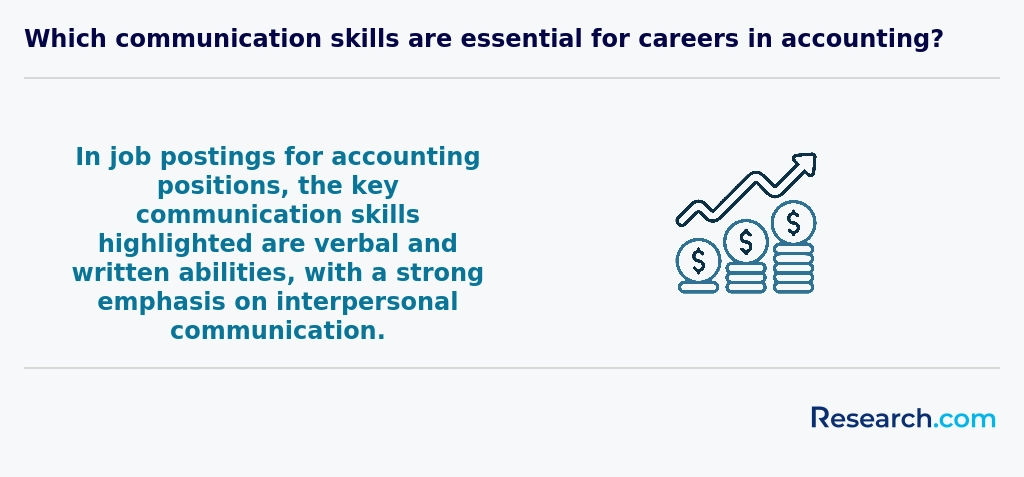
Graduates holding an online accounting degree in America often discover career options that transcend the typical expectations of number crunching. Many find themselves thriving as Certified Public Accountants (CPAs), a role that elevates both status and earning potential, with median salaries around $79,000 annually. But the avenues extend far beyond this well-trodden path. For example, graduates from popular universities commonly transition into roles such as Financial Analysts, internal auditors ensuring regulatory compliance, or forensic accountants unraveling financial fraud-each demanding critical thinking and a keen eye for detail.
Exploring accounting job opportunities with online degree America reveals surprising diversity: some graduates work in government financial management or education, where the challenge lies in navigating complex budgets or ensuring transparency in non-profits. These roles illustrate how an online accounting degree career options USA can offer adaptability and resilience in changing economic landscapes. For those seeking affordability combined with quality, programs listed in the Most Affordable Accounting Degree Programs Ranking in California exemplify accessible paths into these dynamic fields.
The job market for online accounting degree graduates in America defies outdated assumptions about online education. Graduates from respected programs at universities like Arizona State University or the University of Florida report landing competitive roles shortly after graduation. This trend challenges the notion that online degrees are less valued, especially when employers prioritize skillsets and accreditation. The job outlook for online accounting degrees in the USA is buoyed by evolving demands, such as mastering new financial regulations and leveraging accounting software-skills that many online curricula emphasize.
Employment opportunities for online accounting graduates in America extend across diverse sectors, from startup finance teams in Silicon Valley to nonprofit organizations in the Midwest. For many, the ability to work remotely has opened doors previously unseen, illustrating how small and medium-sized businesses increasingly outsource accounting tasks. This shift creates a dynamic marketplace where graduates with expertise in forensic accounting or tax preparation thrive.
Students considering online programs often ask what is the easiest and fastest bachelor degree to obtain; understanding the real demands and rewards of an accounting degree helps ensure informed decisions and future success. The potential salary returns, particularly in metropolitan hubs, make the investment worthwhile for those ready to seize these opportunities.
2027 Fastest Online Master's in Accounting Degree Programs Ranking in the USA
Investing in your education is a significant decision that can profoundly impact your career, and the Research.com team fully appreciates the importance of making well-informed choices. To support prospective students, we have carefully developed the "2027 Fastest Online Master's in Accounting Degree Programs Ranking in the USA." Our dedication to quality, credibility, and accuracy is demonstrated through thorough research and detailed analysis behind this ranking.
We utilized the following reputable data sources to ensure a comprehensive evaluation of accounting programs:
By reviewing this ranking, readers will gain valuable insights into the most efficient online master's in accounting programs available, enabling them to select the best educational path to advance their careers. For more information on how our rankings are created, please visit our Research.com methodology page.


Frequently Asked Questions About accounting
Online accounting degree students in America can maximize their learning by actively engaging with course materials and instructors. It is essential to establish a consistent study schedule, as the accounting field requires mastering complex concepts like taxation, auditing, and financial analysis. According to the American Institute of CPAs (AICPA), practical experience complements academic theory, so students should seek virtual internships or volunteer opportunities.
Technology plays a critical role; using accounting software such as QuickBooks or Sage enhances practical skills. Additionally, joining professional networks like the AICPA or state CPA societies offers access to webinars and industry updates valuable for career growth.
The accounting field in the United States is evolving with new, specialized areas gaining prominence. Emerging niches include forensic accounting, a field expected to grow 16% from 2022 to 2032 according to the U.S. Bureau of Labor Statistics (BLS). This specialty focuses on investigating financial fraud and disputes. Another rising area is environmental accounting, addressing sustainability and regulatory compliance, reflecting growing corporate responsibility trends.
Technology integration also drives demand for accountants skilled in data analytics and blockchain. The American Accounting Association highlights that familiarity with these tools is increasingly essential for graduates.
Additionally, cybersecurity accounting is becoming critical, as firms seek experts to manage risks in digital transactions.
After completing an online accounting degree in America, preparing for the job market involves several strategic steps. First, obtaining relevant certifications, such as the Certified Public Accountant (CPA) license, is crucial. According to the American Institute of CPAs, over 70% of accounting professionals hold this credential, boosting employability. Networking through organizations like the American Accounting Association can open doors to internships and job opportunities. Additionally, gaining practical experience via internships or part-time roles helps apply theoretical knowledge. Familiarity with accounting software like QuickBooks or SAP is also highly valued by employers. Staying updated on tax laws and financial regulations enhances a graduate's competitive edge.
Employers in America highly value a mix of technical and soft skills in accounting degree graduates. According to the American Institute of CPAs, proficiency in financial reporting, tax preparation, and auditing is essential. Familiarity with accounting software like QuickBooks and Excel is often required. Strong analytical skills help graduates interpret data and solve problems effectively.
Communication abilities are also critical, as accountants must explain complex financial information clearly to clients or management. Attention to detail and ethical judgment rank among the top traits employers seek. The U.S. Bureau of Labor Statistics notes that continued adaptability to regulatory changes and technological advancements boosts employability in this field.
Finding internships in America relevant to an accounting degree involves strategic use of university resources and external platforms. Many accredited online accounting programs in the U.S. offer dedicated career services that connect students with internship opportunities in public accounting firms, corporations, and government agencies.
Students should also explore websites like the National Association of State Boards of Accountancy (NASBA) and the American Institute of CPAs (AICPA), which list internships and entry-level positions specific to accounting. According to the U.S. Bureau of Labor Statistics, internships significantly enhance job prospects, with accounting candidates gaining an average salary increase of up to 10% after relevant experience.
Networking through LinkedIn and local chapters of accounting organizations can uncover hidden internships. Early application and tailored resumes further increase chances of securing practical training.
An online accounting degree in America significantly enhances career mobility by providing flexibility and recognized credentials. According to the U.S. Bureau of Labor Statistics, accountants and auditors are expected to grow 7% from 2021 to 2031, reflecting strong demand in various industries. Earning an online degree from an accredited institution allows professionals to pursue certifications like the CPA, which is crucial for advancement.
Employers increasingly value online degrees as legitimate, especially from regionally accredited universities. This growth in acceptance expands job opportunities across states, supporting geographic mobility.
Additionally, online programs often include updated curricula aligned with current U.S. accounting standards, preparing graduates for leadership roles and higher salaries.
Studying for an online accounting degree in America equips students with a broad skill set that supports interdisciplinary roles across various industries. Programs often include coursework in finance, economics, information systems, and business law, reflecting the interconnected nature of modern workplaces.
According to the American Institute of CPAs (AICPA), employers value accountants who understand data analytics and technology, enabling graduates to collaborate effectively with IT and management teams. This versatility increases job opportunities beyond traditional accounting positions.
American accounting degrees also emphasize critical thinking and communication skills, which are essential when working in cross-functional teams. Many accredited programs incorporate case studies and real-world projects to simulate these collaborative environments.
Overall, the education provided aligns with demands for professionals who can integrate accounting knowledge with other business disciplines.
Choosing between a thesis and a non-thesis online accounting degree program depends largely on your career goals. A thesis option usually suits students aiming for research roles, doctoral studies, or specialized positions in academia or industry. It involves conducting original research and writing a detailed paper under faculty supervision.
In contrast, a non-thesis program focuses more on practical skills and coursework, appealing to professionals seeking to advance in public accounting, corporate finance, or managerial roles. According to the National Association of State Boards of Accountancy (NASBA), practical experience is highly valued in accounting careers, which a non-thesis path often emphasizes.
The choice also affects program length and workload. Thesis programs may take longer due to research requirements, while non-thesis programs often offer faster completion. Accredited institutions approved by the Accreditation Council for Business Schools and Programs (ACBSP) or AACSB provide both options.
American students seeking to study accounting abroad through online programs have several options. Many U.S. institutions partner with foreign universities, offering joint or dual degrees that combine international perspectives with U.S.-based curriculum standards. According to the National Center for Education Statistics (NCES), about 18% of U.S. college students engage in some form of study abroad, including online options.
Global accreditation is key; programs recognized by organizations such as the Association to Advance Collegiate Schools of Business (AACSB) ensure quality and can facilitate credential recognition in the U.S.
Students should also consider programs with curricula aligned to U.S. Generally Accepted Accounting Principles (GAAP), which is crucial for CPA licensure. Some foreign universities offer specialized courses accommodating U.S. accounting standards, allowing for smooth professional transition.
Part-time job opportunities in America that complement accounting degree education often provide practical experience valuable for future careers. Positions such as accounting clerk, bookkeeper, or tax preparer allow students to apply theoretical knowledge in real-world settings. According to the U.S. Bureau of Labor Statistics, roles like bookkeeping and payroll clerks offer a median hourly wage of about $20, helping students earn while they learn.
Internships at accounting firms or corporate finance departments also serve as part-time roles, offering exposure to auditing, financial analysis, and regulatory compliance. Many colleges encourage such experiential learning to boost employment prospects post-graduation. These jobs develop skills in software like QuickBooks and Excel, essential for CPA certification.
Online accounting students in America have growing access to various networking opportunities that help build professional connections critical for career advancement. Many accredited programs offer virtual events, such as webinars and guest lectures, where students can interact with industry professionals. According to the American Institute of CPAs (AICPA), involvement in online student chapters and forums can enhance networking by linking students with practicing accountants nationwide. Additionally, platforms like LinkedIn host specialized groups focused on accounting, enabling students to connect with peers, mentors, and potential employers across the country.
Some online programs also encourage participation in regional accounting organizations or internships, which can provide valuable local contacts and real-world experience. About 70% of hiring managers report valuing networking when recruiting accounting professionals, underscoring its importance. Online students should proactively engage in these digital and community-based opportunities to build a strong professional network within the American accounting field.
Alumni networks offer significant benefits to students pursuing online accounting degrees in America. These networks provide valuable connections that can lead to internships, job opportunities, and mentorship within the competitive U.S. accounting industry. According to the American Institute of CPAs, networking is a critical factor in career advancement for accountants.
Through alumni events and online platforms, students can engage with experienced professionals who understand specific challenges in accounting roles. This access helps students gain insights into evolving industry standards, such as those related to the Generally Accepted Accounting Principles (GAAP).
Moreover, alumni networks often share job leads and continuing education resources, supporting students' long-term professional development in states with high CPA demand, like California and Texas.
Customizing an online accounting degree in America allows students to align their studies with specific career goals. Many programs offer elective courses in areas like forensic accounting, taxation, or financial analysis, enabling focused skill development. According to the American Institute of CPAs (AICPA), specialization can improve job prospects in competitive markets. Students can also select certificate options or internships to gain practical experience. Some universities allow credit transfers for prior work or certifications, speeding up degree completion. Additionally, choosing programs accredited by the Accreditation Council for Business Schools and Programs (ACBSP) ensures quality education recognized by employers.
Online accounting students in America often face challenges related to balancing coursework with professional and personal commitments. Many students juggle full-time jobs while pursuing degrees, making time management crucial. According to the National Center for Education Statistics, about 60% of online learners in the U.S. work full time, which adds pressure to meet rigorous accounting program deadlines.
Additionally, some students report difficulties with the lack of in-person interaction, which can affect networking and collaborative learning. Accounting subjects demand strong comprehension of complex concepts like tax regulations and auditing standards, which are sometimes harder to grasp without face-to-face instruction. A survey by the American Accounting Association highlights that 40% of online accounting students struggle with applying abstract theory practically.
With an online accounting degree in the United States, you can pursue several respected professional certifications that enhance career opportunities. The most popular is the Certified Public Accountant (CPA) license, which requires 150 semester hours of education, including a degree, and passing the Uniform CPA Exam administered by the American Institute of CPAs (AICPA).
Other notable certifications include the Certified Management Accountant (CMA), offered by the Institute of Management Accountants, which focuses on financial management and strategy. The Certified Internal Auditor (CIA) is another option for those interested in internal auditing careers.
These certifications often require both education and work experience, making an online degree a crucial first step in eligibility.
To write a winning application for an online accounting program in America, start by highlighting your academic background, especially any coursework in mathematics, finance, or economics. Most programs require a bachelor's degree and emphasize strong quantitative skills. Include your professional experience related to accounting or finance, as practical experience can differentiate you from other applicants.
Clearly articulate your career goals and how the program aligns with these objectives. According to the American Institute of CPAs, emphasizing a commitment to the accounting profession can strengthen your application. Additionally, submit polished recommendation letters and a well-written personal statement that reflect your motivation and dedication to succeeding in the program.
Ensure your application adheres to all deadlines and requirements, including transcripts and standardized test scores if requested. Demonstrating attention to detail is essential, mirroring the precision necessary in accounting roles.
Accounting careers hold strong global relevance, with the United States playing a significant role. According to the U.S. Bureau of Labor Statistics, employment of accountants and auditors is projected to grow 7% from 2021 to 2031, reflecting steady demand.
Globally, accounting standards and practices often align through frameworks like the International Financial Reporting Standards (IFRS), which many countries adopt or recognize alongside U.S. Generally Accepted Accounting Principles (GAAP). This alignment benefits U.S.-educated accountants who work internationally or with multinational corporations.
Online accounting degrees in America provide flexibility and access to curricula designed to meet both national and international industry expectations. This prepares graduates for a diverse range of career opportunities worldwide.
Gaining practical experience while pursuing an online accounting degree in America is crucial for career readiness. Many programs incorporate virtual internships or partnerships with local businesses, allowing students to apply accounting principles in real-world settings. According to the AICPA, 75% of accounting employers value internship experience highly when hiring graduates.
Students can also engage in simulated projects using accounting software like QuickBooks or SAP, often integrated into coursework. Additionally, joining student chapters of organizations such as Beta Alpha Psi offers networking and hands-on opportunities.
Volunteering for non-profits or small businesses with tax preparation or bookkeeping needs is another practical approach. These experiences build resume value and skill competence for future CPA exam pursuits.
Choosing the right concentration within an online accounting degree depends on your career goals and industry demand in the U.S. Common options include auditing, taxation, forensic accounting, and management accounting. According to the Bureau of Labor Statistics, employment for accountants and auditors is projected to grow 7% from 2021 to 2031, with tax-related roles showing steady demand.
Consider concentrations that align with certifications such as CPA (Certified Public Accountant) or CMA (Certified Management Accountant), which boost job prospects. Research programs accredited by AACSB or ACBSP, as employers often favor graduates from these schools. Evaluate courses, faculty expertise, and internship opportunities offered online to ensure quality education.
See What Experts Have To Say About Studying Accounting
Read our interview with Accounting experts

John Wermert, Ph.D., CPA
Accounting Expert
Associate Professor of Accounting
Middle Tennessee State University

Yaw M. Mensah
Accounting Expert
Professor and Interim Vice Dean for Strategic Partnerships
Rutgers Business School

- Accounting.com: Career, Degree and Job Information https://www.accounting.com/
- Employability skills of accounting students: What do their CVs tell us? - Humanities and Social Sciences Communications https://www.nature.com/articles/s41599-025-04991-w
- 5 accounting certifications without a degree | Becker https://www.becker.com/blog/career/5-accounting-certifications-you-can-earn-without-a-degree
- Accountant Job Outlook & Demand Report 2026 - Intuit Blog https://www.intuit.com/blog/innovative-thinking/accountant-job-outlook-demand-report/
- Skills You Need for a Career Path in Accounting | AIU https://www.aiuniv.edu/degrees/business/articles/top-skills-for-career-in-accounting
- Accounting Major Online Degree | SUNY Plattsburgh https://www.plattsburgh.edu/programs/accounting-major-online.html
- Tips for University Graduates Looking to Land Their First Accounting Job https://www.elby.ca/blog/2022/04/27/tips-for-university-graduates-looking-to-land-their-first-accounting-job/
- Networking Events https://www.necpas.org/networking
- Online Accounting Degree | University of Phoenix https://www.phoenix.edu/online-business-degrees/accounting-bachelors-degree.html
- Accounting Online Degree Pathway https://www.learndirect.com/course/accounting-online-degree