
2027 Most Affordable Online Accounting Degree Programs Ranking in Massachusetts

Co-Founder and Chief Data Scientist
Choosing the right online accounting degree program can feel overwhelming, especially when you want both quality and affordability. This article introduces the 2027 Most Affordable Online Accounting Degree Programs Ranking in Massachusetts, created by the Research.com team of data scientists to help you make a confident, informed decision.
Whether you're starting fresh or advancing your career, an accounting degree opens doors to many opportunities. Explore our ranking to find programs that balance cost and value, making your educational journey smoother and more rewarding.
Key benefits of getting online accounting degree in Massachusetts
- Salary for accounting degree graduates: Graduates in Massachusetts can expect strong earnings, with staff accountants earning a mean annual wage of $90,780 and roles like bookkeepers or tax preparers earning around $49,580 yearly.
- Potential career paths: An accounting graduate from a popular Massachusetts college often pursues careers such as staff accountant, tax preparer, or accounts payable clerk, offering diverse opportunities in finance and auditing fields.
- Benefits of online degrees: Earning an accounting degree online from a well-known Massachusetts university allows for flexible scheduling and balancing work-life commitments while gaining the same valuable skills as traditional students.
- 2027 Most Affordable Online Accounting Degree Programs Ranking in Massachusetts
- What can I expect from online accounting degree in Massachusetts?
- Where can I work with online accounting degree in Massachusetts?
What can I expect from online accounting degree in Massachusetts?
Imagine diving into an online accounting degree from a Massachusetts university, where the average cost can pleasantly surprise you. Graduates from state schools often share how their tuition-roughly $395 per credit hour-felt like a smart investment compared to pricier private institutions. For many, this affordability opened doors to balancing work and study without financial stress.
At popular Massachusetts colleges known for their accounting programs, students appreciate the blend of accessible tuition and rigorous coursework. One graduate recalls feeling empowered studying vital accounting principles while saving money, a combination that fueled their confidence to pursue CPA licensure. This balance invites anyone ready to embrace the challenge of an accounting degree while keeping budgets in check.
Since most MA online programs align with CPA requirements, students find their education both practical and cost-effective. Whether tackling assignments from home or joining virtual study groups, these experiences reflect the vibrant, flexible learning Massachusetts offers without the heavy price tag often expected from quality education.
Where can I work with online accounting degree in Massachusetts?
Graduates with an online accounting degree from institutions like Boston University or Northeastern often find themselves drawn to vibrant careers in public accounting firms spread across Boston, Worcester, and Springfield. Imagine stepping into a bustling office where you're preparing taxes or conducting audits-a dynamic environment full of professionals eager to share knowledge and grow together.
Others discover exciting roles in corporate finance departments of Massachusetts companies, especially in thriving industries such as healthcare or technology. Picture working in Boston's financial district, managing budgets and financial reports for leading organizations, where every day brings new challenges and opportunities to make a real impact.
Many alumni also embrace the stability of government roles, joining departments like Massachusetts' Department of Revenue. Here, they contribute to public accountability and ensure regulations are followed, feeling a deep sense of purpose in serving their communities.
Nonprofits and universities offer yet another path-handling grant finances and overseeing budgets in institutions that improve lives statewide. These varied career paths reflect the exciting possibilities your accounting degree unlocks throughout Massachusetts.
Graduates from online accounting programs in Massachusetts, such as those offered by institutions like Northeastern University or UMass Amherst, often discover a rewarding financial path. For instance, staff accountants, a common role for new grads, earn a mean annual wage of about $90,780, making their entry into the workforce feel like a true achievement. Imagine stepping out into Boston's bustling financial scene, knowing your education has landed you a salary well above the national average.
Other graduates find roles as bookkeepers or tax preparers, where the annual wage typically hits around $49,580. This might first seem modest but pairs wonderfully with the experience gained, opening doors to higher salaries down the road.
Many online students share stories of balancing internships with classes, leveraging their flexible programs to increase earning potential early on. The thrill of seeing that first paycheck, knowing it reflects both hard work and the strong local demand for accounting professionals, fuels their ambition to grow further in this vibrant Massachusetts economy.
- Tuition for online bachelor's degrees in accounting in Massachusetts ranges from $12,000 to $25,000 per year, with public universities offering lower costs for in-state residents.
- Starting salaries for new accountants in Massachusetts are typically between $55,000 and $65,000 annually.
- With five to ten years of experience, accountants can earn median salaries above $90,000 per year.
- Employment for accountants and auditors in Massachusetts is expected to grow by about 7% over the next decade.
- Online programs often meet the 150 credit hour requirement needed to sit for the Massachusetts CPA exam.
- Online degrees offer flexibility, allowing students to study while working or managing personal commitments.
Associate degrees, often completed in two years at community colleges like Bunker Hill, offer a faster track-perfect for those eager to enter the accounting world swiftly. Graduates often describe the excitement of applying foundational skills early on, getting a head start. Graduate programs, embraced by professionals seeking CPA eligibility or advancement, typically wrap up in one to two years. Massachusetts students thrive knowing they can meet rigorous credit requirements while growing their careers-all from the comfort of home.
Online accounting students in Massachusetts benefit from a comprehensive suite of support services designed to enhance learning outcomes and career readiness. Academic advising teams are available via phone, email, and video chat to help you select courses, plan semester schedules, and stay on track for timely graduation. Dedicated tutoring centers offer one-on-one assistance in subjects like managerial accounting and tax regulations, while virtual writing labs guide you through crafting professional reports. Technical support ensures seamless access to your learning management system, and 24/7 help desks resolve connectivity or software issues, so you can focus on mastering essential accounting concepts without interruption. Career services play a pivotal role in translating academic achievements into professional opportunities. Online students have full access to resume workshops, mock interviews, and networking events with industry professionals. Partnerships with local employers often result in exclusive virtual career fairs and internship postings. For those exploring regional pathways, consider comparing affordability metrics in other markets, such as our Most Affordable Accounting Degree Programs Ranking in San Antonio, TX, to gauge broader trends. Additionally, alumni mentorship programs connect you with graduates working at top firms-Big Four, corporate finance, or government agencies-providing real-world insights and referrals. Library and research resources further enrich your online learning experience. Subscriptions to leading accounting journals, e-books, and financial databases are accessible 24/7, enabling in-depth exploration of topics like forensic auditing or international tax law. Interactive webinars led by faculty experts cover emerging trends in data analytics and regulatory changes, while discussion boards foster peer collaboration on case studies and group projects. Together, these support systems create a robust educational ecosystem, ensuring that online accounting graduates from Massachusetts are well-equipped with both technical proficiency and professional confidence.
Imagine juggling work and family while pursuing your accounting degree from the comfort of your home in Massachusetts-this is the reality for many online students at institutions like UMass Amherst or Suffolk University. Online programs offer unmatched flexibility, allowing you to dive into lectures on your own schedule without the rush of commuting. Graduates often express excitement over being able to balance life's demands while progressing toward their CPA goals.
On the flip side, picture walking the halls of Boston University or Northeastern University, engaging directly with professors and peers. These on-campus experiences provide lively classroom discussions and immediate access to resources like libraries and study groups, fueling a more immersive learning vibe. Alumni recall how in-person networking events opened doors to internships and careers across Massachusetts.
- Flexibility: Online programs fit diverse schedules in Massachusetts seamlessly.
- Learning Style: In-person courses offer rich, face-to-face interaction.
- Cost Variations: Online tuition sometimes saves money but watch for extra fees.
- Access to Resources: Campus life connects you to libraries, labs, and career services.
To make informed decisions about online accounting programs, it's essential to consider the financial implications and potential return on investment. Prospective students in Massachusetts can benefit from exploring programs that offer a balance of affordability and academic rigor. For instance, looking into an affordable accounting school in Massachusetts can provide valuable insights into cost-effective options without compromising on the quality of education. By weighing the costs against the potential benefits, including competitive salaries and diverse career paths, students can invest wisely in their future. This thoughtful approach to selecting an online accounting program can lead to a fulfilling and successful career in the accounting profession.
Exploring the cost of an online accounting degree in Massachusetts reveals an adventurous path marked by a median total expense around $27,000. This figure captures the heart of the educational journey for many who pursue their degrees through popular institutions like the University of Massachusetts system or renowned private colleges. Graduates often share how manageable fees and flexible online formats helped them balance life, work, and study without overwhelming financial strain.
Many students find that affordable online accounting programs in Massachusetts provide a thrilling blend of quality and value. Imagine enrolling in courses alongside peers who are equally eager to advance their careers-the excitement of mastering accounting principles while paying a tuition hovering near that $27,000 median fosters motivation and accomplishment.
Graduates vividly recall how such programs allowed them to tailor their pacing; some finished sooner, trimming costs, while others embraced a steady rhythm to absorb the material fully. To unlock even more opportunities, they tapped into scholarships or employer tuition assistance, adding to the sense of discovery around financing education.
Those hunting for an affordable accounting school in Massachusetts will find options that awaken both curiosity and practical optimism, making the pursuit of an accounting degree not just a goal but a rewarding experience worth every dollar.
To build trust and ensure CPA readiness, select an online accounting degree that holds strong accreditations and meets state licensing rules.
- Regional accreditation (e.g., New England Commission on Higher Education) for smooth credit transfers and employer recognition
- Accounting-specific accreditation (AACSB or ACBSP) signaling rigorous curriculum standards
- 150-credit hour curriculum aligned with Massachusetts Board of Public Accountancy requirements
- Core courses in auditing, taxation, ethics and financial reporting covering all CPA exam sections
Imagine starting your journey toward an online accounting degree at Northeastern or UMass Amherst, excited but wondering how to manage costs. Many students discover federal Pell Grants covering up to $7,395 annually, a huge relief that made one graduate's dream feel within reach. Beyond that, the Massachusetts Office of Student Financial Assistance opens doors through the MassGrant program, easing financial strains for those attending approved online programs with genuine need.
Merit shines too, especially with scholarships like the John and Abigail Adams award that reward high-achieving Massachusetts students. Graduates often share how scholarships from the Massachusetts Society of CPAs not only helped them afford tuition but inspired confidence as future professionals. Federal student loans, with fixed interest rates and flexible repayment, provide a safety net, though wise borrowing remains key.
Moreover, many online programs offer exclusive institutional scholarships and discounts, a hidden treasure that savvy students unearth by simply asking. This layered financial aid landscape in Massachusetts transforms daunting tuition bills into realizable dreams.
Embarking on an online accounting degree in Massachusetts requires careful planning and adherence to key deadlines. Follow these steps to streamline your application and maximize your chances of admission: 1. Research and Shortlist Programs - Identify accredited institutions and compare curricula, tuition, and support services. - For a comprehensive list of budget-friendly options, explore our cheap bachelor’s degree in accounting online ranking. 2. Confirm Prerequisites - Ensure you meet academic requirements (high school diploma or equivalent, minimum GPA). - Complete any required introductory courses in accounting or business. 3. Prepare Application Materials - Official transcripts from all post-secondary institutions. - Standardized test scores (SAT/ACT), if required. - Personal statement outlining career goals in accounting. - Letters of recommendation (academic or professional). 4. Submit Financial Aid Documentation - Complete the FAFSA by March 1 for priority consideration of federal grants and loans. - Research state grants (MASSGrant, MASSGrant Plus) and institutional scholarships, noting each program’s deadline. 5. Adhere to Application Deadlines - Fall Admission: Application deadline June 1 - Spring Admission: Application deadline November 1 - Summer Admission: Application deadline March 15 - Verify dates on each school’s admissions page, as deadlines may vary. 6. Monitor Application Status - Regularly check your applicant portal for missing documents or interviews. - Reach out to admissions offices for updates or clarification to avoid delays. By following this structured process-researching affordable programs, confirming prerequisites, gathering materials, and tracking financial aid and deadlines-you’ll be well-positioned to secure a spot in a top Massachusetts online accounting degree program.
Many find that having SAT or ACT scores helps, although with growing test-optional policies, especially post-pandemic, this can be more flexible than before. Imagine prepping for exams in those cozy Massachusetts winters, then realizing your chosen college might not even require the scores!
Math readiness is essential. Students have shared how brushing up on algebra or introductory business courses beforehand made classes feel much more approachable. Typical prerequisites include basic algebra, pre-calculus, and sometimes communications courses-skills essential for both number crunching and client conversations.
Some schools also value personal statements or recommendation letters, giving applicants a chance to share their passion and unique stories. It's like opening a door that lets admissions discover your enthusiasm beyond grades.
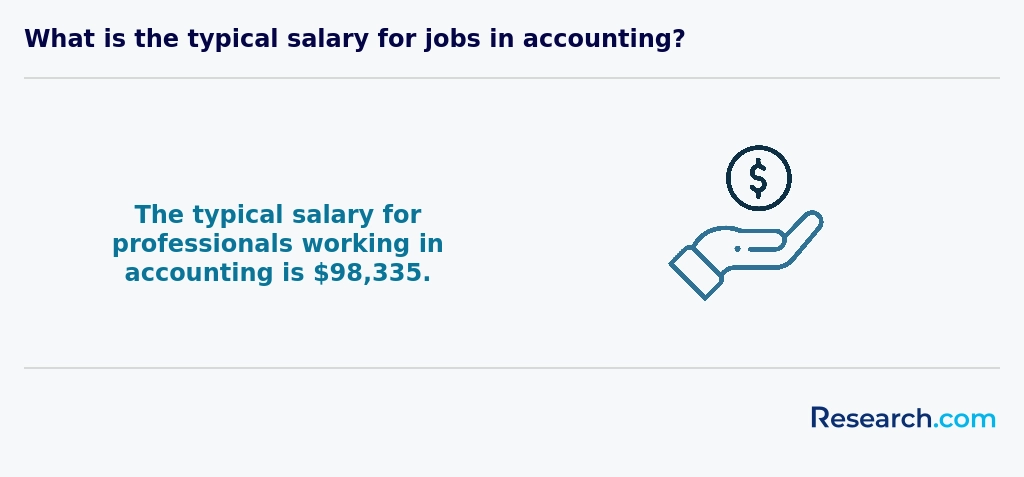
Succeeding in an online accounting program requires disciplined time management, active engagement with digital resources, and a proactive approach to networking and career planning. Establish a structured study schedule and leverage virtual office hours and discussion boards to connect with instructors and peers. Additionally, supplement your academic learning with industry-recognized certifications that bolster your credentials. Exploring opportunities such as the best bookkeeping certificate programs can provide practical skills and enhance your marketability. Regularly review course materials and seek constructive feedback to ensure continuous improvement, and take advantage of career counseling and alumni mentoring services available through your institution. These strategies will not only solidify your understanding of accounting fundamentals but also equip you with the competitive edge needed for success in the dynamic field of accounting.
Imagine diving into Financial Accounting at a well-regarded Massachusetts university, where graduates recall unlocking the mysteries behind balance sheets and income statements, skills essential for any accounting career. Next up, Managerial Accounting takes you inside corporate boardrooms, teaching you how budgeting and cost analysis shape big business decisions-something students from community colleges in the state find both challenging and rewarding.
Taxation courses immerse students in the nuances of individual and business tax laws, a core part for those aiming to ace CPA exams in Massachusetts. Graduates often share how mastering these laws felt like gaining a superpower to navigate complex financial puzzles.
Auditing classes reveal the thrill of detective work, examining financial records for accuracy-a favorite among online learners balancing studies with busy lives. Meanwhile, Accounting Information Systems introduce popular software like QuickBooks and SAP, preparing students at Massachusetts universities for real-world technological demands.
This vibrant curriculum, enriched by additional courses in business law and economics, equips learners to confidently explore the dynamic landscape of accounting within Massachusetts.
Diving into online accounting degree specializations Massachusetts offers feels like unlocking a treasure chest filled with exciting career paths. Imagine focusing on Auditing and Assurance Services, where graduates from renowned schools like Boston University share how they mastered the art of scrutinizing financial records-preparing for CPA licensure and thriving in public accounting firms. Others ventured into Taxation, navigating the complexities of Massachusetts' tax laws, a challenge that graduates find intellectually rewarding and lucrative.
Accounting concentration options Massachusetts online programs embrace also include Forensic Accounting, perfect for curious minds eager to blend auditing with detective work to uncover fraud-a rapidly growing field with real impact in today's corporate world.
Managerial or Cost Accounting attracts adventurous thinkers who love shaping internal financial strategies, often finding success with big corporations in the Boston area. Additionally, Government and Nonprofit Accounting opens doors to serving communities through fiscal stewardship, a path many graduates from local colleges cherish deeply.
Exploring all this while comparing tuition costs or the best bookkeeping certificate programs encourages students to find their unique spot in the vibrant world of Massachusetts online accounting.
Choosing the best online accounting degree in Massachusetts feels like navigating an exciting maze, where accreditation acts as your trusted map. Graduates from popular colleges share how selecting programs with ACBSP or AACSB accreditation reassured them their education held real value in the job market. Imagine enrolling in a program that ticks all the boxes, especially if you want to meet the Massachusetts Board of Public Accountancy requirements for CPA licensure-a key goal for many eager to jumpstart their careers locally.
Many students discover that affordable accounting degrees in Massachusetts online offer a perfect blend of quality and convenience. For example, some graduates found that balancing work and study became thrilling rather than stressful thanks to asynchronous classes, which let them learn at their own pace. When budgeting, exploring financial aid options can transform what feels like a mountain of tuition into manageable steps toward success. Curious minds often check out a cheap bachelor's degree in accounting online to keep costs down without sacrificing quality.
Curriculum adventures thrill those who dive into courses covering financial accounting, taxation, and auditing, sometimes unlocking specializations like forensic accounting. Alumni from well-known Massachusetts universities recall how specialized tracks opened doors to vibrant career paths. Plus, programs offering virtual interaction and career services made their journeys feel energizing and connected, not isolated, sparking strong networks and local internship opportunities.
Forensic accounting offers a thrilling blend of finance and detective work, perfect for those fascinated by unraveling fraud within Massachusetts' thriving economy. Many also pursue positions as tax examiners or consultants, leveraging their knowledge of the state's complex tax codes. Graduates from popular Massachusetts schools often share how their degree opened doors to these varied roles, illustrating the robust online accounting degree job prospects Massachusetts provides.
Students curious about balancing cost with quality might explore options detailed in the Most Affordable Accounting Degree Programs Ranking in San Antonio, TX, discovering affordable paths that make staying local both feasible and rewarding.
The job market for graduates holding an online accounting degree in Massachusetts is vibrant and full of opportunity. Graduates from well-known institutions like UMass Amherst or Boston University often share stories of landing roles in Boston's bustling financial district, where accounting professionals play critical roles in corporate finance or public accounting firms. For those embracing an online path, flexibility and accreditation mean these graduates step into the workforce with confidence, ready to meet the state's demand for skilled accountants. Exploring accounting career opportunities in Massachusetts reveals a landscape where nonprofit organizations, government agencies, and tech companies all seek talent, making it an exciting time to jump in.
Many online accounting graduates find themselves thriving because their programs meet Massachusetts' strict CPA requirements, including 150 credits. Entry-level salary projections from $55,000 to $65,000 encourage students who balance work and study. The state's encouragement of continuing education amplifies this upward trajectory, inviting graduates to envision long-term success. Curious minds may research what is the best open enrollment college to attend to find the right fit for their ambitions, knowing the Massachusetts job market embraces their online accounting degree with open arms.
2027 Most Affordable Online Accounting Degree Programs Ranking in Massachusetts
Investing in your education is a significant decision that can shape your future, and the Research.com team understands the importance of making informed choices. To assist prospective students in Massachusetts, we have meticulously crafted the "2027 Most Affordable Online Accounting Degree Programs Ranking in Massachusetts." Our commitment to quality, credibility, and accuracy is reflected in the extensive research and analysis conducted to compile this ranking.
We utilized the following reputable data sources to ensure a comprehensive evaluation of affordable online accounting programs:
By exploring this ranking, readers will gain valuable insights into the most affordable and credible online accounting degree options available, empowering them to make well-informed decisions about their educational investments. For more details on our methodology, please visit our Research.com methodology page.


Frequently Asked Questions About accounting
Online accounting degree students in Massachusetts can maximize their learning by actively engaging with course materials and participating in virtual discussions. Consistent study routines help retain complex subjects like taxation and auditing. Leveraging local resources, such as the Massachusetts Society of Certified Public Accountants (MassCPAs), offers networking and mentorship opportunities.
Students should also consider professional certification paths like the CPA, which requires 150 credit hours and passing the Uniform CPA Exam. According to the Massachusetts Department of Higher Education, staying informed about regional accounting job trends improves career readiness.
Utilizing university-provided tools, including tutoring and career services, further enhances learning outcomes.
Emerging niches within the accounting field reflect the evolving business landscape and technological advancements. In Massachusetts, the rise of forensic accounting stands out, driven by the state's strong legal and financial sectors. Forensic accountants investigate financial fraud and disputes, a field expected to grow by 8% nationally through 2030 according to the U.S. Bureau of Labor Statistics.
Another expanding area is sustainability accounting, focusing on environmental and social governance (ESG) reporting. Massachusetts companies increasingly prioritize sustainability, creating demand for accountants skilled in tracking non-financial metrics.
Technology also shapes niches like data analytics and blockchain accounting, where professionals manage complex financial data and secure transactions. These specialties align well with Massachusetts' thriving tech industry.
After completing an online accounting degree in Massachusetts, preparing for the job market involves multiple strategic steps. First, graduates should pursue relevant certifications like the CPA license, as Massachusetts requires passing the Uniform CPA Exam and meeting specific education and experience criteria. According to the Massachusetts Board of Public Accountancy, holding a CPA license substantially increases job opportunities and salaries in the state.
Networking is vital; joining organizations such as the Massachusetts Society of CPAs connects graduates with local professionals and potential employers. Internships, even post-graduation, offer practical experience valued by firms across Massachusetts.
Additionally, staying proficient in accounting software commonly used in the region, such as QuickBooks and SAP, boosts employability. According to the U.S. Bureau of Labor Statistics, the demand for accountants in Massachusetts is projected to grow by 7% through 2030, underscoring a competitive but promising market.
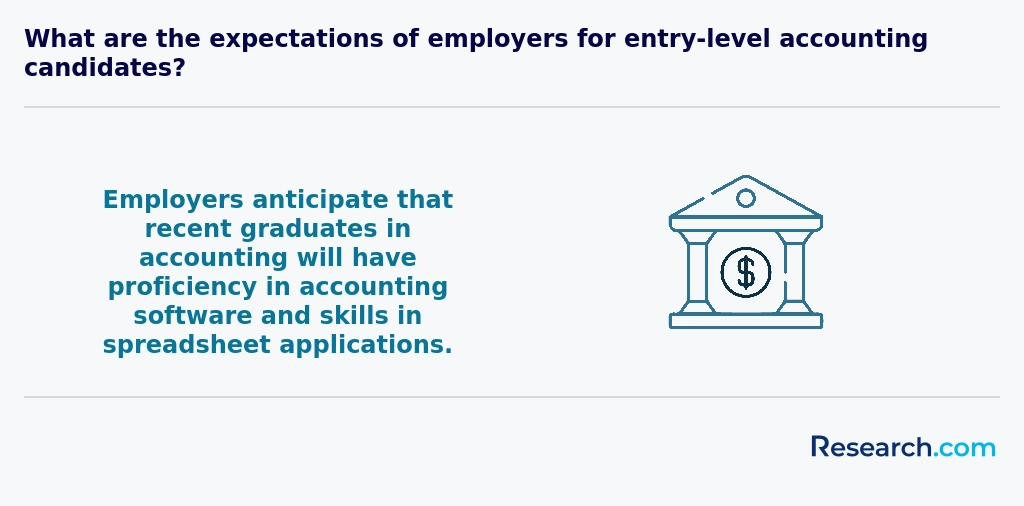
Employers in Massachusetts seek accounting graduates with strong analytical and technical skills. Proficiency in accounting software like QuickBooks, Microsoft Excel, and emerging tools such as cloud-based platforms is highly valued.
Communication skills are also essential, as accountants must clearly explain financial information to non-experts. According to the Massachusetts Department of Higher Education, teamwork and ethical judgment are critical traits for entry-level positions in finance and accounting.
Additionally, knowledge of state tax regulations and compliance requirements is important given Massachusetts' unique tax environment. Problem-solving abilities and attention to detail are consistently emphasized by both hiring managers and industry reports.
Finding internships in Massachusetts relevant to an accounting degree involves using multiple resources. Start by exploring online portals such as Handshake and LinkedIn, which partner with many Massachusetts colleges to list internships specifically for accounting students. Local accounting firms, including well-known ones in Boston and Cambridge, often offer internships that provide hands-on experience.
The Massachusetts Society of Certified Public Accountants (MassCPAs) regularly posts internship opportunities and hosts career fairs connecting students with employers. Additionally, networking at university career centers or joining professional groups can increase chances of finding openings.
According to the Bureau of Labor Statistics, the demand for accountants in Massachusetts is expected to grow by 7% through 2031, encouraging firms to seek interns to develop talent early.
Obtaining an online accounting degree in Massachusetts can significantly enhance career mobility and advancement opportunities. The state's growing economy and concentration of finance and healthcare sectors create strong demand for skilled accountants. According to the U.S. Bureau of Labor Statistics (2023), Massachusetts has a higher-than-average employment level for accountants and auditors, with wages 15% above the national average.
Online degrees offer flexibility for working professionals, allowing them to balance education with their careers. Graduates can pursue roles such as financial analysts, auditors, and tax advisors with greater ease. Additionally, many Massachusetts employers recognize accredited online accounting programs, supporting career growth and eligibility for certifications like the CPA exam.
In sum, an online accounting degree in Massachusetts equips students with credentials and practical skills valued in the local job market, facilitating promotions and geographic career shifts within the state.
Studying for an accounting degree in Massachusetts equips students with skills that extend beyond traditional finance roles, preparing them for interdisciplinary careers. Programs often integrate courses in data analytics, information systems, and business management, reflecting workplace demands for versatile professionals.
Massachusetts colleges emphasize real-world applications, incorporating case studies involving law, economics, and technology. According to the Massachusetts Department of Higher Education, accounting graduates frequently collaborate with IT and legal teams, highlighting the importance of a broad knowledge base.
The state's growing finance and tech sectors require accountants to understand regulatory compliance and digital tools, fostering cross-disciplinary expertise. This prepares graduates for dynamic roles, such as financial analysts who use data science or accountants working alongside legal professionals.
Choosing between a thesis and a non-thesis online accounting degree in Massachusetts depends on your career goals and learning preferences. Thesis programs often appeal to students interested in research, academia, or advanced study, as they require conducting original research and writing a detailed paper.
Non-thesis programs usually emphasize practical skills and coursework, preparing students for professional roles in accounting firms or corporate finance without the additional research component. This path might be preferable for those aiming to enter the workforce quickly.
According to the Massachusetts Department of Higher Education, many state universities offer both options, with average program lengths of 18 to 24 months. Cost and flexibility should also factor into your decision, especially when balancing work and study.
Students based in Massachusetts who want to study accounting abroad face limited options if they seek fully online degrees from international institutions. Most U.S. universities, including those in Massachusetts, offer robust online accounting programs accredited by U.S. agencies such as AACSB or ACBSP, which are preferred by employers nationally.
However, students can consider exchange programs or dual-degree options through partnerships between Massachusetts institutions and foreign universities. These arrangements may allow partial study abroad or international internships while completing an accredited U.S. degree. The Massachusetts Department of Higher Education notes increasing interest in globalized curricula, but direct wholly online foreign accounting degrees recognized in the U.S. remain uncommon.
Additionally, students should ensure that any overseas program complies with CPA exam eligibility requirements, particularly for Massachusetts licensure. Resources like the National Association of State Boards of Accountancy (NASBA) detail these rules.
Students pursuing an online accounting degree in Massachusetts can benefit from various part-time job opportunities that complement their studies. Roles such as bookkeeping assistants, tax preparers, and accounting clerks are popular choices. These positions provide real-world experience with financial software and regulatory compliance, which are essential skills for accounting careers.
Massachusetts has a strong demand for accounting support staff, with the U.S. Bureau of Labor Statistics projecting a 10% growth in bookkeeping and accounting roles in the state through 2030. Companies in Boston and Worcester often seek part-time interns and assistants to manage payroll and maintain financial records. These jobs offer practical exposure while students pursue their degrees.
Additionally, working with local nonprofit organizations or small businesses can help students understand Massachusetts-specific tax codes and accounting practices. This experience enhances resumes and expands professional networks, crucial for future full-time roles in accounting.
Online accounting students in Massachusetts benefit from strong networking opportunities through professional organizations and local chapters. The Massachusetts Society of Certified Public Accountants (MassCPA) is a key resource, offering events, workshops, and mentorship programs specifically for accounting professionals and students. Membership connects students with over 9,000 industry peers, enhancing career prospects.
Many universities offering online accounting programs also facilitate virtual career fairs and alumni networking sessions. Additionally, Massachusetts hosts frequent accounting conferences and seminars where students can engage with experienced professionals and potential employers.
The state's proximity to Boston, a financial hub, further broadens opportunities for internships and part-time jobs valuable for building professional networks.
Alumni networks provide significant advantages to online accounting degree students in Massachusetts. These networks connect current students with graduates who have real-world experience in the local accounting profession. This connection often leads to mentorship opportunities, helping students navigate career paths and understand industry expectations.
Massachusetts has a strong accounting job market, with the Bureau of Labor Statistics projecting a 7% growth in accounting jobs statewide through 2030. Alumni networks help students access these opportunities by sharing job leads and internships.
Furthermore, alumni can offer guidance on passing the CPA exam, which is required to practice publicly in Massachusetts and beyond. Many schools encourage engagement through alumni events and online platforms, enhancing networking despite the remote learning format.
Students pursuing an online accounting degree in Massachusetts can tailor their programs by choosing electives aligned with their career goals. Many schools offer concentrations such as forensic accounting, tax accounting, or auditing, allowing learners to specialize based on industry demands.
Massachusetts professionals aiming for CPA licensure should ensure their program meets the 150-credit hour requirement and covers subjects like advanced accounting and business law. Institutions often provide flexible schedules and accelerated courses to accommodate working students.
Additionally, internships and partnerships with local firms in Boston and Worcester enhance practical skills and networking. According to the Massachusetts Department of Higher Education, targeted customization improves job placement rates in the state's growing financial sector.
Online accounting students in Massachusetts often face challenges related to balancing coursework with work and family commitments. According to the National Center for Education Statistics, many adult learners struggle with time management when studying remotely. Additionally, the rigor of accounting courses, which require strong analytical and mathematical skills, can be difficult without immediate access to faculty support. Technical issues also arise, as reliable internet access is essential for participating in virtual classes and submitting assignments on time. Furthermore, some students report feeling isolated, as online programs may lack the networking opportunities found in traditional classroom settings.
With an online accounting degree, you can pursue several professional certifications that enhance your career opportunities in Massachusetts and nationwide. The most recognized is the Certified Public Accountant (CPA) license, which requires completing 150 credit hours and passing the Uniform CPA Exam. Massachusetts mandates additional state-specific experience and ethics requirements managed by the Board of Public Accountancy.
Beyond the CPA, certifications like the Certified Management Accountant (CMA) and Certified Internal Auditor (CIA) are valuable for those interested in management and auditing roles. The CMA, offered by the Institute of Management Accountants, focuses on financial analysis and strategy, while the CIA emphasizes internal auditing practices.
According to the Massachusetts Department of Higher Education, demand for certified accounting professionals continues to grow, influenced by the state's strong financial sector presence.
To write a winning application for an online accounting program in Massachusetts, start by carefully reviewing each school's specific requirements. Highlight your academic background, especially in math or business-related courses, as strong quantitative skills matter in accounting careers. Include clear, concise personal statements that emphasize your motivation for choosing online learning and your career goals.
Use verified transcripts and strong letters of recommendation from instructors or employers familiar with your work ethic. Mention any relevant experience, such as internships or jobs in finance or accounting, which can set you apart.
According to the Massachusetts Department of Higher Education, programs often value applicants showing familiarity with Massachusetts tax laws and accounting standards, reinforcing your commitment to local industry needs.
Lastly, submit your application well before deadlines and double-check for completeness to avoid delays.
The accounting profession is increasingly global, influencing career opportunities for graduates in Massachusetts and beyond. According to the Massachusetts Department of Higher Education, local accounting programs often include international accounting standards like IFRS to prepare students for global markets.
U.S.-based accountants benefit from understanding both GAAP and IFRS, enhancing their competitiveness in multinational firms. The U.S. Bureau of Labor Statistics projects a 6% growth for accountants through 2032, reflecting steady demand.
Massachusetts professionals frequently engage with international clients, especially given the state's strong tech and biotech sectors. Awareness of global financial regulations and cultural business practices is essential for success in this connected environment.
Thus, an online accounting degree in Massachusetts offers not only local skills but also a foundation for global career paths.
Gaining practical experience while studying for an online accounting degree in Massachusetts is essential for career readiness. Many online programs encourage internships, allowing students to work in accounting firms, non-profits, or corporate finance departments. These internships often provide real-world exposure to tax preparation, auditing, and financial analysis.
Students can also engage with local professional organizations, such as the Massachusetts Society of Certified Public Accountants (MassCPA), which offers networking events and workshops. Additionally, some programs integrate case studies and simulations focused on Massachusetts tax codes and accounting standards.
According to the Bureau of Labor Statistics, Massachusetts' accounting sector is expected to grow by 7% through 2032, emphasizing the value of hands-on experience to stand out in the competitive job market.
Choosing the right concentration within an online accounting degree program in Massachusetts depends on your career goals and industry demand. Popular concentrations include forensic accounting, tax accounting, and auditing. For example, Massachusetts employs over 50,000 accountants and auditors, with an average salary above the national average, according to the Bureau of Labor Statistics.
Consider concentrations that align with in-demand skills locally, such as tax accounting given the state's complex tax regulations. Research each program's curriculum and if it prepares you for certifications like the CPA, which is highly valued in Massachusetts. Websites like the Massachusetts Department of Higher Education provide valuable data on program options and outcomes.
Focus on concentrations offering strong online support, internships, or partnerships with local firms to increase job prospects after graduation.
- 2027 Most Affordable Online Accounting Degree Programs Ranking in New York
- 2027 Most Affordable Online Accounting Degree Programs Ranking in Pennsylvania
- 2027 Most Affordable Online Accounting Degree Programs Ranking in Maryland
- 2027 Most Affordable Online Accounting Degree Programs Ranking in Michigan
- 2027 Most Affordable Online Accounting Degree Programs Ranking in Georgia
- 2027 Most Affordable Online Accounting Degree Programs Ranking in Illinois
- 2027 Most Affordable Online Accounting Degree Programs Ranking in Missouri
- 2027 Most Affordable Online Accounting Degree Programs Ranking in Iowa
- 2027 Most Affordable Online Accounting Degree Programs Ranking in Kansas
- 2027 Most Affordable Online Accounting Degree Programs Ranking in Texas
See What Experts Have To Say About Studying Accounting
Read our interview with Accounting experts

Yaw M. Mensah
Accounting Expert
Professor and Interim Vice Dean for Strategic Partnerships
Rutgers Business School


- Applying for Accounting Graduate School | Accounting.com https://www.accounting.com/resources/graduate-application-guide/
- Accounting Degree: Associate or Bachelor’s | Monroe University https://www.monroeu.edu/news/accounting-degree-associate-or-bachelors
- Get Ahead in Accounting: Ways to Build Relevant Work Experience https://www.fctraining.org/gain-accounting-work-experience.php
- AAT Virtual Work Experience | Springpod https://www.springpod.com/virtual-work-experience/aat-virtual-work-experience/WEXP-00447
- Top-Ranked Affordable Online Accounting Programs in Massachusetts https://itsupplychain.com/top-ranked-affordable-online-accounting-programs-in-massachusetts/
- Accounting work experience Placements https://www.osbornetraining.org/job-placement/
- How do they influence the accounting students' career choice? https://edulearn.intelektual.org/index.php/EduLearn/article/download/19870/10113
- Online Accounting Associate Degree | Affordable Accounting Degree https://www.uscareerinstitute.edu/online-accounting-associate-degree
- 2025 Best Online Accounting Degrees https://www.onlineu.com/degrees/accounting
- 5 Niches for Accountants to Consider - Samera Global https://sameraglobal.com/5-niches-for-accountants-to-consider/


