2027 Most Popular Accounting Degree Programs Ranking in Abilene

Co-Founder and Chief Data Scientist
Choosing the right accounting degree program is an important step toward building a successful career. If you're a student in Abilene exploring your options, this article offers valuable guidance tailored just for you.
We present the 2027 Most Popular Accounting Degree Programs Ranking in Abilene, developed by the Research.com team of data scientists. This ranking helps you compare programs based on reliable data to make an informed choice.
Reading this article can simplify your decision process and inspire confidence in pursuing an accounting degree that matches your goals and ambitions.
Key benefits of getting accounting degree in Abilene
- Salary for accounting degree graduates: Graduates can expect competitive pay, with Staff Accountants earning a mean annual wage of $90,780, while roles like Bookkeepers and Tax Preparers earn around $49,580 annually, reflecting strong earning potential in Abilene.
- Career paths: An accounting degree from a local college in Abilene opens doors to various roles such as Staff Accountant, Tax Preparer, or Associate Auditor, offering diverse opportunities in finance and business sectors.
- Online degree benefits: Completing an accounting degree online from an Abilene university provides flexibility and allows working students to balance education with life, often accelerating career progress without sacrificing quality.
- 2027 Most Popular Accounting Degree Programs Ranking in Abilene
- What can I expect from accounting degree in Abilene?
- Where can I work with accounting degree in Abilene?
What can I expect from accounting degree in Abilene?
The average cost of earning an accounting degree in Abilene varies depending on the institution and the level of study, but students often find it more affordable compared to larger metropolitan areas. Graduates from popular local colleges recall tuition rates generally ranging from $6,000 to $15,000 per year for in-state students, which includes core courses in accounting theory and practical software training.
For example, a graduate from a well-known Abilene university described balancing the cost with financial aid and part-time work, noting how the manageable expenses made pursuing CPA requirements more realistic. Some students pointed out that while the sticker price seems reasonable, additional costs such as textbooks and exam fees for CPA preparation should be factored in.
Another perspective highlights the importance of evaluating the overall value, including internship opportunities tied to the city's diverse economy in healthcare and manufacturing. These experiences, often available through local colleges, can enhance employment potential despite any financial burden.
In summary, students in Abilene face costs that reflect the region's educational infrastructure while benefiting from relevant local job connections essential for practical learning.
Where can I work with accounting degree in Abilene?
Accounting graduates in Abilene find a diverse range of career paths reflecting the city's varied economy. Many secure roles in corporate sectors where companies need sharp financial reporting and budgeting skills. For instance, graduates from Abilene Christian University often describe transitioning smoothly into positions at local manufacturing firms or retail chains, where adaptability and attention to detail are crucial.
Others explore employment opportunities in public administration, working within city or county finance departments. These roles, common among McMurry University alumni, challenge accountants to balance public budgets and ensure compliance, often offering stability and community impact, which many find rewarding.
Healthcare providers like Hendrick Health System also attract accounting professionals who enjoy problem-solving in complex revenue cycle management. Graduates highlight that such environments demand both technical knowledge and strong communication skills, fostering professional growth.
Local public accounting firms provide avenues for auditing, tax preparation, and consulting careers, especially for those aiming for CPA certification. While opportunities are promising, understanding the varied demands of these sectors can help students align their skills and expectations realistically as they begin their careers in Abilene.
Graduates with an accounting degree from institutions in Abilene often start with roles such as bookkeepers or associate auditors, where the mean annual wage is approximately $49,580 according to recent BLS data. For example, new accounting graduates from local colleges find entry-level bookkeeping or accounts payable clerk positions rewarding as they gain hands-on experience, with hourly wages around $23.84.
As these graduates advance, many move into staff accountant roles, which command a significantly higher mean salary, about $90,780 annually, reflecting both the skill growth and added responsibilities. Alumni from Abilene's popular universities often remark on how earning CPA certifications boosts their potential, helping them transition from junior roles to mid-career salaries in the $70,000 to $85,000 range.
While the regional median for accounting professionals hovers near $61,000, real-life examples show that dedication and leveraging local networking opportunities can lead to even stronger outcomes. Graduates appreciate the connections fostered through their programs, which sometimes open doors to specialized fields with promising compensation prospects.
- Accounting degrees in Abilene typically cost between $25,000 and $45,000 in total tuition, depending on the school and financial aid eligibility.
- Entry-level accountants in Abilene earn an average salary of about $48,000 per year after graduation.
- Salaries for accountants with experience and certifications like CPA can rise to around $70,000 or more annually.
- Job growth for accounting roles in Abilene is projected at about 7% over the next decade, matching national averages.
- Local businesses and organizations offer internships and entry-level positions, helping students gain practical experience during their studies.
In Abilene, completing an accounting degree typically takes around four years for full-time students attending institutions like Abilene Christian University or McMurry University. Graduates often recount how the structured four-year timeline gave them a balanced pace to absorb complex accounting concepts without feeling rushed. However, some students choose accelerated bachelor's programs, managing to finish in about three years by taking heavier course loads and summer classes, which, while intense, bring a rewarding sense of accomplishment.
For those starting at community colleges, such as local technical schools, earning an associate degree usually takes two years. Many graduates appreciate this pathway because it allows them to enter the workforce sooner or transfer credits to a four-year university later, offering flexibility based on personal and financial circumstances.
Postgraduate study, like a Master of Accountancy or an MBA focusing on accounting, adds one to two years beyond the bachelor's degree. Alumni report that this extra time is well worth it for advancing careers and meeting CPA licensure requirements, which demand more than a standard undergraduate education.
Part-time options also exist, particularly for working students, but these tend to extend the total timeframe. Overall, the experience of studying accounting in Abilene balances structured timelines with multiple pathways, allowing students to tailor their journey according to their goals and life situations.
Earning a professional certification can significantly enhance your credibility and earning potential in the accounting field. The most widely recognized credential, the Certified Public Accountant (CPA) license, requires candidates to pass a rigorous exam and complete 150 credit hours of coursework. Many graduates expedite this process by enrolling in a master’s program-some opt for the best affordable online master of science in accounting, which not only fulfills credit requirements but also deepens specialized knowledge in areas like taxation and auditing. Beyond the CPA, several certifications cater to niche career paths:
- Certified Management Accountant (CMA): Focuses on financial planning, analysis, and strategic management, ideal for roles in corporate finance.
- Certified Internal Auditor (CIA): Emphasizes risk assessment and internal controls, positioning candidates for careers in internal audit and compliance.
- Certified Fraud Examiner (CFE): Provides expertise in fraud detection, investigation techniques, and ethical standards, a valuable distinction for forensic accountants. Continuing professional education (CPE) is mandatory to maintain most certifications. Accountants typically complete 20–40 CPE hours annually, covering updates in tax law, accounting standards, and emerging technologies such as blockchain and data analytics. Local chapters of organizations like the Texas Society of Certified Public Accountants (TSCPA) offer workshops, webinars, and networking events, helping members stay current while forging industry connections. Specialized certificate programs, often delivered online, allow professionals to acquire targeted skills-examples include certificates in financial forensics, nonprofit accounting, and advanced Excel for accountants. When selecting a program, consider accreditation, course delivery format, tuition costs, and faculty expertise to ensure alignment with career objectives. By strategically combining academic credentials with professional certifications and ongoing education, accounting graduates in Abilene can distinguish themselves in a competitive job market and position their careers for long-term growth.
Choosing between an online and on-campus accounting degree in Abilene involves weighing differences in learning style, flexibility, and interaction. For instance, graduates from Hardin-Simmons University often recall the value of face-to-face lectures and immediate feedback from professors, enriching their understanding of complex topics like auditing and tax regulations. These experiences are complemented by on-campus networking opportunities and local internships that help build professional connections within Abilene's business community.
Conversely, online accounting programs appeal to students balancing work or family commitments. Graduates from Abilene Christian University's online offerings describe the freedom to study at their own pace and access materials anytime, which helps manage demanding schedules. While these programs require a high level of self-discipline, virtual advising and career services often provide essential support. However, some online students note missing the spontaneous conversations and in-person mentorship found on campus.
- On-campus programs offer structured learning with direct faculty contact and local practical experiences.
- Online degrees provide flexibility and typically lower tuition, suited for self-motivated learners.
- Both meet accreditation standards, preparing students equally well for the CPA exam.
When considering accounting degree programs in Abilene, TX, students should take into account various factors, including program reputation, curriculum, and career opportunities. For those interested in pursuing higher education in accounting, researching the best popular accounting colleges through resources like best popular accounting colleges can provide valuable insights into the top programs available. This research can help students make informed decisions about their educational path and future career in accounting, ensuring they find a program that aligns with their goals and aspirations. By evaluating these factors and exploring different options, students can set themselves up for success in the accounting field.
The average cost to earn accounting degree in Abilene varies significantly depending on residency status and institution type, but median totals provide a clearer picture. In-state students pursuing an accounting degree typically face a median total cost of around $44,200, while out-of-state students tend to pay closer to $59,990. These figures reflect tuition, fees, and other essential expenses over the usual four-year program length. For instance, graduates from McMurry University or Abilene Christian University often recall balancing tuition costs with scholarships or part-time jobs, which helped make their educational journey both affordable and rewarding.
It's important to note that students attending private colleges in Abilene might encounter higher prices, sometimes nearing the median total cost for out-of-state students, yet these schools often provide generous financial aid packages. Many students appreciate this because it creates opportunities to manage debt effectively while gaining valuable knowledge in accounting. Those who factor in living expenses, textbooks, and supplies often see annual costs rising, highlighting how planning ahead can ease financial pressure.
For prospective students hoping to find affordable routes, exploration into the best popular accounting colleges in Texas is useful. These institutions provide diverse program structures and financial support options, enabling more tailored approaches to funding your education.
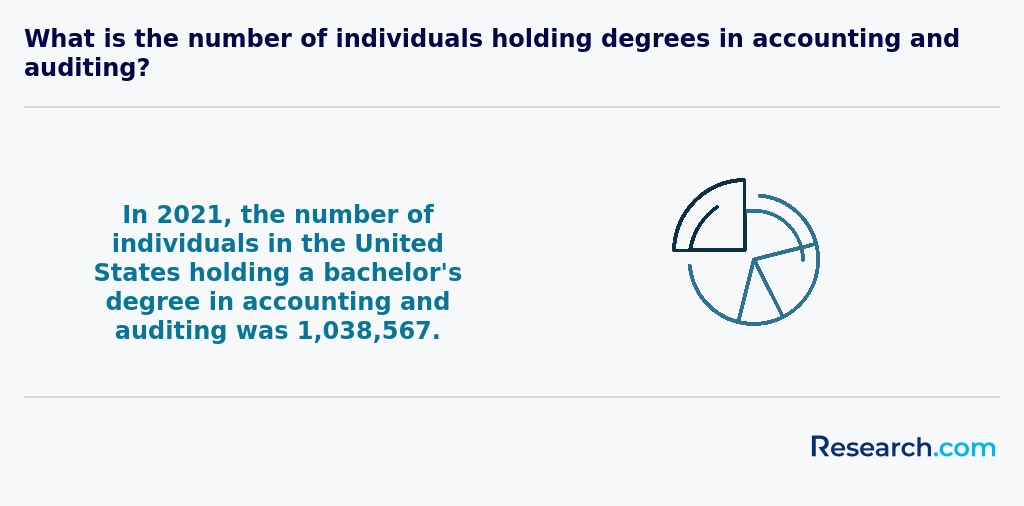
When evaluating accounting programs in Abilene, TX, it’s important to understand how they measure up against regional and national standards for cost, curriculum rigor, and career outcomes. On average, the national median tuition for a bachelor’s in accounting is $36,440 per year, compared to Abilene’s in-state public rate of $6,892. This significant difference underscores the affordability of local options, but students should also consider the return on investment (ROI) in terms of graduate salaries and job placement rates. Nationwide, accountants earn a median salary of $68,000, while Abilene graduates in roles like Staff Accountant report average wages of $86,740-well above the national norm. Curriculum content and specializations are another key factor. Many top programs across the U.S. emphasize advanced analytics, forensic accounting, and integrated technology platforms. Abilene’s institutions remain competitive by offering hands-on projects in financial reporting and audit simulations, but prospective students may also explore alternative affordable programs in larger markets. For example, prospective candidates interested in balancing cost with cutting-edge coursework can review our Affordable Accounting Degree Programs Ranking in Seattle, WA to compare online and hybrid delivery models that complement traditional campus learning. Finally, career services and internship pipelines vary by region. While Abilene’s universities maintain strong partnerships with local firms-facilitating 80% internship-to-job conversion rates-larger metropolitan programs often leverage national corporate ties and alumni networks. Understanding these differences helps students set realistic expectations for professional development and long-term earnings potential, ensuring they choose an accounting degree program that aligns with both their budget and career ambitions.
Students pursuing an accounting degree in Abilene often rely heavily on a mix of federal, state, and local financial aid to manage tuition costs. For example, graduates from Hardin-Simmons University recall how Pell Grants, which can provide up to $7,395 annually without repayment, significantly eased their financial pressure during undergrad years. However, not every student qualifies for these grants, making federal student loans a common alternative, offering manageable repayment options despite concerns about future debt.
State aid through the Texas Grant program is another vital resource, especially for those attending public colleges in Abilene. Alumni frequently mention how this need-based scholarship helped bridge the gap between tuition and out-of-pocket expenses, provided they met academic standards.
Institutional scholarships at local schools like McMurry University also play a crucial role. Accounting students describe these funds as rewarding their academic achievements or financial hardships directly, reducing reliance on loans. Additionally, scholarships from professional groups like the Texas Society of CPAs offer encouragement and support for committed accounting students, though these often require proof of dedication and strong grades.
Many find that combining these aids with work-study or part-time jobs related to accounting creates a balanced approach, allowing them to gain experience while funding their education. This mix, while sometimes challenging, fosters a sense of accomplishment and readiness for post-graduate life in accounting.
Achieving CPA certification is a pivotal step for accounting graduates looking to elevate their career prospects and gain a competitive edge in the industry. A dedicated focus on CPA exam preparation not only solidifies the technical skills acquired during your degree but also enhances your professional credibility. Prospective candidates often benefit from structured study plans, review courses, and mentorship opportunities that guide them through the rigorous exam requirements. Moreover, preparing for the CPA exam cultivates discipline and deepens your understanding of complex accounting regulations and procedures, which can dramatically boost job performance and long-term career growth. In addition to exam success, pursuing continuous professional development through workshops, webinars, and industry conferences keeps you updated on evolving financial practices and regulatory changes. For a deeper insight into the certification process, including tips and resources, visit how to become a certified public accountant. Embracing CPA certification and ongoing professional development can open doors to advanced roles, improved earning potential, and a dynamic career within the accounting field.
Enrolling in an accounting degree program in Abilene typically requires a high school diploma or GED, which forms the baseline for most applicants. Graduates from Abilene Christian University often recall how strong math skills, particularly in algebra and statistics, proved essential in meeting admission standards and succeeding in early coursework. While some schools request SAT or ACT scores, many have shifted to a more holistic review, considering the overall academic record rather than relying solely on test results.
Students frequently mention the value of completing prerequisite courses such as economics and business fundamentals before starting the accounting major. For example, graduates from McMurry University describe how taking computer applications classes ahead of time helped them manage the technical demands of their studies with confidence.
Maintaining a GPA around 2.5 to 3.0 is often advised to ensure readiness for the quantitative rigor involved, but some institutions may weigh demonstrated motivation and relevant experiences equally. Letters of recommendation and personal statements, though not always mandatory, have been highlighted by successful applicants as opportunities to convey genuine interest and commitment to the field.
Accounting degree programs in Abilene typically include a core set of courses designed to build both practical skills and theoretical knowledge. At local colleges like Hardin-Simmons University, graduates recall how classes such as Financial Accounting provided hands-on experience in recording and summarizing financial transactions, which proved essential in internships and real-world jobs.
Managerial Accounting courses often resonate with students who enjoy problem-solving, as they focus on budgeting, cost analysis, and supporting internal business decisions. This direct application to business operations generated excitement for many graduates, offering clear career-relevant skills.
Taxation and Auditing are also fundamental, covering federal tax laws and compliance standards. Students from Abilene Christian University found these classes challenging but rewarding, preparing them well for CPA exam requirements.
Complementary courses like Business Law and Accounting Information Systems give students a broader understanding of the legal and technological context of accounting, enhancing their adaptability in diverse workplaces.
These offerings reflect an effort across Abilene's institutions to balance comprehensive training with real-world relevance, helping students transition confidently into accounting careers.
Accounting degree specializations in Abilene commonly include Financial Accounting, Managerial Accounting, Tax Accounting, and Auditing, reflecting core areas vital to many career paths. Graduates from popular local colleges often share how specializing in Financial Accounting helped them confidently analyze business financial statements, a skill highly regarded in both public and corporate sectors. Managerial Accounting, focused on budgeting and decision-making, appeals to those drawn to strategic roles within companies, offering practical insights that proved useful during internships at Abilene-based businesses.
Other Abilene accounting program focus areas such as Tax Accounting provide students with detailed understanding of tax laws and compliance, which is crucial given the complexities of federal and state regulations. Auditing specialization trains students in examining financial records to uphold transparency, a responsibility several graduates found rewarding as it directly impacts trust in financial reporting. Some programs also offer Forensic Accounting and Information Systems Accounting, appealing to students interested in fraud detection or integrating IT systems with accounting practices.
Choosing a focus can depend greatly on personal interest and career ambition. For those considering certification, understanding how to become a certified public accountant is an important step, often influenced by the specialization selected during their studies.
Choosing the best accounting degree programs in Abilene involves weighing multiple factors beyond just tuition costs. Graduates from Abilene Christian University and McMurry University often emphasize how accreditation from respected agencies assures that the curriculum is relevant and recognized in the professional accounting community. This is crucial for those aiming to pass certification exams like the CPA and to build confidence in their qualifications.
Many students also reflect on the importance of comprehensive curricula that include real-world applications such as internships and training with current accounting software. Such practical experience, common in these Abilene colleges, makes a tangible difference when starting careers in the local financial sector, where demand for skilled accountants has steadily grown.
Cost concerns are natural, especially when balancing life in Texas. For those prioritizing affordability, exploring options like the best affordable online master of science in accounting can be a smart alternative. Ultimately, assessing graduation rates, faculty expertise, and class size helps students select programs that align with both their academic goals and personal learning preferences in Abilene's dynamic environment.
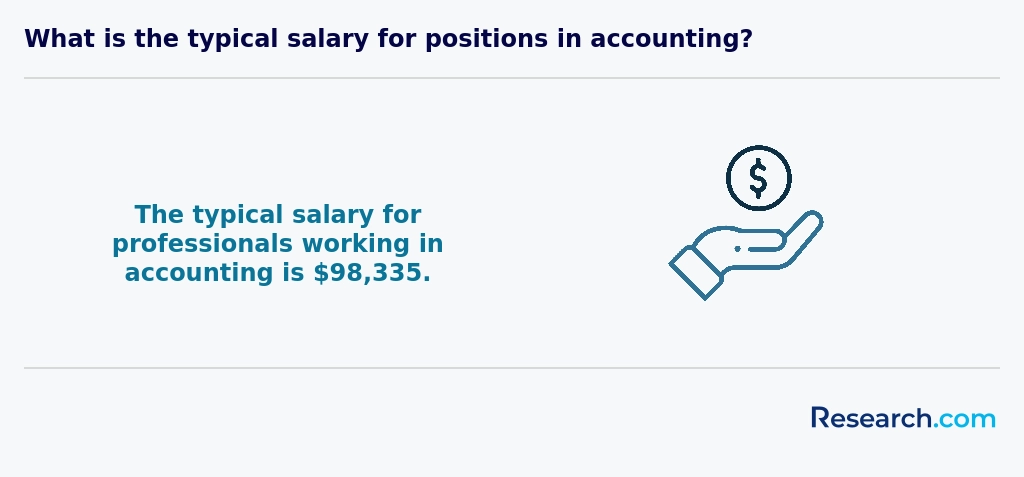
Graduates with an accounting degree in Abilene often find themselves weighing several career paths, each with its own set of challenges and rewards. Roles such as Certified Public Accountant (CPA), Management Accountant, Internal Auditor, Financial Analyst, and Tax Advisor are commonly pursued, reflecting the region's diverse industry base. For instance, graduates from Hardin-Simmons University describe their transition into local government agencies and private firms, appreciating the steady demand for compliance expertise amidst evolving tax laws. However, some note that competition can be stiff, particularly for coveted positions in healthcare or manufacturing sectors.
Considering accounting career opportunities in Abilene, it's clear that local economic activity supports moderate job growth, but graduates often need to enhance their credentials with certifications like CPA or CMA to stand out. Those exploring tuition options might find value in comparing programs, as seen in the Affordable Accounting Degree Programs Ranking in Seattle, WA, which, although focused elsewhere, offers insights on managing educational costs effectively.
The job market for accounting degree job opportunities in Abilene remains steady, supported by local industries such as healthcare, manufacturing, and education. Graduates from popular institutions like Hardin-Simmons University often find roles as staff accountants or financial analysts within hospitals or schools, where understanding specialized billing and compliance is crucial. Many graduates highlight the value of professional certifications like CPA, which employers in Abilene increasingly prefer to enhance credibility and job prospects.
Salary expectations align closely with Texas state averages, with starting salaries near $50,000 and experienced accountants earning upwards of $90,000. This creates an attractive career outlook for those entering the field. Additionally, pursuing an accounting degree locally is cost-effective; public universities in the area offer relatively low tuition compared to national averages, making it appealing for students prioritizing affordability. Those seeking accelerated options might explore fast paced degree programs for quicker entry into the workforce.
When considering Abilene accounting career outlook 2027, it's important to note that while growth aligns with national trends, job seekers should remain adaptable to evolving industry demands for technology and regulatory skills.
2027 Most Popular Accounting Degree Programs Ranking in Abilene
Investing in your education is a significant decision that can shape your future, and the Research.com team understands the importance of making informed choices. To assist prospective students in Abilene, we have meticulously crafted the "2027 Most Popular Accounting Degree Programs Ranking in Abilene." Our commitment to quality, credibility, and accuracy is reflected in the extensive research and analysis conducted to compile this ranking.
We utilized the following reputable data sources to ensure a comprehensive evaluation of accounting programs:
By exploring this ranking, readers will gain valuable insights into the most popular accounting degree programs available in Abilene, empowering them to make confident and well-informed decisions about their educational journeys. For more details on our methodology, please visit our Research.com methodology page.


Frequently Asked Questions About accounting
Accounting degree students in Abilene can maximize their learning experience by engaging actively with both academic and practical opportunities. Enrolling in local universities such as Abilene Christian University, which offers rigorous accounting programs accredited by AACSB, ensures a strong theoretical foundation.
Students should pursue internships with local firms to gain hands-on experience and build professional networks. The Abilene CPA Society often provides valuable workshops and mentoring for students preparing for the CPA exam.
Utilizing resources like tutoring centers and participating in student accounting organizations can further enhance skill development. According to the Texas Workforce Commission, the demand for accountants in Abilene is projected to grow modestly through 2030, highlighting the importance of practical experience alongside coursework.
The accounting field is evolving quickly, with new niches gaining importance, especially for students pursuing degrees in Abilene. One rising area is forensic accounting, which involves investigating financial fraud and disputes. Demand for experts in this field grew by around 15% nationally over recent years, according to the Bureau of Labor Statistics.
Another emerging niche is environmental accounting, where professionals track costs related to sustainability and regulatory compliance. Businesses in Texas increasingly prioritize this due to tighter environmental laws.
Technology integration is also key. Accounting information systems specialists use software and data analysis to enhance financial reporting. Local Abilene firms have expressed growing interest in these skills to improve efficiency, as highlighted in a 2023 report by the Abilene Chamber of Commerce.
After completing an accounting degree in Abilene, preparing for the job market involves several key steps. First, gaining relevant experience through internships or part-time positions is crucial. Local firms in Abilene often offer opportunities that help build practical skills and professional networks. According to the U.S. Bureau of Labor Statistics, accounting jobs in Texas are projected to grow by 6% from 2021 to 2031, signaling steady demand.
Second, obtaining certifications like the CPA (Certified Public Accountant) can significantly enhance job prospects. Many employers in Abilene prioritize candidates with CPA credentials.
Networking through local professional groups, such as the West Texas CPA Society, also provides access to job leads and industry insights.
Employers in Abilene seek accounting graduates with strong analytical skills, essential for interpreting financial data accurately. Attention to detail is equally crucial, as even minor errors can lead to significant issues in financial reporting.
Proficiency in accounting software, like QuickBooks and Microsoft Excel, is highly valued. According to the Texas Workforce Commission, nearly 70% of accounting roles in Abilene require advanced technology skills as of 2023.
Effective communication skills, both written and oral, are important since accountants often present complex information to non-financial stakeholders.
Additionally, knowledge of US Generally Accepted Accounting Principles (GAAP) and tax regulations is fundamental for compliance and ethical reporting.
Finding internships in Abilene that align with an accounting degree involves leveraging local resources and networking opportunities. Abilene is home to several businesses and financial institutions, including banks and accounting firms, which regularly offer internship positions to students. Key strategies include connecting with career services at local colleges such as Abilene Christian University or McMurry University, both of which support accounting students in securing relevant internships.
Additionally, using online platforms like Handshake and LinkedIn focused on the Abilene region can provide updated internship listings. The Texas Workforce Commission reports that the accounting sector in Abilene has grown modestly, creating more opportunities for hands-on experience within the city. Attending local business events or joining professional groups such as the Texas Society of CPAs can also be valuable for networking and finding internships tailored to accounting.
An accounting degree significantly enhances career mobility and advancement opportunities in Abilene's local job market. With a growing demand for skilled accountants in the region's finance, healthcare, and energy sectors, degree holders can qualify for higher-paying and more specialized roles.
According to the U.S. Bureau of Labor Statistics, the median annual wage for accountants in Texas was approximately $77,000 as of 2023, with Abilene showing steady job growth in this field. Employers often prefer candidates with a formal accounting education as it demonstrates proficiency in key areas like auditing, taxation, and financial reporting.
Additionally, an accounting degree provides eligibility to pursue certifications such as CPA, which are highly regarded in Abilene and can further accelerate career advancement. Networking opportunities through local degree programs also connect students with regional employers, supporting upward mobility.
Studying for an accounting degree in Abilene equips students with essential skills for interdisciplinary roles by integrating knowledge from business, finance, and technology fields. Local programs emphasize practical applications such as data analysis, regulatory compliance, and communication skills. According to the Texas Workforce Commission, Abilene's economy includes growing sectors like healthcare and manufacturing, where accounting professionals collaborate across departments.
Courses often cover ethics, managerial accounting, and information systems, preparing graduates to work effectively with diverse teams. This broad approach reflects the evolving demands of employers who seek versatile employees capable of linking accounting expertise with strategic decision-making.
Choosing between a thesis and a non-thesis accounting degree program in Abilene depends on your career goals and learning preferences. A thesis option typically suits students interested in research or pursuing a doctorate, as it involves original research and a written dissertation. Non-thesis programs focus more on practical skills, often requiring additional coursework or internships instead of a research project.
According to data from the Texas Higher Education Coordinating Board, Abilene's accounting graduates predominantly enter local businesses or CPA firms, which may favor non-thesis degrees for their emphasis on applied skills. However, if you aim for academia or specialized research roles, a thesis might be beneficial.
Students based in Abilene who wish to study accounting abroad have several pathways through US higher education partnerships and exchange programs. Many universities offering accounting degrees in Abilene participate in international study abroad programs, allowing students to spend a semester or year at partner institutions overseas. For example, McMurray University encourages accounting majors to explore opportunities in countries with strong business sectors, such as the UK or Canada. These programs often provide internships and practical experience alongside academic courses.
Additionally, students can pursue dual-degree options or online courses from foreign universities while residing in Abilene. According to the Institute of International Education, about 2% of US accounting students take part in study abroad programs annually, signifying a growing interest in global business education.
Students pursuing accounting degrees in Abilene can benefit from various part-time job opportunities that complement their education. Positions such as bookkeeping assistants, accounting clerks, and tax preparation aides provide practical experience with financial record-keeping and software like QuickBooks. Employers in local businesses and firms often seek students to help with accounts payable and receivable, giving exposure to real-world accounting tasks.
According to the U.S. Bureau of Labor Statistics, entry-level accounting roles often require familiarity with financial reporting standards and data entry skills, which these positions develop effectively. Abilene's proximity to several small and medium enterprises offers a broad range of such roles, enhancing both skill and employability for graduates.
Accounting students in Abilene have access to a variety of networking opportunities through local universities and professional organizations. Abilene Christian University, for example, offers students chances to connect with accounting professionals via student chapters of national organizations like the American Institute of CPAs (AICPA) and Beta Alpha Psi. These groups often host events, guest speakers, and job fairs tailored to accounting careers.
Additionally, the Abilene Chamber of Commerce frequently organizes business networking events where accounting students can meet local employers and alumni working in finance sectors. Engaging in internships with local CPA firms provides practical contacts and strengthens professional networks.
Alumni networks play a significant role for accounting degree students in Abilene by offering valuable professional connections. These networks often provide mentorship opportunities, helping students understand local industry expectations and career paths.
In Abilene, accounting alumni frequently collaborate with universities to host networking events and career fairs, connecting students with regional employers. According to data from the Texas Workforce Commission, nearly 35% of new accounting positions in the area are filled through networking and referrals, highlighting the importance of strong alumni ties.
Additionally, alumni can assist with internships and job placements, which are critical for gaining real-world experience. Overall, these networks enhance learning and employment prospects for students pursuing accounting degrees in Abilene.
In Abilene, students pursuing an accounting degree can tailor their programs by selecting elective courses that align with specific career goals such as tax accounting, auditing, or forensic accounting. Many local colleges offer flexible degree plans allowing students to focus on areas like corporate finance or government accounting. Additionally, students may enhance their education through internships with Abilene-based firms, providing practical experience and networking opportunities.
Accredited programs often provide options to prepare for certifications like the CPA exam, a critical step in advancing an accounting career in Texas. According to the Texas Workforce Commission, demand for accountants in the Abilene area is projected to grow steadily over the next decade, emphasizing the value of specialized skills.
Accounting students in Abilene often face several challenges typical of U.S. accounting education, combined with local factors affecting their experience. A common difficulty is mastering the complex regulations and standards required for the CPA exam, essential for career advancement. According to the Texas Society of Certified Public Accountants, the pass rate for first-time CPA exam takers in Texas is about 54%, underscoring the exam's rigor.
Many students also struggle to balance coursework with internships or part-time jobs, which are crucial for local networking and practical experience in Abilene's mid-sized economy.
Additionally, access to specialized accounting technology training remains limited for some programs, making it harder to stay updated with software widely used in regional firms.
An accounting degree earned in Abilene opens several professional certification pathways valuable in the US job market. The most recognized credential is the Certified Public Accountant (CPA) license, which requires candidates to meet education and experience criteria and pass the Uniform CPA Exam. CPA holders often earn higher salaries and enjoy broader career options.
Another option is the Certified Management Accountant (CMA) certification, focused on financial management and strategic business analysis. This is ideal for those seeking roles in corporate accounting or finance.
The Certified Internal Auditor (CIA) certification suits professionals interested in auditing and risk management.
Local accounting firms in Abilene frequently value these certifications and support continuing education, reflecting national trends reported by the American Institute of CPAs (AICPA).
To write a winning application for an accounting program in Abilene, start by clearly demonstrating your passion for accounting. Admissions committees in Texas emphasize strong academic records, especially in math and business-related courses. Highlight any relevant work experience or internships you have completed.
Be sure to include a well-crafted personal statement that explains why you want to pursue accounting and how you plan to use your degree. According to the Texas Higher Education Coordinating Board, programs in Abilene look for applicants who display both analytical skills and ethical awareness.
Also, prepare to submit strong letters of recommendation from teachers or employers who can attest to your abilities. Finally, pay close attention to application deadlines and required standardized test scores, such as the SAT or ACT, which remain important for many schools.
The global perspective on an accounting career highlights growing opportunities driven by increased international trade and business regulations. Accountants who understand global standards like IFRS, alongside U.S. GAAP, are highly valued. In Abilene, Texas, accountants benefit from this trend as local firms work with both domestic and international clients.
According to the U.S. Bureau of Labor Statistics, the demand for accountants and auditors is expected to grow 7% from 2021 to 2031 nationwide, reflective of globalization's impact. Abilene's regional economy, including healthcare and manufacturing sectors, increasingly requires professionals skilled in cross-border financial reporting.
This international orientation enhances career flexibility for accounting graduates in Abilene, widening job prospects beyond local markets.
Gaining practical experience while studying for an accounting degree in Abilene is essential for career readiness. Many local colleges, such as Abilene Christian University and McMurry University, encourage students to participate in internships with regional accounting firms or businesses. These internships provide hands-on experience in bookkeeping, auditing, and tax preparation.
Additionally, students can join campus accounting clubs or honor societies, which often offer networking events and workshops. Some schools collaborate with the Abilene Chamber of Commerce to connect students with local employers.
The Texas Workforce Commission reports that internships increase job placement rates by up to 20% for accounting graduates statewide.
Choosing the right concentration within an accounting degree program in Abilene involves understanding your career goals and the local job market. Common concentrations include auditing, tax accounting, forensic accounting, and managerial accounting. Abilene's economy, with sectors like healthcare, education, and retail, may influence demand for specific skills.
Research from the Texas Workforce Commission shows a steady increase in demand for accountants skilled in taxation and auditing in the region. Consider programs that offer practical experience or internships linked to Abilene businesses or governmental agencies.
Accreditation and faculty expertise also matter when selecting your concentration, ensuring recognized qualifications and updated curricula.
- 2027 Most Popular Accounting Degree Programs Ranking in Dallas
- 2027 Most Popular Accounting Degree Programs Ranking in San Antonio
- 2027 Most Popular Accounting Degree Programs Ranking in Houston
- 2027 Most Popular Accounting Degree Programs Ranking in Conway
- 2027 Most Popular Accounting Degree Programs Ranking in Jackson
- 2027 Most Popular Accounting Degree Programs Ranking in Denver
- 2027 Most Popular Accounting Degree Programs Ranking in Memphis
- 2027 Most Popular Accounting Degree Programs Ranking in New Orleans
- 2027 Most Popular Accounting Degree Programs Ranking in Saint Louis
- 2027 Most Popular Accounting Degree Programs Ranking in Birmingham
See What Experts Have To Say About Studying Accounting
Read our interview with Accounting experts

John Wermert, Ph.D., CPA
Accounting Expert
Associate Professor of Accounting
Middle Tennessee State University

Yaw M. Mensah
Accounting Expert
Professor and Interim Vice Dean for Strategic Partnerships
Rutgers Business School

- 6 accounting niches for your new firm https://www.becker.com/blog/career/accounting-niches-for-your-firm
- Accounting Career: Outlook and Overview | DeVry University https://www.devry.edu/blog/accounting-career-outlook.html
- Why Is Accounting So Hard? Understanding Challenges and Misconceptions https://www.glasscubes.com/why-is-accounting-so-hard-understanding-challenges-and-misconceptions/
- 8 Accounting Niches You Should Consider | Accountancy | Bingparse https://www.icslearn.co.uk/blog/accountancy/8-accounting-niches-you-should-consider/
- Why International Career Mobility is Key to Attracting the Next Generation of Professional Accountants https://www.ifac.org/knowledge-gateway/discussion/why-international-career-mobility-key-attracting-next-generation-professional-accountants
- Harnessing the Power of an Alumni Network | Friend & Grant Accountants https://www.friendandgrant.co.uk/blog/how-to-harness-the-power-of-alumni-networks/
- Expectations of accounting students in relation to their ... https://sevenpubl.com.br/anais7/article/download/4780/8840/19578
- Tips for University Graduates Looking to Land Their First Accounting Job https://www.elby.ca/blog/2022/04/27/tips-for-university-graduates-looking-to-land-their-first-accounting-job/
- Why CA Firms Can't Afford to Overlook Alumni Networks: A Key Strategy for Growth and Success https://hoopstr.ai/corporate-resource-center/blog/why-ca-firms-need-to-adopt-corporate-alumni-programs-for-growth-and-success-in-a-changing-industry
- How Long Does It Take to Get an Accounting Degree? https://www.warnerpacific.edu/blog/how-long-does-it-take-to-get-accounting-degree/