2027 Most Popular Accounting Degree Programs Ranking in Alabama

Co-Founder and Chief Data Scientist
Choosing the right accounting degree program in Alabama is an important step toward a successful career. This article features the 2027 Most Popular Accounting Degree Programs Ranking in Alabama, created by the Research.com team of data scientists. It's designed to help you make an informed choice about which programs truly stand out.
Understanding your options can boost your confidence as you plan your future. An accounting degree offers strong job prospects and valuable skills that open doors in many industries.
Explore the ranking to discover programs worth considering and take a positive step forward in your education journey.
Key benefits of getting accounting degree in Alabama
• Graduates with an accounting degree in Alabama can expect rewarding salaries, such as $90,780 annually for Staff Accountants and around $49,580 for roles like Bookkeepers and Tax Preparers, offering strong financial stability.
• Many accounting graduates from the University of Alabama launch careers in diverse fields like auditing, tax preparation, and financial management, providing numerous opportunities to grow and specialize.
• Earning an accounting degree online, as seen with students from Auburn University's online program, offers flexible schedules and affordability, making it easier to balance work, life, and education while still accessing quality instruction.
- 2027 Most Popular Accounting Degree Programs Ranking in Alabama
- What can I expect from accounting degree in Alabama?
- Where can I work with accounting degree in Alabama?
What can I expect from accounting degree in Alabama?
When considering the average cost of an accounting degree in Alabama, many students find the financial commitment surprisingly manageable, especially at public institutions. Graduates from universities like the University of Alabama or Auburn University often recall paying around $10,000 annually for in-state tuition, a figure that feels attainable when balanced against the quality of education and career prospects. This affordability allows students to focus more on mastering complex subjects, such as auditing or taxation, without the heavy burden of excessive debt.
Private colleges may ask for higher tuition, yet many graduates remember these institutions offering unique programs and valuable networking opportunities that heightened their enthusiasm and confidence for entering the workforce. Investing in an accounting degree here is often seen not just as a cost, but as a gateway to stable, rewarding careers, with practical experiences like internships that students treasure and view as crucial stepping stones toward CPA licensure.
Where can I work with accounting degree in Alabama?
Graduates with an accounting degree in Alabama find themselves welcomed into a variety of rewarding career paths. Many former students from institutions like the University of Alabama and Auburn University share how they transitioned smoothly into public accounting roles, working at firms throughout Birmingham and Mobile. These positions often involve auditing, tax preparation, or consulting, offering a solid foundation and opportunities for professional growth.
Others have found fulfilling roles in corporate accounting within Huntsville's aerospace and tech sectors, managing budgets and strategic financial planning for major employers. I've heard from alumni who enjoy the daily challenge of aligning financial practices with complex regulations-a dynamic reality that makes the work engaging and impactful.
Accounting graduates also report satisfaction working for government agencies, such as the Alabama Department of Finance, where they contribute directly to public accountability. For those who appreciate meaningful work in healthcare, hospitals statewide need skilled accountants to streamline billing and financial analysis.
These varied opportunities highlight how an accounting degree in Alabama can open doors to stable and rewarding careers tailored to different interests and industries.
Graduates with an accounting degree from schools like the University of Alabama or Auburn University can expect to start their careers in roles such as bookkeepers or tax preparers, with a mean annual wage around $49,580 according to BLS data. This gives new professionals a solid foothold in Alabama's job market, reflecting real earnings for many entering the field.
Moving beyond entry-level positions, those who step into staff accountant roles benefit from a notable jump, earning an average of $90,780 annually. Graduates who pursued rigorous coursework and earned certifications like the CPA often find themselves well-positioned to command these higher wages.
Many graduates share stories of their first jobs in Birmingham or Huntsville, where local companies value the specialized skills honed at Alabama's prominent accounting programs. Their experience shows that early-career salaries align closely with these BLS averages, and with focus and dedication, those numbers tend to grow steadily.
This financial progression underscores how an accounting degree in Alabama translates into tangible rewards, supporting both professional growth and personal fulfillment.
- In-state tuition for public universities in Alabama ranges from $10,000 to $12,000 per year, while private universities charge between $25,000 and $35,000 annually.
- Entry-level accountants in Alabama earn an average annual salary of about $52,000, with experienced accountants making around $75,000 within five to ten years.
- Alabama's economy supports diverse accounting jobs in manufacturing, finance, and healthcare, including roles in auditing, taxation, and financial analysis.
- To become a licensed CPA in Alabama, students must complete an AACSB-accredited accounting degree and earn 150 credit hours, which may require a master's degree.
- Several Alabama universities offer internship and cooperative education programs that provide hands-on experience and improve job placement chances.
Completing an accounting degree in Alabama generally takes about four years for a bachelor's degree when attending full time at institutions like the University of Alabama or Auburn University. Graduates from these programs often reflect on the structured timeline, noting that the combination of core business classes and specialized accounting courses fits well within this period.
For those starting at community colleges, such as Jefferson State Community College, the associate degree usually requires around two years. Many students appreciate this path as a more affordable and flexible step toward a bachelor's degree, especially when transferring credits to larger universities.
Students pursuing a master's degree in accounting find that an extra one to two years is typical, although some enroll in combined bachelor's/master's options offered by certain Alabama universities, completing both within about five years. Alumni often recall how summer courses and full-time enrollment accelerated their studies, making the journey feel manageable and rewarding.
Choosing between online and on-campus accounting degrees in Alabama often comes down to lifestyle and learning preferences. Graduates from the University of Alabama recall how on-campus programs offered a vibrant campus life filled with face-to-face interactions, study groups, and immediate access to resources like accounting labs and career fairs. This environment can foster strong local connections, which many found invaluable when pursuing internships or jobs in the state.
Conversely, graduates from Auburn University praise the flexibility of online programs, especially those balancing work and family. Online coursework allows them to study during evenings or weekends without the stress of commuting or rigid class times. Many found that despite learning remotely, the quality of instruction and curriculum matched the on-campus experience, as Alabama's public universities maintain consistent academic standards for both formats.
Both paths require commitment and meet Alabama's CPA exam prerequisites, but the emotional experience differs. Online students often feel empowered by managing their schedules, while on-campus students enjoy the energy of live collaboration. Understanding your own rhythms and goals is key in making this decision.
To find the most affordable accounting schools in Alabama, prospective students should consider factors such as tuition fees, scholarship opportunities, and the overall cost of attendance. Many institutions in Alabama offer competitive pricing for their accounting programs, making it essential for students to research and compare these costs. For instance, students can explore the most affordable accounting schools in Alabama to find a program that fits their budget and meets their academic needs. By doing so, students can make informed decisions about their educational investments and set themselves up for success in their future careers.
The average cost of an accounting degree in Alabama reflects a balance between public and private institution rates, with the median total tuition fees around $35,869. For many students, especially those attending popular universities known for their accounting programs, the in-state total cost averages closer to $12,132, making it a more accessible option for Alabama residents. Graduates often recall managing expenses with a mixture of determination and budgeting discipline, particularly during their sophomore and junior years when course loads intensify.
Those enrolled in well-regarded accounting programs at public universities experience tuition that is comparatively affordable, often supplemented by state-specific financial aid and scholarships. An accounting graduate from a prominent Alabama public institution described feeling a sense of relief upon realizing how the combination of in-state tuition and financial assistance helped reduce the financial burden, allowing a stronger focus on mastering accounting concepts rather than worrying about finances. This realistic picture of education costs provides clarity on the average cost of accounting degree in Alabama and fuels enthusiasm for future career opportunities.
In contrast, private colleges in Alabama present a different financial landscape, with tuition fees that can range from $20,000 to $30,000 annually. While some graduates from private institutions recount initial concerns about steep tuition, many embrace scholarships and savings strategies, which soften the impact. For prospective students considering options, it's valuable to explore the most affordable accounting schools in Alabama to find programs that match their budget without compromising quality.
Ultimately, understanding Alabama accounting degree total tuition fees helps students weigh their choices carefully, balancing educational aspirations with realistic financial planning to ensure the pursuit of an accounting degree is both achievable and rewarding.

A strong addition to the article would be a section that explores how certificate programs and ongoing professional development can complement degree studies in accounting. This topic not only enhances a student's competitive edge in the job market but also reinforces the commitment to lifelong learning-a key factor in staying updated with evolving industry standards and technologies. Students and professionals alike benefit from certificate programs that provide specialized skills, practical knowledge, and networking opportunities. For instance, many prospective accountants wonder about the time investment required for additional credentials; you can learn more by checking out how long does certificate in accounting take. This section can discuss the importance of obtaining certifications such as CPA, CMA, or specialized certificates in forensic accounting, taxation, or financial analytics, and outline how these credentials enhance career prospects. Furthermore, incorporating real-world examples, tips on finding accredited programs, and an overview of the cost-benefit analysis of certificate courses will help establish trust and authority while improving SEO and user engagement.
When pursuing an accounting degree in Alabama, many students quickly discover that financial aid is a crucial support system. Graduates from universities like the University of Alabama often share how completing the FAFSA opened doors to federal grants and low-interest loans, significantly easing their financial worries. For example, the Pell Grant can reduce tuition costs by up to $7,395 annually, lightening the load for those with demonstrated need.
State programs such as the Alabama Student Assistance Program provide additional targeted help, especially for residents enrolled in accounting programs at two-year and four-year colleges. Graduates recall how these need-based grants, combined with merit scholarships from institutions like Auburn University, made the journey more affordable and motivated them to excel.
Private scholarships from professional groups and employer tuition assistance also play vital roles. Many students found encouragement through awards from the Alabama Society of CPAs, which recognize leadership and academic excellence, creating a supportive community around their studies.
Opting first for community college and then transferring has been another wise strategy for some, allowing them to save money and still achieve a bachelor's degree in accounting efficiently.
Earning your CPA license in Alabama involves meeting specific educational, examination, and experience criteria set by the Alabama State Board of Public Accountancy. First, candidates must complete at least 150 semester hours of college coursework, which typically includes a bachelor’s degree in accounting plus additional credits in business or related fields. Many students fulfill this requirement by pursuing a Master of Accountancy or enrolling in post-baccalaureate certificate programs. Next, applicants must pass the four sections of the Uniform CPA Examination-Auditing and Attestation, Business Environment and Concepts, Financial Accounting and Reporting, and Regulation-administered by the AICPA. It’s essential to prepare with CPA review courses that cover Alabama-specific tax laws and regulations. In addition to education and exam completion, the Board requires one year (2,000 hours) of supervised experience under a licensed CPA. This experience should include attest, attest-related, compilation, management advisory, tax, or consulting services. Once these prerequisites are met, candidates must pass the Alabama Jurisprudence and Ethics Examination, which assesses knowledge of state statutes, professional conduct standards, and ethical guidelines. After obtaining licensure, CPAs in Alabama must complete 20 hours of continuing professional education (CPE) annually, including at least 4 hours in ethics. Maintaining records of CPE credits and renewing the license each year ensures compliance and upholds the highest standards of public trust. For students weighing program costs while planning their path to licensure, exploring affordable options can be invaluable. You might also find the Cheapest Accounting Degree Programs Ranking in District of Columbia a helpful benchmark for comparing tuition rates and ROI across regions.
Enrolling in an accounting degree program in Alabama typically requires a solid foundation in math and business, reflecting the practical nature of the field. Graduates from institutions like the University of Alabama often recall how their strong high school math background, especially in algebra and statistics, gave them confidence to tackle early accounting courses. Many programs expect applicants to hold a high school diploma or GED, with coursework that leans heavily toward quantitative skills.
Standardized tests such as the SAT or ACT remain important for some universities, though schools like Auburn University offer flexible policies that consider broader academic strengths. Successful students usually highlight how a good math score helped them stand out during admissions. Maintaining a GPA around 2.5 to 3.0 is common, yet more competitive programs may ask for higher marks or related courses in economics or introductory accounting.
For those pursuing graduate studies in Alabama, a relevant bachelor's degree with a strong GPA and GRE or GMAT scores become essential. Many graduates emphasize the value of letters of recommendation and a clear statement of purpose to reflect their dedication and readiness for advanced study.
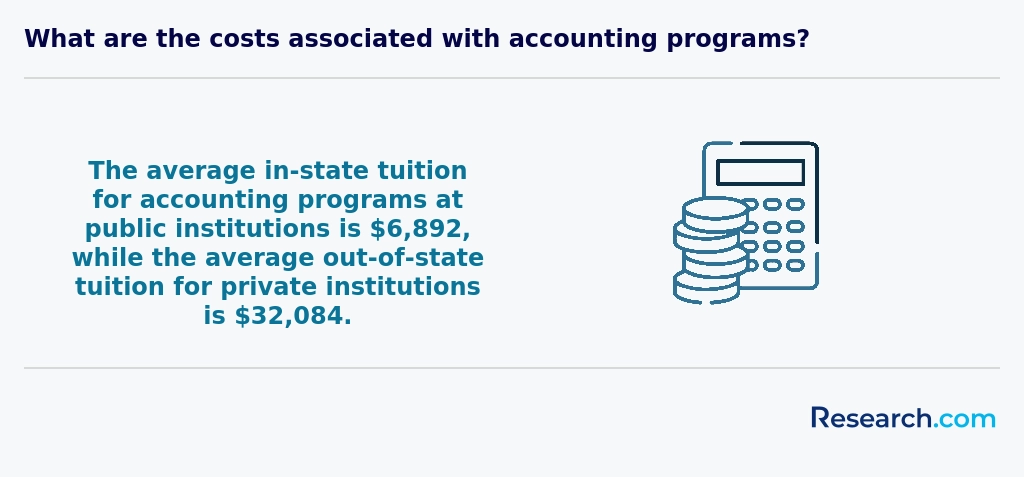
Earning a recognized credential is a pivotal step toward enhancing your expertise and marketability in Alabama’s competitive accounting job market. Many students begin their professional journey with a foundational certificate in bookkeeping, which equips them with core skills in recording transactions, reconciling accounts, and preparing basic financial statements. Building on this base, graduates can pursue advanced certifications that validate specialized knowledge and unlock higher salary potential. Key certifications and licensure pathways include:
- Certified Public Accountant (CPA): The gold standard, required for public accounting roles and highly valued by employers. Candidates must pass the Uniform CPA Exam and meet the Alabama State Board of Public Accountancy’s education and experience requirements.
- Certified Management Accountant (CMA): Focused on management accounting and financial strategy, the CMA credential demonstrates expertise in budgeting, performance management, and decision support.
- Certified Internal Auditor (CIA): Ideal for those pursuing auditing careers, the CIA designation verifies proficiency in governance, risk management, and internal control processes.
- Certified Fraud Examiner (CFE): Equips professionals with investigative techniques to detect, prevent, and report financial fraud, aligning with growing demand for forensic accounting skills.
- Chartered Global Management Accountant (CGMA): Offered jointly by AICPA and CIMA, this designation emphasizes global business acumen and strategic management. To become licensed, aspiring CPAs in Alabama must complete 150 semester hours of education, pass all four sections of the CPA Exam, and accrue one year of relevant work experience under a licensed CPA’s supervision. Each credential has distinct eligibility criteria, exam structures, and continuing education requirements-ensuring accountants remain current with evolving standards. Pursuing these certifications not only boosts credibility but also opens doors to leadership roles in public accounting firms, corporate finance departments, government agencies, and consulting practices.
Accounting degree programs in Alabama emphasize a strong foundation in core courses like Financial Accounting and Managerial Accounting, equipping students with skills to interpret financial statements and manage internal business decisions. Graduates from popular institutions, such as the University of Alabama or Auburn University, often reflect on how courses in Auditing and Taxation helped them gain confidence in handling real-world financial compliance and tax scenarios.
Many find that Accounting Information Systems is especially valuable, as it bridges technology with accounting practices, preparing students for modern workplaces. Business Law classes provide the necessary understanding of legal frameworks affecting business, which graduates credit with helping them navigate complex regulatory environments during internships.
Additionally, students appreciate the inclusion of Finance and Economics to grasp broader market influences, while statistics and quantitative methods sharpen their analytical thinking. Ethical considerations are woven throughout, reinforcing trust and integrity-qualities Alabama students recognize as essential when advancing toward certifications like the CPA. Overall, these courses prepare students not only to pass exams but feel assured in their professional roles.
Students pursuing accounting degree specializations in Alabama often find tailored paths that reflect the state's professional landscape and regulatory requirements. Graduates from well-known institutions like the University of Alabama or Auburn University frequently choose public accounting, a specialization that aligns closely with becoming a Certified Public Accountant (CPA) by meeting Alabama's specific credit-hour criteria. This specialization opens doors to tax preparation, auditing, and consulting roles that offer steady career growth and professional satisfaction.
Another favored choice among students is managerial accounting, which equips them with skills in budgeting and financial planning crucial for roles within Alabama's diverse business sectors. Many graduates share how this focus prepared them to support companies in making strategic, data-driven decisions.
For those drawn to investigative work, forensic accounting has emerged as a growing specialization in Alabama, perfectly blending accounting with legal insight to address fraud and complex disputes. Tax accounting also attracts students interested in Alabama's unique tax regulations, offering promising jobs in both government and private sectors.
Auditing completes the spectrum, emphasizing financial statement accuracy and compliance, a vital service praised by many Alabama-based companies. Prospective students eager to explore all options, including certificate alternatives, often ask how long does certificate in accounting take.
With Alabama accounting concentration options this diverse, students find themselves well-prepared for varied and fulfilling careers.
Choosing the best accounting degree in Alabama starts with understanding the value of accreditation and program quality. Graduates from universities like the University of Alabama and Auburn often reflect on how AACSB-accredited programs gave them a solid theoretical foundation paired with hands-on experiences, which made the CPA exam preparation more manageable. If you want to join their ranks, check whether the curriculum aligns with Alabama's requirement of 150 credit hours for CPA eligibility.
Many students also consider affordability when searching for the best accounting degree programs in Alabama. Public universities often provide in-state tuition around $10,000 per year, which eases financial stress compared to pricier private colleges. Stories from peers reveal that scholarships and financial aid can further reduce costs, making the journey less daunting and more hopeful.
Practical experience is just as vital. Graduates often praise programs with robust internships in Birmingham or Huntsville, which connect classroom learning to real-world accounting tasks. If your interests lie in specialized areas, exploring options like forensic accounting or even earning a certificate in bookkeeping can add valuable skills relevant to Alabama's job market.
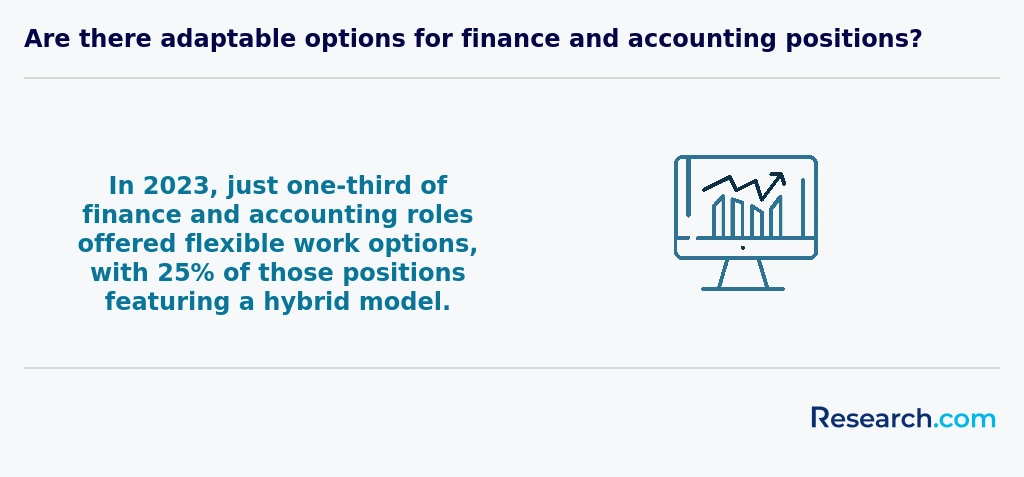
Accounting degree holders in Alabama discover diverse career paths that match the state's dynamic economy. Graduates from institutions like the University of Alabama and Auburn University often find rewarding roles in public accounting, where they apply tax and audit expertise to assist clients ranging from small businesses to large corporations. These jobs in metropolitan hubs such as Birmingham and Huntsville are especially appealing because of the growing demand for CPA professionals.
Some graduates pursue corporate accounting positions within Alabama's industrial sectors, including automotive manufacturing and aerospace. Handling budgeting and internal financial strategies here offers a practical and steady career, evidenced by alumni sharing how these roles provide both challenge and satisfaction. Exploring jobs with accounting degree Alabama also reveals opportunities in forensic accounting and government roles, where investigative skills and public fund management are crucial.
Candidates should be mindful of education costs when planning their future. Many appreciate that public universities provide affordable options; some students turn to resources like the Cheapest Accounting Degree Programs Ranking in District of Columbia for comparison. Overall, the range of accounting careers in Alabama offers graduates a hopeful and stable path forward.
The job market for accounting degree holders in Alabama remains robust, offering steady opportunities in cities like Birmingham, Huntsville, and Montgomery. Graduates from popular institutions such as the University of Alabama and Auburn University often find roles ranging from entry-level accountants to senior financial analysts. These roles are spread across diverse sectors including manufacturing, healthcare, and government agencies, reflecting strong demand in the region. Many accounting degree job outlook Alabama reports emphasize that candidates who earn CPA certification see enhanced hiring prospects and better salaries.
Several graduates share how their affordable education costs at Alabama public universities helped them enter the workforce with less financial stress compared to peers elsewhere. The average salary of about $65,000 is competitive locally, especially when paired with a lower cost of living. Those who specialize in forensic accounting or tax preparation often enjoy increased opportunities. For students considering further education, exploring best 1 year masters programs can be a wise step in advancing their careers within Alabama accounting career opportunities 2027 and beyond.
2027 Most Popular Accounting Degree Programs Ranking in Alabama
Investing in your education is a significant decision that can shape your future, and the Research.com team recognizes the importance of providing trustworthy and precise information to support that choice. To guide prospective students interested in accounting, we have carefully developed the "2027 Most Popular Accounting Degree Programs Ranking in Alabama." Our dedication to quality, credibility, and accuracy is demonstrated through thorough research and data analysis.
We utilized the following reputable data sources to ensure a comprehensive evaluation of accounting programs:
By exploring this ranking, readers will gain valuable insights into top accounting degree programs in Alabama, empowering them to make well-informed decisions about their educational pathways. For a detailed explanation of how this ranking was created, please visit our Research.com methodology page.


# 10 position
Jacksonville State University
Bachelor of Science in Business Administration (Accounting major)


# 13 position
University of Alabama in Huntsville
Bachelor of Science in Business Administration (BSBA) in Accounting


Frequently Asked Questions About accounting
Accounting degree students in Alabama can maximize their learning experience by combining classroom study with practical opportunities. Many universities in the state, including the University of Alabama and Auburn University, offer programs accredited by the AACSB, known for high-quality accounting education.
Engaging in internships with local firms in cities like Birmingham or Huntsville provides hands-on experience that complements academic knowledge. According to the Alabama Department of Labor, the state's demand for accountants is projected to grow by 7% through 2030, highlighting strong job prospects for graduates.
Students should also consider joining professional organizations such as the Alabama Society of Certified Public Accountants to network and access resources.
Emerging niches in the accounting field reflect the evolving needs of businesses and regulatory environments. In Alabama, specialization in forensic accounting is gaining traction due to increasing demand for fraud detection and litigation support. The Alabama Society of CPAs notes that forensic accountants are becoming essential in uncovering financial misconduct.
Another fast-growing area is environmental accounting, where professionals assess costs related to sustainable practices and regulatory compliance. This niche aligns with national trends emphasizing corporate social responsibility.
Technology-driven fields like data analytics and cybersecurity accounting are also expanding. Accountants with skills in analyzing big data and securing financial information are sought after, especially by firms in Birmingham and Huntsville.
After completing an accounting degree in Alabama, preparing for the job market requires a combination of education, experience, and networking. Many employers seek candidates with practical skills, so securing internships or cooperative education opportunities during study can be essential. According to the Alabama Department of Labor, the demand for accountants in the state is projected to grow by 7% through 2030, aligning with the national average.
Graduates should also consider obtaining certifications like the CPA, which is highly valued in Alabama's accounting field. Meeting the 150-semester hour requirement and passing the Uniform CPA Exam enhances job prospects. Additionally, joining professional organizations such as the Alabama Society of CPAs can help expand professional networks and access job listings.
Soft skills such as communication, critical thinking, and proficiency with accounting software also play a significant role in employment readiness. Overall, combining formal education with practical experience and certification efforts increases competitiveness in Alabama's accounting job market.
Employers in Alabama seek accounting graduates with strong technical knowledge and practical skills. Proficiency in Generally Accepted Accounting Principles (GAAP) and familiarity with accounting software like QuickBooks and Microsoft Excel are essential. Communication abilities, both written and verbal, rank high as collaboration with clients and teams is common.
Critical thinking and problem-solving skills help graduates analyze financial data effectively. According to the Alabama Department of Labor, demand for accountants with advanced data analysis and auditing skills is increasing. Ethical judgment and attention to detail are also critical due to regulations in financial reporting.
Finding internships in Alabama related to an accounting degree involves several practical steps. Start by exploring internship listings on university career portals, especially those of institutions with strong accounting programs like the University of Alabama or Auburn University.
The Alabama Society of CPAs offers resources and networking events that can connect students with local accounting firms.
Many internships are available at regional firms in Birmingham, Huntsville, and Mobile, where demand for accounting interns aligns with the state's growing business sectors.
Online job platforms such as Handshake and Indeed often list accounting internship positions specifically in Alabama.
Building relationships with faculty and attending career fairs can also improve opportunities.
An accounting degree from an accredited Alabama institution significantly enhances career mobility and advancement prospects within the state's finance sector. Employers in Alabama increasingly prefer candidates with a Bachelor's or higher in accounting, as this credential demonstrates essential knowledge of financial regulations and principles.
According to the Alabama Department of Labor, accounting roles are expected to grow by 7% through 2030, reflecting steady demand. Graduates with accounting degrees often qualify for Certified Public Accountant (CPA) licensure, a key step for career advancement and higher salaries in Alabama's competitive job market.
Professionals with accounting degrees can access diverse roles, including auditing, forensic accounting, and management positions. These opportunities contribute to upward mobility, especially in Birmingham, Huntsville, and Mobile-Alabama's largest economic hubs.
Studying for an accounting degree in Alabama offers strong preparation for interdisciplinary roles by combining core accounting skills with broader business knowledge. Programs often integrate courses in finance, economics, information systems, and management, reflecting the demand for versatile professionals. According to the Alabama Commission on Higher Education, many institutions include coursework on data analytics and regulatory compliance, equipping students with tools to navigate diverse business environments.
These interdisciplinary skills are crucial in sectors like manufacturing, healthcare, and government, which are prominent in Alabama's economy. Graduates can pursue roles that require understanding multiple facets of an organization, enhancing their adaptability and career prospects.
When choosing between a thesis and a non-thesis accounting degree program in Alabama, consider your career goals and learning preferences. Thesis programs often appeal to students interested in research or academic careers and may better prepare you for doctoral studies. Non-thesis options usually focus more on practical skills and tend to be shorter, which suits professionals aiming for immediate employment or CPA licensure.
In Alabama, universities like the University of Alabama offer both types of accounting degrees. According to the Alabama Commission on Higher Education, about 60% of accounting graduates in the state pursue non-thesis programs, reflecting the demand for applied skills in local industries.
Cost and time commitments can also differ; thesis programs generally require more credit hours and faculty mentorship. Evaluate these factors carefully to align your education with your career aspirations.
Students based in Alabama who wish to study accounting abroad have several options through U.S. universities that offer international study programs. Many institutions in Alabama collaborate with foreign universities, enabling students to complete part of their accounting coursework overseas while earning credits toward their degree. For example, the University of Alabama and Auburn University provide study abroad opportunities focused on global business and accounting practices.
Participation in exchange programs typically lasts one semester and covers essential accounting topics aligned with U.S. accreditation standards. According to the Institute of Management Accountants, global experience can enhance career prospects in Alabama's growing accounting sector, which is projected to grow by 7% through 2030 (Bureau of Labor Statistics).
Additionally, some Alabama students choose to enroll directly in foreign universities known for strong accounting programs. However, they must verify that their courses meet the requirements for CPA licensure in Alabama, as the Alabama State Board of Public Accountancy enforces specific credit and curriculum standards.
In Alabama, several part-time job opportunities can effectively complement accounting degree education. Positions such as bookkeeping assistant, tax preparer, or payroll clerk provide practical experience with financial documentation and software. These roles can help students apply classroom knowledge in real-world settings.
Local accounting firms and businesses in metropolitan areas like Birmingham and Huntsville often seek part-time help, especially during tax season. According to the Alabama Department of Labor, finance and accounting related jobs in the state have grown steadily, reflecting ongoing demand for skilled workers.
Additionally, some students find internships or administrative roles within university finance departments to be beneficial for networking and skill-building.
Accounting students in Alabama have various networking opportunities that can enhance their career prospects. Many universities host chapters of national organizations like Beta Alpha Psi, which connects students with professionals in accounting and finance fields. The Alabama Society of CPAs offers student memberships, providing access to events, mentorship, and job fairs tailored to Alabama's accounting market.
Local chapters of organizations such as the American Institute of CPAs (AICPA) frequently hold seminars and networking events in cities like Birmingham and Huntsville. These events help students build valuable industry relationships before graduation.
According to the Alabama Department of Labor, the state's accounting sector employs over 15,000 individuals, highlighting the value of strong professional connections in the region.
Alumni networks provide valuable support for accounting degree students in Alabama by offering access to professional connections and mentorship opportunities. These networks often include graduates working in top Alabama firms, such as Regions Financial and BBVA USA, helping students gain industry insights.
According to the Alabama Society of CPAs, 70% of job placements in the state occur through referrals and alumni recommendations. This highlights the importance of strong alumni ties, especially in competitive fields like accounting.
Participation in alumni events and online forums allows students to learn about internships, local job openings, and continuing education resources tailored to Alabama's accounting standards and regulations.
Customizing an accounting degree program in Alabama allows students to align their education with specific career goals. Many Alabama universities offer elective courses in areas such as taxation, auditing, forensic accounting, or financial analysis. Choosing these electives can provide targeted knowledge for specialized roles.
Additionally, Alabama schools often provide internship opportunities with local businesses or accounting firms, enabling practical experience that complements academic learning. Some programs also allow students to pursue certifications like the CPA, which is valued in the state's competitive job market.
Students should consult academic advisors to tailor their course plans. According to the Alabama Commission on Higher Education, tailoring your program can enhance employability in finance, government, or corporate accounting sectors.
Accounting students in Alabama often face several notable challenges during their studies. One major difficulty is mastering the complex and constantly changing tax regulations and financial reporting standards. Alabama's alignment with IRS and FASB rules requires students to stay current through continuous learning, which can be demanding.
Additionally, many students must balance rigorous coursework with part-time jobs, as the average tuition for accounting programs in Alabama can range from $6,000 to $20,000 annually, depending on the institution.
Access to internship opportunities is also competitive, especially in smaller cities outside Birmingham and Huntsville, which affects practical experience acquisition.
According to the Alabama Board of Public Accountancy, roughly 40% of candidates initially fail the CPA exam, highlighting the difficulty of professional certification preparation among students.
With an accounting degree in Alabama, graduates can pursue several professional certifications that enhance career prospects. The most recognized is the Certified Public Accountant (CPA) license, offered by the Alabama Board of Public Accountancy. To qualify, candidates generally need 150 credit hours of education and must pass the Uniform CPA Exam.
Other valuable certifications include the Certified Management Accountant (CMA) and the Certified Internal Auditor (CIA). These credentials focus on management accounting and internal auditing, respectively.
According to the Alabama State Department of Labor, CPAs in Alabama earn a median annual wage significantly higher than non-certified accountants, making these certifications a worthwhile investment.
To write a winning application for an accounting program in Alabama, start by highlighting your academic achievements, especially in math and business courses. Admissions committees value strong GPAs and relevant coursework. Include any experience with internships or part-time jobs in accounting, as practical exposure can set you apart.
Craft a clear personal statement that explains your interest in accounting and how studying in Alabama supports your career goals. Schools like the University of Alabama and Auburn University emphasize alignment with their program strengths.
Maintain professionalism in your letters of recommendation by choosing referees who can speak to your skills and work ethic in detail.
Meeting standardized test requirements, such as the SAT or ACT scores preferred by most Alabama institutions, is essential. Check each program's criteria carefully, as preferences vary.
Finally, verify all submitted documents are complete and error-free before deadlines to avoid disqualification. According to Alabama Commission on Higher Education, timely, well-organized applications increase acceptance chances significantly.
Accounting careers offer strong global opportunities, shaped by international standards such as the IFRS (International Financial Reporting Standards). While the U.S. primarily uses GAAP (Generally Accepted Accounting Principles), knowledge of global standards is increasingly valuable. Students in Alabama pursuing accounting degrees benefit from curricula that often include global accounting practices due to Alabama universities aligning with evolving industry demands.
The U.S. Bureau of Labor Statistics projects a 6% growth in accounting jobs nationally by 2032, with Alabama reflecting similar trends through its robust manufacturing and financial sectors. Globally, accountants with cross-border skills tend to access wider job markets and higher salaries.
Understanding global tax laws, compliance, and auditing standards can give Alabama graduates a competitive edge when working with multinational corporations or firms operating worldwide.
Gaining practical experience while studying for an accounting degree in Alabama is essential for career readiness. Many universities in the state offer internship programs, allowing students to work with local accounting firms, corporations, or government agencies. These internships provide hands-on skills in auditing, tax preparation, and financial analysis.
Additionally, joining campus organizations like the American Accounting Association (AAA) chapters helps students network and participate in workshops or competitions. According to the Alabama Department of Labor, internships significantly increase employment opportunities upon graduation. Some schools also partner with Alabama-based companies, facilitating co-op programs that integrate work experience with academic learning.
Choosing the right concentration within an accounting degree program in Alabama depends on your career goals and local job market demands. Popular concentrations include auditing, tax accounting, and forensic accounting, each opening different professional paths.
Alabama's strong industrial and financial sectors create demand for auditors and tax professionals. According to the Alabama Department of Labor, the employment of accountants is projected to grow by 7% through 2030, aligning with national trends.
When selecting a concentration, consider internships and connections offered by Alabama schools, as they often collaborate with local firms, enhancing real-world experience. Check curriculum focus and faculty expertise to ensure your concentration matches industry standards.
- 2027 Most Popular Accounting Degree Programs Ranking in Mississippi
- 2027 Most Popular Accounting Degree Programs Ranking in Georgia
- 2027 Most Popular Accounting Degree Programs Ranking in Florida
- 2027 Most Popular Accounting Degree Programs Ranking in Louisiana
- 2027 Most Popular Accounting Degree Programs Ranking in Kentucky
- 2027 Most Popular Accounting Degree Programs Ranking in Missouri
- 2027 Most Popular Accounting Degree Programs Ranking in Indiana
- 2027 Most Popular Accounting Degree Programs Ranking in Illinois
- 2027 Most Popular Accounting Degree Programs Ranking in Iowa
- 2027 Most Popular Accounting Degree Programs Ranking in Maryland
See What Experts Have To Say About Studying Accounting
Read our interview with Accounting experts

John Wermert, Ph.D., CPA
Accounting Expert
Associate Professor of Accounting
Middle Tennessee State University

Yaw M. Mensah
Accounting Expert
Professor and Interim Vice Dean for Strategic Partnerships
Rutgers Business School

- Alabama CPA Requirements | Accounting.com https://www.accounting.com/states/alabama-cpa/
- 15 Accounting Careers: Undergraduate & Graduate Paths https://www.baypath.edu/news/bay-path-university-blogs/post/15-accounting-careers-undergraduate-graduate-paths/
- Accounting Abroad: Benefits and Opportunities : ThisWayToCPA : AICPA https://www.thiswaytocpa.com/education/articles/make-the-most-of-your-education/accounting-abroad-benefits-and-opportunities/
- Expectations of accounting students in relation to their ... https://sevenpubl.com.br/anais7/article/download/4780/8840/19578
- Job Board & Classifieds | ASCPA https://alabama.cpa/job-board-classifieds
- Must-Have Skills for Accounting & Finance Graduates Entering Singapore’s Competitive Job Market https://www.lsbf.edu.sg/blog/accountancy-and-finance/must-have-skills-for-accounting-finance-graduates-entering-singapores-competitive-job-market
- Accounting Career: Outlook and Overview | DeVry University https://www.devry.edu/blog/accounting-career-outlook.html
- Top 10 Accounting and Finance Skills Employers Want | Tamarack Recruiting | Tamarack Recruiting https://tamarackrecruiting.com/top-10-accounting-and-finance-skills-employers-want-tamarack-recruiting/
- ACCOUNTING AND AUDITING (THESIS / NON-THESIS) - Lisansüstü Eğitim Enstitüsü https://lee.nisantasi.edu.tr/en/accounting-and-auditing/
- Master’s Program in Accounting and Auditing (Thesis/Non-Thesis, Turkish) https://www.isikun.edu.tr/en/academic/graduate/accounting-auditing/masters-program-accounting-and-auditing-thesis/non-thesis