
2027 Most Popular Accounting Degree Programs Ranking in Iowa

Co-Founder and Chief Data Scientist
Choosing the right accounting degree program can shape your future in meaningful ways. Our article presents the 2027 Most Popular Accounting Degree Programs Ranking in Iowa, developed by the Research.com team of data scientists. This ranking is designed to help you understand which programs stand out and deserve your attention.
Exploring these options can open doors to rewarding careers, financial stability, and personal growth. Whether you're starting fresh or considering a change, this guide offers valuable insights to support your educational journey with confidence.
Key benefits of getting accounting degree in Iowa
- Graduates with an accounting degree in Iowa can expect strong earning potential, with staff accountants earning a mean annual wage of $90,780 and bookkeepers or tax preparers earning around $49,580 per year.
- Career options are diverse, including roles such as staff accountant, tax preparer, accounts payable clerk, and associate auditor, often seen among graduates of popular Iowa schools like the University of Iowa.
- Online accounting degrees from Iowa universities offer flexibility and convenience, allowing students to balance work and study while gaining the same valuable skills and recognized credentials as traditional programs.
- 2027 Most Popular Accounting Degree Programs Ranking in Iowa
- What can I expect from accounting degree in Iowa?
- Where can I work with accounting degree in Iowa?
What can I expect from accounting degree in Iowa?
Students pursuing accounting degrees in Iowa often find that the average total cost ranges widely, depending on whether they attend public or private institutions. For example, graduates from schools like the University of Iowa or Iowa State University typically report spending between $20,000 and $40,000 per year in tuition and fees. Many appreciate the value of in-state tuition, which significantly lowers costs compared to out-of-state options, making quality education more accessible.
Beyond tuition, graduates recall budgeting for textbooks, software like QuickBooks, and exam preparation materials, which add to the investment but are vital for career readiness. Several say that financial aid, scholarships, and assistantships offered at these universities helped ease their financial burden, reinforcing the importance of exploring all funding options early in the process.
Those who combined bachelor's and master's degrees to meet CPA requirements often noted that extended study meant additional costs but also greater earning potential and job stability-a trade-off many found worthwhile, especially in Iowa's steady job market.
Where can I work with accounting degree in Iowa?
Graduates from Iowa's well-regarded accounting programs, such as those at the University of Iowa and Iowa State University, find themselves welcomed by diverse employers eager for their skills. Many start in public accounting firms, where hands-on work with auditing and tax planning sharpens their expertise and often leads toward CPA licensure-a credential highly respected across Iowa.
Others land roles in corporate settings, joining companies like Principal Financial Group in Des Moines. Here, they engage in financial reporting and budgeting activities that directly impact business decisions, offering a meaningful sense of contribution from day one. The steady rhythm of balancing numbers and navigating regulations in these environments rewards graduates with confidence and career stability.
Some graduates discover fulfilling paths in government offices or nonprofits where their accounting skills promote transparency and support valuable community services. Iowa State's accounting alumni often recount the pride they feel managing budgets at hospitals or local government, knowing their work sustains vital public functions.
Graduates from well-known Iowa institutions like the University of Iowa or Iowa State University often find their accounting degrees open doors to promising careers with competitive salaries. For example, a typical staff accountant position offers a mean annual wage around $90,780 in Iowa, reflecting the steady demand for skilled professionals.
Many recent graduates share that starting salaries for roles such as bookkeepers, tax preparers, associate auditors, or accounts payable clerks hover near $49,580 per year. While these entry points may feel modest, gaining experience and pursuing certifications like the CPA can significantly boost earnings over time.
In the Des Moines area, some graduates report starting salaries slightly above this average, thanks to the concentration of corporate offices and financial services. These salary prospects provide encouraging reassurance for students investing in Iowa's accounting programs, as they balance academic rigor with practical career growth.
- Public universities in Iowa charge around $9,900 per year for in-state tuition, while private colleges can cost over $27,000 annually.
- Community colleges offer more affordable options, typically costing under $5,000 per year for the first two years.
- Entry-level accountants in Iowa earn an average annual salary of about $51,000, with experienced professionals making around $75,000 or more.
- The job market for accountants in Iowa is expected to grow by 6% over the next decade, matching the national average.
- The CPA exam requires 150 credit hours, and many Iowa universities offer programs that meet these requirements to help students earn certification.
Completing an accounting degree in Iowa generally takes between two and four years, depending on your prior education and the institution you choose. For many full-time students at universities like the University of Iowa or Iowa State University, a bachelor's degree usually spans about four years, reflecting the typical 120 to 130 credit hour requirement. Graduates often share how this timeframe allows them to build a strong foundation in accounting principles while balancing campus life and internships.
Students who transfer from community colleges like Des Moines Area Community College often experience a faster path, completing their bachelor's in around two years by transferring credits efficiently. This flexible route brings a sense of accomplishment and relief, shortening the time to enter the workforce.
For those pursuing advanced expertise, a Master of Accounting or MBA with an accounting focus typically adds one to two years of coursework. Many find this extended study rewarding, as it meets Iowa's CPA licensing requirement of 150 semester hours and prepares them fully for professional success.
Earning an accounting degree in Iowa is often the first step toward becoming a Certified Public Accountant (CPA), and understanding the certification requirements is essential for aligning your coursework and practical experiences with licensure goals. To qualify for the CPA exam in Iowa, candidates must complete 150 semester hours of college education-including a minimum of 30 accounting credit hours and 24 business-related credits-alongside a bachelor’s or higher degree from an accredited institution. Coursework in advanced auditing, taxation, and accounting information systems is especially valuable, as these subjects align directly with the four exam sections: Auditing and Attestation (AUD), Business Environment and Concepts (BEC), Financial Accounting and Reporting (FAR), and Regulation (REG). Effective exam preparation strategies include enrolling in CPA review courses offered by universities or third-party providers, participating in study groups facilitated by campus accounting societies, and utilizing practice exams to benchmark readiness. Many Iowa programs integrate CPA-focused workshops and mock exams into the senior-year curriculum, enabling students to identify knowledge gaps and refine time-management skills under simulated testing conditions. Additionally, faculty-led mentoring programs and alumni panels provide insights on passing strategies, exam pacing, and state board application processes. Maintaining ethical standards is another critical component of CPA licensure. Iowa’s Board of Accountancy requires applicants to pass the Ethics Examination administered by the American Institute of Certified Public Accountants (AICPA) after successfully clearing the Uniform CPA Exam. Engaging in ethics seminars or online modules during your degree not only fulfills this requirement but also strengthens your understanding of professional responsibilities in public practice, corporate finance, and governmental accounting roles. While Iowa universities offer robust CPA prep, students seeking cost-effective online pathways might compare the Cheapest Online Accounting Degree Programs Ranking in New York for tuition benchmarks and flexible scheduling. By strategically planning your credit load, leveraging institutional resources, and aligning coursework with exam content, prospective CPAs can streamline their journey from graduation to licensure and ultimately advance their careers in a competitive accounting landscape.
Graduates from Iowa's on-campus accounting programs, such as those at the University of Iowa and Drake University, often speak warmly of the vibrant campus life and the value of face-to-face interactions. They recall lively discussions in classrooms, spontaneous study groups, and easy access to resources like tutoring centers. This traditional format fosters a sense of community and teamwork, which many find helpful when preparing for group projects or the CPA exam requirements.
In contrast, alumni of Iowa State University's online accounting programs highlight the flexibility that allowed them to balance work, family, and study. These students appreciate being able to access lectures on their own schedules, often late at night or early morning, and the convenience of avoiding commute stress. The asynchronous nature can feel freeing but also demands strong self-discipline and motivation to stay on track.
Both paths lead to the same educational standards required for CPA eligibility in Iowa, yet the choice often comes down to how you prefer to learn and live during your degree. Online options may suit those seeking adaptability, while on-campus programs offer a more immersive college experience.
: For students seeking to pursue an accounting degree in Iowa without incurring significant financial debt, exploring affordable options is crucial. Many institutions in Iowa offer competitive tuition rates, and some even provide financial aid and scholarships specifically for accounting students. For instance, the cheapest accounting programs in iowa can be found through comprehensive rankings that consider factors such as tuition cost, program reputation, and graduate outcomes. By considering these factors, prospective students can make informed decisions about their educational investment, balancing the need for quality education with the desire to manage costs effectively. This approach enables students to navigate the complexities of higher education financing, ultimately paving the way for a successful and financially sustainable career in accounting.
The average cost of earning an accounting degree in Iowa typically centers around $36,684 for in-state students, reflecting the median total cost most graduates encounter. This figure aligns closely with experiences shared by many who attended prominent public universities such as the University of Iowa and Iowa State University. These graduates often recall balancing tuition expenses with essential costs like textbooks and living expenses, which add to the overall financial commitment. For out-of-state students, the total cost rises significantly, often approaching $48,760, making the in-state designation a notable advantage when planning finances.
Students pursuing accounting degrees in Iowa quickly learn that understanding the total expenses for accounting degree Iowa involves more than just tuition. Taking multiple semesters and balancing daily living costs, many appreciate the thorough guidance available from resources like the Iowa Comptroller's Office and Iowa College Aid. These supports help illuminate pathways to scholarships and financial aid, easing the occasional worry about high education costs and making the journey toward becoming a professional accountant feel more achievable and less daunting.
For those interested in affordable options, investigating the cheapest accounting programs in Iowa can reveal schools offering competitive tuition while maintaining strong accounting departments. Many accounting graduates in Iowa speak positively about their decisions to enroll in these programs, noting not only the financial accessibility but also the value of practical skills and connections gained during their studies.
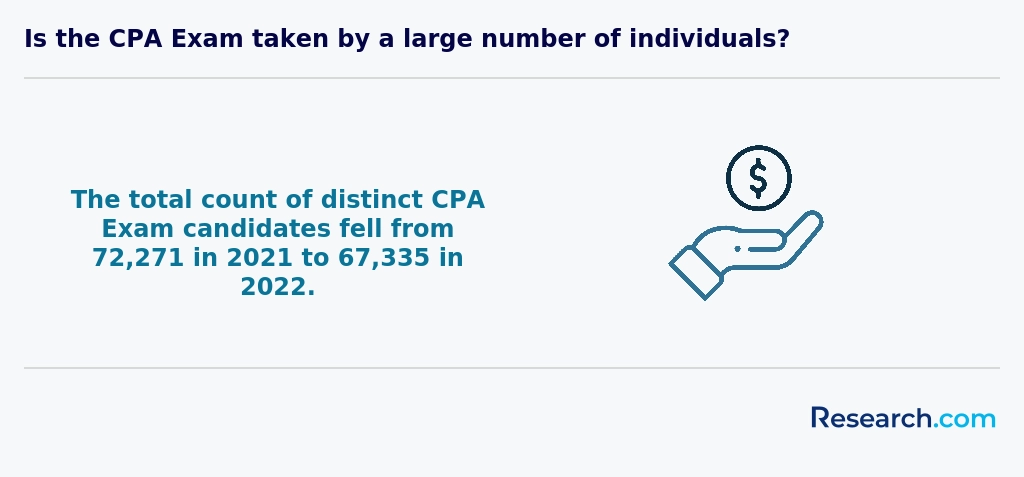
Obtaining a professional certification can significantly elevate your career prospects by validating specialized skills and demonstrating commitment to the accounting profession. In Iowa, the most sought-after credential is the Certified Public Accountant (CPA) license, which requires a bachelor’s degree with 150 credit hours, successful completion of the Uniform CPA Examination, and one to two years of supervised experience. Candidates must also fulfill ethics coursework and pass the AICPA’s ethics exam, ensuring they uphold the highest standards of conduct in financial reporting and compliance. Beyond the CPA, the Certified Management Accountant (CMA) designation-offered by the Institute of Management Accountants-focuses on strategic financial management, budgeting, and performance analysis. Earning the CMA involves passing a two-part exam and meeting education and work experience prerequisites, making it ideal for accountants pursuing leadership roles in corporate finance. Additionally, those interested in forensic investigations may pursue the Certified Fraud Examiner (CFE) credential, which deepens expertise in fraud prevention, detection, and deterrence. For graduates aiming to master foundational bookkeeping skills, a certified bookkeeper certification provides targeted training in accounts receivable/payable, payroll processing, and financial statement preparation. Many Iowa institutions offer preparatory courses and exam-review workshops for these certifications, often integrated into graduate and continuing education programs. By strategically selecting one or more of these credentials, Accounting graduates in Iowa can command higher salaries, access exclusive job openings, and position themselves as trusted advisors within their organizations.
Many accounting students in Iowa find financial aid essential to turning their educational ambitions into reality. Graduates from the University of Iowa often recall how completing the FAFSA unlocked a range of federal benefits-from Pell Grants, which can cover thousands without repayment, to subsidized student loans easing immediate costs.
Iowa-specific grants also play a crucial role. For instance, the Iowa Tuition Grant supports residents attending private colleges, while those opting for community colleges benefit from the Iowa Vocational-Technical Tuition Grant. These programs helped students at Iowa State University and other regional institutions reduce their tuition burdens significantly.
Scholarships tied directly to accounting majors are another hopeful resource. At both Iowa State and the University of Iowa, many graduates fondly remember scholarships awarded for academic merit or leadership, offering financial relief and encouragement to pursue professional passions.
Finally, aid from the Iowa Society of CPAs or national organizations like the AICPA often reinforces the support network, making the pursuit of accounting degrees in Iowa feel both manageable and rewarding.
Enrolling in an accounting degree program in Iowa usually starts with a high school diploma or its equivalent, which lays the groundwork for success in college coursework. Graduates from popular institutions like the University of Iowa often recall how their solid foundation in math and English helped them tackle challenging accounting concepts early on. Many schools in Iowa also require applicants to submit standardized test scores such as the SAT or ACT, serving as a benchmark for academic readiness.
In practice, prospective accounting students benefit from having taken introductory courses in accounting, business, or economics before joining advanced classes. For example, graduates from Iowa State University found these prerequisites helpful as they transitioned smoothly into technical subjects.
Additionally, submitting transcripts and sometimes recommendation letters offers admissions committees a fuller picture of an applicant's qualifications and dedication.
These requirements reflect a thoughtful balance between academic preparation and real-world readiness, helping students step confidently into the rewarding field of accounting within Iowa's educational landscape.

As the landscape of accounting continues to evolve, it is essential for prospective students to understand the emerging trends that will shape their careers. Advancements in technology such as artificial intelligence, blockchain, and data analytics are transforming traditional accounting practices, creating a higher demand for professionals who can bridge the gap between technical expertise and financial acumen. Accounting programs in Iowa are increasingly integrating these technological trends into their curriculum, providing hands-on experiences with modern software and analytical tools. This forward-thinking approach prepares graduates to adapt to evolving standards and regulatory changes in the financial world. In addition, strong emphasis is being placed on ethical decision-making and strategic problem-solving, ensuring that future accountants remain trusted advisors in their organizations. For those weighing the benefits of advanced education in this field, exploring whether is accounting worth it 2024 can offer valuable insights into long-term career growth and the return on investment of a master’s degree. By keeping abreast of these industry trends, students can position themselves at the forefront of innovation and be better equipped to navigate a dynamic job market.
In Iowa, accounting degree programs typically include a well-rounded mix of courses that build a comprehensive understanding of finance and business. Graduates from popular schools like the University of Iowa or Iowa State University often reflect on how foundational classes such as Financial Accounting gave them confidence in reading real company financial statements, a skill they quickly saw applied during internships at local firms.
Courses like Managerial Accounting and Cost Accounting equip students with the ability to support internal business decisions and assess production efficiency-essential for those aiming to work behind the scenes in corporate settings. Many find Auditing classes particularly eye-opening, as they learn to critically examine records, a process they experience firsthand during practical projects.
Taxation courses also stand out, not just for memorizing laws but for understanding how these rules impact individuals and businesses in Iowa, making the learning feel alive and relevant. Combined with Business Law and Accounting Information Systems, these classes prepare students holistically, blending theory with the realities of Iowa's job market and regulatory environment.
Accounting degree specializations in Iowa offer focused paths that reflect both the state's economic landscape and students' career goals. Graduates from well-known colleges in Iowa often recall how choosing auditing and assurance services prepared them to work confidently with agricultural firms, ensuring transparency in financial statements. This specialization is particularly relevant in Iowa's manufacturing sectors, where precise internal controls are valued.
Others find a tax concentration rewarding, mastering federal and local regulations tailored to Iowa's unique tax environment. They appreciate knowing their expertise meets the real needs of public accounting firms and corporate tax departments statewide. Forensic accounting, gaining popularity in Iowa programs, fascinates those drawn to investigative work, uncovering fraud and collaborating with legal authorities in cases they studied.
Students pursuing management accounting or financial accounting report feeling empowered by skills in budgeting and financial reporting, essential for supporting Iowa's diverse businesses. Reflecting on their time, many highly recommend exploring detailed specializations, noting that this guided approach makes is accounting worth it 2024 a question easier to answer with confidence based on targeted expertise.
Those considering the best accounting programs Iowa specializations often highlight how these choices made their degrees both practical and personally fulfilling.
Choosing the best accounting degree in Iowa means paying close attention to accreditation and curriculum. Graduates from well-regarded programs at popular colleges like the University of Iowa or Iowa State often highlight how regional accreditation and AACSB recognition helped them gain credibility nationwide. Since Iowa requires 150 semester hours for CPA licensure, programs offering combined bachelor's and master's pathways have proven especially valuable in their journeys.
Another key insight from students involves balancing cost with quality. Affordable accounting degrees in Iowa often come from public universities with tuition around $9,900 per year, providing strong value without sacrificing opportunities like internships or flexible class schedules. Graduates frequently recall how local partnerships with firms opened doors to jobs in agriculture and manufacturing sectors, reflecting Iowa's economic strengths.
Practical experience matters too. Many have benefited from programs that blend classroom learning with hands-on practice, enhancing readiness for certification exams or the certified bookkeeper certification. Selecting a program that emphasizes these real-world connections typically leads to better job placement and confidence entering the accounting field.

Graduates with an accounting degree in Iowa often find themselves exploring a variety of fulfilling career paths that reflect the state's diverse economy. Many begin their journey in public accounting firms prevalent throughout Iowa, from well-known regional offices to local companies where auditing, tax preparation, and consulting provide invaluable hands-on experience. For instance, graduates from universities like the University of Iowa have shared how starting in public accounting builds a strong foundation for their professional growth.
Beyond these initial roles, opportunities in corporate accounting are abundant, especially within Iowa's manufacturing and financial sectors. Accountants here handle financial reporting, budgeting, and internal auditing, often contributing directly to crucial business decisions. One graduate described moving into managerial accounting at an insurance company in Des Moines, finding satisfaction in driving strategic financial plans.
Considering job opportunities for accounting degree holders in Iowa also means looking at government roles, where accountants support budgeting and compliance for local and state agencies. Many graduates appreciate this path for its stability and community impact. Some pursue Certified Public Accountant (CPA) certification locally, opening doors to senior positions and specialized fields like forensic accounting or tax consultancy, further broadening future prospects.
Those evaluating the cost of education should explore options like the Cheapest Online Accounting Degree Programs Ranking in New York for comparison, while enjoying Iowa's generally affordable tuition and scholarship offerings. This practical approach helps many students invest wisely in their accounting careers in Iowa.
The job market for accounting degree job opportunities in Iowa reflects a stable and promising landscape. Graduates from well-regarded institutions such as the University of Iowa and Iowa State University often find positions across diverse sectors like agriculture, manufacturing, and healthcare. Many describe the transition into roles in corporate finance and public accounting firms as smooth, helped by Iowa's consistent demand for accounting professionals. Employers value candidates who meet the state's CPA licensure requirements, which involves completing 150 credit hours, often motivating students to extend their studies by an additional year.
From personal accounts, graduates appreciate the relatively affordable tuition at Iowa's public universities, which makes the financial commitment manageable compared to private schools. This tangible benefit complements the average annual salary of about $72,000 in the state, encouraging students that the investment in an accounting degree pays off. For those seeking alternatives, exploring top paying 6 month certificate programs can also provide rewarding career paths.
Understanding Iowa accounting graduate employment outlook, graduates often feel confident entering a job market that values versatility. Whether working in government agencies or non-profits, alumni emphasize how Iowa's economic diversity supports varied and fulfilling roles that align well with their ambitions and lifestyle preferences.
2027 Most Popular Accounting Degree Programs Ranking in Iowa
Investing in your education is a significant decision, and the Research.com team recognizes the importance of helping prospective students make well-informed choices. To serve individuals seeking accounting degrees in Iowa, we have carefully developed the "2027 Most Popular Accounting Degree Programs Ranking in Iowa." Our dedication to quality, credibility, and accuracy is demonstrated through thorough research and detailed analysis.
We utilized the following reputable data sources to ensure a comprehensive evaluation of accounting programs:
By consulting this ranking, readers will gain valuable insights into the top accounting degree programs in Iowa, empowering them to select the program that best aligns with their career goals. For further details on our rigorous methodology, please visit our Research.com methodology page.


Frequently Asked Questions About accounting
Accounting degree students in Iowa can maximize their learning by combining classroom knowledge with practical experience. Iowa's job market for accountants is growing steadily, with a 5% increase in accounting positions expected statewide from 2022 to 2032, according to the U.S. Bureau of Labor Statistics. Participating in internships with local firms or state agencies enhances real-world skills and professional networks. Students should also leverage resources such as the Iowa Society of CPAs, which offers workshops, mentorship, and access to industry events. Additionally, pursuing CPA exam preparation early in their studies can improve career readiness and success. Engaging in case competitions and student organizations further sharpens critical thinking and teamwork abilities.
The accounting field in Iowa is evolving, with several emerging niches gaining attention. One key area is forensic accounting, where specialists investigate financial fraud and disputes. Demand for these professionals is rising as businesses seek to protect themselves from increasing cybercrime and regulatory scrutiny.
Another growing niche is environmental accounting, focusing on sustainability reporting and compliance with environmental laws. Iowa's strong agricultural and manufacturing sectors drive this demand.
Additionally, technology-driven roles are expanding, including data analytics and blockchain accounting. These areas require knowledge of both accounting principles and advanced software tools.
According to the Iowa Workforce Development, jobs in specialized accounting roles are expected to grow faster than average through 2030.
After completing an accounting degree in Iowa, preparing for the job market involves several key steps. First, obtaining relevant certifications, such as the Certified Public Accountant (CPA) license, significantly enhances job prospects. Iowa requires 150 semester hours of education and passing the Uniform CPA Exam, which many graduates achieve through additional graduate coursework.
Gaining practical experience through internships or part-time roles during or after studies is essential. Employers in Iowa value hands-on experience, with the Iowa Workforce Development Office reporting strong demand in public accounting firms and corporate finance sectors.
Networking within professional organizations, like the Iowa Society of CPAs, provides job leads and mentorship opportunities. Additionally, developing skills in accounting software frequently used in Iowa businesses, such as QuickBooks and SAP, increases employability.
Employers in Iowa seek accounting degree graduates with a strong foundation in technical accounting skills, including financial reporting, tax preparation, and auditing. Proficiency in accounting software such as QuickBooks and Excel is highly valued.
Analytical skills are crucial, as companies expect graduates to interpret financial data accurately and support decision-making. Communication skills also rank high, enabling accountants to explain complex financial information clearly to non-financial stakeholders.
According to the Iowa Workforce Development, attention to detail and ethical judgment are essential traits for success in Iowa's accounting sector, ensuring compliance with state and federal regulations.
Finding internships in Iowa relevant to an accounting degree requires a strategic approach focused on local opportunities. Many Iowa universities with accounting programs, such as the University of Iowa and Iowa State University, offer career services that connect students with firms in the state. According to the Iowa Workforce Development, finance and accounting jobs in Iowa have grown steadily, increasing internship availability.
Students should also explore regional accounting firms and corporate offices located in cities like Des Moines, which is a hub for financial services. Networking through the Iowa Society of CPAs and attending job fairs can significantly improve internship prospects. Online platforms like Handshake often list internships specifically targeted at Iowa students pursuing accounting careers.
An accounting degree significantly enhances career mobility and advancement opportunities in Iowa. According to the Iowa Workforce Development, the demand for skilled accountants is expected to grow by 7% through 2031, which is in line with the national average for this profession. Graduates with degrees can pursue roles in auditing, tax preparation, and financial management within various industries across the state.
Iowa employers often prefer candidates with a bachelor's degree in accounting or related fields, especially for advancement into senior financial analyst or managerial positions. Additionally, earning Certified Public Accountant (CPA) licensure, which requires an accounting degree, further boosts career prospects and salary potential.
Higher education institutions in Iowa, such as the University of Iowa and Iowa State University, provide specialized accounting curricula aligned with industry standards, facilitating smoother entry into professional roles. Overall, an accounting degree remains a critical credential for those seeking long-term growth and mobility in Iowa's competitive job market.
Studying for an accounting degree in Iowa equips students with skills that extend beyond traditional bookkeeping. Many Iowa programs integrate coursework in finance, management, information systems, and business law, fostering interdisciplinary understanding. This approach prepares graduates to work collaboratively across departments, an essential ability in today's complex business environments.
According to the Iowa Board of Regents, accounting students frequently engage in projects involving data analysis and regulatory compliance, which develop technical and critical thinking skills. Additionally, Iowa's growing agricultural and manufacturing sectors provide unique contexts for accounting professionals to apply diverse knowledge.
Overall, Iowa's accounting education encourages adaptability, making graduates competitive for roles that demand both accounting expertise and cross-functional collaboration.
Choosing between a thesis and a non-thesis accounting degree program in Iowa depends largely on your career goals and learning preferences. Thesis programs focus on research, requiring students to complete an extensive written project. This path suits those aiming for academic roles, doctoral study, or specialized research positions.
Non-thesis programs emphasize coursework and practical skills, which is ideal if you plan to enter the workforce immediately or pursue professional certifications like the CPA. Many Iowa universities, such as the University of Iowa and Iowa State University, offer both options and report that about 60% of accounting graduate students prefer non-thesis tracks due to their direct career applicability (Iowa Board of Accountancy, 2023).
Cost and time commitment also differ: thesis programs typically take longer to complete and may involve more individualized mentorship. Consider what aligns best with your professional ambitions and learning style.
Students in Iowa seeking to study accounting abroad have several pathways through partnerships between Iowa institutions and foreign universities. Programs often offer semester exchanges or dual-degree options, enabling students to gain international experience while fulfilling degree requirements. According to the Iowa Board of Regents, universities such as Iowa State University and the University of Iowa facilitate study abroad programs in countries like the United Kingdom, Australia, and Canada, with courses aligned to U.S. accounting standards.
Financial aid and scholarships are sometimes available to Iowa accounting students pursuing these opportunities, reducing the cost barrier. Studying accounting abroad helps students develop a global perspective, an asset as international financial regulations converge. However, students should verify transfer credits and CPA eligibility in Iowa before enrolling abroad.
Students pursuing accounting degrees in Iowa have several part-time job options that complement their studies while providing valuable hands-on experience. Positions such as accounting clerks, bookkeeping assistants, and tax preparers are common in local businesses and accounting firms. These roles help students develop practical skills in financial record keeping and tax regulations, aligning with coursework.
Iowa's Bureau of Labor Statistics reports that accounting and auditing clerks earn an average hourly wage of about $20.00, making these jobs both educational and financially beneficial. Additionally, working in small business finance departments or nonprofit organizations can broaden understanding of diverse accounting practices in the state.
Networking through internships and local CPA firms is also highly encouraged, as Iowa's demand for skilled accountants is expected to grow by 6% from 2022 to 2032, according to occupational employment projections.
Accounting students in Iowa have access to numerous networking opportunities that can enhance their career prospects. Many universities in the state encourage participation in student organizations such as Beta Alpha Psi, a national accounting honor society with active chapters at schools like the University of Iowa and Iowa State University. These organizations offer networking events, professional workshops, and connections to Iowa-based accounting firms.
Additionally, Iowa's strong presence of accounting firms, including regional offices of national companies, provides internship and job shadowing options. The Iowa Society of CPAs regularly hosts conferences and local chapter meetings where students can meet professionals working in the field. These events help students build relationships and gain insights into the state's job market.
Alumni networks offer significant advantages to accounting degree students in Iowa by connecting them with experienced professionals across the state. These networks enhance job placement opportunities, as 78% of Iowa accounting firms prefer candidates recommended through alumni referrals, according to the Iowa Society of CPAs.
Students gain access to mentorship programs, providing guidance on career paths, CPA exam preparation, and industry trends specific to Iowa's business environment. Networking events organized by universities also help students build relationships with local employers.
Moreover, alumni connections often lead to internships and entry-level positions, which are crucial for gaining practical experience in accounting careers within Iowa.
Customizing an accounting degree program in Iowa allows students to align their education with specific career goals. Many Iowa colleges offer elective courses in areas such as forensic accounting, tax preparation, or auditing, enabling students to focus on their preferred specialty. Additionally, students can pursue internships with Iowa-based firms, gaining practical experience and local industry connections. Some programs also provide options for dual majors or minors, such as finance or information systems, broadening career opportunities within the state's robust business sectors. According to the Iowa Department of Education, tailoring your coursework and gaining relevant experience can improve job prospects in Iowa's competitive accounting market.
Accounting students in Iowa often face challenges related to the rigorous curriculum that emphasizes technical skills in taxation, auditing, and financial reporting. Many struggle to balance demanding coursework with internships or part-time jobs, which are essential for gaining practical experience. According to the Iowa Board of Accountancy, the pass rate for the CPA exam statewide hovers around 55%, indicating the exam's difficulty.
Access to updated technology and software also poses a challenge, as proficiency with tools like QuickBooks and Excel is crucial. Additionally, some students report limited networking opportunities in more rural areas, affecting mentorship and job placement prospects. These factors combine to create a demanding but rewarding educational path.
With an accounting degree in Iowa, you can pursue several key professional certifications to boost your career. The most recognized is the Certified Public Accountant (CPA) credential, which requires 150 semester hours of education, passing the Uniform CPA Exam, and relevant work experience. Iowa's Board of Accountancy outlines specific state requirements for licensure.
Other valuable certifications include the Certified Management Accountant (CMA), focused on financial management skills, and the Certified Internal Auditor (CIA), which targets internal audit professionals. These certifications enhance job prospects across Iowa's strong accounting job market, supported by data from the Iowa Workforce Development.
Completing these credentials demonstrates expertise and commitment, often resulting in higher salaries and broader opportunities within the accounting field.
To write a winning application for an accounting program in Iowa, start by clearly demonstrating your passion for accounting and related skills. Many Iowa institutions, like the University of Iowa, value applicants who show strong analytical and problem-solving abilities. Include a well-crafted personal statement that highlights relevant coursework, internships, or work experience.
Emphasize your academic record, especially in math and business courses, as Iowa colleges often require competitive GPAs for admission. According to the National Association of State Boards of Accountancy, Iowa had a steady demand for accountants in 2023, so showcasing career goals aligned with local job markets strengthens your application.
Lastly, secure strong recommendation letters from teachers or employers familiar with your capabilities in finance or accounting. Meeting application deadlines and providing all necessary documents ensures your application receives full consideration.
Accounting careers in Iowa offer significant opportunities within a global context. The field benefits from internationally recognized standards, such as the International Financial Reporting Standards (IFRS), which complement U.S. Generally Accepted Accounting Principles (GAAP). This alignment helps accountants work effectively across borders, especially for firms with global operations. According to the Iowa Workforce Development, the state employed over 9,000 accountants and auditors in 2023, reflecting steady demand.
Moreover, globalization has expanded roles to include financial consulting and compliance with international regulations. Many Iowa accounting programs now incorporate global business practices to prepare students for this evolving environment.
Gaining practical experience while pursuing an accounting degree in Iowa is essential for career readiness. Many Iowa universities encourage internships with local businesses, government agencies, and accounting firms. These placements provide hands-on experience in auditing, tax preparation, and financial analysis.
Additionally, some programs partner with the Iowa Society of CPAs, offering networking opportunities and mentoring. Students can also participate in volunteer income tax assistance (VITA) programs, which build practical skills while helping low-income residents.
According to the National Association of State Boards of Accountancy, completing 150 credit hours-including practical experience-is required to sit for the CPA exam in Iowa, highlighting the importance of real-world exposure.
Choosing the right concentration within an accounting degree program in Iowa depends on your career goals and interests. Popular concentrations include auditing, taxation, forensic accounting, and managerial accounting. For example, Iowa's growing agricultural and manufacturing sectors increase demand for accountants skilled in cost analysis and tax planning.
Research from the Iowa Workforce Development shows that tax specialists and auditors have strong local employment opportunities, with a projected 5% job growth between 2022 and 2032. Consider concentrations that align with these trends.
Look for programs that are accredited by AACSB or ACBSP to ensure quality education recognized by employers.
- 2027 Most Popular Accounting Degree Programs Ranking in Minnesota
- 2027 Most Popular Accounting Degree Programs Ranking in Illinois
- 2027 Most Popular Accounting Degree Programs Ranking in Nebraska
- 2027 Most Popular Accounting Degree Programs Ranking in Missouri
- 2027 Most Popular Accounting Degree Programs Ranking in Indiana
- 2027 Most Popular Accounting Degree Programs Ranking in Michigan
- 2027 Most Popular Accounting Degree Programs Ranking in Kentucky
- 2027 Most Popular Accounting Degree Programs Ranking in Colorado
- 2027 Most Popular Accounting Degree Programs Ranking in Louisiana
- 2027 Most Popular Accounting Degree Programs Ranking in Mississippi
See What Experts Have To Say About Studying Accounting
Read our interview with Accounting experts

Yaw M. Mensah
Accounting Expert
Professor and Interim Vice Dean for Strategic Partnerships
Rutgers Business School

John Wermert, Ph.D., CPA
Accounting Expert
Associate Professor of Accounting
Middle Tennessee State University

- Accounting Specialist, AAS Degree - Iowa Lakes Community College https://iowalakes.edu/program/accounting-specialist-aas/
- Accounting (Online) | Kirkwood Community College https://www.kirkwood.edu/programs/degrees/business/accounting
- 6 accounting niches for your new firm https://www.becker.com/blog/career/accounting-niches-for-your-firm
- College Readiness: Connecting with the Alumni Network - Community Foundation https://southcoastcf.org/college-readiness-connecting-with-the-alumni-network/
- Professional Networking in Accounting - Accounting.com https://www.accounting.com/resources/networking-tips-for-landing-a-job/
- What Jobs Can You Get with an Accounting Degree? https://www.mountunion.edu/academics/undergraduate-degrees/accounting/what-jobs-can-you-get-with-an-accounting-degree
- Accounting Degree: Associate or Bachelor’s | Monroe University https://www.monroeu.edu/news/accounting-degree-associate-or-bachelors
- Challenges Faced by Accounting Students https://www.onlineassignment-expert.com/blog/what-are-the-challenges-faced-by-accounting-students
- Must-Have Skills for Accounting & Finance Graduates Entering Singapore’s Competitive Job Market https://www.lsbf.edu.sg/blog/accountancy-and-finance/must-have-skills-for-accounting-finance-graduates-entering-singapores-competitive-job-market
- Networking Events https://www.necpas.org/networking


