2027 Most Popular Accounting Degree Programs Ranking in Minnesota

Co-Founder and Chief Data Scientist
Choosing the right accounting degree program can shape your future career and open doors to exciting opportunities. For students in Minnesota, finding the best fit might feel overwhelming at first, but this article can help simplify that decision.
We present the 2027 Most Popular Accounting Degree Programs Ranking in Minnesota, created by the Research.com team of data scientists. This ranking is designed to guide you toward programs that truly stand out based on reliable data and thorough analysis.
By exploring these top choices, you'll gain confidence in selecting a program that aligns with your goals and sets you on a rewarding path in accounting.
Key benefits of getting accounting degree in Minnesota
- Salary for accounting degree graduates: Graduates in Minnesota can expect strong earnings, with Staff Accountants making a mean annual wage of $90,780 and Tax Preparers earning about $49,580. These salaries reflect rewarding financial opportunities in various accounting roles.
- Career paths: Accounting degree holders from Minnesota colleges often find diverse options such as becoming Staff Accountants, Bookkeepers, or Associate Auditors, each offering stable and fulfilling work. This flexibility lets you choose a career that fits your strengths and interests.
- Online degree benefits: Earning an accounting degree online from Minnesota universities offers convenience and balance, ideal for working adults or busy students. It provides the same quality education while saving commuting time and allowing personalized study schedules.
- 2027 Most Popular Accounting Degree Programs Ranking in Minnesota
- What can I expect from accounting degree in Minnesota?
- Where can I work with accounting degree in Minnesota?
What can I expect from accounting degree in Minnesota?
The average cost of pursuing an accounting degree in Minnesota can vary significantly depending on whether a student attends a public or private institution. For example, graduates from the University of Minnesota, a prominent public university, often describe their in-state tuition as comparatively affordable, which helps reduce financial stress during their studies. Conversely, students at private colleges in Minnesota might face higher tuition fees but sometimes benefit from generous scholarships or financial aid targeting accounting majors.
Many graduates recall balancing tuition expenses with internships offered through their programs, which often provide not only valuable experience but also some financial relief. This blend of classroom learning and hands-on work, common at colleges in the Twin Cities area, helps students feel more confident about investing in their education despite the cost.
Given that many accounting students pursue additional coursework or graduate studies to meet CPA eligibility, total expenses can increase. Still, Minnesota's strong network of financial aid and scholarships for accounting majors helps many graduates manage this cost, reinforcing their optimism about career prospects in the state.
Where can I work with accounting degree in Minnesota?
Graduates with an accounting degree from institutions like the University of Minnesota or St. Cloud State University often find themselves welcomed by public accounting firms such as Deloitte or PwC in the Twin Cities. These roles typically involve auditing or tax preparation, offering real-world experience in client management and regulatory compliance. One graduate shared that starting at a regional firm allowed a gradual build-up of confidence when handling complex financial reports.
Others move into corporate accounting with companies headquartered in Minnesota, like 3M or Target, where they contribute to budgeting, financial analysis, and internal audits. This path suits those who enjoy being part of a larger organizational structure and focusing on long-term financial strategy rather than client services.
There's also a stable option in government roles across Minnesota, especially in state and local agencies, where graduates appreciate the job security and clear pathways for advancement. Nonprofits, including healthcare providers and educational institutions, provide fulfilling alternatives, allowing accountants to support meaningful community work while applying their skills.
While job growth is promising statewide, it's vital to consider personal career goals and work environment preferences when exploring Minnesota's diverse accounting opportunities.
Graduates with an accounting degree from institutions like the University of Minnesota or Augsburg University can expect a range of earnings that align closely with data from the U.S. Bureau of Labor Statistics. For instance, a typical staff accountant in Minnesota earns a mean annual wage of about $90,780, reflecting a solid return on investment for graduates. Entry-level roles such as bookkeepers, tax preparers, associate auditors, and accounts payable clerks start around $49,580 annually, which is a realistic starting point for many recent graduates.
Many graduates find themselves pleasantly surprised by the competitive wages in the Minneapolis-St. Paul metro area, where opportunities for advancement and specialization can push salaries much higher. One graduate shared how gaining CPA certification significantly increased their earnings beyond the baseline, moving them closer to mid-career accountant salaries typically ranging from $70,000 to $90,000.
Though some accounting positions start with moderate pay, the demand for skilled accountants in Minnesota combined with benefits like bonuses and profit sharing often creates an encouraging financial outlook. It's not unusual for someone specializing in tax or audit to find niche roles that reward expertise with above-average salaries, reinforcing the value of persistent career development in this field.
- Public four-year universities in Minnesota charge between $13,000 and $17,000 per year for in-state accounting students.
- Private institutions often cost more than $30,000 annually for accounting degrees.
- Community colleges offer accounting diplomas or associate degrees at lower costs, typically $4,000 to $6,000 per year.
- The average starting salary for accounting graduates in Minnesota is about $53,000 per year.
- Experienced accountants in the state can earn more than $80,000 annually depending on their roles and certifications.
- Employment of accountants and auditors in Minnesota is projected to grow by around 5% over the next decade.
Completing an accounting degree in Minnesota generally takes about four years for a bachelor's when studying full-time at well-known institutions like the University of Minnesota or St. Cloud State University. Graduates often describe this timeline as manageable, especially when balancing coursework with campus activities. However, this four-year estimate assumes a traditional full-time schedule; many students find themselves taking longer when enrolling part-time to juggle work or family commitments.
Associate degrees, offered at community colleges such as Normandale or Dakota County, usually require around two years but are less common for those targeting CPA certification. For those aiming to meet the stringent 150-credit-hour CPA requirement, around one to two additional years are often necessary, through either a master's program or extra coursework. Students pursuing these paths frequently appreciate the flexibility of part-time or accelerated options, like summer classes at Minnesota State University, Mankato, which help shorten the journey without sacrificing quality.
Online and on-campus accounting degrees in Minnesota differ mainly in how students engage with their studies. Online programs, offered by several accredited institutions across the state, provide flexibility for those juggling work or family. Graduates often appreciate being able to complete lectures asynchronously and submit assignments digitally, which fits well into busy schedules. For example, many online students at Minnesota State University enjoy learning from home without sacrificing job responsibilities.
On the other hand, on-campus programs at schools like the University of Minnesota offer in-person interaction that fosters collaboration and networking. Graduates value the immediacy of engaging with faculty and peers face-to-face, as well as easy access to campus resources like libraries and career centers.
Cost-wise, both formats tend to be comparable in Minnesota, even though online programs nationally can be cheaper. Accreditation standards remain consistent, ensuring that degrees from either path hold equal weight for CPA licensure and employment. Practical experience might feel more straightforward on campus, but online students find creative ways to connect with local internships and virtual career fairs.
In addition to traditional degree routes, many students and professionals are increasingly exploring shorter, targeted educational opportunities that offer practical skills and industry-recognized credentials. Accounting certificate programs provide an efficient way to gain specialized knowledge in areas such as tax, forensic accounting, or financial analysis, making them an attractive option for those looking to boost their expertise without committing to a full degree program. These flexible programs often feature a combination of online coursework and hands-on projects, allowing participants to quickly apply new skills in real-world situations. Moreover, certificate programs can serve as a stepping stone to advanced credentials and higher-level certifications, ultimately enhancing career prospects and opening doors to diverse roles within the financial sector. For instance, many industry professionals have enhanced their career trajectory by enrolling in accounting certificate programs, which are designed to provide both foundational and advanced knowledge tailored to today’s market demands. This alternative pathway is especially beneficial for individuals seeking to update their skills, pivot careers, or supplement their existing qualifications with a focused educational experience.
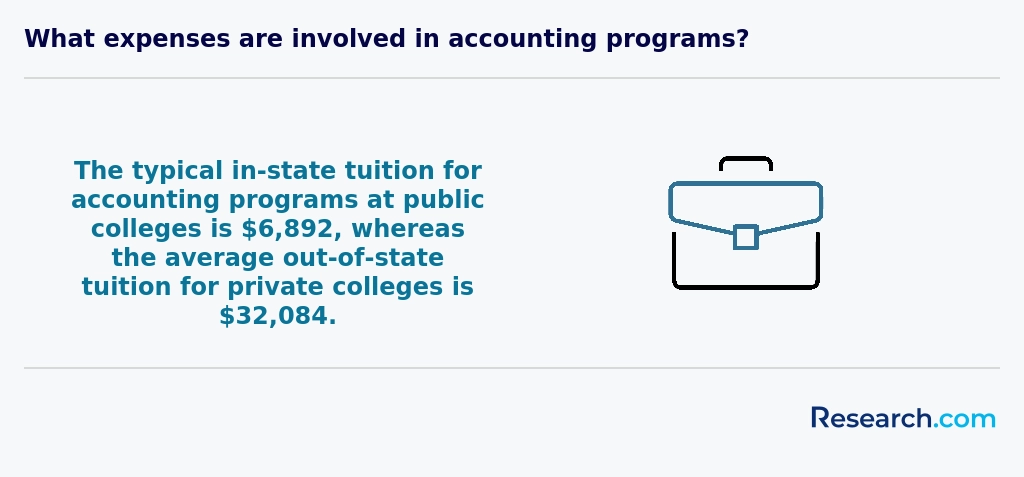
The average cost of an accounting degree in Minnesota varies notably depending on whether you attend a public or private institution and your residency status. For in-state students, the median total cost hovers around $14,610, reflecting a more affordable path compared to out-of-state students, whose median total cost is approximately $32,162. This gap highlights the importance of residency when analyzing the average cost of accounting degree in Minnesota. Graduates from popular universities in the state often recall balancing these expenses with scholarships and part-time work, allowing them to manage the financial commitment more confidently.
Private colleges often come with higher tuition fees, which can stretch closer to the upper end of the median out-of-state cost. Many students pursuing accounting at such institutions describe their experience as an investment in specialized training and networking opportunities, even if the initial expenses seem daunting. Additionally, living costs in Minnesota can add nearly $12,000 annually to students' budgets, making it essential to factor in daily expenses beyond tuition when planning for your degree.
Students at well-known Minnesota schools offering accounting programs often encounter additional course fees or certification prep costs that can increase the overall financial burden. However, many express relief upon discovering targeted financial aid suited specifically for accounting majors, showcasing how essential it is to explore all available resources. For those unsure where to start, viewing a list of affordable accounting schools in minnesota can illuminate options that fit a variety of budgets.

Minnesota’s top accounting degree programs not only prepare you for immediate employment but also lay the groundwork for pursuing in-demand professional credentials. Earning certifications such as the Certified Public Accountant (CPA), Certified Management Accountant (CMA), or Certified Internal Auditor (CIA) can significantly boost your marketability and salary potential. Key steps and considerations include: • CPA Exam Preparation: – Most AACSB-accredited accounting programs in Minnesota integrate CPA review courses into their curricula, covering FAR, AUD, REG, and BEC exam sections. – Look for schools that report high CPA pass rates-programs boasting rates above the national average of 55% often offer dedicated exam workshops and faculty mentorship. • CMA and CIA Credentials: – The CMA, offered by the Institute of Management Accountants (IMA), emphasizes financial planning, analysis, control, and decision support. Universities like the University of St. Thomas often host IMA student chapters, providing access to study groups and networking events. – For aspiring auditors, the CIA, administered by The Institute of Internal Auditors (IIA), focuses on risk management and internal control. Programs with robust auditing courses and partnerships with local firms give candidates real-world practice. • Supplemental Certificate Programs: – In addition to degree tracks, many institutions offer targeted certificate programs in bookkeeping and financial software. Exploring specialized bookkeeping certificate programs can sharpen practical skills-making you a more competitive CPA candidate by demonstrating mastery of QuickBooks, Xero, and other industry tools. • State Licensure Requirements: – To become licensed in Minnesota, candidates must complete 150 semester hours of education, including specific coursework in auditing, taxation, and ethics. – Graduates should verify that chosen programs meet the Minnesota Board of Accountancy’s credit and residency requirements, and leverage university career services to track licensing deadlines. By strategically aligning your degree with these certification pathways, you’ll maximize both your educational investment and long-term career growth in Minnesota’s dynamic accounting landscape.
Students pursuing accounting degrees in Minnesota often rely on a mix of financial aid forms to manage tuition costs, which can range from about $13,000 at public universities to over $35,000 at private colleges annually. Many graduates from University of Minnesota campuses recall their reliance on Pell Grants, which can provide up to $7,395 per year for eligible undergraduates. This aid alleviated financial pressure while allowing focus on demanding coursework.
State aid like the Minnesota State Grant is frequently mentioned by students at colleges such as Minnesota State University, where grants of up to $5,838 helped reduce out-of-pocket expenses significantly. Scholarships, especially merit-based ones offered by institutions and professional groups like the Minnesota Society of Certified Public Accountants, have been crucial for students demonstrating strong academic commitment.
While federal student loans are accessible, many choose subsidized options to avoid accruing interest during school. Work-study employment also appears as a common theme among accounting students, blending practical experience with income generation, which many find rewarding and confidence-building in real-world accounting settings.
These layered aid options illustrate how Minnesota accounting students navigate funding challenges, balancing optimism and caution to make their education affordable without excessive debt.
When considering pursuing an accounting degree in Minnesota, one of the critical factors to think about is the budget. Understanding the costs involved and how to manage them can make a significant difference in the overall educational experience. For prospective students, it's essential to explore options such as affordable accounting schools in minnesota, which can offer quality education at a lower cost. Additionally, many institutions provide financial aid, scholarships, and flexible payment plans to help students fund their studies. By carefully planning and budgeting, students can focus on their academic goals without undue financial stress, setting themselves up for success in their future careers as accountants.
Most students aiming to enroll in an accounting degree program in Minnesota start with a high school diploma or equivalent, like a GED. For many, this seems straightforward, but graduates often reflect that having strong math skills-especially in algebra and statistics-made coursework at schools like the University of Minnesota much more manageable. Likewise, solid communication skills developed through English classes proved invaluable when writing reports or presenting findings in accounting classes at institutions such as St. Cloud State University.
Some graduates share that while standardized tests like the SAT or ACT are not always mandatory due to test-optional policies, submitting scores helped strengthen their applications, especially for competitive programs at well-known Minnesota colleges. Others emphasize that completing courses in economics or business gave them a helpful conceptual edge on accounting topics.
For those pursuing graduate studies or CPA preparation, a bachelor's degree with foundational accounting coursework is typically required. Many found that having a transcript showing familiarity with financial accounting and auditing was key, with several recommending checking each college's specific requirements early to avoid surprises.

Prospective students seeking an accounting degree in Minnesota should begin by reviewing each institution’s admissions timeline and required materials. Most universities operate on a semester schedule, with fall deadlines typically falling between November 1 and January 15, while spring deadlines range from August 1 to October 1. To maximize your chances of acceptance: • Gather Official Transcripts: Request high school and any college transcripts at least six weeks before the application deadline to avoid processing delays. • Standardized Test Scores: While many programs are test-optional, some institutions still consider SAT or ACT scores-submit these at least one month prior to the deadline if required. • Personal Statement and Resume: Craft a concise personal statement (300–500 words) outlining your interest in accounting, career goals, and any relevant experience; include a professional resume highlighting internships, part-time work, or volunteer service. • Letters of Recommendation: Secure two to three recommendations from teachers, employers, or mentors who can vouch for your academic readiness and work ethic; ask for these at least eight weeks before your application deadline. • Application Fees and Waivers: Most public universities charge a $50–$75 application fee, but fee waivers are often available for eligible low-income applicants-check each school’s financial aid page for details. International applicants should allow extra time for transcript evaluation and English proficiency testing (TOEFL or IELTS). After submission, monitor your applicant portal regularly for credential verification and interview invitations. For students balancing work or family commitments, consider exploring flexible, budget-friendly options like our Most Affordable Online Accounting Degree Programs Ranking in the Midwest, which can streamline application and enrollment on your schedule. By adhering to these guidelines and staying organized, you’ll position yourself for smooth admission into a top Minnesota accounting program.
Accounting degree programs in Minnesota commonly comprise courses like financial accounting, managerial accounting, and intermediate accounting I and II, which together build a solid understanding of how businesses record and analyze financial data. Graduates from universities such as the University of Minnesota often mention how mastering auditing practices gave them confidence in assessing real-world business risks and compliance issues during internships. These practical skills are complemented by federal taxation courses, helping students navigate complex tax codes that directly affect individual and corporate finances.
Many students appreciate courses in accounting information systems, which equip them with knowledge of modern software tools used daily in the profession, making them more competitive in job markets around Minneapolis and Saint Paul. Business law and ethics classes, often highlighted by graduates from Minnesota State University, St. Cloud, help students understand the legal and moral frameworks that govern accounting practices, fostering a sense of professional responsibility. Elective topics like forensic accounting and financial statement analysis further prepare students for diverse career paths within Minnesota's strong accounting job market.
Accounting degree specializations in Minnesota often include public accounting, management accounting, forensic accounting, taxation, and accounting information systems. Graduates from the University of Minnesota and other popular colleges frequently praise how these options allow them to tailor their studies to specific career paths, such as auditing or fraud detection, creating a more engaging and relevant experience. For example, a graduate focusing on public accounting enjoyed the direct application of skills required for CPA licensure, reflecting the demand from over 19,000 Minnesota CPAs.
Minnesota accounting degree program options like management accounting offer students at institutions such as Minnesota State University the chance to immerse themselves in financial analysis roles within regional companies. Similarly, those pursuing accounting information systems find the blend of technology and finance exciting, anticipating future roles in cybersecurity and financial software. This specialization is rapidly gaining traction amidst statewide digital transformations.
For students uncertain about specialization, exploring certificate options or broader coursework before committing can be beneficial, as one graduate from a Twin Cities college shared their positive experience with flexible curriculum choices. Those interested might also consider accounting certificate programs to build focused skills without a full degree commitment.
Choosing the best accounting degree in Minnesota involves weighing accreditation, curriculum, cost, and flexibility carefully. Graduates from universities like the University of Minnesota, known for its AACSB accreditation, often emphasize how rigorous academics combined with hands-on internships helped them gain confidence and thrive professionally. However, some students prefer smaller schools that offer personalized attention and solid CPA exam prep, illustrating that top-tier accolades aren't the only route to success.
Cost varies widely; public institutions typically charge between $10,000 and $16,000 annually for in-state students, while private colleges can exceed $30,000. This financial reality challenges prospective students to consider affordable accounting degrees in Minnesota without compromising quality, sometimes by leveraging scholarships or work-study programs.
For those balancing work and study, online programs or schools offering flexible schedules can be game changers, as many graduates note the relief of managing job and coursework simultaneously. Finally, exploring bookkeeping certificate programs can also complement your degree choices, broadening practical skills and enhancing employment prospects.
Graduates from accounting programs at universities like the University of Minnesota or Minnesota State often find diverse career paths available, reflecting the state's dynamic economy. Many pursue public accounting, working for CPA firms where they develop expertise in auditing and tax preparation-a natural fit given Minnesota's rigorous 150 credit hour requirement to become licensed. Graduates appreciate how this path combines analytical challenges with opportunities to build client relationships, creating fulfilling professional experiences.
Others gravitate toward corporate accounting roles in major Minneapolis-Saint Paul companies managing financial reporting and budgeting. These positions often serve as stepping stones to leadership roles, appealing to graduates seeking career growth. For those interested in broader impact, job opportunities with accounting degree Minnesota include government agencies and nonprofits, where skills in compliance and fiscal planning are highly valued-graduates frequently mention a strong sense of purpose in these roles.
Specialized areas like forensic and environmental accounting also attract graduates who want to address financial fraud or sustainability. Many students from Minnesota's respected programs find value in considering Most Affordable Online Accounting Degree Programs Ranking in the Midwest to balance their educational investment with career aspirations in this varied field.
The job market for accounting graduates Minnesota offers is robust, fueled by the state's diverse economy encompassing finance, healthcare, and government sectors. Many graduates from universities like the University of Minnesota and St. Cloud State University report positive experiences securing roles in public accounting firms or corporate finance shortly after graduation. With demand steady due to regulatory changes and retirements, opportunities remain accessible. Nevertheless, competition can be strong, particularly in metropolitan hubs such as Minneapolis and St. Paul, where top employers seek skilled candidates.
Entry-level salaries in Minnesota typically range from $50,000 to $55,000, reflecting a competitive but realistic starting point. For graduates who actively pursue CPA certification and internships, higher pay and faster advancement are common, boosting median wages near $75,000. Students at regional schools appreciate that public institutions offer in-state tuition between $10,000 and $15,000, making it easier to invest in education in this field. Those looking for flexible options may explore a fast track bachelor degree online as well.
Overall, the accounting jobs outlook Minnesota shows promise, yet graduates must navigate a market balancing steady openness with a need for continued professional development and networking to thrive.
2027 Most Popular Accounting Degree Programs Ranking in Minnesota
Investing in your education is a significant decision that can influence your career and future opportunities. The Research.com team recognizes the importance of making well-informed choices when selecting an accounting degree program. To support prospective students in Minnesota, we have carefully developed the "2027 Most Popular Accounting Degree Programs Ranking in Minnesota." Our dedication to quality, credibility, and accuracy is demonstrated through rigorous research and comprehensive analysis.
We utilized the following reputable data sources to ensure a thorough and trustworthy evaluation of accounting programs:
By consulting this ranking, readers will gain valuable insights into the top accounting degree programs in Minnesota, enabling them to make confident and informed educational decisions. For further details on how this ranking was created, please visit our Research.com methodology page.




Frequently Asked Questions About accounting
Accounting degree students in Minnesota can maximize their learning by combining strong academic performance with practical experience. Many Minnesota institutions offer internship programs that connect students to local businesses, enhancing real-world skills. According to the Minnesota Department of Employment and Economic Development, internships significantly improve job prospects in accounting fields.
Additionally, joining professional organizations like the Minnesota Society of Certified Public Accountants can provide networking, mentorship, and access to continuing education. Taking advantage of Excel and QuickBooks training is important, as these tools are widely used in Minnesota's accounting jobs.
Students should also explore elective courses in taxation and auditing to meet Minnesota's CPA licensure requirements more effectively.
The accounting field in Minnesota is evolving, with emerging niches gaining importance due to changes in technology and regulation. One rapidly growing area is forensic accounting, which involves investigating financial fraud and disputes. Demand for forensic accountants in Minnesota is expected to rise as businesses face increased scrutiny.
Another expanding niche is environmental accounting, driven by sustainability concerns and regulations affecting Minnesota's industries. Professionals in this area assess environmental costs and help organizations comply with state and federal laws.
Additionally, data analytics in accounting is becoming crucial. Minnesota businesses seek accountants skilled in analyzing large financial datasets to improve decision-making. According to the Bureau of Labor Statistics, demand for accounting roles with technology expertise is projected to grow by 8% nationally through 2032.
Preparing for the job market after earning an accounting degree in Minnesota involves several practical steps. First, gaining relevant experience through internships or part-time roles is crucial. Many Minnesota employers value practical skills alongside academic credentials. According to the Minnesota Department of Employment and Economic Development, the demand for accountants is projected to grow by 8% from 2020 to 2030, highlighting a favorable job outlook.
Certification is another key factor. The Certified Public Accountant (CPA) license, particularly recognized in Minnesota, significantly enhances job prospects and salary potential. Additionally, developing proficiency in accounting software like QuickBooks and advanced Excel skills can boost employability. Networking through local chapters of accounting organizations and attending job fairs in Minnesota also provide valuable connections and industry insights.
Employers in Minnesota seeking accounting graduates prioritize a blend of technical and soft skills. Proficiency in Generally Accepted Accounting Principles (GAAP) and financial reporting remains essential, as these form the backbone of accounting practices statewide. Additionally, knowledge of tax regulations and auditing procedures is highly valued by firms, especially given Minnesota's diverse business landscape.
Analytical thinking and problem-solving skills are crucial, enabling graduates to interpret complex financial data effectively. Communication skills, both written and verbal, are also important, as accountants must present findings clearly to clients and stakeholders. According to the Minnesota Department of Employment and Economic Development, students with experience in accounting software like QuickBooks and Excel gain a competitive edge in the local job market.
Finding internships in Minnesota relevant to an accounting degree involves a combination of strategic research and active networking. Many universities, such as the University of Minnesota and Minnesota State, have career centers that regularly list accounting internships with local firms and national corporations. These internships often pay competitive rates, with accounting candidates in the state reporting hourly earnings between $15 and $25, according to the Minnesota Department of Employment and Economic Development (DEED).
Utilizing online job boards like Handshake and the DEED website can also help locate opportunities specifically tailored to accounting students.
Additionally, joining professional organizations such as the Minnesota Society of CPAs provides access to internship listings and mentorship programs.
An accounting degree in Minnesota significantly enhances career mobility and advancement opportunities. According to the Minnesota Department of Employment and Economic Development, professionals with a bachelor's or higher in accounting earn 20-30% more on average than those without such credentials. This degree serves as a foundation for obtaining Certified Public Accountant (CPA) licensure, which is highly valued by employers statewide.
Accounting graduates in Minnesota can explore diverse industries such as finance, healthcare, and government, where demand for skilled accountants continues to grow. The state's robust business environment, including headquarters of Fortune 500 companies, creates strong upward career trajectories.
Advancement prospects increase with degree levels, certifications, and experience, positioning degree holders for managerial and senior roles.
Studying for an accounting degree in Minnesota offers strong preparation for interdisciplinary roles by combining core accounting skills with knowledge in finance, information technology, and business management. Many Minnesota universities integrate courses that emphasize data analysis, accounting software, and regulatory environments, which helps students adapt to various professional contexts.
According to the Minnesota Private College Council, nearly 60% of accounting programs include cross-disciplinary training, reflecting employer demand for versatile skills in areas like auditing, taxation, and financial planning. This approach aligns with the state's diverse economy, including healthcare and manufacturing sectors, where accountants often collaborate with professionals from other fields.
Additionally, partnerships between Minnesota schools and local industries encourage practical experience in roles that require both accounting expertise and broader business understanding. This dynamic curriculum supports graduates in pursuing careers beyond traditional accounting, such as consulting and compliance.
Choosing between a thesis and a non-thesis accounting degree program in Minnesota depends largely on your career goals and learning preferences. Thesis programs require conducting original research and writing a substantial paper, which can be ideal if you plan to pursue a PhD or a career in academia. The Minnesota Office of Higher Education reports that thesis programs often demand more time and emphasize critical thinking and writing skills.
Non-thesis programs focus more on practical coursework and allow for internships or additional classes. This path suits students aiming to enter the workforce quickly, especially in Minnesota's growing accounting job market where skills in auditing and tax preparation are in high demand, according to the Bureau of Labor Statistics.
Consider also your interest in research and how comfortable you feel with independent study. Understanding program requirements at Minnesota institutions like the University of Minnesota Twin Cities or St. Cloud State University can help make your choice clearer.
Students based in Minnesota who wish to study accounting abroad have several pathways within the U.S. higher education system. Many Minnesota universities, including the University of Minnesota and St. Cloud State University, offer study abroad programs with partner institutions worldwide, allowing students to earn credits toward their accounting degree while gaining international experience.
Additionally, students can enroll in accredited foreign universities and later transfer credits back to their home institution in Minnesota, though it requires careful planning to meet both U.S. and international accounting certification requirements.
According to the Minnesota State Colleges and Universities system, nearly 40% of business students participate in study abroad opportunities, a rate that aligns with national trends reported by NAFSA.
Such international exposure is valuable since Minnesota's accounting professionals benefit from understanding global financial standards like IFRS alongside U.S. GAAP.
Students pursuing accounting degrees in Minnesota have access to various part-time job opportunities that can enhance their education. Common roles include bookkeeping, tax preparation assistance, and accounts payable/receivable clerk positions. These jobs help develop practical skills in financial recordkeeping and compliance, which are essential for professional success.
Minnesota's robust economy and concentration of corporate headquarters create diverse options for internships and part-time work in accounting firms and finance departments. According to the Minnesota Department of Employment and Economic Development, accounting-related jobs are expected to grow 5.9% statewide through 2030.
Opportunities at local small businesses, non-profits, and government agencies also provide valuable experience. Many accounting students find roles through university career centers or platforms like Handshake.
Accounting students in Minnesota have access to a variety of networking opportunities that can enhance their career prospects. The Minnesota Society of Certified Public Accountants (MNCPA) plays a key role by offering student memberships, local chapter events, and mentorship programs. According to MNCPA data, these events attract hundreds of accounting professionals, providing valuable contacts and industry insights.
Many Minnesota universities also host accounting-focused career fairs and guest speaker sessions featuring local firms. These gatherings often connect students with employers from top companies in the Twin Cities, where more than 75% of the state's accounting jobs are concentrated, as noted by the U.S. Bureau of Labor Statistics.
Additionally, student organizations like Beta Alpha Psi provide leadership experience and networking on campus and at regional conferences, supporting Minnesota accounting students in building professional relationships before graduation.
Alumni networks play a significant role in benefiting accounting degree students in Minnesota by fostering connections within the professional community. Graduates from Minnesota's higher education institutions in accounting often gain access to an active network of former students who provide valuable mentorship and career advice. According to the University of Minnesota's Carlson School of Management, strong alumni connections help students secure internships and job opportunities in local accounting firms, which are vital for career development.
Moreover, alumni networks often organize events and workshops that expose current students to industry trends and best practices. This local support system contributes to higher employability and practical learning experiences in Minnesota's competitive accounting market.
Customizing an accounting degree program in Minnesota allows students to align their education with specific career goals. Many universities offer elective courses in areas like tax accounting, auditing, or forensic accounting, letting students focus on their interests. Additionally, students can choose between Bachelor of Science or Bachelor of Arts tracks, impacting the depth of technical or general education.
Internships with Minnesota firms provide practical experience and networking opportunities, crucial for entering competitive markets such as Minneapolis-St. Paul. Some programs also integrate CPA exam preparation, enhancing career readiness.
According to the Minnesota Private College Council, tailored programs increase graduate employment rates by focusing on market needs.
Accounting students in Minnesota often face several common challenges throughout their education. One major hurdle is mastering the complex financial regulations specific to both federal and state levels. Minnesota's tax codes and business laws require students to understand detailed compliance standards, which can be difficult without practical experience.
Another challenge is balancing rigorous coursework with internship or job opportunities. According to the Minnesota Private College Council, many accounting programs emphasize real-world experience, but finding these placements can be competitive.
Additionally, preparing for the CPA examination is a significant stressor. Minnesota requires 150 semester hours of education and passing this exam, which involves comprehensive knowledge across multiple accounting topics.
Lastly, the evolving nature of accounting technology demands continuous updating of skills, especially with the rise of automation and data analysis tools.
An accounting degree in Minnesota opens pathways to several professional certifications that enhance career prospects. The most recognized credential is the Certified Public Accountant (CPA), which requires passing the CPA exam and meeting Minnesota's experience and education criteria. According to the Minnesota Board of Accountancy, candidates need 150 semester hours and one year of relevant work experience.
Other valuable certifications include the Certified Management Accountant (CMA) and the Certified Internal Auditor (CIA). These credentials focus on management accounting and internal auditing, respectively, and are respected nationwide. Organizations like the Institute of Management Accountants (IMA) and the Institute of Internal Auditors (IIA) provide exam and experience requirements.
Pursuing these certifications can increase employability and salary potential in Minnesota's accounting job market, where demand for skilled accountants continues to grow.
Writing a winning application for an accounting program in Minnesota requires clear demonstration of both academic readiness and understanding of the field's demands. Admissions committees look for strong performance in math and business-related courses, often requiring a minimum GPA around 3.0 or higher.
Highlight your relevant experience, such as internships or part-time jobs in accounting or finance. Minnesota's labor market values practical skills due to the state's concentration of financial services, as noted by the Minnesota Department of Employment and Economic Development.
Craft a distinctive personal statement that explains your motivation for studying accounting and how you plan to use your degree professionally. Also, secure strong recommendation letters from teachers or employers familiar with your quantitative and analytical skills.
The global perspective on an accounting career is increasingly shaped by the demand for professionals who understand both local and international financial standards. In Minnesota, students pursuing accounting degrees can expect to learn principles aligned with the Generally Accepted Accounting Principles (GAAP), widely recognized in the United States. However, global business growth means knowledge of International Financial Reporting Standards (IFRS) is also valuable, as many multinational companies operate under these rules.
According to the U.S. Bureau of Labor Statistics, employment of accountants is projected to grow 6% nationally from 2021 to 2031, reflecting steady opportunities. Minnesota's robust economy, including finance and manufacturing sectors, further supports a healthy local job market for accountants. This shows that accounting skills remain relevant in a global economy, particularly as cross-border trade and compliance become more complex.
In summary, understanding global accounting perspectives enriches career prospects and prepares Minnesota graduates for roles in multinational firms, audit companies, and financial consultancy, all of which benefit from expertise in both U.S. and international accounting standards.
Gaining practical experience while studying for an accounting degree in Minnesota is essential for career readiness. Many Minnesota universities, including the University of Minnesota and Minnesota State schools, offer internship programs that connect students with local accounting firms and corporations. These internships provide hands-on experience in tax preparation, auditing, and financial reporting.
Additionally, students can join campus organizations such as Beta Alpha Psi, which often hosts networking events and workshops with professionals from Minnesota's Twin Cities accounting sector. According to the Minnesota State Office of Higher Education, nearly 70% of accounting students participate in internships before graduation.
Volunteer opportunities and part-time roles in nonprofit organizations also allow practical skill-building, often enhancing resumes. Some programs include cooperative education (co-op) options, alternating semesters of study with work experience, further balancing theory and practice.
Choosing the right concentration within an accounting degree program in Minnesota depends on your career goals and interests. Common concentrations include auditing, tax accounting, forensic accounting, and financial accounting. Minnesota's growing finance and business sectors, especially in Minneapolis and St. Paul, create strong demand for tax and auditing professionals, according to the Minnesota Department of Employment and Economic Development.
Consider which area aligns best with your strengths-for example, forensic accounting suits those interested in investigations, while tax accounting fits those with a detail-oriented mindset. Reviewing course offerings and internship opportunities in Minnesota's firms can also guide your decision.
Additionally, accreditation from bodies like AACSB or ACBSP ensures high-quality programs that prepare students for the CPA exam, a key step in Minnesota's accounting careers.
- 2027 Most Popular Accounting Degree Programs Ranking in Iowa
- 2027 Most Popular Accounting Degree Programs Ranking in Nebraska
- 2027 Most Popular Accounting Degree Programs Ranking in Illinois
- 2027 Most Popular Accounting Degree Programs Ranking in Missouri
- 2027 Most Popular Accounting Degree Programs Ranking in Michigan
- 2027 Most Popular Accounting Degree Programs Ranking in Indiana
- 2027 Most Popular Accounting Degree Programs Ranking in Colorado
- 2027 Most Popular Accounting Degree Programs Ranking in Kentucky
- 2027 Most Popular Accounting Degree Programs Ranking in Louisiana
- 2027 Most Popular Accounting Degree Programs Ranking in Mississippi
See What Experts Have To Say About Studying Accounting
Read our interview with Accounting experts

John Wermert, Ph.D., CPA
Accounting Expert
Associate Professor of Accounting
Middle Tennessee State University

Yaw M. Mensah
Accounting Expert
Professor and Interim Vice Dean for Strategic Partnerships
Rutgers Business School

- Accounting Degree: Associate or Bachelor’s | Monroe University https://www.monroeu.edu/news/accounting-degree-associate-or-bachelors
- Harnessing the Power of an Alumni Network | Friend & Grant Accountants https://www.friendandgrant.co.uk/blog/how-to-harness-the-power-of-alumni-networks/
- 8 Accounting Niches You Should Consider | Accountancy | Bingparse https://www.icslearn.co.uk/blog/accountancy/8-accounting-niches-you-should-consider/
- Part-Time Accounting Jobs: Why They’re in High Demand https://proschoolonline.com/blog/part-time-accounting-jobs
- Accounting Career: Outlook and Overview | DeVry University https://www.devry.edu/blog/accounting-career-outlook.html
- How to get into accounting as a graduate https://targetjobs.co.uk/careers-advice/accountancy-banking-and-finance/how-get-accounting-graduate
- 5 accounting certifications without a degree | Becker https://www.becker.com/blog/career/5-accounting-certifications-you-can-earn-without-a-degree
- How Is Accounting Higher Education Preparing the Future ... https://run.unl.pt/bitstreams/00df48b8-e024-4711-a8e3-529769165df8/download
- Must-Have Skills for Accounting & Finance Graduates Entering Singapore’s Competitive Job Market https://www.lsbf.edu.sg/blog/accountancy-and-finance/must-have-skills-for-accounting-finance-graduates-entering-singapores-competitive-job-market
- What Can I Do With an Accounting Degree? https://www.warnerpacific.edu/blog/what-can-i-do-with-accounting-degree/