2027 Most Affordable Accounting Degree Programs Ranking in Philadelphia

Co-Founder and Chief Data Scientist
Choosing the right accounting degree program in Philadelphia can feel overwhelming. To help, the Research.com team of data scientists created the 2027 Most Affordable Accounting Degree Programs Ranking in Philadelphia. This ranking offers clear, data-driven insights to guide your decision.
By reading this article, you'll discover affordable options that match your goals and budget. Earning an accounting degree opens doors to stable careers and personal growth. Whether you're starting out or advancing, this guide empowers you to make an informed and confident choice for your future.
Key benefits of getting accounting degree in Philadelphia
- Accounting degree graduates in Philadelphia can expect rewarding salaries, with positions like Staff Accountant earning a mean annual wage of $90,780 and hourly wages around $43.65, reflecting strong financial growth opportunities.
- Career paths after earning an accounting degree include roles such as Bookkeeper, Tax Preparer, Associate Auditor, and Accounts Payable Clerk, providing diverse options to match your interests and skills based on examples from local universities.
- Obtaining an online accounting degree offers flexibility and convenience, allowing graduates to balance work and study efficiently while gaining the same recognized credentials as traditional programs from Philadelphia-based institutions.
- 2027 Most Affordable Accounting Degree Programs Ranking in Philadelphia
- What can I expect from accounting degree in Philadelphia?
- Where can I work with accounting degree in Philadelphia?
What can I expect from accounting degree in Philadelphia?
Figuring out the average cost of an accounting degree in Philadelphia depends a bit on where you study, but here's the scoop. If you're looking at schools like Temple University or Drexel University, tuition for a bachelor's can run somewhere between $15,000 to $30,000 per year for in-state students. Community College of Philadelphia is a more budget-friendly option, often under $5,000 a year for associate degrees, which many students find is a great stepping stone without breaking the bank.
Graduates often mention how manageable the costs felt, especially when balancing part-time work or relying on financial aid. One graduate shared that attending Drexel's hybrid program let them keep a job while studying, making the whole experience less stressful financially. Plus, Philadelphia's schools usually provide solid scholarship and internship chances, which can ease money worries while gaining real-world experience.
Where can I work with accounting degree in Philadelphia?
If you're studying accounting in Philly, you're in luck-there's no shortage of places to jumpstart your career. Graduates from local schools like Temple University and Saint Joseph's University often land gigs with the Big Four firms-Deloitte, PwC, EY, and KPMG-that have big offices right here. These firms usually offer internships that feel like real stepping stones, with hands-on experience in audits, taxes, and consulting.
Then there are Philly's big companies like Comcast and AmerisourceBergen where accounting grads get to wear many hats-think financial analyst, internal auditor, or budget whiz. Many students share how exciting it is to work in these roles because you really get to see how numbers steer big decisions.
Some graduates also love the healthcare sector. Places like Penn Medicine need accountants who understand complex billing and government rules, which is pretty rewarding if you want to make a difference behind the scenes.
And don't overlook city and state government jobs or nonprofit organizations-many grads find these offer steady growth and a chance to support local programs. For Philly accounting students, opportunities feel both diverse and reachable, making the transition from classroom to real world smoother and more exciting.
If you're wrapping up an accounting degree in Philadelphia, you're looking at some solid earning potential right out of the gate. Graduates from top schools like Temple University or Drexel University often land jobs as Staff Accountants with mean annual salaries around $90,780, which is pretty sweet compared to many other entry-level positions.
For those starting in roles like Bookkeeper, Tax Preparer, Associate Auditor, or Accounts Payable Clerk, the average pay is about $49,580 a year. While that might seem modest, it's a reliable stepping stone and plenty of Philly grads find these roles great for building experience.
Imagine finishing your degree and immediately taking a job in a bustling Philly accounting firm or a corporate finance department downtown. You'd be earning well above national entry-level averages and gaining skills that set you up for promotions and bigger paychecks.
Many grads find that the combination of Philadelphia's strong job market with these salaries makes starting a career here feel both exciting and doable.
- The cost for a bachelor's degree in accounting in Philadelphia ranges from $30,000 to $60,000 at public universities and $70,000 to $90,000 at private institutions.
- Entry-level accountants in Philadelphia earn about $55,000 to $65,000 per year, with salaries increasing to $75,000 to $95,000 after five to ten years of experience.
- The Philadelphia area employs over 10,000 accounting professionals and expects job growth of around 7% in the next decade.
- Pennsylvania's state board of accountancy licenses CPAs, which can boost employment prospects for graduates.
- Local universities offer internships and career services connecting students to major firms and diverse industries such as healthcare and manufacturing.
Most accounting students in Philadelphia finish their bachelor's degree in about four years if they're studying full-time. This timeline holds true at popular spots like Temple University and Drexel, where graduates say the pacing feels steady but manageable. Imagine juggling classes in accounting, finance, and business law while soaking up that city energy-it's a rewarding grind.
If you're aiming higher and want to sit for the CPA exam, many grads go for a master's degree after the bachelor's. This usually adds one to two more years, especially at schools like Villanova University's business programs nearby. Some even speed through accelerated master's options to hit the 150-credit-hour mark faster.
For those working or handling family commitments, part-time and evening classes are a blessing. You'll see many local colleges offering flexible schedules that stretch the degree to around six years, but it lets you balance real life without dropping out.
Also, transferring credits or previous coursework can speed things up, turning what might feel like a long haul into a smoother ride.
Selecting a specialization within an accounting degree program can be a game-changer for your career trajectory. With so many options available-from Tax, Financial, and Managerial Accounting to Auditing, Forensic, and Environmental Accounting-making an informed decision is essential. When evaluating which focus aligns best with your career interests and market demands, consider your strengths, professional goals, and the unique opportunities each specialization offers. For instance, if you enjoy investigative work and have a keen eye for detail, a focus on forensic accounting might be ideal. Alternatively, if you are drawn to the strategic aspects of business management, a specialization in managerial or financial accounting could set you on a path toward executive roles. It is also crucial to assess the curriculum structure, faculty expertise, and internship opportunities that accompany each specialization. Many industry professionals suggest that understanding emerging trends, such as sustainability in environmental accounting, could give you a competitive edge in today’s evolving market. For more detailed insights into how to pinpoint the perfect path for your career, check out our guide on which accounting specialization is best. Ultimately, choosing the right specialization not only strengthens your expertise but also enhances your professional credibility and long-term career prospects.
Choosing between an online and on-campus accounting degree in Philadelphia really comes down to your lifestyle and how you like to learn. Imagine a grad from Temple University who juggled a part-time job and family - online classes gave them the flexibility to study whenever and wherever, like after the kids were in bed or during lunch breaks. Plus, it saved commuting time and cut down costs since online tuition often runs 20-30% cheaper than in-person.
On the flip side, graduates from Villanova University often rave about the energy of face-to-face classes. Being on campus means instant chats with professors and peers, plus access to resources like accounting labs and career fairs that really help build local connections in Philly's bustling business scene.
Both paths cover the same key stuff-financial reporting, taxes, audits-but those on-campus folks might snag more local internships, which are gold for practical experience around Philadelphia's financial hubs. Meanwhile, online students tap into tech-driven tools and remote partnerships to get hands-on too.
The average cost of an accounting degree in Philadelphia sits around $56,524 total, based on recent data. In-state students generally pay less, about $38,835 on average, which makes a big difference if you're a local looking to keep expenses manageable. Graduates from Temple University often share how the in-state tuition makes their accounting journey more affordable while still giving them access to a well-respected program in the Fox School of Business. On the flip side, private schools like the University of Pennsylvania can be pricier, but many students find financial aid and scholarships that really help ease the burden.
Many students pursuing affordable accounting degree programs Philadelphia 2027 appreciate that community colleges like the Community College of Philadelphia offer solid stepping stones. Their tuition is much lower, around $5,000 a year, which many find perfect for getting started and then transferring to a four-year university later on. This layered approach can deliver a great balance of quality education and cost savings.
If you're curious about your options and want to explore the cheapest computer science schools in pennsylvania, the same kind of affordability mindset applies to accounting programs too. Keep in mind, other expenses like textbooks and exam fees add up, but lots of graduates say the investment pays off, especially when they land their first big accounting role. Planning ahead and checking out financial aid options can make the dream of an accounting degree totally doable.
Accredited accounting degree programs ensure that your education meets rigorous academic standards required for CPA eligibility and employer recognition. In Philadelphia, top institutions often hold accreditation from bodies such as the Association to Advance Collegiate Schools of Business (AACSB) or the Accreditation Council for Business Schools and Programs (ACBSP). AACSB accreditation, in particular, signifies a commitment to excellence in curriculum, faculty credentials, and learning outcomes-criteria that are closely aligned with the Uniform CPA Examination Blueprints. To sit for the CPA Exam in Pennsylvania, candidates must complete at least 120 semester credits with specific accounting and business coursework, while obtaining 150 credits is necessary for full licensure. Accredited programs streamline this process by incorporating the required credit hours into their degree plans and offering courses that directly map to CPA Exam sections: Auditing and Attestation (AUD), Financial Accounting and Reporting (FAR), Regulation (REG), and Business Environment and Concepts (BEC). Furthermore, accredited schools often provide dedicated review courses or partnerships with CPA review providers to optimize exam preparation. Beyond the CPA pathway, accreditation influences your earning potential and career mobility. Employers in public accounting firms, corporate finance departments, and government agencies frequently prefer graduates from AACSB-accredited programs due to the demonstrated quality and consistency of their educational experience. If you are exploring cost-effective accredited options beyond Pennsylvania, consider our Affordable Accounting Degree Programs Ranking in Georgia, which highlights institutions that balance affordability with accreditation standards. By prioritizing accredited programs, you not only satisfy state board requirements but also position yourself for smoother transitions into professional roles and advanced certifications. Always verify accreditation status on your institution’s website and consult the Pennsylvania State Board of Accountancy for the latest licensure guidelines to ensure your academic pathway aligns with your professional aspirations.
When you're studying accounting in Philadelphia, financial aid can make a huge difference. Many students grab federal aid by filling out the FAFSA, unlocking grants like the Pell Grant, which can cover thousands each year if you qualify. It's a lifesaver for those juggling tuition and living expenses.
State grants are another big help. For example, the Pennsylvania State Grant Program can boost your budget by a few hundred to several thousand dollars annually, especially if you're attending schools like Temple or Drexel. Lots of accounting students there say these scholarships made their education feel way more affordable.
Don't forget the private scholarships! Organizations like the Pennsylvania Institute of Certified Public Accountants offer funds just for aspiring accountants. Plus, a bunch of Philly schools have merit- and need-based scholarships specifically for accounting majors-some grads swear these helped them relax financially.
Work-study jobs and assistantships also come in handy. A lot of grads found getting a grad assistantship through their accounting department was a win-win: cash in the pocket and valuable experience on the resume.
And if you're already working, some Philly employers chip in with tuition reimbursement, which means less stress about paying out of pocket while you grow your career.
For students looking to pursue higher education in accounting without the financial burden, there are alternative options to consider, including online programs and community colleges. Exploring these pathways can provide significant cost savings while still offering a quality education. Those interested in computer science, for instance, might consider starting at one of the cheapest computer science schools in pennsylvania, which can give them a foundation in programming and software development at a lower cost, before potentially transferring to a four-year institution to complete their degree.
Thinking about enrolling in an accounting degree in Philadelphia? You'll typically need a high school diploma or something like a GED to get started. Philly schools often look for strong skills in math and English since those subjects come in handy when tackling accounting courses. For example, graduates from local universities mention that having a good grasp of algebra and statistics really gave them a leg up.
Some colleges ask for SAT or ACT scores, but these days, many are test-optional, which makes applying a bit less stressful. If you're aiming for a master's in accounting here, you'll usually need a bachelor's degree in accounting or a related field, plus some background in finance or economics. Graduates from well-known Philly colleges often highlight how internships played a huge role in gaining real-world skills and meeting CPA experience requirements.
Also, keep in mind Philly's tuition rates are pretty much average for Pennsylvania, so managing finances alongside meeting prerequisites is a smart move. Overall, if you're comfortable with math basics and ready to dive into some business-related courses, you're on the right track!

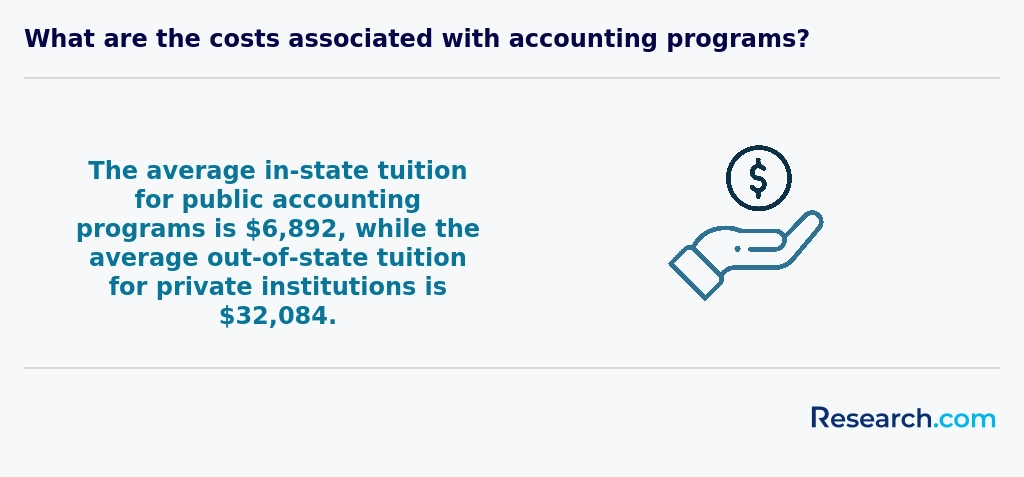
Calculating the return on investment (ROI) for an accounting degree in Philadelphia involves weighing total program costs against expected earnings and career advancement. On average, in-state tuition for a bachelor’s in accounting at public universities in Pennsylvania runs about $6,892 per year, while private institutions can exceed $30,000. When coupled with living expenses and fees, most graduates accumulate between $20,000 and $40,000 in student debt. Yet, with entry-level salaries starting around $60,000 to $70,000 and mean annual wages climbing to $86,740 for staff accountants, many students recoup tuition costs within 3–5 years of full-time employment. Strategies to maximize ROI include: • Securing scholarships and grants to reduce loan balances before graduation. • Enrolling in accelerated or hybrid programs to shorten time to degree. • Leveraging internships and co-op placements for early career offers. • Considering affordable online accounting degree programs that lower overhead costs and offer flexibility to work while studying. By projecting a conservative annual salary increase of 3–5% and accounting for loan repayment plans, graduates often achieve a break-even point within five years post-graduation. Prospective students should model their personal cost-benefit scenario-factoring in scholarships, living arrangements, and potential employer tuition assistance-to ensure their chosen program delivers the strongest financial and professional returns.
If you're diving into an accounting degree in Philadelphia, expect to kick things off with courses like Financial Accounting and Managerial Accounting. These are the basics where you learn how businesses track money - very handy when you think about real-life stuff like balancing budgets or prepping reports for a local Philly startup.
As you move on, programs at popular schools like Temple University or Drexel throw in some deeper courses like Intermediate Accounting, which gets into the nitty-gritty of financial reporting rules. Graduates often mention how classes like Cost Accounting helped them understand managing expenses, which feels way more practical after internships at Philly firms.
You'll also get into Auditing and Assurance Services - basically, how to check if a company's financials are legit - and Taxation, which covers the maze of federal and local Philly tax rules, a must-know if you want to nail the CPA exam later. Bonus: Business Law and Ethics classes help you get the right mindset for a career where trust and accuracy matter big time.
If you're diving into an accounting degree in Philadelphia, you'll find several cool specializations to choose from that really set you up for local job markets. Many grads from popular Philly colleges love the Taxation focus, because it's super useful with the city's buzzing small business scene-handling taxes and consulting becomes second nature. Others go for Auditing and Assurance Services, where you learn to check financial records and make sure businesses stay transparent. It's hands-on and totally in demand.
For those interested in something unique, Forensic Accounting is growing here, thanks to Philly's focus on fraud detection and financial investigations. Graduates often share how this opens doors in law enforcement or corporate fraud units, making the work exciting and impactful. On the flip side, Management Accounting is perfect if you like the idea of helping companies budget and strategize for success.
Many students also explore Information Systems Accounting, blending tech with finance-this means working with data analytics, which is a hot field in Philly right now. Between these options, Philadelphia accounting programs with specialization options really help you find your fit. If you're wondering which accounting specialization is best, don't hesitate to check out tailored programs near you!
When picking the best accounting degree in Philadelphia, think about what really matters to you. Graduates from popular spots like Temple University rave about how their programs mix real-world cases with solid theory, making classes feel alive. Also, check if the school's accredited by AACSB or ACBSP-this can make a big difference when you sit for the CPA exam later. Many students find that choosing a program with flexible schedules, like evening or online classes, helps juggle work and study smoothly.
Cost is a big deal too. If pricey tuition worries you, plenty opt for more affordable accounting degree programs Philadelphia offers, like community colleges. One grad was thrilled to find great options and even discovered affordable online accounting degree programs that fit their budget and busy life.
Look for programs with internships or local connections; hands-on experience with Philly businesses really helped another recent grad land a job quick. Picking the right fit means figuring out what clicks with your own goals and lifestyle.

If you're wondering what career paths are available for accounting degree in Philadelphia, there are plenty of exciting options. Graduates from universities like the University of Pennsylvania or Drexel often find themselves landing roles in big public accounting firms such as Deloitte or PricewaterhouseCoopers, where they can get hands-on experience with auditing, tax prep, and consulting. These gigs are a great launchpad for those aiming to become Certified Public Accountants.
Others take advantage of the city's booming healthcare and education sectors, working as corporate accountants, financial analysts, or internal auditors at places like Jefferson Health or Temple University. These roles often involve managing budgets or ensuring financial regulations are met, which makes the work feel really important on a community level - a rewarding experience for many accounting graduates in Philadelphia.
Some grads lean into government roles with local agencies, focusing on budgeting or tax collection, which offers steady jobs and great benefits. If you want to explore different options, checking out the Affordable Accounting Degree Programs Ranking in Georgia might not be exactly Philly, but it's a helpful resource for comparison when thinking about your education investment.
Many students studying accounting in Philadelphia feel excited knowing their degree opens doors to varied jobs with accounting degree Philadelphia, wherever their interests might lie.
The accounting job opportunities in Philadelphia are pretty solid, especially if you're coming out of well-known schools like Temple University or Drexel. Graduates often share how the city's mix of big firms like Deloitte and local healthcare organizations makes landing a first gig a lot less stressful than expected. It's not just about public accounting; you'll find roles in corporate finance, tax prep, and even forensic accounting popping up around town. One recent grad mentioned securing a position quickly thanks to Philly's growing demand for savvy accountants who understand new technology and data analytics.
If you're worried about the investment, Philadelphia's tuition costs are a win-far more affordable than places with sky-high fees. Plus, with the easy masters programs offered nearby, you can level up your skills without breaking the bank. Philadelphia accounting degree employment outlook looks bright, combining reasonable living costs with competitive salaries, and plenty of entry points into government, education, and private sectors.
2027 Most Affordable Accounting Degree Programs Ranking in Philadelphia
Investing in your education is a significant decision that can shape your future, and the Research.com team understands the importance of making informed choices. To assist prospective students in Philadelphia, we have meticulously crafted the "2027 Most Affordable Accounting Degree Programs Ranking in Philadelphia." Our commitment to quality, credibility, and accuracy is reflected in the extensive research and analysis conducted to compile this ranking.
We utilized the following reputable data sources to ensure a comprehensive evaluation of accounting degree programs:
By exploring this ranking, readers will gain valuable insights into the most affordable accounting degree options available in Philadelphia, empowering them to make informed decisions about their educational investments. For more details on our methodology, please visit our Research.com methodology page.
# 1 position
Peirce College
Bachelor of Science in Accounting



# 10 position
Saint Joseph's University - Philadelphia
Master of Science in Professional Accountancy
Frequently Asked Questions About accounting
Accounting degree students in Philadelphia can maximize their learning experience by engaging deeply with practical coursework and internships. Local firms and organizations, including the Philadelphia chapter of the American Institute of CPAs (AICPA), often offer valuable internship opportunities that provide real-world experience.
Philadelphia is home to several accredited institutions recognized for strong accounting programs, such as Temple University and Drexel University. Academic advising and participation in accounting clubs at these schools can enhance networking and professional development. According to the Bureau of Labor Statistics, the Philadelphia metropolitan area employs over 35,000 accountants and auditors, highlighting robust local industry demand.
Additionally, students should take advantage of preparation courses for CPA certification, as Pennsylvania's strict exam and experience requirements mean starting early benefits career prospects. Involvement in workshops on accounting technology tools like QuickBooks or Excel can also improve practical skills much sought by employers.
The accounting field in Philadelphia, like nationwide, is evolving with new specialized areas gaining prominence. One emerging niche is forensic accounting, which focuses on investigating financial fraud and disputes. The demand for forensic accountants is growing by 7% annually, reflecting increased regulatory scrutiny.
Another important area is sustainability accounting, linked to corporate social responsibility and environmental impact reporting. Philadelphia companies are beginning to require experts who can analyze non-financial metrics.
Technology-related roles, such as data analytics and accounting information systems, are also expanding. Around 40% of Philadelphia accounting firms now seek professionals skilled in advanced software and data interpretation.
These niches offer promising opportunities for students pursuing accounting degrees in the region.
Preparing for the job market after completing an accounting degree in Philadelphia involves several key steps. Start by gaining relevant experience through internships or part-time roles at local accounting firms or businesses. Philadelphia's strong finance sector offers numerous opportunities, with the Bureau of Labor Statistics projecting a 7% growth rate for accountants in the region through 2030. Earning certifications such as the CPA (Certified Public Accountant) can significantly boost employability, as many employers in Philadelphia prefer candidates with licensure. Networking through local chapters of professional organizations like the Philadelphia chapter of the AICPA also improves job prospects.
Employers in Philadelphia seek accounting graduates with a strong foundation in technical skills such as financial reporting, tax preparation, and proficiency in accounting software like QuickBooks and Microsoft Excel. According to the Pennsylvania Department of Labor & Industry, knowledge of Generally Accepted Accounting Principles (GAAP) remains critical for entry-level positions.
Additionally, soft skills are highly valued. Communication and problem-solving abilities help graduates effectively convey complex financial data to non-expert stakeholders. Analytical thinking is essential due to Philadelphia's competitive business environment, where employers expect accountants to interpret and utilize financial information to support decision-making.
Understanding local tax laws and business regulations also gives graduates an advantage in the Philadelphia market.
Finding internships in Philadelphia relevant to an accounting degree involves strategic efforts and use of local resources. Philadelphia is home to many accounting firms, including large ones like Deloitte, PwC, and EY, which regularly offer internship programs targeting students enrolled in accounting programs. According to the Philadelphia Workforce Development Corporation, the city's finance and accounting sector employs over 40,000 workers, creating significant internship opportunities.
Students should utilize university career centers, which often have partnerships with local businesses and access to exclusive internship listings. Professional associations such as the Pennsylvania Institute of Certified Public Accountants (PICPA) also provide networking events and internship programs.
Online platforms like Handshake and LinkedIn can be effective tools specifically for Philadelphia-based internships. Applying early and tailoring resumes to highlight relevant accounting coursework increases chances of securing a position.
Obtaining an accounting degree in Philadelphia significantly enhances career mobility and advancement opportunities. The city hosts a concentration of financial firms, government agencies, and nonprofit organizations that value accredited accounting education. According to the U.S. Bureau of Labor Statistics, Philadelphia's metropolitan area expects a 6% growth in accounting jobs by 2030, higher than the national average of 4%. This demand underscores the advantage of having formal credentials.
Graduates with an accounting degree often qualify for certified public accountant (CPA) licensure, which is highly respected locally and nationally. Employers in Philadelphia look favorably on candidates who demonstrate both academic knowledge and practical skills, often leading to faster promotion tracks and salary increases.
Studying for an accounting degree in Philadelphia offers students a strong foundation in financial principles while promoting interdisciplinary skills essential for today's complex business environment. Philadelphia's universities often integrate coursework from business, economics, information systems, and law, preparing students to navigate multiple disciplines effectively.
This approach aligns with the demands of roles such as financial analysts, auditors, and compliance officers who must interpret data, understand regulatory frameworks, and use technology-a mix commonly taught in Philadelphia's programs. According to the Pennsylvania Department of Labor, accounting professionals in Philadelphia are increasingly expected to possess advanced analytical and communication skills, which these programs emphasize.
Additionally, local institutions frequently collaborate with businesses and nonprofits, offering internships that expose students to real-world, cross-sector challenges. This experiential learning helps graduates adapt to diverse workplace needs, enhancing their interdisciplinary competence in roles beyond traditional accounting.
Choosing between a thesis and a non-thesis accounting degree program in Philadelphia depends on your career goals and learning preferences. A thesis program typically involves conducting original research, which suits students aiming for a career in academia, research, or advanced professional certification. According to the National Association of State Boards of Accountancy, research skills are increasingly valued in these fields.
Non-thesis programs focus more on coursework and practical skills, appealing to those seeking immediate employment in accounting firms or corporations. Philadelphia's competitive job market, with over 3,000 accounting jobs listed in 2023 (Bureau of Labor Statistics), favors practical experience.
Cost, time commitment, and faculty expertise vary between programs, so prospective students should review Philadelphia university offerings carefully.
Students based in Philadelphia who wish to study accounting abroad have several pathways available through U.S. colleges and universities. Many Philadelphia institutions, including Temple University and Drexel University, offer study abroad programs with partner universities globally, allowing students to earn credits toward their accounting degrees while gaining international experience.
Students typically spend one semester or summer abroad in countries known for strong business education such as the United Kingdom, Australia, or Spain. These programs often include courses aligned with U.S. accounting standards, which helps maintain degree relevance.
The National Association of State Boards of Accountancy (NASBA) reports that international coursework can strengthen candidates' CPA exam readiness by providing broader perspectives on global accounting practices.
Philadelphia offers several part-time job opportunities that can effectively complement an accounting degree education. Many students find roles as bookkeeping assistants or accounting clerks in local small businesses, helping them develop practical skills aligned with their studies. According to the U.S. Bureau of Labor Statistics, the Philadelphia metropolitan area employed over 12,000 bookkeeping and accounting clerks in 2023, indicating a healthy local demand.
Internships at accounting firms in Philadelphia also provide hands-on experience with tax preparation, auditing, and financial reporting. These roles not only reinforce classroom learning but also help build professional networks in the city's finance sector. Additionally, positions in university business offices or nonprofit organizations can expose students to budgeting and financial compliance. Such jobs offer valuable exposure to software like QuickBooks and Excel, essential for future accounting careers.
Accounting students in Philadelphia benefit from numerous networking opportunities that connect them with local professionals and organizations. The city hosts chapters of major accounting associations, such as the Pennsylvania Institute of CPAs (PICPA), which frequently offer events, seminars, and mentorship programs tailored to students.
Several Philadelphia universities also facilitate internships by partnering with well-established accounting firms in the region. These relationships often lead to networking events, allowing students to build connections early in their careers.
Additionally, career fairs held in Philadelphia attract big accounting firms and regional businesses, giving students direct access to potential employers.
According to PICPA, nearly 70% of their student members secure internships through these networking channels, highlighting their importance.
Alumni networks play a significant role in supporting accounting degree students in Philadelphia. These networks offer valuable connections with graduates working in local firms, enhancing job placement opportunities after graduation. According to the Philadelphia Business Journal, 85% of graduates from nearby universities found employment through alumni referrals.
Students benefit from mentorship programs, where experienced accountants provide guidance on career development and exam preparation for certifications like CPA. Alumni events also facilitate networking, which is critical in Philadelphia's competitive accounting job market.
Moreover, some alumni networks provide access to exclusive internships in major firms based in Philadelphia, helping students gain practical experience and build their resumes before entering the workforce.
Customizing an accounting degree program in Philadelphia allows students to align their education with specific career goals. Many local institutions offer elective courses or concentrations such as taxation, auditing, or forensic accounting, helping tailor skills to targeted fields. Students can also pursue internships within the city's robust financial sector, gaining practical experience while networking with top employers.
Philadelphia has a competitive market for accounting professions, with a median salary of approximately $72,000 according to the U.S. Bureau of Labor Statistics. Additionally, some schools provide flexible scheduling or part-time options to accommodate working professionals.
Professional certifications like CPA preparation can often be integrated into degree programs, boosting job prospects in Pennsylvania's accounting sector, which is forecasted to grow in the coming years.
Accounting students in Philadelphia often face several significant challenges during their studies. One of the main difficulties is mastering the complex regulatory environment, including understanding federal and state tax laws, which are constantly changing. According to the Pennsylvania Department of Education, keeping up with these updates demands consistent effort and adaptability from students.
Additionally, the high cost of education in Philadelphia presents a financial burden. The National Center for Education Statistics reports that the average annual tuition and fees for accounting programs in the city range between $15,000 and $30,000, causing many students to juggle part-time jobs with coursework.
Balancing rigorous class schedules with internship or work experience is another common challenge. Internship opportunities are critical for career advancement but require significant time management skills. Students must also prepare for the CPA exam, known for its low pass rates nationwide, adding pressure to an already demanding program.
With an accounting degree in Philadelphia, students have access to several professional certifications that can enhance their careers. The most recognized is the Certified Public Accountant (CPA) license, which requires passing the CPA exam and meeting state-specific experience requirements. Pennsylvania's State Board of Accountancy governs CPA licensure, ensuring candidates meet educational and ethical standards.
Other key certifications include the Certified Management Accountant (CMA), which focuses on financial management and strategy and is offered by the Institute of Management Accountants. Additionally, the Certified Internal Auditor (CIA) is valuable for those interested in auditing roles.
Obtaining these credentials can significantly increase job prospects and earning potential in Philadelphia's competitive accounting market, as reported by the Bureau of Labor Statistics and local job market analyses.
To write a winning application for an accounting program in Philadelphia, start by clearly demonstrating your academic readiness. Highlight your strong foundation in mathematics and economics, as these subjects are critical for accounting studies. Include a well-crafted personal statement explaining your interest in accounting and your professional goals. Philadelphia schools often value relevant work experience or internships, so be sure to mention any practical exposure you have.
Philadelphia's accounting job market is robust, with an expected growth of 7% by 2029 according to the Bureau of Labor Statistics, making this a strategic field to enter. Admissions committees appreciate applicants who show awareness of local business environments and regulatory frameworks. Lastly, ensure your application is error-free and submit all required documents on time to increase your chances of acceptance.
The global perspective on an accounting career is increasingly important for students in Philadelphia pursuing an accounting degree. Accounting standards and regulations are becoming more harmonized worldwide, largely due to efforts like the International Financial Reporting Standards (IFRS). Although the United States primarily uses Generally Accepted Accounting Principles (GAAP), knowledge of global accounting practices is a valuable asset.
Philadelphia, as a major financial hub, offers opportunities to work with multinational companies and firms engaged in international trade. According to the U.S. Bureau of Labor Statistics, accountants with cross-border expertise tend to have better job prospects and higher salaries.
Many Philadelphia universities incorporate global accounting topics in their curriculum to prepare graduates for these challenges. Additionally, Philadelphia hosts international business conferences and networking events that reflect the evolving global nature of accounting careers.
Gaining practical experience while studying for an accounting degree in Philadelphia is essential for career readiness. Many local universities, such as Temple University and Drexel University, offer internship programs in collaboration with regional accounting firms and businesses. Internships provide real-world exposure to accounting principles, tax preparation, and auditing practices.
Additionally, students can participate in cooperative education (co-op) opportunities, which combine classroom learning with paid work experience. According to the Pennsylvania Department of Labor, Philadelphia hosts over 2,000 finance and accounting establishments, offering ample chances for hands-on training.
Joining student-run accounting clubs or volunteering for nonprofit audits can further enhance practical skills and professional networks.
Choosing the right concentration within an accounting degree program in Philadelphia involves evaluating your career goals and the local job market. Specializations such as forensic accounting, tax accounting, or auditing each offer distinct career paths. Philadelphia's strong finance sector, including firms like Deloitte and KPMG, favors candidates with auditing and tax expertise, according to the Philadelphia Business Journal (2023).
It helps to consider certifications like CPA or CMA, which often align with specific concentrations and are valued by Pennsylvania employers. Reviewing course offerings at Philadelphia universities, such as Temple or Drexel, can also clarify which concentration matches your interests and industry demand.
- 2027 Most Affordable Accounting Degree Programs Ranking in Brooklyn
- 2027 Most Affordable Accounting Degree Programs Ranking in New York
- 2027 Most Affordable Accounting Degree Programs Ranking in Baltimore
- 2027 Most Affordable Accounting Degree Programs Ranking in Bronx
- 2027 Most Affordable Accounting Degree Programs Ranking in Washington
- 2027 Most Affordable Accounting Degree Programs Ranking in Fairfield
- 2027 Most Affordable Accounting Degree Programs Ranking in West Hartford
- 2027 Most Affordable Accounting Degree Programs Ranking in Albany
- 2027 Most Affordable Accounting Degree Programs Ranking in Providence
- 2027 Most Affordable Accounting Degree Programs Ranking in Pittsburgh
See What Experts Have To Say About Studying Accounting
Read our interview with Accounting experts

Yaw M. Mensah
Accounting Expert
Professor and Interim Vice Dean for Strategic Partnerships
Rutgers Business School


- Are accounting students overloaded and under-supported? https://www.studentvoice.ai/blog/accounting-students-challenges-with-workload-and-support/
- Challenges Faced by Accounting Students https://www.onlineassignment-expert.com/blog/what-are-the-challenges-faced-by-accounting-students
- How to get into accounting as a graduate https://targetjobs.co.uk/careers-advice/accountancy-banking-and-finance/how-get-accounting-graduate
- How to Choose an Accounting Specialization https://freemannews.tulane.edu/2025/11/03/how-to-choose-an-accounting-specialization
- How to Meet Accounting Degree Requirements for Career Success - ICMS https://www.icms.edu.au/degree-discovery/how-to-meet-accounting-degree-requirements/
- How to Find Your Ideal Accounting Niche - INAA https://www.inaa.org/how-to-find-your-ideal-accounting-niche/
- How do they influence the accounting students' career choice? https://edulearn.intelektual.org/index.php/EduLearn/article/download/19870/10113
- The definitive guide to your accounting career https://www.becker.com/blog/cpa/accounting-careers-which-cpa-career-path-to-choose
- Tips for University Graduates Looking to Land Their First Accounting Job https://www.elby.ca/blog/2022/04/27/tips-for-university-graduates-looking-to-land-their-first-accounting-job/
- What Jobs Can You Do With an Accounting Degree? - Intuit Blog https://www.intuit.com/blog/life-at-intuit/intuit-experts/accounting-degree/