2027 Most Affordable Computer Science Degree Programs Ranking in Pennsylvania

Co-Founder and Chief Data Scientist
Choosing the right computer science degree program in Pennsylvania can feel overwhelming. To help, this article presents the 2027 Most Affordable Computer Science Degree Programs Ranking in Pennsylvania, created by the Research.com team of data scientists. It's designed to guide you in finding quality programs that fit your budget and goals.
By exploring this ranking, you'll gain valuable insights into affordable options that offer strong education and career potential. Pursuing a computer science degree opens doors to exciting opportunities and growth in a rapidly evolving field.
Key benefits of getting computer science degree in Pennsylvania
- Salary for computer science degree graduates: Graduates in Pennsylvania can expect rewarding salaries, such as $138,110 annually for software engineers and developers, and $95,570 for web developers, offering strong financial stability early in their careers.
- Career paths: Many Pennsylvania computer science graduates from universities like Penn State land diverse roles in software engineering, data analysis, and IT support, showcasing the degree's versatility and promising job outlook.
- Online degree benefits: Earning a computer science degree online from institutions like the University of Pennsylvania allows flexible learning schedules and can accelerate career growth while balancing work and life commitments.
- Key benefits of getting computer science degree in Pennsylvania
- What can I expect from computer science degree in Pennsylvania?
- Where can I work with computer science degree in Pennsylvania?
- How much can I make with computer science degree in Pennsylvania?
- 2027 Most Affordable Computer Science Degree Programs Ranking in Pennsylvania
- Key Findings
- How long does it take to complete computer science degree in Pennsylvania?
- How Much Can I Make with a Computer Science Degree in Pennsylvania?
- What's the difference between online and on-campus computer science degree?
- Return on Investment for Computer Science Graduates in Pennsylvania
- What is the average cost of computer science degree in Pennsylvania?
- Related Programs to Consider
- What financial aid is available to computer science degree students in Pennsylvania?
- Post-Graduation Earnings and Return on Investment
- What are the prerequisites for enrolling in computer science degree program in Pennsylvania?
- Return on Investment (ROI)
- What courses are typically in computer science degree programs in Pennsylvania?
- What types of specializations are available in computer science degree programs in Pennsylvania?
- How do you choose the best computer science degree in Pennsylvania?
- What career paths are available for computer science degree students in Pennsylvania?
- What is the job market for computer science degree in Pennsylvania?
- Related Computer Science Rankings for Nearby States
- Top Trending Computer Science Rankings
- See What Experts Have To Say About Studying Computer Science
What can I expect from computer science degree in Pennsylvania?
When it comes to the cost of pursuing a computer science degree in Pennsylvania, many students find that public universities offer a welcoming path with lower in-state tuition rates. For example, those attending Pennsylvania State University often experience tuition fees significantly more affordable than some private institutions, making the dream of studying tech more reachable without overwhelming debt.
Graduates recall balancing budgets with financial aid, scholarships, and assistantships that soften the financial load. Practical experiences-like internships in Philadelphia's thriving tech scene or research projects at Carnegie Mellon University-add real-world value that makes every dollar invested feel worthwhile.
While private universities may have higher sticker prices, many students describe the excitement of hands-on learning and prestigious opportunities as priceless. Exploring options with a mindset open to scholarships and aid turns cost concerns into manageable stepping stones on an adventurous academic journey through Pennsylvania's rich computer science landscape.
Where can I work with computer science degree in Pennsylvania?
Graduates with a computer science degree in Pennsylvania find themselves at the gateway to diverse and exciting career paths. Imagine starting your journey in Philadelphia, where tech giants like Comcast and SAP America eagerly seek talent for roles in software development and cybersecurity. Many grads from institutions like the University of Pennsylvania thrive there, contributing to vibrant biotech and healthcare sectors that blend technology with life-saving innovation.
Travel west to Pittsburgh, and the scene transforms into a playground of robotics and AI, with companies such as Google and Intel inviting graduates to pioneer autonomous systems. Carnegie Mellon University alumni often land internships and jobs right in these cutting-edge environments, feeling the thrill of shaping tomorrow's technology firsthand.
Beyond the bustling private sector, there are rewarding roles in state agencies managing data infrastructure and cybersecurity-offering the chance to serve the public good. Financial hubs like Harrisburg and Philadelphia also beckon, where graduates develop secure systems and data-driven solutions, proving that a computer science degree in Pennsylvania truly opens doors to thrilling and meaningful careers.
How much can I make with computer science degree in Pennsylvania?
Graduates from Pennsylvania's robust computer science programs, like those at Penn State or Carnegie Mellon, often find themselves stepping into careers with exciting salary prospects. Imagine landing a role as a software engineer or developer, where the mean annual wage clocks in at an impressive $138,110-reflecting Pennsylvania's vibrant tech scene and competitive edge.
For those curious about other paths, data analysts in Pennsylvania report mean salaries around $119,040, allowing graduates to dive into data-driven adventures with confidence. Web developers earn roughly $95,570, balancing creativity and technology in bustling cities like Philadelphia or Pittsburgh. If you prefer troubleshooting and support roles, IT support specialists make about $63,640 annually, offering a solid start to your tech journey.
Many graduates recall how hands-on projects and internships at local universities boosted their confidence, helping them secure these rewarding positions. With Pennsylvania's strong demand and salary potential, a computer science degree here opens doors to stimulating, well-paid careers surrounded by innovation.
2027 Most Affordable Computer Science Degree Programs Ranking in Pennsylvania
How do we rank schools?
Investing in your education is a significant decision that can shape your future, and the Research.com team understands the importance of making informed choices. To assist prospective students, we have meticulously developed the "2027 Most Affordable Computer Science Degree Programs Ranking in Pennsylvania." Our commitment to quality, credibility, and accuracy is demonstrated through thorough research and careful analysis.
We utilized the following reputable data sources to ensure a comprehensive evaluation of computer science degree programs:
By exploring this ranking, readers will gain valuable insights into affordable and high-quality computer science education options in Pennsylvania, empowering them to make well-informed educational decisions. For more details on our methodology, please visit our Research.com methodology page.


# 7 position
Grove City College
Bachelor of Science in Computer Science


# 13 position
Pennsylvania State University-Penn State Erie-Behrend College
Computer Science, B.S.

# 14 position
Pennsylvania State University-Penn State Abington
Bachelor of Science in Computer Science


# 17 position
Harrisburg University of Science and Technology
Master of Science in Computer Information Sciences


Key Findings
- In-state public universities in Pennsylvania charge between $15,000 and $25,000 per year for a computer science degree, while private colleges often exceed $35,000 annually.
- Entry-level computer science graduates in Pennsylvania earn an average starting salary of about $70,000 per year.
- Mid-career salaries for experienced computer science professionals typically range from $90,000 to over $120,000 annually.
- Cities like Philadelphia and Pittsburgh offer higher salaries and more job openings in tech and finance sectors.
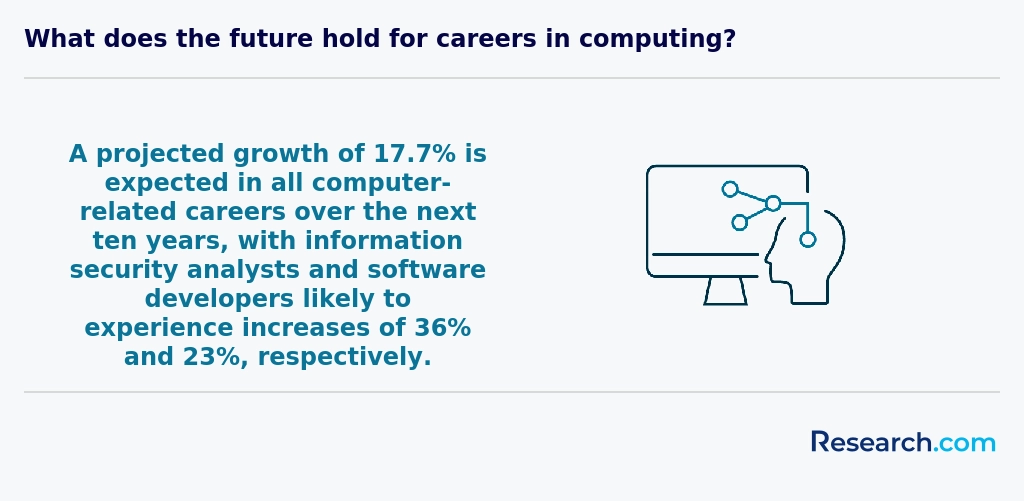
- The demand for computer science jobs in Pennsylvania is expected to grow, especially in software development, cybersecurity, data analysis, and IT services.
How long does it take to complete computer science degree in Pennsylvania?
Completing a computer science degree in Pennsylvania often takes around four years for full-time students, mirroring the experience of many graduates from well-known schools like Penn State or Drexel University. Imagine diving into core classes while balancing electives that spark your curiosity - that's the typical rhythm for a bachelor's program here. Some adventurous students seize the chance to accelerate their journey by enrolling in summer courses or heavier semesters, shaving a year off the usual timeline.
Others enjoy the rich opportunities universities like Temple or Carnegie Mellon provide through co-op or internship programs, taking their education into real-world tech environments. Though these experiences might extend the degree by a semester, graduates recall it as invaluable hands-on learning that fuels their passion and employability.
For those considering a quicker start to their tech careers, a two-year associate degree at community colleges often opens doors swiftly, while master's degree seekers embrace a more flexible path, typically spanning one and a half to two years full-time, with options for part-time study to fit their lives.
How Much Can I Make with a Computer Science Degree in Pennsylvania?
Graduates in Pennsylvania can look forward to competitive salary ranges that reflect the evolving demands of the tech industry. Entry-level professionals might begin with salaries between $70,000 and $90,000 annually, while experienced experts in fields such as software engineering, cybersecurity, or data analytics can command salaries exceeding six figures. The strong reputation of institutions like the best computer science schools in pennsylvania contributes significantly to these promising figures, as many schools offer robust alumni networks and industry partnerships that help accelerate career growth. In addition to base salaries, career progression in this field is often bolstered by performance bonuses, stock options, and other financial incentives, making the earning potential even more attractive. Professionals who further enhance their skills with certifications or specialized training in hot areas like cloud computing or artificial intelligence frequently see accelerated salary increases. Economic trends within the tech sector continue to drive upward adjustments in salary benchmarks, which makes ongoing learning and hands-on project experience an invaluable investment for long-term success. Prospective students and early-career professionals are encouraged to use updated salary calculators and review recent market reports to align their career expectations with real-time industry data, thus ensuring a strong return on investment from a Computer Science degree in Pennsylvania.
What's the difference between online and on-campus computer science degree?
Choosing between an online or on-campus computer science degree in Pennsylvania unlocks very different adventures. Imagine attending Penn State World Campus, where online students dive into video lectures and virtual labs while managing their own schedules-perfect for those balancing work or family life. Meanwhile, on-campus learners at Temple University thrive in buzzing labs and spontaneous study groups, soaking up energy from peers and professors face-to-face.
Graduates describe on-campus experiences as immersive and charged with collaboration, backed by immediate access to libraries and tech centers that spark creativity. On the flip side, online learners embrace flexibility, carving out moments to study anywhere-from cozy cafes to home offices-without sacrificing quality, since Pennsylvania's public institutions ensure robust, accredited curricula across both formats.
The difference also touches costs: while online programs can save on housing and commuting, tuition may align closely with traditional rates. Both paths, however, open doors to thriving Pennsylvania tech scenes, where a 15% job growth promises exciting futures for all computer science adventurers.
Return on Investment for Computer Science Graduates in Pennsylvania
When evaluating affordable computer science degree programs, return on investment (ROI) is a critical metric that balances tuition costs against post-graduation earnings and debt repayment timelines. On average, Pennsylvania graduates from public four-year institutions accrue $28,800 in debt, while private college attendees may incur up to $38,800. However, with an entry-level software engineer salary of $72,000 and an average mid-career income exceeding $130,000, most students recoup their investment within 3–5 years. Programs at public universities like Penn State and the University of Pittsburgh often yield the fastest payback periods due to lower in-state tuition and strong career services support. Beyond salary, factors such as internship stipends, co-op placements, and assistantship opportunities can significantly reduce net costs. For instance, a Drexel University co-op student reported earning $18,000 annually during rotations, which covered nearly 40% of their tuition. Graduates who leverage on-campus work-study or research assistantships often graduate with less debt, accelerating their ROI. Additionally, alumni networks and employer partnerships help secure high-demand roles in software development, data science, and cybersecurity, further boosting early-career compensation. To compare how Pennsylvania’s ROI stacks up against other states, explore our ranking of the Cheapest Computer Science Degree Programs Ranking in Alabama, where even lower tuition rates translate into sub-5-year payback periods for graduates. By assessing both direct costs and long-term earnings potential, prospective students can make data-driven decisions that maximize financial outcomes in this rapidly evolving field.
What is the average cost of computer science degree in Pennsylvania?
The average cost of earning a computer science degree in Pennsylvania hovers around $65,104 overall, with in-state students typically facing expenses closer to $48,986. Imagine a student tackling coding projects and late-night study sessions at a well-known university like Penn State or the University of Pittsburgh. While the tuition may seem daunting at first, many graduates recall the deep satisfaction of investing in an education where state-of-the-art labs and passionate professors pushed their creativity and technical skills to the next level.
Because Pennsylvania's landscape of higher education includes a variety of options, such as community colleges offering affordable transfers, the total expenses for computer science degree in Pennsylvania can feel more approachable. Some graduates share stories of starting at a local community college with tuition under $5,000 annually, then transferring to a four-year university, easing the financial adventure while still hitting their dream goals.
Many students also highlight how they found unexpected joy in seeking out specialized scholarships or work-study programs, which helped to soften the cost and open doors to exciting internships. For those curious about finding the best computer science schools in pennsylvania, exploring the full range of pricing and support options is part of the thrilling journey toward a rewarding career in technology.

Related Programs to Consider
Exploring adjacent tech fields can broaden your career options and leverage your computing foundation:
- Video Game Design: Develop interactive worlds, storytelling techniques, and graphics pipelines by pursuing a game design bachelor degree online.
- Information Systems: Bridge business needs and technology solutions to prepare for IT management and consulting roles.
- Cybersecurity: Build expertise in ethical hacking, digital forensics, and network defense to meet growing corporate and government security demands.
- Data Science: Master statistical modeling, data visualization, and machine learning to drive insights in finance, healthcare, and beyond.
- Software Engineering: Dive deeper into software development lifecycles, Agile methodologies, and large-scale application design through team-based projects.
What financial aid is available to computer science degree students in Pennsylvania?
Diving into a computer science degree in Pennsylvania opens exciting financial aid avenues waiting to be discovered. Imagine a student at Penn State who eagerly applies for the Pennsylvania State Grant Program, securing need-based assistance that covers hundreds to thousands of dollars-relieving the weight of tuition that can climb above $13,000 at public universities or even $35,000 at private schools.
Graduates from the University of Pittsburgh often share how federal Pell Grants and Subsidized Loans paved their way, offering up to $7,395 annually and manageable repayment plans. Paired with those are work-study opportunities, letting students earn while sharpening their skills, bringing a sense of independence and hands-on experience.
Some students recall the thrill of earning merit scholarships that recognize their passion for STEM, sometimes granting more than $10,000 yearly. Local scholarships like the Pennsylvania STEM Scholarship add another layer of support, fueling dreams without financial strain.
For working learners, employer tuition assistance transforms education into a collaborative journey, where companies invest in their growth. This vibrant mix of aid options turns the challenge of funding a computer science degree in Pennsylvania into an adventure full of possibilities.
Post-Graduation Earnings and Return on Investment
Graduates of Pennsylvania’s affordable Computer Science programs can expect competitive starting salaries, with entry-level roles averaging $68,000 per year according to recent Bureau of Labor Statistics data. Mid-career professionals often see salaries rise to $110,000–$125,000, and those in specialized fields like machine learning or cybersecurity can command upwards of $150,000 annually. Factoring in the average in-state tuition of $9,600 per year, a bachelor’s degree can pay for itself in roughly three to five years of full-time employment. When assessing return on investment, consider total program cost against projected earnings over a decade. For example, completing a four-year degree at $38,400 total tuition and fees and earning an average $85,000 annual salary yields an estimated net gain of over $300,000 in ten years after taxes and living expenses. Comparing on-campus versus online delivery, students often find that eliminating room and board costs in online formats further accelerates this breakeven point. To maximize ROI, students should pursue internships, cooperative education, and supplemental certifications. Hands-on experience not only enhances job readiness but can also boost starting offers by 10–15%. For those seeking targeted skill validation, exploring coding certification jobs provides both practical experience and employer-recognized credentials that strengthen resumes and open doors to higher-paying roles. Ultimately, understanding post-graduation earnings and strategically reducing debt through scholarships, work-study, and accelerated degree pathways empowers prospective students to make data-driven decisions and secure strong financial outcomes from their Computer Science education in Pennsylvania.
What are the prerequisites for enrolling in computer science degree program in Pennsylvania?
Diving into a computer science degree in Pennsylvania means gearing up with a solid academic foundation that makes the journey both exciting and manageable. Imagine a future graduate from a well-known Pennsylvania university recalling how taking algebra, geometry, and even precalculus in high school unlocked the door to understanding complex algorithms later on. These math courses are more than just numbers; they shape your logical thinking to tackle coding challenges effortlessly.
Beyond math, picture students buzzing with enthusiasm after excelling in physics or chemistry classes, realizing these subjects honed their problem-solving skills-crucial for debugging code or designing systems. Many Pennsylvania colleges expect applicants to bring at least a high school diploma or GED, backed by a strong GPA, often around 3.0 or higher, ensuring readiness for the intellectual adventure ahead.
Transfer students often share how passing introductory college-level math or coding courses sped up their transition into the computer science world, especially at institutions like Penn State or the University of Pittsburgh. With test-optional policies becoming common, the focus is truly on your potential and passion, making the pathway feel both welcoming and achievable.
Return on Investment (ROI)
Evaluating ROI helps you balance tuition costs against career earnings to choose the most cost-effective program.
- Average total tuition for 4-year in-state programs: $47,000–$60,000
- Total tuition for private institutions: $120,000–$200,000
- Median starting salary for Pennsylvania CS graduates: $65,000–$75,000
- Estimated payback period: 1–3 years, depending on financial aid and employment sector
- Strategies to improve ROI: pursue in-state tuition, apply for scholarships, use work-study opportunities
Many graduates boost their earnings and shorten payback by earning an online data science masters after completing a bachelor’s degree.
What courses are typically in computer science degree programs in Pennsylvania?
Diving into a computer science degree in Pennsylvania, students immediately encounter foundational courses that spark curiosity while building solid skills. Imagine hands-on coding sessions using Python or Java at a college in Pittsburgh, where learners feel the thrill of crafting their very first programs. Courses like Data Structures and Algorithms quickly become essential tools, helping students tackle real-world puzzles with efficient solutions.
Progressing further, Pennsylvania's programs, such as those at universities in Philadelphia, introduce specialized classes like Operating Systems and Database Systems. Graduates often recall the excitement of managing virtual machines or designing databases that power apps trendy in local startups. Software Engineering courses hone collaboration skills through team projects, mirroring the dynamic tech environments students aspire to join.
Many programs also open doors to cutting-edge topics like cybersecurity or machine learning, vital as digital threats and innovations surge. This adventurous curriculum blends theoretical knowledge with practical labs and internships, offering students in Pennsylvania the chance to transform classroom insights into impressive career-ready expertise.
What types of specializations are available in computer science degree programs in Pennsylvania?
Diving into a computer science degree in Pennsylvania unveils a treasure trove of specializations, each opening doors to thrilling industries. From software engineering, where graduates joyfully craft dynamic applications, to cybersecurity, a field bustling with energy as students protect vital networks in a state buzzing with cyber innovation. At renowned institutions like Carnegie Mellon, students immerse themselves in artificial intelligence and machine learning, experiencing firsthand the excitement of designing predictive models that power tomorrow's tech.
Data science and big data analytics entice those eager to decode complex datasets, fueling sectors from healthcare to finance. Meanwhile, networking enthusiasts explore cloud infrastructures, weaving the digital fabric connecting users worldwide. Human-computer interaction invites creative minds to improve how people engage with technology, making digital experiences more intuitive. Pennsylvania's diverse computer science degree specializations attract curious students ready to explore paths leading to impactful careers, especially those targeting the best computer science concentrations in Pennsylvania.
Many graduates also discover hybrid opportunities combining their tech skills with business or robotics, perfectly positioning themselves for innovative roles and coding certification jobs that expand their horizons.
How do you choose the best computer science degree in Pennsylvania?
Choosing the best computer science degree in Pennsylvania feels like setting off on a thrilling quest. Graduates from well-known universities often share how diving into hands-on projects or internships transformed their classroom knowledge into real-world skills. Imagine collaborating in cutting-edge labs at a university near Pittsburgh or Philadelphia, where innovation buzzes in the air and tech giants offer vibrant internship pipelines. Seeking programs with ABET accreditation can be your compass, assuring quality standards respected by employers far beyond state lines.
Cost plays a pivotal role in the adventure. Many students discover that exploring Cheapest Computer Science Degree Programs Ranking in Alabama reveals strategies on finding affordable computer science degrees Pennsylvania offers, allowing them to focus on learning instead of financial stress. Whether you prefer the energy of urban campuses or the quiet focus of rural settings, Pennsylvania's diverse options enable you to tailor your journey toward a career you're excited about.
What career paths are available for computer science degree students in Pennsylvania?
Exploring computer science career opportunities in Pennsylvania feels like stepping into a world full of exciting possibilities. Graduates from universities like Penn State or the University of Pittsburgh often find themselves diving into software development, creating apps that touch everything from healthcare to entertainment. It's common to hear about grads who jumped into cybersecurity roles, protecting vital data for companies resetting the digital frontier in cities like Philadelphia.
Jobs with a computer science degree Pennsylvania also extend into specialized fields such as data analytics, where alumni shape smarter financial systems or healthcare technologies. Others build thriving careers as AI and machine learning specialists, especially in research hubs scattered across the state. Imagine being an IT consultant guiding small businesses to thrive using the latest tech, or a network admin maintaining secure connections in buzzing offices. Many graduates, inspired by their college experiences, explore unique pathways supported by affordable tuition and resources, sometimes opting for best paying 6 month online certifications to boost their skills rapidly.
What is the job market for computer science degree in Pennsylvania?
The computer science job outlook Pennsylvania graduates face is full of promise and dynamic growth. Many graduates from well-known institutions like Penn State or the University of Pennsylvania share stories of diving into roles within thriving tech hubs, particularly around Philadelphia, where opportunities in artificial intelligence and cloud computing abound. These students often describe an exciting mix of innovation and real-world impact, whether developing healthcare software or securing financial data systems.
Employment opportunities for computer science graduates in Pennsylvania are bolstered by the state's strong technology sector, including manufacturing automation and government cybersecurity efforts. Graduates relish not only competitive salaries-often surpassing $100,000 annually-but also the chance to contribute to fast-growing industries right at home. The accessibility of public universities with affordable tuition adds to the appeal, inviting even those exploring the easiest associate's degree online route into the tech world.
Frequently Asked Questions About computer science
Computer science degree students in Pennsylvania can maximize their learning by engaging actively in both academic and practical opportunities. Participating in internships with local tech firms or startups, especially in cities like Pittsburgh and Philadelphia, offers valuable real-world experience. According to the Pennsylvania Department of Labor & Industry, the tech sector in the state is projected to grow by over 10% through 2030, increasing job opportunities for students.
Joining university coding clubs or hackathons helps develop problem-solving and teamwork skills essential for the field. Pennsylvania universities often collaborate with industry partners, so students should pursue research projects to deepen their understanding of current technologies. Additionally, leveraging state-funded resources such as the PA CareerLink can assist with job placement and networking.
The field of computer science is rapidly evolving, especially in Pennsylvania, where universities align curricula with emerging industry trends. Key niches gaining attention include artificial intelligence (AI), cybersecurity, and data science. According to the Pennsylvania Department of Labor, cybersecurity jobs in the state grew by 15% over the last five years, reflecting strong demand. AI applications span healthcare, finance, and manufacturing, sectors well represented in Pennsylvania's economy. Data science, focusing on big data analytics, is also prominent, with several universities offering specialized tracks. These niches offer promising career paths due to technological advances and the state's growing tech industry presence.
After completing a computer science degree in Pennsylvania, graduates should focus on gaining practical experience to improve employability. Internships and cooperative education programs offered by many Pennsylvania universities provide valuable real-world skills. According to the Pennsylvania Department of Labor and Industry, the demand for computer and information technology jobs in the state is projected to grow by 15% through 2030, emphasizing the importance of hands-on experience.
Building a strong professional network is essential. Joining local tech meetups, university alumni groups, and organizations like the Pennsylvania Technology Council can open doors to job opportunities.
Additionally, developing proficiency in in-demand programming languages and obtaining industry certifications, such as AWS or Cisco credentials, can boost a candidate's profile. Continued learning through online platforms and staying updated with emerging technologies will also enhance career prospects in Pennsylvania's competitive tech market.
Employers in Pennsylvania highly value both technical and soft skills in computer science graduates. Proficiency in programming languages such as Python, Java, and C++ is commonly expected. According to the Pennsylvania Department of Labor & Industry, skills in data structures and algorithms remain critical for entry-level positions.
Additionally, problem-solving abilities and analytical thinking are essential, as these help graduates address complex challenges. Communication skills also rank high, reflecting the need for teamwork and clear project documentation in the workplace.
Familiarity with cybersecurity practices and cloud computing platforms is increasingly important, particularly given Pennsylvania's growing tech sector centered in cities like Philadelphia and Pittsburgh, as reported by CompTIA's 2023 Cyberstates Report.
Finding internships in Pennsylvania relevant to a computer science degree involves a multi-step approach. Start by exploring internship programs offered directly through Pennsylvania universities, such as Penn State and the University of Pittsburgh, which maintain strong industry connections. The state's tech industry, including firms in Philadelphia and Pittsburgh, provides diverse opportunities. According to the Pennsylvania Department of Labor & Industry, STEM fields like computer science are projected to grow by 8% through 2030, increasing demand for interns.
Utilize job platforms like Handshake and local career fairs to connect with employers. Networking with alumni and professors can also open doors to exclusive internships. Additionally, consider applying to statewide programs like the Pennsylvania Governor's Internship Program, which supports placements in tech roles.
A computer science degree in Pennsylvania significantly enhances career mobility and advancement opportunities. The state's growing tech sector, centered around cities like Philadelphia and Pittsburgh, offers diverse roles in software development, cybersecurity, and data analytics. According to the Pennsylvania Department of Labor & Industry, employment in computer and mathematical occupations is projected to grow by 11% through 2030, faster than the average for all jobs.
Graduates with this degree often experience higher starting salaries, with a median wage of about $87,000 annually in Pennsylvania, per the U.S. Bureau of Labor Statistics. Employers value the technical expertise and problem-solving skills gained through these programs, enabling professionals to move into management or specialized tech roles more readily.
Furthermore, many Pennsylvania universities provide strong industry connections and internship opportunities, which are crucial for career progression in this competitive field.
Studying for a computer science degree in Pennsylvania offers students a strong foundation to work in interdisciplinary roles. Many universities in the state, such as Penn State and the University of Pittsburgh, incorporate courses that blend computer science with fields like healthcare, finance, and engineering. This approach helps students develop skills applicable across different industries.
According to the National Center for Education Statistics (NCES), Pennsylvania ranks among the top states for awarding computer science degrees, reflecting a robust academic environment. Students gain experience collaborating with peers from diverse disciplines through project-based learning and internships, which are common in Pennsylvania's programs.
The proximity to major tech and healthcare hubs also offers practical exposure, fostering skills in data analysis, artificial intelligence, and cybersecurity with applications beyond just computing.
When choosing between a thesis and a non-thesis computer science degree program in Pennsylvania, consider your career goals first. Thesis programs typically emphasize research and prepare students for doctoral studies or roles in research-intensive environments. Non-thesis tracks often focus on practical skills and coursework, ideal for those aiming to enter the workforce quickly.
The Pennsylvania Department of Education reports that over 60% of computer science graduates in the state pursue industry positions where hands-on experience is highly valued. Thesis programs usually require a significant time commitment and deep technical writing; non-thesis may include internships or project work.
Review faculty expertise and resources at your chosen institution, as Pennsylvania universities vary widely in research support. Your decision should align with whether you prefer research depth or applied knowledge for your future in computer science.
Students in Pennsylvania interested in studying computer science abroad have several pathways through their current institutions. Many Pennsylvania universities, including Penn State and the University of Pittsburgh, offer study abroad programs in partnership with universities worldwide, allowing students to earn credits toward their degree while gaining international experience.
Exchange programs are common, enabling students to attend partner schools in Europe or Asia for a semester or year. Additionally, some Pennsylvania schools provide internships or research opportunities abroad, which can enhance practical skills.
Financial aid and scholarships specifically for study abroad are often available, easing the cost burden. According to the Institute of International Education's 2023 Open Doors Report, about 10% of U.S. STEM students, including computer science majors, participate in study abroad programs, reflecting growing interest.
Part-time job opportunities in Pennsylvania can greatly enhance the education of computer science students. Positions such as IT support roles, software testing, and web development internships are commonly available on and around university campuses. These roles allow students to apply theoretical knowledge in real-world settings.
In Philadelphia and Pittsburgh, hubs for tech startups and established companies, students find ample chances for part-time work in programming, data analysis, and cybersecurity. According to the Pennsylvania Department of Labor & Industry, the tech sector has grown steadily, with more than 75,000 tech-related jobs statewide as of 2023. These part-time roles not only help with income but also improve resumes and networking prospects.
Computer science students in Pennsylvania benefit from numerous networking opportunities that can help launch their careers. Many universities, such as Penn State and the University of Pittsburgh, host regular tech meetups, hackathons, and career fairs connecting students with local employers. According to the Pennsylvania Department of Labor, the state's tech sector has grown by over 15% in recent years, increasing demand for skilled graduates.
Professional organizations like the IEEE and ACM have active student chapters in Pennsylvania, offering workshops and industry talks. Additionally, locations like Philadelphia and Pittsburgh serve as tech hubs, featuring coworking spaces and startup incubators where students can engage with professionals and entrepreneurs.
Alumni networks play a significant role for computer science degree students in Pennsylvania by offering valuable connections within the tech industry. Graduates from Pennsylvania universities, such as Penn State and the University of Pittsburgh, benefit from alumni associations that host networking events and career workshops, helping students secure internships and job placements.
These networks often provide mentorship programs, where experienced alumni guide current students through career planning and skill development, boosting their employment prospects.
According to the Pennsylvania Department of Education, stateside alumni engagement positively correlates with a 15% increase in job placement rates for STEM students.
Students can access exclusive job boards and industry insights, which are crucial in Pennsylvania's competitive computer science job market.
In Pennsylvania, many universities offer flexible computer science degree programs that allow students to tailor their studies to match career goals. Students can often choose electives in areas such as artificial intelligence, cybersecurity, data science, or software engineering. This customization helps graduates gain skills that align with specific tech industries prominent in Pennsylvania, like finance or healthcare technology.
Additionally, some programs provide opportunities for internships and cooperative education, enabling students to gain real-world experience while studying. For example, Drexel University's co-op program is renowned nationally for integrating work experience with academic learning.
Students should consult academic advisors who can help design a curriculum that reflects their professional aspirations. Many schools also offer certificates or minors to complement core computer science knowledge, enhancing employability in specialized fields.
Computer science students in Pennsylvania often face several challenges related to the rigor of their coursework. Programming assignments and complex algorithms require strong problem-solving skills and can be time-consuming, especially for beginners. According to data from the National Center for Education Statistics, retention rates in STEM fields, including computer science, are lower than average, reflecting the difficulty students experience staying engaged through demanding material.
Another challenge is the rapid pace of technological change. Pennsylvania institutions strive to keep curricula current, but students must also independently learn new languages and tools beyond classroom instruction.
Additionally, balancing internships and part-time jobs is common, as Pennsylvania's cost of living influences students' need for external income, potentially impacting study time and academic performance.
With a computer science degree in Pennsylvania, graduates can enhance their careers by pursuing professional certifications that validate their skills. Popular certifications include the Certified Information Systems Security Professional (CISSP) for cybersecurity, and the Project Management Professional (PMP) for leadership in technical projects. Many Pennsylvanian employers recognize certifications such as Certified Software Development Professional (CSDP) and Amazon Web Services (AWS) Certified Solutions Architect. According to the Pennsylvania Department of Labor, IT-related certifications can increase job prospects and salary potential by up to 20% in the state's growing tech sector. Certifications demonstrate expertise beyond a degree and help meet evolving industry demands.
Writing a winning application for a computer science program in Pennsylvania involves clear demonstration of your academic readiness and passion for the field. Admissions committees look for strong math and science backgrounds, so highlight relevant coursework and achievements. According to the National Center for Education Statistics, Pennsylvania universities admit thousands of computer science students yearly, making competitive applications essential.
Include a well-crafted personal statement that explains your interest in computer science, emphasizing any hands-on experience such as internships, coding projects, or research. Letters of recommendation from teachers or employers familiar with your skills also strengthen your case.
Standardized test scores like the SAT or ACT can be important, though some Pennsylvania schools have moved to test-optional policies. Always verify specific requirements at each institution. Lastly, attention to detail and clear formatting reflect professionalism, a trait valued in tech fields.
The global demand for computer science professionals continues to grow rapidly, reflecting the increasing reliance on technology worldwide. In the United States, including Pennsylvania, computer science careers are recognized for their strong job prospects and competitive salaries. According to the U.S. Bureau of Labor Statistics, employment for software developers, a common role for computer science graduates, is projected to grow 25% from 2021 to 2031, much faster than the average for all occupations.
Computer science skills are highly transferable, enabling professionals to work across industries such as finance, healthcare, and cybersecurity on a global scale. Pennsylvania's universities produce a steady number of graduates equipped to compete internationally.
Understanding global perspectives helps students appreciate the importance of adapting to diverse technologies and markets, enhancing their competitiveness in a worldwide labor market.
Gaining practical experience while pursuing a computer science degree in Pennsylvania is essential for career readiness. Many universities encourage students to participate in internships, which often partner with local tech companies, government agencies, and startups. According to the Pennsylvania Department of Labor & Industry, internships in the state's technology sector have grown by 15% in recent years, providing valuable hands-on opportunities.
Cooperative education (co-op) programs are also common at institutions like Drexel University and the University of Pittsburgh. These programs alternate semesters of full-time study with paid work experience, helping students build their resumes.
Additionally, students can gain experience through on-campus research projects and coding competitions, which enhance practical skills while networking with professionals and peers.
Choosing the right concentration within a computer science degree in Pennsylvania depends on your interests and career goals. Popular concentrations include cybersecurity, data science, software engineering, and artificial intelligence, each with unique job prospects.
Research the curriculum offered by Pennsylvania universities and compare courses related to your chosen concentration. For example, Penn State and Drexel University provide strong programs in cybersecurity and machine learning, respectively.
Consider Pennsylvania's local tech job market; cybersecurity professionals earn a median salary of around $100,000 annually, according to the U.S. Bureau of Labor Statistics (2023).
Internships and partnerships with firms in Pennsylvania can also guide your decision by offering real-world experience in specialized fields.
Related Computer Science Rankings for Nearby States
- 2027 Most Affordable Computer Science Degree Programs Ranking in Maryland
- 2027 Most Affordable Computer Science Degree Programs Ranking in New York
- 2027 Most Affordable Computer Science Degree Programs Ranking in West Virginia
- 2027 Most Affordable Computer Science Degree Programs Ranking in Ohio
- 2027 Most Affordable Computer Science Degree Programs Ranking in Virginia
- 2027 Most Affordable Computer Science Degree Programs Ranking in Connecticut
- 2027 Most Affordable Computer Science Degree Programs Ranking in Rhode Island
- 2027 Most Affordable Computer Science Degree Programs Ranking in Tennessee
- 2027 Most Affordable Computer Science Degree Programs Ranking in Vermont
- 2027 Most Affordable Computer Science Degree Programs Ranking in South Carolina
Top Trending Computer Science Rankings
See What Experts Have To Say About Studying Computer Science
Read our interview with Computer Science experts

Derek Riley
Computer Science Expert
Professor, Program Director
Milwaukee School of Engineering

Kathleen M. Carley
Computer Science Expert
Professor of Computer Science
Carnegie Mellon University

Martin Kang
Computer Science Expert
Assistant Professor
Loyola Marymount University

Elan Barenholtz
Computer Science Expert
Associate Professor
Florida Atlantic University

References
- Computer Science students create live network in ... https://www.stmartin.edu/news-and-stories/stories/computer-science-students-create-live-network-simulated-scenario
- Student challenges https://adacomputerscience.org/student_challenges
- Tuition and Fees | York College of Pennsylvania https://www.ycp.edu/cost-aid/tuition-fees
- Top Careers in Computer Science | Careers, Salaries, and Resources https://www.computerscience.org/careers/
- Best Computer Science Degree Programs in Pennsylvania ... https://hakia.com/degrees/computer-science/pennsylvania/
- 555 Computer Science Internships https://internshala.com/internships/computer-science-internship/
- Letter of Motivation for applying Computer Science related fields https://essayforum.com/letters/motivation-applying-computer-science-related-11858/
- How to Find Computer Science Work Experience in Year 12 https://www.savemyexams.com/learning-hub/careers/how-to-find-computer-science-work-experience-year-12/
- Best Computer Science Schools in Pennsylvania https://www.itcareerfinder.com/computer-science-schools/by-state/pennsylvania.html
- The Future of Work: The Importance of Computer Science Skills | Gisma https://www.gisma.com/blog/the-future-of-work-the-importance-of-computer-science-skills