2027 Most Affordable Computer Science Degree Programs Ranking in Alabama

Co-Founder and Chief Data Scientist
Choosing the right computer science degree program in Alabama can feel overwhelming. To help, this article presents the 2027 Most Affordable Computer Science Degree Programs Ranking in Alabama, created by the Research.com team of data scientists.
This guide makes it easier to find quality programs that won't break the bank, empowering you to make informed decisions about your education.
Investing in a computer science degree opens doors to exciting career opportunities and growth. Exploring these affordable options puts your goals within reach.
Key benefits of getting computer science degree in Alabama
- Salary for graduates: Computer science degree holders in Alabama can expect strong earnings, with roles like Software Engineer or Developer averaging $138,110 annually and Web Developers earning around $95,570, reflecting rewarding financial opportunities.
- Career paths: Graduates from popular Alabama universities often find diverse options such as software development, data analysis, or IT support, allowing them to match their skills and interests with industries they enjoy.
- Online degrees: Earning a computer science degree online from Alabama institutions offers flexibility and convenience, helping students balance work and study while still receiving quality education and valuable skills.
- 2027 Most Affordable Computer Science Degree Programs Ranking in Alabama
- What can I expect from computer science degree in Alabama?
- Where can I work with computer science degree in Alabama?
What can I expect from computer science degree in Alabama?
The average cost of getting a computer science degree in Alabama is pretty reasonable, especially if you're planning to attend a public university like the University of Alabama or Auburn University. Many students find that in-state tuition at these schools is well below the national average, which really helps keep expenses down. For example, graduates often mention how affordable their education felt compared to out-of-state options, making it easier to focus on classes and projects without stressing too much about money.
Plus, tons of scholarships and grants aimed at STEM students are up for grabs around campuses like the University of Alabama at Birmingham, making that financial burden even lighter. Picture working through coding labs or team projects without constantly worrying about sky-high tuition fees-that's a common vibe shared by many local students.
So, between reasonable tuition and good financial aid, studying computer science in Alabama strikes a great balance of quality and affordability.
Where can I work with computer science degree in Alabama?
If you're studying computer science in Alabama, you've got tons of options waiting for you after graduation. Graduates from schools like the University of Alabama or Auburn University often find themselves landing roles in software development pretty quickly. Imagine working at a tech startup in Birmingham or joining an established company where you get to build cool apps or software that people use every day.
Lots of grads also end up in cybersecurity, especially around Huntsville. Since it's a hotspot for defense and aerospace, many students there have stories about securing data for major contractors, which feels like a real-life mission to protect important information.
Then there's data science-if you're into analyzing numbers and programming, you might work for healthcare providers or finance firms in Alabama, helping them make smarter decisions. Alumni from places like UAB share how they use their skills to dive into big data projects.
And don't forget the automotive industry! Companies like Mercedes-Benz and Hyundai love hiring folks who know AI or automation to improve their plants right here in the state. Entry-level gigs like IT support or web development are common starting points, but the experience you gain opens doors to cool careers in machine learning or cloud computing before you know it.
If you're graduating with a computer science degree in Alabama, you're looking at some pretty decent salary options. Graduates from schools like the University of Alabama or Auburn University often find themselves landing jobs as software engineers or developers, with average annual salaries hovering around $138,110. That's a solid paycheck, especially for those starting out!
Not into coding all day? Maybe a role as a web developer suits you better-those gigs typically pay about $95,570 a year on average here. And if you're someone who enjoys helping troubleshoot and keep tech running smoothly, IT support specialists make a comfy $63,640 annually.
Data analytics is also booming, and graduates with related skills have an edge, earning around $119,040 per year. Many grads from Alabama's tech-focused programs say these numbers feel realistic, especially when paired with the lower cost of living in places like Huntsville or Birmingham. It's exciting to know your degree can pay off well while living comfortably in your home state!
- Annual in-state tuition and fees at public universities in Alabama range from $10,000 to $12,000, while private institutions charge between $20,000 and $30,000.
- Entry-level salaries for computer science graduates in Alabama are typically between $55,000 and $65,000 per year.
- Mid-career computer science professionals in Alabama can earn around $90,000 to $110,000 annually.
- Key job markets include Birmingham, Huntsville, and Mobile, with opportunities in software development, cybersecurity, and aerospace technology.
- Alabama universities offer accredited programs with practical experience, and the state has strong connections to federal and defense agencies, especially in Huntsville.
- Many institutions provide STEM scholarships and statewide initiatives help reduce costs and support tech workforce development.
If you're thinking about a computer science degree in Alabama, most students finish their bachelor's in about four years. Schools like the University of Alabama and Auburn University have solid programs where you'll spend roughly 120 to 130 credit hours over those four years. Plenty of grads say it feels rewarding to tackle classes on programming, algorithms, and data structures while balancing campus life.
Of course, life happens. Some students juggle work or family and go part-time, stretching their journey to six years or more-but that's okay! Others get a jump start with AP credits or by transferring, which can speed things up. Some even join internship programs that give real-world experience, though those might add a little extra time before graduation.
For those considering a shorter route, community colleges across Alabama offer two-year associate degrees, perfect for stepping into the workforce or transferring to a four-year school later. Overall, like many grads have said, studying computer science here feels doable and worth every semester.
When evaluating cost-effective Computer Science programs, Alabama stands out with an average in-state tuition of approximately $17,545 per year-about 10% below the national average. Statewide financial aid participation rates of nearly 95% further enhance affordability, outperforming many neighboring states. In contrast, programs in states like Georgia and Tennessee often carry higher per-credit fees, making Alabama’s public universities particularly attractive for budget-conscious students. Additionally, career placement statistics show that nearly 73% of Alabama graduates secure IT roles within six months of graduation, matching or exceeding outcomes in similarly priced programs elsewhere. For prospective students seeking regional benchmarks, the Low Cost Computer Science Degree Programs Ranking in Maryland provides a detailed comparison of tuition rates, graduation outcomes, and financial aid offerings. While Maryland institutions may offer slightly higher starting salaries, Alabama’s lower living costs often offset this difference, resulting in comparable overall return on investment. By understanding these state-to-state variations, students can choose a program that not only fits their budget but also maximizes long-term career value.
Choosing between online and on-campus computer science degrees in Alabama really comes down to how you like to learn and live. If you go online, you get major flexibility-think juggling work, family, or even just enjoying your favorite coffee spot while studying. Universities like the University of Alabama and Auburn offer online programs that feel just as solid as being on campus, with tuition often cheaper, around $8,000 to $15,000 a year.
On the flip side, on-campus life at schools like Auburn means hands-on lab time, face-to-face chats with professors, and chances to dive into internships with local tech companies. Graduates often say this helped them build real connections and get quicker help when stuck on tough coding projects.
Online students need to be super self-driven, managing deadlines mostly on their own. On-campus folks enjoy live lectures and group work that keeps things social and interactive. Both paths have their perks, depending on how you enjoy learning and what fits your life in Alabama's buzzing tech world.
If you're wondering about the average cost of a computer science degree in Alabama, you're looking at around $34,930 for the entire program. That's a median figure blending both in-state and out-of-state rates, but there's a huge difference depending on where you come from. For example, in-state students typically pay closer to $12,132 for their degree, which makes affordable computer science programs Alabama tuition fees quite reasonable compared to many other states.
A lot of graduates from universities like the University of Alabama or Auburn University share how they managed their budgets with this in mind. They often highlight that while tuition is a big chunk of the cost, additional expenses like textbooks, fees, and living costs add up - sometimes unexpectedly. But many students find scholarships and financial aid opportunities, especially in STEM fields, that really help ease the burden. This support makes getting a degree kind of manageable without stressing the bank account too much.
One thing that really stands out is exploring options carefully before committing. If you're trying to figure out which institution fits your finances and goals, checking the best computer science school in Alabama can be a game-changer. It gives you a clearer idea about programs that blend quality education with value for money. That way, you're not just investing in a degree but in your future with confidence.
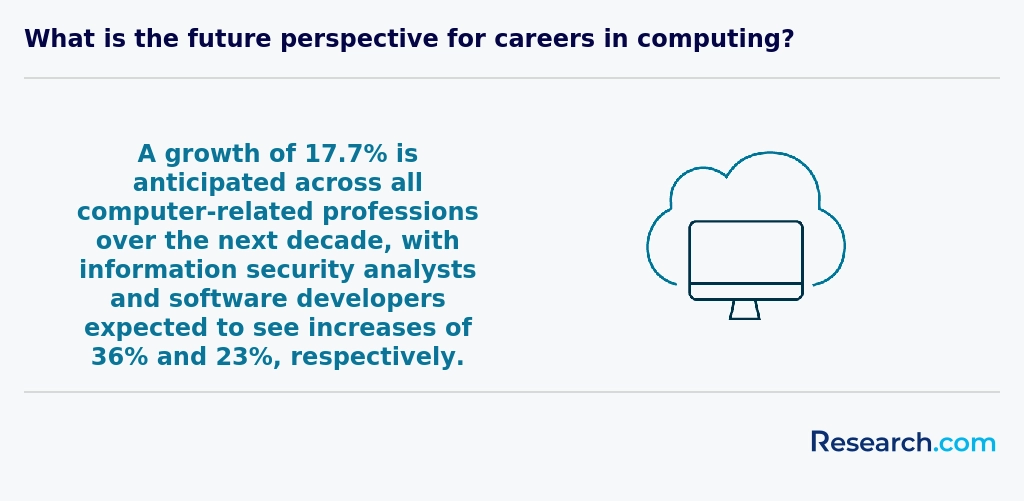
Evaluating the ROI of an affordable computer science degree in Alabama reveals a compelling financial proposition. With average annual tuition of $17,545 (totaling approximately $70,180 for a four-year program) and entry-level salaries ranging from $61,580 (IT Support Specialist) to $87,580 (Web Developer), most graduates recoup their investment within two years of full-time employment. Software Engineers, earning an average of $132,930 annually, typically break even in just over one year. Key ROI insights: • Total program cost vs. starting salary: At a $70,180 total cost and an average starting salary of $75,000, payback occurs in under 1.0–1.2 years. • Mid-career multiplier: With salaries rising to $132,930 for Software Engineers, the five-year ROI multiplier can exceed 2.5× the initial cost. • Comparison to national ROI: Alabama’s combination of moderate tuition and competitive wages places it among the top 15 states for computer science ROI. Beyond traditional software roles, graduates can explore jobs that require coding skills in data science, boosting earning potential and accelerating payback timelines. When assessing affordable computer science programs in Alabama, understanding these ROI dynamics ensures students make financially sound choices that translate into rapid career rewards.
If you're aiming for a computer science degree in Alabama, there's good news: plenty of financial aid options can actually make your college journey way more affordable. At schools like the University of Alabama or Auburn University, many students tap into federal aid by filling out the FAFSA, which opens doors to Pell Grants and work-study gigs. One graduate shared how scoring a Pell Grant helped cover most of their tuition, letting them focus on coding instead of stressing about bills.
State scholarships also play a big role here. Programs like the Alabama Student Assistance Program (ASAP) are perfect if you have good grades and need some financial help. Some students got merit scholarships just for being strong in math and science, easing costs at their campuses.
On top of that, work-study jobs related to computer science let students earn while they learn, gaining real experience without racking up debt. Plus, if you're working while studying, some employers offer tuition assistance, which is a huge bonus for those juggling work and classes.
Internships bridge classroom theory with real-world skills, often leading to job offers. Alabama computer science students can access:
- Co-op placements at NASA’s Marshall Space Flight Center in Huntsville
- Summer internships with Birmingham tech innovators like Shipt and Regions Bank
- Research assistant roles and lab projects at the University of Alabama’s Computer Science Department
- Statewide hackathons and industry-sponsored project collaboratives for hands-on experience
Building a strong internship resume enhances technical expertise and expands professional networks across Alabama’s tech landscape. For graduates seeking to combine practical experience with advanced study, consider the cheapest master in data science to boost career prospects.
If you're thinking about diving into a computer science degree in Alabama, you'll want to have a solid foundation in math and science before you start. Most universities here, like the University of Alabama or Auburn, look for students who've tackled subjects like Algebra II, Geometry, and ideally some Pre-Calculus or Calculus. Science classes like Biology, Chemistry, or Physics also help show you're ready for the technical stuff ahead.
A lot of students share how having a background in basic programming, even from a high school class or community college like Jefferson State, made the transition way smoother. Some schools still ask for SAT or ACT scores, but many have gone test-optional recently, so it really depends on where you apply.
If you're transferring from a place like Shelton State Community College, just make sure your completed courses match what a first-year university student would have taken. That way, you won't feel lost when starting at a four-year program.

Building real-world skills alongside your coursework can set you apart in Alabama’s tech scene:
- Intern with Huntsville aerospace firms or Birmingham startups to apply coding and systems knowledge
- Join faculty-led research in cybersecurity, data analytics or AI at institutions like Auburn University
- Enroll in co-op programs offering semester-long placements that balance work and study
- Enhance your portfolio with specialized electives-consider online game design classes to showcase creativity and technical fluency
If you're diving into a computer science degree in Alabama, expect to tackle courses that really build your skills step-by-step. Graduates from spots like the University of Alabama or Auburn University often mention how core classes like data structures and algorithms helped them think like real programmers. They learned practical coding with languages such as Java, Python, and C++, which made those late-night debug sessions feel way more manageable.
Alongside coding, you'll get into courses like software engineering, operating systems, and database management. One grad recalled how the hands-on labs in computer networks made everything about how the internet works click instantly-no more confusing jargon, just real tech in action. Plus, Alabama schools really lean into math too, with classes in discrete math and calculus that keep your problem-solving sharp.
Many students also enjoy electives in trendy fields like AI and mobile app development, which makes the degree feel current and exciting. This mix keeps things fresh and helps you stay ahead in the job market.
If you're thinking about a computer science degree in Alabama, you'll find plenty of cool specializations to choose from. Many graduates from places like the University of Alabama and Auburn University talk about how focusing on software development gave them hands-on experience building apps and coding real projects, which made landing a job feel way less stressful. Others dive into cybersecurity-a big deal here thanks to local defense contractors-learning how to protect networks and data from hackers.
There's also a lot of buzz around data science and big data analytics, where you get to work with massive datasets, uncover trends, and make smart business or healthcare decisions. Some students even pick up minors or certificates to beef up their resumes.
If you enjoy AI and machine learning, Alabama schools offer programs where you can explore neural networks and teach machines to think a bit like us. Plus, computer networks specialization covers everything from cloud tech to wireless communication, helping grads fit right into Alabama's tech scene. These Alabama computer science program focus areas really prepare you for jobs that require coding skills.
Choosing the best computer science degree in Alabama means thinking about a mix of things like cost, quality, and how flexible the program is. Lots of graduates from UAB and Auburn talk about how important it was to pick programs that are ABET accredited - it really made a difference in how prepared they felt for jobs. Tuition here varies a lot; public schools might cost around $10,000-$12,000 a year for in-state students, while private colleges can be double that. But don't forget scholarships and financial aid that can make private schools more affordable. If you're budget-conscious, checking out affordable computer science degrees in Alabama can save you stress. Plus, schools close to big tech hubs like those near Birmingham give cool internship chances, making the whole learning experience way more exciting.
Many students also love programs that offer online or hybrid classes, which helps if you're working or managing other stuff. And if you want a real deep dive into options and costs, there's a handy Low Cost Computer Science Degree Programs Ranking in Maryland that, while about Maryland, helps understand affordability better. So, looking at how a curriculum lines up with today's tech trends and looking for strong job support after graduation can really set you up for success when picking the best computer science programs Alabama has to offer.
If you're pursuing a computer science degree in Alabama, you'll find plenty of exciting career paths waiting for you. Graduates from popular schools like the University of Alabama and Auburn University often land roles as software developers, systems analysts, or cybersecurity pros right here in cities like Birmingham or Huntsville. Huntsville's tech scene, especially with ties to big names like NASA and defense contractors, opens doors to aerospace software jobs and cutting-edge cybersecurity work that graduates rave about.
Others dive into web and mobile app development, tapping into Alabama's budding startup community, or take on IT project management roles at hospitals and colleges across the state. If research is your thing, many Alabama grads work on AI and machine learning projects at local universities or labs, which can be super rewarding. For those curious, exploring certification programs that pay well is also a smart way to boost your job prospects for Alabama computer science graduates, giving you a leg up in this growing tech market.
The computer science job outlook in Alabama is looking pretty solid right now. Graduates from places like the University of Alabama and Auburn University often find opportunities in cities such as Birmingham and Huntsville, where tech companies and defense contractors are always on the hunt for fresh talent. Many graduates land roles in software development, cybersecurity, or data analysis with major employers like Boeing and Raytheon Technologies, which really boosts confidence for those entering the job market.
Alabama computer science career opportunities also benefit from the state's efforts to grow the tech sector, plus the rise in remote work means grads can join bigger national firms without leaving home. Students in the state appreciate that tuition is more affordable here compared to other parts of the country, making it an attractive choice, especially for those exploring easy online phd degrees alongside their career plans.
2027 Most Affordable Computer Science Degree Programs Ranking in Alabama
Investing in your education is a significant decision that can shape your future, and the Research.com team understands the importance of making informed choices. To assist prospective students in Alabama, we have meticulously crafted the "2027 Most Affordable Computer Science Degree Programs Ranking in Alabama." Our commitment to quality, credibility, and accuracy is reflected in the extensive research and analysis conducted to compile this ranking.
We utilized the following reputable data sources to ensure a comprehensive evaluation of computer science programs:
By exploring this ranking, readers will gain valuable insights into the most affordable computer science degree programs in Alabama, helping them make informed decisions about their educational investments. For more details on our methodology, please visit our Research.com methodology page.

# 3 position
Talladega College
Bachelor of Arts in Computer Science


Frequently Asked Questions About computer science
Computer science students in Alabama can maximize their learning experience by engaging in both academic and practical opportunities. Many universities in Alabama, including the University of Alabama and Auburn University, offer research projects and internships that provide valuable hands-on experience.
Additionally, students should take advantage of Alabama's growing tech industry by seeking internships with local companies. According to the Alabama Department of Labor, the state's computer and information technology sector grew by 11% from 2015 to 2021, creating numerous job and learning opportunities.
Joining student organizations such as ACM (Association for Computing Machinery) chapters can also enhance skills and networking. Lastly, leveraging online resources and attending tech conferences held within Alabama helps students stay updated with the latest technologies and industry trends.
The field of computer science is rapidly evolving, creating new opportunities for students pursuing degrees in Alabama. Emerging niches include artificial intelligence (AI), cybersecurity, data science, and cloud computing. According to the Alabama Department of Labor, jobs in cybersecurity are expected to grow by 31% through 2030, outpacing many other tech areas.
AI is increasingly important as companies adopt machine learning to improve products and services. Data science is also critical, with organizations relying on big data analytics to make informed decisions. Cloud computing expertise is in demand due to the shift toward remote work and cloud-based infrastructure.
Alabama's universities now offer specialized courses and certifications in these fields, preparing students for a competitive market.
Preparing for the job market after earning a computer science degree in Alabama involves combining strong technical skills with practical experience. Graduates should seek internships and cooperative education opportunities during their studies, which many Alabama universities support through partnerships with local tech companies. According to the Alabama Department of Labor, the demand for software developers and IT specialists is expected to grow by 15% through 2030, emphasizing the importance of relevant experience.
Networking plays a key role; joining professional organizations like the Alabama Computing Academy can connect students with employers. Additionally, earning industry certifications such as CompTIA or AWS can enhance employability.
Staying updated on Alabama's tech trends, particularly in Huntsville and Birmingham, helps graduates align their skills with regional job markets and emerging sectors.
Employers in Alabama highly value computer science graduates with strong programming skills, particularly in languages like Java, Python, and C++. According to the Alabama Department of Labor, graduates who demonstrate proficiency in software development and database management are in great demand. Analytical thinking and problem-solving abilities rank among the top soft skills, as they enable graduates to tackle complex technical challenges effectively.
Communication skills also play a critical role, as many employers seek candidates who can collaborate well in team environments. Knowledge of cybersecurity practices is increasingly important, reflecting the state's growing tech sector. Data from the Bureau of Labor Statistics shows Alabama's computer and IT occupations expected growth at 9% from 2022 to 2032, reinforcing the need for adaptable, skilled graduates.
Finding internships in Alabama for computer science students involves leveraging multiple resources. Universities like the University of Alabama and Auburn University often host career fairs that connect students to local tech companies and national firms with Alabama offices.
The state's growing tech sector, including companies in Huntsville and Birmingham, offers many internship opportunities. According to the Alabama Department of Labor, tech-related jobs grew by over 10% between 2018 and 2023, signaling expanding opportunities for computer science interns.
Students should also utilize online platforms like Handshake or the Alabama Technology Council's job board, which regularly lists internships tailored to the local market. Additionally, networking through university alumni groups or local coding meetups can provide valuable connections.
A computer science degree in Alabama significantly enhances career mobility and advancement opportunities. According to the U.S. Bureau of Labor Statistics, Alabama's tech sector is growing faster than many other industries, increasing demand for skilled professionals. Graduates with a computer science background qualify for diverse roles in software development, cybersecurity, and data analysis, which are among the fastest-growing jobs statewide.
Alabama's median annual wage for computer and information technology occupations is around $73,000, above the state average, indicating strong earning potential linked to this degree. Additionally, local employers prioritize candidates with formal education, often offering promotions or leadership roles to those holding relevant degrees. The degree enhances skills and credentials, making it easier to shift between tech roles or sectors within Alabama's growing economy.
Studying for a computer science degree in Alabama equips students with skills that extend beyond programming and software development. Many Alabama institutions emphasize interdisciplinary learning, blending computer science with fields such as engineering, business, and healthcare. For example, the University of Alabama's program offers courses that encourage collaboration across departments, preparing students to apply computing solutions in diverse contexts.
According to the Alabama Commission on Higher Education, nearly 60% of computer science graduates in the state pursue careers that require multidisciplinary knowledge. This trend reflects the growing demand for professionals who can integrate technology with other industries.
Students also benefit from internships and partnerships with local industries, fostering real-world interdisciplinary experience that enhances job readiness.
Choosing between a thesis and a non-thesis computer science degree in Alabama depends largely on your career goals. Thesis programs emphasize research and require original work, which can be valuable if you plan to pursue a PhD or a research-focused career. Non-thesis programs tend to focus on practical skills and coursework, making them suitable for those aiming to enter the tech industry directly.
Alabama universities like the University of Alabama offer both options, with about 30-40% of master's students opting for the thesis route, according to recent academic surveys. Tuition and duration may also vary slightly between these options.
Consider your professional aspirations and whether you prefer hands-on projects or deep research when making your choice.
Students based in Alabama seeking to study computer science abroad have several structured options through their home institutions. Many Alabama universities with computer science programs, such as the University of Alabama and Auburn University, offer exchange programs and study abroad partnerships with universities worldwide.
These programs typically last one semester or an academic year and allow students to earn credits transferable to their degree. Popular destinations include universities in Europe and Asia known for strong STEM focus.
Financial aid and scholarships specifically for study abroad are often available for Alabama students, helping reduce costs. According to the Institute of International Education, about 3% of Alabama students participate in such programs.
Additionally, some institutions have dual-degree agreements allowing students to gain international experience while completing their Alabama-based degree.
Students pursuing computer science degrees in Alabama have access to various part-time job opportunities that complement their studies. Many tech companies and startups in cities like Birmingham and Huntsville offer roles such as software developer interns, IT support technicians, or web developers. These positions help students gain hands-on experience with programming languages and project management.
Additionally, universities frequently hire students as research assistants in computer science departments, providing exposure to cutting-edge technologies. According to Alabama Department of Labor data, part-time tech roles in the state grew by 8% from 2020 to 2023, reflecting expanding opportunities.
Such jobs not only enhance resumes but also nurture critical skills valuable in computing careers.
Computer science students in Alabama have access to numerous networking opportunities that can enhance their education and career prospects. Many universities, such as the University of Alabama and Auburn University, host industry meetups, career fairs, and hackathons regularly. These events connect students with local tech companies and startups. The Alabama Technology Network also offers workshops and mentorship programs tailored to STEM fields, including computer science.
Additionally, professional organizations like the Alabama chapter of the Association for Computing Machinery (ACM) provide student memberships, networking events, and guest lectures from industry leaders. According to the Alabama Department of Labor, the state's tech sector has grown by 5% annually, increasing job opportunities for graduates.
Alumni networks provide valuable support for computer science students in Alabama by connecting them with experienced graduates working in the tech industry. Such connections can open doors to internships, job opportunities, and mentorship. According to the Alabama Commission on Higher Education, schools like the University of Alabama and Auburn University maintain extensive alumni databases that actively engage with current students.
These networks often host career fairs, workshops, and networking events, helping students build professional relationships early. In a state where the tech sector is growing, having access to an alumni network increases students' chances of entering competitive fields.
Moreover, alumni frequently share industry insights and emerging trends, enhancing the practical knowledge of computer science students in Alabama.
In Alabama, many universities offer flexible computer science degree programs that allow students to tailor their coursework to specific career goals. Students can select from various concentrations such as cybersecurity, software development, or data science, depending on their interests. For example, the University of Alabama and Auburn University provide elective tracks and internships to help learners gain practical experience.
Additionally, some programs support dual degrees or minors in related fields like business or engineering, enhancing career options. According to Alabama Commission on Higher Education, nearly 30% of computer science graduates pursue specialized certifications after degree completion to boost employability in tech sectors.
Computer science students in Alabama often face several challenges throughout their studies. One common difficulty is the rigorous coursework, which demands strong skills in mathematics and programming. According to the Alabama Commission on Higher Education, nearly 40% of students entering STEM fields require additional academic support to meet these demands.
Another challenge is limited access to cutting-edge technology and research opportunities compared to larger institutions nationally. This can affect hands-on experience crucial for job readiness.
Additionally, funding and scholarships specific to computer science can be competitive, making financial strain a concern for many students. Many rely on part-time jobs, which can impact study time and academic performance.
Overall, balancing academic rigor, resource limitations, and financial pressures are typical hurdles for computer science students in Alabama.
Graduates with a computer science degree in Alabama have access to various professional certifications that can enhance their career opportunities. Common certifications include the Certified Information Systems Security Professional (CISSP) for cybersecurity roles and the Certified Software Development Professional (CSDP) from the IEEE Computer Society. These credentials are nationally recognized and valued by Alabama employers.
Other popular certifications are CompTIA Security+ and Certified Ethical Hacker (CEH), which focus on network security and ethical hacking skills. According to the Alabama Department of Labor, demand for IT security professionals in the state is projected to grow 15% by 2028, emphasizing the importance of these credentials.
Additionally, certifications in cloud computing, like Microsoft Certified: Azure Fundamentals or AWS Certified Solutions Architect, are valuable as Alabama's tech sector expands. These certifications help graduates demonstrate expertise in managing cloud infrastructure, a critical skill in today's market.
To write a winning application for a computer science program in Alabama, start by showcasing strong academic performance, especially in math and science courses. Many Alabama universities, such as the University of Alabama and Auburn University, look for applicants with a competitive GPA, often above 3.0. Including relevant extracurricular activities like coding clubs or internships can strengthen your profile.
Highlight your passion for technology and problem-solving in the personal statement, focusing on how a computer science degree aligns with your career goals. Alabama's tech job market is growing, with software development roles increasing by 5.4% annually according to the Alabama Department of Labor.
Make sure to submit all required documents, including test scores if applicable, and consider contacting the admissions office for program-specific advice. Careful attention to deadlines and clear, error-free writing can also improve your chances.
Computer science careers are increasingly valued worldwide due to the rapid growth of technology and digital innovation. In the United States, Alabama follows this trend, offering multiple affordable degree programs that prepare students for global job markets. According to the U.S. Bureau of Labor Statistics, computer and information technology jobs are projected to grow 13% from 2021 to 2031, faster than the average for all occupations. This growth reflects strong demand not only in the U.S. but internationally.
Students earning computer science degrees in Alabama benefit from connections to industries such as aerospace and software development, which have strong global ties. The University of Alabama reports that 70% of its computer science graduates find employment within six months, often in roles that require understanding international standards and practices. This global perspective is essential as companies seek professionals who can work across borders and cultures.
Gaining practical experience while studying for a computer science degree in Alabama is crucial for career readiness. Many Alabama universities, including the University of Alabama and Auburn University, offer cooperative education (co-op) programs that integrate paid work experience with academic studies. These opportunities help students apply theoretical knowledge in real-world settings.
Internships are another key avenue. According to the Alabama Department of Labor, tech internships in the state have grown by 15% over recent years, reflecting increasing industry demand. Local tech companies and startups often partner with universities to provide internships specialized in software development, data analysis, and cybersecurity.
Additionally, participating in university-sponsored coding competitions, hackathons, and research projects can enhance hands-on skills. Alabama universities also encourage involvement in student organizations like ACM chapters, which facilitate networking and collaborative projects relevant to the tech field.
Choosing the right concentration within a computer science degree program in Alabama begins with understanding your career goals and interests. Common concentrations include cybersecurity, software development, data science, and artificial intelligence. Each offers unique skills aligned with industry demand.
Alabama hosts several universities offering specialized tracks, such as the University of Alabama's cybersecurity emphasis or Auburn University's software engineering focus. According to the Alabama Department of Labor, jobs in software development and cybersecurity are growing faster than average, with projected growth rates around 15% through 2030.
Research local job markets to identify which skills employers seek. Visiting university websites and speaking with academic advisors can clarify which concentrations best fit your ambitions and regional employment trends.
- 2027 Most Affordable Computer Science Degree Programs Ranking in Tennessee
- 2027 Most Affordable Computer Science Degree Programs Ranking in Louisiana
- 2027 Most Affordable Computer Science Degree Programs Ranking in South Carolina
- 2027 Most Affordable Computer Science Degree Programs Ranking in Missouri
- 2027 Most Affordable Computer Science Degree Programs Ranking in Texas
- 2027 Most Affordable Computer Science Degree Programs Ranking in Virginia
- 2027 Most Affordable Computer Science Degree Programs Ranking in West Virginia
- 2027 Most Affordable Computer Science Degree Programs Ranking in Ohio
- 2027 Most Affordable Computer Science Degree Programs Ranking in Oklahoma
- 2027 Most Affordable Computer Science Degree Programs Ranking in Iowa
See What Experts Have To Say About Studying Computer Science
Read our interview with Computer Science experts

Kathleen M. Carley
Computer Science Expert
Professor of Computer Science
Carnegie Mellon University

Derek Riley
Computer Science Expert
Professor, Program Director
Milwaukee School of Engineering

Imed Bouchrika, Phd
Computer Science Expert
Professor of Computer Science
National Higher School of Artificial Intelligence

Martin Kang
Computer Science Expert
Assistant Professor
Loyola Marymount University

- Essential Skills Every Computer Science Graduate Needs | LSBF https://lsbf.edu.my/blog/11-essential-skills-every-computer-science-graduate-needs/
- Best Computer Certifications for Tech Professionals https://www.computerscience.org/degrees/certifications/
- Computer Science for Alabama - https://governor.alabama.gov/priorities/education/computer-science-alabama/
- 2026 Computer Science Entry-level Jobs in Alabama | WayUp https://www.wayup.com/s/entry-level-jobs/computer-science/alabama/
- The Crucial Role of Networking for Computer Science Students https://dev.to/thisisaayush/the-crucial-role-of-networking-for-computer-science-students-4k2i
- 5 Challenges in Teaching Computer Science & Solutions https://www.computingolympiad.org/post/top-5-challenges-in-teaching-computer-science-in-schools-and-how-to-overcome-them
- Computer Science - SWPS University https://english.swps.pl/academics/warsaw/ba-programs/computer-science
- Career advice for recent Computer Science graduates https://huyenchip.com/2018/10/08/career-advice-recent-cs-graduates.html
- Alumni computer science dual https://www.fbi.h-da.de/en/informieren/ueber-uns/alumni/alumni-computer-science-dual
- Challenges That Frustrate Computer Science Teachers https://codeeasy.io/blog/challenges-that-frustrate-computer-science-teachers