
2027 Most Affordable Computer Science Degree Programs Ranking in South Carolina

Co-Founder and Chief Data Scientist
Choosing the right computer science degree program can feel overwhelming, especially with so many options in South Carolina. To help, this article presents the 2027 Most Affordable Computer Science Degree Programs Ranking in South Carolina created by the Research.com team of data scientists.
By exploring these carefully analyzed options, you can find quality programs that fit your budget and career goals.
Pursuing a computer science degree opens doors to exciting job opportunities and growth. This guide aims to support you in making an informed decision for a bright future.
Key benefits of getting computer science degree in South Carolina
- Graduates with a computer science degree in South Carolina can earn attractive salaries, such as a Software Engineer's mean annual wage of $138,110 or a Web Developer's mean annual wage of $95,570, offering strong financial stability.
- Career paths after graduation include roles like Software Developer, Data Analyst, and IT Support Specialist, reflecting diverse opportunities in tech fields for graduates from popular South Carolina universities.
- Online computer science degrees from South Carolina institutions provide flexible learning schedules and accessibility, making it easier for students to balance work, life, and study without sacrificing education quality.
- Key benefits of getting computer science degree in South Carolina
- What can I expect from computer science degree in South Carolina?
- Where can I work with computer science degree in South Carolina?
- How much can I make with computer science degree in South Carolina?
- 2027 Most Affordable Computer Science Degree Programs Ranking in South Carolina
- Key Findings
- How long does it take to complete computer science degree in South Carolina?
- What's the difference between online and on-campus computer science degree?
- What is the average cost of computer science degree in South Carolina?
- Return on Investment and Career Outcomes
- What financial aid is available to computer science degree students in South Carolina?
- Emerging Trends and Future Opportunities
- What are the prerequisites for enrolling in computer science degree program in South Carolina?
- Continuing Education and Career Advancement
- What courses are typically in computer science degree programs in South Carolina?
- What types of specializations are available in computer science degree programs in South Carolina?
- How do you choose the best computer science degree in South Carolina?
- What career paths are available for computer science degree students in South Carolina?
- What is the job market for computer science degree in South Carolina?
- Related Computer Science Rankings for Nearby States
- Top Trending Computer Science Rankings
- See What Experts Have To Say About Studying Computer Science
What can I expect from computer science degree in South Carolina?
The average cost of earning a computer science degree in South Carolina varies depending on the type of institution. Public universities, such as the University of South Carolina, typically charge in-state tuition around $12,000 to $15,000 annually. Many students report that this affordability, combined with scholarships and financial aid, makes pursuing a degree financially manageable. Private colleges, like Furman University, can have tuition fees ranging from $35,000 to $40,000 per year, yet graduates often emphasize the personalized attention and smaller class sizes they experienced as worth the investment.
Graduates often highlight not only tuition but also additional expenses, such as textbooks and technology fees, which can add approximately $1,500 to $2,000 annually. Many students appreciate cooperative education programs offered by these institutions, providing paid internships that help offset costs and build real-world skills.
The blend of reasonable costs, financial support options, and practical experiences at South Carolina schools contributes to positive student outcomes and competitive starting salaries near $65,000, enhancing the overall value of the degree.
Where can I work with computer science degree in South Carolina?
Graduates with a computer science degree in South Carolina find diverse career opportunities in thriving sectors such as technology, healthcare, finance, and government. For example, graduates from the University of South Carolina and Clemson University often secure roles in software development or cybersecurity with major employers like Boeing in Charleston or medical technology firms in Columbia. These roles involve developing applications, analyzing data, or safeguarding critical information systems.
The state's tech growth, especially in urban hubs like Greenville and Charleston, has driven demand for professionals skilled in programming and IT management. According to the U.S. Bureau of Labor Statistics (2023), open positions for software developers and information security analysts in South Carolina are projected to increase by about 15% over the next decade, which is notably above the national average. This makes the job market promising for graduates eager to apply their skills in real-world projects.
Many computer science graduates also find rewarding roles in state government agencies and public universities, where they support software maintenance and research efforts. Banks such as Wells Fargo recruit locally to develop secure financial applications, providing graduates with a sense of contributing to regional economic stability and innovation.
How much can I make with computer science degree in South Carolina?
Graduates with a computer science degree in South Carolina typically start their careers with salaries between $55,000 and $70,000, aligning well with entry-level positions in software development, IT analysis, or cybersecurity. For example, recent graduates from institutions like Clemson University and the University of South Carolina often find themselves in these ranges, which provides a strong foundation as they enter the tech workforce.
As professionals gain experience, salaries increase notably. Mid-career software engineers and developers in South Carolina can expect to earn from $90,000 up to $110,000 annually. According to national data, software engineers and developers earn a mean wage of about $138,110 per year, which reflects potential growth opportunities beyond state averages when working for larger employers or remote roles.
Roles such as data analysts earn around $119,040 annually, while web developers make approximately $95,570. IT support specialists, frequently in demand at local firms and government offices, earn an average of $63,640 per year. These figures illustrate a clear path for graduates from schools like Coastal Carolina University to move toward well-paying positions while benefiting from South Carolina's affordable cost of living.
The thriving South Carolina tech market, paired with rising salaries and growing demand, offers promising financial rewards for those who pursue advanced skills or certifications in specialized fields such as AI or network security.
2027 Most Affordable Computer Science Degree Programs Ranking in South Carolina
How do we rank schools?
Investing in your education is a significant decision that can shape your future, and the Research.com team understands the importance of making informed choices. To assist prospective students in South Carolina, we have carefully developed the "2027 Most Affordable Computer Science Degree Programs Ranking in South Carolina." Our dedication to quality, credibility, and accuracy is demonstrated through extensive research and thorough analysis behind this ranking.
We utilized the following reputable data sources to ensure a comprehensive evaluation of computer science programs:
By exploring this ranking, readers will gain valuable insights into the most affordable computer science degree programs in South Carolina, empowering them to make well-informed educational decisions. For more information about how this ranking was created, please visit our Research.com methodology page.


# 9 position
Bob Jones University
Computer Science, BS


Key Findings
- In-state tuition for computer science bachelor's degrees at public universities in South Carolina ranges from $10,000 to $15,000 per year.
- Private universities may charge over $30,000 annually, but scholarships and financial aid are often available.
- Starting salaries for computer science graduates in the state average about $60,000 per year.
- Mid-career computer science professionals can earn around $95,000 annually in South Carolina.
- The job market is growing, especially in cities like Charleston, Columbia, and Greenville, with demand exceeding the national average for tech workers.
- Many programs include internships or cooperative education to help students gain practical experience and industry connections.
How long does it take to complete computer science degree in South Carolina?
Completing a computer science degree in South Carolina typically takes about four years for full-time students following a standard 120-credit-hour curriculum. This duration is consistent across leading institutions such as Clemson University and the University of South Carolina. Graduates often recall the steady pace of completing 15 credit hours each semester, balancing coursework with campus activities and internships that enhance their learning experience.
Some students accelerate their progress by enrolling in summer classes or taking heavier course loads during the academic year, sometimes finishing in as little as three years. Conversely, those managing work or family responsibilities may stretch their studies over five to six years while attending part-time, allowing for a more manageable schedule without sacrificing quality.
Graduate programs, like the Master of Science in Computer Science, generally require an additional one to two years. At South Carolina State University, for example, the flexibility of part-time study accommodates working professionals seeking advancement while maintaining their careers.
Factors impacting degree length include enrollment status, transfer credits, and participation in dual-degree options, all enabling personalized academic journeys tailored to individual circumstances.
What's the difference between online and on-campus computer science degree?
Online and on-campus computer science degrees in South Carolina differ mainly in delivery and interaction styles. Online programs provide flexibility, allowing students-often working adults or those with families-to access lectures and coursework anytime. This suits various lifestyles, as highlighted by the roughly 33% of U.S. undergraduates taking online courses. Graduates from online tracks at universities like the University of South Carolina appreciate balancing study with work commitments, though some face out-of-state tuition fees despite living in South Carolina.
In contrast, on-campus degrees at institutions such as Clemson University offer face-to-face learning with professors and peers, including hands-on labs and in-person projects. These students benefit from direct access to campus resources like research centers and tailored career services. Many graduates value the networking and collaborative experiences that help prepare them for tech careers.
Cost differences can also be significant. Public in-state tuition averages about $10,560 annually in South Carolina, but online programs can reduce commuting and housing costs while sometimes charging higher tuition. Additionally, on-campus classes follow set schedules, whereas online students often work asynchronously, catering to different learning preferences and time management needs.
What is the average cost of computer science degree in South Carolina?
The average cost of a computer science degree in South Carolina for in-state students is approximately $17,861, reflecting tuition combined with other essential expenses over the course of the program. Out-of-state students face higher total costs, averaging around $47,971, which aligns with the significant tuition differential seen at major public universities, where in-state tuition typically ranges from $13,000 to $15,000 annually, while out-of-state tuition can exceed $38,000 per year. For example, undergraduate students pursuing computer science at Clemson University experience these cost distinctions firsthand, with in-state tuition being considerably more affordable compared to out-of-state fees.
Graduates from institutions like the University of South Carolina often share how balancing tuition with housing, fees, and books-which can add roughly $5,000 annually-requires careful financial planning. Yet, many feel that the investment is worthwhile, given the quality of education and career opportunities that follow graduation. Private colleges such as Furman University generally have tuition that exceeds $40,000 yearly, though students often benefit from scholarships that ease the financial burden.
South Carolina's total tuition and fees for CS degree South Carolina typically fall near national averages, allowing students to pursue their passion within a manageable financial framework. Prospective learners should explore scholarships and financial aid programs that help make a computer science degree more accessible. For those seeking options, it can be useful to review the best computer science program in south carolina to identify schools that balance cost and quality effectively.
Return on Investment and Career Outcomes
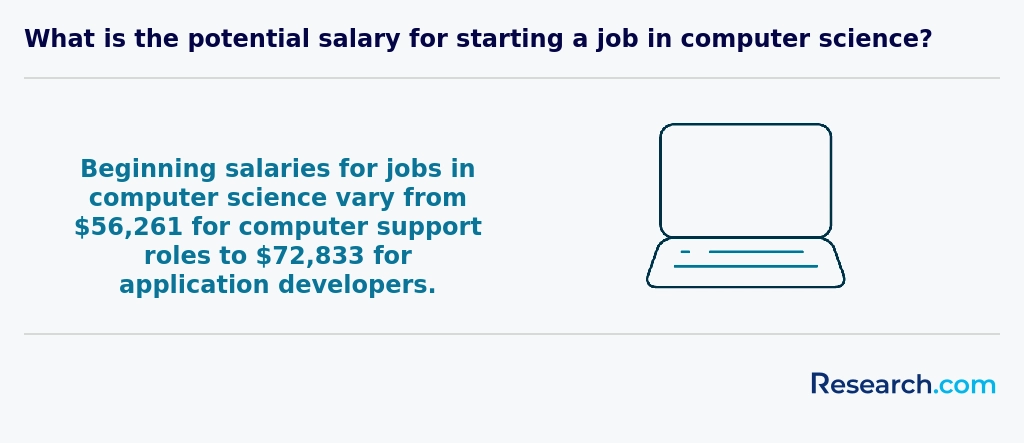
Understanding the return on investment (ROI) of a Computer Science degree in South Carolina is crucial for making an informed decision. Prospective students should evaluate graduation rates, median debt at graduation, and job placement figures to gauge both the financial and professional benefits of their chosen program. Most public universities in South Carolina report graduation rates for Computer Science majors between 55% and 70% within six years. Private institutions often exceed these figures, with some programs boasting up to 75% completion rates. On average, South Carolina graduates carry a median debt load of $25,000 in federal loans, significantly below the national average of $30,000. Students who leverage scholarships and state grants can reduce this figure even further. Career outcomes for Computer Science alumni in South Carolina are strong. Within six months of graduation, approximately 88% of graduates secure full-time positions in tech or related fields. The mean starting salary of $68,000 for entry-level roles-such as software developer or data analyst-allows many to recoup their tuition investment in under three years. Mid-career professionals report a median annual wage of $120,000, underscoring the long-term value of the degree. For students seeking the most cost-effective options beyond South Carolina, it’s worth comparing programs in neighboring regions. Our Cheapest Computer Science Degree Programs Ranking in the Midwest offers insights into institutions where tuition and fees are even lower, helping you maximize ROI while expanding your geographic options.
What financial aid is available to computer science degree students in South Carolina?
Students pursuing computer science degrees in South Carolina benefit from a range of financial aid options that significantly alleviate the average in-state tuition costs of $10,000 to $15,000 annually. Federal aid is a major support, with Pell Grants covering up to $7,395 for low-income students, helping to reduce debt burdens without repayment stress. Many students at institutions like Clemson University report that these grants make the difference in attending full-time without working multiple jobs.
State scholarships, such as the LIFE and Palmetto Fellows scholarships, provide up to $6,700 each year for academically strong students attending in-state colleges like the University of South Carolina. Graduates often share how these merit awards eased financial pressures, allowing them to focus on demanding coursework and cutting-edge projects.
Additional departmental scholarships tailored for computer science majors at Clemson and USC further enhance affordability. Work-study programs and paid internships with South Carolina's growing tech companies not only supplement income but also serve as gateways to professional experience, making students feel supported both financially and career-wise.
Emerging Trends and Future Opportunities
South Carolina's computer science landscape is rapidly evolving as emerging technologies shape both education and industry needs. Programs are increasingly integrating cutting-edge topics such as machine learning, blockchain technology, and advanced cybersecurity measures to ensure graduates remain competitive in a dynamic job market. These innovations not only enrich academic curricula but also create avenues for groundbreaking research and real-world applications. Students entering these programs now benefit from closer collaborations between universities and tech industry leaders. These partnerships lead to internship opportunities, collaborative projects, and enhanced career support services that bridge the gap between classroom learning and industry demands. By staying attuned to these trends, programs continuously update their course offerings and research opportunities, ensuring students acquire skills that are relevant for the future. In addition, many institutions are leveraging state-of-the-art labs and innovation centers that foster an environment of creativity and entrepreneurship. These facilities empower students to experiment with new ideas, develop prototypes, and even launch startups. This hands-on experience is a significant factor in attracting prospective applicants, particularly those searching for the best computer science program in south carolina that not only teaches theory but also emphasizes practical innovation. Furthermore, career services are expanding to include specialized mentoring in emerging fields, helping graduates navigate new market demands and opportunities. Industry forecasts suggest a robust growth in sectors like artificial intelligence and data-driven technologies, making now a prime time for students to invest in their education. By aligning academic experiences with these forward-looking trends, graduates find themselves well-prepared to lead in tomorrow’s tech-driven economy.
What are the prerequisites for enrolling in computer science degree program in South Carolina?
Enrolling in a computer science program in South Carolina requires completion of specific high school coursework to build a strong foundation. Prospective students at well-known institutions like Clemson University or the University of South Carolina typically show proficiency in mathematics, including algebra, geometry, and preferably calculus, alongside science courses such as physics or chemistry. These classes develop critical analytical skills essential for computer science success.
Graduates often recall that having basic computer literacy or introductory programming before college made their transition smoother and boosted their confidence in tackling complex programming challenges early on.
Most public universities in the state request SAT or ACT scores, with competitive benchmarks around a 1060 SAT or 21 ACT composite. However, some campuses have embraced test-optional policies, reflecting flexibility for students with strong academic records or practical experience.
Community colleges offering associate degrees emphasize a GPA above 2.5 and core math achievements, accommodating adult learners who bring relevant work backgrounds, which many find encouraging and motivating for returning to education.
Holistic admission reviews further consider extracurricular activities and personal statements, giving students opportunities to showcase passion and problem-solving skills beyond grades.

Continuing Education and Career Advancement
After completing an affordable computer science degree in South Carolina, advancing your skills can unlock higher-paying roles and leadership opportunities. Consider these pathways:
- Pursue a specialized graduate degree, such as an online masters in data science, to deepen expertise in analytics and machine learning without interrupting your career.
- Earn industry-recognized certifications (for example, AWS Certified Solutions Architect or CompTIA Security+) to validate your skills and stand out to employers.
- Join professional organizations (like the South Carolina ACM chapter or IEEE Computer Society) for networking events, workshops and ongoing learning.
- Attend local tech meetups and hackathons in Charleston, Greenville or Columbia to build practical experience and professional connections.
By combining advanced education, certifications and community engagement, you’ll strengthen your resume and position yourself for roles in software architecture, data science leadership or cybersecurity management.
What courses are typically in computer science degree programs in South Carolina?
Computer science degrees in South Carolina commonly include foundational courses such as programming fundamentals, data structures, and algorithms. Graduates from popular institutions in the state often recall how learning languages like Python, Java, and C++ enabled them to develop efficient code and solve real-world problems in internships and projects. Core curriculum also typically covers computer systems and architecture, where students gain practical insights into how operating systems and networking operate behind the scenes, a favorite topic among those who interned in local tech firms.
Software engineering courses stand out by teaching teamwork, project management, and quality assurance, preparing students for collaborative environments encountered during capstone projects at universities like Clemson or the University of South Carolina. Additionally, electives in AI, cybersecurity, and web development let students customize their studies according to evolving industry trends, which many graduates found motivating and aligned with their career goals.
Mathematics courses such as calculus, discrete math, and statistics provide crucial analytical skills, enabling students to approach coding challenges logically. The practical, hands-on curriculum combined with South Carolina's affordable tuition-averaging around $11,500 yearly for in-state students-makes the digital education journey both accessible and rewarding.
What types of specializations are available in computer science degree programs in South Carolina?
Computer science programs in South Carolina commonly offer specializations that align with the state's industry needs and national tech trends. Graduates from institutions like Clemson University and the University of South Carolina often highlight software engineering as a key focus, where they master programming languages and software architecture to excel in application development roles. Those pursuing cybersecurity benefit from specialized courses in cryptography and ethical hacking, addressing growing concerns in network defense within local government and private sectors.
Data science and analytics specialization is gaining momentum, reflecting the expanding demand for data professionals. Many students explore machine learning and artificial intelligence through hands-on projects, preparing for roles in research or cutting-edge tech firms. South Carolina also supports career paths in computer networks and systems, important for managing IT infrastructure at regional companies.
Students seeking versatile skills can find programs offering mobile app development, database management, or human-computer interaction. These concentrations enhance user-centered design capabilities valued by employers. For flexible advanced education opportunities, prospective students should consider the data science masters online programs available in the state.
These diverse South Carolina computer science degree concentrations enable graduates to adapt swiftly to evolving tech demands while benefiting from affordable tuition fees ranging from $10,000 to $15,000 annually at public universities.
How do you choose the best computer science degree in South Carolina?
Choosing the best affordable computer science degrees South Carolina offers requires evaluating several key factors. Accreditation by entities such as the Computing Accreditation Commission of ABET ensures the program meets high academic and industry standards. Graduates from Clemson University often highlight the value of ABET-accredited curricula combined with strong faculty expertise, especially in areas like cybersecurity and data science. Tuition costs also influence decisions; in-state public universities average around $11,000 annually, making them economical options compared to private institutions that may charge over $30,000.
Students considering top computer science programs South Carolina cost should examine course offerings and faculty research. For example, graduates from the University of South Carolina appreciate the school's ties to the growing tech sectors in Charleston and Greenville, which foster internships and networking, boosting employment prospects. Program flexibility, including online and part-time options, can support working professionals balancing education and career growth.
Prospective students are encouraged to compare financial aid and scholarships, focusing on STEM-specific awards to offset costs. To explore affordable options beyond South Carolina, consult the Cheapest Computer Science Degree Programs Ranking in the Midwest.

What career paths are available for computer science degree students in South Carolina?
Graduates with a computer science degree in South Carolina find diverse career paths across technology, finance, healthcare, and government sectors. Many secure roles in software development, earning a median annual wage near $95,000 in the state, slightly below the national average but competitive regionally. These opportunities reflect the robust tech growth in cities like Charleston and Greenville, where employers seek skilled professionals in programming, system analysis, and IT consulting.
Jobs with a computer science degree in South Carolina also include data analysis and cybersecurity, fields expanding rapidly with over 15% growth recently in metropolitan areas. Students from popular universities often share success stories of leveraging their technical skills in real-world projects that attract employers seeking problem solvers familiar with algorithms and automation.
Those interested in further specialization can pursue certifications in cloud computing or cybersecurity, boosting career prospects. Additionally, some graduates explore teaching or research roles within the state's academic institutions. Considering tuition averages around $8,000 annually for in-state programs, exploring options like cheap one year master's programs online has become an attractive path to enhance skills and employment potential.
What is the job market for computer science degree in South Carolina?
The computer science job opportunities in South Carolina reflect a robust market driven by growth in sectors such as software development, cybersecurity, and data analytics. Graduates from universities like Clemson and the University of South Carolina often find themselves well-positioned in vibrant tech hubs like Charleston and Greenville, where companies actively seek skilled professionals to innovate and manage advanced technologies.
Recent graduates frequently share positive experiences about affordable in-state tuition, which typically ranges from $7,000 to $12,000 annually, making it easier to pursue a degree without excessive debt. These cost advantages are paired with competitive salaries, with the median annual wage hovering around $85,000, encouraging many students to stay and grow their careers locally.
South Carolina's strategic emphasis on technology workforce development also benefits job seekers. Programs inspired by initiatives such as the South Carolina Cybersecurity Education Initiative help graduates meet employer expectations. For students researching affordable degree options, the best college degrees for seniors online offer additional flexible paths to enter this thriving job market.
The South Carolina tech industry employment outlook remains promising, supported by sustained demand and diverse opportunities across urban centers. Graduates commonly describe the environment as supportive, where rising innovation creates a dynamic pathway for career advancement.
Frequently Asked Questions About computer science
Computer science students in South Carolina can maximize their learning by engaging in hands-on experiences such as internships and cooperative education programs. The state's growing tech sector, including companies in Charleston and Greenville, offers valuable opportunities to apply classroom knowledge in real-world settings. Additionally, students should take advantage of research projects at institutions like Clemson University or the University of South Carolina, which provide access to innovative technology and expert faculty.
Participating in coding clubs and hackathons can also enhance skills and foster networking. According to the South Carolina Department of Commerce, STEM jobs grew by 18% from 2015 to 2020, highlighting demand for skilled graduates.
Emerging niches in computer science reflect the rapid evolution of technology, with South Carolina universities adapting their curricula accordingly. Areas like artificial intelligence (AI) and machine learning are gaining traction, driven by increasing demand for automation and data analysis skills.
Cybersecurity is another critical niche, as cyber threats rise nationwide. South Carolina's growing tech sector contributes to regional demand for specialists trained to protect digital infrastructure. Additionally, fields such as data science and cloud computing are expanding, supporting businesses in managing and interpreting large data sets.
Robotics and Internet of Things (IoT) applications also offer new opportunities, especially in manufacturing and smart technologies, which are prominent industries in South Carolina according to the state's Department of Commerce. These niches align well with industry needs, giving students practical skills for emerging job markets.
Preparing for the job market after earning a computer science degree in South Carolina involves strategic planning and leveraging local resources. Graduates should focus on gaining practical experience through internships or cooperative education programs available at many state universities. The South Carolina Department of Employment and Workforce reported that tech-related jobs, such as software developers and IT analysts, have grown by about 9% annually in recent years.
Networking is crucial; local tech groups and events in cities like Charleston, Columbia, and Greenville offer valuable connections. Additionally, students should develop strong skills in popular programming languages such as Python, Java, and C++, which are in high demand statewide.
Certification in areas like cloud computing or cybersecurity can enhance employment prospects. Finally, using statewide job boards and university career centers helps graduates stay informed about openings tailored to South Carolina's tech industry.
Employers in South Carolina highly value computer science graduates who demonstrate strong programming skills in languages like Java, Python, and C++. According to the South Carolina Department of Employment and Workforce, demand for software developers and IT professionals is expected to grow by over 15% through 2030.
Beyond coding, problem-solving and critical thinking abilities are crucial. Graduates should be comfortable working on complex projects and collaborating within teams. Knowledge of data structures, algorithms, and database management also ranks highly among local employers.
Soft skills such as communication and adaptability remain important, especially as tech environments undergo rapid change. Certifications and internships can strengthen a graduate's profile in the competitive South Carolina tech job market.
Finding internships in South Carolina for computer science students involves leveraging university career centers, local tech companies, and industry events. Many institutions like the University of South Carolina and Clemson University provide dedicated internship programs and job fairs tailored to the tech sector. According to the South Carolina Department of Commerce, the tech industry employs over 66,000 workers statewide, creating strong demand for internships.
Students should explore opportunities with companies in cities such as Charleston and Greenville, where tech hubs are growing rapidly. Online platforms like Handshake and LinkedIn also list internships specific to the region. Networking at local meetups or conferences can increase chances, as 75% of internships are reported to be found through personal connections, according to the National Association of Colleges and Employers.
A computer science degree significantly enhances career mobility and advancement opportunities in South Carolina. The state's growing tech sector, particularly in cities like Charleston and Greenville, demands skilled professionals in software development, cybersecurity, and data science. According to the U.S. Bureau of Labor Statistics, computer and information technology occupations in South Carolina are projected to grow over 11% from 2021 to 2031, faster than the average for all occupations.
Graduates often find roles in established companies and startups, benefiting from competitive salaries and opportunities to shift between industries such as healthcare, finance, and manufacturing. Employers value the problem-solving and technical skills developed through these programs, facilitating upward mobility. Furthermore, South Carolina colleges provide networking and internship connections that support career growth.
Studying computer science in South Carolina offers students a strong foundation that supports interdisciplinary career paths. Many programs incorporate courses in mathematics, engineering, business, and the sciences, fostering versatile skills that employers seek. The state's universities often encourage collaboration with industries such as healthcare, manufacturing, and cybersecurity, reflecting regional economic priorities. According to the National Center for Education Statistics, South Carolina awarded over 1,200 computer science bachelor's degrees in recent years, indicating a growing workforce prepared for diverse roles. Additionally, experiential learning opportunities and research projects help students apply computing knowledge to real-world problems beyond traditional tech jobs.
When choosing between a thesis and a non-thesis computer science degree program in South Carolina, students should consider their career goals and learning preferences. Thesis programs emphasize research, requiring students to produce a substantial written project, often suitable for those interested in pursuing a PhD or research-oriented roles. Non-thesis programs focus more on coursework and practical skills, appealing to students aiming for direct entry into the workforce.
According to the South Carolina Commission on Higher Education, universities like Clemson and University of South Carolina offer both tracks, with thesis options typically lasting longer due to research demands. Understanding the time commitment and desired outcome is essential for making the best choice.
Students in South Carolina who wish to study computer science abroad have several pathways through their home institutions. Many South Carolina universities, including Clemson University and the University of South Carolina, offer study abroad programs with partner schools in Europe, Asia, and Canada. These programs often last a semester or summer session, allowing students to earn credits that count toward their degrees.
Additionally, exchange programs enable students to experience different educational systems while benefiting from in-state tuition rates. Financial aid and scholarships specific to study abroad are sometimes available through South Carolina's higher education offices and universities.
According to the Institute of International Education, about 10% of US STEM students participate in study abroad, reflecting growing interest among computer science majors in global experiences.
Part-time job opportunities in South Carolina that complement computer science degree education often include roles such as software development internships, IT support technician positions, and web development assistantships. These jobs provide practical experience alongside academic learning, allowing students to apply programming and system analysis skills in real-world settings.
The South Carolina Department of Employment and Workforce reports growth in tech-related jobs, with many openings in cities like Charleston and Greenville where tech firms and startups thrive.
Additionally, roles in data entry and quality assurance testing are common for students to build attention to detail and coding knowledge. Participation in campus research projects or tech support for university departments also enhances technical and teamwork skills.
Computer science students in South Carolina benefit from a variety of networking opportunities through university-sponsored events and local tech organizations. Many universities, such as Clemson University and the University of South Carolina, host career fairs, hackathons, and tech talks, connecting students with regional employers and industry experts.
The state's tech hubs, including the Charleston Digital Corridor, offer internships and workshops that enhance professional growth. Additionally, groups like the South Carolina Technology Alliance provide access to conferences and networking sessions for students and professionals alike.
According to the South Carolina Department of Commerce, the tech sector grew by over 5% annually, increasing demand for skilled graduates and expanding networking platforms within the state.
Alumni networks play a vital role for computer science degree students in South Carolina by providing valuable career connections. Graduates from local institutions often remain active in the technology sector, which is growing steadily in the state. For example, Clemson University and the University of South Carolina have strong alumni groups that facilitate mentorship and internship opportunities.
These networks help students access job leads in prominent companies such as BMW, Boeing, and technology startups based in South Carolina. According to the South Carolina Department of Commerce, the tech workforce expanded by over 10% between 2018 and 2023, making alumni insights crucial for job placement.
Furthermore, alumni events and online platforms give students exposure to industry trends and real-world projects, enhancing their practical skills and employability after graduation.
In South Carolina, many universities offer computer science degree programs with options to tailor your studies toward specific career goals. Students can often choose electives like cybersecurity, artificial intelligence, or software development to match industry demands.
Some schools provide minors or certificates that complement the computer science degree, such as data analytics or business management. These additions help broaden skill sets and improve job prospects. Additionally, internships and cooperative education programs available through institutions like Clemson University and the University of South Carolina offer practical experience in local tech companies.
According to the South Carolina Department of Commerce, the state's tech sector is growing, increasing the need for graduates with specialized skills. This regional demand encourages educational institutions to give students flexibility in curriculum choices aligned with employer needs.
Computer science students in South Carolina often face several challenges throughout their academic journey. One common difficulty is the fast pace of curriculum advancements, requiring students to continuously update their skills in programming languages and emerging technologies. According to the National Center for Education Statistics, South Carolina awarded over 900 computer science-related degrees in 2021, leading to increased competition for internships and job placements.
Another challenge is access to sufficient academic support, especially at smaller institutions where resources may be limited. Many students report struggles with understanding complex subjects like algorithms and data structures, which are foundational to computer science success. Additionally, balancing demanding coursework with work or family responsibilities remains a frequent obstacle for many in-state students.
A computer science degree in South Carolina opens the door to several valuable professional certifications. Common certifications include the Certified Information Systems Security Professional (CISSP), which focuses on cybersecurity, and the Certified Software Development Professional (CSDP) granted by the IEEE Computer Society. These credentials are widely recognized in the US technology sector.
Additionally, entry-level certifications like the CompTIA A+ and Network+ can complement a degree and improve job prospects in IT support and networking. South Carolina's growing tech industry, especially around Charleston and Greenville, values these certifications for career advancement.
According to the South Carolina Department of Commerce, certified professionals in tech roles can earn up to 20% more than non-certified peers, emphasizing the financial benefit of certification.
To write a winning application for a computer science program in South Carolina, start by highlighting your strong foundation in math and science. Most programs value applicants with AP courses or high school classes in calculus and physics. South Carolina schools, such as Clemson University and the University of South Carolina, emphasize academic rigor in STEM subjects.
Include relevant extracurricular activities or projects, especially coding experience or participation in competitions. Demonstrating practical skills alongside grades enhances your candidacy.
Carefully craft your personal statement to explain your passion for computer science and career goals, reflecting awareness of the evolving tech industry.
Finally, secure strong recommendation letters from teachers familiar with your technical aptitude and work ethic.
Computer science careers have a growing global importance, reflecting rapid technological advances and digital transformation worldwide. In the United States, including South Carolina, the demand for computer science professionals is expected to grow 22% from 2020 to 2030, much faster than the average for all occupations, according to the U.S. Bureau of Labor Statistics.
South Carolina's tech industry, centered around cities like Charleston and Greenville, offers expanding opportunities in software development, cybersecurity, and data analysis. This regional growth aligns with global trends emphasizing innovation and digital infrastructure.
Internationally, computer science skills enable professionals to work across borders, providing flexibility and diverse career options within multinational companies and remote roles.
Students pursuing a computer science degree in South Carolina can gain practical experience through several effective avenues. Many universities encourage participation in cooperative education (co-op) programs, which combine classroom learning with paid, hands-on work in tech companies. Clemson University and the University of South Carolina, for example, have partnerships with local firms offering co-op opportunities.
Internships are another common way to build experience. According to the South Carolina Department of Commerce, tech employers in the state hire thousands of interns annually, giving students exposure to real projects and industry practices. Additionally, joining campus coding clubs or hackathons helps develop problem-solving skills.
Finally, some students benefit from research assistant positions with faculty, particularly in areas like cybersecurity and artificial intelligence, which are expanding fields in South Carolina's tech sector.
Choosing the right concentration within a computer science degree in South Carolina depends on your career goals and interests. Common specializations include software development, cybersecurity, data science, and artificial intelligence. South Carolina universities often align concentrations with current job market demands in the state, where cybersecurity and software jobs grew by over 10% between 2019 and 2023, according to the South Carolina Department of Employment and Workforce.
Research the curriculum at each school to see which concentrations offer courses matching your strengths. Internships and job placement rates in the region can also guide your choice, helping you gain practical experience in fields that show strong local employer demand.
Finally, consider speaking to industry professionals or academic advisors at South Carolina colleges to understand emerging trends and how different concentrations prepare you for future opportunities in tech hubs like Charleston and Greenville.
Related Computer Science Rankings for Nearby States
- 2027 Most Affordable Computer Science Degree Programs Ranking in Tennessee
- 2027 Most Affordable Computer Science Degree Programs Ranking in Alabama
- 2027 Most Affordable Computer Science Degree Programs Ranking in Virginia
- 2027 Most Affordable Computer Science Degree Programs Ranking in West Virginia
- 2027 Most Affordable Computer Science Degree Programs Ranking in Louisiana
- 2027 Most Affordable Computer Science Degree Programs Ranking in Maryland
- 2027 Most Affordable Computer Science Degree Programs Ranking in Missouri
- 2027 Most Affordable Computer Science Degree Programs Ranking in Ohio
- 2027 Most Affordable Computer Science Degree Programs Ranking in Pennsylvania
- 2027 Most Affordable Computer Science Degree Programs Ranking in Texas
Top Trending Computer Science Rankings
See What Experts Have To Say About Studying Computer Science
Read our interview with Computer Science experts

Kathleen M. Carley
Computer Science Expert
Professor of Computer Science
Carnegie Mellon University

Derek Riley
Computer Science Expert
Professor, Program Director
Milwaukee School of Engineering

Imed Bouchrika, Phd
Computer Science Expert
Professor of Computer Science
National Higher School of Artificial Intelligence

Martin Kang
Computer Science Expert
Assistant Professor
Loyola Marymount University

References
- Academic Catalog https://academic-catalog.uscupstate.edu/cst/mcs/computer-science-bs/
- Computer Science Cover Letter: How to Show You're a Top Tech Candidate https://arc.dev/talent-blog/computer-science-cover-letter/
- Essential Skills Every Computer Science Graduate Needs | LSBF https://lsbf.edu.my/blog/11-essential-skills-every-computer-science-graduate-needs/
- Best Computer Certifications for Tech Professionals https://www.computerscience.org/degrees/certifications/
- How to choose a bachelor's in computer science | edX https://www.edx.org/resources/how-to-choose-a-bachelors-in-computer-science
- Navigating Systemic Access to Computer Science Learning https://www.nasbe.org/navigating-systemic-access-to-computer-science-learning/
- The Crucial Role of Networking for Computer Science Students https://dev.to/thisisaayush/the-crucial-role-of-networking-for-computer-science-students-4k2i
- 8 Tips for Computer Science Graduates to Get Their First Job https://allthecode.co/blog/post/tips-for-computer-science-graduates-to-get-their-first-job
- How to Find Computer Science Work Experience in Year 12 https://www.savemyexams.com/learning-hub/careers/how-to-find-computer-science-work-experience-year-12/
- South Carolina Expands Access to Computer Science ... https://www.ecs.org/south-carolina-expands-access-to-computer-science-education/








