2027 Most Affordable Computer Science Degree Programs Ranking in the Midwest

Co-Founder and Chief Data Scientist
Choosing the right computer science degree program can feel overwhelming, especially with so many options in the Midwest. This article introduces the 2027 Most Affordable Computer Science Degree Programs Ranking in the Midwest, crafted by the Research.com team of data scientists to guide you toward smart educational choices.
By exploring this ranking, you'll discover programs that balance quality and cost, helping you invest in your future confidently. Earning a computer science degree opens doors to exciting careers and growth. Let this guide support your journey toward success with a degree that fits your goals and budget.
Key benefits of getting computer science degree in the Midwest
- Salary for computer science degree graduates: Graduates can expect competitive pay, such as software engineers earning a mean annual wage of $138,110 and IT support specialists around $63,640, making it rewarding financially in the Midwest.
- Career paths: A typical Midwest computer science graduate can pursue roles like software developer, data analyst, or web developer, enjoying diverse opportunities across growing tech industries.
- Benefits of online degrees: Online computer science programs from Midwest universities offer flexibility and accessibility, helping students balance work and study while gaining valued skills for the tech job market.
- 2027 Most Affordable Computer Science Degree Programs Ranking in the Midwest
- What can I expect from computer science degree in the Midwest?
- Where can I work with computer science degree in the Midwest?
What can I expect from computer science degree in the Midwest?
The average cost of earning a computer science degree in the Midwest tends to be more affordable than in many coastal areas, which is a major consideration for students balancing education and budget. Public universities in states like Illinois, Indiana, and Ohio typically charge around $11,000 per year for in-state tuition and fees. Graduates from well-regarded schools such as the University of Illinois Urbana-Champaign or Ohio State University often reflect on this affordability as a crucial factor in their ability to focus on studies rather than financial stress.
Living expenses in Midwestern college towns further ease the financial burden. A student attending a school in Ann Arbor, Michigan, or Columbus, Ohio, might find rent and daily costs notably lower than in major metropolitan tech hubs, which positively affects overall affordability.
However, it's important to recognize that costs can vary based on whether students attend private institutions or qualify for scholarships and financial aid. Some graduates recall that combining affordable tuition with internships in local industries helped them manage expenses effectively while gaining valuable experience.
Where can I work with computer science degree in the Midwest?
Graduates with a computer science degree from Midwest institutions like the University of Illinois Urbana-Champaign or the University of Michigan often find themselves pursuing careers in diverse sectors such as technology, automotive, finance, and healthcare. For example, a graduate landing a role at a Chicago-based firm might work alongside teams developing cybersecurity protocols for major corporations like Boeing or United Airlines, directly applying their skills to real-world challenges.
Others may join Detroit's evolving tech landscape, contributing to automotive software projects at companies like Ford. These roles frequently involve cutting-edge work in embedded systems or AI, reflecting the region's investment in innovation. Meanwhile, graduates from Ohio universities often secure positions in health tech startups or financial institutions in Columbus, where they manage data systems or develop software solutions, enjoying a dynamic work environment with steady growth.
Many also find fulfilling careers in government or academia, such as at the Federal Reserve Bank of Chicago or regional research centers, where they leverage computer science expertise to enhance cybersecurity or analyze complex data. These varied paths reveal that while opportunities are robust, success often depends on adaptability and embracing the region's evolving industries.
Graduates with a computer science degree from Midwest institutions such as the University of Illinois Urbana-Champaign or the University of Michigan often find starting salaries for roles like software developers ranging from $60,000 to $70,000 annually. These entry-level figures align with regional averages and offer a promising foundation for early career growth.
With experience, many Midwestern graduates advance to positions where salaries approach or exceed national means-for example, software engineers and developers earn around $138,110 per year according to recent BLS data. Even specialized roles like data analysts command substantial wages near $119,040. In contrast, web developers and IT support specialists earn lower but still competitive salaries, approximately $95,570 and $63,640 respectively.
Graduates often report satisfaction with these earnings, particularly given the Midwest's lower cost of living, which allows a salary of $75,000 to provide greater financial comfort than equivalent incomes on the coasts. For many pursuing computer science programs at Midwestern colleges, these salary prospects make the investment in education feel both achievable and rewarding.
- In-state tuition for computer science degrees at Midwestern public universities ranges from $9,000 to $15,000 per year, which is below the national average.
- Private universities in the Midwest charge between $30,000 and $50,000 annually but may offer financial aid.
- Entry-level salaries for computer science graduates commonly range from $60,000 to $75,000, with higher pay in cities like Chicago, Minneapolis, and Columbus.
- Experienced professionals in the region can earn median salaries exceeding $100,000 after five or more years in the field.
- Employment in computer and information technology roles in the Midwest is growing at rates above the national average, expected to increase by more than 15% over the next decade.
- Midwestern schools provide many internship and cooperative education opportunities, often through partnerships with local businesses, as well as flexible program formats like online and hybrid classes.
Completing a computer science degree in the Midwest typically requires about four years of full-time study, aligning with national undergraduate standards and supported by data from the National Center for Education Statistics. Most students pursue a Bachelor of Science or Arts in Computer Science, completing roughly 120 to 130 credit hours. For example, graduates from universities such as the University of Michigan or the University of Illinois Urbana-Champaign often share that this four-year timeline feels both challenging and rewarding, allowing time to deeply engage with foundational and advanced topics.
However, some students manage to accelerate their path by taking heavier course loads or attending summer classes, finishing in as little as three years. On the other hand, part-time students balancing work or family commitments might stretch their studies to five or six years, emphasizing the flexibility Midwest institutions often provide.
Many Midwest universities also offer graduate options, where a master's degree typically takes 18 to 24 months, depending on thesis or non-thesis tracks. This variety lets students tailor their educational pace to personal and professional goals.
A comprehensive Computer Science degree in the Midwest generally requires around 120 credit hours, combining foundational theory, practical labs, and specialized electives to equip students for industry demands. In the first two years, students build essential skills with courses such as:
- Introduction to Programming (Python/Java): Syntax, control structures, and problem-solving
- Discrete Mathematics: Logic, set theory, and proofs
- Data Structures and Algorithms: Arrays, linked lists, trees, sorting, and searching
- Computer Architecture and Organization: CPU design, memory hierarchy, and instruction sets During the junior and senior years, the curriculum shifts to advanced topics and hands-on experiences:
- Operating Systems and Networking: Process management, concurrency, TCP/IP, and network protocols
- Database Systems: SQL, NoSQL, data modeling, and query optimization
- Software Engineering: Development life cycle, version control, and team collaboration
- Electives in Specializations: Artificial Intelligence, Cybersecurity, Cloud Computing, Human–Computer Interaction Most programs culminate in a capstone project or internship, where students collaborate on real-world software development under faculty or industry mentorship. This capstone integrates skills across courses-design patterns, testing methodologies, and user experience-to deliver a polished application or research prototype. To extend your expertise beyond the bachelor’s level, consider graduate pathways; for example, exploring online masters in data science degree programs can deepen your analytical skill set and open doors to data-driven roles in technology.
Students pursuing a computer science degree in the Midwest often weigh the choice between traditional on-campus and flexible online formats. On-campus programs at universities like the University of Illinois Springfield and Michigan State University immerse students in an environment rich with hands-on labs, face-to-face collaboration, and networking events. Graduates frequently describe the camaraderie and direct faculty access as energizing, fostering a deeper engagement through group projects and internships that can spark career opportunities.
Conversely, online degrees appeal to those balancing work or family commitments, offering access to the same accredited curriculum without geographic constraints. Some online graduates highlight the freedom to set their own study pace as empowering, though they also note the need for strong self-discipline and reliable technology. While online students may miss some in-person interactions, many Midwestern public universities strive to create virtual communities that support learning and professional growth.
Cost differences are also notable. On-campus students often face additional fees for campus resources and commuting, whereas online learners might have lower overall expenses, though financial aid availability can vary based on enrollment type. Both paths maintain quality standards, but personal priorities shape the most suitable choice.
A comprehensive curriculum is the cornerstone of any successful Computer Science degree program. In the Midwest, students can expect to encounter a blend of core programming courses and specialized modules designed to build a strong technical foundation. Typical courses include Introduction to Programming, Data Structures and Algorithms, Database Management, Computer Architecture, and Software Engineering. Advanced courses often venture into artificial intelligence, cybersecurity, and cloud computing, preparing students for the expanding demands of the tech industry. Additionally, capstone projects and lab sessions provide hands-on experience, integrating theoretical knowledge with real-world problem-solving. For those seeking flexible learning options that don’t compromise on quality, online programs such as the fastest online computer science school in illinois offer dynamic, module-driven learning experiences that complement traditional coursework and pave the way for a successful career in technology.
The average cost of obtaining a computer science degree in the Midwest can vary considerably depending on residency status and institution type. Based on median data, total expenses for a degree typically reach around $17,214 for in-state students, while out-of-state students face costs closer to $45,121. These figures reflect the broad range of tuition, fees, and living expenses students encounter. Such variation means that students from the Midwest who qualify for in-state tuition at public universities often find more affordable options compared to their peers from other states or those attending private colleges.
Many graduates from well-known Midwestern universities like the University of Illinois Urbana-Champaign report that despite tuition costs, the value of their degree was high due to strong program reputations and extensive financial aid options. In fact, students often highlight how Midwest affordable computer science degree expenses enabled them to focus on their studies without overwhelming debt. At public institutions, annual tuition can range from $11,000 to $13,000 for residents, while private colleges generally charge between $30,000 and $45,000.
Students also frequently mention the benefit of exploring pathways like community college transfers or work-study programs, which can significantly lower the cost burden. Those seeking fast-track options might consider options such as the fastest online computer science school in Illinois, which can offer both flexibility and cost savings.
When evaluating the average cost of computer science degree Midwest programs, it's crucial to consider total cost of attendance, financial aid, and personal circumstances rather than just tuition figures alone.

Understanding ROI helps you weigh program costs against potential earnings and plan your financial future effectively.
- Compare average total cost (tuition, fees, supplies) of ~$20,000 per year with median starting salaries of $65,000–$75,000.
- Estimate a payback period of 2–3 years based on early-career income and living costs in the Midwest.
- Leverage scholarships, grants and work-study opportunities to lower your net expenses and shorten repayment time.
- Build complementary skills-such as through online game design classes-to expand career options and boost long-term returns.
Financial aid for computer science students in the Midwest often balances necessity with opportunity. Graduates from universities like the University of Michigan report significant relief from costs through Pell Grants, which can cover up to $7,395 annually based on need, helping students manage the typical $10,000 in-state tuition. However, these grants may not fully cover expenses, prompting many to consider federal loans such as Direct Subsidized or Unsubsidized Loans, which offer manageable interest rates and repayment plans tailored for students.
State programs also play a pivotal role. For example, Illinois students benefit from the Monetary Award Program (MAP), offering grants up to $5,300, while Minnesota's State Grant can provide as much as $9,500. These programs often require steady academic performance, adding pressure but also motivating students at schools like the University of Wisconsin to excel.
Scholarships targeted at STEM majors add another layer. Computer science students often find merit-based scholarships rewarding their tech leadership and innovation, which many appreciate as recognition of their hard work beyond mere financial aid.
Work-study opportunities provide practical experience and income, with about 8% of undergraduates in the Midwest participating. Graduates frequently describe the value of earning while learning, making their education feel more connected to real-world tech environments.
Some working students benefit from employer tuition reimbursement, a helpful boost for those balancing jobs and studies. Yet, accessibility varies widely, reminding students that proactive research and application are essential to maximize these aids.
Understanding ROI helps you balance cost with long-term earning potential.
- Average total in-state tuition for four years: ~$40,000; average starting salary: ~$65,000-break-even in under one year
- Mid-career salaries in the Midwest often exceed $130,000, multiplying lifetime earnings compared to initial costs
- Lower regional living expenses accelerate ROI versus coastal programs
- Scholarships, grants and work-study can shrink payback time even further
- Specializing in data science or cybersecurity can boost starting salaries by 10–20%
- For advanced studies that increase earning power, explore our cheapest master in data science
To enroll in a computer science degree in the Midwest, students typically need a solid academic foundation, particularly in math and science. Most programs expect applicants to have completed key high school courses like Algebra I and II, Geometry, and at least pre-calculus. For instance, graduates from the University of Illinois Urbana-Champaign often recall how their prior calculus experience helped them grasp complex programming concepts more confidently, easing early coursework challenges.
Many Midwest universities also value physics or chemistry knowledge, reflecting the analytical skills these sciences nurture. Some programs look favorably on students who engaged in basic computer science or programming in high school-as it signals genuine interest and readiness. Freshmen frequently mention how their exposure to coding clubs or summer internships made their transition to university-level studies less intimidating and more enjoyable.
Standardized tests like the SAT or ACT might still play a role at some schools, though test-optional policies provide room for alternative demonstrations of aptitude, such as strong problem-solving abilities. Transfer students often need completed general education credits and introductory computer science classes, ensuring they are well-prepared for upper-level courses without feeling overwhelmed.
The Midwest's emphasis on strong mathematics and critical thinking, combined with opportunities to highlight personal motivation through essays, creates a balanced admission process. This thoughtful approach allows many students to feel confident and excited about joining computer science programs right in their home region.
When evaluating affordable Computer Science degree programs in the Midwest, ensuring that a program carries the appropriate accreditation is critical to both educational quality and future career prospects. Most top-tier Midwest institutions hold regional accreditation from bodies such as the Higher Learning Commission (HLC), while specialized accreditation from ABET (Accreditation Board for Engineering and Technology) demonstrates that a curriculum meets rigorous standards in computing and engineering. Graduates of ABET-accredited programs often find smoother pathways to licensure, higher employer confidence, and easier credit transfers for advanced studies. Industry recognition further elevates a program’s value. Many universities collaborate with leading tech companies-such as Microsoft, IBM, and Amazon-to incorporate real-world projects, internships, and guest lectures into the curriculum. These partnerships not only ensure that coursework aligns with current industry needs but also create direct recruitment channels. Prospective students should research each school’s relationships with employers and look for metrics like annual internship placement rates and post-graduation job offers in tech hubs such as Chicago and Minneapolis. For students seeking programs that balance affordability with accreditation and employer partnerships, it can be helpful to compare rankings beyond the Midwest. For example, those interested in lower tuition outlays and strong industry ties might explore the Most Affordable Computer Science Degree Programs Ranking in Riverside, CA, which highlights accredited programs offering hands-on experience in a growing tech market. By prioritizing accredited, industry-recognized programs, students can maximize their return on investment, secure valuable practical experience, and build a foundation for a successful career in Computer Science.
Computer science degree programs in the Midwest frequently include core courses such as programming languages like Java, Python, or C++. Graduates from well-known institutions like the University of Illinois Urbana-Champaign often recall how mastering these languages felt like unlocking the ability to solve real-world problems creatively and efficiently. Many students also take data structures and algorithms classes, essential for thinking critically about resource use and performance in software.
Courses in computer architecture and operating systems provide valuable insight into how software and hardware communicate, a perspective that helped several recent graduates navigate internships with tech companies confidently. For example, understanding memory management during an internship often makes software debugging less intimidating.
Midwestern programs tend to emphasize teamwork through software engineering projects, mirroring industry environments. Networking classes, covering everything from local systems to the internet, reflect the growing importance of connectivity.
Specializations like cybersecurity or machine learning are increasingly common, aligning with regional industry needs and sparking excitement among students aware of the field's expanding opportunities.
Computer science degree concentration options in the Midwest typically include several well-established specializations that reflect both academic rigor and regional industry needs. Graduates from institutions like the University of Illinois Urbana-Champaign often recall how the Artificial Intelligence and Machine Learning track sharpened their problem-solving skills through projects involving real-world data. Similarly, Cybersecurity is emphasized strongly given the increasing cyber threats, with students from Midwestern universities highlighting internships where they contributed to securing healthcare systems or financial networks.
Other specializations like Data Science and Big Data Analytics prepare students for roles in cities such as Chicago and Minneapolis, where companies thrive on interpreting complex datasets. Some students find that focusing on Software Engineering equips them for the vibrant tech startup culture within the Midwest, while Human-Computer Interaction offers creative opportunities to improve technology usability. Considering affordable computer science specializations Midwest colleges offer, these options often intersect with local economic strengths, allowing students to gain practical experiences that boost employability. Exploring pathways to deepen expertise, such as enrolling in online masters in data science degree programs, can further enhance one's career prospects.
Choosing the best computer science degree in the Midwest requires focusing on both the quality of the curriculum and practical outcomes. Graduates from well-regarded public universities often praise programs that balance core theoretical knowledge with hands-on skills in software development or cybersecurity, which helps them feel confident stepping into tech roles in cities like Chicago or Minneapolis. However, affordability is an equally important factor, as the top computer science programs Midwest cost can vary widely. Many students find value in considering schools that offer scholarships or online options to reduce expenses without sacrificing education quality.
Reputation matters, but it's useful to weigh multiple perspectives. A degree from a private college with a strong local network may provide excellent internship placements, while a public university's broader research initiatives often open doors to innovative projects. Graduates who took advantage of these connections report positive emotions about their career readiness. If cost is a concern, prospective students should explore resources such as the Most Affordable Computer Science Degree Programs Ranking in Riverside, CA for comparable affordable options. This balanced approach helps in selecting the best affordable computer science degrees Midwest that fit one's goals and budget.
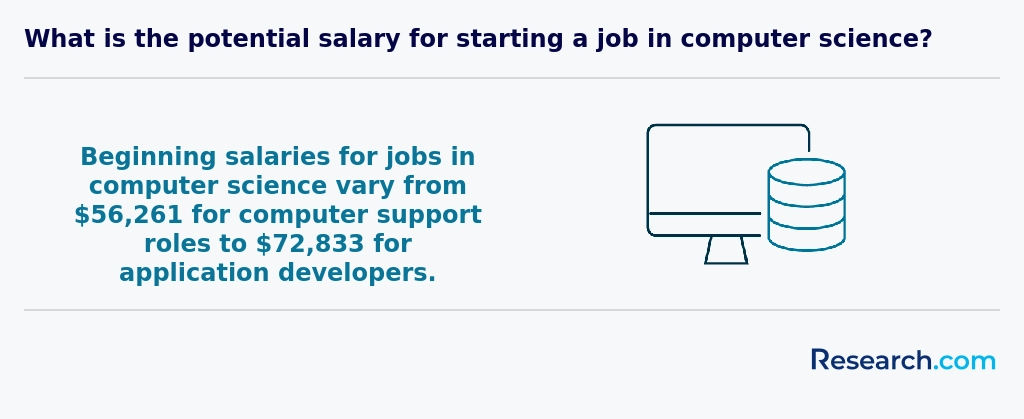
Graduates from universities like the University of Illinois or Indiana University often find diverse options within computer science careers in the Midwest. Software development remains a primary path, with roles spanning application and web development. Many graduates happily share how working in Chicago's dynamic tech hubs offers hands-on experience alongside startups and established firms. Yet, it's important to recognize that not everyone thrives in these fast-paced environments, and some may prefer more specialized fields.
Data science is another prominent avenue, particularly in states like Ohio and Michigan where demand for data analysts and machine learning specialists grows. Personal accounts from graduates reveal a rewarding challenge in interpreting complex datasets that drive business decisions. However, some express concerns about the need for continual skill updates to keep pace with evolving technologies and competition in these roles.
Cybersecurity and IT management also attract many graduates, especially given the Midwest's expanding investments in protecting information systems. Those who studied at schools known for their cybersecurity programs often emphasize the sense of purpose in safeguarding regional infrastructures. For students exploring diverse opportunities beyond traditional roles, reviewing certifications for jobs that pay well can be a practical next step in carving a tailored career path within technology job opportunities in Midwest states.
The computer science job opportunities in the Midwest remain promising, driven by steady growth in technology sectors within states like Illinois, Michigan, and Ohio. Graduates from reputable universities in this region often find themselves entering a job market where salaries for roles like software development can reach around $105,000 annually, as seen in Illinois. This comparatively balanced environment offers attractive living costs and plentiful internships that provide practical experience to build strong resumes.
While the Midwest may not compete with the top-paying tech hubs nationally, the Midwest computer science career outlook 2027 shows sustained expansion in areas like cybersecurity and data analysis. Graduates from major state universities often appreciate how their education is directly relevant to the diverse economy, from healthcare to manufacturing, which demands computer science expertise. Additionally, students weighing their options consider the affordability of Midwest schools, often choosing the easiest associates degree to get as a practical step toward a tech career.
2027 Most Affordable Computer Science Degree Programs Ranking in the Midwest
Investing in your education is a significant decision that can profoundly impact your future, and the Research.com team recognizes the importance of making well-informed choices. To support students seeking affordable and quality computer science programs in the Midwest, we have carefully developed the "2027 Most Affordable Computer Science Degree Programs Ranking in the Midwest." Our dedication to quality, credibility, and accuracy is demonstrated through rigorous research and analysis in compiling this ranking.
We utilized the following reputable data sources to ensure a comprehensive evaluation of computer science degree programs:
By exploring this ranking, readers will gain crucial insights into affordable computer science programs that balance cost and quality, thus empowering smarter educational investments. For further information on how this ranking was developed, please visit our Research.com methodology page.





Frequently Asked Questions About computer science
Computer science students in the Midwest can maximize their learning by engaging with both academic and practical experiences. Many universities in the region, such as the University of Illinois Urbana-Champaign, offer cooperative education (co-op) programs that integrate real-world work with classroom study, improving job readiness.
Internships with Illinois, Ohio, and Michigan tech companies provide crucial exposure to industry practices. According to the National Association of Colleges and Employers (NACE), 61% of internships lead to job offers, highlighting their value.
Joining student organizations like ACM chapters or coding clubs enhances skills through peer collaboration and competitions. Midwest schools also emphasize research opportunities, allowing students to work alongside faculty on projects relevant to artificial intelligence, data science, and cybersecurity.
Emerging niches within the computer science field in the Midwest reflect broader national trends shaped by technological advances. Areas such as artificial intelligence (AI) and machine learning continue to grow rapidly, driven by demand in industries like agriculture and manufacturing, which are prominent in states like Illinois and Ohio.
Cybersecurity is another critical niche, with the Midwest experiencing increased investment in protecting infrastructure and corporate data. According to a 2023 report from the Computing Research Association, Midwest universities have expanded specialized cybersecurity programs to meet regional needs.
Additionally, data science and big data analytics are gaining prominence, especially as companies seek to leverage vast amounts of information. Robotics and autonomous systems also stand out, fueled by automotive and logistics sectors in Michigan and Indiana.
Preparing for the job market after earning a computer science degree in the Midwest requires targeted strategies. Students should focus on gaining hands-on experience through internships, which 62% of Midwest tech employers consider essential, according to a 2023 CompTIA report. Building a strong portfolio on platforms like GitHub can showcase practical skills to potential employers.
Networking is crucial in the region's growing tech hubs, such as Chicago and Minneapolis. Attending career fairs and joining local tech meetups improves job prospects. Additionally, obtaining industry certifications-such as AWS or Microsoft Azure-can boost employability in the competitive Midwest market.
Midwestern universities often partner with local companies, providing graduates direct connections to job openings in fields like cybersecurity, software development, and data analytics.
Employers in the Midwest prioritize strong technical skills when hiring computer science graduates. According to the National Association of Colleges and Employers (NACE), proficiency in programming languages such as Python, Java, and C++ ranks highly among desired abilities. Additionally, knowledge of software development, data structures, and algorithms remains essential.
Beyond technical expertise, Midwest employers seek graduates with problem-solving skills and the ability to collaborate within teams. The Computing Research Association highlights communication skills as critical, especially for roles requiring cross-functional collaboration.
Familiarity with cloud computing and cybersecurity is increasingly valuable due to regional industry growth, notably in cities like Chicago and Columbus.
Finding internships in the Midwest relevant to computer science degrees involves using multiple strategies. Many universities partner with local tech companies, such as those in Chicago's expanding tech corridor, to offer internship programs. According to the National Association of Colleges and Employers, about 65% of computer science students secure internships through their school's career services.
Online job platforms like Handshake and Indeed often list internships specific to Midwestern cities, including Minneapolis and Indianapolis. Networking at regional tech meetups or university-hosted career fairs can also increase your chances.
The U.S. Bureau of Labor Statistics reports that the Midwest experienced a 9% growth in computer and information technology jobs between 2019 and 2023, highlighting increasing internship opportunities.
A computer science degree significantly enhances career mobility and advancement opportunities in the Midwest. According to the Bureau of Labor Statistics (BLS), the Midwest states have seen robust growth in tech jobs, with a 12% increase projected through 2030. This growth is driven by expanding industries such as manufacturing automation, healthcare technology, and financial services, which rely heavily on computer science expertise.
Graduates with a computer science degree often qualify for higher-paying roles, such as software developers and data analysts, which typically offer above-average regional salaries. Additionally, Midwest employers value formal education combined with practical skills, facilitating promotions and leadership roles. Local universities frequently partner with businesses to create internship programs, further supporting career advancement for degree holders.
Studying for a computer science degree in the Midwest offers strong preparation for interdisciplinary roles through a combination of comprehensive curricula and collaborative learning opportunities. Midwestern universities increasingly integrate computer science with fields like engineering, healthcare, and business, reflecting regional industry demands.
According to the National Science Foundation, Midwest institutions award nearly 20% of the nation's computer science degrees, often emphasizing applied learning. Programs frequently include project-based courses encouraging teamwork with students from various majors, fostering cross-domain skills vital for roles in data analysis, cybersecurity, and software development.
The proximity to industries such as manufacturing, agriculture technology, and finance further enhances practical exposure, providing students with chances to apply computing skills in diverse contexts.
Choosing between a thesis and a non-thesis computer science degree in the Midwest depends on your career goals and learning preferences. Thesis programs emphasize research, requiring students to write and defend an original study. They are suitable for those planning to pursue a PhD or work in research-focused roles. According to the Computing Research Association, Midwest universities like the University of Illinois Urbana-Champaign offer robust thesis options with research funding.
Non-thesis programs focus more on coursework and practical skills, ideal for students aiming for industry jobs. These programs typically allow faster completion and more internship opportunities. The National Center for Education Statistics reports that many public Midwest schools, such as Indiana University, provide popular non-thesis tracks.
Consider your long-term plans, learning style, and time commitment when deciding between these two paths.
Students based in the Midwest seeking to study computer science abroad have several pathways through university partnerships and exchange programs. Many Midwestern institutions, such as the University of Illinois and the University of Michigan, offer dual-degree or study-abroad options with European and Asian universities that specialize in technology and computer science.
According to NAFSA, nearly 11% of Midwestern college students participate in study-abroad programs, with STEM fields growing in popularity. These programs often allow students to earn credits toward their degree while gaining global experience.
Additionally, organizations like IES Abroad provide tailored computer science exchanges for students enrolled in Midwestern colleges, expanding international opportunities beyond traditional campus partnerships.
Part-time job opportunities in the Midwest can greatly support students pursuing computer science degrees. Roles such as software development interns, IT support technicians, and web developers are common in college towns and nearby tech hubs. According to the U.S. Bureau of Labor Statistics, the Midwest has seen steady growth in technology sectors, offering practical, well-paying part-time roles that enhance coding, debugging, and system analysis skills.
Many universities collaborate with local companies for internship programs that can be part-time, allowing students to gain hands-on experience while studying. Additionally, freelance programming and tutoring in computer science subjects are popular among students.
These jobs not only provide income but also valuable industry exposure, making graduates more competitive in the job market.
Computer science students in the Midwest enjoy a range of networking opportunities that connect them with industry professionals and peers. Many universities host career fairs and tech expos, such as the University of Illinois' Engineering Career Fair, which attracts hundreds of employers annually. These events are vital for internships and job placement.
Regional organizations like Midwest Technology Investors and local chapters of ACM and IEEE provide platforms for students to engage with innovation and research communities. According to the National Center for Education Statistics, nearly 70% of computer science graduates in the Midwest report participating in such networking activities during their studies.
Colleges also collaborate with companies like John Deere and Epic Systems, offering mentorship programs and sponsored projects, enhancing real-world connections. These structured experiences help students build valuable professional contacts before graduation.
Alumni networks play a significant role in supporting computer science students in the Midwest. These networks connect current students with graduates who work in regional tech industries, offering mentorship and career advice. According to the National Association of Colleges and Employers, over 70% of jobs are found through networking, highlighting the practical value of alumni contacts.
Midwestern universities often have strong ties with local businesses and startups, enabling students to access internships and job opportunities. For example, schools in cities like Chicago and Minneapolis benefit from nearby tech hubs.
Additionally, alumni events and online groups provide platforms for skill development and professional growth, increasing students' chances of success after graduation.
Customizing a computer science degree in the Midwest allows students to align their education with specific career goals. Many Midwest universities offer flexible curricula with electives in areas such as artificial intelligence, cybersecurity, and data science. These options help tailor skills toward high-demand fields.
Students can also pursue specializations or certificates in emerging technologies by selecting relevant courses. According to the National Center for Education Statistics, public Midwest universities frequently update programs to reflect industry trends and local job market needs.
Furthermore, participating in internships or cooperative education programs, widely available in Midwestern institutions, provides practical experience and networking opportunities critical for career advancement.
Computer science students in the Midwest face several key challenges during their studies. One prominent issue is limited access to cutting-edge research opportunities compared to coastal universities, which can affect hands-on learning and networking chances. According to the National Center for Education Statistics (NCES), many Midwest institutions have fewer partnerships with major tech companies, reducing internship availability.
Additionally, regional economic factors impact job prospects after graduation. The Midwest has a slower growth rate in tech jobs than the national average, as reported by the U.S. Bureau of Labor Statistics.
Students also often report a struggle balancing rigorous coursework with part-time work to manage tuition costs, as financial aid resources may be less abundant in some Midwestern schools. These challenges highlight the importance of carefully selecting programs that offer strong industry connections and financial support.
A computer science degree from a Midwest university opens many doors to professional certifications that enhance career prospects. Popular certifications include the Certified Information Systems Security Professional (CISSP), which focuses on cybersecurity and is highly valued across technology sectors. Another common option is the Certified Software Development Professional (CSDP), offered by the IEEE Computer Society, which validates advanced software engineering skills.
For those interested in networking, the Cisco Certified Network Associate (CCNA) remains a top credential.
According to the Bureau of Labor Statistics, Midwest tech hubs like Chicago and Minneapolis report strong demand for certified computer science professionals, which can lead to higher salaries and better job stability.
To write a winning application for a computer science program in the Midwest, start by highlighting academic achievements, especially in math and science. Many Midwestern universities, like the University of Illinois Urbana-Champaign and the University of Michigan, prioritize strong STEM backgrounds. Including relevant extracurricular activities, such as coding clubs or robotics competitions, strengthens your profile.
Be sure to craft a clear personal statement that explains your interest in computer science and your career goals. According to the National Center for Education Statistics, Midwestern programs receive thousands of applications annually, so showcasing unique experiences or projects can set you apart.
Strong letters of recommendation from teachers familiar with your technical skills also matter. Lastly, meet all deadlines and follow each school's specific application instructions carefully, as many programs use holistic review processes to select candidates.
The global perspective on a computer science career highlights the growing demand for skilled professionals across many industries. In the United States, especially in the Midwest, computer science graduates are valued for their ability to work on emerging technologies like artificial intelligence, cybersecurity, and data analytics. According to the U.S. Bureau of Labor Statistics, employment of computer and information technology occupations is projected to grow 15% from 2021 to 2031, faster than the average for all occupations.
Midwestern universities contribute strongly to this trend by producing a large number of graduates who enter global tech markets. The affordability and quality of Midwest computer science programs make them attractive to students aiming for international opportunities.
Moreover, the Midwest's growing tech hubs, such as Chicago and Minneapolis, provide real-world experience that aligns with global career trends. Students from this region often find roles not just locally but also with multinational companies that value diverse, tech-savvy talent.
Gaining practical experience while studying for a computer science degree in the Midwest is essential for career readiness. Many universities in this region partner with local tech companies and startups to offer internships and co-op programs. According to the National Association of Colleges and Employers (NACE), about 60% of students who participate in internships receive job offers before graduation.
Additionally, students can join campus coding clubs, hackathons, and research projects to build hands-on skills. Institutions often provide access to labs equipped with the latest software and hardware. Online platforms, like GitHub, also allow students to showcase their projects and collaborate remotely, further enhancing practical learning.
Choosing the right concentration within a computer science degree in the Midwest involves evaluating your career goals, interests, and regional job market trends. Common concentrations include software engineering, cybersecurity, data science, and artificial intelligence, each with distinct skill requirements and job prospects.
According to the U.S. Bureau of Labor Statistics, cybersecurity roles are among the fastest-growing in the Midwest, reflecting a strong demand from sectors like finance and manufacturing. Data from the National Association of Colleges and Employers indicates that software engineering remains a highly sought-after skill.
Research university offerings also matter; many Midwest institutions provide specialized tracks aligned with local industry needs, such as automotive technology in Michigan or health informatics in Illinois. Exploring faculty expertise and internship opportunities further helps identify the best fit for your academic and professional aspirations.
See What Experts Have To Say About Studying Computer Science
Read our interview with Computer Science experts

Kathleen M. Carley
Computer Science Expert
Professor of Computer Science
Carnegie Mellon University

Elan Barenholtz
Computer Science Expert
Associate Professor
Florida Atlantic University

Derek Riley
Computer Science Expert
Professor, Program Director
Milwaukee School of Engineering

Imed Bouchrika, Phd
Computer Science Expert
Professor of Computer Science
National Higher School of Artificial Intelligence

- Why your computer science degree won't get you an IT job https://targetjobs.co.uk/careers-advice/information-technology/why-your-computer-science-degree-wont-get-you-it-job
- A Holistic Approach to Studying Interdisciplinary Collaboration: Computer Science https://sciety.org/articles/activity/10.21203/rs.3.rs-8694985/v1
- How to Study for Computer Science Courses https://www.computerscience.org/resources/online-class-tips/
- 8 Tips for Computer Science Graduates to Get Their First Job https://allthecode.co/blog/post/tips-for-computer-science-graduates-to-get-their-first-job
- Computer Science - SWPS University https://english.swps.pl/academics/warsaw/ba-programs/computer-science
- Computer Science students create live network in simulated scenario https://www.stmartin.edu/news-and-stories/stories/computer-science-students-create-live-network-simulated-scenario
- Computer Science Cover Letter: How to Show You're a Top Tech Candidate https://arc.dev/talent-blog/computer-science-cover-letter/
- The Crucial Role of Networking for Computer Science Students https://dev.to/thisisaayush/the-crucial-role-of-networking-for-computer-science-students-4k2i
- 5 Challenges Faced by Computer Science Students and How to Overcome Them https://informatika.almaata.ac.id/5-challenges-faced-by-computer-science-students/
- Letter of Motivation for applying Computer Science related fields https://essayforum.com/letters/motivation-applying-computer-science-related-11858/