2027 Best Computer Science Degree Programs Ranking in San Diego

Co-Founder and Chief Data Scientist
Choosing the right computer science degree program in San Diego can shape your future career and open doors to exciting opportunities. This article presents the 2027 Best Computer Science Degree Programs Ranking in San Diego, carefully created by the Research.com team of data scientists to guide you in making an informed decision.
By exploring this ranking, you'll discover programs that offer quality education tailored for today's tech landscape. Whether you're starting out or considering a change, a computer science degree can boost your skills, confidence, and prospects in a growing field.
Key benefits of getting computer science degree in San Diego
- Salary for computer science degree graduates: Graduates in San Diego can expect strong earnings, with typical roles like Software Engineer and Software Developer earning a mean annual wage of $138,110, while Web Developers earn about $95,570 yearly.
- Career paths: A computer science degree opens doors to diverse positions such as Software Engineer, Data Analyst, and IT Support Specialist, offering exciting opportunities to work in tech hubs around San Diego.
- Benefits of online degrees: Earning your computer science degree online from a San Diego institution offers the flexibility to balance work and study, often allowing you to advance your career faster while gaining similar knowledge to traditional programs.
- 2027 Best Computer Science Degree Programs Ranking in San Diego
- What can I expect from computer science degree in San Diego?
- Where can I work with computer science degree in San Diego?
What can I expect from computer science degree in San Diego?
The average cost of earning a computer science degree in San Diego typically revolves around in-state tuition rates at major local universities like the University of California San Diego (UCSD), which runs about $17,000 per year for the 2023-2024 academic cycle. Graduates often recall budgeting carefully, balancing tuition with living expenses in a city known for its moderate cost of living compared to other California hubs.
San Diego State University (SDSU), another popular choice, offers an ABET-accredited Bachelor of Science in Computer Science, where tuition costs align closely with UCSD's, providing value backed by strong industry connections that many students find worth the investment. Students often tap into financial aid packages and STEM scholarships, which ease the financial load and help them focus on mastering practical skills.
Graduates mention how affordable tuition paired with internship opportunities at local tech firms-like those in biotech or defense-creates a practical pathway from classroom learning to employment, boosting confidence and career readiness without overwhelming debt.
Where can I work with computer science degree in San Diego?
Graduates from San Diego State University or UC San Diego often find themselves quickly absorbed into a vibrant tech landscape. Many start by applying to roles in well-known sectors like defense and aerospace, where companies such as General Atomics and Northrop Grumman eagerly hire for software engineering and data analysis positions. These jobs often involve exciting projects related to national security, which makes the work feel meaningful and impactful.
Others leverage computer science skills in the city's booming biotech industry. Graduates working at firms like Illumina experience cutting-edge applications of AI and bioinformatics, turning complex biological data into life-changing innovations. This makes daily work feel both challenging and rewarding.
Startups and incubators like EvoNexus provide fast-paced environments for graduates aiming to build cloud computing or mobile app solutions, offering not just competitive salaries but also a sense of creative freedom. Public sector roles at local government or universities like UCSD give opportunities to maintain and innovate digital infrastructure, appealing to those who value stability and community impact.
Graduates from computer science programs at institutions like San Diego State University or the University of San Diego can expect starting salaries around $63,000 to $85,000 depending on their role. For example, entry-level IT Support Specialists typically earn around $63,640 annually, giving new grads a solid foundation as they launch their careers.
Software Developers and Software Engineers with a computer science degree in San Diego see mean annual wages near $138,110, reflecting the high demand for these skills locally. Mid-career professionals with a few years of experience often land salaries in this range, boosting financial confidence and career growth. Data Analysts also do well, earning about $119,040 per year, making data roles attractive and rewarding choices.
Web Developers, often hired by small to mid-sized tech companies or startups in the region, can expect to earn around $95,570, which is a strong entry point when combined with opportunities to grow and specialize. Graduates from San Diego's tech programs frequently highlight how hands-on projects and internships directly prepare them for these salaries, elevating motivation and clarity about their career trajectories.
- Public universities in San Diego charge in-state tuition between $7,000 and $10,000 per year, while out-of-state tuition is about $19,000 annually.
- Private universities typically have higher tuition costs, ranging from $45,000 to $55,000 per year.
- Entry-level computer science jobs offer average salaries between $75,000 and $85,000 per year in San Diego.
- Mid-career professionals earn on average from $110,000 to $130,000 annually.
- San Diego's job market includes tech companies, startups, and defense contractors, with employment growth above the national average.
- Internships and networking opportunities provided by local institutions often lead to job placements.
Completing a computer science degree in San Diego typically takes about four years of full-time study, a timeline followed by many graduates from institutions like UC San Diego (UCSD) and San Diego State University (SDSU). Imagine a student juggling a full course load, attending lectures, and collaborating on projects-this steady pace usually makes finishing in four years realistic and rewarding.
For those balancing work or other commitments, part-time study is common, though it extends the duration beyond four years. Graduates who took this route appreciated the flexibility, even if it meant additional semesters on campus.
Some universities offer accelerated or combined bachelor's and master's programs around San Diego, enabling students to finish both degrees in about five years. This option suits driven planners eager to enter the workforce sooner with advanced qualifications.
Master's programs typically require one to two years after the bachelor's, and doctoral studies take about four to six years, primarily focusing on research. These timelines reflect a practical approach, helping students map out manageable steps toward their career goals in tech.
When evaluating where to pursue your Computer Science degree, comparing regions can reveal critical differences in tuition, living costs, and job market dynamics. San Diego’s vibrant tech ecosystem offers high salaries and research opportunities, but it also comes with a premium cost of living. In contrast, Salt Lake City presents more affordable tuition and housing, making it an attractive alternative for cost-conscious students. For example, students seeking a more budget-friendly program can review our Affordable Computer Science Degree Programs Ranking in Salt Lake City, UT to compare tuition and outcomes across different regions. Key factors to consider: • Tuition and Fees: – San Diego public universities average $10,000–$15,000 per year in-state; out-of-state can exceed $30,000. – Salt Lake City programs often fall below $12,000 annually, reducing overall debt burden. • Cost of Living and Housing: – San Diego rents average $2,200 per month for a one-bedroom apartment. – Salt Lake City’s median rent is under $1,300, freeing up income for internships or professional development. • Job Market and Salary Potential: – San Diego Software Engineers earn a mean wage of $132,930, driven by local startups and defense contractors. – Salt Lake City graduates report average starting salaries of $95,000, with growing demand in fintech and healthcare tech. • Internship and Networking Opportunities: – San Diego’s proximity to biotech and gaming firms offers robust internship pipelines. – Salt Lake City’s emerging tech hub hosts annual events like Silicon Slopes Tech Summit, connecting students with recruiters. By weighing these regional insights-tuition savings versus potential salary differentials and industry access-you can make a data-driven decision on the best location for your Computer Science education.
Online computer science degrees in San Diego offer flexibility that suits busy schedules, making them ideal for working professionals or parents. Graduates often appreciate being able to study asynchronously, fitting lectures and assignments around their day. They access course materials virtually and save on commuting and housing costs, which makes programs like those at the University of California San Diego attractive to remote learners juggling multiple responsibilities.
In contrast, on-campus programs at institutions such as San Diego State University provide hands-on lab experiences and real-time interaction with professors and classmates. Graduates report that engaging directly with campus resources and participating in research projects enhances their learning and builds strong local networks.
Cost-wise, both paths can be similar. For example, on-campus tuition at UC San Diego hovers around $14,000 annually for in-state students, excluding living expenses, while online options vary but may reduce extra living costs. Those choosing on-campus programs value the immersive environment that helps secure internships with San Diego's thriving tech companies.
As the demand for AI specialists continues to surge, Computer Science graduates in San Diego can leverage their strong programming and algorithmic foundations to transition seamlessly into artificial intelligence roles. By building on core coursework in data structures, machine learning and statistics, students can pursue specialized graduate programs or certificates that focus on deep learning, natural language processing and computer vision. These advanced credentials not only enhance employability but also pave the way for positions such as AI research engineer, data scientist or machine learning architect. Many universities and online providers now offer flexible options to bridge a Computer Science degree with cutting-edge AI expertise. For those balancing work or personal commitments, an ai degree online can deliver rigorous training in neural networks, reinforcement learning and ethical implications of AI through interactive projects and virtual labs. Graduates who complete these programs often report securing roles at leading firms in San Diego’s biotech, defense and autonomous systems sectors, where they innovate with intelligent algorithms and scalable platforms. Beyond formal degrees, aspiring AI professionals should seek out local hackathons, research internships at institutions like the Qualcomm Institute and industry partnerships facilitated by career centers. Engaging in open-source projects on GitHub, contributing to AI conferences and publishing findings in student journals further demonstrate expertise to future employers. By combining a solid Computer Science background with targeted AI education and hands-on experience, students can position themselves at the forefront of technological innovation in San Diego and beyond.
The average cost of a computer science degree in San Diego depends largely on whether you are an in-state or out-of-state student. California residents attending public universities like San Diego State University or the University of California, San Diego typically pay a median total cost of around $13,284 for completing their degree. This figure includes tuition, fees, and basic living expenses, making it a manageable investment for locals who plan carefully.
Out-of-state students face higher expenses, with total costs reaching approximately $39,946. This is due to much higher tuition rates combined with San Diego's living expenses, which can be challenging but still rewarding given the region's robust tech industry and startup culture. Graduates from private universities report paying similar amounts, often between $45,000 and $55,000 annually for tuition alone, making financial aid and scholarships essential tools for many.
Students often share how budgeting and leveraging campus work-study programs helped them afford these costs. For those new to the area, it is wise to research housing and daily expenses since San Diego's cost of living adds significantly to the overall budget. To find an affordable computer science school in california, you can explore various options and financial supports via affordable computer science school in california.
Understanding the total expenses for computer science degree San Diego requires balancing tuition fees with personal living costs. Planning ahead makes the substantial investment feel more achievable and opens the door to exciting career opportunities in this growing field.

As the tech industry rapidly evolves, computer science graduates in San Diego are poised to benefit from emerging trends that are shaping the future of technology and employment. Innovations in artificial intelligence, cybersecurity, and cloud computing are not only influencing the curriculum but also redefining the skill sets employers need. Academic programs are increasingly incorporating hands-on projects and interdisciplinary courses that simulate real-world challenges, ensuring students stay ahead in a competitive market. For prospective students, choosing a program that adapts to these trends is essential for long-term career success. Exploring opportunities at an affordable computer science school in california can further enhance your ability to merge academic learning with practical experience. Understanding these emerging trends and aligning your education with industry innovations can provide you with a significant competitive advantage in an ever-evolving tech landscape.
Students pursuing computer science degrees in San Diego can tap into several financial aid sources to ease the burden of tuition and fees. A practical first step is completing the FAFSA form, which opens access to federal aid like Pell Grants, providing up to $7,395 annually. Graduates from UC San Diego recall how this grant made a noticeable difference during their early semesters.
State aid options complement federal support. The California Cal Grant program helps cover tuition and fees at both public universities like San Diego State University and private institutions. Additionally, many local community college students benefit from the California College Promise Grant, which waives enrollment fees and lowers upfront costs before transferring to four-year computer science programs.
Institutional scholarships also play a crucial role. STEM-focused awards at schools such as UCSD often consider academic merit and leadership, enabling students to reduce reliance on loans. Many computer science students find work-study positions on campus or with tech companies nearby, gaining valuable experience while earning money.
To enroll in a computer science degree program in San Diego, you need to start with a high school diploma or equivalent like a GED. Graduates from San Diego State University often recall how strong math skills in Algebra, Geometry, and even Pre-Calculus or Calculus made their transition smoother.
Universities here require solid foundations in science courses such as Physics or Chemistry. This background helps when tackling complex computing theories. Imagine sitting in a lecture at the University of San Diego, where understanding basic chemistry made programming concepts click more clearly.
English proficiency is also key. Many students from local colleges say that prior experience with technical writing and communication gave them confidence for teamwork and presentations.
If you're transferring from a community college like San Diego Mesa College, completing introductory courses in programming is essential to avoid falling behind. These steps prepare you practically and mentally, increasing your chances to thrive and enjoy your coursework.
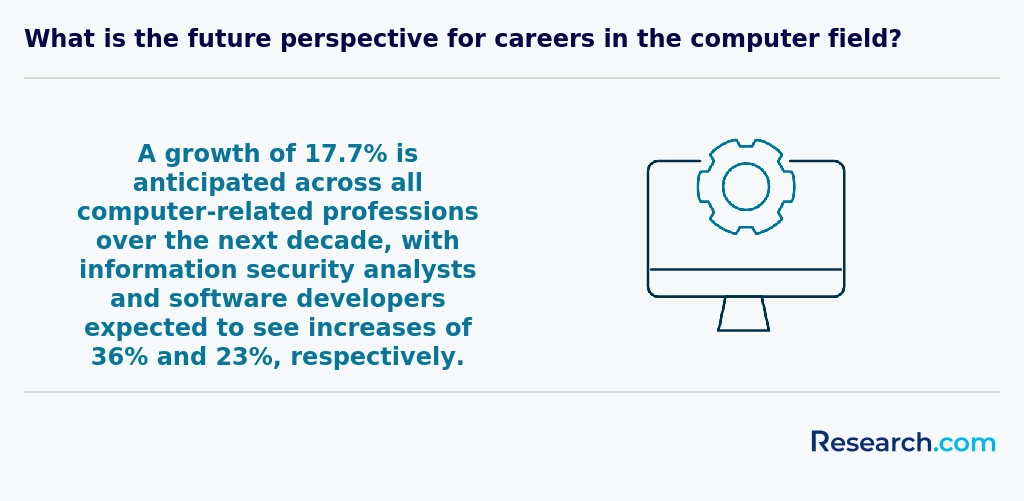
Computer science degree programs in San Diego typically start with practical, foundational courses in programming languages like Java, Python, and C++. These are crucial tools graduates recall using when building apps or automating daily tasks during internships at local tech firms. Alongside coding, students tackle data structures and algorithms, essential for solving real-world problems like optimizing delivery routes or managing large datasets efficiently.
As you progress, expect classes on operating systems and computer architecture that help you understand how hardware and software work together-knowledge often praised by UCSD graduates working in hardware development roles. Advanced topics include database management, software engineering, AI and machine learning, networks, and cybersecurity, reflecting industry demands in San Diego's growing tech scene.
Hands-on projects and internships at institutions like San Diego State University give you the chance to apply theory in practical settings, building confidence and preparing you for the tech workforce fast. Graduates often emphasize how these courses directly shaped their ability to innovate and adapt in real job environments.
Students pursuing a computer science degree in San Diego can choose from several practical specializations tailored to the region's tech-driven economy. Graduates from UC San Diego and San Diego State University often highlight Software Engineering for its focus on developing real-world applications and managing projects, skills highly valued by local companies like Qualcomm. Others gravitate towards Data Science and Analytics due to the city's booming biotech scene, which demands expertise in interpreting complex datasets.
San Diego computer science degree concentrations also include Cybersecurity, responding to increasing defense sector requirements, and Artificial Intelligence and Machine Learning, supported by robust research initiatives. These tracks prepare students for innovative roles, and some graduates have noted the value of exploring ai degree online options for additional flexibility and depth.
Additionally, Computer Systems and Networking is a strong choice, given the city's telecommunications presence. Many students appreciate how local programs integrate internships, offering hands-on experience that directly boosts employability and confidence when entering the competitive tech job market.
Start by confirming the program's accreditation, as this affects transfer options and employer recognition. In San Diego, many students find ABET-accredited programs at San Diego State University especially reassuring. Graduates often mention feeling confident their degree met industry benchmarks, which helped when applying to local tech firms like Qualcomm.
Next, evaluate the curriculum and specialization tracks. If you're drawn to cybersecurity or data science, seek programs that offer targeted courses and hands-on projects, a common feature in the city's tech-focused schools. Graduates from these programs share how real-world labs and internships boosted their skills and resume.
Cost matters, especially for those choosing among affordable computer science programs San Diego offers. Public options like San Diego State provide quality education near $7,858 annually for residents, while private schools cost more but might include scholarships. Check out the Affordable Computer Science Degree Programs Ranking in Salt Lake City, UT to compare similar options and funding routes.
Finally, connect with schools offering strong career services and alumni networks. Graduates who leveraged these resources in San Diego frequently land starting salaries above $75,000, showing the value of choosing a program with solid professional support.
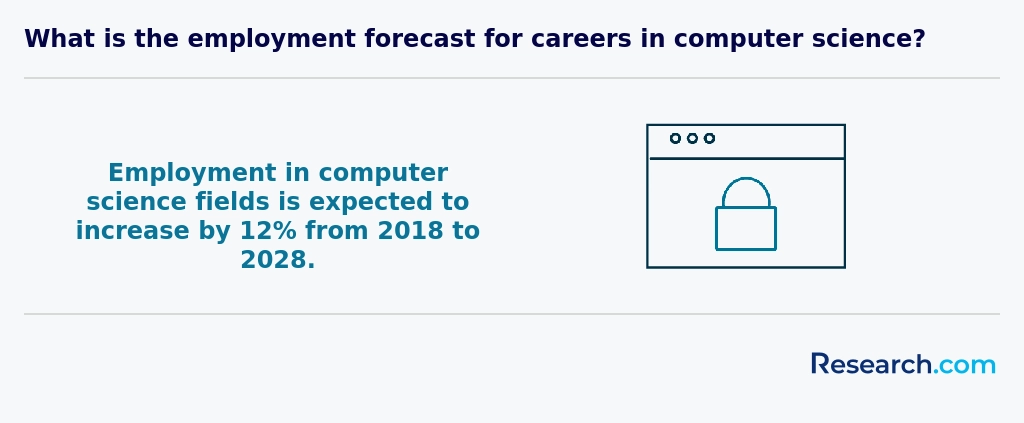
Graduates with a computer science degree in San Diego have several clear paths that match the region's dynamic tech landscape. Software engineering is a popular choice, supported by San Diego's mix of startups and established tech firms. Many graduates from local universities find rewarding roles developing applications or systems, benefiting from hands-on projects and internships nearby. For those interested in security, cybersecurity specialist roles are increasingly available, especially given the presence of government agencies and private companies focused on protecting critical data. This career path offers stability and growth in an area of high demand.
Data science and analytics also provide strong options for graduates, particularly as healthcare and telecommunications companies in San Diego seek experts who can interpret complex data sets to improve services. Another expanding field is artificial intelligence and machine learning, where San Diego's universities collaborate with tech companies on innovative projects, fueling job opportunities. To explore these possibilities, consider enrolling in open admission colleges online for flexible access to relevant programs, which helps many local students balance education with real-world experience in computer science job opportunities in San Diego.
The diversity of career options with computer science degree San Diego enables graduates to find roles that fit their interests and strengths, from systems engineering to AI, creating a practical foundation for rewarding work in the region's growing tech sector.
The computer science job market in San Diego is thriving, driven by the area's strong tech industry and innovative companies like Qualcomm and Illumina. Graduates from local universities such as San Diego State University consistently find promising career opportunities in software development, cybersecurity, and data science. Many students benefit from internships and job placement programs sponsored by these companies, offering real-world experience and networking that can jumpstart their careers.
Entry-level salaries typically range between $70,000 and $85,000 annually, reflecting the high demand for skilled workers in this region. Graduates appreciate San Diego's balance of quality education and reasonable tuition costs, especially at public institutions. Those planning their academic path often explore options such as the accelerated associates program to enter the workforce sooner while gaining relevant skills.
Students exploring San Diego computer science career opportunities find that the city's emphasis on emerging fields like artificial intelligence further expands potential job roles. Graduates report feeling optimistic and well-prepared to meet local industry demands, making San Diego a practical choice for launching a technology-focused career.
2027 Best Computer Science Degree Programs Ranking in San Diego
Investing in your education is a significant decision that can shape your future, and the Research.com team understands the importance of making informed choices. To assist prospective students in San Diego, we have meticulously crafted the "2027 Best Computer Science Degree Programs Ranking in San Diego." Our commitment to quality, credibility, and accuracy is reflected in the extensive research and analysis conducted to compile this ranking.
We utilized the following reputable data sources to ensure a comprehensive evaluation of computer science programs:
By exploring this ranking, readers will gain valuable insights into the best computer science degree programs available in San Diego, helping them make well-informed decisions about their educational paths. For more details on our methodology, please visit our Research.com methodology page.


Frequently Asked Questions About computer science
Computer science degree students in San Diego can maximize their learning by engaging with the city's strong tech ecosystem. San Diego hosts numerous technology companies and startups, offering ample internship and networking opportunities. For example, the San Diego Regional Economic Development Corporation reports over 5,000 tech firms in the area, which can enhance practical learning.
Students should take advantage of university partnerships with local industry leaders to access real-world projects. Participating in coding bootcamps, hackathons, and student organizations like ACM chapters also strengthens skills beyond the classroom.
Moreover, utilizing resources like the San Diego Supercomputer Center allows students to work with cutting-edge technology relevant to their studies.
Emerging niches within computer science are rapidly shaping education and career opportunities in San Diego. Areas like artificial intelligence (AI) and machine learning continue to grow, driven by local tech firms investing heavily in these technologies. Cybersecurity is another critical field, as San Diego's proximity to military and defense institutions increases demand for expertise in protecting digital infrastructure.
Data science and big data analytics also stand out, with employers seeking professionals skilled in handling large datasets to inform business decisions. Additionally, quantum computing is gaining traction, supported by research initiatives at institutions like UC San Diego.
According to the Bureau of Labor Statistics, employment in computer and information technology roles in California is projected to grow 15% from 2021 to 2031, indicating strong opportunities in these niches.
Preparing for the job market after earning a computer science degree in San Diego involves a combination of technical skill-building and local networking. San Diego's tech sector, including companies like Qualcomm and Teradata, offers numerous internship and co-op opportunities that provide practical experience. According to the San Diego Workforce Partnership, the demand for software developers is expected to grow by 15% through 2028.
Graduates should develop strong coding skills in languages such as Python, Java, and C++. Participating in hackathons or contributing to open-source projects also enhances portfolios. Additionally, joining local tech groups and attending meetups can expand professional networks and lead to job referrals.
Employers in San Diego highly value computer science graduates who demonstrate strong programming skills, particularly in languages such as Python, Java, and C++. According to the San Diego Workforce Partnership, 68% of local tech job listings require proficiency in these languages.
Problem-solving ability and experience with data structures and algorithms are also crucial. Graduates who can efficiently optimize code and troubleshoot complex issues stand out during hiring processes.
Additionally, knowledge of cloud computing platforms like AWS and Azure is increasingly important as many San Diego companies adopt cloud services. Communication and teamwork skills complement technical expertise, ensuring graduates can collaborate effectively in diverse development teams.
Finding internships in San Diego relevant to a computer science degree involves leveraging local resources and industry connections. San Diego hosts a growing tech sector with companies like Qualcomm, Teradata, and numerous startups frequently seeking interns in software development, cybersecurity, and data science.
Students should utilize university career centers, which often provide exclusive internship listings and host job fairs tailored to technology fields. Networking events, such as those organized by the San Diego Tech Hub, offer valuable chances to connect with employers directly.
Online platforms like Handshake and LinkedIn also feature many local internship opportunities. According to the San Diego Regional Economic Development Corporation, internships in tech roles have grown by over 15% in the last five years, reflecting expanding opportunities.
Applying early, tailoring resumes to technical skills, and gaining proficiency in relevant programming languages enhances success when seeking internships in this competitive market.
A computer science degree significantly enhances career mobility and advancement opportunities in San Diego's thriving tech industry. San Diego hosts numerous technology firms, including giants in software, biotech, and telecommunications, which increasingly seek skilled graduates. According to the U.S. Bureau of Labor Statistics, San Diego's computer and information technology sector is projected to grow by 15% through 2030, faster than the national average.
Holding a degree often qualifies candidates for higher-paying roles and leadership positions. For example, entry-level software developers in San Diego earn an average salary exceeding $90,000, increasing with experience and education.
The degree also fosters access to professional networks and internship opportunities, boosting job prospects. Local universities collaborate with companies, facilitating smoother transitions into the workforce.
Studying for a computer science degree in San Diego offers a strong foundation for interdisciplinary roles by integrating technical skills with real-world applications. Many local universities emphasize collaborative projects that combine computer science with fields like biology, healthcare, and engineering. For example, San Diego State University promotes partnerships with the biotech industry, preparing students for roles in data analysis and software development in medical contexts.
The region's vibrant tech scene includes companies specializing in telecommunications and defense, encouraging students to learn cybersecurity and artificial intelligence alongside domain-specific knowledge. According to the U.S. Bureau of Labor Statistics, San Diego has seen a 12% growth in computer-related jobs in interdisciplinary sectors since 2020, reflecting expanding opportunities.
This environment fosters problem-solving capabilities across disciplines, enabling graduates to contribute effectively beyond traditional programming roles.
Choosing between a thesis and a non-thesis computer science degree program in San Diego depends on your career goals and learning preferences. Thesis programs emphasize research, requiring students to complete an original project under faculty supervision. This path suits those planning to pursue a PhD or research-focused roles. Non-thesis options focus more on coursework and practical skills, appealing to students targeting industry jobs or professional certifications.
In San Diego, where tech companies like Qualcomm and Illumina dominate, non-thesis programs often include internships or capstone projects, providing valuable hands-on experience. According to the U.S. Department of Education's College Scorecard, job placement rates for non-thesis graduates from the area's universities generally range between 75% and 85% within six months of graduation.
Students in San Diego interested in studying computer science abroad have several options through exchange programs and partnerships. Local universities, such as San Diego State University and the University of California San Diego, offer study abroad opportunities in countries with strong technology sectors, including Germany, South Korea, and the Netherlands. These programs often last a semester or full academic year and allow students to earn credits applicable to their degree. According to the Institute of International Education (2023), computer science ranks among the top majors for U.S. students studying abroad. Additionally, San Diego's tech industry connections can facilitate internships or research collaborations overseas.
San Diego offers a variety of part-time job opportunities that align well with computer science degree studies. Students can seek internships or roles in local tech startups, as the city's tech sector grew 9.8% from 2020 to 2023 according to the San Diego Regional Economic Development Corporation. Positions in software development, IT support, and data analysis provide hands-on experience and networking chances.
Many students also find quality part-time work at biotechnology firms, which frequently hire computer science students for roles in programming and data management. Additionally, university campuses and research centers in San Diego often offer research assistant jobs related to computer science projects, ideal for building skills while studying.
San Diego offers robust networking opportunities for computer science students through its vibrant tech community. The city hosts numerous meetups and events focused on software development, cybersecurity, and data science, supported by organizations like the San Diego Tech Hub and Tech San Diego. Students can connect with professionals via university-sponsored career fairs held at institutions such as San Diego State University and the University of California, San Diego. According to a 2023 report by Connect to Careers, over 40% of local tech employers actively recruit on campus.
Additionally, internships with leading companies like Qualcomm and Illumina provide hands-on experience and industry contacts. Student chapters of ACM and IEEE further enhance networking through workshops and speaker sessions.
Alumni networks play a significant role for computer science students in San Diego by providing connections to local tech industries. San Diego has over 30,000 technology workers, making networking essential for job placement after graduation, according to the San Diego Regional Economic Development Corporation.
These networks often offer mentorship programs, career fairs, and exclusive access to internships within renowned companies like Qualcomm and Intuit, both headquartered nearby. Students benefit from guidance on skills and resume building tailored to regional employer demands.
Research from the National Association of Colleges and Employers shows that 72% of job seekers find employment through networking, highlighting the importance of active alumni communities.
Customizing a computer science degree in San Diego to fit your career goals often involves selecting specialized courses and participating in internships or research projects. Many local institutions offer electives in areas like artificial intelligence, cybersecurity, data science, and software engineering, helping students tailor their studies to industry demands. San Diego's strong tech sector, including companies such as Qualcomm and Illumina, provides valuable internship opportunities, enhancing practical experience.
Students can also engage with faculty research aligned with their interests, often reflected in projects funded by the National Science Foundation or defense agencies. According to the San Diego Regional EDC, the tech job market here is projected to grow by 12% through 2030, emphasizing the importance of relevant skill development.
Computer science students in San Diego often face challenges related to the fast-paced nature of the field. Keeping up with rapidly evolving technologies and programming languages requires continuous learning beyond the classroom.
Many students also experience a competitive academic environment. According to the San Diego State University registration office, enrollment in computer science programs has grown by over 20% in recent years, increasing pressure for grades and internships.
Cost of living in San Diego can be a significant hurdle. Data from the U.S. Bureau of Labor Statistics shows the city's living expenses are above the national average, impacting students who balance education and part-time work.
With a computer science degree, graduates in San Diego can pursue several valuable professional certifications to enhance their career prospects. Popular options include the Certified Information Systems Security Professional (CISSP), which is highly regarded in cybersecurity roles. Another common certification is the Certified Software Development Professional (CSDP), recognized by the IEEE.
Cloud-related certifications such as the AWS Certified Solutions Architect are also in demand, reflecting San Diego's growing tech industry focus on cloud computing. According to the San Diego Workforce Partnership, tech jobs requiring certifications have risen by 12% over the past three years.
Other certifications like CompTIA Security+ and Microsoft Certified: Azure Fundamentals offer foundational skills for network and cloud specialists. These credentials help graduates demonstrate practical expertise alongside their degrees.
To write a winning application for a computer science program in San Diego, start by highlighting your academic strengths, particularly in math and science courses. Many programs seek students with strong analytical skills and problem-solving abilities.
Include any relevant experience such as coding projects, internships, or participation in local tech clubs like those supported by the San Diego Regional Tech Hub. San Diego State University and UC San Diego emphasize practical skills and real-world experience in their admissions.
Craft a clear, focused personal statement explaining your interest in computer science and how you plan to contribute to San Diego's growing tech scene, which is projected to grow by over 10% in the next five years according to the San Diego Workforce Partnership.
Make sure to submit strong letters of recommendation from teachers or mentors who can attest to your technical aptitude and work ethic.
Computer science is a rapidly growing field worldwide, with strong demand in the United States and beyond. For students in San Diego, pursuing a computer science degree offers access to a city known for its vibrant tech scene and numerous biotech and defense companies. According to the U.S. Bureau of Labor Statistics, employment for software developers is expected to grow 22% from 2020 to 2030, much faster than the average for all occupations. This growth reflects global digital transformation trends impacting industries everywhere.
Graduates with computer science degrees from San Diego-based institutions benefit from local connections to innovation hubs like UC San Diego and numerous startups. This region's diverse economy helps prepare students for roles in cybersecurity, artificial intelligence, and data science, fields that are highly valued internationally. Understanding these global trends helps students envision careers that are not limited by geography but shaped by worldwide technological advancements.
Gaining practical experience is essential when studying for a computer science degree in San Diego. Many students engage in internships offered by local tech companies and startups, benefiting from the city's robust technology sector. According to the San Diego Regional Economic Development Corporation, over 15,000 tech jobs existed in 2023, creating ample internship opportunities.
Students can also join on-campus programming clubs and hackathons hosted by universities such as San Diego State University and the University of California San Diego. These activities enhance coding skills and foster collaboration.
Additionally, cooperative education programs ("co-ops") allow students to alternate between classroom study and paid work experience, strengthening their resumes before graduation.
Choosing the right concentration within a computer science degree program in San Diego starts with understanding your career goals and interests. Common areas include software engineering, cybersecurity, data science, and artificial intelligence. San Diego's tech industry, valued at over $35 billion annually, offers strong opportunities especially in cybersecurity and biotech-related computing (San Diego Regional Economic Development Corporation, 2023).
Research the concentrations offered at local universities such as UC San Diego or San Diego State University, and assess how their curriculum aligns with industry demands. Consider internship availability and connections to San Diego's prominent companies like Qualcomm or biotech firms.
Review labor market data from the U.S. Bureau of Labor Statistics showing rising demand for AI specialists and cybersecurity analysts in California to inform your choice. Prioritize programs that provide hands-on projects and emphasize skills relevant to San Diego's growing sectors.
- 2027 Best Computer Science Degree Programs Ranking in La Jolla
- 2027 Best Computer Science Degree Programs Ranking in Irvine
- 2027 Best Computer Science Degree Programs Ranking in Riverside
- 2027 Best Computer Science Degree Programs Ranking in Claremont
- 2027 Best Computer Science Degree Programs Ranking in Los Angeles
- 2027 Best Computer Science Degree Programs Ranking in Santa Barbara
- 2027 Best Computer Science Degree Programs Ranking in Tempe
- 2027 Best Computer Science Degree Programs Ranking in Tucson
- 2027 Best Computer Science Degree Programs Ranking in Santa Cruz
- 2027 Best Computer Science Degree Programs Ranking in Berkeley
See What Experts Have To Say About Studying Computer Science
Read our interview with Computer Science experts

Imed Bouchrika, Phd
Computer Science Expert
Professor of Computer Science
National Higher School of Artificial Intelligence

Kathleen M. Carley
Computer Science Expert
Professor of Computer Science
Carnegie Mellon University

Martin Kang
Computer Science Expert
Assistant Professor
Loyola Marymount University

Derek Riley
Computer Science Expert
Professor, Program Director
Milwaukee School of Engineering

- Challenges That Frustrate Computer Science Teachers https://codeeasy.io/blog/challenges-that-frustrate-computer-science-teachers
- How AI Is Transforming Computer Science Careers https://www.gisma.com/blog/how-ai-is-transforming-computer-science-careers
- How to Find Computer Science Work Experience in Year 12 https://www.savemyexams.com/learning-hub/careers/how-to-find-computer-science-work-experience-year-12/
- Computer Engineering Master's Program (without Thesis) | Eastern Mediterranean University Cyprus https://www.emu.edu.tr/en/programs/computer-engineering-masters-program-without-thesis/942
- Best Computer Certifications for Tech Professionals https://www.computerscience.org/degrees/certifications/
- Top 12 Global Careers For Computer Science Degree ... https://womeninstemnetwork.com/careers-for-computer-science-degree/
- A Holistic Approach to Studying Interdisciplinary Collaboration: Computer Science https://sciety.org/articles/activity/10.21203/rs.3.rs-8694985/v1
- What does a Computer Scientist do: Career paths and insights https://vinuni.edu.vn/what-does-a-computer-scientist-do/
- 11 Essential Skills Every Computer Science Graduate Needs https://lsbf.edu.my/blog/11-essential-skills-every-computer-science-graduate-needs/
- 555 Computer Science Internships https://internshala.com/internships/computer-science-internship/