2027 Most Valuable Computer Science Degree Programs Ranking in Nebraska

Co-Founder and Chief Data Scientist
Choosing the right computer science degree program can shape your future, especially here in Nebraska. This article introduces the 2027 Most Valuable Computer Science Degree Programs Ranking in Nebraska, developed by the Research.com team of data scientists to guide you through the best options available.
By exploring this ranking, you'll discover programs that offer strong career potential and rewarding learning experiences. Whether you're starting your college journey or considering a change, this information helps you make a confident, informed decision.
Getting a computer science degree opens doors to exciting opportunities and personal growth.
Key benefits of getting computer science degree in Nebraska
- Salary for computer science graduates: Nebraska computer science grads often find jobs like Software Engineer or Data Analyst, earning around $138,110 and $119,040 annually, offering strong financial stability and growth potential.
- Career paths: Graduates from Nebraska's top universities enjoy diverse opportunities, including software development, IT support, and web development, allowing flexibility to follow their unique interests and skills.
- Online degree benefits: Earning a computer science degree online in Nebraska provides convenience and the ability to balance work and study, making education accessible without sacrificing career momentum.
- 2027 Most Valuable Computer Science Degree Programs Ranking in Nebraska
- What can I expect from computer science degree in Nebraska?
- Where can I work with computer science degree in Nebraska?
What can I expect from computer science degree in Nebraska?
Paying for a computer science degree in Nebraska feels like unlocking a gateway where quality meets affordability. Graduates from places like the University of Nebraska-Lincoln often recall balancing rigorous coursework with surprisingly reasonable tuition costs. For an in-state student, the average annual tuition hovers around $9,000 to $12,000, which makes diving into coding languages and algorithms less daunting financially.
Imagine settling into classes where the price tag doesn't eclipse your excitement-where you can focus on mastering machine learning or cybersecurity without the shadow of massive debt. Private colleges might sneak a bit higher, but they frequently offer scholarships and internships tied to Omaha's tech scene, softening the financial leap.
This affordability coupled with hands-on opportunities allows students to envision their futures clearly-coding in innovation labs, collaborating on cloud computing projects, or navigating internships that lead to real-world paychecks. Nebraska's computer science education is an investment, but one wrapped in promise, accessible enough to feel within reach for many ambitious minds statewide.
Where can I work with computer science degree in Nebraska?
Graduates from Nebraska's premier institutions like the University of Nebraska-Lincoln often find themselves immersed in a vibrant job market where agriculture meets algorithms. Imagine collaborating with agribusinesses, crafting data-driven solutions to boost crop yields through IoT and precision farming technologies-these are not futuristic dreams but everyday wins for many Nebraskan grads.
Others venture into the heartbeat of Omaha's finance scene, joining regional banks where their coding skills fortify online banking systems and shield customers against fraud with clever cybersecurity strategies. Such roles bring a thrilling blend of innovation and real-world impact, fueling a sense of accomplishment.
Health-tech pioneers, many hailing from Creighton University or smaller colleges, embrace telemedicine and AI diagnostics, creating software that can change lives. These roles don't feel like jobs but missions driven by purpose.
Startups and tech hubs across Nebraska's cities beckon computer science grads to shape the digital future, from cloud computing to system architecture, offering creativity and growth wrapped in every line of code. Public sector gigs round out this spectrum, giving grads the chance to innovate for the common good.
Picture yourself fresh out of a computer science program at the University of Nebraska-Lincoln or Creighton University, stepping into the bustling tech scenes of Omaha or Lincoln. You could be starting your career with a salary between $55,000 and $70,000, joining ranks of software developers or web developers. According to the latest data, software developers and software engineers in Nebraska pull in around $138,110 annually-that's a thrilling leap for passionate graduates.
Imagine a graduate honing skills in data analysis or IT support. Data analysts command about $119,040 a year, while IT support specialists earn closer to $63,640. Visualize transforming complex data into compelling stories or troubleshooting tech challenges with confidence while earning a solid income.
Graduates sharing stories from Nebraska's universities often highlight a mid-career jump to $85,000-$110,000, especially when mastering in-demand specialties like cybersecurity or cloud computing. Your experience can push earnings beyond $120,000, particularly if you step into leadership roles at local finance or healthcare firms, living well and thriving in Nebraska's lower cost of living advantage.
- Nebraska offers accredited computer science programs at universities like the University of Nebraska-Lincoln and Creighton University, typically lasting four years for a bachelor's degree.
- Annual tuition costs for in-state students at public universities range from $9,000 to $10,000, while private institutions can charge up to $30,000 per year.
- The tech job market in Nebraska is growing, with strong demand in cities like Omaha and Lincoln due to industries such as finance, healthcare, and agriculture.
- Entry-level computer science graduates earn an average salary around $60,000 per year, with experienced professionals making between $90,000 and $110,000 annually.
- Internship and cooperative education opportunities are available through university partnerships with local tech companies, enhancing practical experience and job prospects.
Completing a computer science degree in Nebraska is often seen as a four-year adventure, especially at vibrant campuses like the University of Nebraska-Lincoln or the close-knit halls of Creighton University. Imagine diving into 120 to 130 credit hours filled with mind-boggling algorithms, programming challenges, and sparks of creativity in AI or cybersecurity. Graduates often describe this journey as intense but immensely rewarding, with their growing skills evolving like a finely tuned program.
Part-time enrollees paint a different picture; their path might stretch beyond four years, blending study with work or life's unpredictable demands. This flexibility often brings a sense of accomplishment born from balancing priorities.
For those chasing mastery, Nebraska's two-year master's programs become a focused sprint, blending coursework with projects that feel like unlocking new levels in coding quests.
Meanwhile, associate degrees at community colleges such as Metropolitan Community College offer a two-year launchpad, perfect for those eager to either enter Nebraska's tech scene sooner or transfer into four-year programs with confidence.
Nebraska’s computer science programs not only provide robust academic training but also offer a vibrant campus experience that fosters personal growth and professional networking. Many institutions support a variety of clubs, coding competitions, hackathons, and tech meetups where students can collaborate, innovate, and build long-lasting relationships. Engaging in extracurricular activities-such as joining research groups, student-run startups, or technology communities-helps build soft skills that complement technical expertise, making graduates more competitive in the job market. Prospective students can also benefit from campus events and career fairs that connect them directly with industry professionals and future employers. For those seeking an affordable way to gain both academic and extracurricular benefits, check out the cheapest computer science schools in nebraska, where a balanced blend of rigorous coursework and a supportive community paves the way for career success.
Imagine walking through the bustling halls of the University of Nebraska, catching glimpses of students hunched over glowing screens in spacious labs or debating code in lively study groups. This is the heartbeat of an on-campus computer science degree-an immersive blend of face-to-face mentorship, hands-on labs, and spontaneous hackathons that spark creativity in real time. Graduates often recall the energizing camaraderie of late-night coding sessions fueled by campus coffee.
Now, shift to a different rhythm: the click of keys in a quiet room somewhere in Lincoln or Omaha, where an online student molds their schedule with Zen-like precision. At Creighton University, for instance, remote learners navigate virtual lectures and digital forums, mastering algorithms at dawn or midnight, weaving study into the fabric of busy lives. Graduates treasure this freedom but know it demands fierce self-drive and time mastery.
Cost plays its own tune-online programs in Nebraska often trim campus fees, easing financial pressure without skimping on accredited quality, while on-campus education pulses with the dynamic energy of direct access to university resources and networking events.
When counting the coins for a computer science degree in Nebraska, the average cost comes to about $43,804-an eye-opening figure that seasoned graduates from the University of Nebraska-Lincoln and University of Nebraska at Omaha know all too well. Imagine a four-year journey filled with coding marathons and late-night debugging sessions, wrapped in tuition bills that stack up differently based on whether you claim your place as a resident or look at Nebraska from afar. In-state students tap into a more wallet-friendly path, paying around $10,434 on average, which means they get to keep a little more coffee money and maybe snag a few extra textbooks or a snazzy laptop upgrade.
Out-of-state peers often jot down higher numbers-hovering near that median of $43,804-as they navigate tuition that can feel like leveling up in a challenging game. Private institutions nudge the costs even further, reflecting the premium of smaller class sizes and perhaps enviable campus perks. Many Nebraska computer science enthusiasts find themselves balancing these financial realities with the vibrant campus life and solid academics these programs offer. If you're mapping your future expenses, consider the total expenses for Nebraska computer science programs beyond tuition, like housing and supplies, which quietly pile on but don't overshadow the thrill of creating software that could change lives.
Across the state, savvy students often look into scholarships and financial aid to lighten these costs while aiming for the best experience possible. Exploring the cheapest computer science schools in Nebraska can unlock more affordable pathways without compromising the quality of your education.
Investing in a Computer Science degree in Nebraska offers a compelling return on investment when you balance tuition costs against starting salaries. On average, four-year in-state tuition at public universities in Nebraska ranges from $9,000 to $12,000 per year, with total program costs around $40,000–$50,000. Considering the mean entry-level salary of $66,000 for recent graduates, many students recover their educational investment in under four years, assuming standard living expenses and loan repayment terms.
Beyond tuition, graduates benefit from robust institutional support-career services, internship pipelines, and alumni networks-that accelerate job placement. For example, University of Nebraska–Lincoln alumni report securing full-time offers within three months of graduation, often with signing bonuses that further shorten the payback period. Combining these factors, the estimated net present value (NPV) of a Nebraska Computer Science degree exceeds $150,000 over a 10-year career horizon.
For students exploring advanced or flexible pathways, online master’s programs can enhance ROI by reducing relocation and housing costs. Prospective graduate students may compare Nebraska options with other affordable online programs, such as those listed in our Most Affordable Online Master’s in Computer Science Degree Programs Ranking in the Northeast. These alternative routes can deliver specialized skills at a lower total cost, potentially boosting long-term earnings in niche fields like data science or cybersecurity.
Ultimately, by weighing tuition, scholarship opportunities, and projected salaries, Nebraska’s Computer Science degrees rank among the highest-value investments in the Midwest, offering both rapid cost recovery and strong career growth over time.
Diving into a computer science degree in Nebraska, financial aid often feels like a secret weapon for students navigating tuition that hovers around $9,000 to $11,000 a year at public universities. Imagine a University of Nebraska-Lincoln student cracking open their FAFSA to unlock federal Pell Grants-sometimes up to $7,395-that feel like a lifeline for living expenses and coding boot camps alike.
Over at Creighton University, graduates recall state gems like the Nebraska Opportunity Grant, slipping $500 to $2,000 into their academic toolkit, easing the struggle and keeping dreams alive. Merit scholarships, fueled by stellar GPAs and passion for STEM, sparkle as rewards for late-night coding marathons and hackathon victories. Local tech alliances often pitch in with scholarships or internships, blending financial boost with hands-on experience.
Private awards from national foundations-Google's scholarships or ACM's offerings-arrive like surprise bonuses for those ready to innovate beyond Nebraska's borders. Payment plans and savvy financial counseling paint a picture of flexibility and hope, turning big tuition numbers into manageable stepping stones toward a cutting-edge career.
Nebraska’s top computer science programs are distinguished by robust industry partnerships and comprehensive career services that bridge the gap between academia and the tech sector. At the University of Nebraska–Lincoln, students engage in co-operative education placements with leading employers such as Union Pacific, Nelnet, and local startups, gaining valuable hands-on experience while earning academic credit. Similarly, Creighton University’s Career Center hosts annual Tech Connect fairs, bringing employers on campus for resume reviews, mock interviews, and networking sessions. These events spotlight internship and full-time roles in software development, data science, and cybersecurity. Dedicated career services offices across Nebraska universities offer personalized support, including one-on-one career coaching, portfolio reviews, and alumni mentoring programs. Graduates frequently praise the mock interview workshops, which simulate technical whiteboard challenges and behavioral interviews with industry professionals. Many institutions also maintain active coding clubs and hackathon teams-such as the Big Red Hackers at UNL-where students collaborate on real-world projects and compete for awards, refining both technical skills and teamwork. For students aiming to specialize in security, Nebraska programs often partner with organizations like the Cyber Nebraska Alliance to host guest lectures and certification boot camps. Those seeking flexible, in-depth cybersecurity coursework can supplement their degree by exploring top online colleges for cyber security, ensuring they stay ahead of emerging threats and industry standards. With these collaborative initiatives and targeted career support, Nebraska computer science graduates are exceptionally well-prepared to launch successful tech careers.
To step into Nebraska's world of computer science, you'll need more than just curiosity and a laptop. Graduates from the University of Nebraska-Lincoln often recall how mastering precalculus or calculus felt like unlocking secret codes before they even got to class-these math skills aren't just hurdles; they are your first allies in cracking complex algorithms. High school diplomas or their equivalents are non-negotiable, setting the stage for the journey ahead.
Picture community colleges like stepping stones-where flexible entry requirements still expect you to show solid math and science chops, preparing you for the leap to a four-year program. Many students remember submitting ACT or SAT scores, though some lucky peers benefited from test-optional policies that eased stress.
Transfer students share stories of proving their meta-skills with college-level courses in discrete math or programming fundamentals, essential for meeting Nebraska universities' core admission rules. And if English isn't your mother tongue, demonstrating fluency becomes your key to join this vibrant academic community.
Imagine diving into the fast-paced world of coding right at the University of Nebraska, where your first encounter is with programming languages like Python and Java-tools that unlock a realm of digital creation. Graduates often recall their excitement tackling data structures and algorithms, the invisible architecture behind every app they use daily.
Courses here don't just stick to theory. At Nebraska's tech hubs, like Omaha and Lincoln, students experience computer systems and architecture firsthand, understanding the heartbeat of machines powering the Midwest's growing tech scene. One alum remembers how operating systems classes felt like cracking open the secret code of computers, revealing how hardware and software dance together seamlessly.
Electives spark curiosity beyond basics, with options like AI and cloud computing reflecting Nebraska's push toward innovation. Software engineering and database design classes prepare Nebraskans to build and protect the software landscapes they'll soon shape, fueling pride in contributing to local industry growth.
Nebraska computer science program concentrations unfold like a playlist of future-ready skills, inviting you to dive deep into realms such as Software Engineering, where graduates share stories of crafting sleek, robust apps that come alive with each line of code. Picture a University of Nebraska-Lincoln student decoding complex algorithms in Artificial Intelligence and Machine Learning, transforming raw data into intuitive machines that think. Others at UNO explore the exhilarating frontier of Cybersecurity, donning the digital armor needed to fend off real-world cyber threats-perfect for those eyeing the top online colleges for cyber security.
Data Science is another thrilling voyage, with Nebraska grads reveling in the challenge of mining massive datasets, discovering hidden patterns that spark innovation. Or imagine mastering Computer Networks, weaving together the invisible webs that keep our digital lives humming smoothly. Students fascinated by human-centric designs choose Human-Computer Interaction, enhancing interfaces to feel as natural as a handshake. These computer science degree specializations Nebraska offers are not just academic tracks-they're keys unlocking vibrant, rewarding careers shaped by hands-on projects and visionary research experiences.
Choosing the best computer science degree in Nebraska means diving into programs where theory dances with hands-on projects-from cracking complex algorithms at the University of Nebraska-Lincoln to exploring cybersecurity puzzles at Creighton University. Graduates often recount how balancing foundational courses with niche areas like AI set the stage for their dream careers. Affordable Nebraska computer science programs shine especially when you consider tuition-public universities offer a wallet-friendly $9,200 annual rate for in-state students, a sweet deal compared to national averages.
Picture yourself networking at bustling Lincoln tech fairs, rubbing elbows with innovators from Hudl or Flywheel, turning internships into job offers. This local industry pipeline often makes all the difference, beyond just what's on paper. Graduates value faculty whose research sparks curiosity, making late-night study marathons feel like exciting treasure hunts within data structures and software engineering.
For those threading work and study, flexibility is key; evening or online classes ease the juggle. If affordability and quality matter, explore the Most Affordable Online Master's in Computer Science Degree Programs Ranking in the Northeast to find options that fit your ambitions like a well-coded program.

Nebraska's tech scene acts like a springboard for computer science graduates launching into careers that ripple through agriculture technology, finance, and healthcare. Imagine coding solutions that optimize corn harvests or building secure digital vaults to protect financial data; that's the pulse felt by many finding jobs with computer science degree Nebraska. Graduates from the University of Nebraska and similar institutions often land software development roles crafting business apps or dive into cybersecurity, shielding Omaha-based companies from cyber threats with expert precision.
Data scientists here don't just analyze numbers-they decode the future, partnering with healthcare providers to predict patient trends or helping farmers use big data for smarter yields. Those who love infrastructure support venture into network administration or cloud computing, keeping Nebraska's IT lifelines robust. Many graduates feel the thrill of shaping Omaha's Silicon Prairie, a hotspot for startups where entrepreneurial spirits thrive.
For students weighing career choices, exploring 1 year certificate programs that pay well in Nebraska can fast-track entry into this energetic ecosystem, making computer science career opportunities Nebraska both attainable and exciting.
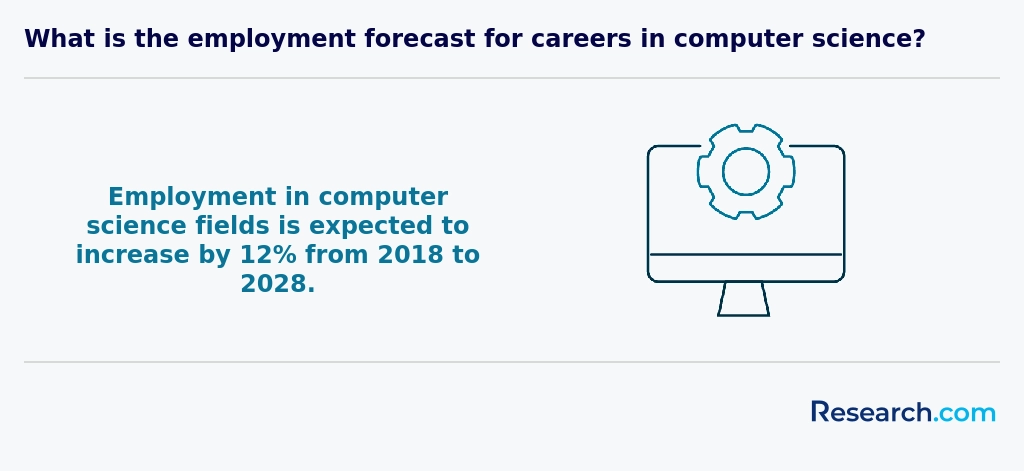
Landing a computer science job in Nebraska feels less like a long shot and more like stepping into a world where your degree becomes a key to diverse industries-from agriculture tech breakthroughs to the buzzing hives of finance and telecommunications. Graduates from prominent Nebraska universities often share how the local job market embraces them with open arms, thanks to a 15% growth forecast that outpaces the national average. Imagine walking through Omaha's vibrant tech corridors or Lincoln's innovation hubs, where companies like PayPal's Omaha campus and Blue Cross Blue Shield of Nebraska actively scout fresh talent.
One graduate vividly recalls how internships offered by Nebraska colleges translated into real job offers, turning classroom theory into impactful work experience. While Nebraska's median software developer wage hovers around $93,000-below the national figure-the significantly lower cost of living means a comfortable lifestyle is well within reach. For those weighing their options, pairing a local computer science degree with fast certificate programs that pay well can turbocharge employment prospects and earning potential.
Computer science job opportunities in Nebraska are more than numbers; they're stories of community, growth, and steady demand. Nebraska computer science graduate employment outlook shines brightly with a tech scene that's steadily expanding into cloud computing and cybersecurity, ensuring graduates step into a market hungry for their skills.
2027 Most Valuable Computer Science Degree Programs Ranking in Nebraska
Investing in your education is a significant decision that can shape your future, and the Research.com team acknowledges the importance of making well-informed choices. To support prospective students in Nebraska, we have carefully developed the "2027 Most Valuable Computer Science Degree Programs Ranking in Nebraska." Our dedication to quality, credibility, and accuracy is demonstrated through rigorous research and thorough analysis.
We utilized the following reputable data sources to ensure a comprehensive evaluation of computer science programs:
By exploring this ranking, readers will gain valuable insights to help identify the most valuable computer science degree options in Nebraska, enabling informed educational decisions. For further information on how this ranking was created, please visit our Research.com methodology page.

# 2 position
University of Nebraska-Lincoln
Bachelor of Baccalaureate Degree Program in Computer Science


Frequently Asked Questions About computer science
Computer science degree students in Nebraska can maximize their learning by actively engaging in both theoretical coursework and practical experiences. Nebraska offers access to strong public universities like the University of Nebraska-Lincoln, which is ranked among the top 100 public computer science programs according to U.S. News & World Report 2023. Students should participate in internships with local tech companies, as Nebraska's growing tech sector increasingly values hands-on skills alongside academic knowledge.
Joining research projects and student organizations related to computing can solidify understanding and develop teamwork abilities. Additionally, leveraging Nebraska's affordable tuition rates-averaging around $10,000 annually for in-state students-can allow more focus on extracurricular learning without heavy financial strain.
Staying up to date with emerging technologies through workshops and seminars offered by Nebraska-based institutions also enhances career readiness in this evolving field.
The computer science field is rapidly evolving, with several emerging niches gaining prominence. In Nebraska, there is growing interest in cybersecurity, driven by increasing demand to protect digital infrastructure. According to the Nebraska Department of Labor, employment in information security roles is expected to grow by over 20% through 2030.
Another expanding area is artificial intelligence (AI) and machine learning, where businesses use data-driven solutions for automation. Nebraska's research universities are enhancing programs focused on these skills.
Additionally, cloud computing remains vital as companies shift to remote work models, amplifying the need for cloud architects and engineers.
Data science and bioinformatics also offer opportunities due to Nebraska's strong agriculture and health sectors.
Preparing for the job market after earning a computer science degree in Nebraska involves several practical steps. Graduates should focus on gaining hands-on experience through internships or cooperative education programs offered by many Nebraska universities. According to the Nebraska Department of Labor, the state's technology sector is growing at 3.5% annually, highlighting increasing job opportunities.
Networking is also crucial; local tech meetups and the Nebraska Technology Association provide valuable connections. Nebraska employers often seek candidates with skills in software development, data analysis, and cybersecurity, so continuing to learn these areas is beneficial. Additionally, obtaining relevant certifications, such as CompTIA or AWS, can improve job prospects.
Finally, leveraging university career services and state job boards can help graduates find roles that match their skills and goals in Nebraska's evolving tech market.
Employers in Nebraska prioritize a combination of technical and soft skills when hiring computer science graduates. Key technical skills include proficiency in programming languages such as Python, Java, and C++, as these are commonly used in local tech companies and startups.
Data analysis and database management skills are also valuable, reflecting Nebraska's growing focus on industries like agriculture technology and finance, which rely heavily on data-driven decision-making.
Beyond technical expertise, strong problem-solving abilities and teamwork are essential. According to the Nebraska Department of Labor, over 70% of employers value effective communication and collaboration among computer science graduates.
Familiarity with cybersecurity principles is increasingly demanded due to rising concerns around data protection in the state's businesses.
Finding internships in Nebraska for computer science students involves a mix of university resources, industry connections, and online platforms. Many Nebraska universities with computer science programs offer dedicated career services that connect students to local tech firms. For instance, the University of Nebraska system collaborates with Nebraska-based companies in tech hubs like Omaha and Lincoln to provide internship opportunities.
Additionally, websites such as Handshake and Nebraska's Department of Labor site list internships tailored for tech students. Nebraska's growing tech sector, which employs over 24,000 IT professionals, increases the chance of relevant internships. Networking through local meetups and professional groups is also key.
A computer science degree in Nebraska significantly enhances career mobility and advancement opportunities. According to the U.S. Bureau of Labor Statistics and Nebraska Department of Labor, tech jobs in Nebraska are growing steadily, with a projected 8% increase in computer and information technology roles through 2030.
Graduates with computer science degrees can pursue diverse roles such as software development, data analysis, and cybersecurity, which are high-demand fields offering competitive salaries. Nebraska's expanding tech sector includes companies in Omaha and Lincoln, creating ample job opportunities for qualified professionals.
Additionally, holding a degree often opens pathways to leadership and specialized positions that require advanced technical skills and formal education, making career advancement more attainable for degree holders in the state's technology landscape.
Studying for a computer science degree in Nebraska offers robust preparation for interdisciplinary roles by integrating core computing skills with applications in fields such as agriculture, healthcare, and engineering. Nebraska's universities emphasize collaborative projects, allowing students to work alongside peers from diverse academic backgrounds. For example, the University of Nebraska system includes research centers that focus on data science applications tailored to regional industries.
Courses often incorporate practical experience in data analysis, software development, and machine learning, which are valuable across many sectors. According to the Nebraska Department of Labor, employment in computer and mathematical occupations is expected to grow by 15% by 2030, underscoring demand for professionals who can bridge technology with other disciplines.
This educational approach equips students with versatile problem-solving skills, technical knowledge, and real-world exposure, enhancing their ability to contribute effectively in interdisciplinary teams within Nebraska's evolving economy.
When choosing between a thesis and a non-thesis computer science degree program in Nebraska, consider your career goals carefully. Thesis programs typically focus on research and require students to complete original work, which is ideal for those aiming for doctoral studies or research-oriented roles. Non-thesis options usually emphasize coursework and practical skills, better suited for students targeting industry jobs.
Universities like the University of Nebraska-Lincoln offer both paths. According to the National Center for Education Statistics, over 60% of Nebraska computer science graduates enter the workforce directly, highlighting the appeal of non-thesis tracks. Evaluate your interest in research versus applied work before deciding.
Students in Nebraska seeking to study computer science abroad have several pathways through exchange programs and partnerships managed by Nebraska universities. Schools like the University of Nebraska-Lincoln and Creighton University offer opportunities to attend universities in Europe, Asia, and Australia while earning credits that count toward their degrees.
These study abroad programs typically last a semester or a year and provide exposure to international perspectives in computer science education. According to the Institute of International Education, participation in STEM fields like computer science among US students studying abroad has grown steadily, reflecting a rising interest among Nebraska's students.
Financial aid and scholarships specifically for study abroad are often available, making global experiences more accessible. Additionally, virtual exchange options have expanded, allowing Nebraska students to collaborate on projects with peers worldwide while remaining on campus.
In Nebraska, part-time job opportunities that complement a computer science degree include roles such as software development intern, IT support technician, and data analyst assistant. These positions provide practical experience with coding, system troubleshooting, and data management, essential skills for computer science students.
Many Nebraska tech companies, including startups in Omaha and Lincoln, offer internships and part-time roles aligned with academic schedules. According to the Nebraska Department of Labor, demand for computer and information technology occupations is expected to grow by about 7% through 2030, creating ample opportunities for students to gain hands-on experience.
Additionally, university research labs often hire students part-time to assist with software projects, fostering both technical skills and academic networking within Nebraska's growing tech landscape.
Computer science students in Nebraska benefit from varied networking opportunities that connect them with industry professionals and peers. Universities like the University of Nebraska-Lincoln and Creighton University host career fairs and tech events that attract top local and national companies. According to the Nebraska Department of Labor, the Omaha-Council Bluffs metro area boasts over 5,000 tech jobs, increasing demand for networking in this sector.
Professional organizations such as the Nebraska Chapter of the Association for Computing Machinery (ACM) offer regular meetups, workshops, and conferences. Additionally, Nebraska's startup hubs and tech incubators facilitate student involvement in real-world projects and networking.
Alumni networks offer valuable benefits to computer science degree students in Nebraska by providing essential professional connections. Graduates from universities like the University of Nebraska-Lincoln often participate in these networks, which connect students with experienced professionals in the tech industry.
These connections can lead to mentorship opportunities, internships, and job placements in Nebraska's growing tech hubs such as Omaha and Lincoln. According to the Nebraska Department of Labor, the computer and information technology sector in the state has been expanding, increasing the demand for skilled workers.
Alumni events and online platforms facilitate knowledge sharing and career guidance, giving current students insights on local industry trends and employer expectations. Such networks enhance students' chances of employment after graduation.
In Nebraska, customizing a computer science degree program allows students to align their education with specific career goals. Many universities offer elective courses and specializations such as cybersecurity, data science, and software engineering. This flexibility helps tailor skills to in-demand fields.
Internships and cooperative education opportunities are often integrated into programs, providing practical experience that enhances employability. According to the Nebraska Department of Labor, tech-related occupations are projected to grow by 13% from 2022 to 2032.
Students can also pursue minors or certificates in related areas like business or information technology, increasing their versatility in the job market.
Computer science students in Nebraska often face challenges related to balancing rigorous coursework and practical experience. Many programs emphasize strong foundations in programming, algorithms, and systems, which can be demanding for students without extensive prior coding skills. According to data from the Nebraska Department of Labor, the state's tech sector is growing, but internships and local job opportunities remain competitive, pressing students to seek experience actively.
Furthermore, access to cutting-edge technology and research resources can vary significantly between institutions. Students at smaller universities may find fewer specialized courses or labs compared to those at larger research universities.
Lastly, financial constraints and limited awareness of scholarships specifically for computer science majors in Nebraska add another layer of difficulty, a concern highlighted by the Nebraska Workforce Development report of 2023.
With a computer science degree in Nebraska, you can pursue various professional certifications to boost your career. Popular options include the Certified Information Systems Security Professional (CISSP) for cybersecurity roles and the Certified Software Development Professional (CSDP) offered by the IEEE Computer Society. These certifications validate your skills and increase job prospects.
Other valuable certifications include CompTIA Security+ and Microsoft Certified: Azure Fundamentals, which are recognized nationally and hold value in Nebraska's tech industry.
According to the Nebraska Department of Labor, certifications can raise earning potential by 15-25% in IT-related jobs statewide.
Applying to a computer science program in Nebraska requires careful preparation focused on academic and personal strengths. Admissions committees often emphasize strong performance in math and science courses, with a recommended minimum GPA of 3.0 to remain competitive, according to the National Center for Education Statistics.
Highlight relevant experiences such as internships, coding projects, or participation in tech clubs. Nebraska's growing tech sector values practical skills alongside theoretical knowledge.
Craft a clear personal statement that explains your passion for computer science and how you plan to contribute to Nebraska's technology community. Letters of recommendation from teachers familiar with your skills can strengthen your application.
Additionally, standardized tests like the SAT or ACT may still be required by some institutions in Nebraska, so check specific school requirements in advance.
Computer science careers are increasingly recognized worldwide for their importance in driving innovation and economic growth. In the United States, and specifically Nebraska, demand for skilled computer science professionals continues to rise. According to the U.S. Bureau of Labor Statistics, the employment of software developers is projected to grow 25% from 2021 to 2031, much faster than the average for all occupations.
Nebraska benefits from a growing tech industry centered in cities like Omaha and Lincoln, creating diverse job opportunities for graduates. Globally, computer science skills are essential in sectors such as cybersecurity, artificial intelligence, and data analytics, which emphasize the value of a degree in this field.
Furthermore, earning a computer science degree in Nebraska provides a solid foundation aligned with U.S. educational standards, preparing students for competitive global markets and collaborative international work environments.
Gaining practical experience is crucial for students pursuing a computer science degree in Nebraska. Many universities in the state offer cooperative education programs (co-ops) that integrate paid work experiences with academic studies. For example, the University of Nebraska-Lincoln has strong partnerships with local tech companies, providing internships that allow students to apply classroom knowledge in real-world settings.
Additionally, students can participate in research projects led by faculty, often focused on fields like cybersecurity and data analytics, which are growing industries in Nebraska. According to the Nebraska Department of Labor, tech employment in the state has increased by over 5% annually, highlighting ample local job opportunities.
Community tech meetups and hackathons also provide hands-on experience outside the classroom. These activities help students build portfolios and network with professionals, enhancing their job readiness after graduation.
Choosing the right concentration within a computer science degree in Nebraska depends on your career goals and industry demands. Popular options include software development, cybersecurity, data science, and artificial intelligence. Nebraska's growing tech industry, especially in cities like Omaha and Lincoln, offers strong opportunities in data analytics and cybersecurity, with a 13% growth in tech jobs projected through 2030 according to the U.S. Bureau of Labor Statistics.
Consider programs offering hands-on experience and internships with local companies. Reviewing faculty expertise and available research projects can also guide your decision. Align concentrations with your interests and Nebraska's evolving tech market for the best outcomes.
- 2027 Most Valuable Computer Science Degree Programs Ranking in Colorado
- 2027 Most Valuable Computer Science Degree Programs Ranking in Minnesota
- 2027 Most Valuable Computer Science Degree Programs Ranking in Illinois
- 2027 Most Valuable Computer Science Degree Programs Ranking in Arkansas
- 2027 Most Valuable Computer Science Degree Programs Ranking in Texas
- 2027 Most Valuable Computer Science Degree Programs Ranking in Tennessee
- 2027 Most Valuable Computer Science Degree Programs Ranking in Kentucky
- 2027 Most Valuable Computer Science Degree Programs Ranking in Alabama
- 2027 Most Valuable Computer Science Degree Programs Ranking in Georgia
- 2027 Most Valuable Computer Science Degree Programs Ranking in Florida
See What Experts Have To Say About Studying Computer Science
Read our interview with Computer Science experts

Derek Riley
Computer Science Expert
Professor, Program Director
Milwaukee School of Engineering

Imed Bouchrika, Phd
Computer Science Expert
Professor of Computer Science
National Higher School of Artificial Intelligence

Martin Kang
Computer Science Expert
Assistant Professor
Loyola Marymount University

Kathleen M. Carley
Computer Science Expert
Professor of Computer Science
Carnegie Mellon University

- Fields of Work in Computer Science: Top IT Careers | Walbrook https://www.walbrook.ac.uk/subjects/computer-science/computer-science-fields-of-work-career-in-it/
- Computer Science Job Market 2026: Why It's So Hard (+ Fixes) | Extern https://www.extern.com/post/computer-science-job-market-2026-guide
- Computer Science Comprehensive, Bachelor of Science https://catalog.unk.edu/undergraduate/departments-programs/cyber-systems/computer-science-comprehensive-bs/
- Getting the Most Out of a Computer Science Degree https://robkokochak.com/blog/getting-the-most-out-of-a-cs-degree/
- A Holistic Approach to Studying Interdisciplinary Collaboration: Computer Science https://sciety.org/articles/activity/10.21203/rs.3.rs-8694985/v1
- Computer Science Programs: Cost, Types, What to Expect https://www.computerscience.org/degrees/
- Navigating Systemic Access to Computer Science Learning https://www.nasbe.org/navigating-systemic-access-to-computer-science-learning/
- Computer Science Cover Letter: How to Show You're a Top Tech Candidate https://arc.dev/talent-blog/computer-science-cover-letter/
- high school graduation; requirements. https://nebraskalegislature.gov/laws/statutes.php
- Letter of Motivation for applying Computer Science related fields https://essayforum.com/letters/motivation-applying-computer-science-related-11858/