2027 Most Valuable Computer Science Degree Programs Ranking in Alabama

Co-Founder and Chief Data Scientist
Choosing the right computer science degree program in Alabama can be a big decision for your future. Our article presents the 2027 Most Valuable Computer Science Degree Programs Ranking in Alabama, created by the Research.com team of data scientists to guide you through this process.
By exploring this ranking, you'll gain insight into programs that offer strong career prospects, quality education, and real value for your investment. Pursuing a computer science degree opens doors to exciting opportunities and growth in a constantly evolving field.
Reading this article will help you make an informed, confident choice for your education and future success.
Key benefits of getting computer science degree in Alabama
- Graduates with a computer science degree in Alabama can expect strong salaries, such as $138,110 annually for software engineers and developers, and $95,570 for web developers, offering financial stability and rewarding career opportunities.
- Career paths include roles in software development, data analysis, and IT support, mirroring success stories from universities like the University of Alabama, where graduates enjoy diverse job options and growth.
- Online computer science degrees from institutions such as Auburn University provide flexible learning, allowing students to balance work and study while gaining the same valuable skills as traditional programs.
- Key benefits of getting computer science degree in Alabama
- What can I expect from computer science degree in Alabama?
- Where can I work with computer science degree in Alabama?
- How much can I make with computer science degree in Alabama?
- 2027 Most Valuable Computer Science Degree Programs Ranking in Alabama
- Key Findings
- How long does it take to complete computer science degree in Alabama?
- Return on Investment: Assessing the Payoff of Computer Science Degrees in Alabama
- What's the difference between online and on-campus computer science degree?
- Student Life and Campus Resources
- What is the average cost of computer science degree in Alabama?
- What financial aid is available to computer science degree students in Alabama?
- Return on Investment Analysis
- What are the prerequisites for enrolling in computer science degree program in Alabama?
- Return on Investment (ROI) Analysis
- What courses are typically in computer science degree programs in Alabama?
- What types of specializations are available in computer science degree programs in Alabama?
- How do you choose the best computer science degree in Alabama?
- What career paths are available for computer science degree students in Alabama?
- What is the job market for computer science degree in Alabama?
- Related Computer Science Rankings for Nearby States
- Top Trending Computer Science Rankings
- See What Experts Have To Say About Studying Computer Science
What can I expect from computer science degree in Alabama?
When considering the cost of earning a computer science degree in Alabama, many students find it remarkably affordable. At public universities like the University of Alabama and Auburn University, the average annual in-state tuition is about $10,000. This makes pursuing your passion for technology within reach without the heavy debt burden that can come with other states.
Graduates from these programs often share how their investment in Alabama's universities brought great value. Beyond tuition, the cost-effectiveness extends to resources, networking, and internship opportunities within Alabama's expanding tech sectors. For instance, students at the University of Alabama at Birmingham frequently connect classroom learning with hands-on projects in healthcare technology, boosting their career readiness.
Choosing a program here means not only affordable education but also a supportive environment where theory meets real-world application. The balance of rigorous coursework and industry engagement prepares you to hit the ground running while keeping expenses manageable.
Where can I work with computer science degree in Alabama?
Graduates from universities like the University of Alabama and Auburn University find themselves welcomed into a vibrant tech scene across Alabama. Many land roles in bustling hubs such as Huntsville, where aerospace giants like Boeing and Lockheed Martin actively seek software engineers and cybersecurity experts. Imagine working on cutting-edge defense systems or space technology-these are real opportunities for graduates to make an impact.
In Birmingham, grads step into fast-growing healthcare IT and finance sectors, contributing to innovative software projects that improve everyday lives. Those who studied computer science at Alabama State University often secure roles supporting regional startups, where their skills drive exciting new ventures.
Outside city centers, automotive manufacturers like Mercedes-Benz rely heavily on IT professionals who understand automation and network infrastructure, making it possible for graduates to influence industry advancements firsthand. Many alumni also find rewarding positions in government and education across Alabama, where they support technology needs with stability and meaningful career growth.
How much can I make with computer science degree in Alabama?
Graduates from computer science programs in Alabama, such as those at the University of Alabama or Auburn University, often find themselves stepping into rewarding careers with competitive salaries. For instance, software developers in Alabama can expect to earn an average annual wage of about $138,110 according to recent data, which reflects strong local industry demand especially in tech hubs like Huntsville.
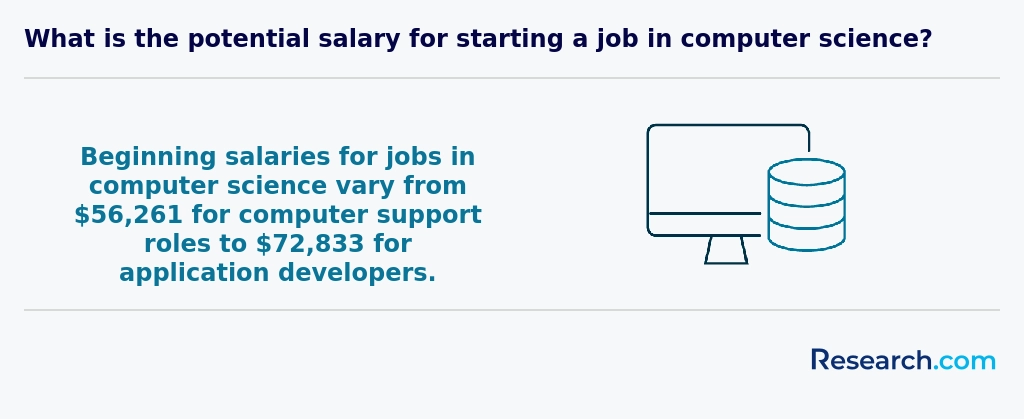
Entry-level positions in Alabama typically start lower, around $50,000 to $65,000 per year, but many graduates quickly experience salary growth as they gain expertise. Web developers earn an average of $95,570 annually, while IT support specialists average around $63,640. Data analysts in the state also enjoy promising figures, averaging $119,040 per year.
Many graduates recall how their hands-on projects and internships gained through Alabama-based colleges helped them qualify for these positions. The vibrant tech sector here fuels upward mobility, making it realistic for graduates to progress beyond $120,000 within a few years in specialized roles like cybersecurity or software engineering. Hard work truly pays off in Alabama's growing tech landscape.
2027 Most Valuable Computer Science Degree Programs Ranking in Alabama
How do we rank schools?
Investing in your education is a significant decision that can shape your career, and the Research.com team is committed to helping you make well-informed choices. To support prospective students in Alabama, we have carefully developed the "2027 Most Valuable Computer Science Degree Programs Ranking in Alabama." Our dedication to quality, credibility, and accuracy is demonstrated through rigorous research and thorough analysis.
We utilized the following reputable data sources to ensure a comprehensive and reliable evaluation:
By exploring this ranking, readers will gain valuable insights into the most valuable computer science degree programs in Alabama, enabling them to choose programs that best align with their goals and maximize their educational investment. For further information on how this ranking was created, please visit our Research.com methodology page.


Key Findings
- In Alabama, in-state tuition for public universities offering computer science ranges from $8,000 to $11,000 per year.
- Private universities in Alabama charge about $25,000 to $35,000 annually for computer science degrees, not including additional fees of housing.
- Entry-level computer science graduates in Alabama earn an average starting salary of around $58,000 per year.
- Mid-career computer science professionals in Alabama make between $90,000 and $100,000 annually on average.
- Alabama's tech job market is growing at a rate of approximately 15% over the next decade, outpacing the national average for all jobs.
- Major cities like Birmingham, Huntsville, and Mobile provide many job opportunities and internship programs for computer science students.
How long does it take to complete computer science degree in Alabama?
Completing a computer science degree in Alabama usually takes about four years for full-time students, especially those attending well-known schools like the University of Alabama or Auburn University. Many graduates from these institutions share how the structured four-year path offered a perfect balance of challenging courses and hands-on projects, making their journey both manageable and rewarding.
Some motivated students choose to speed things up by taking extra classes during summer semesters or heavier course loads, finishing their bachelor's degree in around three years. This accelerated path, while demanding, allows students to enter the workforce sooner and save on tuition costs.
On the other hand, part-time students balancing jobs or family commitments may take five years or more to graduate. Community colleges like Jefferson State offer associate degrees usually completed in two years, which some students use as a stepping stone to four-year programs.
Graduate studies, such as a master's degree, typically add two more years beyond the bachelor's degree, diving deeper into specialized computer science areas and advanced research.
Return on Investment: Assessing the Payoff of Computer Science Degrees in Alabama
Investing in a Computer Science degree in Alabama often raises the question: how long until the financial benefits outweigh the costs? On average, a bachelor’s degree in Computer Science from a public university in Alabama costs approximately $70,000 in tuition and fees for in-state students over four years. With mean starting salaries around $63,000 for entry-level roles and mid-career averages exceeding $100,000, graduates can expect a payback period of roughly 5 to 7 years, depending on factors like specialization, location, and internship experience. Beyond salary, a positive ROI also reflects strong employment rates and career growth. According to recent data, over 90% of Alabama CS graduates secure full-time positions within six months of graduation, often commanding signing bonuses and employer-sponsored benefits. Additionally, professionals who leverage high-demand specializations such as cybersecurity or data science can shorten the payback window by securing roles with starting salaries 15–25% above the state average. For students comparing regional affordability and outcomes, our Low Cost Computer Science Degree Programs Ranking in Washington offers valuable insights into alternative pathways. By weighing tuition costs, living expenses, and average earning potential, prospective students can make data-driven decisions that maximize both their educational investment and long-term career success.
What's the difference between online and on-campus computer science degree?
Choosing between online and on-campus computer science degrees in Alabama comes down to how you prefer to learn and live your student life. Imagine attending the University of Alabama, where sitting in a lab with classmates sparks spontaneous problem-solving sessions and face-to-face mentoring from professors. Graduates often share how this hands-on environment deepened their understanding of algorithms and software engineering through real-time collaboration and access to on-site resources.
On the flip side, picture balancing work and studies with an online degree from Auburn University. Many have thrived by tailoring their schedules around full-time jobs, appreciating the flexibility to study from anywhere in Alabama. These students highlight the discipline needed but celebrate the freedom to learn core topics like data structures at their own pace.
Ultimately, both paths in Alabama deliver recognized credentials; it's your lifestyle and learning preference that guide you. Whether accessing campus labs or logging in remotely, you're preparing for a promising tech career in cities like Huntsville or Birmingham.
Student Life and Campus Resources
Exploring the vibrant student life and extensive campus resources is essential when choosing a Computer Science program in Alabama. Beyond robust academic curricula, students thrive in environments that nurture creativity, collaboration, and personal growth. Many universities offer state-of-the-art technology labs, innovation centers, and recreational facilities that complement rigorous coursework with real-life experiences. Learners benefit from active involvement in coding clubs, hackathons, and networking events that foster professional connections and enhance soft skills. Additionally, campuses often provide dedicated career services, mental health resources, and tutoring support to ensure all students feel engaged and supported throughout their academic journey. Those interested in balancing quality education with affordability can explore options at cheapest computer science schools in alabama, where a well-rounded campus experience is paired with competitive tuition rates. This holistic approach not only prepares students academically but also cultivates the leadership and teamwork skills essential for success in the rapidly evolving tech industry.
What is the average cost of computer science degree in Alabama?
The average cost of a computer science degree in Alabama varies depending on whether you attend a public or private institution. For in-state students at public universities, the median total cost is typically around $12,132, making it an accessible option for many who want to pursue their dreams without overwhelming debt. Graduates from these programs often share stories of balancing part-time jobs and internships while benefiting from lower tuition rates, which allows them to focus more on gaining hands-on experience in coding and software development.
On the other hand, private colleges in Alabama, including well-known programs at Birmingham-Southern College and Samford University, usually have higher tuition fees. The median total cost here tends to be closer to $34,930. Although this is a bigger investment, many students find the personalized attention and smaller class sizes worth the higher price. They often highlight the strength of alumni networks and the enriched academic environment as key elements that helped launch their careers.
When considering total expenses for CS degree programs Alabama students should also account for essentials like books, supplies, housing, and technology fees, which can add significantly to the overall cost. Many students recommend exploring financial aid opportunities early. Alabama residents can find helpful information about scholarships and grants through resources like the cheapest computer science schools in Alabama, which can make a major difference in affordability and reduce financial stress throughout their studies.
What financial aid is available to computer science degree students in Alabama?
When pursuing a computer science degree in Alabama, financial aid options can make your journey much more manageable and inspiring. Graduates from the University of Alabama often share how Federal Pell Grants, which can provide up to $7,395 annually, significantly eased their tuition burdens. Applying through FAFSA is essential to unlock these grants, loans, and work-study opportunities that many students rely on.
State programs like the Alabama Student Assistance Program (ASAP) and the Alabama Student Grant Program are tailored to residents, offering grants typically between $1,000 and $3,000 each year. Students at Auburn University found these grants helpful to reduce out-of-pocket expenses while focusing on their computer science projects and internships.
Universities also award merit scholarships specifically for computer science achievers, blending financial need and academic performance. For example, Computer Science Scholarships at the University of Alabama have empowered STEM students to embrace challenging coursework without the financial stress, contributing to a vibrant learning experience.
Moreover, targeted STEM initiatives like Alabama EPSCoR encourage research and innovation funding for ambitious tech students. Many who balance work with study benefit from employer tuition assistance, opening doors to affordable education and future career success.
Return on Investment Analysis
Prospective students evaluating the 2024 Most Valuable Computer Science Degree Programs in Alabama should consider not only program quality but also long−term financial returns. Analyzing ROI involves comparing total program costs-tuition, fees, and living expenses-with average starting salaries and projected salary growth. In Alabama, the average annual tuition for in-state undergraduates is approximately $17,545, and graduates report an average student debt of $24,800. When paired with a mean starting salary of $65,000 for entry-level software engineers, many programs achieve a payback period of under four years. Key factors influencing ROI include: • Total Cost of Attendance: Beyond tuition, factor in technology fees, lab fees, and living expenses. • Median Graduate Earnings: Software engineers earn around $132,930 annually, web developers $87,580, and data analysts $66,440. • Debt-to-Earnings Ratio: A ratio below 1.0 indicates that graduates earn more in their first year than their total debt, underscoring exceptional value. • Salary Growth Trajectory: Fields like cybersecurity and AI offer above-average salary increases, shortening ROI timelines. Students seeking to further boost long-term returns might explore graduate pathways. For example, an online masters in data science degree can elevate earning potential by 20–30%, reducing ROI periods even further. By carefully weighing these financial metrics, prospective enrollees can choose programs that deliver both academic rigor and robust economic benefits.
What are the prerequisites for enrolling in computer science degree program in Alabama?
To enroll in a computer science degree program in Alabama, you'll need a strong foundation in math and science-this is non-negotiable. Graduates from the University of Alabama often share how their success was rooted in mastering Algebra I and II, Geometry, and even Pre-calculus or Calculus before stepping into college courses. These subjects build the critical thinking skills you'll rely on when tackling programming challenges.
Many programs expect you to have completed a high school diploma or GED with good grades, and standardized test scores like the SAT or ACT can tip the scales in your favor. For instance, a solid math score can unlock opportunities at schools known for competitive computer science, such as Auburn University or Alabama A&M.
Exposure to basic computer literacy or introductory programming in languages such as Python or Java-even if informal-gives you a head start and boosts your confidence. Think of it as learning your gear before you hit the trail. Some students mention how taking physics or chemistry helped sharpen their analytical thinking, preparing them for problem-solving scenarios in coursework.
Remember, each school may have specific requirements, so connect early with admissions counselors. Being prepared upfront can save you time and money, helping you focus on what really excites you: building your future in tech.
Return on Investment (ROI) Analysis
Evaluating ROI helps you understand how quickly a computer science degree in Alabama pays off and maximizes long-term earnings.
- Total in-state tuition (4-year): approximately $44,000
- Average entry-level salary: $70,000–$75,000 per year
- Estimated payback period: under 1 year when comparing salary gain to tuition
- Mid-career salary growth: often exceeds $100,000 annually, boosting lifetime earnings
- Consider related paths like online game design classes for niche ROI comparisons
By weighing program costs against expected salaries and growth trends, you can pinpoint the most valuable computer science programs in Alabama.
What courses are typically in computer science degree programs in Alabama?
When pursuing a computer science degree in Alabama, whether at the University of Alabama or Auburn University, you'll dive into a curriculum designed to build real-world skills from day one. Expect to master programming languages like Java, C++, and Python-tools that graduates say opened doors to exciting software development projects and internships right in Birmingham's growing tech scene.
Data structures and algorithms make up the key intellectual toolkit, helping you solve problems efficiently and prepare for roles in innovative companies across Alabama. You'll also study essential areas such as computer architecture, operating systems, and database systems, which graduates recall as foundational for understanding how everyday technology works behind the scenes.
Many students thrive during hands-on courses in software engineering and computer networks, where they collaborate on app development or cybersecurity challenges. Electives focusing on AI, machine learning, and cloud computing reflect Alabama's evolving tech landscape-giving you an edge to compete confidently after graduation.
What types of specializations are available in computer science degree programs in Alabama?
When exploring computer science degree specializations in Alabama, students at well-known universities often choose from paths like Software Development, Cybersecurity, and Data Science and Big Data Analytics. These specializations are designed to meet the state's growing tech industry needs-graduates frequently share how mastering software engineering principles or network security has opened doors to rewarding careers.
At many Alabama colleges, students intrigued by artificial intelligence and machine learning find hands-on opportunities developing algorithms that simulate human intelligence. Others, inspired by the dynamic environment of game development and computer networks, gain practical skills directly applicable in local tech hubs.
Those interested in blending disciplines also take advantage of flexible curricula widely offered in Alabama, allowing combinations such as AI with cybersecurity. With tuition rates offering affordability, many find pursuing an online masters in data science degree accessible, enhancing their expertise for competitive roles statewide. Considering Alabama computer science concentration options carefully can help you align your education with your passion and the evolving job market.
How do you choose the best computer science degree in Alabama?
To choose the best computer science degree in Alabama, start by exploring programs at well-known schools like the University of Alabama or Auburn University, where graduates praise the balance of strong academics and personalized attention. Consider programs that offer specializations aligning with your passion, such as cybersecurity or data science, since focusing early can open exciting career paths. Look for ABET-accredited degrees, which many Alabama institutions hold, as this accreditation signals quality and is valued by employers.
Cost is another important factor-public universities in Alabama typically offer affordable computer science degrees Alabama residents appreciate, often aided by scholarships or financial aid. Hearing from recent graduates, many highlight how their school's connections with local tech hubs like Huntsville boosted internships and job prospects. Before deciding, review graduation rates and employer partnerships to ensure you join a supportive environment fostering success.
For practical budgeting, also check out the Low Cost Computer Science Degree Programs Ranking in Washington to compare affordability strategies used in nearby states that might help guide your choices.
What career paths are available for computer science degree students in Alabama?
Graduates with a computer science degree in Alabama find exciting computer science career opportunities in Alabama that match their skills and ambitions. Whether you're drawn to software development, cybersecurity, or data science, there's a dynamic path waiting for you. Graduates from universities like the University of Alabama and Auburn University often land roles where they design innovative applications or protect vital digital infrastructure for aerospace and defense companies. These experiences highlight how local industries heavily value practical, real-world expertise.
Many Alabama computer science degree job prospects also include data analytics and network architecture, fields that thrive in cities like Huntsville and Birmingham. Graduates remark on the fulfilling challenge of turning raw data into impactful insights for healthcare and manufacturing sectors, both booming in the state. If you're considering how to fit study and work, remember Alabama's supportive environment favors internships and hands-on projects that sharpen your competitive edge.
For those exploring further education options, it's worth checking out online easiest phd degree programs which can complement your career ambitions while you continue gaining experience locally.
What is the job market for computer science degree in Alabama?
The computer science job outlook Alabama offers is promising for graduates of local universities such as the University of Alabama and Auburn University. Many graduates find exciting roles in expanding industries like aerospace and finance, where companies like Boeing and Regions Bank seek tech talent. One graduate shared how their internship at a government contractor in Huntsville turned into a full-time role focused on network security, illustrating the real opportunities available close to home.
Alabama's tech industry employment opportunities are growing steadily, which means you're stepping into a field with diverse career paths. The state's affordable cost of living, paired with median wages around $91,000 for software developers, lets you enjoy a balanced life while building your career. Graduates often highlight how the investment in technology infrastructure at local universities gave them hands-on experience, helping them feel confident entering the workforce.
For those concerned about finances, the relatively low in-state tuition opens doors without excessive debt. It's worth exploring the highest paying masters options as well, to boost your credentials in this competitive market.
Frequently Asked Questions About computer science
Students pursuing computer science degrees in Alabama can maximize their learning by combining classroom study with practical experience. Engaging in internships, particularly in Alabama's growing tech sectors like Huntsville and Birmingham, offers valuable hands-on skills that employers seek. According to the Alabama Department of Labor, tech job openings in the state have grown nearly 8% annually, highlighting the importance of real-world experience. Additionally, joining student organizations such as the Association for Computing Machinery (ACM) chapters provides networking opportunities and access to workshops. Taking advantage of research projects at universities can further deepen understanding and expand a student's technical expertise.
The computer science field in Alabama is rapidly expanding into several emerging niches. One key area is artificial intelligence (AI) and machine learning, which plays a critical role in industries like aerospace and automotive manufacturing, both significant to Alabama's economy. According to the Alabama Department of Labor, employment in AI-related jobs is expected to grow by over 20% in the next five years.
Another promising niche is cybersecurity, driven by increasing digital threats. Alabama universities such as Auburn and UAB offer specialized cybersecurity programs responding to this demand. The U.S. Bureau of Labor Statistics reports that cybersecurity jobs are projected to grow 33% nationwide by 2030.
Additionally, data science and big data analytics are gaining traction due to the rise of data-driven decision-making in businesses and healthcare sectors in Alabama. Students pursuing computer science degrees here can expect opportunities to work with cutting-edge tools and techniques.
Graduates with a computer science degree in Alabama can enhance their job prospects by gaining practical experience through internships and cooperative education programs. Many Alabama universities, such as the University of Alabama and Auburn University, maintain ties with regional tech companies offering valuable internship opportunities.
Networking is essential; attending local tech meetups and career fairs in cities like Birmingham and Huntsville helps students connect with potential employers. According to the Alabama Department of Labor, the tech sector in Huntsville has grown by 8% annually, signaling strong demand for skilled graduates.
Additionally, acquiring certifications in areas like cybersecurity or cloud computing can increase employability. Staying current with programming languages and building a professional portfolio featuring projects also aids job readiness.
Employers in Alabama highly value computer science graduates who demonstrate strong proficiency in programming languages such as Python, Java, and C++. According to the Alabama Department of Labor, more than 70% of tech job openings require solid coding skills. Additionally, problem-solving abilities and analytical thinking are crucial, as they enable graduates to design efficient algorithms and troubleshoot software issues effectively.
Experience with data structures, databases, and software development life cycles is also frequently sought. Soft skills like communication and teamwork matter, since many projects involve collaboration across different departments. The National Center for Education Statistics highlights that hands-on experience through internships significantly improves employment chances in Alabama's tech sector.
Finding internships in Alabama for computer science students involves leveraging both university resources and statewide tech networks. Many Alabama universities, such as the University of Alabama and Auburn University, offer dedicated career centers that connect students with local tech companies.
Another effective approach is exploring internships through the Alabama Department of Labor's workforce programs, which list tech-related opportunities. Birmingham and Huntsville are key tech hubs hosting companies like Boeing and regions focused on software development, providing rich internship environments.
Students should also attend tech-focused events like the Alabama Technology Network's workshops and career fairs. According to the National Association of Colleges and Employers, about 65% of internships lead to job offers, making these internships an essential step toward a successful tech career in Alabama.
In Alabama, earning a computer science degree significantly enhances career mobility and job advancement opportunities. The state's growing technology sector, including companies like ADTRAN and Regions Financial, demands skilled IT professionals. According to the Alabama Department of Labor, employment for software developers and computer programmers is expected to grow by over 15% by 2030, well above the average for all occupations.
Graduates with a computer science degree typically qualify for higher-paying roles and leadership positions more quickly than those without formal education. Employers in Alabama value the practical skills and problem-solving abilities gained through accredited programs, which often lead to roles in software development, cybersecurity, and data analysis.
The degree also supports career flexibility, enabling individuals to transition between industries such as finance, healthcare, and manufacturing, all of which increasingly rely on technology. This adaptability is crucial given Alabama's diverse economy and evolving tech landscape.
Studying for a computer science degree in Alabama equips students with skills that extend beyond traditional programming and software development. Many universities in the state, such as the University of Alabama and Auburn University, emphasize interdisciplinary learning by integrating computer science with fields like engineering, business, and healthcare. This approach prepares graduates to work in diverse roles, combining technical expertise with domain-specific knowledge.
According to the Alabama Commission on Higher Education, programs often include project-based courses that foster collaboration across disciplines. This hands-on experience mirrors real-world environments where computer science drives innovation in areas like data analytics, cybersecurity, and healthcare technology.
Additionally, Alabama's growing tech industry and partnerships with companies encourage internships and research opportunities that blend multiple fields, enhancing students' adaptability and problem-solving skills.
Choosing between a thesis and a non-thesis computer science degree in Alabama depends on your career goals and learning preferences. A thesis program focuses on research, requiring students to complete an original project under faculty supervision, which can be valuable if you aim for a PhD or research-intensive roles.
Non-thesis options generally emphasize coursework and practical skills, appealing to those seeking faster entry into the workforce or industry positions. According to the Alabama Commission on Higher Education, schools like the University of Alabama and Auburn University offer both tracks, with thesis programs often lasting longer.
Consider your interest in research, time commitment, and professional plans when deciding.
Students in Alabama who wish to study computer science abroad have several pathways through exchange programs and study abroad options offered by Alabama universities. Schools such as the University of Alabama and Auburn University often partner with international institutions to facilitate semesters overseas, enabling students to gain global perspective while earning credits towards their degree.
These programs typically last one semester or summer term, focusing on areas like software engineering, cybersecurity, and data science. According to the Institute of International Education, STEM fields are among the most popular study abroad majors for U.S. students, highlighting strong interest in global technology trends.
Alabama students must consult their academic advisors early to navigate credit transfer and visa requirements. Scholarships specifically for studying abroad in STEM disciplines may also be available to reduce costs. Exploring these options allows Alabama students to broaden their academic experience in computer science on an international scale.
Students pursuing computer science degrees in Alabama have valuable part-time job opportunities that enhance their education. Positions such as IT support technician, web developer, and software tester are commonly available in cities like Birmingham, Huntsville, and Montgomery. These roles build practical skills in coding, debugging, and system management, which are essential complements to academic learning.
According to the Alabama Department of Labor, technology employment in the state is projected to grow by 8% through 2030, increasing demand for students with hands-on experience. Internships at local tech firms and remote freelance work also provide flexible options to apply coursework in real-world scenarios. Many universities connect students with these opportunities through career services and job fairs.
Computer science students in Alabama benefit from diverse networking opportunities, vital for career growth. Universities like the University of Alabama and Auburn University regularly host career fairs and industry meetups, connecting students to regional tech companies.
The Alabama Technology Council organizes events and workshops specifically targeting students in STEM fields, providing chances to meet professionals and recruiters. According to the Alabama Department of Labor, the state's tech sector is growing faster than the national average, increasing employment prospects for well-networked graduates.
Additionally, student chapters of organizations such as ACM and IEEE provide forums for peer and professional networking. These activities foster collaboration and open doors to internships and full-time roles in the state's expanding computer science industry.
Alumni networks play a significant role in supporting computer science degree students in Alabama by providing valuable career connections and mentorship opportunities. Graduates from programs like those at the University of Alabama and Auburn University often share job leads, internships, and industry insights within these networks. According to the Alabama Commission on Higher Education, around 15% of job placements for computer science graduates involve alumni referrals.
These networks also facilitate local tech meetups and workshops, helping students stay updated on industry trends. Additionally, alumni often contribute financially through scholarships, which can ease educational costs for current students.
In Alabama, customizing a computer science degree to fit your career goals typically involves choosing electives, minors, or concentrations that align with your interests. Many universities offer tracks in areas like software development, cybersecurity, data science, or artificial intelligence. According to the Alabama Commission on Higher Education, tailoring your coursework can improve job readiness in the state's growing tech sector.
Students often supplement core classes with internships or research projects, providing hands-on experience that employers value. Additionally, selecting a minor in related fields such as business, mathematics, or engineering can broaden career options.
Advisors at Alabama institutions help design individualized study plans, ensuring your degree matches both industry demand and personal ambitions.
Computer science students in Alabama often face a variety of challenges throughout their education. One main difficulty is the high level of competition in programs as demand grows, especially at top institutions like the University of Alabama and Auburn University. This can lead to increased pressure to perform well academically.
Another challenge is access to up-to-date technology and resources. While many universities strive to maintain modern labs, some students report limited availability of cutting-edge software and hardware required for advanced projects.
Additionally, the COVID-19 pandemic accelerated the shift to online learning, which posed obstacles related to digital access and engagement, especially in rural areas where broadband internet is less reliable. According to the Alabama Department of Education, around 25% of students face internet connectivity issues, affecting remote study capabilities.
Finally, internships and job placement opportunities can be limited compared to larger metropolitan areas, requiring students to be proactive in networking and gaining experience.
Graduates with a computer science degree in Alabama can enhance their career prospects by pursuing various professional certifications. Popular options include the Certified Information Systems Security Professional (CISSP), which is valued in cybersecurity roles, and the Certified Software Development Professional (CSDP) for advanced software engineering. Certifications like Cisco's CCNA and CompTIA Security+ are also widely recognized in Alabama's growing tech sector.
According to the Alabama Department of Labor, demand for certified IT professionals in areas such as network administration and cybersecurity is rising. Earning certifications can lead to higher salaries and better job opportunities within the state's expanding technology industry.
Many universities in Alabama offer support and preparatory resources for these certifications, which complement the knowledge gained from a computer science degree.
Applying to a computer science program in Alabama requires a clear focus on academic achievement and relevant experience. Most universities in Alabama, such as the University of Alabama and Auburn University, look for strong SAT or ACT scores, particularly in math sections. According to the National Center for Education Statistics, Alabama institutions admitted students with an average GPA around 3.0 for STEM fields in recent years.
Applicants should highlight any programming experience, internships, or related projects in their personal statements. Letters of recommendation from math or science teachers enhance credibility. It's also essential to demonstrate an understanding of current technology trends within the application, showing engagement beyond coursework.
Many Alabama schools value community involvement and leadership in technical clubs or competitions, which may boost your chances. Check each program's specific requirements, as they can vary, and prepare to submit resumes and portfolios if requested.
Computer science careers are increasingly valued worldwide, driven by ongoing advancements in technology and digital innovation. In the United States, including Alabama, job growth in this field is expected to rise by 15% from 2021 to 2031, according to the U.S. Bureau of Labor Statistics. This trend reflects a global demand for skilled professionals in software development, cybersecurity, and data analysis.
Alabama's growing tech sector, especially in cities like Huntsville and Birmingham, positions graduates well for both local and international opportunities. Employers value degrees that combine technical skills with problem-solving abilities and adaptability.
Global companies often seek computer science graduates familiar with emerging technologies such as artificial intelligence and cloud computing. Pursuing a degree in Alabama can provide foundational knowledge relevant to these trends while preparing students for participation in a diverse global workforce.
Gaining practical experience while studying computer science in Alabama is essential for career readiness. Many universities, including the University of Alabama and Auburn University, offer internship programs with local tech companies and government agencies. These opportunities allow students to apply classroom knowledge to real-world projects.
Additionally, students can participate in cooperative education (co-op) programs, which alternate semesters of study with full-time work, providing valuable hands-on experience. Alabama's growing tech sector, especially in Birmingham and Huntsville, offers a variety of internships and entry-level roles suited for students. According to the Alabama Department of Labor, tech-related employment in the state grew by 5% from 2019 to 2024, increasing opportunities for practical learning.
Choosing the right concentration within a computer science degree in Alabama starts with understanding your career goals. Popular concentrations include cybersecurity, software engineering, data science, and artificial intelligence. According to the Alabama Commission on Higher Education, programs in the state often align their concentrations with local industry needs.
Consider the job market in Alabama, where cybersecurity roles are expected to grow by 20% through 2030, based on U.S. Bureau of Labor Statistics data. This makes cybersecurity a strong option for students seeking high demand job prospects.
Look into Alabama universities' partnerships with industries such as aerospace and healthcare, which frequently require skills in software development and data analytics. Visit program websites to compare course offerings and internship opportunities to find a concentration that fits your interests and supports employment after graduation.
Related Computer Science Rankings for Nearby States
- 2027 Most Valuable Computer Science Degree Programs Ranking in Tennessee
- 2027 Most Valuable Computer Science Degree Programs Ranking in Georgia
- 2027 Most Valuable Computer Science Degree Programs Ranking in Florida
- 2027 Most Valuable Computer Science Degree Programs Ranking in Arkansas
- 2027 Most Valuable Computer Science Degree Programs Ranking in Kentucky
- 2027 Most Valuable Computer Science Degree Programs Ranking in North Carolina
- 2027 Most Valuable Computer Science Degree Programs Ranking in Illinois
- 2027 Most Valuable Computer Science Degree Programs Ranking in Texas
- 2027 Most Valuable Computer Science Degree Programs Ranking in Ohio
- 2027 Most Valuable Computer Science Degree Programs Ranking in Maryland
Top Trending Computer Science Rankings
See What Experts Have To Say About Studying Computer Science
Read our interview with Computer Science experts

Elan Barenholtz
Computer Science Expert
Associate Professor
Florida Atlantic University

Kathleen M. Carley
Computer Science Expert
Professor of Computer Science
Carnegie Mellon University

Imed Bouchrika, Phd
Computer Science Expert
Professor of Computer Science
National Higher School of Artificial Intelligence

Derek Riley
Computer Science Expert
Professor, Program Director
Milwaukee School of Engineering

References
- Career advice for recent Computer Science graduates https://huyenchip.com/2018/10/08/career-advice-recent-cs-graduates.html
- Ada Computer Science https://adacomputerscience.org/student_challenges
- 2026 Computer Science Entry-level Jobs in Alabama | WayUp https://www.wayup.com/s/entry-level-jobs/computer-science/alabama/
- Essential Skills Every Computer Science Graduate Needs | LSBF https://lsbf.edu.my/blog/11-essential-skills-every-computer-science-graduate-needs/
- Master of Science (M.S.) Major in Computer Science (Thesis Option) https://mycatalog.txstate.edu/graduate/science-engineering/computer/computerscience-thesis-nominor-ms/
- Why your computer science degree won't get you an IT job https://targetjobs.co.uk/careers-advice/information-technology/why-your-computer-science-degree-wont-get-you-it-job
- Empowering Students with Computer Science https://blog.definedlearning.com/empowering-students-with-computer-science/
- Computer Science students create live network in simulated scenario https://www.stmartin.edu/news-and-stories/stories/computer-science-students-create-live-network-simulated-scenario
- Top Careers in Computer Science | Careers, Salaries, and Resources https://www.computerscience.org/careers/
- Computer Science Alumni Council https://www.myniu.com/article.html