2027 Most Affordable Computer Science Degree Programs Ranking in Washington

Co-Founder and Chief Data Scientist
Choosing the right computer science degree program in Washington can feel overwhelming. To help, this article presents the 2027 Most Affordable Computer Science Degree Programs Ranking in Washington. Developed by the Research.com team of data scientists, this ranking offers reliable insights to guide your decision.
Discover programs that balance quality education with affordability, making your investment worthwhile. Earning a computer science degree opens doors to exciting career opportunities and personal growth. Dive in and explore options that fit your goals and budget, empowering your future in tech.
Key benefits of getting computer science degree in Washington
- Graduates with a computer science degree in Washington can earn impressive salaries, such as software engineers and developers making around $138,110 annually, and web developers earning about $95,570 yearly, offering strong financial growth.
- Career paths for computer science graduates from Washington universities include roles like software engineer, data analyst, and IT support specialist, each providing diverse opportunities to work in technology-driven industries.
- Completing a computer science degree online in Washington offers flexibility and convenience, allowing students to balance work and study while still gaining valuable skills recognized by employers.
- Key benefits of getting computer science degree in Washington
- What can I expect from computer science degree in Washington?
- Where can I work with computer science degree in Washington?
- How much can I make with computer science degree in Washington?
- 2027 Most Affordable Computer Science Degree Programs Ranking in Washington
- Key Findings
- How long does it take to complete computer science degree in Washington?
- Key Benefits of a Computer Science Degree in Washington
- What's the difference between online and on-campus computer science degree?
- Application & Admissions Tips
- What is the average cost of computer science degree in Washington?
- Key Benefits
- What financial aid is available to computer science degree students in Washington?
- What are the prerequisites for enrolling in computer science degree program in Washington?
- Internships and Industry Partnerships in Washington
- What courses are typically in computer science degree programs in Washington?
- What types of specializations are available in computer science degree programs in Washington?
- How do you choose the best computer science degree in Washington?
- What career paths are available for computer science degree students in Washington?
- What is the job market for computer science degree in Washington?
- Related Computer Science Rankings for Nearby States
- Top Trending Computer Science Rankings
- See What Experts Have To Say About Studying Computer Science
What can I expect from computer science degree in Washington?
The average cost of pursuing a computer science degree in Washington can vary widely depending on the institution, but many graduates from the University of Washington and Washington State University mention that in-state tuition keeps expenses relatively manageable compared to private institutions. Imagine a student balancing part-time work and scholarships to cover tuition fees, finding that public universities offer some of the most competitive rates in the region. This financial accessibility often surprises those who expect tech-centric education to come with sky-high costs.
Graduates frequently share how financial aid, grants, and scholarships-not just loans-play a crucial role in making their education feasible. One graduate recalls being able to focus on mastering algorithms and participating in co-op programs without the looming stress of overwhelming debt. This blend of affordability and academic rigor nurtures an environment where passion for computer science flourishes.
Such economic realities, paired with opportunities to intern at Seattle's tech giants, reflect how Washington's educational investments translate directly into career-building experiences that extend beyond the classroom.
Where can I work with computer science degree in Washington?
Graduates from computer science programs at renowned Washington institutions like the University of Washington or Washington State University often find themselves immersed in vibrant tech ecosystems, especially around Seattle. Imagine stepping from a campus lecture directly into an internship at Amazon or Microsoft, where coding challenges translate into real-world impact. These experiences fuel a sense of excitement and belonging, as peers tackle software development, cloud computing, or artificial intelligence projects.
Opportunities extend beyond tech giants. Many graduates discover rewarding careers in aerospace firms like Boeing or in financial hubs such as Bellevue, where cybersecurity and software engineering safeguard critical infrastructure. The dynamic nature of these roles keeps graduates engaged, continuously learning, and often collaborating across disciplines.
Even public sector roles become attractive options, where government agencies seek innovative minds to modernize IT systems and digital services. Graduates frequently share how contributing to community-focused projects enhances their professional fulfillment.
This diverse landscape not only matches the technical skills students acquire but also nurtures adaptability, resilience, and a passion for lifelong learning-qualities essential in Washington's rapidly evolving tech-driven economy.
How much can I make with computer science degree in Washington?
Graduates from computer science programs at universities in Washington often find themselves earning salaries that challenge typical expectations of early career pay. For instance, software developers in the state earn a mean annual wage of about $138,110, which is well above national averages and something graduates from institutions like the University of Washington celebrate after landing their first jobs.
Entry-level roles vary, but the salary potential remains impressive across different specializations. Data analysts, another popular path, command roughly $119,040 annually, while web developers earn approximately $95,570. These figures reflect real opportunities for Washington graduates who combine their degrees with internships or cooperative education experiences in Seattle's tech ecosystem.
Even IT support specialists, often seen as stepping stones in a tech career, make solid incomes near $63,640. Graduates often remark on how landing these jobs changes their perspective on the value of their degree, especially given the high cost of living in places like Seattle.
Such earnings reinforce the appeal of pursuing computer science in Washington, where proximity to tech giants and startups transforms education into lucrative, tangible results.
2027 Most Affordable Computer Science Degree Programs Ranking in Washington
How do we rank schools?
Investing in your education is a significant decision that can greatly impact your career, and the Research.com team is dedicated to supporting you in making well-informed choices. To help prospective students in Washington, we have carefully developed the "2027 Most Affordable Computer Science Degree Programs Ranking in Washington." Our focus on quality, credibility, and accuracy is demonstrated through rigorous research and detailed analysis.
We utilized the following reputable data sources to ensure a comprehensive evaluation of computer science programs:
By reviewing this ranking, you will gain valuable insights into affordable and high-quality computer science degree options in Washington, enabling you to make confident decisions about your educational journey. For a deeper understanding of our ranking process, please visit our Research.com methodology page.

# 4 position
North Seattle College
Computer Science BS


# 9 position
Walla Walla University
Bachelor of Arts in Computer Science


# 11 position
University of Washington-Bothell Campus
Bachelor of Computer Science & Software Engineering

# 12 position
Saint Martin's University
Bachelor of Science and a Master of Science in Computer Science


# 20 position
University of Washington-Bothell Campus
Master of Science in Computer Science & Software Engineering
Key Findings
- Washington has many accredited universities offering computer science degrees, including the University of Washington and Washington State University.
- In-state tuition at public universities ranges from $10,000 to $15,000 per year, while out-of-state tuition can exceed $35,000 annually; private schools often charge more than $40,000 per year.
- Starting salaries for computer science graduates average around $80,000 per year and can increase to between $120,000 and $140,000 with experience.
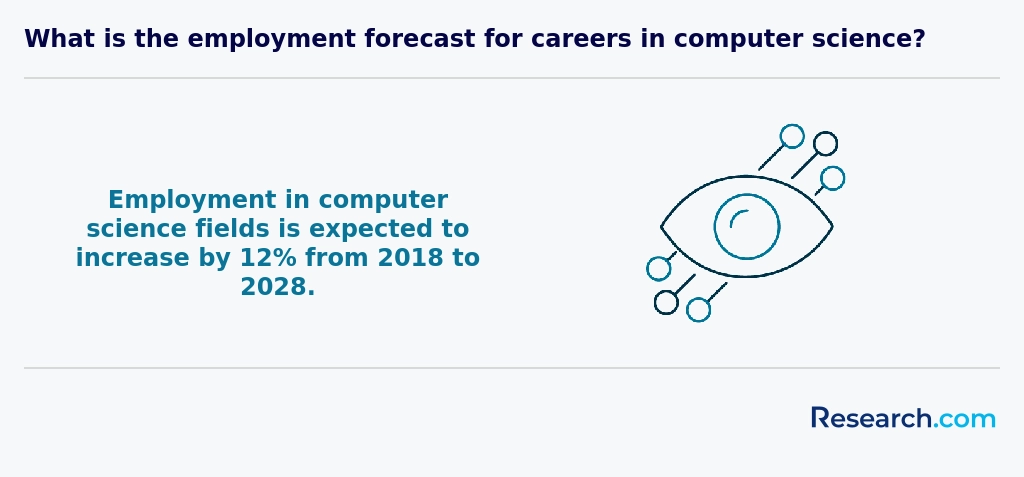
- The job market in Washington for tech roles is growing at 15-20% over the next decade, driven by companies like Microsoft and Amazon.
- Internships and cooperative education programs are widely available, helping students gain practical experience and build professional networks.
How long does it take to complete computer science degree in Washington?
Completing a computer science degree in Washington is often seen as a straightforward four-year journey at universities like the University of Washington. Yet, many graduates recall how their timelines stretched or shrank based on their unique paths. Some started part-time, balancing work and study, which meant their degree took closer to five or six years but brought the rewarding experience of applying theory in real-time jobs. Others used transfer credits from community colleges, reducing their time to about three years, accelerating their entry into the tech industry.
At places like Seattle Central College, students appreciate the two-year associate degrees that offer a strong foundation and flexibility to transition smoothly into four-year programs. Evening and online courses available at major universities allow working professionals to customize their pace, reflecting how most master's students complete degrees in one to two years.
This flexibility challenges the assumption that degree completion is rigid, reminding aspiring students that their personal commitment and life circumstances shape how long their Washington computer science journey truly lasts.
Key Benefits of a Computer Science Degree in Washington
- Affordable tuition at public universities (in-state rates as low as $11,000–$15,000 per year)
- Hands-on internships and co-ops with tech leaders like Microsoft, Amazon and Boeing
- Diverse career pathways in software development, data science, AI and cybersecurity
- Strong research facilities and faculty expertise at institutions such as UW and WSU
- Thriving tech networking events and startup culture centered in Seattle
- Creative computing opportunities, including exploring a game art degree online
What's the difference between online and on-campus computer science degree?
Choosing between online and on-campus computer science degrees in Washington often boils down to how you want to experience your education. Graduates from the University of Washington recall the vibrant campus life and spontaneous study sessions in Seattle's tech-rich environment, which can make collaboration and networking feel natural and energizing. In contrast, those pursuing degrees online at Washington State University appreciate the freedom to manage coursework around jobs or family, avoiding the daily commute yet still engaging in rigorous assignments.
The difference is also palpable in day-to-day routines: on-campus students can access labs instantly, sparking innovation through hands-on projects, while online learners rely heavily on digital platforms, which demands strong self-discipline but also fosters independence. Both paths hold regional accreditation, ensuring quality, but the on-campus experience often brings immersive social connections that some employers in Washington's tech sector prize highly.
Financially, online options may reduce living costs, yet some students feel investing in the traditional route opens doors to internships in Seattle's booming industry. Choosing between them means weighing convenience against tangible community engagement in your computer science journey.
Application & Admissions Tips
Navigating the admissions process can be as challenging as it is exciting, and understanding the steps to a successful application is essential for prospective computer science students in Washington. In this section, we offer practical advice and strategies to help you stand out during the application process and secure a spot at a reputable program. Begin by ensuring that all your academic records - including transcripts, standardized test scores, and recommendation letters - are in order well ahead of application deadlines. A strong foundation in mathematics and programming, as highlighted in the prerequisites section, is crucial in demonstrating your preparedness for rigorous coursework. Additionally, engaging in extracurricular activities, internships, or coding competitions can significantly enhance your application profile, providing compelling evidence of your passion and commitment to the field. It is also important to research each institution’s unique admissions requirements. Make a checklist of what each university expects from its applicants, and tailor your application materials to meet these specific criteria. For example, if a program emphasizes project-based learning or industry partnerships, be sure to highlight any relevant experiences that showcase your practical skills and collaborative mindset. During the application process, consider exploring resources that can help you compare various options. For more detailed insights on institutional reputations and program specifics, you might find our ranking of the top computer science schools in washington very beneficial. Finally, clear communication in your personal statement and essays is key-explain not only why you are a worthy candidate, but also how the program fits into your long-term career goals. With careful planning and a focused approach, you will be well-equipped to navigate the admissions process and take the next step toward a rewarding future in computer science.
What is the average cost of computer science degree in Washington?
The average cost of a computer science degree in Washington can vary widely, yet median tuition figures suggest a more nuanced reality than many assume. For in-state students attending public universities in Washington, the median total cost hovers around $34,227, which reflects a more affordable path compared to out-of-state students facing costs over $62,000. Graduates from popular universities often share stories about how managing these costs required strategic planning, from applying for the Washington College Grant to seeking scholarships that alleviated financial pressure.
Those pursuing a computer science degree at private institutions within the state typically encounter tuition that aligns with national trends - significantly higher but often paired with rich resources and networking opportunities. Reflecting on the average cost of computer science degree in Washington through these lenses challenges the notion that quality education must come with a staggering price tag.
Many students find themselves balancing the realities of tuition with the additional expenses of housing, books, and supplies, reinforcing the importance of budgeting beyond just tuition fees. For those looking to explore options, it's worth consulting the top computer science schools in washington to identify programs both affordable and reputable.
The experience of earning a degree in such a vibrant tech-focused state often motivates students to reflect on the value and return on investment of their education, recognizing that affordability and quality can coexist in Washington's computer science landscape.

Key Benefits
Pursuing a computer science degree in Washington offers:
- Access to high-demand tech roles in Seattle and Bellevue, with starting salaries above $70,000 and mid-career earnings over $130,000.
- Budget-friendly in-state tuition at public universities and clear transfer paths from community colleges.
- Hands-on internship partnerships with Microsoft, Amazon, Boeing, and other industry leaders.
- Flexible study formats, including hybrid options and online masters in data science pathways for continuous upskilling.
- A vibrant research environment at UW and WSU that supports innovation through labs, projects, and collaborative initiatives.
What financial aid is available to computer science degree students in Washington?
Many students chasing a computer science degree in Washington are surprised to find a robust network of financial aid waiting for them. Imagine a University of Washington student relieved when their Pell Grant covers a significant chunk of the steep $15,000 tuition, easing the burden so they can focus on coding rather than bills. Pell Grants, capped at $7,395 for 2023-2024, serve as a non-repayable boost grounded in financial need, dispelling the myth that college aid is only for the few.
Beyond federal help, Washington's own College Grant steps in, often covering full tuition at community colleges or a large share at institutions like Washington State University. Graduates recall how merit scholarships-rewarding academic excellence or leadership in tech-felt like personal investments in their future, not just financial assistance.
Part-time work through work-study programs also offers a real-world connection, enabling students to pay living expenses without sacrificing study time. Lastly, industry-backed scholarships and internship stipends from local tech giants make the dream of a computer science career in Seattle's vibrant ecosystem feel tangible and attainable.
What are the prerequisites for enrolling in computer science degree program in Washington?
Enrolling in a computer science degree in Washington is about more than just checking boxes-it demands readiness for both intellectual challenge and personal growth. Graduates from the University of Washington often reflect on how meeting strong math prerequisites-like calculus-prepared them to decode complex algorithms, turning abstract equations into real-world solutions. This solid foundation isn't simply academic; it builds confidence to tackle problems that initially seem insurmountable.
Many students began their journey with a high school diploma and a GPA around 2.5, but competitive programs push for more, testing both resilience and passion. Community colleges, offering open admissions, show that persistence can open doors even without top scores, with transferable credits easing the path forward.
Applicants who invest in personal essays and recommendations often find these create vital connections to programs. The challenge, then, is not only meeting numeric criteria but telling your unique story and demonstrating genuine curiosity-a quality Washington's top institutions prize.

Internships and Industry Partnerships in Washington
Washington’s top computer science programs distinguish themselves through robust internship pipelines and strategic industry partnerships that bridge academic learning with real-world application. Leading institutions such as the University of Washington and Washington State University maintain formal agreements with tech giants-including Microsoft, Amazon, Boeing, and Redfin-ensuring that students have access to paid internships, co-op rotations, and collaborative research projects. These experiences not only deepen technical skills in areas like full-stack development and cloud computing but also cultivate crucial soft skills-teamwork, problem-solving, and client communication-that employers consistently seek. Many programs integrate internship credits directly into the curriculum, enabling students to earn academic credit while contributing to live projects. For example, capstone courses often pair student teams with local startups or nonprofit organizations to develop scalable applications, from machine learning prototypes to cybersecurity audits. Students report that these immersive experiences accelerate their professional growth, expand their networks, and frequently lead to full-time offers upon graduation. Beyond on-campus partnerships, online learners in Washington can also tap into virtual internships and remote research collaborations, benefiting from the same industry connections through dedicated career services portals. For graduates seeking to extend their credentials, it’s worth exploring the Inexpensive Online Master’s in Computer Science Degree Programs Ranking in Virginia, which highlights cost-effective pathways for advanced study without sacrificing quality or professional support. By leveraging these internship and partnership opportunities, students not only enhance their resumes but also gain firsthand exposure to evolving technologies and workplace dynamics-crucial advantages in a competitive job market.
What courses are typically in computer science degree programs in Washington?
In Washington, computer science degree programs immerse students in a dynamic blend of courses that stretch far beyond basic coding. Graduates from the University of Washington often recall the challenge and excitement of mastering programming languages like Python and Java early on, developing problem-solving skills that felt immediately applicable to real-world tech problems.
Courses in data structures transform abstract concepts into tools for organizing and manipulating data efficiently, a skill that graduates describe as eye-opening when tackling complex software projects.
Core studies also include computer architecture and operating systems, where students gain insight into how hardware and software communicate-knowledge that many find empowering when debugging or optimizing code.
- Theory of computation invites a mental workout on the limits of what machines can solve, inspiring awe and deeper curiosity
- Software engineering teaches practical design and testing methods that make teamwork and product development a genuine craft
- Database systems and networking open doors to managing vast information flows and securing communications, vital for today's interconnected world
- Artificial intelligence and machine learning electives reflect Washington's tech pulse, preparing students for innovative, future-focused roles
These courses don't just build skills; they spark a sense of possibility and confidence echoed by many graduates navigating Washington's vibrant tech landscape.
What types of specializations are available in computer science degree programs in Washington?
Exploring computer science degree specializations Washington reveals a range of focused paths far beyond traditional coding classes. Graduates from the University of Washington often describe how specializing in Artificial Intelligence and Machine Learning felt like stepping into the future, working on projects that echo the innovations of local giants like Microsoft and Amazon. Others, particularly from Washington State University, share the excitement of mastering Cybersecurity, where protecting digital landscapes feels like a critical mission in an increasingly vulnerable world.
Among the best computer science majors in Washington, Data Science and Big Data Analytics invite students into real-world scenarios-such as analyzing health data or e-commerce trends-preparing them for in-demand roles. Software Engineering students emphasize daily challenges involving designing reliable software that impacts millions, while Networking and Distributed Systems enthusiasts appreciate the emphasis on cloud infrastructure. Many students have found that these specializations open rewarding perspectives, not just academically but through meaningful job opportunities in coding, reflecting Washington's tech-driven ecosystem.
How do you choose the best computer science degree in Washington?
Choosing the best computer science degree in Washington means looking beyond mere rankings and asking how the program fits your life and ambitions. Graduates from the University of Washington often highlight the thrill of learning in a tech hub where Microsoft and Amazon are not just names, but sources of internships and jobs. However, quality isn't just about prestige. Affordable computer science colleges in Washington state, including community colleges, offer strong foundational skills with less financial burden, letting you explore before committing to a costly four-year program.
Imagine navigating a curriculum that matches your passion, whether it's cybersecurity or data science, with ABET accreditation as a trusted signal of quality. Programs close to the local tech industry provide more than coursework-they offer real-world connections that boost confidence and career prospects. Some students thrive by leveraging internships and hands-on projects that transform theory into tangible career steps. For deeper insights on cost-effective options, check the Inexpensive Online Master's in Computer Science Degree Programs Ranking in Virginia, a helpful resource for discovering affordable pathways while planning your journey.
What career paths are available for computer science degree students in Washington?
Graduates with a computer science degree in Washington find their career options shaped by the state's dynamic tech ecosystem. From software development roles offering median salaries near $120,000 to cutting-edge artificial intelligence and machine learning engineering, career diversity challenges the notion of a single "ideal" path. Many graduates from popular institutions like the University of Washington relish how their hands-on experience in the Seattle tech scene opens doors to emerging positions in cloud computing, especially leveraging Amazon Web Services' local presence.
Jobs for computer science graduates Washington also extend into rapidly growing fields like cybersecurity, where the rising demand demands continuous learning and adaptability. Those starting in data science often speak of thrilling moments analyzing real-world data streams to impact healthcare or finance sectors. Even IT project management and systems analyst roles reveal unexpected avenues for leadership and innovation, shifting the perception from purely technical work to strategic influence. Students seeking accelerated alternatives might explore a fast track program, blending speed with depth to access these varied opportunities sooner.
What is the job market for computer science degree in Washington?
For graduates of computer science programs in Washington, the job market is a dynamic landscape defined by opportunity and challenge. The technology employment opportunities in Washington state are significant, with mega tech hubs like Seattle and Bellevue anchoring a high concentration of roles in software development, data science, and cybersecurity. Graduates from institutions such as the University of Washington often share stories of landing positions at top companies shortly after graduation, thanks to the region's vigorous demand and extensive internship networks.
While the average annual wage for these tech roles hovers around $103,000, surpassing many national averages, it's vital to weigh this against the tuition costs, which run about $11,000 per year for in-state students at public universities. Many students complement their degrees with internships or coding bootcamps, bolstering practical skills and boosting employability. Those considering alternative paths might explore programs featuring the easiest degrees to get online as strategic options to enter this competitive field.
The demand for talent in Washington exceeds the national growth rate for similar computer science roles, pushing graduates into a workforce hungry for innovation, especially in artificial intelligence and cloud computing sectors. For many, this creates an exciting environment that continuously challenges them to evolve professionally in one of the country's most vibrant technology corridors.
Frequently Asked Questions About computer science
Computer science students in Washington can maximize their learning by combining classroom study with hands-on experience. Internships with Seattle's vibrant tech industry, including companies like Microsoft and Amazon, offer invaluable real-world exposure. The Washington Student Achievement Council reports that nearly 70% of computer science graduates find internships or co-op jobs during their studies, which enhance employability.
Students should also engage in coding competitions, hackathons, and open-source projects to sharpen practical skills. Joining campus tech clubs and attending workshops can build networks and improve collaboration abilities. Utilizing state-funded resources and research opportunities at universities further deepens understanding.
Emerging niches within computer science are shaping the future of technology careers in Washington. One key area is artificial intelligence (AI) and machine learning, which drive advancements in automation and data analysis. Washington's tech hubs, including Seattle, invest heavily in AI research, supported by institutions like the University of Washington. Another growing field is cybersecurity, essential for protecting sensitive information as cyber threats rise nationwide. Data science also remains vital, with demand for professionals skilled in big data and analytics expanding across industries.
Additionally, cloud computing is a strong niche, particularly with major companies such as Microsoft and Amazon headquartered in the state. These firms lead innovations in cloud services and infrastructure, creating opportunities for students in related programs. According to Washington's Employment Security Department, computer and IT occupations are projected to grow by over 15% through 2030, reflecting these evolving specialties.
Preparing for the job market after earning a computer science degree in Washington involves strategic planning and skill development. Washington is home to major tech hubs like Seattle, offering numerous opportunities in software development, cloud computing, and AI. According to the Washington State Employment Security Department, software developer roles are projected to grow by 24% from 2020 to 2030, outpacing many other fields.
Internships and co-op programs during college provide practical experience and industry connections. Networking at events like the Seattle Tech Career Fair can open doors. Additionally, developing strong coding skills in languages like Python, Java, and C++ remains essential. Certifications in cloud technologies (AWS, Azure) are also valuable, as they align with regional employer demands.
Continuing education through workshops and online courses helps keep skills current. Using Washington's workforce services, job seekers can access resume help and interview preparation tailored to the tech sector. Overall, combining technical expertise with local market knowledge enhances employability in Washington's competitive computer science job market.
Employers in Washington highly value computer science graduates who possess strong programming skills, particularly in languages like Python, Java, and C++. According to the Washington Technology Industry Association, 78% of local tech companies prioritize these technical abilities.
Problem-solving and analytical thinking are equally important, enabling graduates to tackle complex software development tasks efficiently. Familiarity with cloud computing platforms, such as Microsoft Azure and AWS, is also increasingly sought after due to Washington's growing cloud services sector.
Soft skills like teamwork and communication remain critical. A 2023 survey by the Computing Alliance of Hispanic-Serving Institutions highlighted that 65% of employers expect new hires to collaborate effectively within diverse teams.
Overall, a combination of technical proficiency and interpersonal skills prepares graduates well for employment in Washington's competitive tech industry.
Finding internships in Washington relevant to a computer science degree involves a strategic approach combining university resources, industry connections, and online platforms. Many Washington universities, such as the University of Washington, have strong ties with tech giants like Microsoft and Amazon, offering exclusive internship listings through their career centers. According to the Washington State Workforce Training and Education Coordinating Board, the tech sector in Washington grew by 5% in 2023, increasing internship opportunities.
Students should leverage job fairs, networking events, and alumni networks to connect with potential employers. Additionally, platforms like Handshake and LinkedIn have numerous Washington-based tech internships. Securing internships early helps build practical skills vital for a computer science career.
A computer science degree in Washington significantly enhances career mobility and advancement opportunities. The state's strong tech industry, anchored by companies like Amazon and Microsoft, offers abundant entry-level and senior roles for degree holders. According to the Washington State Employment Security Department, demand for computer and information technology occupations is projected to grow 21% by 2030, well above the average for all occupations.
Graduates benefit from competitive salaries, with median wages exceeding $100,000 annually for experienced computer scientists, supporting upward career progression. Many employers prioritize candidates with formal degrees due to the complex problem-solving and technical skills required.
Additionally, advanced degrees or certifications can lead to management roles and specialized fields such as artificial intelligence and cybersecurity. Local universities and technical schools provide networking and internship opportunities, further aiding job placement and promotion within the state's tech ecosystem.
Studying for a computer science degree in Washington equips students with skills relevant across multiple disciplines. Many universities, such as the University of Washington, integrate coursework in data science, biology, and business, reflecting an interdisciplinary approach. This prepares graduates to work in diverse fields like healthcare, finance, and environmental science.
The state's strong tech industry presence also encourages collaboration between computer science and other sectors. According to the Washington Workforce Training and Education Coordinating Board, over 15% of tech jobs require combined knowledge in computer science and other areas. This fosters adaptable problem-solving abilities.
Additionally, research opportunities and partnerships with local companies allow students to apply technical expertise in real-world interdisciplinary projects, enhancing their readiness for complex roles.
Choosing between a thesis and a non-thesis computer science degree program in Washington depends largely on your career goals and learning preferences. Thesis programs focus on original research and require students to write a detailed research paper, which is ideal if you plan to pursue a PhD or a research-oriented role.
Non-thesis programs emphasize coursework and practical skills, preparing students for immediate industry jobs. According to data from the Washington Student Achievement Council, around 60% of state graduates in computer science enter the workforce directly, favoring non-thesis tracks for faster completion.
Consider also the time commitment: thesis programs may take longer due to research demands. Evaluate program options at universities like the University of Washington, where both paths are available.
Students based in Washington seeking to study computer science abroad have several pathways available through U.S. higher education institutions. Many universities in Washington, such as the University of Washington, offer study abroad programs with partner universities in countries known for strong computer science programs, including the UK, Germany, and Singapore.
These programs often allow students to earn credits toward their degree while gaining international experience. Additionally, virtual exchange programs have expanded opportunities, especially amid increasing digital collaboration globally.
According to the Institute of International Education (IIE), engineering and computer science remain popular fields for study abroad, with Washington students participating at rates consistent with national trends.
Financial aid and scholarships specific to study abroad are often available to computer science majors, making international study more accessible for Washington students.
Washington State offers numerous part-time job opportunities that complement a computer science degree. Positions such as software testing, technical support, and junior developer roles provide valuable hands-on experience. Many tech companies in Seattle hire part-time interns to assist with coding projects, debugging, and user interface improvements.
According to the Washington State Employment Security Department, the technology sector is projected to grow by 14% through 2030, increasing demand for skilled workers. Students can also find roles in data entry, IT help desk, or as research assistants at universities, gaining exposure to real-world applications of computer science theories.
Working part-time in these roles helps students build professional networks while balancing their studies.
Washington offers robust networking opportunities for computer science students through university programs, industry events, and tech hubs. Major institutions like the University of Washington host career fairs and sponsor student chapters of organizations such as ACM and IEEE. These provide access to internships and professional connections.
Seattle, a leading tech center, houses headquarters of companies like Microsoft and Amazon, often partnering with local universities for student outreach. According to the Washington Technology Industry Association, over 110,000 tech professionals work in the state, creating ample networking possibilities.
Additionally, tech meetups and conferences such as the Seattle Tech Summit foster collaboration between students and industry experts.
Alumni networks offer significant advantages to computer science students in Washington by connecting them with graduates working across the state's tech industry. Strong networks, like those at the University of Washington, provide mentorship opportunities, internships, and job referrals, which can increase employment chances after graduation.
According to a 2023 survey by the Computing Research Association, Washington's tech employers value alumni recommendations highly when hiring entry-level computer science graduates. These networks also facilitate access to industry events and workshops, enhancing students' professional skills.
Such connections help students navigate the competitive tech job market in Seattle and surrounding areas. Overall, alumni networks act as a bridge between academic learning and career advancement.
Students pursuing computer science degrees in Washington can customize their programs through elective courses and specialized tracks. Many universities offer options like artificial intelligence, cybersecurity, software engineering, or data science to align with specific career goals.
Washington's higher education institutions also provide opportunities for internships and cooperative education programs, enabling practical experience alongside coursework. For example, the University of Washington collaborates with local tech companies, offering students real-world exposure.
Additionally, some programs allow students to tailor their studies by combining computer science with minors or certificates in related fields such as business or information systems, enhancing career flexibility. According to the National Center for Education Statistics, this approach helps prepare graduates for Washington's diverse tech industry demands.
Computer science students in Washington often face rigorous course loads that demand strong problem-solving skills and time management. Programs typically include challenging subjects such as algorithms, data structures, and software development, which require significant dedication. According to the National Center for Education Statistics, around 15% of STEM students nationwide cite difficulty keeping pace with course content as a major hurdle.
Access to internships and practical experience is another challenge. While Washington hosts tech giants like Microsoft and Amazon, competition for meaningful internships is intense, impacting students' career readiness. Students may also encounter high tuition costs; University of Washington's in-state tuition for computer science can reach over $12,000 annually, posing financial stress for some.
Additionally, students report challenges related to diversity and inclusion, where underrepresented groups might face barriers to support and mentorship, as noted by the Computing Research Association's Taulbee Survey. These factors collectively shape the educational experience of computer science students across the state.
With a computer science degree, professionals in Washington can pursue several valuable certifications to enhance their career prospects. Popular options include the Certified Information Systems Security Professional (CISSP), which focuses on cybersecurity, an increasingly vital field. Another widely recognized certification is the Certified Software Development Professional (CSDP) offered by the IEEE Computer Society, which validates advanced software engineering skills.
Tech giants and startups in Washington often seek candidates with Amazon Web Services (AWS) Certification, reflecting the cloud computing skills in high demand across the region. Additionally, the Project Management Professional (PMP) certification is useful for those looking to lead tech projects.
These certifications complement a computer science degree by offering specialized industry credentials. According to the Bureau of Labor Statistics (2023), Washington has one of the highest concentrations of software developers and cybersecurity experts nationally, making these certifications especially relevant in this local job market.
Writing a winning application for a computer science program in Washington begins with careful preparation. Applicants should highlight strong academic performance in math and science courses, as these are foundational for computer science studies. Washington's public universities often look for a minimum GPA of around 3.0, but higher GPAs improve admission chances.
Next, crafting a compelling personal statement is key. This essay should demonstrate passion for technology, problem-solving skills, and relevant experience such as programming projects or internships. According to the Washington State Board for Community and Technical Colleges, experience with coding languages like Python or Java strengthens applications.
Letters of recommendation from teachers or professionals familiar with the applicant's technical abilities add credibility. Lastly, engaging in extracurricular activities, such as coding clubs or competitions, can distinguish candidates in this competitive field, where the U.S. Bureau of Labor Statistics projects a 22% job growth in computer science through 2030.
Computer science careers hold significant importance worldwide, reflecting rapid technological growth. In the US, and specifically in Washington, there is strong demand for skilled professionals. According to the Washington State Employment Security Department, the computer and mathematical occupation sector is projected to grow by 19% from 2020 to 2030, faster than the average for all jobs.
Globally, technology sectors prioritize innovation, cybersecurity, and artificial intelligence, aligning closely with US industry trends. Many international companies collaborate with US tech hubs like Seattle, fostering cross-border opportunities for computer science graduates.
This global demand highlights the value of earning a computer science degree in Washington, where students can access leading tech companies and research institutions.
Gaining practical experience while studying for a computer science degree in Washington is essential for career readiness. Many universities encourage internships, allowing students to work with local tech companies in Seattle, a major technology hub. According to the Washington State Employment Security Department, internships significantly boost job placement rates post-graduation.
Additionally, participating in cooperative education programs (co-ops) provides hands-on industry experience integrated into the curriculum. Students can also join coding clubs and hackathons to enhance skills and build portfolios. Utilizing resources like the University of Washington's Paul G. Allen School Career Center connects students with employers and opportunities in the region.
Choosing the right concentration within a computer science degree in Washington depends largely on your career goals and local industry demand. Popular concentrations include software engineering, artificial intelligence, cybersecurity, and data science. According to recent data from the Washington State Employment Security Department, tech jobs in Seattle and surrounding areas are growing faster than the national average, especially in software development and data analysis.
It is advisable to review course offerings at different Washington institutions, such as the University of Washington and Washington State University, to find programs with strengths aligned to your interests. Internships and networking opportunities in Washington's tech hubs can further guide your decision.
Finally, consider local salary statistics; for example, cybersecurity roles in Washington often offer competitive entry-level salaries above $80,000, according to the Bureau of Labor Statistics, suggesting strong job prospects in this field.
Related Computer Science Rankings for Nearby States
- 2027 Most Affordable Computer Science Degree Programs Ranking in Oregon
- 2027 Most Affordable Computer Science Degree Programs Ranking in Idaho
- 2027 Most Affordable Computer Science Degree Programs Ranking in Utah
- 2027 Most Affordable Computer Science Degree Programs Ranking in Arizona
- 2027 Most Affordable Computer Science Degree Programs Ranking in Colorado
- 2027 Most Affordable Computer Science Degree Programs Ranking in Oklahoma
- 2027 Most Affordable Computer Science Degree Programs Ranking in Texas
- 2027 Most Affordable Computer Science Degree Programs Ranking in Iowa
- 2027 Most Affordable Computer Science Degree Programs Ranking in Missouri
- 2027 Most Affordable Computer Science Degree Programs Ranking in Louisiana
Top Trending Computer Science Rankings
See What Experts Have To Say About Studying Computer Science
Read our interview with Computer Science experts

Kathleen M. Carley
Computer Science Expert
Professor of Computer Science
Carnegie Mellon University

Martin Kang
Computer Science Expert
Assistant Professor
Loyola Marymount University

Derek Riley
Computer Science Expert
Professor, Program Director
Milwaukee School of Engineering

Elan Barenholtz
Computer Science Expert
Associate Professor
Florida Atlantic University

References
- Study Computer Science Abroad | Go Overseas https://www.gooverseas.com/study-abroad/computer-science
- Computer Science | Washington Association of Educational Service Districts https://www.waesd.org/network/computer-science/
- Computer Science Alumni Council https://www.myniu.com/article.html
- Computer Science Cover Letter: How to Show You're a Top Tech Candidate https://arc.dev/talent-blog/computer-science-cover-letter/
- A Holistic Approach to Studying Interdisciplinary Collaboration: Computer Science https://sciety.org/articles/activity/10.21203/rs.3.rs-8694985/v1
- Computer Science Major https://www.washcoll.edu/majors/computer-science/index.php
- 5 Challenges Faced by Computer Science Students and How to Overcome Them https://informatika.almaata.ac.id/5-challenges-faced-by-computer-science-students/
- Computer Science students create live network in simulated scenario https://www.stmartin.edu/news-and-stories/stories/computer-science-students-create-live-network-simulated-scenario
- New and Future Computer Science and Technology Trends https://www.computerscience.org/resources/computer-science-trends/
- Alumni computer science dual https://www.fbi.h-da.de/en/informieren/ueber-uns/alumni/alumni-computer-science-dual