
2027 Most Affordable Online Master's in Computer Science Degree Programs Ranking in Virginia

Co-Founder and Chief Data Scientist
Choosing the right online master's program in computer science can feel overwhelming, especially with so many options available in Virginia. To help you navigate this, our article presents the 2027 Most Affordable Online Master's in Computer Science Degree Programs Ranking in Virginia, created by Research.com's team of data scientists.
This ranking offers clear, reliable insights to guide you toward programs that balance quality and affordability. Earning a computer science degree opens doors to exciting career opportunities, and this article aims to support your educational journey with trusted information and practical advice.
Key benefits of getting online computer science degree in Virginia
- Salary benefits: Graduates with a computer science degree in Virginia can expect strong earning potential, such as a Software Architect earning around $138,110 annually or an IT Manager making about $180,720 per year.
- Career paths: A typical computer science graduate from the University of Virginia may pursue roles like Machine Learning Engineer or Data Science Manager, offering diverse opportunities in innovative and growing fields.
- Online degree advantages: Earning a computer science degree online from Virginia Tech provides flexibility to balance work and study while gaining the same respected credentials as on-campus programs, making it easier to advance your career without uprooting your life.
- 2027 Most Affordable Online Master's in Computer Science Degree Programs Ranking in Virginia
- What can I expect from online computer science degree in Virginia?
- Where can I work with online computer science degree in Virginia?
What can I expect from online computer science degree in Virginia?
Picture diving into an online computer science degree where the numbers on your tuition bill feel less like a burden and more like an investment in your future. At places like Old Dominion University or George Mason University, graduates often recount the relief of seeing tuition rates hover between $400 and $600 per credit hour for in-state students. This makes the dream of finishing a rigorous program without drowning in debt surprisingly tangible.
Imagine tackling algorithms and cybersecurity modules from your favorite cozy nook, knowing that the credit costs align with your budget-giving you the freedom to breathe and focus. Graduates celebrate how financial aid and targeted STEM scholarships further soften the financial blow, turning the online experience into something not just possible, but exciting.
Your peers' stories echo a common theme: affordable yet high-quality education, allowing them to access Virginia's booming tech scene without financial anxiety shadowing their ambitions.
Where can I work with online computer science degree in Virginia?
Graduates from online computer science programs at Virginia Tech or George Mason University often find themselves amid the buzzing tech ecosystems of Northern Virginia, where government contracts and private cybersecurity firms create a playground for innovation. Imagine coding solutions that protect national security or developing software that powers federal agencies-these are daily realities for many.
Richmond grads tell stories of joining startups or established healthcare IT companies, where their algorithms help analyze patient data or streamline financial services. The vibrant intersection of tech and health here offers roles that transform lives with every line of code.
Over in Virginia Beach, computer science alumni frequently land roles supporting military installations or defense contractors, using their skills to enhance cybersecurity or systems engineering. The pride they share in contributing to national defense creates a fulfilling career vibe unique to this region.
Employers across government, IT firms, finance, healthcare, and defense sectors eagerly hire online degree holders who demonstrate real-world skills. The job market is a treasure map of opportunities, with Virginia's focus on cybersecurity providing strong signals for the future.
Graduates from online computer science programs at Virginia's top institutions often find themselves stepping into roles with impressive paychecks. Imagine a recent graduate from Virginia Tech landing a Machine Learning Engineer position, pulling in a mean annual wage of around $119,040. It's the kind of salary that turns late-night coding marathons into well-rewarded hustle.
Picture another from the University of Virginia advancing to a Software Architect role, earning a comfortable $138,110 yearly, crafting software blueprints that shape entire projects. Or consider those who dive deeper into research, joining the ranks of Research Scientists, with a mean wage soaring to $157,160 - a testament to how academic rigor pays off.
For those aiming at leadership, IT Manager positions in Northern Virginia are gold mines, averaging $180,720 annually, guiding teams that keep the digital world spinning smoothly. And Data Science Managers, commanding $119,040, blend technical expertise with strategic insight, making these degrees a lucrative investment in a tech-hungry region.
- Online computer science degrees in Virginia typically cost between $20,000 and $40,000, with in-state tuition rates available for residents.
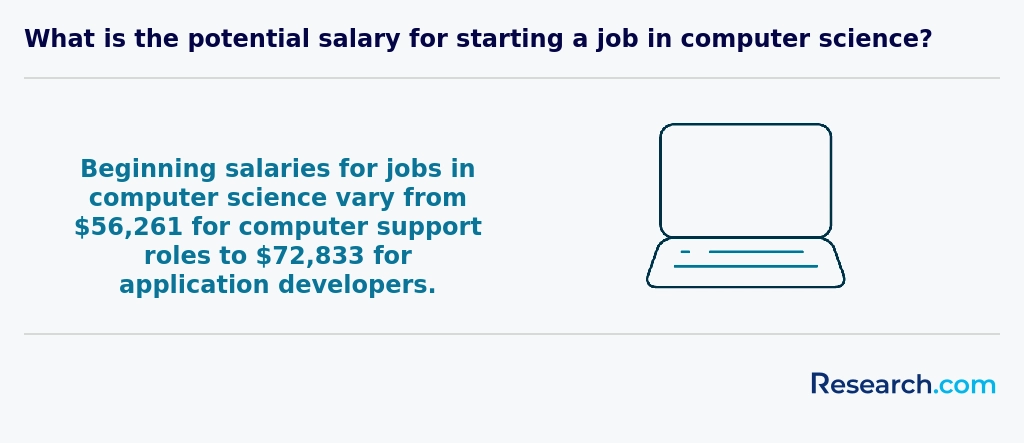
- The average entry-level salary for computer science graduates in Virginia is around $65,000 per year, increasing to about $100,000 with experience.
- Key industries hiring graduates include federal government contracting, cybersecurity, software development, and data analysis.
- Most online programs in Virginia have regional accreditation, ensuring the degree is recognized by employers.
- Financial aid and scholarships are available specifically for technology-related fields to help reduce education costs.
Imagine juggling a full-time job while coding away late into the night, slowly unraveling algorithms on your own schedule-that's the reality for many online computer science students in Virginia. Typically, a bachelor's degree unfolds over four years of full-time study, whether you're enrolling through Virginia Tech or George Mason University. But the beauty of online flexibility means some graduates take the scenic route, spreading their courses over more semesters to savor each learning milestone without burnout.
Master's students often find themselves navigating a 1.5 to 3-year timeline when studying full-time, but part-time paths extend that journey up to five years, allowing them to balance family and work priorities seamlessly. One former student shared how asynchronous classes helped them transform coffee breaks into coding sprints, proving that the pace adapts to your life's rhythm.
Transfer credits or prerequisite hurdles can tweak this timeline, often making the path feel like a personalized puzzle rather than a rigid schedule. Financial pacing also plays its role; spreading tuition payments across terms eases stress while gently stretching your academic voyage through Virginia's reputable online programs.
One key factor not to overlook when choosing an online Computer Science program in Virginia is the availability of robust career services and alumni support. Many programs now offer dedicated career counseling, mentorship programs, and networking events designed to bridge the gap between academic achievement and professional success. For example, specialized workshops and virtual career fairs provide opportunities to connect with recruiters, refine your resume, and practice interview skills. In addition, active alumni networks help current students gain insights into industry trends, receive peer support, and even discover hidden job markets. These services are indispensable tools that enhance a student’s transition into the workforce and promote long-term career growth. For more information on affordable programs that also emphasize career support, you can explore the cheapest computer science schools in virginia. By considering these aspects, prospective students can feel confident that their chosen program will not only deliver academic excellence but also provide the guidance needed to thrive in a competitive tech industry.
Imagine juggling your job, family, and a computer science master's from George Mason University-all without stepping foot on campus. Online programs in Virginia transform your living room into a digital classroom, letting you binge lectures at 2 a.m. or code between breaks. Graduates often praise this freedom, calling it a game-changer for work-life harmony. Meanwhile, those at the University of Virginia treasure the tactile buzz of on-campus labs, where hands-on projects with robotics kits and networking gear spark instant ideas and camaraderie.
In the quiet hum of an online study session, you rely on video calls and discussion boards to bond with peers, crafting teamwork with keystrokes rather than shared whiteboards. On-campus students, conversely, thrive amid spontaneous coffee chats and in-person hackathons that fuel creativity and rapid problem-solving.
Virginia's online degrees often ease financial strain-imagine saving on housing and parking while paying tuition that can dip closer to $10,000 a year. Yet, both paths maintain the same rigorous standards, ensuring your diploma from places like Virginia Tech holds weight whether delivered virtually or in person.
When diving into the average cost of an online computer science degree in Virginia, students quickly find that numbers like $17,135 for total tuition float as a realistic benchmark for many in-state learners. Graduates from well-known institutions such as Virginia Tech often share how this investment felt like planting seeds in fertile ground-affordable online computer science master's tuition Virginia opens doors without draining wallets, especially for those balancing work and study.
Out-of-state students tend to navigate a steeper climb, with median total costs pushing toward $20,230, hinting at a financial landscape that requires more strategy but still holds the promise of rewarding returns. One graduate recalled juggling part-time jobs alongside classes, grateful that the pricing didn't overshadow their ambitions or the ultimate job satisfaction awaiting them post-degree.
In Rhode Island, private colleges may whisper promises of exclusive networks and plush resources, but here in Virginia, public universities deliver affordability blended with accessibility, a balance showcased loudly by George Mason University and its peers. Such students appreciate the way these costs translate to a meaningful education without the bitterness of overwhelming debt.
Hidden within these numbers are also fees for technology, course materials, and administration-modest sums that can surprise newcomers. Navigating this landscape becomes easier when students explore financial aid and grants, ensuring their investment morphs into career growth. For anyone inspired by computer programming job prospects, Virginia's tuition assistance programs provide a hopeful beacon shining through the financial fog.
Planning ahead is key when applying to online master’s in Computer Science programs in Virginia. Start at least six to nine months before your desired term to research each school’s requirements, as deadlines frequently fall between December and March for fall admission and between July and September for spring. First, create a checklist of required materials: official transcripts, updated resume, statement of purpose, and letters of recommendation (LORs). Many schools now offer GRE waivers, so verify whether your work experience or prior GPA qualifies you for one. Next, draft a compelling statement of purpose that highlights your technical background, career goals, and why the Virginia program’s online format aligns with your needs. Reach out to mentors or supervisors early-ideally eight weeks before deadlines-to request strong LORs. Simultaneously, order official transcripts from each institution attended, as processing times can vary. Use an application tracker or spreadsheet to record submission dates and follow up with admissions offices two weeks after application to confirm receipt of materials. Finally, while you await decisions, strengthen your profile by completing relevant MOOCs or certifications and networking with alumni via virtual events. For insights into similar affordable options in neighboring states, explore our Inexpensive Computer Science Degree Programs Ranking in Philadelphia, PA, which can help you compare timelines and requirements across institutions. By adhering to this structured timeline and proactive strategy, you’ll maximize your chances of acceptance and secure your spot in a high-quality, cost-effective online program.
Imagine a graduate from Virginia's online computer science programs celebrating the moment their tuition bills get trimmed by federal Direct Unsubsidized Loans and Grad PLUS Loans-tools that smooth the financial bumps on the path to tech mastery. Filling out FAFSA feels like unlocking a secret door to these funds, transforming daunting costs into manageable steps.
In the heart of Virginia, where schools like George Mason University and Old Dominion University offer dynamic online CS degrees, state programs flutter in like helping hands. Virginia's Tuition Assistance Grant (VTAG) may favor undergraduates, but nuanced scholarships from the Department of Education and community colleges spark fresh opportunities for graduate learners.
- Picture a student snagging a merit-based research assistantship focused on coding innovations-these institutional scholarships act as launchpads for STEM dreams.
- Envision tech professionals balancing work and study, buoyed by employer tuition assistance programs that turn career advancement into a reality.
- Military-affiliated learners rejoice with GI Bill benefits, finding Virginia's online CS programs a perfect fit for their service-to-studies transition.
Private scholarships from groups like the Computing Research Association fuel ambitions, especially for underrepresented students, weaving a rich financial safety net across Virginia's online learning landscape.
Navigating the application process for an online Master’s in Computer Science in Virginia involves several key steps and firm deadlines to ensure a smooth admission experience. Below is a concise timeline and actionable tips: 1. Research Programs (6–9 months before deadline) - Compare curriculum, specializations, and accreditation. - For those interested in cutting-edge fields, explore our guide to online artificial intelligence degree programs to see how AI can complement your CS studies. 2. Prepare Application Materials (3–6 months before) - Transcripts: Request official undergraduate and graduate transcripts early. - Personal Statement: Highlight your technical projects, career goals, and why Virginia’s online CS format suits your needs. - Letters of Recommendation: Secure two to three strong endorsements from professors or industry supervisors. 3. Meet Standardized Testing and Prerequisites (2–4 months before) - GRE (if required): Schedule your exam at least two months prior to the deadline and aim for scores above program averages. - Prerequisite Courses: Complete any bridge courses in calculus, data structures, or programming to strengthen your application. 4. Submit Applications (1–2 months before deadline) - Verify each school’s portal requirements and upload all documents. - Pay attention to fee waivers for online applicants or VA residents. 5. Follow Up and Track Decisions (After submission) - Confirm receipt of materials with admissions offices. - Prepare for interviews or portfolio reviews, if requested. By adhering to this timeline and tailoring each component to showcase your strengths, you’ll maximize your chances of acceptance into a top-ranked, affordable online Computer Science master’s program in Virginia.
To embark on an online computer science journey in Virginia, you first need the key that unlocks the door: a bachelor's degree, ideally in computer science or something closely tangled like engineering or math. Picture a graduate from a well-known Virginia university, who swapped late-night coding marathons for bridge courses to catch up, transforming uncertainty into confidence. This is common-programs at colleges like George Mason or Old Dominion offer such pathways.
Solid groundwork in calculus, statistics, or discrete math isn't just paperwork; it's your compass through complex algorithms and logic puzzles. Imagine juggling these subjects alongside your favorite coding projects-that blend sharpens your mind and programs your future success.
- Official transcripts proving you've walked the academic path
- Letters of recommendation showing your grit and promise
- A statement of purpose painting your professional dreams
- Though rarer now, the GRE might still knock at your door
Technical fluency in languages like Python or Java is more than a checklist; it's your conversational toolkit in virtual labs and online forums. Virginia students often recount how mastering prerequisites felt like unlocking a secret level before diving into full coursework. Reliable internet and a sturdy computer turn from mere equipment into trusted companions in this cyber classroom adventure.
Imagine diving straight into the world of code with an Introduction to Programming that feels like unlocking a secret language-graduates from Virginia's well-known universities often describe it as the moment they first spoke computer fluently. Foundations like Data Structures and Computer Systems become daily companions, giving students the tools to tame complex problems just as if they were organizing a killer playlist or architecting a smart home setup.
Online learners in Virginia quickly explore software engineering, where they tackle real-world projects, managing development cycles and testing like pros who know the stakes of launching apps in bustling Northern Virginia's tech hubs. Database courses shape minds to handle oceans of data through SQL, as if curating a digital library that never loses a byte, and operating systems reveal the magic behind what keeps computers effortlessly humming.
- Artificial Intelligence and Machine Learning, pushing graduates into the frontier of innovation
- Cybersecurity, arming them to defend digital fortresses in a state renowned for tech security
- Cloud Computing, powering skills essential in Virginia's booming tech corridors
- Mobile and Web Application Development, crafting the apps everyone taps into daily
- Big Data Analytics, decoding patterns that influence tomorrow's decisions
Diving into online computer science specializations Virginia offers is like opening a toolkit designed for future tech wizards. Imagine graduates from popular universities across the state who have mastered Artificial Intelligence and Machine Learning, transforming abstract algorithms into smart assistants that predict your next move or optimize traffic in bustling Richmond.
Others channel their energy into Cybersecurity, guarding vital data for government and defense agencies in Northern Virginia, fueling a sense of purpose and pride. This focus is particularly compelling for those who aspire to protect the nation's digital frontiers while studying remotely. The Virginia computer science degree focus areas also include Data Science and Big Data Analytics, where graduates crunch massive datasets to reveal hidden trends that drive business innovations across the Commonwealth's finance and tech sectors.
Imagine crafting sleek, durable software as a Software Engineering specialist at schools known for their rigorous programs or orchestrating cloud networks that power entrepreneurial dreams-specializations that turn complexity into opportunity. Exploring these areas or blending them with other interests is easy through electives offered in online programs, or even through popular online engineering courses, making your education uniquely yours.
Imagine launching your tech career from the comfort of Virginia, where the best online computer science degree Virginia programs balance rigorous academics with real-world relevance. Graduates from popular institutions rave about flexible schedules that fit alongside full-time jobs, allowing them to dive deep into specialties like artificial intelligence or cybersecurity without missing a beat. One recalls how their university's regional accreditation gave employers confidence in their diploma, turning evenings spent debugging code into career gold.
The path isn't just about flashy courses; affordability plays a starring role. Veterans of affordable online computer science programs Virginia share stories of tuition rates that didn't break the bank, especially at public universities, proving that top-tier education can align with a practical budget. Pair that with robust student support and you'll feel guided, just as if you were on campus.
Looking beyond the classroom, think about the future: internships nestled in Northern Virginia's tech hubs and alumni networks ready to open doors. For those curious about the tech landscape ahead, exploring the data scientist job outlook offers a glimpse into blossoming career possibilities. This blend of convenience, cost, and connection sets a vibrant stage for your online journey.
Graduates of online computer science programs in Virginia step into a vibrant mosaic of career paths, each painted with the state's unique tech pulse. From peeling back algorithmic layers as software developers crafting apps with real-world impact, to diving headfirst into data science roles that unravel mysteries behind healthcare trends or financial shifts-Virginia's job market buzzes with opportunity. Energetic alumni from popular institutions like George Mason or Virginia Tech recount the thrill of taming cybersecurity challenges, especially with the Pentagon and NSA nearby, making the Commonwealth a hotspot for defense-related security careers.
Network and systems administration roles offer graduates the chance to become the unsung heroes maintaining smooth IT operations statewide, while the adventurous embrace AI and machine learning engineering, pushing boundaries as local businesses embrace tomorrow's tech today. These online computer science careers in Virginia empower learners balancing life, where affordability meets ambition, often supported by creative tuition aid options and the lure of scholarships for computer science.
The job market for online computer science degree holders in Virginia pulses with opportunity, especially for graduates from renowned institutions like the University of Virginia or George Mason University. Graduates often describe landing positions in vibrant tech corridors of Northern Virginia, where government contracts, cybersecurity projects, and startup innovations collide. These real-life successes highlight how Virginia's tech ecosystem embraces remote learning credentials without hesitation, driven by pressing needs in cybersecurity, software development, and data science roles.
One notable pattern among online grads is the steady climb in salary potential, reflecting the state's booming technology sector. The Virginia computer science degree salary potential is a beacon for students balancing affordability and strong outcomes, with annual tuition typically far outweighed by median wages hitting six figures. Many students feel energized knowing that their digital classrooms lead directly to competitive roles in healthcare tech, financial firms, or military cyber agencies.
Online learners at respected Virginia schools appreciate both flexibility and access to networks that open doors. Scholarships combined with manageable tuition costs make this path appealing, encouraging graduates to pursue some of the highest paying careers colleges can offer.
2027 Most Affordable Online Master's in Computer Science Degree Programs Ranking in Virginia
Investing in your education is a significant decision that can shape your future, and the Research.com team understands the importance of making informed choices. To assist prospective students in Virginia, we have carefully developed the "2027 Most Affordable Online Master's in Computer Science Degree Programs Ranking in Virginia." Our commitment to quality, credibility, and accuracy is demonstrated through thorough research and analysis, ensuring this ranking provides reliable guidance.
We utilized the following reputable data sources to ensure a comprehensive evaluation of online computer science programs:
By exploring this ranking, readers will receive valuable insights into affordable and credible online programs, empowering them to make sound educational investments. For more information on how this ranking was created, please visit our Research.com methodology page.

# 2 position
University of Management and Technology
Master of Computer Science


Frequently Asked Questions About computer science
Online computer science degree students in Virginia can maximize their learning experience by actively engaging with course materials and leveraging virtual collaboration tools. Participating in discussion boards and study groups helps deepen understanding and build professional networks.
Virginia's strong tech industry presence offers students opportunities to pursue internships and local projects, complementing their online studies with practical experience. Statistics show that computer science jobs in Virginia have grown by 11% from 2019 to 2029, according to the U.S. Bureau of Labor Statistics.
Additionally, students should take advantage of resources like tutoring centers and career services offered by their institutions. Staying disciplined with time management and setting consistent study schedules are essential in an online learning environment.
The field of computer science is rapidly evolving, with several emerging niches gaining prominence. In Virginia, online computer science degree programs increasingly emphasize areas such as artificial intelligence (AI), cybersecurity, and data science. According to the Virginia Economic Development Partnership, the state's tech sector has seen a 15% growth in cybersecurity job openings over the past five years.
AI and machine learning are becoming integral due to their applications in automation and healthcare. Data science is also growing as businesses seek experts capable of analyzing large datasets to improve decision-making. Additionally, quantum computing and blockchain technology are gaining attention in academic and professional circles. Students in Virginia benefit from accessible online programs incorporating these cutting-edge fields.
After earning an online computer science degree in Virginia, preparing for the job market involves targeted steps to enhance employability. Begin by gaining practical experience through internships or virtual projects, which Virginia employers value highly. Joining professional organizations like the Virginia Tech Computer Science Alumni Network can expand your industry connections.
Developing skills in high-demand areas, such as cybersecurity and cloud computing, increases job prospects. According to the U.S. Bureau of Labor Statistics, Virginia is among the top states for tech employment growth, especially around Northern Virginia's tech corridor.
Additionally, tailoring your resume to highlight online learning success and technical proficiencies helps recruiters recognize your preparedness for remote work environments.
Employers in Virginia's technology sector seek computer science graduates with strong programming skills in languages like Python, Java, and C++. According to the Virginia Labor Market Information, proficiency in software development and data structures remains critical. Additionally, understanding cloud computing platforms such as AWS and Azure is increasingly valued, reflecting industry trends in the state.
Beyond technical expertise, Virginia employers emphasize problem-solving abilities and teamwork. Communication skills are essential, as many projects require collaboration across diverse teams. Knowledge of cybersecurity practices is also a growing priority due to rising concerns over digital threats.
Familiarity with databases, machine learning, and agile methodologies further enhances a graduate's employability in Virginia's competitive job market.
Finding internships in Virginia relevant to a computer science degree involves leveraging local resources and online platforms. The technology sector in Virginia is robust, particularly around Northern Virginia, known as a tech hub with companies like Amazon and Booz Allen Hamilton. Students can explore internship opportunities through college career centers, which often partner with regional businesses.
Online job platforms like Handshake, LinkedIn, and Indeed frequently list Virginia-based internships in tech fields. According to the Virginia Employment Commission, tech-related occupations are projected to grow by 9% through 2030, indicating strong demand for interns.
Networking events and organizations like the Virginia Tech Cybersecurity Club or the Richmond Technology Council can also connect students with potential internships. Additionally, the Virginia Community College System provides resources tailored to local employer partnerships.
An online computer science degree can significantly improve career mobility and advancement opportunities in Virginia's competitive tech industry. With over 70,000 tech jobs in the state as of 2023, including rapidly growing fields like software development and cybersecurity, having a recognized degree helps candidates meet employer requirements. According to the Virginia Employment Commission, computer-related occupations are projected to grow 12% through 2030, faster than the average for all jobs.
Many Virginia employers value the flexibility and updated skills that online degrees provide, especially for working professionals. Graduates often qualify for higher-level roles, including IT management and specialized engineering positions. This credential can also facilitate switching between sectors such as government, defense, and private tech firms prevalent in the state.
Studying for an online computer science degree in Virginia equips students with skills applicable across multiple fields. Virginia's universities emphasize foundational knowledge in programming, data structures, and algorithms combined with electives in areas like healthcare, business, and engineering. This approach reflects growing industry demand; according to the Virginia Employment Commission, interdisciplinary tech roles are expanding notably in sectors such as cybersecurity and biotechnology.
The state's computer science programs often integrate project-based learning and collaboration with local industries, preparing graduates for real-world challenges that cross traditional boundaries. Additionally, Virginia houses several government agencies and tech firms, providing online students with virtual internships and networking opportunities.
Such exposure ensures graduates can apply computer science concepts in diverse settings, advancing careers beyond purely technical roles.
Choosing between a thesis and a non-thesis computer science degree program in Virginia depends on your career goals and learning preferences. Thesis programs focus on research and require a significant project, ideal for students aiming for a PhD or roles in research and development. Non-thesis options emphasize coursework and practical skills, which suit professionals targeting immediate industry jobs.
Virginia's universities, like George Mason University and Virginia Tech, offer both paths online, with the Council of Graduate Schools noting that thesis students often spend 20-30% more time on independent research. Additionally, non-thesis students typically complete their degrees faster, benefiting those balancing work and study.
Consider your long-term plans, available time, and whether you prefer structured classes or self-driven projects before making a decision.
Students based in Virginia who wish to study computer science abroad have limited options through online programs offered by foreign universities. Most international institutions require in-person attendance, but some European and Canadian universities have started offering hybrid or fully online computer science degrees accessible worldwide.
Virginia students interested in international exposure can consider exchange programs or dual-degree partnerships facilitated by Virginia universities. However, these are typically combined with on-campus periods abroad. According to the Virginia Center for Higher Education Innovation, such opportunities remain rare for fully online graduate computer science degrees.
For now, many Virginia students pursuing a global perspective in computer science prefer enrolling in domestic online programs with international curricula or research collaborations, which are robust and growing within the US system.
Part-time job opportunities in Virginia that complement a computer science degree are abundant, especially due to the state's growing tech industry. Positions such as IT support specialist, software developer intern, and web developer are common roles that help students build practical skills while studying. According to the U.S. Bureau of Labor Statistics, Virginia's tech employment is projected to grow by 6% from 2022 to 2032, indicating a steady demand for tech-savvy workers.
Additionally, many part-time roles in cybersecurity and database management are available through government agencies and private firms in Northern Virginia, a tech hub hosting companies like Amazon and Booz Allen Hamilton. These roles offer valuable experience aligned with computer science curricula.
Online computer science students in Virginia benefit from a variety of networking opportunities that connect them with peers, faculty, and industry professionals. Many universities offer virtual career fairs, webinars, and discussion groups specifically for online learners. These platforms allow students to engage with potential employers and alumni networks without geographic constraints.
Virginia is home to a strong tech sector, including government contractors and cybersecurity firms, which often collaborate with universities for internships and guest lectures. According to the Virginia Economic Development Partnership, technology jobs grew by over 4% annually from 2018 to 2023, enhancing local professional opportunities.
Additionally, statewide organizations like the Virginia Cyber Range provide online events and competitions that foster skills and networking among computer science students statewide.
Alumni networks provide valuable support to online computer science degree students in Virginia by fostering professional connections across the technology sector. These networks enable students to access mentorship, internships, and job opportunities, which is crucial in a state with a growing tech industry. Virginia ranks among the top states for computer science employment, with over 85,000 related jobs as noted by the U.S. Bureau of Labor Statistics.
Online students often benefit from virtual alumni events and active social media groups, helping them build relationships despite geographic distances. This connectivity aids career advancement by facilitating introductions to leading employers like Amazon and Capital One, which have large presences in Virginia.
In addition, alumni commonly share insights on industry trends and continuing education, enhancing students' learning experience and professional growth. According to a 2023 survey by the National Association of Colleges and Employers, graduates engaged with alumni networks have a 15% higher rate of job placement within six months post-graduation.
Customizing an online computer science degree program in Virginia involves selecting electives and specializations aligned with your career goals. Many Virginia universities offer concentrations such as cybersecurity, data science, or software engineering, allowing students to tailor their coursework.
Advisors often help students plan their studies to match industry demands. For example, Virginia's growing tech sector, including companies like Amazon and Lockheed Martin, values skills in cloud computing and artificial intelligence, which can guide elective choices.
Additionally, some programs offer experiential learning options, such as virtual internships or research projects, enhancing practical skills needed for advancement. According to the Virginia Economic Development Partnership, tech jobs in the state are projected to grow by over 10% through 2030, emphasizing the importance of relevant specialization.
Online computer science students in Virginia commonly face challenges related to balancing rigorous coursework with personal and professional responsibilities. Many students juggle full-time jobs while pursuing degrees, making time management critical. Additionally, technical issues such as unreliable internet connections or limited access to specialized software can impede progress. Interaction barriers also exist, as virtual learning sometimes reduces opportunities for hands-on collaboration and networking compared to in-person study. According to the Virginia Department of Education, these challenges affect retention rates in STEM online programs. Furthermore, students often struggle with staying motivated in self-directed learning environments without traditional campus support structures.
With an online computer science degree in Virginia, you can pursue numerous professional certifications to enhance your career prospects. Popular certifications include the Certified Information Systems Security Professional (CISSP), which is valuable in cybersecurity roles, and the Project Management Professional (PMP) for managing tech projects effectively.
Other key certifications are the CompTIA Security+ and Certified Ethical Hacker (CEH), which align with growing cybersecurity demands in Virginia's tech sector. Additionally, cloud-focused certificates like AWS Certified Solutions Architect are highly sought after, reflecting the state's expanding cloud industry.
According to the Virginia Employment Commission, IT certifications can increase job opportunities by up to 30% in the region.
Writing a winning application for an online computer science program in Virginia begins with understanding what admissions committees seek. Strong academic records in math and technology-related subjects are essential. Highlight your GPA and any relevant coursework or certifications.
Virginia's universities often prioritize work experience in IT or programming; including detailed descriptions of projects or roles can strengthen your application. According to the Virginia Department of Education, computer science jobs are growing annually at over 10%, making practical experience highly valued.
Crafting a clear, focused personal statement that explains your motivation and career goals is critical. Be sure to align these goals with the program's strengths.
Finally, obtain strong letters of recommendation, ideally from professors or employers familiar with your technical abilities and work ethic.
A computer science career is recognized globally as a path offering strong job prospects and competitive salaries. In the United States, including Virginia, the demand for skilled professionals continues to grow, driven by technology expansion in sectors like cybersecurity, software development, and data science.
According to the Virginia Employment Commission, computer and information technology occupations are projected to grow about 15% from 2020 to 2030, faster than the average for all jobs. This trend is echoed internationally, where digital transformation creates numerous opportunities.
Globally, computer science fosters innovation and economic growth, making degrees in this field valuable for cross-border employment. For Virginia students, online programs offer flexibility and access to these worldwide markets without relocation.
Gaining practical experience while studying an online computer science degree in Virginia is essential for career readiness. Many Virginia universities with online programs encourage internships and cooperative education, allowing students to work part-time in tech companies throughout the state. According to the Virginia Department of Labor, the tech sector is rapidly growing, offering diverse internship opportunities in areas like cybersecurity, software development, and data analytics.
Students can also participate in virtual labs, coding competitions, and project-based coursework designed to build hands-on skills. Local industry partnerships with universities often provide access to real-world projects. Additionally, joining professional organizations such as the Virginia Tech Alumni Network or the Computing Research Association can help students connect with mentors and job openings.
Choosing the right concentration within an online computer science degree program in Virginia requires understanding your career goals and interests. Popular concentrations include cybersecurity, data science, software engineering, and artificial intelligence. Virginia has a growing tech industry, with Northern Virginia hosting over 400 tech firms, creating demand for specialists in cybersecurity and software development (Virginia Economic Development Partnership, 2023).
Consider the program's curriculum, faculty expertise, and available resources. Check if the concentration aligns with certifications or skills sought by Virginia employers. Additionally, review job placement rates or internship opportunities tied to concentrations.
See What Experts Have To Say About Studying Computer Science
Read our interview with Computer Science experts

Kathleen M. Carley
Computer Science Expert
Professor of Computer Science
Carnegie Mellon University

Elan Barenholtz
Computer Science Expert
Associate Professor
Florida Atlantic University

Imed Bouchrika, Phd
Computer Science Expert
Professor of Computer Science
National Higher School of Artificial Intelligence

Derek Riley
Computer Science Expert
Professor, Program Director
Milwaukee School of Engineering

- 557 Computer Science Internships https://internshala.com/internships/computer-science-internship/
- How to choose a bachelor's in computer science | edX https://www.edx.org/resources/how-to-choose-a-bachelors-in-computer-science
- Top 12 Global Careers For Computer Science Degree Graduates https://womeninstemnetwork.com/careers-for-computer-science-degree/
- 8 Tips for Computer Science Graduates to Get Their First Job https://allthecode.co/blog/post/tips-for-computer-science-graduates-to-get-their-first-job
- Computer Science Programs: Cost, Types, What to Expect https://www.computerscience.org/degrees/
- Why your computer science degree won't get you an IT job https://targetjobs.co.uk/careers-advice/information-technology/why-your-computer-science-degree-wont-get-you-it-job
- Computer Science Degrees | New River Community College https://www.nr.edu/it/cs.php
- The Crucial Role of Networking for Computer Science Students https://dev.to/thisisaayush/the-crucial-role-of-networking-for-computer-science-students-4k2i
- 5 Challenges in Teaching Computer Science & Solutions https://www.computingolympiad.org/post/top-5-challenges-in-teaching-computer-science-in-schools-and-how-to-overcome-them
- Computer Science students create live network in simulated scenario https://www.stmartin.edu/news-and-stories/stories/computer-science-students-create-live-network-simulated-scenario


