2027 Most Affordable Computer Science Degree Programs Ranking in Minnesota

Co-Founder and Chief Data Scientist
Choosing the right computer science degree program in Minnesota can feel overwhelming. To help, this article presents the 2027 Most Affordable Computer Science Degree Programs Ranking in Minnesota, created by the Research.com team of data scientists. This carefully crafted ranking helps you identify quality programs that won't break the bank.
By exploring this guide, you'll gain confidence in making a well-informed decision about your education. A computer science degree opens doors to exciting career opportunities, personal growth, and a bright future. Let's discover the best options together.
Key benefits of getting computer science degree in Minnesota
- Salary for computer science degree graduates: Jobs like Software Engineer and Software Developer in Minnesota offer a mean annual wage of around $138,110, while Data Analysts earn about $119,040, reflecting strong earning potential.
- Potential career paths: Graduates from Minnesota's universities often pursue roles such as Web Developer or IT Support Specialist, with salaries ranging from $63,640 to $95,570, showing diverse and rewarding opportunities.
- Benefits of online degrees: Obtaining a computer science degree online from a Minnesota university allows for flexible study schedules and can fit working students' lifestyles while still opening doors to high-paying tech jobs locally and nationwide.
- Key benefits of getting computer science degree in Minnesota
- What can I expect from computer science degree in Minnesota?
- Where can I work with computer science degree in Minnesota?
- How much can I make with computer science degree in Minnesota?
- 2027 Most Affordable Computer Science Degree Programs Ranking in Minnesota
- Key Findings
- How long does it take to complete computer science degree in Minnesota?
- Living Expenses and Budgeting
- What's the difference between online and on-campus computer science degree?
- Beyond Minnesota: Comparing Affordability with Indiana
- What is the average cost of computer science degree in Minnesota?
- Continuing Education and Career Advancement
- What financial aid is available to computer science degree students in Minnesota?
- Return on Investment: Maximizing Value from Minnesota CS Degrees
- What are the prerequisites for enrolling in computer science degree program in Minnesota?
- Campus Life and Student Experience
- What courses are typically in computer science degree programs in Minnesota?
- What types of specializations are available in computer science degree programs in Minnesota?
- How do you choose the best computer science degree in Minnesota?
- What career paths are available for computer science degree students in Minnesota?
- What is the job market for computer science degree in Minnesota?
- Related Computer Science Rankings for Nearby States
- Top Trending Computer Science Rankings
- See What Experts Have To Say About Studying Computer Science
What can I expect from computer science degree in Minnesota?
Average costs for a computer science degree in Minnesota vary, but many students find tuition ranging from roughly $10,000 to $15,000 per year at public universities like the University of Minnesota Twin Cities or Minnesota State University, Mankato. Graduates often recall managing these expenses alongside internships and part-time jobs, making the journey financially feasible and richly rewarding.
Imagine diving into coding projects on campus while balancing budgeting for textbooks and daily life in vibrant college towns. Many students appreciate flexible options offered by programs, such as part-time or online courses, which help spread costs over time and fit studies around work schedules. This adaptability eases financial pressure and keeps curiosity alive.
Such immersive experiences at well-regarded institutions connect students directly to Minnesota's flourishing tech scene, turning tuition fees into valuable investments. Graduates often express pride in graduating with both solid knowledge and practical exposure, highlighting how the balance of costs and opportunities made their adventures in computer science truly worthwhile.
Where can I work with computer science degree in Minnesota?
With a computer science degree from Minnesota's well-regarded universities, graduates dive into a world buzzing with opportunity. Imagine starting your career at Microsoft's Twin Cities campus, crafting software that powers millions, or joining 3M to innovate cutting-edge solutions blending technology and industry. Many alumni from the University of Minnesota and other local colleges discover thrilling roles in software development, cybersecurity, or data science within these tech giants.
Others find themselves energized working in healthcare settings like Mayo Clinic, where their skills improve patient care through advanced data analytics and medical software. Picture collaborating with experts on health informatics projects that directly impact lives-that's excitement built on real-world impact.
Graduates often explore dynamic financial hubs in Minneapolis, supporting banks such as U.S. Bank to secure systems or develop cloud-based tools. Their day-to-day work powers the backbone of fintech innovation. Many also embrace roles in state government or academia, blending technology with public service or education.
Hearing from recent grads, it's clear that Minnesota's thriving economy and diverse sectors spark a genuine sense of adventure in career possibilities right at your doorstep.
How much can I make with computer science degree in Minnesota?
Graduates from Minnesota's universities diving into the tech world find themselves on an exciting path filled with strong earning potential. Take those who studied computer science at the University of Minnesota-soon after graduation, many step into software engineering roles earning around $138,110 annually, reflecting both national trends and local demand.
Web developers shape the digital landscape with a typical salary near $95,570, while IT support specialists enjoy a solid start at about $63,640 per year. Data analysts, an increasingly sought-after role, can command salaries close to $119,040, illustrating how advanced data skills pay off in Minnesota's tech-driven economy.
Picture a recent graduate exploring opportunities in the Twin Cities: their peers frequently report that Minneapolis and Saint Paul's bustling tech hubs offer the highest wages and dynamic work cultures, helping transform fresh ideas into rewarding careers. The blend of strong salaries and a vibrant community fuels a contagious sense of achievement and adventure.
2027 Most Affordable Computer Science Degree Programs Ranking in Minnesota
How do we rank schools?
Investing in your education is a significant decision that can have a lasting impact on your career and life, and the Research.com team is dedicated to helping you make well-informed choices. We have carefully developed the "2027 Most Affordable Computer Science Degree Programs Ranking in Minnesota" with a focus on quality, credibility, and accuracy. This ranking is the result of thorough research and analysis using multiple trusted data sources:
By reviewing this ranking, prospective students will gain essential insights into affordable and reputable computer science programs in Minnesota, empowering them to choose the educational path best suited to their goals. For a deeper understanding of our ranking process, please visit our Research.com methodology page.




# 13 position
Southwest Minnesota State University
Bachelor of Science in Computer Science SMSU Marshall


Key Findings
- In Minnesota, public universities charge about $15,000 per year for in-state computer science students, while private schools often exceed $35,000 annually.
- Community colleges and technical schools provide lower-cost associate degrees and certificates that can lead to a four-year computer science degree.
- Starting salaries for computer science graduates average around $70,000 per year, with experienced professionals earning a median salary of about $110,000 annually.
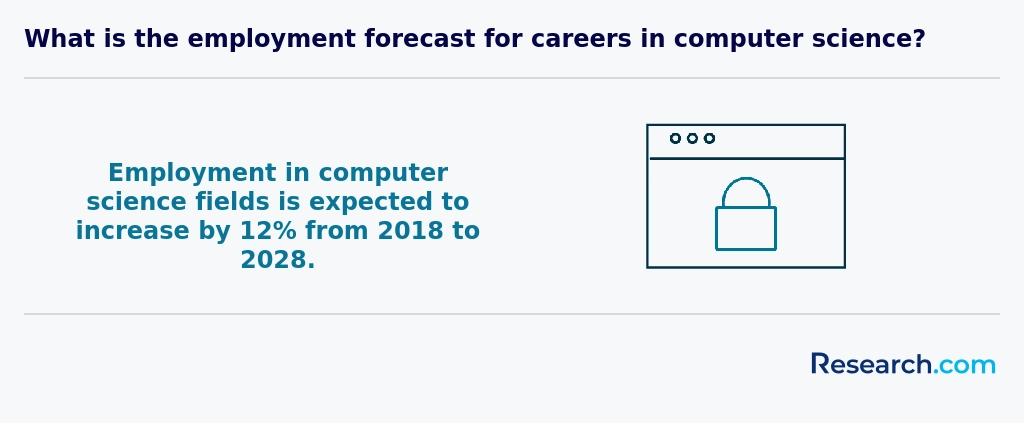
- The Minnesota job market for computer science roles is growing at 12% through 2030, outpacing the average growth rate for all occupations.
- Major employers in the state include 3M, UnitedHealth Group, and Target, and many students benefit from internships and cooperative education programs.
- Though licensing is generally not required, certifications such as AWS, Cisco, or Microsoft can improve job prospects for computer science graduates.
How long does it take to complete computer science degree in Minnesota?
Diving into a computer science degree in Minnesota usually means gearing up for about four years of full-time study, especially at popular spots like the University of Minnesota Twin Cities. Imagine a graduate balancing coding marathons and group projects while completing 120 to 130 credit hours-this is the typical adventure on campus. For many, the excitement builds each semester as they conquer both general education and specialized courses that shape their future careers.
Some students take a different route, blending work and study with part-time enrollment. Their journeys might stretch to five or six years, offering a unique rhythm that fits their lifestyle but doesn't dull their passion for computer science. Others discover fast-track options, packing summer classes and heavier course loads to finish sooner, fueling a thrilling race against time.
Graduate students often embrace a two-year full-time expedition, sometimes extending if life demands flexibility. Online and hybrid programs add flexibility, letting explorers chart their own pace. The experience is personal, adventurous, and distinctly Minnesotan in its diversity of paths.
Living Expenses and Budgeting
When planning for a computer science degree in Minnesota, include living costs alongside tuition to get the full picture.
- Housing: $800–$1,200/month for a one-bedroom near campus
- Utilities (electricity, internet): $100–$150/month
- Transportation: $60–$100/month (student transit passes)
- Food: $250–$350/month on groceries and campus meal plans
- Personal & study materials: $100–$150/month for supplies and incidentals
Tracking these expenses early helps you set a realistic budget and identify savings. Consider an online ai degree to reduce housing and commuting costs without sacrificing program quality.
What's the difference between online and on-campus computer science degree?
Choosing between online and on-campus computer science degrees in Minnesota feels like stepping into two distinct adventures. Imagine walking through the buzzing halls of the University of Minnesota, surrounded by fellow students collaborating on vibrant projects in tech labs-that's the on-campus experience. Graduates often recall the thrill of spontaneous brainstorms at the library or quick help from professors right next door.
Online students, meanwhile, paint a picture of freedom and flexibility. They dive into the same challenging coursework from anywhere in the state, even between family dinners or work shifts. For example, those enrolled in the University of Minnesota's online program appreciate how virtual labs and cloud tools bring hands-on coding practice right into their homes.
Both paths offer rich learning but differ in pace and interaction style. On-campus learners bask in direct connections and local networking events, while online students relish scheduling control and zero commuting costs. Either way, Minnesota's tech scene welcomes both with open arms and respect for their skills.
Beyond Minnesota: Comparing Affordability with Indiana
While Minnesota offers competitive tuition rates averaging around $17,545 per year for in-state students, prospective students may also consider how nearby states stack up in terms of cost and program quality. For example, Indiana’s public universities often list tuition as low as $13,500 annually, making them attractive alternatives for budget-conscious learners. Beyond lower sticker prices, Indiana institutions frequently provide robust career services and internship pipelines with local tech firms, similar to those in Minnesota’s Twin Cities. For a detailed look at how Indiana schools rank on affordability and outcomes, explore the Cheapest Computer Science Degree Programs Ranking in Indiana. By comparing factors such as in-state vs. out-of-state rates, scholarship availability, and program specializations, students can make a more informed choice about where to pursue their Computer Science education.
What is the average cost of computer science degree in Minnesota?
The average cost of a computer science degree in Minnesota offers an intriguing glimpse into the financial landscape students navigate while chasing their tech dreams. Graduates from well-known programs within the University of Minnesota system often reflect on their journey with enthusiasm, noting that the median in-state total cost rests around $17,214. Meanwhile, out-of-state students face a steeper price tag, aligning more closely with a median total cost near $40,780. This illustrates that choosing a local path can offer substantial savings without compromising on educational quality.
For those exploring affordable computer science programs Minnesota 2027 promises, these numbers provide a transparent foundation. Private colleges like Carleton College or St. Olaf College, recognized for their vibrant computer science communities, often come with higher sticker prices. However, students celebrate their ability to access scholarships and aid that soften the financial load, transforming daunting expenses into manageable investments. Many recall acquiring the latest software tools and personal technology, necessary companions in their coding adventures, which add to, but do not overwhelm, the overall budget.
In the midst of this exciting academic pursuit, prospective students can benefit greatly by consulting resources focused on the best computer science degree in minnesota. Exploring these guides encourages a well-informed approach to balancing cost with opportunity-allowing ambitions to flourish against a backdrop of careful financial planning.

Continuing Education and Career Advancement
After earning a bachelor’s in computer science, many graduates boost their skills-and earning potential-by pursuing advanced degrees or certifications:
- Master’s programs deepen expertise in areas like data science, AI and cybersecurity.
- Online options offer flexibility and often lower per-credit costs. For affordable, accredited programs, explore data science masters programs online.
- Industry certifications (e.g., AWS Certified Solutions Architect, CompTIA Security+) validate specialized skills and can accelerate career growth.
- Combined work experience and graduate credentials often open leadership roles with salary jumps of 20–30%.
What financial aid is available to computer science degree students in Minnesota?
If you're diving into a computer science degree in Minnesota, financial aid can feel like a treasure map waiting to be explored. Imagine a student at the University of Minnesota discovering the Pell Grant-federal need-based aid that can cover up to $7,395 annually-dramatically easing the cost burden. Many find excitement in unlocking value from the Minnesota State Grant, which supports in-state students with financial need, making tuition at popular schools like the University of St. Thomas much more affordable.
Graduates often talk about the thrill of receiving merit-based scholarships aimed at STEM fields, awarded by their universities to recognize hard work and tech potential. Plus, private scholarships from groups like the Minnesota High Tech Association add more sparkle to the funding pot, rewarding diversity, community involvement, and excellence.
Hands-on adventure comes from work-study programs and internships around the Twin Cities tech scene, offering both income and invaluable experience. Filing FAFSA early is the key to unlocking all these opportunities, setting students on a path where the financial obstacles become just another challenge to overcome on their journey.
Return on Investment: Maximizing Value from Minnesota CS Degrees
Understanding the return on investment (ROI) for an affordable Computer Science degree in Minnesota is essential for prospective students weighing educational costs against long-term career benefits. With an average annual tuition of approximately $17,545, the total four-year cost at a public institution can approach $70,000. However, graduates often secure starting positions with mean annual wages exceeding $60,000, allowing many to recoup their educational investment in just over one year of full-time employment. Beyond salary figures, ROI is driven by strong job placement rates and industry demand. Minnesota’s tech ecosystem boasts partnerships with global firms and local startups, offering robust internship pipelines that translate into full-time offers. These experiential learning opportunities reduce the time to employment and enhance earning potential from day one. Moreover, graduates frequently transition into data-centric roles-jobs using coding-which command competitive salaries and rapid career advancement. When combined with available scholarships, grants, and work-study programs, the net cost of a CS degree in Minnesota becomes even more favorable. By analyzing tuition outlays, projected earnings, and placement statistics, students can make informed choices that maximize both affordability and long-term professional growth.
What are the prerequisites for enrolling in computer science degree program in Minnesota?
Diving into a computer science degree in Minnesota means gearing up with a solid academic toolkit. Graduates from well-known schools like the University of Minnesota often recall how essential it was to have a strong background in math-think algebra, geometry, and even calculus-to confidently tackle coding challenges and algorithm puzzles early on.
Many students share stories of how having taken physics or chemistry gave them an edge in understanding computing concepts, especially those emphasizing logical thinking and problem-solving. At colleges such as Macalester or St. Thomas, applicants often highlight the value of submitting good SAT or ACT scores, even if tests are optional, because it helped showcase their quantitative skills.
For transfer students, proof of college-level work in subjects like programming or discrete math becomes their secret weapon, proving readiness for more advanced study. Others mention writing personal statements or securing recommendation letters from coding club mentors, reflecting their passion and drive.
Through these experiences, students find that meeting Minnesota's prerequisites feels less like a hurdle and more like the start of an exciting adventure into the tech world.
Campus Life and Student Experience
Students consider not only academics but also the overall campus culture when choosing where to pursue their Computer Science degree. In Minnesota, many institutions offer vibrant communities that complement rigorous coursework with engaging social events, tech clubs, and hackathons. Such initiatives foster collaboration and help students build enduring professional networks. For instance, campus tech meetups and coding competitions not only sharpen problem-solving abilities but also encourage mentorship and peer learning-factors that contribute to both personal development and career readiness. Additionally, comprehensive student support systems, including counseling services, career centers, and academic advisors, are vital resources that ease the transition from classroom to professional life. For more insights on comprehensive programs and opportunities, visit the best computer science degree in minnesota page.
What courses are typically in computer science degree programs in Minnesota?
Introduction to Programming with languages such as Python or Java feels like unlocking a new language to control the digital world around them. Tackling Data Structures and Algorithms often feels like solving intricate puzzles, boosting problem-solving confidence.
At colleges known for their tech programs, students explore Computer Architecture by peering under the hood of machines, understanding how hardware and software dance together to create seamless experiences. Hands-on labs in Operating Systems classes bring theory to life, simulating how computers juggle resources like a skilled conductor orchestrating a symphony.
Electives in AI, cybersecurity, or mobile development truly open paths to thrilling innovations. Many grads describe the feeling of designing software in Software Engineering courses as crafting solutions that could one day impact millions, right in the heart of Minnesota's growing tech scene.
What types of specializations are available in computer science degree programs in Minnesota?
Exploring computer science degree specializations Minnesota offers an exciting chance to dive into diverse and cutting-edge fields. Imagine immersing yourself in Software Engineering at the University of Minnesota, where graduates rave about hands-on projects crafting real-world applications from scratch. Some find their curiosity sparks in Data Science and Analytics, mastering tools to unravel complex healthcare data - a booming sector in the state's tech landscape. For those drawn to guarding digital frontiers, Cybersecurity programs at notable colleges provide thrilling challenges securing networks against evolving cyber threats, reflecting Minnesota's rising tech firms and agencies.
Artificial Intelligence and Machine Learning excite adventurous minds eager to train computers to think and adapt, a rapidly growing specialization embraced by students seeking innovation. Meanwhile, Networking and Systems Administration teaches the art of managing crucial IT infrastructure, crucial for many local businesses. These best computer science concentrations in Minnesota open doors to dynamic careers, many discovering new passions along the way. Students often access scholarships and tailor their path with flexible options, readying themselves for jobs using coding that make a real impact.
How do you choose the best computer science degree in Minnesota?
Choosing the best computer science degree in Minnesota is an exciting journey that starts with exploring what truly sparks your passion. Imagine diving into the robust research projects at the University of Minnesota, where graduates rave about hands-on experience with AI and cybersecurity innovations. For those who thrive in more intimate learning environments, smaller colleges offer personalized instruction and a supportive community, making the complex world of data science feel accessible. Affordable computer science degrees in Minnesota are also worth investigating-comparing tuition fees and financial aid can reveal opportunities that don't weigh down your budget.
Picture yourself navigating course catalogs, discovering specializations from software engineering to emerging tech fields, aligning your studies with your future dream job. Graduates often highlight how faculty expertise and internship access in Minneapolis or St. Paul enriched their learning and opened doors in the thriving local tech scene. Curious learners can deepen their understanding by checking out rankings like the Cheapest Computer Science Degree Programs Ranking in Indiana to compare cost versus value before making their decision about the best computer science programs Minnesota 2027 has to offer.

What career paths are available for computer science degree students in Minnesota?
Graduates with a computer science degree in Minnesota discover a playground of career paths where innovation meets practical impact. Whether it's a software developer crafting the next big app in Minneapolis or a cybersecurity analyst securing sensitive data for Twin Cities enterprises, the possibilities ignite excitement. Many alumni from popular Minnesota universities share stories of landing roles as data scientists or cloud solutions architects, embracing challenges born from the state's vibrant tech ecosystem. Exploring jobs with computer science degree Minnesota unveils opportunities not just in traditional tech firms but also in thriving sectors like healthcare and manufacturing, where machine learning engineers and systems engineers push boundaries daily.
Some graduates dive into specialized areas such as artificial intelligence, driven by the desire to revolutionize industries, while others find themselves at the forefront of protecting digital infrastructure in ever-more complex cybersecurity roles. Pursuing fast track degree programs online can boost readiness for these dynamic careers. The adventure of navigating computer science career opportunities in Minnesota is as thrilling as the technologies themselves, offering rewarding pathways designed to match diverse passions and talents.
What is the job market for computer science degree in Minnesota?
The computer science job outlook Minnesota reveals a vibrant landscape for graduates eager to dive into tech careers. Picture yourself among University of Minnesota alumni who've leveraged local internships to land roles in healthcare technology firms expanding digital services or finance hubs in Minneapolis pushing boundaries in cybersecurity. These real-world opportunities energize students, proving Minnesota isn't just a place to study but a launchpad for dynamic careers.
Technology employment opportunities Minnesota extend far beyond big cities. Manufacturing companies foster innovation by weaving automation and smart tech into their processes, offering unexpected roles for those excited by hands-on problem solving. Salaries here reflect this energy, with median wages for software developers hovering around $106,000, making it rewarding both financially and professionally.
If cost concerns arise as you explore your options, many Minnesotan students find relief through affordable public university tuition and available scholarships. For those searching for the easiest associates degree that pays well, Minnesota's educational system offers pathways balancing cost and career success.
Frequently Asked Questions About computer science
Students pursuing computer science degrees in Minnesota can enhance their learning by engaging with local tech communities such as the Twin Cities Tech Meetup and Minnesota's chapters of ACM and IEEE. These organizations offer valuable networking and real-world insights. Internships with major employers like Mayo Clinic, 3M, and U.S. Bank provide practical experience that aligns with Minnesota's growing demand for software developers, projected to grow 13% through 2030 according to the Minnesota Department of Employment and Economic Development.
Additionally, utilizing resources from University of Minnesota's extensive research libraries and online coding platforms helps reinforce classroom study. Participating in hackathons and coding competitions can also sharpen problem-solving skills in a collaborative environment.
The computer science field is rapidly evolving, with emerging niches gaining importance in Minnesota's tech landscape. Areas like artificial intelligence (AI) and machine learning continue to grow, driving demand for skilled professionals. According to the Minnesota Department of Employment and Economic Development, AI-related jobs have increased by over 20% in recent years. Another expanding niche is cybersecurity, as Minnesota hosts numerous financial and healthcare companies requiring strong data protection experts.
Additionally, data science is becoming vital, with Minnesota ranking among the top states for data analyst employment. Cloud computing also presents opportunities due to the rise of remote work and digital services. Students pursuing computer science degrees in Minnesota should consider these areas for future career growth.
After earning a computer science degree in Minnesota, preparing for the job market involves several strategic steps. First, gaining practical experience through internships or cooperative education programs is vital. Many Minnesota universities, including the University of Minnesota, emphasize hands-on learning, which employers highly value.
Networking plays a key role as well. Joining local professional groups like the Twin Cities chapter of the Association for Computing Machinery (ACM) can connect graduates to job opportunities and industry trends.
According to the Minnesota Department of Employment and Economic Development, the demand for software developers in the state is projected to grow by 26% from 2020 to 2030, indicating strong job prospects.
Finally, developing skills in emerging areas such as data analytics, cybersecurity, and cloud computing can enhance competitiveness in Minnesota's dynamic tech market.
Employers in Minnesota highly value computer science graduates who possess strong programming skills, particularly in languages like Python, Java, and C++. According to the Minnesota Department of Employment and Economic Development, proficiency in software development and data structures is essential for local tech roles.
Beyond coding, analytical thinking and problem-solving abilities are crucial. Minnesota's growing tech companies often look for candidates who can adapt to new technologies and contribute to innovative projects.
Knowledge in cloud computing, cybersecurity, and machine learning is increasingly in demand, reflecting national and regional industry trends. Additionally, communication skills are important, as many positions require teamwork across departments.
Finding internships in Minnesota relevant to a computer science degree involves leveraging local resources and employer networks. The state's strong tech sector, including companies like 3M, Ecolab, and numerous startups, offers many opportunities for students. Universities such as the University of Minnesota provide career services that list internships and hold job fairs specifically for tech fields. According to the Minnesota Department of Employment and Economic Development, IT jobs are projected to grow 15% by 2030, increasing internship availability.
Students should also explore the Minnesota Private College Council and websites like MinnesotaWorks.net for listings. Networking through student organizations and local tech meetups can be valuable. Starting early and applying broadly increases chances of securing meaningful internships.
A computer science degree in Minnesota significantly enhances career mobility and advancement opportunities. The state's robust tech industry, including companies like 3M and Target, creates strong demand for skilled professionals. According to the Minnesota Department of Employment and Economic Development, computer and information technology occupations in Minnesota are projected to grow 11% from 2020 to 2030, faster than the average for all careers.
With a degree, graduates qualify for roles in software development, data analysis, and cybersecurity, fields known for competitive salaries. The median wage for computer and IT jobs in Minnesota was $89,230 in 2022. Holding a degree also facilitates promotions and transitions into managerial or specialized technical positions, which typically require formal education.
Moreover, Minnesota's emphasis on innovation fuels career growth through networking events and continuing education programs, helping degree holders stay relevant. Thus, obtaining a computer science degree provides measurable advantages in the state's evolving job market.
Studying for a computer science degree in Minnesota offers strong preparation for interdisciplinary roles by combining technical skills with broad applications. Minnesota's universities incorporate courses in data science, bioinformatics, and human-computer interaction, reflecting industry demands for adaptable graduates.
The state benefits from a diverse economy, including healthcare, manufacturing, and finance, which encourages computer science programs to emphasize collaboration across fields. According to the Minnesota Private College Council, nearly 40% of computer science graduates work in interdisciplinary teams within two years post-graduation.
Programs also promote internships and partnerships with companies like 3M and Mayo Clinic, fostering real-world problem solving that integrates computing with other disciplines.
Choosing between a thesis and non-thesis computer science degree program in Minnesota depends largely on your career goals and interests. Thesis programs typically require original research and a written document, preparing students for research roles or doctoral studies. Non-thesis options usually emphasize coursework and practical projects, suiting those aiming for industry jobs.
According to the Minnesota Office of Higher Education, about 30% of graduate computer science students opt for thesis tracks, reflecting strong research opportunities in local universities like the University of Minnesota. Tuition costs and program length may also differ, with thesis programs sometimes extending study time.
Consider your personal learning style and long-term plans before deciding.
Students based in Minnesota seeking to study computer science abroad have various pathways through established exchange programs and partnerships. Many Minnesota universities, such as the University of Minnesota, offer study-abroad opportunities in collaboration with foreign institutions, allowing students to earn credits toward their degree while gaining international experience.
Programs often focus on countries with strong tech sectors, including Germany, Canada, and the United Kingdom. According to the Institute of International Education, over 2,000 U.S. students studied abroad for computer science in 2022, with Minnesota contributing a growing share through public and private institutions.
Additionally, some Minnesota schools advise students on direct enrollment options in foreign universities, helping navigate visa and credit transfer processes. Given the global nature of technology careers, these experiences can enhance both learning and employability.
Part-time job opportunities in Minnesota can significantly enhance the educational experience of computer science students. Many tech companies and startups in the Minneapolis-Saint Paul area offer internships or part-time roles focused on software development, data analysis, or IT support. According to the Minnesota Department of Employment and Economic Development, computer and mathematical occupations have seen steady growth, supporting demand for part-time tech positions.
Positions such as coding tutor, lab assistant, or freelance web developer allow students to apply classroom knowledge in real-world contexts. Local businesses often seek part-time help with database management and cybersecurity, providing hands-on experience essential for future careers.
Additionally, university-affiliated research projects frequently hire students part time, especially those involving artificial intelligence or machine learning. These opportunities help build a portfolio and expand professional networks within Minnesota's growing technology sector.
Computer science students in Minnesota benefit from numerous networking opportunities that connect them with industry professionals and peers. Universities such as the University of Minnesota host regular career fairs, tech meetups, and hackathons, attracting top regional employers.
The Twin Cities region ranks among the nation's leading tech hubs, featuring companies like Microsoft, 3M, and Medtronic that actively recruit local talent. According to the Minnesota High Tech Association, over 51,000 technology workers reside in the area, increasing potential mentorship and internship connections. Several student organizations and professional groups, including Minnesota ACM and Women Who Code Minneapolis, offer events and workshops fostering community and collaboration among computer science students and professionals.
Alumni networks offer significant advantages to computer science students in Minnesota by providing valuable professional connections and mentorship opportunities. Many universities in the state boast extensive alumni communities, including graduates working in major tech companies across the Twin Cities. These networks can help students access internships and job openings not publicly advertised.
According to the Minnesota Private College Council, alumni engagement often leads to higher employment rates for graduates, with some institutions reporting up to 85% of computer science graduates finding jobs through alumni referrals.
Additionally, alumni frequently contribute to career panels, workshops, and networking events that enrich the academic experience and prepare students for the local job market.
Customizing a computer science degree program in Minnesota allows students to align their education with specific career goals. Many Minnesota universities offer flexible curricula, including electives in areas like artificial intelligence, cybersecurity, and data science. For instance, the University of Minnesota provides options to specialize through interdisciplinary tracks or minors. Students can also gain practical experience via internships or cooperative education programs, which are often facilitated by strong ties between schools and the state's tech industry.
The Minnesota Department of Employment and Economic Development highlights growing demand for software developers and cybersecurity experts. Tailoring courses accordingly can improve job readiness. Additionally, schools emphasize hands-on projects and research opportunities, enabling students to develop skills directly relevant to the local job market.
Computer science students in Minnesota often encounter several common challenges during their studies. One major difficulty is keeping pace with rapidly evolving technologies, which requires continuous learning beyond the classroom. According to the Minnesota State Colleges and Universities system, nearly 40% of CS students report needing additional support in advanced coding languages and software tools.
Another challenge is balancing demanding coursework with internships or part-time jobs, a necessity given an average tuition cost around $7,000 per year at public institutions. Students also face competition in internship placements, as the Twin Cities host numerous tech firms but with limited entry-level openings.
Finally, access to diversity and inclusion resources remains a concern, with underrepresented groups making up less than 20% of computer science enrollments statewide, as noted by the Minnesota Office of Higher Education.
A computer science degree from Minnesota opens doors to numerous professional certifications that can enhance career prospects in the tech industry. Popular certifications include the Certified Information Systems Security Professional (CISSP), which is valuable for cybersecurity roles, and the Certified Ethical Hacker (CEH), focused on penetration testing. According to the Minnesota Department of Employment and Economic Development, demand for cybersecurity professionals is expected to grow by 15% through 2030, highlighting the importance of these certificates.
Other well-known options include Oracle Certified Professional (OCP) for database management and AWS Certified Solutions Architect for cloud computing. These certifications demonstrate specialized skills that complement a computer science degree and meet employer needs in Minnesota's expanding tech sector.
To write a winning application for a computer science program in Minnesota, start by ensuring your academic record highlights strong performance in math and science courses. Many Minnesota universities, like the University of Minnesota, emphasize GPA and relevant coursework. Next, prepare a clear personal statement that explains your passion for computer science and your career goals. Minnesota schools value practical experience, so include details about programming projects or internships.
Standardized tests may still be considered, but many Minnesota institutions have adopted test-optional policies as of 2024. Finally, secure strong letters of recommendation from teachers or employers familiar with your technical skills and work ethic. According to the Minnesota Private College Council, successful applicants often demonstrate both academic ability and real-world experience.
Computer science careers have a strong global demand, fueled by rapid technological advancements. In the United States, including Minnesota, this field offers diverse opportunities in areas like software development, cybersecurity, and data science. According to the U.S. Bureau of Labor Statistics, computer and information technology occupations are expected to grow 13% from 2021 to 2031, faster than the average for all jobs.
Graduates from Minnesota's computer science programs are well-positioned to compete internationally due to the state's growing tech sector and partnerships with global companies. Minnesota ranks among the top states for tech employment, with over 127,000 tech jobs reported in 2023 (Source: TechNet MN). This reflects a solid market for both local and international work.
Globally, the blend of strong theoretical foundation and practical skills learned in Minnesota's universities aligns with international employer expectations. American degrees, especially in STEM fields, are widely recognized and can open pathways for work visas and remote positions worldwide.
Gaining practical experience while studying for a computer science degree in Minnesota is essential for career readiness. Many universities encourage students to participate in cooperative education (co-op) programs, which combine coursework with paid, supervised work experience in tech companies.
Internships are widely available throughout Minnesota, especially in the Twin Cities, home to major corporations like Best Buy and Target that often seek computer science interns. According to the Minnesota Department of Employment and Economic Development, internships can increase the likelihood of job offers after graduation.
Students can also engage in research projects with faculty members or join coding clubs and hackathons, providing hands-on problem-solving experience.
Choosing the right concentration within a computer science degree in Minnesota depends largely on your career goals and interests. Minnesota offers concentrations such as software engineering, data science, cybersecurity, and artificial intelligence, reflecting current industry demands.
According to the Minnesota Department of Employment and Economic Development, software development jobs are projected to grow by 22% through 2030, making software engineering a popular choice. Data science also shows strong regional demand due to Minnesota's growing tech and healthcare sectors.
Consider your strengths and preferred work environment when selecting a concentration. Research program curricula at schools like the University of Minnesota or Minnesota State to ensure the concentration aligns with your career plans.
Internship and networking opportunities in Minnesota's tech hubs can also guide your decision. Explore concentrations that offer practical experience and align with local industry trends for the best outcomes.
Related Computer Science Rankings for Nearby States
- 2027 Most Affordable Computer Science Degree Programs Ranking in Wisconsin
- 2027 Most Affordable Computer Science Degree Programs Ranking in Iowa
- 2027 Most Affordable Computer Science Degree Programs Ranking in Missouri
- 2027 Most Affordable Computer Science Degree Programs Ranking in Ohio
- 2027 Most Affordable Computer Science Degree Programs Ranking in Colorado
- 2027 Most Affordable Computer Science Degree Programs Ranking in Oklahoma
- 2027 Most Affordable Computer Science Degree Programs Ranking in Tennessee
- 2027 Most Affordable Computer Science Degree Programs Ranking in West Virginia
- 2027 Most Affordable Computer Science Degree Programs Ranking in Louisiana
- 2027 Most Affordable Computer Science Degree Programs Ranking in Alabama
Top Trending Computer Science Rankings
See What Experts Have To Say About Studying Computer Science
Read our interview with Computer Science experts

Elan Barenholtz
Computer Science Expert
Associate Professor
Florida Atlantic University

Derek Riley
Computer Science Expert
Professor, Program Director
Milwaukee School of Engineering

Martin Kang
Computer Science Expert
Assistant Professor
Loyola Marymount University

Imed Bouchrika, Phd
Computer Science Expert
Professor of Computer Science
National Higher School of Artificial Intelligence

References
- The Crucial Role of Networking for Computer Science Students https://dev.to/thisisaayush/the-crucial-role-of-networking-for-computer-science-students-4k2i
- Paying for a Computer Science Degree | Scholarships, Grants, Loans https://www.computerscience.org/resources/how-to-pay-for-a-degree/
- Ada Computer Science https://adacomputerscience.org/student_challenges
- 5 Challenges in Teaching Computer Science & Solutions https://www.computingolympiad.org/post/top-5-challenges-in-teaching-computer-science-in-schools-and-how-to-overcome-them
- Amid AI boom, U of M computer science majors shift focus https://www.mprnews.org/episode/2025/11/10/amid-ai-boom-u-of-m-computer-science-majors-shift-focus
- Letter of Motivation for applying Computer Science related fields https://essayforum.com/letters/motivation-applying-computer-science-related-11858/
- A Holistic Approach to Studying Interdisciplinary Collaboration: Computer Science https://sciety.org/articles/activity/10.21203/rs.3.rs-8694985/v1
- Study Computer Science Abroad | Go Overseas https://www.gooverseas.com/study-abroad/computer-science
- Challenges That Frustrate Computer Science Teachers https://codeeasy.io/blog/challenges-that-frustrate-computer-science-teachers
- What does a Computer Scientist do: Career paths and insights https://vinuni.edu.vn/what-does-a-computer-scientist-do/