2027 Most Affordable Computer Science Degree Programs Ranking in Indiana

Co-Founder and Chief Data Scientist
Choosing the right computer science degree program in Indiana can feel overwhelming. To help, the Research.com team of data scientists has developed the 2027 Most Affordable Computer Science Degree Programs Ranking in Indiana. This ranking highlights affordable and valuable programs tailored for prospective students like you.
Reading this article will guide you toward options that balance quality education with cost-effectiveness. Earning a computer science degree opens doors to exciting career opportunities and personal growth. Let this guide support your journey toward a rewarding future in technology.
Key benefits of getting computer science degree in Indiana
- Competitive salaries: Graduates with a computer science degree in Indiana can expect strong earning potential, such as software engineers earning a mean annual wage of $138,110 and web developers earning around $95,570.
- Diverse career paths: A computer science degree opens doors to roles like software development, IT support, and data analysis, offering flexibility and exciting opportunities in Indiana's growing tech industry.
- Online degree benefits: Earning a computer science degree online from an Indiana university allows you to balance work and study, often with more affordable tuition and the convenience of learning from home, making education accessible and manageable.
- Key benefits of getting computer science degree in Indiana
- What can I expect from computer science degree in Indiana?
- Where can I work with computer science degree in Indiana?
- How much can I make with computer science degree in Indiana?
- 2027 Most Affordable Computer Science Degree Programs Ranking in Indiana
- Key Findings
- How long does it take to complete computer science degree in Indiana?
- Student Life and Campus Resources
- What's the difference between online and on-campus computer science degree?
- How to Apply to Computer Science Programs in Indiana
- What is the average cost of computer science degree in Indiana?
- Accreditation and Quality Assurance
- What financial aid is available to computer science degree students in Indiana?
- Internships and Experiential Learning
- What are the prerequisites for enrolling in computer science degree program in Indiana?
- Continuing Education: Affordable Online Master’s Options
- What courses are typically in computer science degree programs in Indiana?
- What types of specializations are available in computer science degree programs in Indiana?
- How do you choose the best computer science degree in Indiana?
- What career paths are available for computer science degree students in Indiana?
- What is the job market for computer science degree in Indiana?
- Related Computer Science Rankings for Nearby States
- Top Trending Computer Science Rankings
- See What Experts Have To Say About Studying Computer Science
What can I expect from computer science degree in Indiana?
When considering the cost of a computer science degree in Indiana, many students find that in-state tuition at public universities like Purdue University or Indiana University Bloomington typically falls between $10,000 and $12,000 per year. Graduates often recall that this affordability was a key factor in their decision to stay local and invest in their future. Such rates, combined with scholarships or financial aid offered by these institutions, make the pursuit of a tech education accessible without excessive debt.
Private colleges in Indiana generally charge higher tuition, but many students report feeling supported through various financial aid options that help bridge the cost gap. These students often describe a sense of relief knowing they can manage expenses while focusing on rich academic and research experiences.
The manageable cost paired with strong program quality encourages hopeful computer science students to envision themselves engaged in hands-on projects or internships, confident in both their education and financial planning.
Where can I work with computer science degree in Indiana?
Graduates with a computer science degree in Indiana find themselves well-positioned to enter vibrant local industries where their skills are valued and their careers can flourish. Many alumni from Purdue University and Indiana University share how they seamlessly transitioned into roles within Indianapolis' technology sector, contributing to software development and cybersecurity projects that shape the city's growing digital landscape.
Others describe their rewarding experiences in manufacturing companies like Cummins, where automation and data analytics are crucial. These roles often combine technical expertise with problem-solving, allowing graduates to see the immediate impact of their work in real-world production environments.
Healthcare technology is another rewarding path, as graduates engage with innovations in electronic health records and telemedicine at organizations connected with institutions like the Indiana Health Information Exchange. This work brings a sense of purpose, knowing their skills help safeguard patient data.
Government agencies and campuses throughout Indiana also provide fulfilling careers in IT support and software development, environments that recent graduates appreciate for their stability and opportunities for growth. Across all these paths, the supportive local network and competitive salaries foster optimism and ambition among new professionals.
How much can I make with computer science degree in Indiana?
Graduates with a computer science degree from institutions like Purdue University or Indiana University often find themselves starting with salaries around $65,000 to $70,000, especially in roles such as software developers. This aligns well with regional data showing entry-level positions typically near these figures. As experience grows, many graduates move into roles where the mean annual wage climbs significantly-software engineers and developers in Indiana can earn around $138,110 annually, a reflection of strong demand and technical skill specialization.
Other career paths like web development or IT support offer slightly different financial prospects, with web developers earning about $95,570 yearly, while IT support specialists average closer to $63,640. Graduates who pursue data analyst positions see competitive salaries as well, with mean pay roughly $119,040 annually.
These figures draw from a mix of local industry trends and federal data, highlighting that with dedication and the right career moves, Indiana computer science graduates can enjoy solid, rewarding salaries. Many alumni recall the excitement of landing these opportunities just after graduation, fueling confidence and motivation early in their careers.
2027 Most Affordable Computer Science Degree Programs Ranking in Indiana
How do we rank schools?
Investing in your education is a significant decision that can shape your future, and the Research.com team understands the importance of making informed choices. To assist prospective students in Indiana, we have meticulously crafted the "2027 Most Affordable Computer Science Degree Programs Ranking in Indiana." Our commitment to quality, credibility, and accuracy is reflected in the extensive research and analysis conducted to compile this ranking.
We utilized the following reputable data sources to ensure a comprehensive evaluation of computer science degree programs:
By exploring this ranking, readers will gain valuable insights into the most affordable computer science programs in Indiana, helping them make well-informed decisions about their educational investments. For more details on our methodology, please visit our Research.com methodology page.

# 4 position
Indiana University-Bloomington
Bachelor of Arts in Computer Science with Honors for Qualified Students


Key Findings
- Tuition for computer science degrees at Indiana public universities ranges from $10,000 to $12,000 per year for in-state students.
- Private universities in Indiana often charge between $30,000 and $40,000 annually, with financial aid options available.
- Entry-level computer science jobs in Indiana pay around $60,000 to $65,000 per year on average.
- Mid-career salaries typically range from $90,000 to $110,000, with higher pay in specialized fields like AI and cybersecurity.
- Indiana's tech job market is growing, especially in cities such as Indianapolis, Bloomington, and Fort Wayne.
- Many Indiana universities offer internships and cooperative education to boost job prospects after graduation.
How long does it take to complete computer science degree in Indiana?
Completing a computer science degree in Indiana typically takes around four years for full-time students enrolled in programs at well-known institutions like Purdue University or Indiana University. Graduates often recall managing about 15 credit hours each semester to stay on track, which aligns with the standard 120 to 130 credit hours required. This steady pace allows for a balanced college experience without overwhelming stress.
Some graduates share how their journey extended due to part-time enrollment while working, stretching the process to five or six years yet providing valuable real-world experience. Others, engaged in accelerated tracks or using transfer credits from AP exams, have finished in as little as three years, embracing an intense workload to jumpstart their careers.
Flexible learning options such as evening classes or online courses make it feasible to tailor studies around personal life, especially for those balancing jobs or family responsibilities. These varied paths demonstrate that while the typical timeframe is four years, Indiana's universities support students in crafting a timeline that fits their unique life rhythms.
Student Life and Campus Resources
Indiana’s computer science programs do more than deliver strong academic foundations-they create a thriving campus community that enriches the overall student experience. In these programs, students are encouraged to join tech clubs, attend hackathons, and participate in tech meetups, providing hands-on opportunities to apply classroom learning in real-world settings. Campus career centers, mentorship initiatives, and networking events further support students as they prepare for competitive job markets. Moreover, partnering with local industry leaders enables students to secure internships and research opportunities that bridge the gap between theory and practice. For a comprehensive look at institutions that combine robust academics with enriching campus life, you can explore the best computer science schools in indiana ranking. This supportive ecosystem not only advances technical skills but also nurtures personal growth and professional development, ensuring that graduates leave with a well-rounded college experience ready to excel in the tech industry.
What's the difference between online and on-campus computer science degree?
Choosing between online and on-campus computer science degrees in Indiana often comes down to lifestyle and learning preferences. Graduates from Purdue University Global who pursued online studies appreciate the flexibility to balance work and family while engaging deeply with coursework at their own pace. This mode suits those who thrive on independence but know the value of self-discipline.
On the other hand, students attending on-campus programs at Indiana University Bloomington often recall vibrant experiences with hands-on labs and direct mentorship from professors. The daily interaction with peers and easy access to research centers foster a collaborative atmosphere that many find energizing and motivating.
Both formats maintain strong accreditation and curriculum quality, ensuring graduates are well-prepared for Indiana's thriving tech industry. However, on-campus students typically benefit from more built-in support and networking opportunities, especially in cities like Indianapolis where local internships abound.
The financial side reflects lifestyle choices too: online students save on housing and commuting, while on-campus students invest in immersive community experiences that often translate into lasting professional connections.
How to Apply to Computer Science Programs in Indiana
Navigating the application process for a Computer Science degree in Indiana involves several key steps to ensure your candidacy stands out and aligns with program deadlines. 1. Research and Shortlist Programs - Compare tuition, financial aid, and specializations across public and private institutions. - Identify application deadlines-typically November for Fall intake and March for Spring intake. - Review accreditation status and faculty expertise to match your career goals. 2. Prepare Required Documents - Official high school or college transcripts demonstrating strong performance in math and science courses. - Standardized test scores (SAT/ACT), if required; many Indiana schools now offer test‐optional admission. - Statement of Purpose outlining your passion for coding, problem-solving approach, and long-term plans in computer coding careers. - Two to three letters of recommendation from teachers or industry mentors who can attest to your analytical and teamwork skills. - Resume highlighting relevant projects, internships, or hackathon participation. 3. Submit Financial Aid Applications - Complete the FAFSA before priority deadlines to maximize eligibility for federal grants and state scholarships. - Research institution-specific merit and need-based aid; apply early for competitive awards like the 21st Century Scholarship. 4. Complete the Online Application - Use each university’s admissions portal or the Common Application where available. - Pay the non-refundable application fee or request a waiver based on financial hardship. - Upload all documents at least two weeks before the deadline to avoid technical issues. 5. Attend Interviews or Portfolio Reviews (If Required) - Some programs may invite you to virtual interviews or request a coding portfolio. - Showcase your best projects-such as web apps, algorithms, or contributions to open-source software. 6. Monitor Application Status and Decision Notifications - Check your email and admissions portal regularly. - Upon acceptance, confirm enrollment by submitting a deposit and completing any orientation requirements. By following these steps, you’ll position yourself for success in securing admission to an affordable and high-quality Computer Science program in Indiana.
What is the average cost of computer science degree in Indiana?
The average cost of obtaining a computer science degree in Indiana varies notably depending on the type of institution and residency status. For in-state students attending public universities like Purdue University or Indiana University Bloomington, the median total cost hovers around $10,762 per year, making it a more affordable option for local students. Graduates from these programs often share how the manageable tuition helped them focus on hands-on projects and internships without overwhelming financial pressure, fostering a rewarding educational experience.
Conversely, private universities such as the University of Notre Dame present a different financial picture. With tuition costs significantly higher, around $49,449 annually, students attending private schools sometimes face greater challenges but often benefit from substantial scholarships or financial aid, reflecting the complexity behind the apparent price tag. Reflecting on stories from those who chose private institutions, many recall finding unique support networks and cutting-edge resources that justified the investment.
When considering affordable computer science programs Indiana 2027 and beyond, it's vital to account not only for tuition but also for extra fees tied to technology resources or specialized labs, which can add hundreds to yearly expenses. Room, board, and supplies further contribute to the overall cost.
For prospective students exploring options, it's worth examining the best computer science schools in Indiana to identify programs that balance quality education with reasonable costs, enabling a more confident path to a valued degree.

Accreditation and Quality Assurance
Accreditation is a critical indicator of program quality and institutional credibility for computer science degrees in Indiana. Prospective students should verify that their chosen program is accredited by recognized agencies, ensuring that the curriculum meets industry standards and that credits transfer seamlessly to graduate programs or employers. Key accrediting bodies to look for include: • ABET (Accreditation Board for Engineering and Technology): The gold standard for computing programs, ABET accreditation confirms that a curriculum covers essential topics such as algorithms, data structures, software engineering, and ethics. • Higher Learning Commission (HLC): As Indiana’s regional accreditor, HLC accreditation guarantees that the institution adheres to robust academic policies, governance, and continuous improvement processes. • Program-Specific Endorsements: Specialized tracks-such as cybersecurity, data science, or artificial intelligence-may carry additional certifications (e.g., NSA/DHS CAE designation for cybersecurity) that signal advanced rigor and employer recognition. Why accreditation matters: – Quality Assurance: Accredited programs undergo periodic review of faculty qualifications, learning outcomes, and resources. – Financial Aid Eligibility: Federal and state financial aid often require enrollment in an accredited institution. – Employer Confidence: Graduates of ABET-accredited programs are preferred candidates for many top technology firms. – Graduate School Admissions: Accreditation ensures that credits are accepted by master’s and Ph.D. programs nationwide. When evaluating affordability, balance tuition costs with accreditation status to maximize both value and credibility. For those exploring cost-effective options beyond Indiana, consider the Inexpensive Computer Science Degree Programs Ranking in Irvine, CA.
What financial aid is available to computer science degree students in Indiana?
Many computer science students in Indiana find that federal aid, especially Pell Grants, is a vital starting point. By submitting the FAFSA early, students at places like Purdue or Indiana University can qualify for up to $7,395 annually, easing tuition costs without the pressure of repayment. One graduate shared how this grant turned a daunting $11,000 in-state yearly tuition fee into a manageable investment.
State-specific programs, such as the Frank O'Bannon Grant and the 21st Century Scholars, also make a considerable difference. These grants particularly benefit Indiana residents, covering portions of tuition and providing valuable support services. Graduates recall how such aid helped balance finances and focus on challenging courses instead of worrying about bills.
Merit scholarships from Indiana's top universities often reward hard work and leadership, sometimes covering full tuition. Several alumni describe this support as pivotal to their academic success and confidence in pursuing advanced projects. Additionally, work-study options offer hands-on experience and flexible income, helping students maintain financial stability while gaining industry-relevant skills.
Internships and Experiential Learning
Hands-on experience bridges classroom theory and real-world skills, boosting employability and confidence. Key opportunities in Indiana include:
- Cooperative education programs at Purdue University alternating academic semesters with paid industry placements
- Summer internships at Indianapolis tech employers like Salesforce and Cummins
- Research assistant roles in AI labs at Indiana University Bloomington
- State-sponsored IT internships in government agencies focusing on cybersecurity and systems management
For those seeking specialized AI experience, complement these placements with an ai degree online to deepen expertise and stand out to employers.
What are the prerequisites for enrolling in computer science degree program in Indiana?
To enroll in a computer science degree program in Indiana, strong academic foundations, especially in math and science, are essential. Graduates from Indiana University Bloomington often recall how mastering algebra and calculus during high school laid the groundwork for tackling programming challenges. These core subjects sharpen critical thinking, enabling students to approach complex algorithms with confidence.
Standardized test scores, like the SAT or ACT, typically play a role in admissions, though some schools offer test-optional paths. Many students found that achieving competitive scores while maintaining a solid GPA made their applications stand out amid Indiana's competitive academic environment.
Official transcripts confirming successful completion of prerequisite courses are crucial. Some Purdue University grads credit early exposure to AP computer science courses for easing their transition into college-level programming.
Financial planning is equally important. Public universities in Indiana often provide affordable tuition, around $10,000 to $12,000 yearly for residents, a relief that encourages many students to pursue their passion without overwhelming debt.
Letters of recommendation and personal statements also enrich applications, offering admissions committees deeper insight into applicants' motivation and readiness.
Continuing Education: Affordable Online Master’s Options
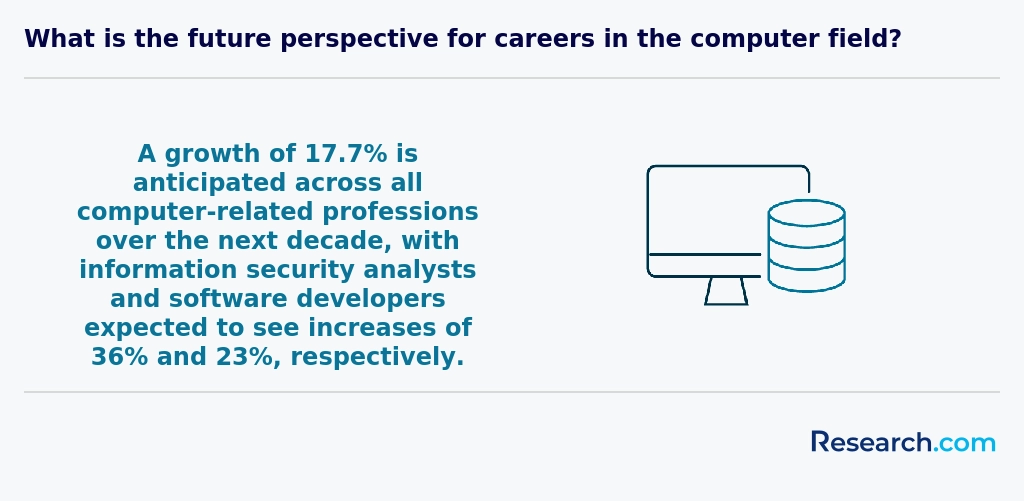
After earning your computer science bachelor’s in Indiana, pursuing a master’s degree online can deepen expertise and accelerate your career-all without relocating or high fees. Focus on accreditation, specialization and support services to maximize value.
- Explore top-rated data science masters programs online for flexible schedules and competitive tuition.
- Seek programs offering career coaching, virtual labs and internship connections to strengthen your resume.
- Prioritize specializations in cybersecurity, artificial intelligence or software engineering to align skills with in-demand roles.
What courses are typically in computer science degree programs in Indiana?
The foundation of a computer science degree in Indiana typically begins with core courses that every student finds essential. Graduates from institutions like Indiana University or Purdue University recall how learning programming languages such as Java, C++, or Python became their first hands-on experience with coding, turning abstract logic into tangible software.
They then deepen their understanding through classes on data structures and algorithms, which sharpen problem-solving skills by teaching efficient data organization-skills often applied later in real-world projects. Courses in computer architecture reveal how software meets hardware, a revelation that many find both challenging and inspiring.
Operating systems and database systems courses further prepare students to manage complex resources and data efficiently, invaluable in internships or collaborative projects. Electives in fields like artificial intelligence or cybersecurity, offered by leading Indiana schools, allow students to explore emerging technologies relevant to today's job market.
Many graduates describe these courses as a balanced blend of theory and practice, often enriched with labs and group work that foster a sense of achievement and readiness for Indiana's vibrant tech industry.
What types of specializations are available in computer science degree programs in Indiana?
Students pursuing a computer science degree in Indiana often find a rich variety of options that cater to their ambitions and the evolving tech landscape. Popular Indiana universities like Indiana University and Purdue University offer specializations such as Software Engineering, Cybersecurity, and Data Science and Big Data. Graduates often share how these focused tracks helped them feel confident entering the workforce, especially in the thriving tech hubs of Indianapolis and Bloomington.
Experiencing coursework in Artificial Intelligence and Machine Learning prepares students to develop smart systems, while Networks and Systems specializations provide a solid grasp of managing complex infrastructures. Reflecting on Indiana computer science concentration options, many students appreciate how the hands-on projects connect theory with real-world applications, whether it's safeguarding networks or teasing insights from large datasets.
For those inspired by analyzing data, engaging in computer coding careers can be especially rewarding. These specializations are thoughtfully designed to match Indiana's workforce demands, making graduates feel hopeful and well-prepared for their futures.
How do you choose the best computer science degree in Indiana?
Choosing the best computer science degree in Indiana means balancing academic quality, affordability, and real-world opportunities. Graduates from Purdue University often highlight how a curriculum focused on algorithms and cybersecurity, combined with faculty expertise, prepared them well for careers in tech. Those who attended Indiana University Bloomington appreciate the strong research projects connected to local tech industries, which opened doors for internships.
Cost is a critical factor for many students. Public institutions in Indiana typically charge between $10,000 and $12,000 annually for in-state tuition, making them more accessible for budget-conscious learners. For others, private universities' higher fees require careful consideration of scholarships and aid. Exploring affordable computer science degrees Indiana can lead you to programs that offer a solid education without overwhelming debt. For a clear comparison, check out the Inexpensive Computer Science Degree Programs Ranking in Irvine, CA as a benchmark for value.
Another important aspect is format and location. Many students balancing work or family chose flexible online options from Purdue Global or University of Southern Indiana, finding these programs fit their lives without sacrificing quality. Employment outcomes also matter; graduates in Indianapolis enjoy strong connections to tech employers, which enhances job placement and salary potential. Weighing these real-life factors helps you decide which program aligns best with your goals and lifestyle.
What career paths are available for computer science degree students in Indiana?
Graduates holding a computer science degree in Indiana find themselves stepping into a landscape rich with opportunity. From software development roles in Indianapolis tech startups to information security positions protecting data within the state's robust manufacturing firms, career paths here are both diverse and promising. Many Indiana students from popular institutions like Purdue University and Indiana University comment on how their studies directly equipped them for roles as data scientists and analysts, especially given Indiana's focus on healthcare and manufacturing sectors. This connection between education and industry creates a rewarding sense of purpose and growth.
For those exploring Indiana computer science degree job opportunities, roles such as systems analysts and network administrators offer steady demand in banking and automotive industries. Meanwhile, graduates who embrace creativity often thrive as web and mobile application developers, supporting the wave of e-commerce budding in cities like Fort Wayne and Bloomington. Reflecting on alumni experiences confirms that Indiana's tech scene is growing, with strong career potential that aligns well with students' skills and ambitions. To complement advanced degrees, many also pursue highest paid certifications, further enhancing their career trajectory.
What is the job market for computer science degree in Indiana?
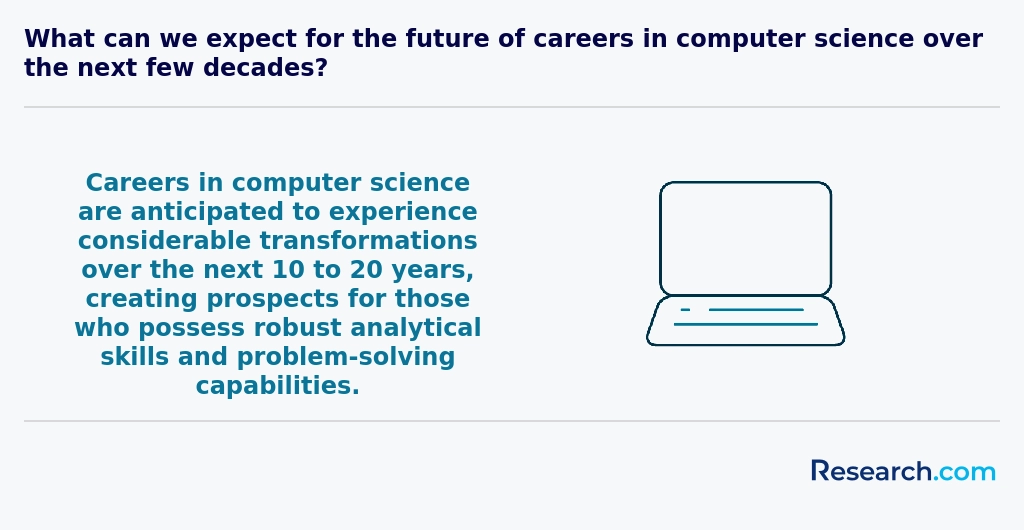
The job market for computer science degree holders in Indiana is notably robust, with a clear upward trajectory especially in cities with thriving industries. Graduates from well-regarded institutions like Indiana University and Purdue University often find rewarding opportunities in software development, cybersecurity, and data analytics, benefiting from Indiana's expanding tech presence within sectors such as manufacturing and healthcare. This positive career outlook is reflected in an expected 15% growth rate in tech occupations statewide.
Many graduates recall securing roles at major companies such as Roche Diagnostics or Eli Lilly, where their skills contribute to innovative projects, while others engage with dynamic start-up environments in Indianapolis and Bloomington that nurture emerging technologies. This diversity in opportunities exemplifies why exploring computer science job opportunities in Indiana is so encouraging for new professionals eager to make meaningful impacts locally.
The balance of a competitive wage range between $65,000 and $75,000 and relatively affordable in-state tuition makes Indiana attractive for students investing in their futures. For those seeking flexible learning options later in life, resources like best college courses for older adults online can be invaluable to continue growing skills and advancing in the evolving job market.
Frequently Asked Questions About computer science
Students pursuing computer science degrees in Indiana can enhance their learning by engaging actively in hands-on projects and internships. Indiana has a growing tech industry, with cities like Indianapolis and Bloomington offering numerous internship opportunities that provide valuable real-world experience. According to the Indiana Department of Workforce Development, computer and information technology jobs have increased by over 10% in recent years, reflecting strong industry demand.
Participating in university-led research programs and joining computer science clubs also deepen knowledge and practical skills. Students should leverage resources like coding workshops and hackathons frequently hosted by Indiana universities to build a strong portfolio. Networking with local professionals can open doors to mentorship and job prospects.
The field of computer science is rapidly evolving, with new niches emerging that offer exciting opportunities for students in Indiana. Key areas include artificial intelligence (AI), cybersecurity, and data science. According to the Indiana Department of Workforce Development, demand for AI specialists and cybersecurity experts is expected to grow by over 15% through 2030.
Another promising niche is cloud computing, where professionals design and manage remote data and applications. Indiana's tech industry, including companies in Indianapolis and Bloomington, increasingly seeks these skills.
Additionally, blockchain technology and quantum computing are gaining attention within research universities such as Purdue University and Indiana University, providing innovative study and career paths for students.
Preparing for the job market after completing a computer science degree in Indiana involves strategic steps to enhance employability. Students should focus on gaining practical experience through internships, which are widely available in Indiana's growing tech hubs like Indianapolis and Bloomington. According to the Indiana Department of Workforce Development, computer and information technology occupations are projected to grow by 15% through 2030, signaling strong job prospects.
Building a strong portfolio showcasing projects and coding skills can set graduates apart. Networking with local professional groups such as TechPoint or the Indiana chapter of the Association for Computing Machinery provides valuable connections.
Additionally, obtaining industry certifications like AWS or CompTIA can boost credentials, emphasizing practical expertise employers seek. Purdue University and Indiana University offer career services and job fairs, important resources for job seekers.
Employers in Indiana highly value computer science graduates who demonstrate strong programming skills, especially in languages like Python, Java, and C++. According to the Indiana Department of Workforce Development, proficiency in software development and problem-solving is critical for the state's growing tech sector.
In addition to technical skills, graduates with knowledge of data structures, algorithms, and cybersecurity are in demand. The Indiana Economic Development Corporation highlights that experience with cloud computing and machine learning gives candidates a competitive edge.
Soft skills such as communication, teamwork, and adaptability are also essential. Employers often seek graduates who can work collaboratively in diverse environments while managing projects efficiently.
Finding internships in Indiana for computer science students involves utilizing several local resources and strategies. Many universities in Indiana, such as Purdue University and Indiana University, offer career services that connect students with internships through job fairs and online portals. The state's growing tech industry, centered in cities like Indianapolis and Bloomington, presents opportunities in software development, data analysis, and cybersecurity.
The Indiana Department of Workforce Development provides tools and listings for internships relevant to computer science. Additionally, platforms like Handshake and LinkedIn are widely used by Indiana students and employers to advertise and find internships. Networking through professional organizations, such as the Indiana Technology & Innovation Association (ITIA), can also be beneficial.
According to the National Association of Colleges and Employers (NACE), students who complete internships are more likely to receive job offers after graduation, making these experiences crucial for career development.
A computer science degree greatly enhances career mobility and advancement opportunities in Indiana's growing tech sector. According to the U.S. Bureau of Labor Statistics, employment for software developers and computer specialists in Indiana is projected to grow 15% from 2020 to 2030, faster than the average for all occupations.
Graduates with a computer science degree typically qualify for higher-paying roles such as software engineer, systems analyst, and IT manager. The Indiana Department of Workforce Development reports that professionals in these positions earn median salaries ranging from $70,000 to over $100,000 annually, depending on experience and location.
The degree also opens doors to industries beyond tech, including healthcare, manufacturing, and finance, all of which are increasingly reliant on computing expertise. Employers in Indiana value candidates with formal CS credentials for leadership and specialized roles, supporting career progression.
Studying for a computer science degree in Indiana equips students with skills that extend beyond technical programming. Indiana's universities emphasize interdisciplinary learning by integrating courses in fields like business, healthcare, and engineering.
This approach aligns with Indiana's growing tech industry, supporting roles that demand collaboration across sectors. According to the Indiana Commission for Higher Education, over 60% of computer science graduates enter fields requiring knowledge of multiple disciplines.
Many programs include project-based work and internships, often partnering with local companies, allowing students to apply computing skills in real-world, cross-functional environments. This practical training fosters adaptability, critical for multidisciplinary roles.
Choosing between a thesis and a non-thesis computer science degree program in Indiana depends on your career goals and learning preferences. Thesis programs typically involve conducting original research and writing a detailed paper, which can prepare you for doctoral studies or research roles. Non-thesis options focus more on coursework and practical skills, appealing to students targeting industry jobs.
Indiana universities like Purdue and Indiana University offer both paths. According to the National Center for Education Statistics, about 40% of master's students in computer science nationwide choose thesis programs. In Indiana, considering local job markets, a non-thesis degree may be suitable for software development roles. Review program requirements and consult advisors to align your choice with your aspirations.
Students based in Indiana who want to study computer science abroad have several options through partnerships and exchange programs. Many Indiana universities, including Purdue University and Indiana University, offer study abroad programs allowing students to spend a semester or year at partner institutions in countries like the UK, Germany, and Australia. These opportunities let students gain international experience while earning credits toward their Indiana degree.
Additionally, some programs offer internships or research placements overseas in tech hubs, providing practical exposure. The Indiana Commission for Higher Education supports these initiatives, promoting global learning for STEM students. Funding and scholarships are often available to help offset costs.
In Indiana, part-time job opportunities that complement a computer science degree are diverse and plentiful. Many students find roles as IT support technicians, where they apply fundamental problem-solving skills gained in class.
Software development internships are also common, offering hands-on experience with coding and project management. According to the Indiana Department of Workforce Development, tech-related jobs grew by 7% between 2019 and 2023, underlining growing opportunities.
Additionally, roles in data analysis and computer lab assistance are popular among students, providing practical exposure to real-world applications and networking within the local tech community.
Networking opportunities for computer science students in Indiana are robust, benefiting from the state's growing tech industry and strong educational institutions. Major universities like Purdue and Indiana University host regular career fairs, tech meetups, and hackathons where students can connect with employers and peers.
The Indiana Economic Development Corporation reports over 13,000 tech-related jobs statewide, encouraging companies to partner with colleges for internships and cooperative education programs. Organizations like TechPoint offer events and mentorship programs specifically designed for tech students.
Additionally, local chapters of national groups such as the Association for Computing Machinery (ACM) and Women Who Code provide networking, workshops, and conferences that cultivate professional growth within Indiana's computer science community.
Alumni networks play a significant role for computer science students in Indiana by offering valuable career support and professional connections. Graduates from Indiana's institutions often stay engaged through these networks, which can lead to internships, job opportunities, and mentorship. According to Indiana University's Kelley School of Business, strong alumni connections can increase job placement rates by up to 20% in technical fields.
In Indiana's tech industry, which includes major hubs in Indianapolis and Bloomington, alumni networks help students tap into local companies such as Cummins and Eli Lilly. These connections provide not only job leads but also guidance on industry trends and required skills.
Furthermore, alumni frequently participate in guest lectures and workshops, giving students insights beyond the classroom. This real-world perspective is especially beneficial in fast-evolving fields like computer science.
Customizing a computer science degree program in Indiana allows students to align their education with specific career goals. Many Indiana universities offer elective courses and specialized tracks such as cybersecurity, artificial intelligence, and software engineering. These options enable students to focus on areas with strong local job growth, as Indiana's tech sector is expected to grow by 8% through 2030, according to the Indiana Department of Workforce Development.
Students can also pursue internships and cooperative education programs with local companies, gaining practical experience alongside academics. Additionally, some schools provide opportunities for undergraduate research or dual-degree programs that combine computer science with business or data science, enhancing career flexibility.
Computer science students in Indiana face several common challenges throughout their studies. A primary difficulty is managing the rigorous coursework, which often includes complex programming, algorithms, and mathematics. Many students report that the pace and depth of concepts can be overwhelming, especially in foundational courses.
Access to internship opportunities in Indiana is growing, but competition remains strong. According to the Indiana Department of Workforce Development, only about 30% of computer science students secure internships early, which impacts practical experience.
Additionally, keeping up with rapidly changing technology can be challenging. Students must stay current with new programming languages and tools to remain competitive in the job market. Financial constraints and balancing part-time work with study also affect many, as data from the National Center for Education Statistics shows a significant percentage of Indiana students work during term time.
With a computer science degree in Indiana, numerous professional certifications can enhance your career opportunities. Popular certifications include the Certified Information Systems Security Professional (CISSP), CompTIA Security+, and Microsoft Certified: Azure Fundamentals. These credentials are valued by employers in Indiana's growing tech sector, especially in cities like Indianapolis and Bloomington.
According to the Indiana Department of Workforce Development, jobs for computer and information technology professionals in the state are expected to grow by 16% through 2030, increasing demand for certified experts. Certifications like AWS Certified Solutions Architect also align with this growth, validating cloud computing skills.
Pursuing industry-recognized certificates can boost your salary potential and qualify you for specialized roles, beyond what a degree alone offers.
Applying to a computer science program in Indiana requires a clear strategy to stand out. Start by maintaining a strong GPA, as many Indiana universities prefer applicants with at least a 3.0 in relevant math and science courses. Highlight any programming experience, internships, or projects that demonstrate your technical skills and passion for the field.
Standardized tests like the SAT or ACT may still be required depending on the institution, so prepare accordingly. Writing a focused personal statement is critical; explain why you want to study computer science and how Indiana's specific programs align with your career goals.
Indiana has several well-regarded universities, including Purdue and Indiana University Bloomington, which emphasize practical experience and research involvement. According to the Indiana Commission for Higher Education, demand for computing jobs in the state is projected to grow by 23% through 2030, making admissions competitive but promising.
Computer science careers in Indiana reflect a broader global trend: strong demand and growth opportunities. The U.S. Bureau of Labor Statistics projects a 22% increase in software developer jobs nationally from 2020 to 2030, well above the average for all occupations. Indiana benefits from this trend with expanding tech hubs in Indianapolis and Bloomington, creating local job opportunities in fields like artificial intelligence, cybersecurity, and data analysis.
Globally, computer science skills are highly valued, opening doors to international work and remote collaboration. Proficiency in programming languages and problem-solving techniques developed in Indiana's degree programs aligns with worldwide industry standards, making graduates competitive in both domestic and global markets.
According to the Indiana Department of Workforce Development, Indiana's tech sector contributed over $10 billion to the state economy in 2022, emphasizing the regional impact of computing professionals within a globalized economy. This local growth mirrors the worldwide reliance on technology, signaling robust prospects for students pursuing computer science degrees in Indiana.
Gaining practical experience during a computer science degree in Indiana is essential for career readiness. Many Indiana universities offer cooperative education (co-op) programs, where students alternate semesters of paid work with classes. This hands-on exposure helps build skills and professional networks.
Internships are also widely available, especially in cities like Indianapolis and Bloomington, which host growing tech sectors. According to the Indiana Department of Workforce Development, internships in technology roles have increased by over 10% in recent years, reflecting demand for student talent.
Additionally, participating in university-sponsored hackathons and research projects allows students to solve real-world problems and work with industry partners, enhancing their resumes.
Choosing the right concentration within a computer science degree in Indiana depends on your career goals and interests. Indiana universities commonly offer concentrations such as software engineering, data science, cybersecurity, and artificial intelligence. According to the Indiana Commission for Higher Education, fields like cybersecurity and data analysis are growing rapidly in the state, driven by local tech firms and healthcare industries.
Consider current job market trends: the U.S. Bureau of Labor Statistics reports a 15% growth in computer and information technology jobs through 2031, with Indiana showing strong demand for cybersecurity professionals. Research each concentration's curriculum and align it with your strengths and future plans.
Internships and partnerships available at Indiana schools can also guide your choice by providing practical experience in your preferred area.
Related Computer Science Rankings for Nearby States
- 2027 Most Affordable Computer Science Degree Programs Ranking in Ohio
- 2027 Most Affordable Computer Science Degree Programs Ranking in Wisconsin
- 2027 Most Affordable Computer Science Degree Programs Ranking in Missouri
- 2027 Most Affordable Computer Science Degree Programs Ranking in Tennessee
- 2027 Most Affordable Computer Science Degree Programs Ranking in Iowa
- 2027 Most Affordable Computer Science Degree Programs Ranking in West Virginia
- 2027 Most Affordable Computer Science Degree Programs Ranking in Pennsylvania
- 2027 Most Affordable Computer Science Degree Programs Ranking in Alabama
- 2027 Most Affordable Computer Science Degree Programs Ranking in South Carolina
- 2027 Most Affordable Computer Science Degree Programs Ranking in Virginia
Top Trending Computer Science Rankings
See What Experts Have To Say About Studying Computer Science
Read our interview with Computer Science experts

Elan Barenholtz
Computer Science Expert
Associate Professor
Florida Atlantic University

Imed Bouchrika, Phd
Computer Science Expert
Professor of Computer Science
National Higher School of Artificial Intelligence

Kathleen M. Carley
Computer Science Expert
Professor of Computer Science
Carnegie Mellon University

Martin Kang
Computer Science Expert
Assistant Professor
Loyola Marymount University

References
- Computer Science students create live network in simulated scenario https://www.stmartin.edu/news-and-stories/stories/computer-science-students-create-live-network-simulated-scenario
- Know more about thesis vs non- thesis: what is the difference? https://studyfans.com/en/blogs/816
- The Crucial Role of Networking for Computer Science Students https://dev.to/thisisaayush/the-crucial-role-of-networking-for-computer-science-students-4k2i
- Top Careers in Computer Science | Careers, Salaries, and Resources https://www.computerscience.org/careers/
- Essential Skills Every Computer Science Graduate Needs | LSBF https://lsbf.edu.my/blog/11-essential-skills-every-computer-science-graduate-needs/
- Getting the Most Out of a Computer Science Degree https://robkokochak.com/blog/getting-the-most-out-of-a-cs-degree/
- Degree Programs https://clas.iusb.edu/computer-science-informatics/current-students/degree-programs.html
- Letter of Motivation for applying Computer Science related fields https://essayforum.com/letters/motivation-applying-computer-science-related-11858/
- A Holistic Approach to Studying Interdisciplinary Collaboration: Computer Science https://sciety.org/articles/activity/10.21203/rs.3.rs-8694985/v1
- Best Computer Science Degree Programs in Indiana, 2026 Rankings https://hakia.com/degrees/computer-science/indiana/