2027 Most Affordable Computer Science Degree Programs Ranking in Missouri

Co-Founder and Chief Data Scientist
Choosing the right computer science degree program in Missouri can feel overwhelming, especially when considering costs and quality. This article introduces the 2027 Most Affordable Computer Science Degree Programs Ranking in Missouri, created by the Research.com team of data scientists to guide you through your options.
By exploring this ranking, you'll gain helpful insights to select programs that fit your budget and career goals. Earning a computer science degree opens doors to exciting opportunities and a rewarding future in tech, making this guide a valuable step in your educational journey.
Key benefits of getting computer science degree in Missouri
- Salary for computer science graduates: Graduates in Missouri can expect strong earning potential, with Software Engineers and Developers earning mean annual wages of about $138,110, while Web Developers earn around $95,570, highlighting rewarding financial prospects.
- Diverse career paths: A computer science degree opens doors to various roles such as Software Engineer, Data Analyst, or IT Support Specialist, offering flexibility and growth opportunities tailored to your interests and skills.
- Benefits of online degrees: Earning a computer science degree online in Missouri provides convenience and flexibility, allowing you to balance studies with work or personal life while gaining the same valuable skills as traditional programs.
- 2027 Most Affordable Computer Science Degree Programs Ranking in Missouri
- What can I expect from computer science degree in Missouri?
- Where can I work with computer science degree in Missouri?
What can I expect from computer science degree in Missouri?
The average cost of a computer science degree in Missouri generally falls below national averages, making it an attractive option for many students. At universities like the University of Missouri and Missouri State University, in-state tuition often ranges around $10,000 to $12,000 per year, which many graduates find manageable with financial aid and scholarships. These students often recall balancing their budgets while gaining rich hands-on experiences through internships and projects that set them up for success.
Many who studied in Missouri highlight feeling a strong sense of value-not just from affordable tuition but from the quality education and career support that guided them into thriving tech roles. With technology hubs in cities like St. Louis and Kansas City nearby, students envision a future where their investments lead to exciting job offers and continuous growth in emerging areas like AI and data science.
Where can I work with computer science degree in Missouri?
Graduates with a computer science degree in Missouri often find themselves stepping into dynamic roles across a broad spectrum of industries. Many come from universities like the University of Missouri or Missouri S&T and share stories of landing positions in tech hubs such as St. Louis and Kansas City. Here, startups and established firms offer opportunities in software development, cybersecurity, and cloud computing, sparking excitement about building innovative solutions.
Others discover rewarding careers in healthcare technology, working with organizations like BJC HealthCare to advance digital patient records and health informatics-fields growing rapidly and promising long-term stability. Government agencies also attract these graduates, who contribute to cybersecurity and public infrastructure projects that protect communities.
The academic arena calls to some graduates too, where they apply their skills in research programs merging computing with areas like agriculture and environmental science, often collaborating with professors who inspire them to push boundaries. This variety of opportunities in Missouri creates an empowering environment that motivates graduates to imagine transformative career paths ahead.
Graduates from Missouri's top computer science programs, like those at the University of Missouri or Washington University in St. Louis, often find rewarding career opportunities with strong salaries. Early in their careers, many start as IT Support Specialists earning around $63,640 annually, providing a solid foundation while gaining valuable hands-on experience.
As they advance, graduates commonly move into roles like Software Developers or Software Engineers, where Missouri salaries align with the national average of about $138,110 per year. This shift typically happens within a few years as they sharpen their coding and project management skills. For example, a recent graduate landing a software developer role in Kansas City might enjoy a salary near this figure, pairing competitive pay with the city's vibrant tech scene.
Some graduates choose data-focused roles such as Data Analysts, where salaries average $119,040 annually, promising strong growth as businesses prioritize data-driven decisions. Web development is another accessible path, with wages around $95,570, appealing to those who enjoy creative problem-solving.
Missouri's evolving tech landscape suggests these salary ranges will rise as demand grows, especially in cybersecurity and advanced software engineering. Graduates feel excited about their futures, knowing their skills open doors to well-paying, fulfilling careers close to home.
- In-state tuition for computer science programs at Missouri public universities ranges from about $9,000 to $12,000 per year, while private schools often charge over $25,000 annually.
- Starting salaries for computer science graduates in Missouri are around $65,000 per year, with mid-career salaries averaging more than $100,000.
- The computer and information technology sector in Missouri is expected to grow by approximately 12% over the next decade, faster than the national average for all jobs.
- Many Missouri universities offer bachelor's degrees with concentrations like software engineering, cybersecurity, or data science, often including online or hybrid formats.
- Job placement rates for computer science graduates in Missouri often exceed 85% within six months of graduation due to strong internship and cooperative education opportunities.
Completing a computer science degree in Missouri typically takes about four years for a full-time student pursuing a Bachelor of Science at well-known institutions like the University of Missouri-Columbia or Missouri State University. Many graduates recall balancing intense coursework with campus life, feeling both challenged and motivated throughout those years. However, some students attending community colleges such as St. Louis Community College or Metropolitan Community College in Kansas City may finish an associate degree in two to three years, often excited by how quickly they gained practical skills for entry-level jobs or transfer opportunities.
Graduate students often share experiences of a roughly two-year journey toward a Master's degree, finding satisfaction in deeper specialization while occasionally stretching the timeline when juggling part-time work. Doctoral candidates, though rarer in Missouri, embark on a longer path of four to six years, driven by the thrill of original research and academic discovery. Many students appreciate how part-time options, transfer credits, and flexible course offerings shape personalized pathways, fostering persistence and optimism as they progress.
Missouri’s growing tech ecosystem offers a wealth of internship programs and employer partnerships that give Computer Science students critical real-world experience. Leading companies such as Cerner, MasterCard, Google (St. Louis office), and Boeing frequently recruit interns for software engineering, data analysis, and cybersecurity roles. These internships not only build your resume but often lead directly to full-time offers upon graduation. Key internship pipelines and programs to explore:
- Cerner’s Summer Talent Program: Hands-on projects in healthcare IT, mentorship from senior engineers, and opportunities to present findings to leadership.
- MasterCard’s Discover Internship: Focused rotations through data science and cybersecurity teams, where interns work on customer-facing analytics dashboards.
- Google’s STEP (Student Training in Engineering Program): For first- and second-year students, emphasizing foundational coding skills and collaborative problem-solving.
- Boeing’s Engineering Internship: Involvement in avionics software development, with access to cutting-edge lab facilities. Universities in Missouri often partner with local startups and research labs to expand internship opportunities. Check your campus career center for exclusive listings and timeline reminders-application windows typically open in October and close by January for summer placements. To maximize your chances, tailor your résumé to highlight projects and coursework in high-demand areas, such as machine learning or cloud computing. Beyond internships, Missouri hosts annual hackathons and tech meetups-events like STL CodeFest and KC Tech Talent Conference-where recruiters scout for emerging talent. Engaging in these communities can position you for some of the state’s highest paying coding jobs and establish connections that extend well into your professional career.
Online and on-campus computer science degrees in Missouri differ mainly in learning style and daily experience, yet both prepare students well for tech careers. Graduates from the University of Missouri-Columbia often recall hands-on labs and in-person collaboration, highlighting how immediate feedback from professors and peers boosted their confidence and problem-solving skills. In contrast, students from Missouri State University pursuing online degrees appreciate the flexibility to balance work or family responsibilities, enjoying asynchronous classes that let them study late at night or on weekends.
Looking ahead, this blend of flexibility and engagement may evolve further. Online programs are increasingly replicating active learning environments with virtual labs and remote internships that provide tangible coding practice and real-world exposure. Missouri's tech classrooms might soon merge physical and digital spaces, offering hybrid options that combine the camaraderie of campus life with the convenience of online access.
Both paths demand strong math and programming skills, yet future graduates will benefit from innovative approaches tailored to their lifestyle, fueling enthusiasm and readiness for the fast-changing tech landscape.
When choosing an affordable computer science degree in Missouri, understanding its return on investment (ROI) ensures you make a smart educational choice. Comparing program costs to salary outcomes highlights the economic benefits:
- Total in-state tuition for a 4-year bachelor’s: ≈$53,760
- Average starting salary: $63,640 annually
- Estimated payback period: under 1 year
- Mid-career earnings potential: ~$138,110 annually
These figures illustrate how Missouri’s affordable programs deliver strong ROI, letting graduates recoup their investment quickly and build long-term financial growth. For those aiming to boost earning potential further, exploring the cheapest master in data science can be a strategic next step.
The average cost of a computer science degree in Missouri currently centers around $14,112 for in-state students, reflecting a notably affordable path compared to out-of-state tuition, which can reach over $42,000. Graduates from popular universities like the University of Missouri or Missouri State University often share how these manageable costs eased their stress, allowing them to focus more on mastering coding challenges and collaborative projects. This affordability fosters a positive educational experience, enabling students to explore emerging tech fields without overwhelming financial burdens.
Looking ahead, affordable computer science degree programs Missouri 2027 may continue to evolve, with more institutions possibly expanding scholarship options and in-state tuition breaks. Graduates recall balancing expenses while investing in specialized software or hardware necessary for hands-on learning, a reality that keeps total cost planning essential. Still, for many, the combination of reasonable tuition and available aid makes pursuing this degree in Missouri an achievable and rewarding goal.
Prospective students seeking the best computer science program in Missouri will find a landscape that blends cost efficiency with quality education. The synergy of strong academic offerings and budget-conscious fees positions Missouri as a promising choice for future tech professionals. The practical savings gained especially by residents can translate into greater focus on career preparation and innovation, key elements for success in computer science.
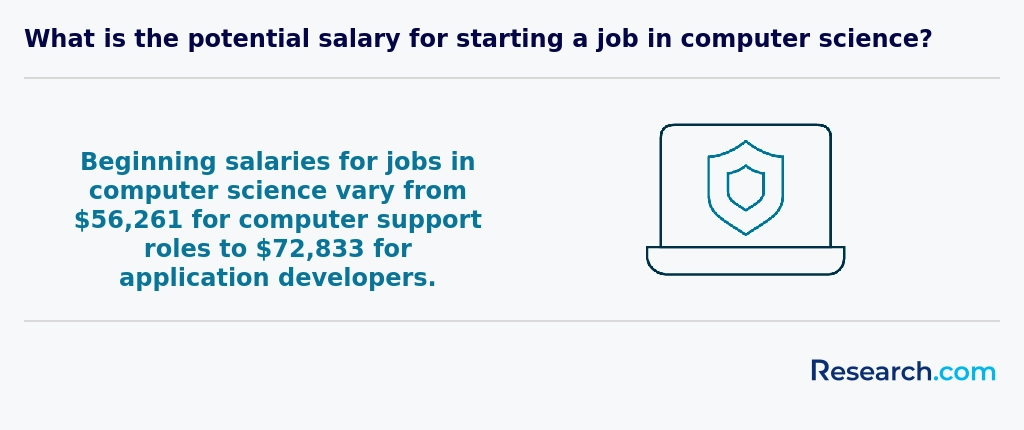
Success in a Computer Science program extends beyond mastering technical skills-it also entails developing effective study habits, engaging with faculty, and leveraging resources that enrich your academic and professional growth. Here are some actionable strategies designed to help you thrive: • Build a strong foundation early by breaking complex topics into manageable segments. Prioritize practical, hands-on learning through coding exercises, projects, and internships that reinforce theoretical concepts. • Cultivate a network of mentors, peers, and industry professionals. Attend campus tech meetups, workshops, and hackathons to exchange ideas and gain insights that can spark innovative solutions. • Take advantage of support services at your institution, such as tutoring, career counseling, and academic advising. These resources can help you navigate challenges and set clear career goals. • Enhance your technical portfolio by engaging in extracurricular projects or contributing to open-source initiatives. Real-world experience not only reinforces your learning but also makes you a competitive candidate in the job market. • Stay updated on industry trends and emerging technologies by following reputable tech blogs and research studies. This continuous learning mindset will empower you to adapt to the evolving tech landscape. For detailed insights on choosing the right program and to learn which institution might best meet your ambitions, consider visiting the best computer science program in missouri. Embracing these strategies early can pave the way for a successful academic journey and a fulfilling career in tech.
Students pursuing computer science degrees in Missouri frequently rely on a blend of financial aid options to ease the burden of tuition, which averages about $11,400 annually for in-state public universities. Many graduates from institutions like the University of Missouri and Missouri State University share how Pell Grants, offering up to $7,395 for eligible students, have been game changers, allowing them to focus on coding projects rather than financial stress.
The Missouri State Grant is another pivotal resource, especially for those enrolled in STEM fields such as computer science. It's common to hear from recent graduates who used this state-funded aid alongside scholarships provided by their universities, both based on merit or financial need, to cover much of their tuition.
Work-study programs often provide valuable on-campus employment opportunities aligned with tech fields, helping students gain experience while earning. Moreover, with tech companies in Missouri increasingly supporting tuition assistance, future students may see even stronger industry partnerships that make education more accessible and rewarding.
While Missouri offers many cost-effective on-campus and online Computer Science degrees, students seeking additional flexibility and savings may consider nearby states. Illinois, for instance, has emerged as a hub for affordable online CS programs with competitive tuition and robust support services. According to the Cheapest Online Bachelor's in Computer Science Degree Programs Ranking in Illinois, several Illinois institutions charge as little as $8,000 per year for fully online coursework-nearly 15% below Missouri’s average online tuition of $9,400. Key considerations when comparing Missouri and Illinois programs:
- Tuition and Fees: Review total cost estimates, including technology fees and state residency requirements.
- Delivery Format: Ensure online courses include live lectures or interactive labs if hands-on experience is critical.
- Accreditation and Outcomes: Confirm regional accreditation and job placement rates.
- Support Services: Compare access to virtual tutoring, career counseling, and internship networks. By expanding your search to include neighboring states, you can identify programs that balance affordability with quality, giving you more options to tailor your Computer Science education to your budget and career goals.
Enrolling in a computer science degree program in Missouri typically means demonstrating solid preparation in math and science, crucial foundations that students entering programs at schools like the University of Missouri or Missouri State University often look back on with pride. Graduates frequently share how their early coursework in algebra, geometry, and calculus - combined with classes in biology or chemistry - gave them the confidence to tackle complex programming challenges. Many found that meeting the expected GPA threshold of around 2.5 to 3.0 opened doors to competitive programs and scholarships, easing financial worries.
Standardized tests like the SAT or ACT remain relevant for many, although the rising test-optional trend adds flexibility, reflecting Missouri institutions' responsiveness to evolving applicant needs. Real-life accounts from peer students illustrate that submitting strong transcripts featuring preparatory courses and sometimes tech electives enabled them to stand out during admissions. Future applicants might anticipate even greater emphasis on personalized assessments such as interviews or recommendations, which some Missouri schools already use to identify motivated, innovative thinkers ready to thrive in a fast-growing field.
Real-world experience through internships and cooperative education can transform your classroom learning into in-demand job skills. Missouri universities partner with local and national tech firms to place students in roles that often lead to full-time offers.
- Gain hands-on experience at companies like Cerner, Boeing Defense, and regional startups
- Earn academic credit while developing software, managing networks, or analyzing data
- Build a professional network with mentors and hiring managers in St. Louis, Kansas City, and beyond
- Convert successful internships into full-time positions, boosting your early-career earnings
Many programs also offer virtual and remote placements, giving flexible options for working students. For those interested in expanding their skill set further, consider an artificial intelligence degree online to deepen your expertise and stay competitive.
Students pursuing a computer science degree in Missouri regularly engage with foundational courses like Introduction to Computer Science, Data Structures, Operating Systems, and Software Engineering, firmly grounding their understanding of computing principles. Graduates from the University of Missouri often describe how mastering these courses felt like unlocking the core mechanics behind the technology they use daily, igniting a deeper passion for the field.
Beyond core classes, programs at institutions like Missouri University of Science and Technology integrate electives in cutting-edge areas such as artificial intelligence, cybersecurity, and mobile app development. Many students find excitement in tailoring their education through these electives, envisioning themselves creating innovative solutions in emerging tech industries right in Missouri's vibrant tech hubs.
Mathematics courses-discrete math, linear algebra, and statistics-provide essential tools for designing algorithms and analyzing data, something graduates recall as pivotal when tackling real-world problems during internships or capstone projects. These hands-on experiences help students see the practical impact of their classroom learning in a dynamic, growing job market.
Missouri's computer science degrees offer specializations that resonate with cutting-edge tech trends, shaping graduates ready for tomorrow's challenges. Graduates from universities well-known in the state often speak enthusiastically about hands-on experiences in Artificial Intelligence (AI) and Machine Learning, where projects involve developing intelligent automation or exploring neural networks to solve real-world problems. The emphasis on Cybersecurity is another prominent area, reflecting the rising importance of defending digital landscapes against sophisticated threats. Students share how courses in network security and ethical hacking empower them with confidence and practical skills.
Others are drawn to Software Engineering tracks that combine creativity with structured development processes, preparing them to design the next generation of apps and software systems. Data Science and Big Data Analytics programs, popular at many Missouri colleges, provide essential tools for interpreting vast datasets-an increasingly valuable skill in business and government sectors. These programs create pathways to highest paying coding jobs, instilling excitement about lucrative futures.
Networking and Systems Administration specializations equip students with the ability to manage critical IT infrastructure, an asset highly sought after in Missouri's dynamic economy. The variety of specializations reflects affordable computer science degree options Missouri students appreciate, where practical training meets relevant industry demands.
Choosing the best computer science degree in Missouri often starts with exploring programs from universities like the University of Missouri-Columbia or Missouri University of Science and Technology, where graduates frequently praise robust ABET-accredited curricula that prepare them for evolving tech careers. Many students highlight how tailored specializations, such as cybersecurity or data science, enhanced their confidence to tackle real-world problems, reflecting the growing industry demand in Missouri's tech hubs.
Cost remains a vital consideration; graduates appreciate affordable computer science degrees Missouri institutions offer, balancing quality and budget. Community colleges and state universities often provide competitive tuition, while prospects can explore financial aid options. Some students who chose flexible online or hybrid courses enjoyed juggling work and study, a trend likely to expand with increasing demand for adaptable learning.
Internship opportunities connected to St. Louis and Kansas City's booming tech scenes are often cited by recent graduates as game-changers, giving them a competitive edge. For those prioritizing affordability combined with flexibility, the Cheapest Online Bachelor's in Computer Science Degree Programs Ranking in Illinois can offer useful insights despite geographical differences, inspiring future choices.
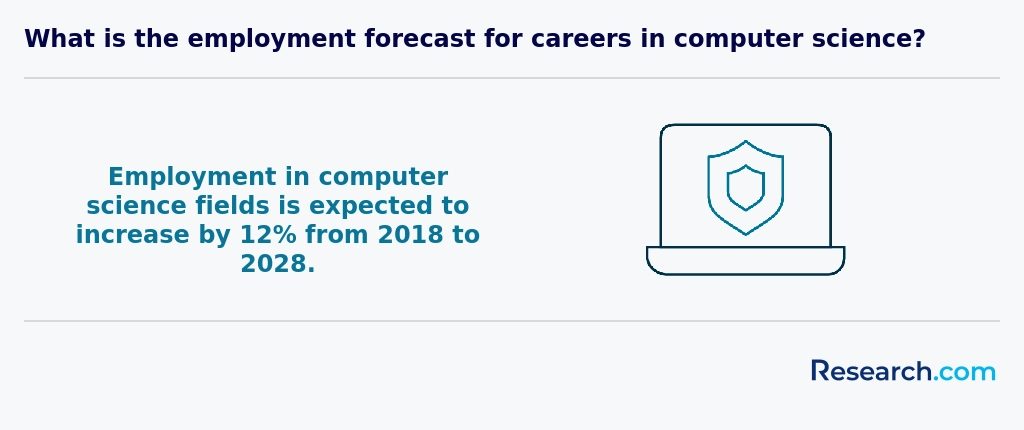
Missouri computer science graduates find themselves at the forefront of dynamic career paths fueled by the state's expanding tech environment. Graduates from universities like the University of Missouri and Missouri State University often take on roles such as software developers and cybersecurity specialists, especially in hubs like St. Louis and Kansas City where startups and established firms thrive. These students commonly describe their transition into careers with excitement, noting how practical internships integrated into Missouri's education system boost their confidence and job readiness. Exploring computer science career opportunities Missouri offers, data scientist and systems analyst roles are increasingly popular as industries utilize big data and AI, making the state a promising place for innovation and growth.
Students who pursue IT support or network administration degrees enjoy strong job prospects in Missouri, especially with local corporations and educational institutions tapping into the demand for tech management. Many graduates find salary competitiveness motivating, reflecting positive post-degree experiences. For those considering faster entry into tech, the best online associate degree in 6 months accredited programs offer an accelerated path that aligns well with Missouri's evolving market needs.
Missouri's computer science job outlook Missouri shows a promising landscape driven by a growing technology sector centered in vibrant hubs like Kansas City and St. Louis. Graduates from popular colleges and universities in Missouri often report securing opportunities in software development, cybersecurity, and data science, thriving in an environment where practical skills in languages such as Python and emerging fields like machine learning are highly sought after. The job market continues to expand steadily, offering roles that adapt to the evolving tech industry employment trends.
Many graduates find their transition smoother thanks to strong university-industry collaborations within Missouri, which emphasize internships and real-world projects. For students considering degree options, exploring universities with open admission can open doors to accessible education pathways leading to competitive salaries. Although the average starting salary ranges between $60,000 and $70,000, many professionals quickly advance to averages near $95,000, benefiting from Missouri's lower cost of living.
2027 Most Affordable Computer Science Degree Programs Ranking in Missouri
Investing in your education is a significant decision that can shape your future, and the Research.com team understands the importance of making informed choices. To assist prospective students in Missouri, we have meticulously crafted the "2027 Most Affordable Computer Science Degree Programs Ranking in Missouri." Our commitment to quality, credibility, and accuracy is reflected in the extensive research and analysis conducted to compile this ranking.
We utilized the following reputable data sources to ensure a comprehensive evaluation of computer science degree programs:
By exploring this ranking, readers will gain valuable insights into the most affordable computer science degree options in Missouri, empowering them to make well-informed educational investments. For more details on our methodology, please visit our Research.com methodology page.
# 1 position
Central Methodist University-College of Graduate and Extended Studies
Bachelor of Science in Computer Science


# 14 position
Central Methodist University-College of Liberal Arts and Sciences
Bachelor in Computer Science


Frequently Asked Questions About computer science
Computer science students in Missouri can maximize their learning experience by combining classroom studies with practical activities. Participating in internships, especially in tech hubs like St. Louis and Kansas City, allows students to apply skills in real-world settings. According to the Missouri Department of Higher Education, internship participation increases job placement rates by over 20%.
Engaging in student organizations such as ACM chapters or hackathons helps develop collaboration and problem-solving skills. Additionally, leveraging Missouri's public university resources, including research labs at schools like the University of Missouri and Missouri State University, provides access to cutting-edge projects.
Students should also consider certification programs in emerging areas like cybersecurity and data analytics to enhance their resumes.
Missouri's computer science field is expanding into several emerging niches that attract both students and employers. One key area is artificial intelligence (AI) and machine learning, which are rapidly integrated into various industries from healthcare to finance. According to the Missouri Department of Higher Education, AI-related job postings have grown by over 25% statewide in recent years.
Another growing niche is cybersecurity. With increasing cyber threats, Missouri institutions emphasize training professionals to protect data and infrastructure. The state government supports this through partnerships that enhance cybersecurity education and workforce development.
Additionally, data science continues to gain prominence as businesses rely on big data for decision-making. Missouri's universities offer specialized courses addressing data analytics, reflecting a 20% increase in related job openings per the Bureau of Labor Statistics.
Finally, cloud computing and Internet of Things (IoT) are also key niches, driving demand for skilled graduates proficient in managing connected devices and cloud platforms, essential to Missouri's evolving tech landscape.
After earning a computer science degree in Missouri, preparing for the job market involves several key steps. First, building practical experience through internships or cooperative education programs is vital. Missouri hosts companies like Cerner and Enterprise Holdings that often recruit CS graduates. According to the Missouri Economic Research and Information Center, software developers earn an average annual wage of around $93,000 in the state, highlighting strong job prospects.
Networking through local tech meetups and career fairs can connect graduates with employers. Additionally, obtaining relevant certifications such as AWS or CompTIA can boost employability. Mastering programming languages popular in Missouri's job market, like Java and Python, is also recommended.
Continuous learning, including attending workshops or advanced coursework, helps graduates stay current in this rapidly evolving field.
Employers seeking computer science graduates in Missouri prioritize strong programming skills in languages such as Java, Python, and C++. According to the Missouri Department of Higher Education, proficiency in software development and understanding of algorithms are critical for roles in the local tech industry.
Beyond technical expertise, employers value problem-solving abilities and collaboration skills, which are essential for teamwork in product development. Communication skills also rank highly, as graduates often need to explain complex concepts clearly to non-technical stakeholders.
Data analysis and cybersecurity knowledge are increasingly in demand due to Missouri's growing emphasis on tech-driven industries. National surveys from the Computing Research Association also highlight adaptability and continuous learning as vital traits for sustaining career growth in computing fields.
Finding internships in Missouri relevant to computer science degrees involves leveraging several key resources. First, many universities, including the University of Missouri system and Missouri State University, offer dedicated career services that connect students with local tech employers.
Missouri hosts a growing tech industry, particularly in Kansas City and St. Louis, where over 20,000 tech jobs were reported in 2023 by the Missouri Economic Research and Information Center.
Students should also utilize online platforms like Handshake and LinkedIn, where Missouri-based companies frequently post internship opportunities targeting computer science majors.
Additionally, attending regional tech meetups or career fairs can lead to valuable networking with employers hiring interns.
A computer science degree in Missouri significantly enhances career mobility and advancement opportunities. According to the U.S. Bureau of Labor Statistics, Missouri's tech sector is growing steadily, with a projected 8% increase in computer-related jobs by 2030. Graduates with such degrees often access diverse roles in software development, cybersecurity, and data analysis, sectors actively recruiting skilled professionals statewide.
Employers in Missouri highly value formal education paired with technical expertise, which can lead to higher salaries and leadership positions. For example, the average salary for computer and information research scientists in Missouri surpasses $95,000 annually, reflecting strong advancement potential (BLS, 2023).
Many universities in Missouri offer internships and partnerships with local tech companies, further boosting career progression by practical experience and networking. This combination of education and real-world exposure facilitates job transitions and promotions within the state's evolving technology landscape.
Studying for a computer science degree in Missouri offers strong preparation for interdisciplinary roles through a curriculum that often integrates fields like engineering, business, and biology. Many Missouri universities, including the University of Missouri and Missouri State University, provide coursework in data science, cybersecurity, and software development alongside opportunities for collaboration with other departments.
Missouri's tech sector employs over 12,000 computing professionals, encouraging graduates to work across industries such as healthcare, finance, and manufacturing, which require diverse technical and analytical skills. According to the Missouri Department of Higher Education, programs emphasize problem-solving and teamwork, essential for cross-disciplinary projects.
Internships and research initiatives in Missouri's universities further enhance real-world application and adaptability in various professional settings, boosting graduate readiness for interdisciplinary careers in technology-driven environments.
Choosing between a thesis and a non-thesis computer science degree program in Missouri depends largely on your career goals. Thesis programs usually require original research and are suitable for students aiming for a PhD or research roles.
Non-thesis programs focus more on coursework and practical skills, ideal for those planning to enter the tech industry quickly. According to Missouri's higher education data, about 40% of computer science master's students opt for thesis tracks, often at research universities like the University of Missouri.
Consider faculty expertise, program duration, and whether you want hands-on projects or research experience. Missouri's academic advising offices can also provide guidance based on your interests.
Students based in Missouri seeking to study computer science abroad have several avenues to explore through exchange programs, study abroad partnerships, and dual-degree options offered by Missouri universities. Institutions such as the University of Missouri and Missouri State University frequently collaborate with international universities across Europe, Asia, and Australia, allowing students to gain global experience while earning credits toward their degree.
According to the Institute of International Education, about 10% of Missouri's college students participate in study abroad programs, with STEM fields like computer science steadily growing in interest. Programs often last a semester or summer, with some providing internships in tech industries worldwide.
Financial aid and scholarships for Missouri students studying abroad in computer science are increasingly available, helping reduce costs while expanding educational opportunities beyond the U.S.
Part-time job opportunities in Missouri can significantly complement a computer science degree education by providing practical experience alongside academic learning. Students often find roles such as software development interns, IT support assistants, or web developers valuable. These positions build essential skills like coding, debugging, and system management that are crucial in the field.
Missouri's tech industry employs over 100,000 professionals, with hubs in cities like St. Louis and Kansas City, creating many opportunities for students. According to the Missouri Department of Higher Education, internships and part-time jobs in technology-related firms are increasingly available to supplement coursework.
Positions with local startups or university research labs also offer exposure to real-world projects while networking with professionals. These experiences enhance resumes and prepare students for full-time roles after graduation.
Computer science students in Missouri benefit from numerous networking opportunities that connect them with industry professionals and peers. Universities such as the University of Missouri and Missouri State University host regular career fairs and tech meetups, attracting companies like Cerner, Boeing, and Edward Jones, which have large regional offices.
Additionally, organizations like the Missouri Technology Corporation and local chapters of the Association for Computing Machinery (ACM) offer workshops and events. These platforms allow students to build professional relationships and gain insight into current technology trends.
According to the Missouri Economic Research and Information Center, the tech sector in Missouri grew by 4.5% in 2023, increasing demand for skilled networking among students and graduates.
Alumni networks play a significant role for computer science students in Missouri by providing access to professional connections, mentorship, and job opportunities. Many universities in the state, such as the University of Missouri and Missouri University of Science and Technology, have active alumni groups specifically focused on technology fields. According to a 2023 report by the Missouri Department of Higher Education, 65% of computer science graduates found employment through alumni referrals.
The networks offer events, workshops, and online forums where current students can interact with experienced professionals. These connections help students stay updated on industry trends and can lead to internships or full-time positions. In addition, alumni often provide valuable career advice and resume guidance tailored to Missouri's tech job market.
In Missouri, students pursuing a computer science degree can tailor their studies to align with specific career goals by selecting elective courses and specializations. Many universities offer tracks such as cybersecurity, software development, data science, and artificial intelligence, enabling learners to build expertise in high-demand fields. For example, the University of Missouri and Missouri State University provide options to focus on areas like network security or machine learning.
Hands-on experience through internships or research projects is another key customization method. The Missouri Department of Higher Education reports that students engaging in internships have higher employment rates post-graduation.
Additionally, some schools offer dual majors or certificate programs to complement computer science skills, broadening professional opportunities in industries prevalent in Missouri, such as healthcare and aerospace.
Computer science students in Missouri often face several challenges that can impact their academic success. One common difficulty is the demanding nature of coursework, especially in areas like algorithms, data structures, and programming languages. These courses require strong analytical and problem-solving skills, which many students find challenging initially.
Additionally, according to the National Center for Education Statistics, the state sees a growing enrollment of computer science majors, which can lead to larger class sizes and less personalized attention from professors. Missouri students also struggle with finding sufficient internships; while the tech industry is expanding in cities like St. Louis and Kansas City, competition remains high.
Financial constraints are another obstacle. Despite relatively affordable tuition compared to national averages, some students face difficulties covering living expenses and technology costs. Support services and tutoring are available but may vary by institution, affecting students' ability to keep up.
With a computer science degree in Missouri, graduates can pursue several professional certifications to boost their careers. Popular options include the Certified Information Systems Security Professional (CISSP), valuable for cybersecurity roles, and the Certified ScrumMaster (CSM), which supports project management in tech teams.
Other widely recognized certifications are the CompTIA Security+ for entry-level security knowledge and the Amazon Web Services (AWS) Certified Solutions Architect for cloud computing expertise. Missouri employers in tech fields often seek these credentials to validate skills beyond academic degrees.
The Missouri Economic Research and Information Center (MERIC) reports steady growth in IT job openings statewide, increasing the demand for certified professionals. These certifications enhance employability and wage potential in a competitive market.
To write a winning application for a computer science program in Missouri, start by thoroughly researching the specific requirements of each school. Many Missouri institutions, like the University of Missouri-Columbia and Missouri State University, look for strong math and science backgrounds. Highlight any computer programming experience or relevant coursework in your application.
Emphasize your motivation and clear career goals, as Missouri schools value applicants who show commitment to technology fields. Including a well-crafted personal statement can set you apart by explaining why computer science matters to you.
Additionally, Missouri's computer science job market is growing, with the state expecting a 15% increase in computing jobs by 2030 (U.S. Bureau of Labor Statistics). Mentioning your awareness of these opportunities demonstrates informed intent.
Finally, solid letters of recommendation and a competitive GPA will strengthen your chances in this competitive application process.
The global perspective on a computer science career highlights strong demand for skilled professionals across various industries. In Missouri, earning a computer science degree aligns well with these trends, as the state hosts offices for major tech companies and startups alike. According to the Missouri Economic Research and Information Center, employment in computer and mathematical occupations is projected to grow by 11% through 2030, faster than average.
Internationally, computer science expertise fuels innovation in areas such as artificial intelligence, cybersecurity, and data analytics. This demand creates opportunities for graduates to work both domestically and abroad.
Additionally, Missouri's growing tech sector offers practical experience through internships and research collaborations, supporting a career that is globally relevant and locally accessible.
Gaining practical experience during a computer science degree in Missouri is essential for career readiness. Many universities in the state offer internships or cooperative education (co-op) programs with local tech companies. For example, the Missouri Department of Higher Education reports that over 60% of computer science students participate in internships before graduation. These opportunities allow students to apply classroom knowledge to real-world projects.
Additionally, students can join coding clubs or participate in hackathons hosted by Missouri universities, which enhance problem-solving skills. Some schools also provide access to research projects funded by organizations such as the National Science Foundation. Volunteering for open-source projects or contributing to local startups in Missouri's growing tech hubs can further build practical skills.
Choosing the right concentration within a computer science degree program in Missouri depends on your career interests and the local job market. Popular concentrations include software engineering, cybersecurity, data science, and artificial intelligence. For example, Missouri's growing tech sector, particularly in cities like St. Louis and Kansas City, offers strong demand for cybersecurity and data analytics professionals, according to the Missouri Economic Research and Information Center.
Consider programs that offer hands-on experience or internships to enhance employment prospects. Research the curriculum and faculty expertise at Missouri universities such as the University of Missouri or Missouri State University. Additionally, review industry certifications aligned with concentrations for better job readiness.
Align your choice with your strengths and long-term goals, and utilize resources like Missouri's Department of Higher Education for guidance on program quality and career outcomes.
- 2027 Most Affordable Computer Science Degree Programs Ranking in Iowa
- 2027 Most Affordable Computer Science Degree Programs Ranking in Oklahoma
- 2027 Most Affordable Computer Science Degree Programs Ranking in Tennessee
- 2027 Most Affordable Computer Science Degree Programs Ranking in Wisconsin
- 2027 Most Affordable Computer Science Degree Programs Ranking in Colorado
- 2027 Most Affordable Computer Science Degree Programs Ranking in Louisiana
- 2027 Most Affordable Computer Science Degree Programs Ranking in Ohio
- 2027 Most Affordable Computer Science Degree Programs Ranking in Alabama
- 2027 Most Affordable Computer Science Degree Programs Ranking in West Virginia
- 2027 Most Affordable Computer Science Degree Programs Ranking in Texas
See What Experts Have To Say About Studying Computer Science
Read our interview with Computer Science experts

Derek Riley
Computer Science Expert
Professor, Program Director
Milwaukee School of Engineering

Elan Barenholtz
Computer Science Expert
Associate Professor
Florida Atlantic University

Martin Kang
Computer Science Expert
Assistant Professor
Loyola Marymount University

Imed Bouchrika, Phd
Computer Science Expert
Professor of Computer Science
National Higher School of Artificial Intelligence

- Bachelor of Science: Computer Science https://catalog.umkc.edu/colleges-schools/science-engineering/computer-science/bachelor-of-science-computer-science/
- 36 Best Computer Science schools in Missouri [2026 Rankings] https://edurank.org/cs/missouri/
- Computer Science Alumni Council https://www.myniu.com/article.html
- How to choose a bachelor's in computer science | edX https://www.edx.org/resources/how-to-choose-a-bachelors-in-computer-science
- Computer Science Degree Plan: Academic Roadmap and Careers https://www.computerdegreesonline.org/computer-science-degree-plan/
- Is a Computer Science Degree Still Worth It in 2025? - Lantern College Counseling https://www.lanterncollegecounseling.com/insights/is-a-computer-science-degree-still-worth-it-in-2025
- How can I network with computer science professionals and find job opportunities? https://2sigma.school/t/a/cfaq/how-can-network-with-computer-science-professionals-and-find-job
- How AI Is Transforming Computer Science Careers | Role of AI https://www.gisma.com/blog/how-ai-is-transforming-computer-science-careers
- Top 12 Global Careers For Computer Science Degree Graduates https://womeninstemnetwork.com/careers-for-computer-science-degree/
- Best Computer Science colleges in Missouri 2026 https://www.universities.com/find/missouri/best/computer-science-degrees