2027 Most Valuable Computer Science Degree Programs Ranking in Berkeley

Co-Founder and Chief Data Scientist
Choosing the right computer science degree program in Berkeley can feel overwhelming. Our article offers clear guidance by presenting the 2027 Most Valuable Computer Science Degree Programs Ranking in Berkeley, developed by the Research.com team of data scientists.
This ranking helps you discover which programs provide the best value, so you can make a confident, informed decision about your education.
Exploring these options could open doors to exciting career opportunities and personal growth. A computer science degree is a smart step toward a rewarding future.
Key benefits of getting computer science degree in Berkeley
- Salary for graduates: Computer science degree holders in Berkeley can expect rewarding salaries, with roles like Software Engineer earning a mean annual wage of $138,110 and Web Developers earning about $95,570, reflecting strong financial prospects.
- Career paths: Graduates often pursue diverse roles including Software Developer, Data Analyst, or IT Support Specialist, demonstrating flexibility and exciting opportunities for growth in various tech fields.
- Online degree benefits: Earning a computer science degree online from a Berkeley institution offers convenience and flexibility, allowing students to balance work and study while accessing high-quality education comparable to traditional programs.
- 2027 Most Valuable Computer Science Degree Programs Ranking in Berkeley
- What can I expect from computer science degree in Berkeley?
- Where can I work with computer science degree in Berkeley?
What can I expect from computer science degree in Berkeley?
The average cost of pursuing a computer science degree in Berkeley typically ranges around $14,000 per year for in-state students attending the University of California, Berkeley. For out-of-state students, fees can reach closer to $44,000 annually. These figures cover tuition and fees but do not include living expenses, books, and supplies, which students often balance through scholarships, part-time work, or internships.
Many graduates from Berkeley's College of Engineering or College of Letters and Science share how the investment felt worthwhile as their education opened doors to top-tier tech companies right in the Bay Area. Imagine walking to campus surrounded by innovation, then interning at giants like Google or Facebook during the summer-these experiences bring not just knowledge but confidence and career momentum.
This blend of affordable, high-quality education combined with world-class industry access creates an inspiring environment. Students feel supported by a vibrant community that pushes them to thrive both academically and professionally in one of the most exciting tech hubs globally.
Where can I work with computer science degree in Berkeley?
Graduates with a computer science degree from top Berkeley institutions often find themselves at the heart of innovation, stepping into roles at industry giants like Apple, Google, and Tesla, all conveniently located nearby. Many share stories of landing positions in software development, AI, or cybersecurity, fueled by the vibrant tech ecosystem that Berkeley nurtures.
The dynamic startup culture around Berkeley, including hubs like Berkeley SkyDeck, inspires graduates to launch their own ventures or join fast-growing companies where creativity and impact go hand in hand. Alumni frequently describe engaging in diverse careers-from UX/UI design to product management and technical consulting-reflecting the flexible skills acquired during their studies.
Working in public sector roles is also common, with graduates contributing to innovative research at the University of California, Berkeley or strengthening IT infrastructure for city and county agencies. This mix of opportunities, combined with the region's rapid growth in cutting-edge areas like machine learning and cloud computing, makes Berkeley an exciting launchpad for a fulfilling tech career.
Graduates with a computer science degree from Berkeley's renowned institutions, such as UC Berkeley, often step confidently into the tech industry with strong starting salaries. Entry-level software engineers and developers in Berkeley can expect mean annual wages around $138,110, reflecting the area's vibrant tech ecosystem. This impressive salary opens the door to exciting opportunities at leading companies nearby, fueling enthusiasm and financial independence early in their careers.
Web developers from Berkeley also enjoy rewarding earnings, with average salaries near $95,570 per year, enabling a balanced lifestyle in this innovation-driven city. Those who pursue roles as data analysts typically earn around $119,040 annually, highlighting the value of analytical expertise in the local job market. Additionally, IT support specialists earn an average of $63,640, providing essential tech solutions and setting the stage for growth.
Many Berkeley graduates share stories of rapid career growth, thanks to the city's strong ties to Silicon Valley giants and dynamic startups. These salary figures, combined with practical experience gained during their studies, inspire new students to pursue their passion confidently, knowing that a fulfilling and prosperous future awaits.
- UC Berkeley's computer science degree is highly competitive and combines theoretical foundations with practical applications.
- Annual tuition and fees average around $14,000 for California residents and about $44,000 for non-residents.
- Entry-level salaries for graduates typically start around $100,000 per year, with experienced professionals earning over $150,000 annually.
- The program encourages interdisciplinary learning with fields such as electrical engineering, statistics, and business.
- Graduates benefit from strong job opportunities in the San Francisco Bay Area tech industry, including startups and established companies.
- UC Berkeley offers extensive career resources, internships, and networking to improve graduate employability.
Completing a computer science degree in Berkeley is an exciting journey that typically takes four years of dedicated full-time study at institutions like the University of California, Berkeley. Many students thrive in this environment, balancing foundational courses in programming, mathematics, and cutting-edge tech with electives that spark their unique passions. Graduates often recall the thrill of progressing steadily through approximately 120 to 130 units over eight semesters, discovering their potential each step of the way.
Imagine yourself immersed in Berkeley's vibrant academic community, where peers challenge and inspire one another to grow. With an average of 15 to 16 units each semester, students find a well-paced rhythm that encourages mastery without overwhelm. Some leverage Advanced Placement credits or summer sessions to accelerate their path, feeling proud of their efficient progress toward degree completion.
Even in a competitive space like Berkeley, the journey is rewarding and achievable. Those pursuing graduate studies find the next two years full of opportunities to deepen expertise through research and projects, fueling their ambitions and opening doors to innovation.
Understanding the return on investment (ROI) of a computer science degree in Berkeley, CA, requires balancing upfront costs against long-term career earnings. On average, in-state tuition at UC Berkeley ranges from $10,000 to $15,000 per year, while out-of-state and private institution fees can reach $60,000 annually. When combined with living expenses of $20,000–$30,000, total annual costs may exceed $50,000. By contrast, the mean starting salary for UC Berkeley graduates in software engineering is $132,930, translating to a potential payback period of under two years for in-state students and approximately three years for out-of-state attendees. Beyond base salaries, career growth trajectories in the Bay Area often include raises of 5–10% annually, plus stock options and bonuses, accelerating the ROI timeline. For example, a graduate entering at $132,930 can expect to surpass a cumulative $300,000 in earnings within three years, effectively offsetting the full cost of a four-year degree. Internships secured through campus partnerships also contribute substantial value, with 60% of paid interns receiving full-time offers that often start at higher salary bands. For students prioritizing affordability without sacrificing quality, it’s worth comparing national benchmarks. Explore our Inexpensive Computer Science Degree Programs Ranking in Pittsburgh, PA to identify programs with lower tuition and competitive outcomes. By evaluating tuition rates, scholarship opportunities, and average graduate salaries side by side, prospective students can make data-driven decisions that maximize both educational value and future income potential.
Choosing between an online or on-campus computer science degree in Berkeley opens exciting opportunities tailored to your unique lifestyle. On-campus programs at top institutions like the University of California, Berkeley immerse you in vibrant campus life, with hands-on labs, dynamic group projects, and direct access to world-renowned research centers. Graduates often recall the energy of collaborating late into the evening with peers or discussing innovative ideas face-to-face with professors, creating lasting connections that fuel their careers.
In contrast, online programs provide inspiring flexibility, perfect for those balancing work, family, or other passions. Many Berkeley-area students appreciate the ability to engage with cutting-edge computer science coursework from home, enjoying the same rigorous curriculum through video lectures and interactive platforms. The convenience of skipping long commutes or expensive housing allows learners to focus fully on mastering skills at their own pace.
Both paths empower Berkeley students to thrive-whether it's the rich in-person community or the adaptable online environment-each nurturing confident, forward-thinking tech innovators ready to make a mark.
The average cost of a computer science degree in Berkeley reflects a valuable investment in a world-renowned education. At the University of California, Berkeley, the median total expenses for earning this degree are approximately $70,399, with a median in-state cost of around $16,347. These figures balance the unique opportunity to learn from leading professors and collaborate on cutting-edge research in a vibrant tech hub. Many graduates recall the excitement of walking through the campus, knowing each dollar spent contributes directly to a future filled with innovation and meaningful impact.
For students committed to pursuing a computer science degree in Berkeley, understanding the total expenses for CS degree in Berkeley is crucial for informed planning. Costs cover tuition, fees, and living expenses in the lively Berkeley area, enabling full immersion in the academic and cultural experience. State residents especially find the in-state tuition to be a compelling value given Berkeley's reputation, while out-of-state students benefit from comprehensive financial aid options that make studying here more accessible.
Students often share how the investment felt worthwhile once engaged in UC Berkeley's tech-forward environment, from collaborative projects to networking events that open doors. If you're exploring flexible learning paths, consider reviewing the computer science degree online requirements that complement traditional routes and can ease financial planning.
Students pursuing a computer science degree at UC Berkeley can tap into a robust network of financial aid designed to turn their educational dreams into reality. Many rely on federal aid like Pell Grants, which can provide up to $7,395 a year without repayment, easing the burden of tuition and daily expenses. Federal loans with low interest rates and flexible repayment plans also offer vital support, allowing students to focus on their studies without overwhelming financial stress.
On campus, merit- and need-based scholarships from the College of Engineering open doors for inspiring learners, especially those underrepresented in tech fields. Graduates often share how these scholarships, funded by alumni and industry partners, made a real difference in their education journeys. Nearly 20% of undergraduates join work-study programs, earning income while gaining valuable experience in tech environments close to classrooms.
Even out-of-state and international students find hope through certain scholarships available to all, including programs tailored for women, minorities, and veterans in technology, providing extra encouragement to pursue their passion at Berkeley's prestigious institutions.
Berkeley not only excels academically but also offers an enriching campus life that plays a critical role in shaping a student’s personal and professional growth. Prospective Computer Science students can expect a vibrant community where innovative research centers, tech meetups, and student-led clubs abound. These extracurricular opportunities provide platforms to collaborate on coding projects, participate in hackathons, and attend industry networking events that strengthen community ties and foster lasting relationships. Engaging in these activities can offer insights beyond traditional coursework, helping students develop soft skills like leadership, teamwork, and communication that are highly valued by employers. Additionally, the dynamic campus environment promotes a balance between rigorous academics and social interactions, contributing to holistic development. For more detailed insights on academic opportunities and campus innovations, check out the valuable computer science schools in california that highlight not just top-tier education but also exceptional student support services and campus culture.
To join the vibrant community of computer science learners at UC Berkeley, students focus on building a strong foundation early on, starting with high school coursework in math, science, and English. Many aspiring students recall how mastering algebra, geometry, and calculus set the stage for tackling challenging computer science concepts with confidence.
Graduates often share how their passion for programming, nurtured through clubs or online courses in languages like Python and Java, opened doors to deeper problem-solving skills. Even without official testing requirements for now, the commitment to academic excellence shines through, with admitted students typically boasting impressive GPAs near 4.18.
For those aiming higher, graduate programs look for solid backgrounds in algorithms and data structures, as well as meaningful research experiences-elements that transform curiosity into innovation. Studying in Berkeley means embracing these challenges with excitement, knowing the journey leads to belonging among the nation's best minds in technology.
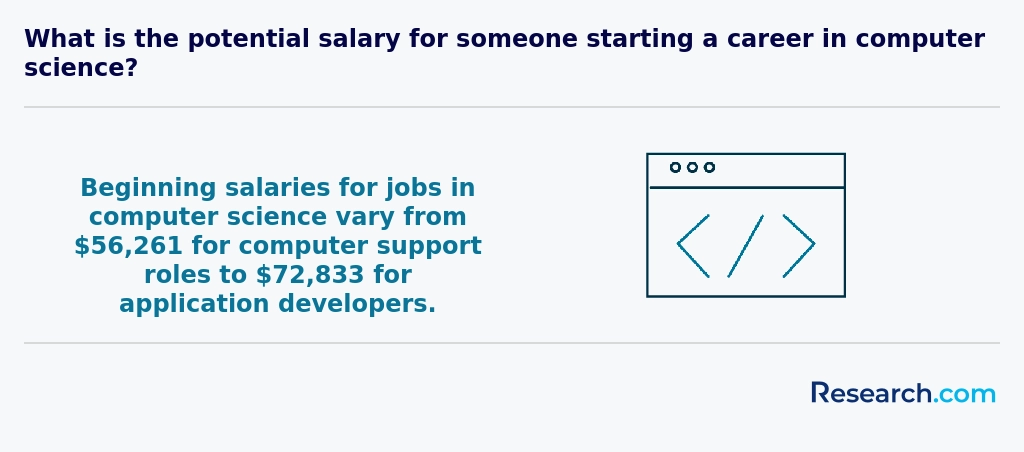
When evaluating the true value of a Computer Science degree in Berkeley, CA, assessing return on investment (ROI) is essential. By comparing total program costs against post-graduation earnings, prospective students can forecast how quickly they’ll recoup tuition and living expenses. Average Costs vs. Starting Salaries
- In-State Bachelor’s Program: Total cost (tuition + fees + living) ≈ $160,000; median starting salary $132,930; estimated payback period ~1.2 years
- Out-of-State Bachelor’s Program: Total cost ≈ $220,000; median starting salary $132,930; estimated payback period ~1.7 years
- Online Master’s Program: Total cost ≈ $60,000; median post-degree salary bump of 20% (approx. $160,000/year); payback period ~1.9 years Key Factors Influencing ROI • Financial Aid and Scholarships: With 85% of students receiving aid, grants and scholarships can reduce payback by up to six months. • Internship Outcomes: Internships that convert to full-time offers can offset tuition quickly, shaving an average of four to six months off the payback timeline. • Specialization Premiums: Fields like artificial intelligence and cybersecurity command salary premiums of 10–15%. Students seeking cost-effective alternatives can explore online cybersecurity degrees to maximize ROI without sacrificing quality. By quantifying costs and earnings, this ROI framework empowers applicants to choose a program that aligns with both academic goals and financial objectives.
At Berkeley, computer science students immerse themselves in dynamic courses that build both their confidence and expertise. Graduates often recall the excitement of mastering Introduction to Computer Science and Programming, where they first bring algorithms to life using Python or C++. This foundational step feels like unlocking a powerful new language, opening countless doors.
Students thrive as they dive into Data Structures and Algorithms, learning to efficiently solve problems just as top tech professionals do. In classes like Computer Architecture, they visualize the inner workings of computers, making abstract concepts tangible-imagine understanding not just how your laptop works, but why it works that way.
Popular courses such as Artificial Intelligence and Machine Learning energize students by connecting classroom lessons to real-world breakthroughs, sparking creativity and innovation. Hands-on projects in Operating Systems and Software Engineering courses encourage collaboration and sharpen practical skills, preparing students to confidently tackle challenges in any tech environment.

Berkeley's computer science degree specializations open doors to exciting fields that inspire students to innovate and lead. Graduates often share how diving into Artificial Intelligence and Machine Learning empowered them to create intelligent systems that transform healthcare or automotive technology. In one of Berkeley's top programs, students master cutting-edge algorithms with real-world impact. Another thrilling path is Data Science and Big Data Analytics, where students decode massive datasets to reveal insights that fuel Silicon Valley's tech giants.
Cybersecurity specialization nurtures a vital sense of responsibility, training students to defend networks against ever-evolving threats-a skill graduates feel proud to bring to industries safeguarding personal data. The Computer Systems and Networking track develops talents in designing reliable infrastructure, exciting those passionate about cloud computing and futuristic hardware.
Human-Computer Interaction blends creativity and technology, encouraging students to craft intuitive interfaces that improve user experiences, widely appreciated across academia and industry alike. Those exploring Berkeley computer science programs and specializations find themselves immersed in inspiring projects supported by pioneering faculty.
Many students are also drawn to related fields, discovering unexpected synergy with other disciplines just as those seeking the best graphic design degrees online do, enriching their professional horizons.
Choosing the best computer science degree in Berkeley means focusing on programs that truly align with your passions and career goals. Graduates from UC Berkeley's EECS department often share how small class sizes and access to cutting-edge research made their learning experience rewarding and deeply engaging. When exploring the best computer science degree programs Berkeley has to offer, make sure to consider the blend of theory and practical application that fuels exciting innovation.
Financial considerations matter too. Many students find that affordable computer science colleges in Berkeley provide both strong academics and manageable tuition costs, making it easier to focus on what matters most-your growth and future. Imagine yourself thriving in vibrant classes, gaining internships through Silicon Valley connections, and crafting a career path in areas like machine learning or cybersecurity.
Be inspired by graduates who tapped into the local tech ecosystem, leveraged faculty expertise, and discovered specialization tracks suited to their ambitions. For those aiming at long-term success, exploring high-earning potential bachelor degrees can guide your choice toward rewarding opportunities.
Graduates with a computer science degree in Berkeley discover a wealth of exciting career paths that tap into the city's vibrant tech scene. Many find themselves at the forefront of software engineering, crafting innovative applications and systems that impact millions. A striking example comes from students at universities like UC Berkeley, where hands-on projects and local internships immerse them in real-world challenges, fueling both skill and passion. Exploring computer science job opportunities in Berkeley means stepping into roles in data science, where analyzing complex information shapes smarter, faster decisions in companies ranging from startups to global giants.
Berkeley computer science career options also embrace cybersecurity, with graduates playing crucial roles in defending digital landscapes against increasing cyber threats. Robotics, cloud computing, and research & development offer further thrilling avenues, reinforced by strong connections between Berkeley's academic programs and Silicon Valley industries. For anyone eager to grow within a supportive and dynamic environment, the computer science degree benefits in Berkeley extend far beyond the classroom, making these career journeys not just possible but truly inspiring.

Graduates holding computer science degrees in Berkeley experience a vibrant and expanding job market, with opportunities enriched by the region's thriving tech ecosystem. Many recent alumni from top institutions in Berkeley find themselves drawn into roles at leading companies such as Google, Apple, and Facebook, benefiting from competitive salaries that often surpass $100,000 annually. This strong demand creates an energizing environment where earning a degree from Berkeley's programs translates into tangible career success.
The Berkeley computer science career opportunities are bolstered by a network of internships and alumni connections that open doors early on. Students often share stories of landing coveted positions through university partnerships that connect classroom learning with real-world tech challenges, igniting their passion and confidence as they step into the workforce.
With in-state tuition costs around $14,000, the value proposition at Berkeley remains compelling. For those exploring what makes this education truly worthwhile, it's worth considering the valuable computer science schools in california that contribute to a robust career outlook in the Bay Area.
2027 Most Valuable Computer Science Degree Programs Ranking in Berkeley
Investing in your education is a significant decision that can shape your future, and the Research.com team recognizes the importance of making well-informed choices. To support prospective students in Berkeley, we have carefully developed the "2027 Most Valuable Computer Science Degree Programs Ranking in Berkeley." Our dedication to quality, credibility, and accuracy is evident in the rigorous research and analysis behind this ranking.
We utilized the following reputable data sources to ensure a comprehensive evaluation of computer science programs:
By consulting this ranking, readers will obtain valuable insights into the most valuable computer science degree programs in Berkeley, enabling them to make confident educational and career decisions. For further information on our ranking methodology, please visit our Research.com methodology page.

Frequently Asked Questions About computer science
Computer science students in Berkeley can maximize their learning experience by actively engaging with both academic and practical opportunities available at local institutions. The University of California, Berkeley, offers one of the top-ranked computer science programs in the country, integrating theory with hands-on projects (U.S. News & World Report, 2024). Students should take advantage of research labs and internship programs with Silicon Valley companies, closely located for convenient access.
Joining student organizations like the Berkeley Computer Science Undergraduate Association can enhance networking and collaborative skills. Additionally, attending tech seminars and hackathons hosted on campus fosters real-world problem solving.
Enrolling in interdisciplinary courses that complement core computer science topics, such as data science or electrical engineering, further broadens expertise. These strategies collectively prepare students for competitive careers in technology.
Emerging niches within the computer science field reflect the rapid growth of technology sectors around Berkeley and the broader U.S. In Berkeley, areas like artificial intelligence (AI) and machine learning remain dominant, with the city positioned as a hub for AI startups and research institutions. According to the U.S. Bureau of Labor Statistics, AI-related jobs are expected to grow by 36% through 2030.
Another growing niche is quantum computing, supported by UC Berkeley's research initiatives and partnerships with tech companies. Cybersecurity continues to expand due to increasing digital threats, while data science and big data analysis are crucial for businesses across industries. These niches offer promising career paths for students pursuing computer science degrees in Berkeley.
Preparing for the job market after earning a computer science degree in Berkeley requires strategic planning and practical experience. Students should capitalize on internships and cooperative education programs available locally, as the San Francisco Bay Area hosts over 12,000 tech companies, fostering numerous opportunities. According to the National Association of Colleges and Employers, candidates with internships have a 20% higher chance of receiving job offers before graduation.
Building a strong portfolio with coding projects, contributions to open-source, or research can significantly boost employability. Networking through university events and industry meetups in Berkeley also plays a crucial role in securing interviews and job placements.
Employers seeking computer science graduates in Berkeley prioritize a blend of technical expertise and problem-solving skills. Proficiency in programming languages such as Python, Java, and C++ remains essential, reflecting the demands of Silicon Valley industries. According to a 2023 report by the Computing Research Association, 78% of local tech firms emphasize software development skills alongside data structures and algorithms.
Additionally, knowledge of machine learning and cloud computing is rapidly growing in importance, with 65% of Berkeley employers citing these as key competencies. Strong communication and teamwork abilities are also crucial, as many projects require collaboration across multidisciplinary teams.
Understanding cybersecurity principles and being adaptable to evolving technologies further enhances graduate employability in the competitive Berkeley job market.
Finding internships in Berkeley for computer science students involves leveraging university resources and local industry connections. The University of California, Berkeley, is renowned for its robust career services, including the Engineering Career Center, which hosts job fairs and connects students to tech companies. Many internships are sourced through platforms like Handshake, specifically targeting UC Berkeley students.
Networking is vital; students are encouraged to attend local meetups, tech talks, and events organized by organizations like TechLab or Berkeley SkyDeck. Additionally, Berkeley's proximity to Silicon Valley provides access to internships at leading firms such as Google, Apple, and Facebook.
Data from the National Association of Colleges and Employers (NACE) indicates that about 65% of Berkeley's computer science students secure internships before graduation, reflecting the region's strong internship market.
A computer science degree in Berkeley significantly enhances career mobility and advancement opportunities. The region boasts a robust technology sector driven by Silicon Valley and numerous startups, which highly value graduates with strong technical backgrounds. According to the Bureau of Labor Statistics, employment in computer and information technology occupations in the San Francisco Bay Area is projected to grow faster than average through 2030.
Graduates often experience accelerated career progression due to Berkeley's connections with leading tech firms and research institutions. Many alumni report increased access to internships, mentorships, and networking events, which are crucial for job placement and promotions. Additionally, the dynamic local industry encourages continuous skills development, making degree holders more competitive in various specialized roles.
Studying for a computer science degree in Berkeley equips students with skills that extend beyond traditional programming and algorithms. Berkeley's curriculum emphasizes interdisciplinary collaboration, integrating computer science with fields like biology, engineering, and social sciences. This approach is supported by initiatives such as the Berkeley Institute for Data Science, which fosters cross-disciplinary research.
Students benefit from access to diverse projects that combine technology with other areas, enhancing problem-solving skills. According to the university's 2023 academic reports, over 40% of computer science undergraduates participate in interdisciplinary projects or minors, preparing them for varied roles in industries that require hybrid expertise.
Choosing between a thesis and a non-thesis computer science degree in Berkeley depends largely on your career goals. A thesis program emphasizes original research, suited for those interested in pursuing a PhD or research roles in tech companies. The University of California, Berkeley, offers robust thesis projects often guided by leading faculty.
Non-thesis tracks typically focus on coursework and practical skills, ideal for students aiming to enter industry roles quickly. These programs may include capstone projects or internships, providing hands-on experience. According to Berkeley's Graduate Division data, approximately 40% of CS graduate students opt for the thesis option.
Consider your long-term plans and whether you prefer research depth or applied skills when making a decision.
Students in Berkeley who wish to study computer science abroad have several pathways through local universities. The University of California, Berkeley, renowned for its strong computer science program, offers exchange agreements with international institutions in Europe and Asia. These programs typically last one semester and allow students to earn credits toward their degree.
Additionally, some Berkeley students participate in global study programs like the Berkeley Global Internship Program, which can place them in technology hubs worldwide while gaining practical experience.
According to UC Berkeley's Study Abroad Office, about 5% of computer science undergraduates take part in overseas study, reflecting interest in global exposure within the field. Students should consult academic advisors to ensure abroad coursework aligns with degree requirements.
Berkeley offers numerous part-time job opportunities that complement a computer science degree education. Many students find internships or part-time roles at local tech companies in the San Francisco Bay Area, gaining hands-on experience in software development, data analysis, and cybersecurity.
On-campus positions such as research assistant roles in computer science labs help students engage directly with cutting-edge projects while earning income. According to the National Association of Colleges and Employers, computer science students with practical experience have a 20% higher chance of securing full-time employment after graduation.
Additionally, tutoring fellow students in programming or math is a common flexible job, strengthening both communication and technical skills. With Berkeley's proximity to startups and established firms alike, these jobs provide valuable industry exposure that aligns closely with academic learning.
Berkeley offers computer science students numerous networking opportunities essential for career growth. The University of California, Berkeley, hosts several student organizations like the Association for Computing Machinery (ACM) and Women in Computer Science (WiCS), which organize events connecting students with industry professionals. According to the university's career center, over 80% of computer science graduates find jobs through networking and internships.
Local tech meetups and hackathons, often sponsored by Bay Area companies, provide real-world experience and connections. Additionally, Berkeley's proximity to Silicon Valley allows students to attend conferences and workshops featuring leading tech innovators.
Alumni networks play a crucial role for computer science students in Berkeley by providing valuable professional connections and mentorship opportunities. According to the University of California, Berkeley, the campus boasts one of the largest and most active alumni communities in technology, with many graduates working at leading companies like Google, Apple, and Facebook.
These networks offer students access to internships, job referrals, and guidance on navigating the tech industry. For instance, in 2023, Berkeley's EECS department reported that over 60% of its graduates received their first job through alumni referrals or networking events.
Participation in alumni-organized workshops and panels also helps students stay informed about emerging technologies and industry trends. This ongoing support enhances career prospects and professional development during and after the computer science degree program.
In Berkeley, students pursuing a computer science degree can tailor their education to meet specific career goals through elective courses and specializations. The University of California, Berkeley, offers various tracks such as artificial intelligence, systems, and theory, allowing students to focus on areas aligned with industry demands. According to Berkeley's official data, students typically choose 3 to 4 advanced courses to deepen knowledge in their chosen subfield.
Internships and research opportunities are also critical customization tools. Berkeley's proximity to Silicon Valley provides access to over 300 tech companies, where students can gain practical experience. Many students leverage undergraduate research to develop skills relevant to careers in software development, data science, or cybersecurity.
Additionally, Berkeley encourages interdisciplinary study, enabling students to combine computer science with fields like business or biology. This approach prepares graduates for diverse roles in tech-driven industries and broadens career prospects.
Computer science students in Berkeley often face a demanding curriculum, with rigorous courses in algorithms, data structures, and systems programming. The competitive environment can heighten stress, as Berkeley's program is ranked among the top in the nation, attracting high-achieving students. According to the UC Berkeley Academic Senate, nearly 40% of STEM students report high stress levels related to coursework.
Another challenge is the fast-paced nature of technological advancements, requiring students to continuously update their skills. Time management is crucial, especially for those balancing internships or research roles. Additionally, the cost of living in Berkeley presents a financial hurdle for many, as housing and materials expenses are notably high compared to other US college towns. These factors together shape the typical student experience in Berkeley's computer science program.
With a computer science degree from Berkeley, graduates can pursue various professional certifications to enhance their careers. Popular certifications include the Certified Information Systems Security Professional (CISSP), which focuses on cybersecurity and is highly valued across the U.S. tech industry.
Many also aim for the Cisco Certified Network Associate (CCNA), which validates skills in networking, an area often emphasized in Berkeley's computer science curriculum. Additionally, certifications like the Project Management Professional (PMP) are beneficial for those interested in leading tech projects.
The Bureau of Labor Statistics highlights that certification holders can earn up to 20% more than non-certified peers in technology roles nationwide, including in California's Bay Area.
Applying to a computer science program in Berkeley requires a clear demonstration of both academic excellence and passion for the field. The University of California, Berkeley, is highly competitive, with an acceptance rate around 15% for its computer science majors, as per recent data from UC Berkeley's admissions office.
Applicants should highlight strong performance in mathematics and programming courses, with an emphasis on advanced classes such as AP Calculus or Computer Science Principles. Berkeley values applicants who showcase practical experience-coding projects, internships, or research-alongside solid test scores like the SAT or ACT if submitted.
Personal statements must clearly express your motivation for studying computer science and how Berkeley's program aligns with your goals. Strong letters of recommendation from educators familiar with your technical skills can reinforce your application.
Computer science careers in Berkeley offer a unique global perspective due to the city's proximity to Silicon Valley, one of the world's leading tech hubs. Graduates from Berkeley's computer science programs often find opportunities in multinational companies, reflecting the global demand for tech talent. According to the National Center for Education Statistics (NCES), California produces more computer science graduates than any other state, many of whom pursue careers with international reach.
Globally, computer science skills are highly transferable, making careers flexible and often remote. Berkeley's academic reputation helps graduates compete in diverse markets, from Asia to Europe. The city's industry collaborations also expose students to global challenges such as cybersecurity and artificial intelligence ethics.
Furthermore, data from the U.S. Bureau of Labor Statistics projects a 15% growth in computer and information technology jobs by 2031, indicating robust global demand. This growth is fueled by advancements in machine learning, cloud computing, and software development.
Berkeley's emphasis on innovation and entrepreneurship prepares students to contribute to global technology trends. The university's partnerships enhance students' understanding of how computer science impacts economies worldwide, making a degree here valuable well beyond local boundaries.
Gaining practical experience while studying computer science in Berkeley is essential for career readiness. Many students participate in internships offered by local tech companies in Silicon Valley, providing real-world exposure. According to UC Berkeley Career Center data, around 60% of computer science undergraduates secure internships before graduation.
Additionally, students can join research projects under faculty guidance, often gaining access to cutting-edge technology. The Berkeley Engineering program promotes collaborative projects and hackathons, encouraging hands-on learning.
Student organizations like the Berkeley CS Student Association also facilitate industry networking and project-based learning opportunities.
Choosing the right concentration within a computer science degree program in Berkeley involves understanding your career goals and interests. Berkeley offers diverse tracks such as artificial intelligence, systems, theory, and data science. According to UC Berkeley's College of Engineering, data science is among the fastest-growing areas, reflecting demand in local tech hubs.
Students should consider which skills align with industries like software development, cybersecurity, or research. Reviewing course offerings and faculty expertise at Berkeley can help identify strengths in each concentration. Additionally, internships and networking opportunities in Silicon Valley play a crucial role in shaping practical experience, influencing your choice.
Advisors emphasize balancing passion with market trends; Berkeley's official resources recommend evaluating long-term job prospects and average salaries for roles in different concentrations as part of the decision process.
- 2027 Most Valuable Computer Science Degree Programs Ranking in San Francisco
- 2027 Most Valuable Computer Science Degree Programs Ranking in Davis
- 2027 Most Valuable Computer Science Degree Programs Ranking in Santa Cruz
- 2027 Most Valuable Computer Science Degree Programs Ranking in Santa Barbara
- 2027 Most Valuable Computer Science Degree Programs Ranking in Los Angeles
- 2027 Most Valuable Computer Science Degree Programs Ranking in Claremont
- 2027 Most Valuable Computer Science Degree Programs Ranking in Irvine
- 2027 Most Valuable Computer Science Degree Programs Ranking in La Jolla
- 2027 Most Valuable Computer Science Degree Programs Ranking in Riverside
- 2027 Most Valuable Computer Science Degree Programs Ranking in San Diego
See What Experts Have To Say About Studying Computer Science
Read our interview with Computer Science experts

Derek Riley
Computer Science Expert
Professor, Program Director
Milwaukee School of Engineering

Martin Kang
Computer Science Expert
Assistant Professor
Loyola Marymount University

Imed Bouchrika, Phd
Computer Science Expert
Professor of Computer Science
National Higher School of Artificial Intelligence

Kathleen M. Carley
Computer Science Expert
Professor of Computer Science
Carnegie Mellon University

- 555 Computer Science Internships https://internshala.com/internships/computer-science-internship/
- 5 Challenges in Teaching Computer Science & Solutions https://www.computingolympiad.org/post/top-5-challenges-in-teaching-computer-science-in-schools-and-how-to-overcome-them
- Why your computer science degree won't get you an IT job https://targetjobs.co.uk/careers-advice/information-technology/why-your-computer-science-degree-wont-get-you-it-job
- Master of Science (M.S.) Major in Computer Science (Thesis Option) https://mycatalog.txstate.edu/graduate/science-engineering/computer/computerscience-thesis-nominor-ms/
- Computer Science Programs: Cost, Types, What to Expect https://www.computerscience.org/degrees/
- UC Berkeley Introduces a New College for Computer Science https://www.ivyscholars.com/uc-berkeley-college-for-computer-science/
- Top 12 Global Careers For Computer Science Degree Graduates https://womeninstemnetwork.com/careers-for-computer-science-degree/
- Challenges That Frustrate Computer Science Teachers https://codeeasy.io/blog/challenges-that-frustrate-computer-science-teachers
- Computer Science Alumni Council https://www.myniu.com/article.html
- Computer Science - SWPS University https://english.swps.pl/academics/warsaw/ba-programs/computer-science