2027 Most Affordable Computer Science Degree Programs Ranking in Wisconsin

Co-Founder and Chief Data Scientist
Choosing the right computer science degree can feel overwhelming, especially when budget matters. Our article presents the 2027 Most Affordable Computer Science Degree Programs Ranking in Wisconsin, crafted by the Research.com team of data scientists. This ranking helps students like you navigate options with clear, data-driven insights.
By exploring this guide, you'll discover programs that balance quality and affordability, making your educational journey more accessible.
Getting a computer science degree opens doors to promising careers, and finding the right program is a great first step toward your future success.
Key benefits of getting computer science degree in Wisconsin
- Computer science degree graduates in Wisconsin can enjoy competitive salaries, with roles like Software Engineer and Software Developer earning around $138,110 annually, and Data Analysts making about $119,040 per year.
- A degree opens doors to diverse career paths such as software development, web development, and IT support, enabling graduates to find exciting opportunities tailored to their interests and skills.
- Completing a computer science degree online offers flexibility and convenience, allowing students from Wisconsin to balance studies with work or personal life while gaining trusted credentials from respected institutions.
- 2027 Most Affordable Computer Science Degree Programs Ranking in Wisconsin
- What can I expect from computer science degree in Wisconsin?
- Where can I work with computer science degree in Wisconsin?
What can I expect from computer science degree in Wisconsin?
Studying computer science in Wisconsin is not only inspiring but also financially accessible. Graduates from universities like the University of Wisconsin-Madison and Marquette University often share how the manageable tuition costs allowed them to focus more on learning and gaining hands-on experience without overwhelming debt. For Wisconsin residents, the average undergraduate tuition and fees at public universities typically range from about $9,000 to $11,000 per academic year, making it one of the most affordable paths to a quality education in tech fields.
Many students describe the balance of theory and practical projects as empowering - completing labs, collaborating on team assignments, and securing internships in vibrant local tech hubs like Madison and Milwaukee. This affordability paired with strong industry connections creates an encouraging environment for students to thrive, innovate, and launch successful careers in software development, data analytics, and emerging technologies.
Where can I work with computer science degree in Wisconsin?
Graduates with a computer science degree from universities like the University of Wisconsin-Madison or Milwaukee School of Engineering find themselves welcomed by a vibrant and expanding job market. Many start their careers in Milwaukee, where companies in software development and cybersecurity, such as Johnson Controls, offer dynamic onsite and remote work options. These roles empower graduates to dive into real-world projects while growing their skills rapidly.
Others venture to Madison, drawn by its thriving tech startup culture and booming biotechnology sector. Here, newly minted professionals apply their programming and data management expertise in exciting fields like health informatics and software engineering, often collaborating with innovative teams connected to their alma mater.
Even in smaller cities like Green Bay or Eau Claire, graduates contribute to local manufacturers upgrading their digital systems, gaining hands-on experience in automation and IT support. Such diverse opportunities across Wisconsin inspire confidence, making computer science degrees a gateway to fulfilling, well-paid careers with upward mobility and lasting impact.
Graduates from computer science programs in Wisconsin often find rewarding salary opportunities just starting out, with IT Support Specialists earning around $63,640 annually. Those fresh from top schools like the University of Wisconsin-Madison frequently step into roles such as junior software developers, eager to grow their careers and incomes.
As experience builds, many alumni move into developer roles where the average salary climbs significantly. Software Developers report mean annual wages near $138,110, reflecting both the skill demand and vibrant tech scene in cities like Madison and Milwaukee. This salary level opens exciting doors, allowing new professionals to thrive and reinvest in their ongoing education and certifications.
Web Developers in Wisconsin typically earn about $95,570 yearly, providing solid pay that pairs well with the state's appealing cost of living. Data Analysts from local programs can expect mean wages near $119,040, showcasing how specialization can boost earning power.
For graduates pursuing computer science in Wisconsin, these figures are proof that a dedicated career path leads to financial stability and personal satisfaction in a supportive, growing tech community.
- Annual tuition for in-state students at Wisconsin public universities ranges from $10,000 to $15,000, while private institutions may charge over $30,000.
- Students can reduce costs through state grants, scholarships, and paid cooperative education programs or internships.
- Wisconsin's tech sector is growing in cities like Madison, Milwaukee, and Green Bay, increasing demand for computer science professionals.
- The average starting salary for graduates is about $65,000 per year, with mid-career salaries reaching around $95,000.
- Specialized skills in artificial intelligence, cloud computing, and cybersecurity often lead to higher-paying jobs.
Completing a computer science degree in Wisconsin typically takes about four years for full-time students, reflecting a standard yet achievable goal for many. Graduates from the University of Wisconsin-Madison or University of Wisconsin-Milwaukee often share how their well-structured programs helped them stay on track, balancing core courses with exciting technical electives. This clear roadmap allows students to build confidence year after year, steadily advancing toward their degree.
Of course, life happens-part-time students or those juggling work may take a bit longer, sometimes up to six years or more. Yet, many find that Wisconsin's institutions offer flexible options such as accelerated pathways and credit for prior learning, making it possible to tailor the timeline to fit individual circumstances.
For those eager to dive deeper with graduate studies, a master's degree can often be completed in just one to two years, opening doors to advanced careers quickly. Meanwhile, co-ops and internships provide enriching experiences, sometimes extending completion time but offering invaluable skills and connections.
Ultimately, Wisconsin's vibrant academic community inspires students to envision success with personalized pacing, turning their goals into reality with practical support and encouragement.
Understanding ROI helps you weigh program cost against career outcomes.
- Median debt at graduation: ~$37,000 (in-state); ~$47,000 (out-of-state)
- Average entry-level salary: $65,000–$70,000
- Typical payback period: 5–7 years based on salary surplus
- Mid-career earnings potential: ~$110,000
- ROI tips: secure paid internships, apply for STEM scholarships, consider stackable credentials like online data science masters to accelerate growth.
Choosing between online and on-campus computer science degrees in Wisconsin opens doors to unique and rewarding experiences tailored to your lifestyle and goals. On-campus programs, like those at the University of Wisconsin-Madison, immerse you in dynamic labs and collaborative projects where you build hands-on skills alongside passionate peers and mentors. Graduates often recall the excitement of solving complex coding challenges together in vibrant study groups and the invaluable support from faculty during office hours.
Meanwhile, online degrees offer incredible flexibility, perfect for balancing work or family commitments without sacrificing quality. Many Wisconsin students appreciate being able to learn at their own pace while staying connected through interactive virtual platforms. This mode empowers self-driven learners to thrive and easily apply new skills in real-time professional settings.
Both routes in Wisconsin provide strong career prospects, with similar tuition costs but different lifestyle benefits. Whether you value direct campus interaction or adaptable schedules, your computer science journey here can lead to success and personal growth.
Reducing the overall cost of your computer science degree requires proactive planning and use of available resources.
- Leverage AP, IB or dual-enrollment credits to bypass introductory courses and shorten your time to degree.
- Begin at a Wisconsin Technical College, then transfer credits to a four-year public university to benefit from lower per-credit rates.
- Apply early for Pell Grants, the Wisconsin Higher Education Grant and STEM-specific scholarships to secure funding before deadlines.
- Enroll full-time, take summer sessions or overload when possible to graduate in under four years and minimize living expenses.
- Consider specialized online programs such as a game design bachelor degree online that often offer lower tuition and flexible scheduling.
The average cost of a computer science degree in Wisconsin reflects a realistic and accessible pathway to a rewarding career. With a median total cost of around $36,110 for in-state students at public universities, many graduates find this investment manageable, especially when they consider financial aid, scholarships, and part-time work options. For instance, students at the University of Wisconsin-Madison often share stories of balancing their studies with internships that not only help them gain valuable experience but also support their educational expenses.
Community colleges and technical colleges also offer affordable and practical routes, with annual tuition around $4,500 to $5,000 for in-state students, making it a smart first step in saving on the overall expenses for Wisconsin computer science programs. These options inspire many to start their education on a budget, then smoothly transfer to four-year universities, reflecting a flexible and student-friendly system.
Besides tuition, graduates emphasize planning for room and board, books, and technology fees, which are essential parts of the entire journey. This well-rounded approach ensures incoming students feel prepared and motivated. Those looking for a comprehensive guide to choosing the right path can explore the top computer science programs in Wisconsin to find a match that suits their goals and budget perfectly.

Graduates with a Computer Science degree in Wisconsin can pursue a wide array of career paths that leverage their coding, problem-solving, and analytical skills. Entry-level roles often include Software Developer, Web Developer, and Quality Assurance Engineer, where professionals design, build, and test applications. Many alumni quickly advance into positions such as Systems Analyst or DevOps Engineer by mastering cloud platforms and automation tools. Others specialize further, moving into Data Scientist or Machine Learning Engineer roles, which require expertise in statistical modeling and large-scale data processing. For those curious about additional opportunities and what careers use coding, exploring specialized career guides can uncover niche fields like game development, embedded systems, and mobile app engineering. Mid-career professionals may transition into leadership positions such as Technical Project Manager, Solutions Architect, or Security Consultant, overseeing teams and strategic initiatives. With experience, some pursue roles in Research and Development, contributing to innovation in areas like artificial intelligence and cybersecurity. Others leverage their technical background to move into product management, CTO track, or entrepreneurship-launching startups that address local market needs. Continuous learning, professional certifications, and networking through Wisconsin tech meetups further bolster long-term career growth. By aligning personal interests with industry trends, graduates can craft a roadmap that spans from hands-on coding roles to executive leadership in the ever-evolving tech landscape.
Pursuing a computer science degree in Wisconsin opens doors to many financial aid opportunities that make education more attainable. Graduates from the University of Wisconsin-Madison often share how federal Pell Grants and Federal Supplemental Educational Opportunity Grants helped them cover tuition, allowing them to focus fully on their studies without the stress of overwhelming debt.
The Wisconsin Grant is a game-changer for many in-state students attending colleges like Marquette University or UW-Milwaukee. It reduces tuition costs directly, empowering students who demonstrate financial need to keep progressing toward their dreams. Merit-based scholarships, especially for STEM students, are widely available and celebrated on campuses, rewarding dedication and leadership with meaningful financial support.
Work-study programs provide hands-on experience and income simultaneously, helping students gain valuable tech skills while offsetting expenses. Many also tap into private scholarships offered by local tech companies eager to invest in Wisconsin's future innovators. This combination of grants, scholarships, and work opportunities creates a supportive pathway for anyone passionate about computer science here.
A Computer Science degree opens doors to a multitude of career paths that cater to various interests and skill sets. Graduates may choose to specialize as software engineers, data analysts, cybersecurity experts, or web developers, each offering unique challenges and rewards. For example, many find that roles in start-ups and tech industries provide environments that foster creativity and rapid growth, while positions in large corporations offer structured career progression and robust benefits. Moreover, emerging fields such as artificial intelligence, cloud computing, and robotics are creating new opportunities that blend traditional technology roles with innovative applications. Students can also explore opportunities in academia, research, or even entrepreneurial ventures where technical expertise meets business acumen. Engaging in internships, mentorship programs, and networking events is essential to discover the path that aligns best with individual aspirations. For a comprehensive overview of the best academic institutions that facilitate these career journeys, visit top computer science programs in wisconsin. By understanding the diverse career trajectories available after graduation, students can better align their academic endeavors with long-term career goals, ensuring a fulfilling professional journey in the dynamic field of computer science.
To enroll in a computer science degree program in Wisconsin, you'll need a high school diploma or equivalent-a solid foundation that graduates from universities like UW-Madison and Marquette often reflect on fondly as the start of their transformative journey. Many programs expect strong backgrounds in mathematics, including algebra and geometry, with some even encouraging calculus to build confidence in tackling complex problems.
Standardized test scores like the SAT or ACT may be part of your application, especially at public institutions in the UW system, but many schools emphasize your whole academic story-GPA, extracurricular activities, and recommendations. This holistic approach celebrates your unique strengths beyond just numbers.
Transfer students find that having prior coursework in programming or discrete math opens doors to advanced classes, helping them hit the ground running. Some programs also ask for personal statements or portfolios-chances to showcase your passion and creativity in coding, just as many successful Wisconsin grads have done.
Embrace these steps as exciting opportunities to demonstrate your readiness and enthusiasm for a rewarding future in computer science right here in Wisconsin.

A successful application to a Wisconsin Computer Science program hinges on advance planning and meeting key deadlines. Most four-year institutions operate on a fall entry cycle, with priority deadlines in mid-October and regular deadlines extending into January. To maximize your chances of admission and financial aid, follow these steps: 1. Research Programs Early • Identify schools offering concentrations that match your interests (e.g., cybersecurity, data science). • Review departmental requirements and campus visit schedules by July–August. 2. Prepare Application Materials • Gather official transcripts, standardized test scores (if required), and letters of recommendation by September. • Craft a concise personal statement highlighting your technical experience and career goals. 3. Submit FAFSA and Scholarship Applications • Complete the FAFSA no later than February 1 to qualify for state grants and institutional aid. • Apply for competitive scholarships (e.g., IEEE, Google) by their respective fall deadlines. 4. Monitor Deadlines and Decisions • Priority Admission: October 15 • Regular Admission: January 15 • Financial Aid Notifications: March–April • Final Enrollment Confirmation: May 1 For a broader perspective on affordability and timelines in other regions, compare the application windows in the Inexpensive Computer Science Degree Programs Ranking in Washington, DC. Adhering to these milestones ensures you’ll secure the best possible financial aid package and a spot in your desired program.
Students pursuing computer science degrees in Wisconsin dive into a dynamic mix of foundational and advanced courses that build confidence and real-world skills. At popular universities like UW-Madison and Marquette University, graduates share how early classes in programming with Python, Java, and C++ sparked their passion by enabling them to create practical apps and solve intriguing problems. Core courses such as Data Structures and Algorithms sharpen logical thinking, helping students design efficient programs that can power everything from games to business software.
Classes in Computer Architecture and Operating Systems reveal how computers work at the hardware level, making students feel like true tech architects. Many recall how hands-on labs boosted their excitement, as they configured networks or developed secure systems in cybersecurity courses. Electives in artificial intelligence and machine learning at institutions like UW-Milwaukee expose students to cutting-edge tech, fueling dreams of innovation. This thoughtfully crafted curriculum in Wisconsin empowers students to confidently step into thriving careers, blending theory with meaningful practice every step of the way.
Students pursuing computer science specializations in Wisconsin discover diverse paths tailored to their passions and the region's tech needs. Graduates from universities across the state embrace specializations like Artificial Intelligence and Machine Learning, which prepare them to design smart systems that innovate industries. Others thrive in Cybersecurity, safeguarding critical data for Wisconsin businesses and government agencies in a rapidly evolving digital world.
Many find joy diving into Data Science and Big Data Analytics, harnessing vast information to transform healthcare, manufacturing, and agriculture sectors. These focus areas equip students with practical skills, often inspiring them as they explore what careers use coding in real-world contexts. Software Engineering remains a popular choice, fueling students' creativity in developing impactful applications, while Computer Networks and Human-Computer Interaction open doors to cutting-edge fields shaping user experiences and cloud technologies.
Wisconsin's vibrant academic community and growing tech ecosystem create an encouraging environment for students to specialize confidently and make their mark.
Choosing the best computer science degree in Wisconsin means focusing on programs that align with your passions and future aspirations. Graduates from the University of Wisconsin-Madison often share how hands-on experiences and specialized curricula in areas like cybersecurity and data science transformed their enthusiasm into rewarding careers. When considering options, look for programs with strong accreditation, ensuring your degree holds value across the country.
Cost is another important factor. Many students feel empowered by investigating affordable computer science degrees in Wisconsin, comparing tuition and living expenses realistically. Private universities offer rich experiences but can be pricier, so exploring financial options or dependable public schools can make a huge difference. For insight into budget-friendly paths, check the Inexpensive Computer Science Degree Programs Ranking in Washington, DC and apply similar principles locally.
Successful graduates highlight the importance of career support services that connect students with Wisconsin's vibrant tech hubs like Milwaukee. Programs offering internships and networking opportunities give you a head start, helping turn your dedication into real-world success. Finding the best computer science programs Wisconsin cost-wise and quality-wise lets you invest smartly in your bright future.
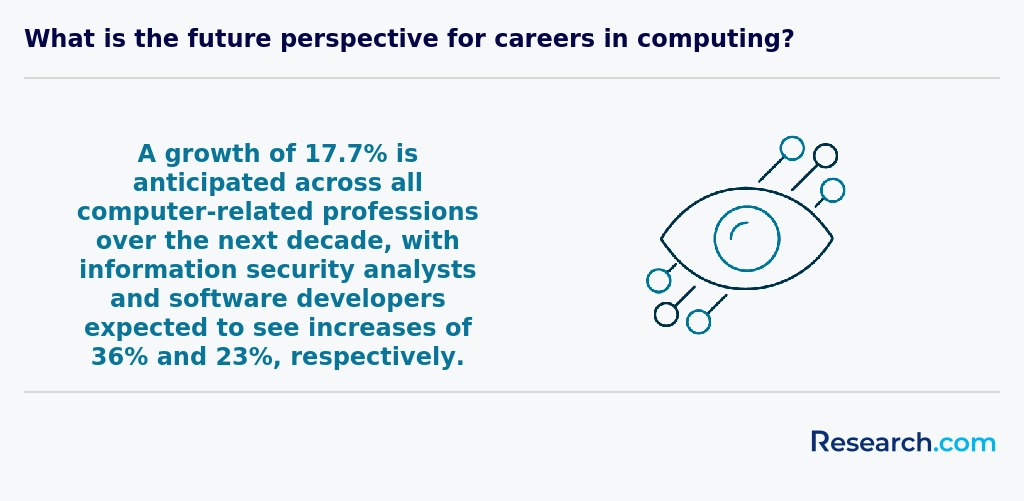
Graduates from top Wisconsin universities discover a wide spectrum of computer science career opportunities in Wisconsin that inspire excitement and ambition. Whether working as innovative software developers building apps for healthcare or manufacturing, or thriving in the bustling tech hubs of Milwaukee and Madison, these professionals embrace dynamic roles that truly make an impact. Many graduates describe the satisfaction of solving real-world problems and contributing to industries like education, finance, and retail through their technical skills.
Technology jobs for Wisconsin computer science graduates also include rewarding paths in cybersecurity and data science, fields growing rapidly and valued for protecting data and unlocking insights. Graduates often share stories of how their education provided them with confidence and practical skills to step into network administration, IT consulting, and project management, combining technical know-how with strong communication.
Studying at Wisconsin's public universities, where tuition is affordable compared to other states, encourages many students to pursue their passions without overwhelming debt. For those exploring the most popular college majors, computer science stands out as a launchpad for fulfilling careers across a vibrant tech landscape.
The computer science job outlook Wisconsin offers is exceptionally promising for graduates ready to step into dynamic roles. Professionals holding computer science degrees from universities in Madison or Milwaukee often find themselves immersed in a thriving tech ecosystem, where healthcare, manufacturing, and finance sectors eagerly seek their innovative skills. Many graduates experience firsthand how partnerships between these universities and local companies open doors through internships and full-time positions, fueling rewarding career paths.
Technology career opportunities in Wisconsin are strengthened by growth in remote work, allowing talent to contribute nationally while based in the state's vibrant cities. Graduates from Wisconsin's top computer science programs typically earn competitive wages, with software developers averaging around $96,000 annually, emphasizing the strong value of local degrees. For those balancing studies with other commitments, exploring best college courses for older adults online can enhance career flexibility and growth options.
2027 Most Affordable Computer Science Degree Programs Ranking in Wisconsin
Investing in your education is a significant decision that can shape your future, and the Research.com team understands the importance of making well-informed choices. To support prospective students in Wisconsin, we have carefully developed the "2027 Most Affordable Computer Science Degree Programs Ranking in Wisconsin." Our dedication to quality, credibility, and accuracy is demonstrated through thorough research and analysis underpinning this ranking.
We utilized the following reputable data sources to ensure a comprehensive evaluation of computer science degree programs:
By consulting this ranking, readers will gain valuable insights into the most affordable computer science degree programs in Wisconsin, enabling them to make informed and confident educational decisions. For further information on how this ranking was created, please visit our Research.com methodology page.


Frequently Asked Questions About computer science
Computer science students in Wisconsin can maximize their learning by engaging with the state's strong network of universities and industry partners. Institutions such as the University of Wisconsin-Madison offer cutting-edge research opportunities in fields like artificial intelligence and cybersecurity. According to UW-Madison's 2023 report, nearly 70% of computer science undergraduates participate in internships or cooperative education programs, which improve job readiness.
Additionally, joining coding clubs and hackathons provides hands-on experience crucial for skill development. Wisconsin's growing tech industry, especially in Milwaukee and Madison, offers ample internships. Leveraging local meetups and workshops can help students build professional networks early. Using resources like the Wisconsin Department of Workforce Development's labor market data enables students to focus on in-demand skills and stay competitive.
The field of computer science is rapidly evolving, and several emerging niches are gaining prominence in Wisconsin's academic and professional landscape. Areas such as artificial intelligence (AI) and machine learning are expanding due to increasing demand for automation and data analysis skills. Cybersecurity is another critical niche, supported by growing concerns over digital threats and the need for secure infrastructure.
Additionally, data science is a key focus in Wisconsin, with many universities tailoring their curricula to meet workforce needs. According to the Wisconsin Department of Workforce Development, jobs in these specialized areas are expected to grow faster than the average for all occupations through 2030.
Furthermore, fields like cloud computing and Internet of Things (IoT) are gaining traction as businesses seek efficient, interconnected systems. Students pursuing computer science degrees in Wisconsin benefit from these trends by accessing programs designed to prepare them for these cutting-edge sectors of the industry.
After completing a computer science degree in Wisconsin, preparing for the job market involves several strategic steps. First, gaining practical experience through internships or cooperative education programs is essential; Wisconsin employers value hands-on skills alongside academic knowledge. According to the Wisconsin Department of Workforce Development, the state expects a 22% growth in computer and information technology jobs from 2020 to 2030, emphasizing demand for well-prepared graduates.
Networking within local tech communities, such as those in Milwaukee and Madison, can open opportunities. Additionally, developing a strong portfolio that showcases coding skills and completed projects is important. Certifications in areas like cloud computing or cybersecurity may improve job prospects. Finally, utilizing university career services and Wisconsin-specific job boards enhances employment chances.
Employers in Wisconsin highly value computer science graduates who demonstrate strong programming skills, particularly in languages like Python, Java, and C++. According to the Wisconsin Department of Workforce Development, proficiency in software development and data structures is fundamental for new hires.
Beyond technical abilities, problem-solving skills and teamwork are crucial. Many Wisconsin tech companies emphasize experience in collaborative projects and the ability to adapt to evolving technologies. Communication skills also play a significant role, as graduates often work within interdisciplinary teams.
Additionally, knowledge of cybersecurity and cloud computing is increasingly important, reflecting national trends reported by the U.S. Bureau of Labor Statistics. Internships and practical experience in Wisconsin's growing tech hubs enhance job readiness for graduates.
Finding internships in Wisconsin relevant to a computer science degree involves utilizing multiple resources. Many universities in Wisconsin, such as the University of Wisconsin-Madison, offer career services that connect students with tech companies through job fairs and internship databases. According to the Wisconsin Department of Workforce Development, the state's tech sector grew by 4.3% in 2023, increasing internship opportunities at companies like Epic Systems and Exact Sciences.
Additionally, online platforms like Handshake and LinkedIn list internships targeted at Wisconsin students. Networking through local tech meetups and organizations like Wisconsin Technology Council can also be helpful. Internships often require proactive outreach and tailored applications highlighting technical skills in programming, data analysis, and software development.
A computer science degree significantly enhances career mobility and advancement opportunities in Wisconsin. The state's growing tech sector, including companies like Epic Systems and Zebra Technologies, actively seeks skilled graduates. According to the Wisconsin Department of Workforce Development, employment in computer and math occupations is projected to grow 15% from 2020 to 2030, faster than the average for all roles.
Graduates with a computer science degree often find opportunities in software development, data analysis, and cybersecurity. Higher education credentials also correlate with increased earning potential and access to leadership roles. For instance, the median annual wage for computer and information technology occupations in Wisconsin was $89,000 in 2022 (BLS data).
Moreover, many Wisconsin universities have strong industry partnerships, offering internships and networking events that support upward mobility. This practical experience combined with a degree can open doors to career advancement within competitive local markets.
Studying for a computer science degree in Wisconsin equips students with skills that extend beyond programming and software development. Many Wisconsin universities emphasize interdisciplinary learning, integrating computer science with fields like healthcare, engineering, and business. For example, the University of Wisconsin-Madison offers collaborative projects that combine computing with data science and biology, preparing students for roles in emerging tech fields.
The state's booming tech industry, including companies focusing on medical devices and manufacturing, encourages practical experience. According to the Wisconsin Department of Workforce Development, demand for interdisciplinary tech professionals has grown 12% over the past five years, highlighting opportunities for graduates with diverse technical and domain knowledge.
When choosing between a thesis and a non-thesis computer science degree program in Wisconsin, consider your career goals and learning style. Thesis programs emphasize research and often appeal to students planning to pursue doctoral studies or research roles. Wisconsin institutions like the University of Wisconsin-Madison offer thesis options with a focus on original research.
Non-thesis programs typically require more coursework and are suited for students aiming for industry jobs or professional advancement. These programs allow for practical application and skill development.
According to the National Center for Education Statistics, Wisconsin awarded 1,200+ computer science master's degrees in 2022, with a growing interest in applied skills.
Choosing depends largely on whether you prefer research or practical experience within Wisconsin's technology sectors.
Students in Wisconsin seeking to study computer science abroad have several pathways through partnerships and exchange programs offered by local universities. For example, the University of Wisconsin System collaborates with institutions in Europe and Asia, allowing students to complete part of their degree overseas while earning credit at home. These programs typically last one semester to one academic year.
Additionally, many Wisconsin students leverage national study abroad organizations that provide options specifically aligned with STEM fields like computer science. According to the Institute of International Education, about 10% of STEM students, including those in computer science from U.S. states such as Wisconsin, take advantage of international study experiences to broaden their technical and cultural skills.
Cost remains a key factor, and students often benefit from applying financial aid toward study abroad expenses, making such opportunities more accessible. Wisconsin institutions also offer advising and support to help navigate visa requirements and course equivalencies, ensuring a smoother academic transition abroad.
Students pursuing computer science degrees in Wisconsin can benefit from various part-time job opportunities that reinforce their academic studies. Many universities are located near tech hubs, including Milwaukee and Madison, where internships and assistant roles are available at software companies and IT firms. Positions such as help desk technician, coding tutor, or web developer offer practical experience in programming languages and systems administration.
According to the Wisconsin Department of Workforce Development, employment in computer and IT occupations is projected to grow by 13% through 2030, creating increased demand for skilled workers. Additionally, on-campus research assistantships allow students to collaborate with faculty on software development projects, blending theory with practice.
Computer science students in Wisconsin benefit from a variety of networking opportunities that connect them with industry professionals, peers, and potential employers. Universities like the University of Wisconsin-Madison and Milwaukee offer active student organizations, such as ACM chapters and hackathon clubs, which help foster community and collaboration.
Additionally, Wisconsin's growing tech industry supports frequent career fairs and networking events, often hosted on campuses or by organizations like the Wisconsin Technology Council. These events provide direct access to companies including global and regional tech firms.
Internship programs and co-op opportunities are strongly promoted by academic institutions, helping students gain real-world experience and build professional contacts early in their careers.
Alumni networks provide significant advantages to computer science degree students in Wisconsin. Graduates often gain access to a broad community of professionals working in technology sectors both within the state and nationwide. This support system can enhance job placement opportunities, as many Wisconsin universities maintain connections with local tech companies in cities like Madison and Milwaukee.
These networks also facilitate mentorship, allowing current students to receive guidance from experienced alumni. According to the University of Wisconsin system, active alumni networks contribute to higher internship and employment rates for computer science students by connecting them with industry contacts and job openings.
Additionally, alumni events and online platforms foster collaboration and knowledge sharing, benefiting those seeking to stay current with technological trends and innovations in computer science.
Customizing a computer science degree program in Wisconsin allows students to tailor their education to specific career goals. Many universities offer elective courses in areas like cybersecurity, data science, and software engineering. For example, the University of Wisconsin system provides specialized tracks and certificates that align with industry demands.
Students can also participate in internships and co-op programs to gain practical experience in Wisconsin's growing tech sector. According to the Wisconsin Department of Workforce Development, computer science roles in the state are projected to grow by over 13% through 2030, emphasizing the need for specialized skills.
Additionally, independent study and research opportunities enable learners to focus on emerging technologies relevant to their interests. Collaborating with faculty members on projects can further refine expertise, enhancing career readiness in a competitive job market.
Computer science students in Wisconsin often face challenges related to keeping up with rapidly changing technology. The state has several well-regarded universities, but access to the latest tools and software can vary, affecting learning outcomes. According to the Wisconsin Department of Workforce Development, the demand for advanced programming and data analysis skills is growing faster than many curriculums can fully adapt.
Another challenge is balancing theoretical knowledge with practical experience. Internships and co-op opportunities exist but are unevenly distributed across the state, which can impact career readiness. Additionally, students report difficulties with competitive program admissions and high course workloads, common in STEM fields nationwide. Support services and mentorship programs are improving, yet remain inconsistent among institutions.
With a computer science degree in Wisconsin, graduates can pursue a variety of professional certifications to enhance their careers. Popular certifications include the Certified Information Systems Security Professional (CISSP) for cybersecurity, and the Cisco Certified Network Associate (CCNA) for networking roles. The Project Management Professional (PMP) credential is also valuable for those seeking leadership positions in tech projects.
According to the Bureau of Labor Statistics, Wisconsin's tech sector is growing steadily, increasing demand for certified professionals. Many local employers prefer candidates with certifications from recognized bodies like CompTIA and Microsoft. These certifications can lead to roles in software development, data analysis, and cyber defense.
Certifications help recent graduates and professionals demonstrate their skills and improve job prospects in Wisconsin's competitive technology industry.
Writing a winning application for a computer science program in Wisconsin begins with showcasing strong academic records, particularly in math and science. Many Wisconsin universities, including the University of Wisconsin-Madison, emphasize a solid GPA and relevant coursework. Applicants should highlight any experience with programming languages like Python or Java, which are common in the curriculum.
Letters of recommendation from teachers familiar with your technical skills can bolster your application. Wisconsin programs also value personal statements that clearly explain your passion for computer science and how you plan to contribute to the field. According to the National Center for Education Statistics, STEM programs in Wisconsin have grown by 12% in recent years, increasing competition for spots.
Including details about any related internships, competitions, or projects is beneficial. Finally, be sure to meet all application deadlines and provide standardized test scores if required, though many schools in Wisconsin have test-optional policies.
Computer science careers are highly valued worldwide due to the growing reliance on technology across sectors. In the United States, including Wisconsin, this field offers strong job prospects and competitive salaries. According to the U.S. Bureau of Labor Statistics, employment for computer and information technology occupations is projected to grow 15% from 2021 to 2031, much faster than the average for all occupations.
Wisconsin's tech industry, centered in Milwaukee and Madison, has expanded its demand for skilled computer science professionals. The state reported over 30,000 computer science-related jobs as of 2023, with many roles in software development, cybersecurity, and data analysis.
Global perspectives emphasize adaptability and ongoing learning as technology evolves. Employers value expertise in emerging areas such as artificial intelligence, cloud computing, and cybersecurity. A computer science degree in Wisconsin provides access to these trends through local university programs aligned with current industry needs.
Gaining practical experience during a computer science degree in Wisconsin is essential for developing job-ready skills. Many universities encourage students to participate in internships, co-op programs, or research projects. For example, the University of Wisconsin system often connects students with local tech companies in Madison and Milwaukee, where the state's growing tech hubs provide ample opportunities.
Students can also join campus coding clubs, hackathons, and collaborative projects to build hands-on expertise. According to the National Association of Colleges and Employers (NACE), internships increase the chance of job offers by 20%, which applies strongly in Wisconsin's competitive tech market.
Engaging with faculty-led research can also deepen practical knowledge, with some programs offering paid research assistant positions.
Choosing the right concentration within a computer science degree program in Wisconsin requires understanding your interests and career goals. Common concentrations include software development, cybersecurity, data science, and artificial intelligence. Each area offers different job opportunities and salaries. For example, Wisconsin's tech sector has a growing demand for data scientists and cybersecurity experts, with median salaries ranging from $80,000 to over $100,000 annually, according to the U.S. Bureau of Labor Statistics.
Review the curriculum of programs offered at Wisconsin schools like the University of Wisconsin-Madison or Milwaukee School of Engineering. Look for concentrations that match your strengths and market trends. Also, consider internship availability and faculty expertise to ensure hands-on experience and quality instruction.
- 2027 Most Affordable Computer Science Degree Programs Ranking in Iowa
- 2027 Most Affordable Computer Science Degree Programs Ranking in Missouri
- 2027 Most Affordable Computer Science Degree Programs Ranking in Ohio
- 2027 Most Affordable Computer Science Degree Programs Ranking in Tennessee
- 2027 Most Affordable Computer Science Degree Programs Ranking in West Virginia
- 2027 Most Affordable Computer Science Degree Programs Ranking in Pennsylvania
- 2027 Most Affordable Computer Science Degree Programs Ranking in Oklahoma
- 2027 Most Affordable Computer Science Degree Programs Ranking in Virginia
- 2027 Most Affordable Computer Science Degree Programs Ranking in Colorado
- 2027 Most Affordable Computer Science Degree Programs Ranking in Alabama
See What Experts Have To Say About Studying Computer Science
Read our interview with Computer Science experts

Imed Bouchrika, Phd
Computer Science Expert
Professor of Computer Science
National Higher School of Artificial Intelligence

Kathleen M. Carley
Computer Science Expert
Professor of Computer Science
Carnegie Mellon University

Derek Riley
Computer Science Expert
Professor, Program Director
Milwaukee School of Engineering

Martin Kang
Computer Science Expert
Assistant Professor
Loyola Marymount University

- The Future of Work: The Importance of Computer Science Skills | Gisma https://www.gisma.com/blog/the-future-of-work-the-importance-of-computer-science-skills
- Top Careers in Computer Science | Careers, Salaries, and Resources https://www.computerscience.org/careers/
- 5 Challenges in Teaching Computer Science & Solutions https://www.computingolympiad.org/post/top-5-challenges-in-teaching-computer-science-in-schools-and-how-to-overcome-them
- Top 12 Global Careers For Computer Science Degree Graduates https://womeninstemnetwork.com/careers-for-computer-science-degree/
- Computer Science - SWPS University https://english.swps.pl/academics/warsaw/ba-programs/computer-science
- Computer Science students create live network in simulated scenario https://www.stmartin.edu/news-and-stories/stories/computer-science-students-create-live-network-simulated-scenario
- Computer Science Cover Letter: How to Show You're a Top Tech Candidate https://arc.dev/talent-blog/computer-science-cover-letter/
- The Crucial Role of Networking for Computer Science Students https://dev.to/thisisaayush/the-crucial-role-of-networking-for-computer-science-students-4k2i
- Computing degrees used to be a home run. AI is changing the game https://www.dailycardinal.com/article/2026/03/computing-degrees-used-to-be-a-home-run-ai-is-changing-the-game
- 5 Challenges Faced by Computer Science Students and How to Overcome Them https://informatika.almaata.ac.id/5-challenges-faced-by-computer-science-students/