2027 Most Affordable Computer Science Degree Programs Ranking in Washington

Co-Founder and Chief Data Scientist
Choosing the right computer science degree program in Washington can feel overwhelming. To simplify this decision, the article presents the 2027 Most Affordable Computer Science Degree Programs Ranking in Washington, carefully crafted by the Research.com team of data scientists.
By exploring this ranking, students gain clear insights into affordable and quality programs tailored to their goals. Pursuing a computer science degree opens doors to exciting career opportunities and personal growth. This guide is here to support you in making an informed and confident choice for your future.
Key benefits of getting computer science degree in Washington
- The average salary for software engineers and developers in Washington is around $138,110 per year, while web developers earn about $95,570 annually, showing strong earning potential with a computer science degree.
- Graduates often explore diverse career paths such as software development, IT support, or data analysis, benefiting from versatile skills gained at universities like the University of Washington.
- Getting a computer science degree online offers flexibility and accessibility, helping busy students balance work and study while still earning competitive roles similar to those from traditional programs.
- 2027 Most Affordable Computer Science Degree Programs Ranking in Washington
- What can I expect from computer science degree in Washington?
- Where can I work with computer science degree in Washington?
What can I expect from computer science degree in Washington?
The average cost of earning a computer science degree in Washington varies widely depending on the type of institution. Graduates from public universities like the University of Washington in Seattle typically face tuition fees averaging around $12,000 per year for in-state students, amounting to roughly $48,000 for a four-year degree. Many students find this investment worthwhile given the strong industry connections and abundant internship opportunities with companies such as Microsoft and Amazon that enhance their real-world experience.
Community colleges offer a more affordable route, with annual tuition often below $5,000 for in-state students. Students frequently start here and transfer credits to four-year programs, reducing overall costs without sacrificing quality. Graduates recall how flexible class schedules and financial aid options helped them balance work, study, and family commitments while staying on track financially.
Many students use scholarships, work-study programs, and employer tuition benefits to further manage expenses. Hands-on projects and cooperative education provided by local universities build confidence and practical skills, making the financial investment feel rewarding and aligned with long-term career goals.
Where can I work with computer science degree in Washington?
Graduates from computer science programs at institutions like the University of Washington and Washington State University often find themselves employed in the thriving Seattle tech scene, working for giants such as Microsoft and Amazon. These companies offer roles in software development, data analysis, cybersecurity, and AI, making the transition from classroom projects to real-world applications exciting and rewarding.
Many students land internships or entry-level positions in aerospace, particularly with Boeing, where their knowledge of programming and systems design is put to use in robotics and engineering software. The hands-on experience gained here builds confidence and practical skills valuable across industries.
Healthcare is another promising sector, where graduates contribute to managing electronic health records and developing bioinformatics tools in institutions around Seattle and Spokane. This work allows students to apply technical expertise to improve patient care, a deeply fulfilling career path.
State and local government roles also welcome skilled graduates to strengthen cybersecurity and IT systems, offering steady, impactful jobs close to home. Meanwhile, the gaming industry, with companies like Valve and Bungie, attracts those passionate about game development and software testing.
Graduates from computer science programs in Washington, such as those attending the University of Washington or Seattle University, often start with competitive salaries reflecting the state's thriving tech scene. Typical entry-level positions, like software developers, offer mean annual wages around $138,110 according to recent data. This aligns with graduates quickly realizing strong financial returns for their degree investments.
For those specializing as web developers, salaries average about $95,570 per year, which remains attractive for early-career professionals exploring fronts like user experience or front-end design. IT support specialists see mean wages near $63,640, a solid starting point for graduates gearing toward technical support roles.
More advanced roles, such as data analysts, offer mean salaries around $119,040 annually, rewarding graduates who combine coding skills with data-driven insights. Many Washington graduates benefit from the local demand for cloud computing and cybersecurity expertise, leading to accelerated salary growth beyond entry-level figures.
Graduates who engage with employers in Seattle's tech industry hubs report steady career advancement and salary boosts as they develop expertise. By targeting these fields and gaining practical experience during internships at Washington companies, computer science graduates can maximize their earnings potential.
- In-state tuition for computer science bachelor's degrees at public universities in Washington averages $11,745 per year, while out-of-state tuition is around $39,000 annually.
- Seattle is a major tech hub with companies like Microsoft and Amazon, creating high demand for computer science professionals in software development, data analysis, and cybersecurity.
- The average starting salary for computer science graduates in Washington is about $75,000 per year, increasing to median salaries over $120,000 with experience.
- Employment in computer and information technology occupations in Washington is projected to grow by about 15% over the next decade, faster than the average for all fields.
- Washington universities provide internships and cooperative education programs, helping students gain practical experience in the local tech industry before graduating.
Completing a computer science degree in Washington typically takes about four years for full-time bachelor's students, as experienced by graduates from the University of Washington and other local colleges. Many students find this duration manageable when balancing coursework, internships, and part-time jobs. For those starting with an associate degree at a community college, it generally takes two years of full-time study, offering a quicker path to entry-level tech roles or a smooth transfer to a four-year program.
Master's students usually finish in around two years, but several find that accelerated or online options at Washington universities help them complete degrees faster or fit studies around work. Doctoral candidates often spend between four to six years focused on research, which graduates say is rewarding but requires dedication and planning.
Transfer credits, internships, and flexible schedules can reduce time-to-degree. Washington students frequently use these strategies to graduate on time or earlier while gaining valuable experience.
Graduates of affordable computer science programs in Washington, DC report strong employment outcomes, with an average placement rate of 88% within six months of graduation. Top-ranked institutions like George Washington University and American University consistently achieve placement rates above 90%, thanks to dedicated career services teams that facilitate internships, on‐campus recruiting, and professional mentorship. These employment rates underscore the value of investing in an affordable CS degree, as high placement correlates directly with faster return on investment. Median starting salaries for Washington, DC computer science graduates align with national benchmarks, with software engineers earning $90,000–$110,000 and data analysts $70,000–$85,000 in their first full-time roles. When compared to average program costs-approximately $70,000 total tuition over four years-students typically recoup tuition expenses within 2–3 years of employment. This payback period is shorter than many other metropolitan areas, highlighting the financial advantage of pursuing a degree in DC’s thriving tech ecosystem. Beyond salary metrics, alumni satisfaction surveys reveal that graduates value ongoing career development support. Over 75% of alumni maintain connections with university career centers for networking events, resume workshops, and skill-building seminars. This continued engagement not only improves long-term career trajectories but also contributes to an active alumni network that feeds back into campus recruitment pipelines. Prospective students seeking similar outcomes may also explore regional affordability comparisons, such as the Cheapest Computer Science Degree Programs Ranking in South Carolina, to evaluate how return on investment varies by location and program structure.
Online and on-campus computer science degrees in Washington differ mainly in learning style, flexibility, and campus access. Graduates from the University of Washington's online program often highlight the freedom to study at their own pace, balancing coursework with full-time jobs or family life. This flexibility suits those who thrive with self-discipline and prefer asynchronous schedules.
By contrast, students attending Washington State University on-campus enjoy hands-on labs and direct interaction with professors and peers, which helps build a tight-knit community. These immersive environments encourage immediate feedback and collaboration, valuable for those who learn best through face-to-face engagement.
Cost also plays a role: online degrees can save money on commuting and housing, with tuition typically between $8,000 and $12,000 annually for in-state students. Out-of-state on-campus tuition, often over $25,000, may push learners toward online options.
Both formats maintain rigorous curricula, preparing graduates for successful careers in tech by emphasizing either independent learning or structured, interactive experiences.
When considering a Computer Science degree in Washington, DC, it’s essential to weigh academic rigor alongside a vibrant campus culture that enriches the student experience. Many successful tech professionals emphasize that learning extends beyond lectures and labs-engaging in student organizations, hackathons, and networking events can be just as crucial for personal and professional growth. Campuses in DC offer a variety of extracurricular activities, workshops, and mentorship programs that help students build essential soft skills such as teamwork, leadership, and creative problem-solving. Exploring institutions that prioritize a well-rounded student life can enhance your educational journey and future career prospects. For instance, a supportive community can provide access to study groups, community projects, and career fairs that open doors to internships and job opportunities. When researching your options, be sure to consider reviews and campus tour experiences; reputable resources may guide you toward an affordable computer science school in district of columbia that marries academic excellence with a dynamic, immersive community. This blend not only prepares you to excel in the technical aspects of your career, but also fosters long-term professional relationships and personal development.
The average cost of obtaining a computer science degree in Washington varies depending on residency and institution type. For in-state students, the median total cost is approximately $58,771, making public universities and community colleges more affordable pathways. Graduates from well-known programs in the state often recall the balance between quality education and manageable expenses, describing how lower in-state tuition helped them focus on learning rather than financial stress. Out-of-state students face a higher median total cost around $78,450, reflecting the increased tuition at public and private institutions.
Many students find that starting at a community college or technical school reduces initial expenses while providing solid foundational skills, which can then be transferred to a four-year university. This approach aligns well with seeking affordable computer science programs Washington state offers, especially for those looking to minimize debt. Additionally, private institutions tend to have higher tuition, often exceeding $50,000 annually; however, some students appreciate the smaller class sizes and specialized resources that come with these costs.
Considering total expenses, graduates emphasize planning for additional costs such as technology fees, course materials, and living expenses. The overall investment often rises but remains manageable with careful budgeting and financial aid. For those exploring cost-saving routes or comparing options, the experience of attending an affordable computer science school in district of columbia nearby can provide useful insights when weighing choices.
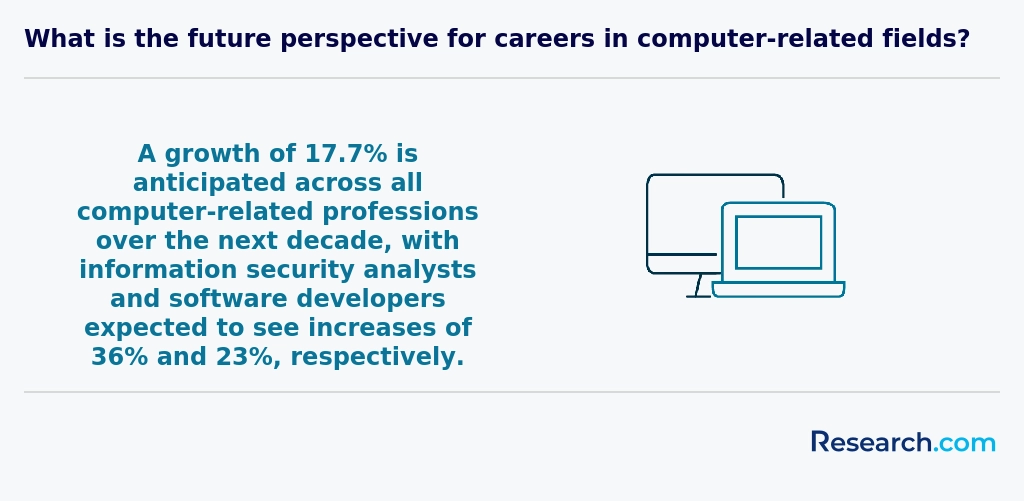
Accreditation ensures your computer science degree meets industry standards and is recognized by employers and graduate schools.
- Regional accreditation: Verify the institution is accredited by the Northwest Commission on Colleges and Universities (NWCCU) to confirm overall educational quality.
- ABET accreditation: Choose programs with computing curricula accredited by ABET to ensure core computer science principles and best practices are covered.
- Industry certifications alignment: Look for schools that integrate vendor-specific training (e.g., AWS, Cisco) so you can graduate with both a degree and in-demand credentials.
Selecting an accredited program safeguards credit transfers, supports postgraduate study, and boosts employer confidence. If you’re interested in a related field, consider a game design degree online.
Computer science students in Washington can access a range of financial aid options that significantly ease the burden of tuition, especially at major schools like the University of Washington or Seattle Central College. Many rely on federal aid starting with FAFSA, unlocking Pell Grants that can cover up to $7,395 annually for eligible students, which helps reduce out-of-pocket costs right away.
State support is strong through the Washington College Grant, which replaced the old State Need Grant and offers substantial tuition relief based on financial need. Graduates often recall how receiving this grant at community colleges made transferring to a four-year university smoother and more affordable.
Merit scholarships and departmental awards specifically for computer science majors at universities like UW provide additional financial breathing room, rewarding academic achievement and potential. Work-study programs also give students paid opportunities closely related to tech fields, combining income with valuable experience.
Private scholarships from groups such as the Society of Women Engineers Washington chapter further support underrepresented students, offering both funding and mentorship. While student loans remain an option, many find the subsidized federal loans more manageable due to their flexible repayment plans tailored to students' future earnings.
Washington, DC’s tech ecosystem is on track to expand steadily over the next decade, with computer science occupations in the region projected to grow by 15% between 2022 and 2032-outpacing the national average of 13%. Software development roles will remain at the forefront, driven by high demand for mobile and web applications in government, finance, and nonprofit sectors. Cybersecurity positions are expected to increase by 20% as organizations fortify defenses against evolving digital threats, while data science and analytics roles could surge by 25%, reflecting the growing reliance on data-driven decision-making across public and private entities. Emerging fields such as artificial intelligence and machine learning are set to see double-digit growth, with AI specialist jobs projected to grow 23% and machine learning engineer positions by 26% through 2032. These trends underscore the importance of continuous upskilling in areas like neural networks, natural language processing, and cloud-based AI services. Graduates who combine core programming expertise with domain knowledge in AI, cybersecurity, or data science will be best positioned to leverage high-growth opportunities and command starting salaries 10–15% above the DC average. To explore nationwide forecasts and detailed breakdowns of specific computer programming careers, refer to our comprehensive computer coding job outlook guide. This resource offers insights into occupational projections, emerging specializations, and actionable career strategies, helping you align your skills with the fastest-growing roles in both the District and beyond.
To enroll in a computer science degree in Washington, you must first have completed high school or an equivalent diploma. Graduates from popular universities like the University of Washington often share how a strong foundation in math-especially Algebra, Geometry, and Calculus-made the transition smoother. Many students also credit high school physics and introductory programming courses with boosting their confidence before college-level studies.
Community colleges in Washington, such as Seattle Central College, provide a more approachable start, accepting students with a high school diploma or GED and offering essential computer science and math courses that prepare them well for the workforce or transferring to four-year programs. For graduate degrees, a relevant bachelor's with a competitive GPA, usually around 3.0 or higher, is crucial.
Graduate applicants often find submitting GRE scores, recommendation letters, and a statement of purpose helps showcase their readiness. Many students feel empowered knowing that gaining practical experience or participating in research projects significantly strengthens their applications at institutions across Washington.
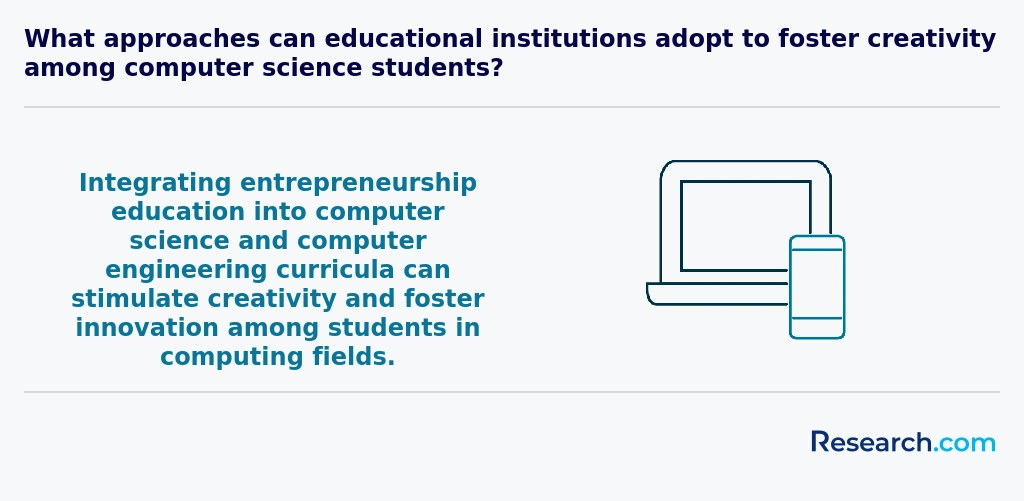
Accreditation verifies that a computer science program meets rigorous academic and industry standards. Before enrolling, confirm each school’s status:
- ABET accreditation: ensures curriculum aligns with engineering and technology benchmarks
- Regional accreditation: guarantees institutional quality and eligibility for federal financial aid
- Employer recognition: look for programs with strong hiring pipelines at local tech companies
Always check accreditation details on a school's official website or through the Council for Higher Education Accreditation. For graduates aiming at specialized data roles, explore our data science masters online programs.
Computer science degrees in Washington usually start with essential courses like Introduction to Programming, where students quickly build strong skills in languages such as Python or Java. Graduates often share how mastering these basics early helps them confidently tackle coding challenges in internships or projects at schools like the University of Washington.
Core topics also include Data Structures and Algorithms, teaching efficient data management techniques crucial for solving real-world tech problems. Many students find this course rewarding as it lays the groundwork for technical interviews and software development careers.
Courses on Computer Systems and Organization give students hands-on insight into hardware and low-level programming, making abstract concepts tangible. Theories behind computation help clarify why computers operate the way they do, deepening problem-solving skills that employers in Seattle's tech scene value highly.
Operating Systems and Software Engineering classes often mimic real job scenarios through team projects. Graduates recall how this teamwork sharpened their communication and project management abilities, boosting their readiness for roles at major companies like Microsoft and Amazon.
Students pursuing a computer science degree in Washington often choose specializations that align with the state's dynamic tech industry. Popular focus areas include Artificial Intelligence and Machine Learning, Cybersecurity, Data Science and Big Data, Software Engineering, Human-Computer Interaction, and Networks and Distributed Systems. Graduates from the University of Washington and Washington State University frequently share how these tracks helped them secure roles in local tech giants by mastering industry-relevant skills.
For example, those concentrating on AI can work on real-world projects involving natural language processing or autonomous systems, enhancing both expertise and confidence. Cybersecurity specialists benefit from hands-on experiences protecting networks against evolving digital threats, a skill in high demand. Programs in Data Science from Washington universities often include projects analyzing large datasets, which is crucial for students interested in the computer coding job outlook and future growth.
Choosing from these computer science specializations in Washington offers practical, job-ready skills that reflect both local employer needs and global tech trends, making it a strategic investment for your career path.
When choosing the best computer science degree in Washington, prioritize programs that offer a solid curriculum including algorithms, software engineering, and emerging fields like artificial intelligence. Graduates from the University of Washington often highlight the value of hands-on labs and research opportunities, which sharpen practical skills and inspire confidence in real-world projects.
Consider cost carefully, since affordable computer science degrees in Washington can make a big difference. Public universities tend to have lower tuition, around $11,745 per year for in-state students, while private colleges are more expensive. Many students find community colleges with transfer agreements a smart path to reduce overall expenses without compromising quality.
Look for faculty with strong industry ties and research credentials, especially near Seattle's tech industry. Networking through professors who are active in the field often opens doors to internships and job placements. To explore more affordable options, check the Cheapest Computer Science Degree Programs Ranking in South Carolina for inspiration outside Washington.
Finally, investigate a program's graduate outcomes. Many report high placement rates and attractive salaries, reflecting Washington's growing demand for software developers. Choosing a degree with career support can boost your chances of a dynamic, rewarding tech career.

Graduates holding a computer science degree in Washington can pursue several rewarding career paths aligned with the state's booming tech industry. Many find roles as software developers, building applications for companies ranging from established giants like Microsoft to innovative startups in Seattle. Others choose to become data scientists, applying analytics skills to improve decision-making in healthcare, retail, and tech sectors. Systems analysts are also in demand, helping firms optimize their IT infrastructure to meet business goals effectively.
For students at popular universities in Washington, these career options come to life through internship experiences and networking, which many graduates say helped them secure strong positions post-graduation. Cybersecurity specialists maintain critical defenses against growing cyber threats, making this a high-growth path with job security. Network architects design and manage complex systems essential for cloud computing and telecommunications companies based here. Understanding these paths can guide you in choosing electives and internships that boost your success in Washington's job market for computer science graduates.
Students looking to explore different types of college majors often find that focusing on specialized fields within computer science improves employment prospects. This approach aligns well with the diverse computer science career opportunities in Washington and enhances your adaptability in a competitive environment.
The Washington computer science degree job prospects remain strong due to projected employment growth, and strategic career planning during your education is key to seizing these opportunities.
Graduates with a computer science degree in Washington benefit from a thriving job market driven by the presence of tech giants like Microsoft and Amazon, alongside numerous startups. This environment creates abundant employment opportunities, making the computer science job outlook in Washington very promising. Students from the University of Washington often share how internships with local companies helped them build real-world skills that appealed directly to recruiters, boosting their chances of landing competitive roles immediately after graduation.
Washington's technology ecosystem supports diverse roles in software development, data science, cybersecurity, and cloud computing, among others, ensuring graduates can find positions that align with their interests. For those weighing options, public universities offer quality education at reasonable costs, helping students prepare for this dynamic market without excessive debt. Many find it useful to explore the easiest master's programs to get into for further specialization.
The Washington computer science degree employment opportunities remain strong despite increased competition nationwide, thanks to steady industry growth and partnerships between universities and employers. Building a strong portfolio and practical experience is key to standing out in this competitive yet rewarding environment.
2027 Most Affordable Computer Science Degree Programs Ranking in Washington
Investing in your education is a significant decision that can shape your future, and the Research.com team understands the importance of making informed choices. To assist prospective students in Washington, we have meticulously developed the "2027 Most Affordable Computer Science Degree Programs Ranking." Our dedication to quality, credibility, and accuracy is demonstrated through thorough research and analysis behind this ranking.
We utilized the following reputable data sources to ensure a comprehensive evaluation of computer science degree programs:
By exploring this ranking, readers will obtain valuable insights into affordable and quality computer science programs in Washington, empowering them to make well-informed decisions about their educational futures. For more details on our methodology, please visit our Research.com methodology page.
# 1 position
University of the District of Columbia
Bachelor of Science in Computer Science


Frequently Asked Questions About computer science
Computer science students in Washington can maximize their learning experience by engaging with the state's strong tech industry through internships and cooperative education programs. Washington hosts major companies like Microsoft and Amazon, offering plentiful practical opportunities to apply academic knowledge.
Participating in research projects at public universities - such as the University of Washington, which ranks high nationally for computer science - can deepen technical skills and expose students to cutting-edge developments. According to the U.S. Department of Education, hands-on learning significantly improves job readiness.
Joining campus coding clubs and hackathons also fosters collaboration, problem-solving, and networking with peers and professionals.
Utilizing online resources and certifications alongside traditional coursework helps students stay current in this rapidly evolving field.
In Washington, the computer science field is evolving with several emerging niches attracting growing interest. One key area is artificial intelligence (AI) and machine learning, driven by tech hubs like Seattle, where demand for AI specialists increased by over 30% in recent years, according to the Washington Technology Industry Association. Another notable niche is cybersecurity, critical due to rising digital threats; Washington state reports a 25% growth in cybersecurity job postings from 2021 to 2023 (Burning Glass Technologies).
Additionally, data science and cloud computing have seen rapid development, supported by companies such as Microsoft and Amazon. Finally, software development focused on augmented reality (AR) and virtual reality (VR) is an emerging sector, leveraging Washington's innovative tech environment.
Graduates with a computer science degree in Washington can enhance their job market readiness by gaining practical experience through internships or cooperative education programs. According to the Washington State Employment Security Department, the technology sector is one of the fastest-growing in the state, offering over 70,000 jobs annually in software development and related fields. Networking within local tech hubs like Seattle's Silicon Valley North or Bellevue's tech corridor is crucial. Additionally, earning certifications in areas such as cloud computing, cybersecurity, or data science complements a degree and meets employer demands. Participating in coding competitions and contributing to open-source projects also strengthens a resume.
Employers in Washington highly value computer science graduates who possess strong programming skills, particularly in languages like Python, Java, and C++. According to the Washington Technology Industry Association, practical experience with cloud computing platforms such as AWS and Azure is increasingly important. Graduates should also demonstrate proficiency in data structures, algorithms, and software development methodologies.
Soft skills remain essential, with teamwork, communication, and problem-solving abilities ranked among the top requirements by local tech employers. The Washington State Employment Security Department reports that knowledge of cybersecurity principles and machine learning techniques can give candidates a competitive edge. Overall, a mix of technical expertise and interpersonal skills is critical.
Finding internships in Washington relevant to a computer science degree involves leveraging multiple resources. University career centers are key, as institutions like the University of Washington and Washington State University partner with local tech firms to offer internships. These centers often host job fairs and networking events specific to tech industries.
Seattle is home to major companies like Microsoft and Amazon, which together employ tens of thousands of tech workers and offer numerous internship opportunities annually. Websites like Handshake and LinkedIn also list internships tailored for students in computer science programs.
Additionally, Washington's Department of Commerce and local workforce development boards provide resources and listings for internships in technology sectors. Networking within tech meetups and professional organizations can open further doors for practical experience.
A computer science degree significantly enhances career mobility and advancement opportunities in Washington. The state's robust tech industry, including global giants like Microsoft and Amazon, creates high demand for qualified professionals. According to the Washington State Employment Security Department, employment in computer and mathematical occupations is projected to grow by 15% from 2020 to 2030, faster than the average for all occupations.
Graduates with this degree often start with competitive salaries; the average entry-level wage for computer science roles in Washington exceeds $80,000 annually, as reported by the U.S. Bureau of Labor Statistics. Advanced skills also enable professionals to move into specialized roles such as software development, data science, or cybersecurity.
Additionally, earning a degree from accredited Washington institutions supports networking and access to internships, essential for career growth. Employers in the state highly value formal education combined with practical experience, which can accelerate promotions and salary increases.
Studying for a computer science degree in Washington offers strong preparation for interdisciplinary roles by combining technical skills with real-world applications. Many Washington universities emphasize collaboration between computer science and fields like business, healthcare, and engineering. For example, the University of Washington integrates data science and artificial intelligence coursework that supports various industries.
Washington's tech-driven economy also encourages students to engage in internships and projects with companies like Microsoft and Amazon, enhancing interdisciplinary experience. According to the Washington Student Achievement Council, over 60% of tech jobs in the state require cross-functional knowledge, making such programs valuable.
Additionally, degree programs often include courses in communication, ethics, and project management. These components equip students to work effectively in diverse teams, a critical skill for interdisciplinary roles.
When choosing between a thesis and a non-thesis computer science degree program in Washington, consider your career goals carefully. Thesis programs emphasize original research and are ideal for students aiming to enter academia or research roles. Non-thesis options focus more on practical skills and coursework, appealing to those targeting industry positions.
Washington has strong tech hubs, including Seattle, where companies value applied knowledge. According to the Washington Student Achievement Council, nearly 70% of computer science graduates find employment within the state's tech sector within a year. Thesis programs often require a faculty advisor and more time to complete, sometimes extending study by a semester or more. Non-thesis tracks usually allow quicker completion, beneficial for those eager to join the workforce.
Students in Washington interested in studying computer science abroad have several pathways available. Many universities in Washington, such as the University of Washington, offer exchange programs with partner institutions worldwide, enabling students to gain international experience while earning credits toward their degree. These programs often focus on countries with strong tech industries, including Germany, Singapore, and the Netherlands.
Additionally, Washington students can enroll directly in foreign universities offering computer science degrees, although this may require careful planning regarding credit transfer and visa requirements. The Institute of International Education's 2022 report shows that about 12% of U.S. study abroad participants engage in STEM fields, highlighting growing interest in global tech education. For updated exchange opportunities, consulting university international offices or platforms like IIE is recommended.
Washington offers diverse part-time job opportunities that complement computer science degree studies. Many students find internships or roles as software testers or junior developers in the state's thriving tech scene. Seattle alone hosts global giants like Microsoft and Amazon, which often seek interns and part-time workers.
On-campus roles such as IT support or tutoring for computer science courses provide practical experience while accommodating student schedules. According to the Washington State Employment Security Department, tech-related roles in the region have grown by over 15% in recent years, enhancing prospects for students.
Freelance coding and web development projects also allow flexible hours and skill refinement, important for building a professional portfolio.
Computer science students in Washington benefit from numerous networking opportunities due to the state's strong tech industry presence. Seattle, home to tech giants like Microsoft and Amazon, frequently hosts events where students can connect with professionals. Universities such as the University of Washington actively organize career fairs and tech meetups specifically for computer science majors.
Additionally, organizations like the Washington Technology Industry Association offer mentorship programs and workshops facilitating industry connections. According to the U.S. Bureau of Labor Statistics, Washington's tech employment has grown steadily, indicating expanding opportunities for students to network with potential employers during internships and co-op programs.
Alumni networks play a significant role for computer science students in Washington by offering valuable connections within the tech industry. Washington hosts major employers like Microsoft and Amazon, making these networks critical for internships and job placements. According to the University of Washington's Center for Communication & Civic Engagement, students with active alumni connections are 35% more likely to secure relevant tech positions post-graduation.
These networks provide mentorship opportunities, allowing students to gain insights and guidance tailored to the local job market. They also facilitate participation in exclusive events, workshops, and recruitment drives.
By leveraging alumni networks, students can access real-world advice and build professional reputations early, which is essential in Washington's competitive computer science field.
Customizing a computer science degree in Washington is possible through various elective courses and specialization tracks. Many universities, such as the University of Washington and Washington State University, offer focused areas like artificial intelligence, cybersecurity, or software engineering. Students can tailor their programs by choosing electives that align with industry demands or personal interests.
Internships and cooperative education are also valuable for applying classroom knowledge to real-world settings, often facilitated by university career centers. Additionally, online and hybrid course options provide flexibility, catering to working professionals aiming to upskill.
According to the U.S. Bureau of Labor Statistics, Washington's tech sector is growing rapidly, making thoughtful specialization a strategic choice for future employment.
Computer science students in Washington face several common challenges during their studies. One major difficulty is managing the rigorous coursework, especially in subjects like algorithms, data structures, and software development. These core topics require strong analytical skills and perseverance. According to the National Center for Education Statistics, retention rates in STEM fields remain a concern nationally, including Washington.
Another challenge is balancing academic demands with internships and job searches, as the Seattle tech industry is competitive. Students often feel pressure to gain practical experience while maintaining good grades. Financial strain is also notable; while Washington offers numerous public universities, tuition and living costs in cities like Seattle are high compared to other states. Access to mentorship and support services can greatly impact student success, but availability varies across institutions.
A computer science degree from a Washington institution opens many professional certification opportunities. Common certifications include Certified Information Systems Security Professional (CISSP), Project Management Professional (PMP), and Certified Ethical Hacker (CEH). These credentials enhance job prospects across tech sectors.
Washington's strong tech industry, with companies like Microsoft and Amazon, increases the value of certifications in cloud computing, such as AWS Certified Solutions Architect or Microsoft Certified: Azure Fundamentals. According to the Washington State Employment Security Department, IT certifications can boost salaries by 10-20% in the region.
Additionally, certifications like CompTIA Security+ and Cisco's CCNA support networking and cybersecurity roles. Pursuing these certifications aligns well with hands-on skills gained during a computer science degree program in Washington.
To write a winning application for a computer science program in Washington, start by highlighting your academic achievements, especially in math and science courses. Many Washington universities, like the University of Washington, emphasize strong STEM backgrounds for admission. Including relevant experience such as coding projects, internships, or participation in programming competitions can strengthen your application.
Clearly communicate your passion for computer science and your career goals in your personal statement. Tailor each application to the specific program, mentioning faculty research or labs of interest where possible. According to the Washington Student Achievement Council, competitive applicants often have GPAs above 3.5 and standardized test scores in the top 25 percentile.
Lastly, secure strong recommendation letters from teachers or mentors familiar with your technical skills and work ethic, as these add credibility to your profile and reflect your readiness for rigorous study in this fast-growing field.
A career in computer science offers significant global opportunities, with technology sectors growing rapidly worldwide. In the United States, and particularly in Washington state, there is high demand for skilled computer science professionals. According to the U.S. Bureau of Labor Statistics, employment for software developers is projected to grow 22% from 2020 to 2030, much faster than average for all occupations.
Washington hosts major tech companies like Microsoft and Amazon, creating a strong local market for graduates. This regional strength also connects Washington-trained professionals to global tech networks. Graduates often find roles involving international collaboration, software development, and data management.
With technology influencing nearly every industry worldwide, computer science careers provide a versatile skill set. According to the National Center for Education Statistics, Washington awarded over 2,500 bachelor's degrees in computer science and related fields in 2021, reflecting local educational investment aligned with global trends.
Gaining practical experience while studying computer science in Washington is essential for career readiness. Many universities encourage internships, co-op programs, and research projects. For example, the Washington Student Achievement Council reports that roughly 60% of computer science students engage in internships before graduation.
Local tech hubs like Seattle provide rich opportunities, with companies such as Microsoft and Amazon offering internship programs. Additionally, participating in coding bootcamps, hackathons, and student organizations can enhance skills and build professional networks.
Universities also often collaborate with industry partners to provide real-world projects and mentorship, helping students apply theoretical knowledge practically.
Choosing the right concentration within a computer science degree program in Washington involves evaluating your interests and career goals. Popular concentrations include software development, cybersecurity, data science, and artificial intelligence. Each area has distinct job prospects; for example, Washington employs over 35,000 computer science professionals, many in tech hubs like Seattle, where demand for AI and cloud computing experts is growing rapidly (Bureau of Labor Statistics, 2023).
Consider local industry needs and internship opportunities available through universities. Researching faculty expertise and program curriculum can also help you find a specialization aligned with your skills and the state's evolving tech market.
- 2027 Most Affordable Computer Science Degree Programs Ranking in College Park
- 2027 Most Affordable Computer Science Degree Programs Ranking in Baltimore
- 2027 Most Affordable Computer Science Degree Programs Ranking in Philadelphia
- 2027 Most Affordable Computer Science Degree Programs Ranking in Pittsburgh
- 2027 Most Affordable Computer Science Degree Programs Ranking in Staten Island
- 2027 Most Affordable Computer Science Degree Programs Ranking in Brooklyn
- 2027 Most Affordable Computer Science Degree Programs Ranking in New York
- 2027 Most Affordable Computer Science Degree Programs Ranking in Vestal
- 2027 Most Affordable Computer Science Degree Programs Ranking in Ithaca
- 2027 Most Affordable Computer Science Degree Programs Ranking in Greensboro
See What Experts Have To Say About Studying Computer Science
Read our interview with Computer Science experts

Kathleen M. Carley
Computer Science Expert
Professor of Computer Science
Carnegie Mellon University

Derek Riley
Computer Science Expert
Professor, Program Director
Milwaukee School of Engineering

Elan Barenholtz
Computer Science Expert
Associate Professor
Florida Atlantic University

Imed Bouchrika, Phd
Computer Science Expert
Professor of Computer Science
National Higher School of Artificial Intelligence

- Letter of Motivation for applying Computer Science related fields https://essayforum.com/letters/motivation-applying-computer-science-related-11858/
- New and Future Computer Science and Technology Trends https://www.computerscience.org/resources/computer-science-trends/
- 5 Challenges in Teaching Computer Science & Solutions https://www.computingolympiad.org/post/top-5-challenges-in-teaching-computer-science-in-schools-and-how-to-overcome-them
- Empowering Students with Computer Science https://blog.definedlearning.com/empowering-students-with-computer-science/
- Ada Computer Science https://adacomputerscience.org/student_challenges
- Computer Engineering Master's Program (without Thesis) | Eastern Mediterranean University Cyprus https://www.emu.edu.tr/en/programs/computer-engineering-masters-program-without-thesis/942
- The Crucial Role of Networking for Computer Science Students https://dev.to/thisisaayush/the-crucial-role-of-networking-for-computer-science-students-4k2i
- What certifications should I get for computer science? | edX https://www.edx.org/resources/certifications-computer-science
- UK Computer Science Degree Requirements Explained https://accesscoursesonline.com/blogs/news/computer-science-degree-requirements
- Computer Science Major https://www.washcoll.edu/majors/computer-science/index.php