2027 Most Affordable Computer Science Degree Programs Ranking in Baltimore

Co-Founder and Chief Data Scientist
Choosing the right computer science degree program in Baltimore can feel overwhelming, especially with so many options available. Our 2027 Most Affordable Computer Science Degree Programs Ranking in Baltimore helps simplify this process.
This ranking, crafted by the Research.com team of data scientists, offers reliable insights to guide your decision. By exploring these affordable programs, you can find quality education that fits your budget and career goals.
Pursuing a computer science degree opens doors to exciting opportunities. This article supports you in making an informed, confident choice toward a brighter future.
Key benefits of getting computer science degree in Baltimore
- Graduates with a computer science degree in Baltimore can expect strong salaries, such as a Software Engineer earning a mean annual wage of $138,110 and a Web Developer making about $95,570 per year.
- Career paths are diverse, ranging from Software Developer roles to IT Support Specialist positions, offering flexibility and exciting opportunities for growth.
- Online computer science degrees provide the same quality education as traditional programs, with added flexibility that helps busy Baltimore students balance work and study effectively.
- 2027 Most Affordable Computer Science Degree Programs Ranking in Baltimore
- What can I expect from computer science degree in Baltimore?
- Where can I work with computer science degree in Baltimore?
What can I expect from computer science degree in Baltimore?
The average cost of pursuing a computer science degree in Baltimore varies significantly by institution type. At Johns Hopkins University, a private university renowned for research and innovation, in-state undergraduates pay approximately $60,000 annually. Graduates from this program often highlight the value of hands-on projects in cybersecurity and artificial intelligence, which justify the investment through strong career prospects.
Alternatively, Baltimore City Community College offers a more affordable route with tuition averaging $4,000 per year for in-district students. Students here typically focus on foundational computing skills like programming and networking, making it an appealing choice for budget-conscious learners or those aiming to transfer to four-year universities.
Towson University, a public institution near Baltimore, delivers bachelor's degrees at around $10,000 per year for Maryland residents. Graduates report satisfaction with the practical software engineering and database skills gained, contributing to an over 85% job placement rate in STEM roles within six months.
These cost variations allow prospective students to align financial planning with career goals while engaging deeply with Baltimore's thriving tech economy.
Where can I work with computer science degree in Baltimore?
Graduates with a computer science degree from universities like Johns Hopkins or the University of Maryland, Baltimore County find diverse job opportunities throughout Baltimore's robust tech ecosystem. Many enter software development roles within the city's expanding technology sector, which employed over 15,000 software developers in 2023 according to the U.S. Bureau of Labor Statistics. These positions often involve developing applications, managing data systems, or working in IT management.
Others secure positions in Baltimore's healthcare industry, where organizations such as Johns Hopkins Medicine rely on computer science professionals to maintain electronic health records and protect sensitive patient information. Cybersecurity roles are abundant near federal hubs like the NSA and U.S. Cyber Command, as well as defense contractors including Northrop Grumman, who frequently seek experts in secure communications and systems development.
Financial institutions such as T. Rowe Price and Bank of America employ graduates for roles in data analytics and transactional system design. Startups and tech incubators hosted by spaces like Betamore also appeal to graduates looking for innovative, agile work settings where they can grow their skills and contribute meaningfully to new products.
Graduates with a computer science degree in Baltimore typically start with salaries ranging from $63,640 as IT Support Specialists to about $95,570 as Web Developers, according to the latest U.S. Bureau of Labor Statistics data. Many recent graduates from institutions like Towson University and Johns Hopkins University secure entry-level roles within this spectrum, often feeling encouraged by the approachable wage floors in Baltimore's local market.
With a few years of experience, these graduates frequently advance to roles such as Software Developers or Data Analysts. Software Developers in Baltimore earn an average annual wage of $138,110, while Data Analysts make around $119,040. This reflects the vibrant demand for seasoned technical skills, especially in Baltimore's growing healthcare technology and financial services sectors.
Graduates who continue their studies or obtain certifications see notable boosts. For instance, those advancing to specialized positions related to cybersecurity or cloud computing find their salaries align closer to the upper ranges of these figures, often surpassing six figures. These positive outcomes illustrate why Baltimore remains an attractive city for computer science students eager to maximize their earning potential.
- In-state tuition for computer science degrees in Baltimore ranges from $10,000 to $25,000 per year, while out-of-state tuition can go up to $35,000 annually.
- Entry-level computer science graduates in Baltimore typically earn between $70,000 and $80,000 per year.
- Mid-career computer science professionals in Baltimore can earn salaries of around $110,000 or more annually.
- The local job market includes industries such as healthcare technology, cybersecurity, finance, government, and defense contractors.
- Baltimore's proximity to Washington, D.C. offers additional job opportunities for graduates willing to commute or relocate.
Completing a computer science degree in Baltimore typically requires around four years for full-time students at institutions like the University of Maryland, Baltimore County (UMBC) and Morgan State University. These students generally complete between 120 to 130 credit hours, encompassing major courses, electives, and general education. Graduates from these programs often recount a rewarding experience balancing rigorous coursework with extracurricular activities.
Part-time students at these universities may take five or more years, as they balance studies with work or personal commitments. For master's degrees, universities such as Johns Hopkins University typically offer two-year full-time programs, while part-time enrollment can extend completion to three or four years. Many students appreciate this flexibility, which helps maintain steady progress without overwhelming schedules.
Factors such as credit transfers from community colleges, availability of accelerated courses, and participation in internships can influence completion times. Baltimore students benefit from local options that support timely graduation while gaining real-world experience, reinforcing their readiness for competitive tech careers.
Most Baltimore computer science programs follow an annual cycle that impacts applications, financial aid and scholarship awards. Stay on track with key dates:
- June–August: Research affordable programs, request campus visits or virtual info sessions
- October 1–December 1: Priority application window for fall intake-submit transcripts, test scores and essays
- January 15: Final deadline for FAFSA and Maryland state grant applications
- February–March: Admissions decisions and scholarship notifications arrive
- May 1: Enrollment deposit deadline to secure your spot
Plan ahead, gather recommendations early and review each school’s specific requirements. If you’re interested in emerging specializations like AI, explore our guide to ai degree programs.
Online and on-campus computer science degrees in Baltimore differ primarily in learning environment and daily interaction. On-campus students at institutions like the University of Baltimore and Morgan State University engage directly with professors and peers, benefiting from hands-on labs and access to local tech career fairs. Graduates often recall the value of in-person collaboration and networking within Baltimore's tech community, which helps secure internships and job placements.
Conversely, online programs offered by schools such as the University of Maryland Global Campus provide flexibility critical for working professionals or those with family commitments. These students access coursework remotely through digital platforms, allowing them to study from home or work. However, online learners must exercise strong self-discipline and time management, as this format lacks a fixed classroom schedule.
Tuition costs for public Maryland universities average around $10,000 annually for in-state students. Online programs can reduce some expenses like commuting and facility fees, though technology requirements remain. Both formats maintain strict accreditation standards, ensuring equal degree value regardless of delivery method.
When weighing your options beyond Baltimore, it’s helpful to compare program costs, financial aid opportunities, and local job markets. In Baltimore, the average annual tuition for a bachelor’s degree in Computer Science is around $17,545, with public institutions offering lower in-state rates and private universities commanding higher fees. By contrast, the Most Affordable Computer Science Degree Programs Ranking in Connecticut shows that in-state tuition at Connecticut public universities ranges from $14,200 to $16,800 per year, making CT a budget-friendly alternative for students open to relocation or online study. Beyond tuition, consider cost of living and internship ecosystems. Baltimore’s growing tech scene offers abundant networking events and startup partnerships, while Connecticut’s proximity to Boston and New York provides unique internship pipelines at financial and biotech firms. Financial aid packages, such as state grants and merit scholarships, also vary: Baltimore students can leverage programs like the Guaranteed Access Grant, whereas Connecticut residents may qualify for the University of Connecticut’s Honors Tuition Waiver. Ultimately, your decision should balance affordability with experiential learning opportunities. Comparing these regional factors ensures you select a Computer Science program that aligns with both your budget and career goals.
The average cost of a computer science degree in Baltimore varies significantly depending on the type of institution attended. In-state students at public universities typically face a median total cost of about $13,256 for the entire degree, reflecting tuition, fees, and other essential expenses. Graduates from these schools often appreciate the balance between quality education and manageable debt levels, enabling them to focus on gaining practical skills and internships in Baltimore's growing tech scene.
Students pursuing their degrees at private universities in Baltimore, like Johns Hopkins University, encounter substantially higher tuition costs, which can bring the median total to around $50,921. These students frequently highlight the enriched campus resources and strong industry connections that justify the investment, despite the steeper financial commitment.
For those looking for more affordable options, community colleges in Baltimore provide foundational courses at lower costs, allowing students to transfer to four-year programs. This route has proved popular among individuals aiming to minimize expenses without sacrificing academic opportunities. To explore affordable computer science programs Baltimore 2027 students can consider, many turn to resources such as the affordable computer science school in maryland guide, which helps identify cost-effective pathways.
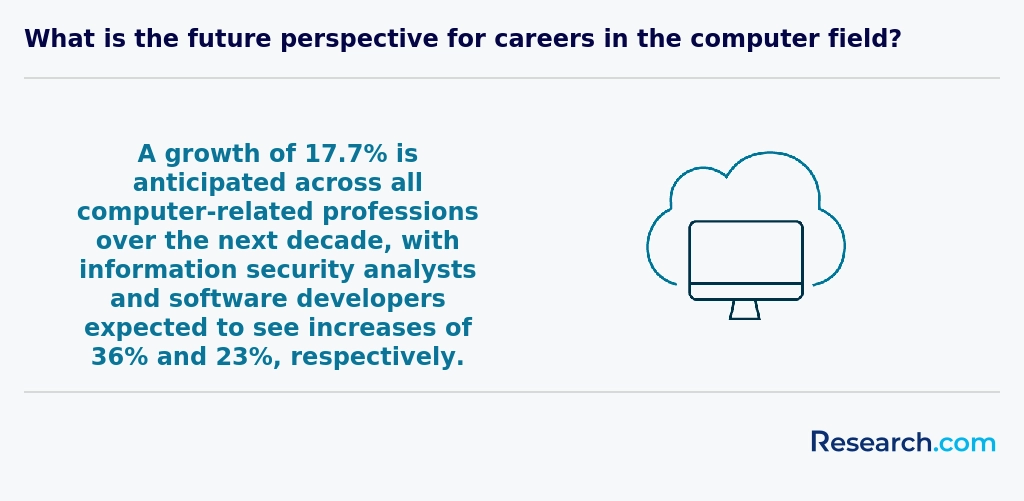
Baltimore’s Computer Science programs offer a range of specializations that help students align their studies with emerging industry demands. Common tracks include: • Cybersecurity: Focuses on network defense, ethical hacking, and incident response. Graduates often secure roles as security analysts or penetration testers, protecting critical infrastructure in sectors from finance to healthcare. • Data Science and Analytics: Emphasizes statistical modeling, big data tools, and machine learning. Students gain the skills to extract insights from complex datasets and pursue jobs using coding such as data engineer or AI specialist. • Artificial Intelligence and Machine Learning: Covers neural networks, natural language processing, and computer vision. This specialization prepares graduates for R&D roles in tech firms and research labs. • Software Engineering and DevOps: Centers on scalable system design, cloud architectures, and agile methodologies. Ideal for students aiming to become full-stack developers or DevOps engineers. • Human-Computer Interaction (HCI): Blends psychology, design, and programming to craft intuitive user experiences. Careers include UX/UI researcher or product designer. • Game Development: Combines graphics programming, physics engines, and interactive storytelling. Graduates can join game studios or work on educational simulations. Choosing the right specialization often involves reviewing course offerings, faculty expertise, and industry partnerships. For example, Johns Hopkins University’s AI lab collaboration with local biotech firms offers hands-on projects in medical imaging, while UMBC’s secure systems center provides real-world cybersecurity exercises. Before applying, prospective students should explore capstone requirements and internship opportunities tied to each track, ensuring they graduate with both theoretical foundations and practical experience tailored to Baltimore’s vibrant tech ecosystem.
Students pursuing computer science degrees in Baltimore benefit from multiple financial aid options that address the high costs of education, with public in-state programs averaging $10,500 annually and private institutions exceeding $35,000. Federal aid forms the backbone, starting with the FAFSA application that unlocks access to Pell Grants of up to $7,395 per year and low-interest federal student loans, making funding more manageable.
At the state level, Maryland's Higher Education Commission offers grants and scholarships for residents, such as the Maryland Community College Promise Scholarship, helping reduce tuition expenses for those attending community colleges with computer science tracks. Graduates from UMBC frequently highlight merit-based scholarships awarded for academic and STEM achievements, which significantly ease financial burdens. Coppin State University students also benefit from specialized aid aimed at underrepresented groups in technology fields, underscoring Baltimore's commitment to diversity.
Local private scholarships from organizations like the Maryland Technology Council, along with employer tuition assistance from Baltimore-area tech companies, further support students balancing work and study. Many also participate in campus work-study programs, gaining practical experience while supplementing their income, reflecting a holistic approach to financing a computer science education in Baltimore.
Baltimore’s computer science programs not only excel in academic rigor but also foster a vibrant campus culture that enriches students’ overall experience. From state-of-the-art lab facilities and maker spaces to student-led tech clubs and hackathons, campus life plays a pivotal role in shaping the holistic development of future tech professionals. Many institutions actively promote an inclusive environment where students engage in collaborative projects, benefit from peer mentoring, and participate in networking opportunities with industry leaders. For instance, academic events often merge classroom learning with real-world applications, providing a dynamic setting for innovation and creative problem-solving. Prospective students can explore opportunities at an affordable computer science school in maryland, where supportive community initiatives and extracurricular activities are tailored to boost both academic and personal growth. Emphasizing a balance between rigorous studies and enriching social experiences, Baltimore’s campuses equip students with a well-rounded perspective that is essential for success in today’s competitive tech landscape.
To enroll in a computer science degree program in Baltimore, students typically need a high school diploma or equivalent, such as a GED. Most local colleges expect strong foundations in mathematics, including algebra, geometry, and preferably calculus, as these skills directly impact success in university-level computer science courses. For example, graduates from the University of Maryland, Baltimore County (UMBC) often mention that solid math skills helped them confidently tackle programming and data structures early in their studies.
Science proficiency, especially in physics or chemistry, can also strengthen an application. Some programs consider standardized test scores like SAT or ACT, though many Baltimore institutions have shifted toward test-optional admissions. Community college students, such as those at Baltimore City Community College, benefit from flexible admissions but are encouraged to complete prerequisite math and introductory computer science courses to ensure smooth transfer into four-year programs.
International students face additional requirements, including English proficiency demonstrated by TOEFL or IELTS scores. Overall, a combination of strong academic preparation and meeting specific program prerequisites, such as discrete mathematics and programming fundamentals, empowers students to thrive in Baltimore's competitive computer science environment.

Plan ahead to meet critical milestones for Baltimore computer science programs:
- August 1–October 15: Early action/decision application window
- November 1–January 15: Regular decision filing period
- March 1: FAFSA and Maryland state aid priority deadline
- May 1: Deposit and enrollment confirmation due
- Rolling Admissions: Check individual schools for continuous application options
Confirm specific dates with each university’s admissions office to secure your spot. For students exploring tech pathways beyond computer science, consider a game design bachelor degree online for a related field with flexible deadlines and format.
Computer science degree programs in Baltimore typically include foundational courses like Introduction to Programming and Data Structures and Algorithms, which graduates describe as essential for developing strong coding and problem-solving skills. These courses build the groundwork for understanding how software operates.
Students also progress to classes in computer architecture and operating systems, where they learn how software communicates with hardware-a vital skill reflected in capstone projects at institutions like the University of Maryland, Baltimore County (UMBC). Elective courses in Discrete Mathematics and Computer Theory deepen analytical thinking, preparing students to solve complex computational problems.
Specialized subjects such as Database Systems, Software Engineering, Artificial Intelligence, and Cybersecurity are frequently offered to address growing industry demands. Internships and lab sessions tied to these topics help students at Baltimore universities apply theory to real-world challenges, enhancing employability in the competitive tech landscape.
Baltimore students often appreciate how this curriculum balances rigorous theory with hands-on learning, offering practical experience that local tech employers highly value.
Computer science degree specializations Baltimore students often pursue include cybersecurity, data science, software engineering, artificial intelligence (AI), and networking. For example, graduates from local institutions frequently highlight how specializing in cybersecurity is highly practical given Baltimore's proximity to federal agencies and thriving cybersecurity firms. This focus prepares them to protect critical infrastructure in a job market growing 35% faster than average, according to U.S. Bureau of Labor Statistics.
In data science and Big Data analytics, students leverage Baltimore's strong healthcare and finance sectors to analyze complex datasets for actionable insights. Many students at prominent Baltimore colleges report gaining skills applicable in healthcare analytics and financial modeling, which enhance their employability in the region's competitive job market. Those interested in software engineering benefit from hands-on experience developing applications for startups and established companies based in Baltimore's innovation hubs.
Specializing in AI and machine learning gives students exposure to algorithm design and robotics integration, reflecting Baltimore's cutting-edge research environment. Networking and systems administration remain vital specializations, equipping learners with expertise in maintaining robust IT infrastructures across business and government sectors. Students across Baltimore note that focusing their Baltimore computer science program concentrations encourages them to explore jobs using coding that align with their passions and the city's economic landscape.
Choosing the best computer science degree in Baltimore begins with analyzing program curricula. Graduates from institutions like the University of Maryland, Baltimore County appreciate programs that integrate core subjects such as algorithms and software engineering with emerging fields like cybersecurity. This balance ensures graduates feel confident tackling real-world challenges.
Accreditation is vital; ABET-accredited programs in Baltimore provide recognized degrees that employers value. Cost considerations are equally important. With in-state tuition averaging around $10,500 annually at public universities, many students seek affordable computer science degree programs Baltimore offers, weighing tuition against financial aid and scholarships to minimize debt.
Graduates often highlight the advantages of schools connected to Baltimore's thriving tech sector, where partnerships facilitate internships and robust job placement. Flexibility is another key factor; many students find evening and online classes indispensable when balancing work and study.
For those comparing costs or seeking value, reviewing rankings such as the Most Affordable Computer Science Degree Programs Ranking in Connecticut can offer useful benchmarks despite geographic differences.
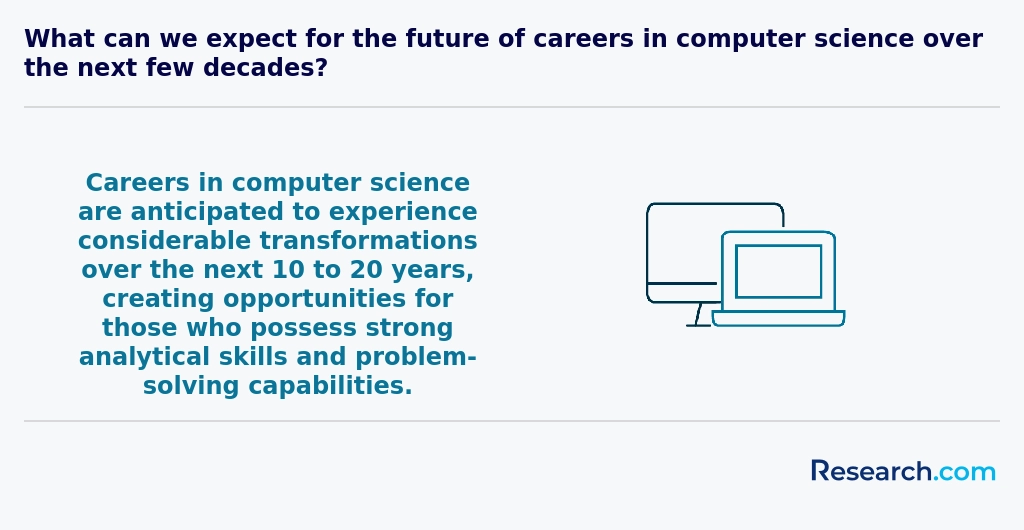
Graduates holding a computer science degree in Baltimore have access to diverse career paths fueled by the city's tech growth and key institutions like Johns Hopkins University. Software development roles are prevalent, with professionals designing applications used across finance, education, and healthcare sectors. Baltimore computer science degree job prospects include software developers who earn a median annual wage near $110,000, reflecting strong local demand and competitive salaries. Cybersecurity jobs are another prominent avenue due to proximity to Fort Meade and the National Security Agency, with Maryland ranking highly in cybersecurity openings according to CyberSeek data.
Health informatics and bioinformatics represent growing fields, where graduates contribute to advancements in patient care through data-driven software-all supported by major healthcare employers like the University of Maryland Medical System. Other options involve data science, systems administration, and government IT roles that leverage Baltimore's federal contracts. Graduates from top colleges often discuss how practical experience gained within these fields has prepared them well for the city's job market.
Those exploring further education can consider year long masters programs to enhance their qualifications and broaden their career opportunities in Baltimore computer science career opportunities.
The computer science job opportunities Baltimore graduates face are shaped by a diverse and expanding technology sector. Baltimore's proximity to Washington, D.C., and strong local industries such as healthcare technology and cybersecurity create a steady demand for skilled professionals. Graduates from Johns Hopkins University and the University of Maryland, Baltimore County often secure positions in innovative startups and well-established firms by leveraging these connections.
For many graduates, securing an entry-level role means starting with salaries between $65,000 and $80,000 annually, with room for rapid growth as experience develops. The Baltimore computer science career outlook remains optimistic, supported by a 15% projected sector growth through 2031, which outpaces national averages. Students balancing tuition costs in Maryland public universities against future earning potential frequently find that this investment pays off.
Many local students benefit from collaborative research programs and career services, making internships and job placement more accessible. Those exploring educational paths may consider opportunities at open admission universities in the area that provide flexible access to computer science programs.
2027 Most Affordable Computer Science Degree Programs Ranking in Baltimore
Investing in your education is a significant decision that can shape your future, and the Research.com team understands the importance of making informed choices. To assist prospective students in Baltimore, we have meticulously crafted the "2027 Most Affordable Computer Science Degree Programs Ranking in Baltimore." Our commitment to quality, credibility, and accuracy is reflected in the extensive research and analysis conducted to compile this ranking.
We utilized the following reputable data sources to ensure a comprehensive evaluation of computer science degree programs:
By exploring this ranking, readers will gain valuable insights into the most affordable computer science degree options in Baltimore, empowering them to make well-informed decisions about their education investments. For more details on our methodology, please visit our Research.com methodology page.

# 2 position
Women's Institute of Torah Seminary and College
Bachelor of Arts in Computer Science


Frequently Asked Questions About computer science
Computer science students in Baltimore can enhance their learning by engaging with local tech communities and internship opportunities. Baltimore hosts a growing technology sector with companies often partnering with universities for internships, giving students practical experience.
Students should take advantage of resources at institutions like Johns Hopkins University and the University of Maryland, Baltimore County, which offer specialized labs and research projects. Participating in hackathons and coding clubs can further develop problem-solving skills.
Moreover, Baltimore's proximity to Washington D.C. expands networking possibilities and access to government technology initiatives.
Using online platforms alongside classroom study is also beneficial, as industry demands frequently change.
The field of computer science is evolving rapidly, with several emerging niches capturing significant attention. In Baltimore, growing industries emphasize specialties like artificial intelligence (AI), cybersecurity, and data science. According to the National Security Agency, Maryland, including Baltimore, ranks among the top states for cybersecurity jobs, reflecting the demand for specialists in this area.
AI and machine learning are also expanding fields, especially with local investments in health technology and finance sectors. Baltimore's proximity to federal agencies supports research in these advanced tech areas. Additionally, software development focused on cloud computing and Internet of Things (IoT) devices is gaining momentum, mirroring national trends driven by tech innovations and digital transformation.
After completing a computer science degree in Baltimore, preparing effectively for the job market involves several key steps. Start by gaining practical experience through internships or cooperative education programs offered by local universities. Such experiences are vital as Baltimore hosts a growing tech sector, including cybersecurity firms and software startups.
Networking is also crucial. Attend Baltimore-area tech meetups, career fairs, and industry conferences to connect with employers. The Maryland Department of Labor reports a steady increase in computer and IT job openings in the region, emphasizing the importance of local connections.
Enhancing skills with certifications in areas like cloud computing or cybersecurity can improve job prospects. Lastly, utilize university career services and online job platforms specialized in tech roles to access Baltimore-specific job listings.
Employers in Baltimore seeking computer science graduates prioritize a blend of technical and soft skills. Proficiency in programming languages such as Python, Java, and C++ remains essential, reflecting the needs of local tech companies and startups. According to the Maryland Department of Labor (2023), 75% of Baltimore tech employers value experience with software development and data structures.
Problem-solving abilities and algorithmic thinking are highly ranked, as they enable graduates to adapt to evolving technologies. Additionally, effective communication and teamwork skills are critical since many projects require collaboration across departments.
Knowledge of cybersecurity and cloud computing is also increasingly demanded in Baltimore's tech job market, aligning with broader industry trends.
Finding internships in Baltimore for computer science students involves leveraging both local resources and educational institutions. Baltimore has a growing tech scene with companies like T. Rowe Price and Under Armour offering internships. According to the Baltimore Workforce Development Report 2023, tech internships have increased by 12% over the past two years.
Students should utilize university career centers, such as those at Johns Hopkins University and Towson University, which often connect students to internships through partnerships with local tech firms.
Online platforms focused on Baltimore, like the Baltimore Tech Council's job board, also list relevant openings. Networking at tech meetups and hackathons can be valuable.
Applying early and tailoring resumes to highlight programming languages and relevant skills will improve chances significantly.
In Baltimore, earning a computer science degree significantly enhances career mobility and advancement opportunities. The city's growing tech sector has driven demand for skilled professionals, with data from the Baltimore Business Journal noting a 12% increase in IT job openings over recent years.
Graduates with a computer science degree often qualify for higher-level roles that offer better salaries and leadership prospects. According to the U.S. Bureau of Labor Statistics, Baltimore's median salary for computer and information technology occupations is approximately $85,000, well above the national median.
Moreover, the degree provides essential knowledge in programming, data analysis, and cybersecurity, skills that are highly valued in Baltimore's prominent healthcare and finance industries. This versatility supports career changes within the tech landscape.
Local employers frequently prefer candidates with formal education due to the technical expertise and problem-solving skills the degree fosters. This preference translates into more competitive job offers and faster promotions.
Baltimore's computer science programs emphasize interdisciplinary learning by blending technical skills with fields like healthcare, finance, and engineering. Universities such as the University of Maryland, Baltimore County (UMBC) offer collaborative projects that integrate data science and biology, reflecting the area's strong biotech industry. According to the National Center for Education Statistics, over 30% of Baltimore computer science graduates engage in interdisciplinary roles within five years post-graduation.
Students gain practical experience through internships with local companies in diverse sectors, preparing them to solve complex problems across multiple disciplines. This approach enhances adaptability in a rapidly changing job market.
Choosing between a thesis and a non-thesis computer science degree program in Baltimore depends on your career goals and learning preferences. Thesis programs emphasize research and typically require 6 to 12 months to complete a significant project. These are ideal if you plan to enter a PhD program or a research-oriented job.
Non-thesis options focus on coursework and practical skills, often allowing faster completion. They suit students aiming for industry roles in Baltimore's growing tech sector, where applied knowledge is highly valued.
Data from the Maryland Higher Education Commission indicates that over 60% of Baltimore's computer science graduates enter industry positions, underlining the demand for practical skills.
Students in Baltimore seeking to study computer science abroad have several options through their local universities' exchange programs and partnerships. Institutions like the University of Maryland, Baltimore County (UMBC) offer study abroad programs in countries such as the UK, Germany, and Singapore, where students can continue coursework in computer science while gaining international experience.
Many Baltimore colleges encourage participation in semester-long or summer programs abroad, allowing students to transfer credits toward their degree. Financial aid and scholarships are often available to support these opportunities, helping offset costs.
Additionally, students may consider specialized international internships and research collaborations, which are growing in popularity in the computer science field and provide hands-on experience. According to the National Center for Education Statistics, more than 16% of U.S. computer science undergraduates participated in study abroad experiences as of 2022.
Students pursuing computer science degrees in Baltimore have several part-time job opportunities that align with their education. Tech internships at local firms such as Under Armour and T. Rowe Price allow students to apply coding, data analysis, and software development skills in real-world settings. Additionally, Baltimore's growing startup scene, especially in cybersecurity and health tech, offers freelance or contract roles suitable for part-time work.
Campus IT support positions or tutoring roles in computer labs provide valuable technical experience while accommodating flexible hours. According to the U.S. Bureau of Labor Statistics, Maryland has a higher concentration of computer and information technology jobs than the national average, indicating a favorable employment environment for students.
Baltimore offers robust networking opportunities for computer science students through various educational institutions and local tech organizations. Universities like Johns Hopkins and the University of Maryland, Baltimore County (UMBC) host career fairs, hackathons, and tech talks that connect students with industry professionals. According to the Maryland Department of Commerce, the Baltimore metropolitan area is home to over 600 technology firms, creating a vibrant job market and networking environment.
Additionally, organizations such as the Baltimore Tech Meetup and Charm City Coding Crew provide informal spaces for students to collaborate and meet professionals. These networks are valuable for internships, mentorships, and job placements in the region's growing tech sector.
Alumni networks play a crucial role for computer science degree students in Baltimore by providing valuable connections within the tech industry. Many Baltimore institutions, such as Johns Hopkins University and University of Maryland, Baltimore County, have strong alumni communities with professionals working in local tech firms and startups.
These networks often offer mentorship programs, internships, and job referrals tailored to computer science students. According to the Baltimore Business Journal, about 60% of tech job placements in Baltimore are influenced by alumni referrals, highlighting the network's importance.
Additionally, alumni events foster collaboration and skill-sharing, which can enhance students' practical knowledge and career readiness.
Customizing a computer science degree program in Baltimore allows students to tailor their education to specific career goals. Many local universities offer elective courses in areas like cybersecurity, data science, artificial intelligence, and software development. According to the National Center for Education Statistics, this flexibility helps align academic experiences with industry demands.
Internship opportunities with Baltimore's growing tech sector also enable practical experience. Institutions often collaborate with city tech companies, giving students a chance to apply skills and build networks. Students may also choose specialized certifications alongside their degrees to strengthen their résumés.
Additionally, Baltimore's proximity to federal agencies and healthcare tech firms provides unique paths for those interested in applying computer science in these fields.
Computer science students in Baltimore face several key challenges during their studies. One major difficulty is the rigorous curriculum, which often includes complex subjects like algorithms, software engineering, and artificial intelligence. These topics require strong problem-solving skills and significant dedication.
Access to cutting-edge technology and resources can vary widely among Baltimore institutions, impacting students' hands-on learning experiences. According to the Maryland Higher Education Commission, limited funding in some public colleges affects availability of up-to-date labs and software.
Additionally, balancing coursework with part-time jobs is a common struggle, as Baltimore's median hourly wage for students remains relatively low compared to living costs. Networking and internship opportunities exist but can be competitive, especially with the city's growing tech sector.
With a computer science degree in Baltimore, you can pursue numerous professional certifications that enhance your career prospects. Popular certifications include Certified Information Systems Security Professional (CISSP) for cybersecurity and Cisco Certified Network Associate (CCNA) for networking. These credentials are widely recognized in the Baltimore tech market, which is growing steadily due to the city's strong IT and cybersecurity sector.
Other in-demand certifications are Certified Ethical Hacker (CEH) and Microsoft Certified: Azure Fundamentals, reflecting trends in cloud computing and security. According to the U.S. Bureau of Labor Statistics, the demand for computer and information technology jobs in Maryland is projected to grow 15% from 2021 to 2031, exceeding the national average.
Pursuing these certifications can improve your salary potential and job stability in Baltimore's competitive tech environment.
Applying to a computer science program in Baltimore requires careful preparation to stand out. Start by ensuring your academic records reflect strong performance in math and science subjects, which are fundamental to computer science. Many local schools, including the University of Maryland, Baltimore County (UMBC), emphasize GPA and standardized test scores.
Include a well-crafted personal statement that clearly explains your passion for computer science and your career goals. Baltimore's tech industry growth, as reported by the Maryland Department of Labor, highlights the importance of showcasing your awareness of local opportunities.
Letters of recommendation from teachers familiar with your technical skills can strengthen your application. Additionally, participating in relevant extracurriculars or coding projects demonstrates practical experience.
The global perspective on a computer science career highlights its growing importance in virtually every sector. Demand for skilled professionals continues to rise, with the U.S. Bureau of Labor Statistics projecting a 22% growth in software development jobs between 2020 and 2030, much faster than average. Baltimore, as a hub with institutions like Johns Hopkins University and the University of Maryland, benefits from strong connections to healthcare, cybersecurity, and defense industries.
Internationally, computer science expertise is crucial for innovation, emphasizing skills in artificial intelligence, data analysis, and cloud computing. Baltimore students can leverage these trends, gaining competitive advantage through internships with global firms headquartered nearby.
Industry reports also show that local Baltimore salaries for computer science roles average above the national median, reflecting the city's vibrant tech economy.
Gaining practical experience while studying for a computer science degree in Baltimore is essential for career success. Many Baltimore universities, including the University of Maryland, Baltimore County (UMBC), offer cooperative education (co-op) programs that integrate paid work placements with academic study. These opportunities enable students to work with leading local tech companies.
Internships are another valuable option. According to the Greater Baltimore Committee, tech employers like T. Rowe Price and Johns Hopkins Applied Physics Lab actively recruit interns from area schools. Students can also engage in research projects under faculty supervision, gaining hands-on skills in emerging technologies.
Joining coding clubs and participating in local hackathons provide additional avenues to build experience. Baltimore's tech community fosters networking that often leads to job placements post-graduation.
Choosing the right concentration within a computer science degree program in Baltimore depends on your career goals and local industry demands. Concentrations like cybersecurity, data science, and software engineering are popular due to Baltimore's strong IT and healthcare sectors. For example, cybersecurity specialists are in high demand because Baltimore hosts several government agencies requiring advanced security skills.
Additionally, reviewing the curriculum options at schools such as the University of Maryland, Baltimore County (UMBC) can help you understand available specializations. It's important to consider concentrations aligned with Baltimore's growing tech scene, where data analytics and artificial intelligence are expanding fields.
Research from the Maryland Department of Labor highlights that computer and information technology roles are expected to grow by 15% statewide through 2028, supporting the need for focused expertise.
Lastly, speak with advisors and attend local tech meetups to gain insight into emerging trends and employer expectations in Baltimore's job market.
- 2027 Most Affordable Computer Science Degree Programs Ranking in College Park
- 2027 Most Affordable Computer Science Degree Programs Ranking in Washington
- 2027 Most Affordable Computer Science Degree Programs Ranking in Philadelphia
- 2027 Most Affordable Computer Science Degree Programs Ranking in Staten Island
- 2027 Most Affordable Computer Science Degree Programs Ranking in New York
- 2027 Most Affordable Computer Science Degree Programs Ranking in Brooklyn
- 2027 Most Affordable Computer Science Degree Programs Ranking in Vestal
- 2027 Most Affordable Computer Science Degree Programs Ranking in Pittsburgh
- 2027 Most Affordable Computer Science Degree Programs Ranking in Stony Brook
- 2027 Most Affordable Computer Science Degree Programs Ranking in Ithaca
See What Experts Have To Say About Studying Computer Science
Read our interview with Computer Science experts

Kathleen M. Carley
Computer Science Expert
Professor of Computer Science
Carnegie Mellon University

Elan Barenholtz
Computer Science Expert
Associate Professor
Florida Atlantic University

Imed Bouchrika, Phd
Computer Science Expert
Professor of Computer Science
National Higher School of Artificial Intelligence

Derek Riley
Computer Science Expert
Professor, Program Director
Milwaukee School of Engineering

- 534 Computer Science Internships https://internshala.com/internships/computer-science-internship/
- Navigating UMD CS Degree Requirements: The Ultimate Guide To Success At Maryland https://bolao.belgo.com.br/degree-requirements-ultimate-guide-success-9gy8.html
- Computer Science Alumni Council https://www.myniu.com/article.html
- Computer Science Cover Letter: How to Show You're a Top Tech Candidate https://arc.dev/talent-blog/computer-science-cover-letter/
- Computer Science students create live network in simulated scenario https://www.stmartin.edu/news-and-stories/stories/computer-science-students-create-live-network-simulated-scenario
- Why your computer science degree won't get you an IT job https://targetjobs.co.uk/careers-advice/information-technology/why-your-computer-science-degree-wont-get-you-it-job
- Computer Science Major https://www.towson.edu/fcsm/departments/computerinfosci/undergrad/computersci.html
- New and Future Computer Science and Technology Trends https://www.computerscience.org/resources/computer-science-trends/
- How to Find Computer Science Work Experience in Year 12 https://www.savemyexams.com/learning-hub/careers/how-to-find-computer-science-work-experience-year-12/
- Study Computer Science Abroad | Go Overseas https://www.gooverseas.com/study-abroad/computer-science