2027 Most Affordable Computer Science Degree Programs Ranking in Maryland

Co-Founder and Chief Data Scientist
Choosing the right computer science degree program can feel overwhelming, especially with so many options in Maryland. This article presents the 2027 Most Affordable Computer Science Degree Programs Ranking in Maryland, created by the Research.com team of data scientists. It aims to help you make an informed decision by highlighting affordable yet quality programs.
By exploring these options, you'll discover programs that offer great value for your investment. Earning a computer science degree opens doors to exciting career opportunities and personal growth, making it a smart step toward your future.
Key benefits of getting computer science degree in Maryland
- Salary for computer science degree graduates: Graduates in Maryland can expect strong earnings, with software engineers and developers earning a mean annual wage of $138,110, and web developers earning $95,570 on average.
- Career paths: A computer science degree opens doors to diverse roles like software engineering, data analysis, and IT support, providing flexibility and exciting opportunities in Maryland's growing tech sector.
- Online degree benefits: Earning a computer science degree online offers flexibility and accessibility, enabling students to balance work and study while gaining valuable skills comparable to traditional programs.
- 2027 Most Affordable Computer Science Degree Programs Ranking in Maryland
- What can I expect from computer science degree in Maryland?
- Where can I work with computer science degree in Maryland?
What can I expect from computer science degree in Maryland?
The average cost of earning a computer science degree in Maryland varies, but students at public universities like the University of Maryland College Park typically pay in-state tuition rates that can range around $10,000 to $13,000 per year. Many graduates find this investment manageable thanks to in-state discounts, scholarships, and financial aid that help reduce costs significantly.
For example, graduates from Towson University often share how these savings made pursuing their passion for technology less stressful financially, allowing them to focus more on mastering programming, cybersecurity, and software engineering skills. They highlight how practical experiences from internships or collaborations with agencies like the NSA enriched their education without adding burden to their budget.
Private institutions such as Johns Hopkins University have higher tuition fees but offer extensive financial aid packages. Students here benefit not only from world-class faculty and resources but also from connections to cutting-edge research and regional tech companies, opening doors to rewarding careers.
Where can I work with computer science degree in Maryland?
With a computer science degree from institutions like the University of Maryland College Park or Towson University, you step into a thriving Maryland job market full of opportunities. Graduates often find careers within federal agencies such as the NSA or NIH, where they apply their coding and cybersecurity skills to national projects, making a real impact.
Many also join private companies in Baltimore or Montgomery County, working for leading healthcare tech firms or defense contractors like Lockheed Martin. Picture yourself contributing to innovative software that protects national security or enhances patient care-these experiences are common among Maryland graduates.
Startups in College Park and Rockville offer vibrant environments for entrepreneurial graduates eager to develop new AI or cybersecurity solutions. Those passionate about teaching or research find rewarding paths at local universities and community colleges, helping the next generation of students thrive.
Maryland's blend of government, industry, and academia means your degree opens doors to exciting, well-paid roles that fuel personal growth and community impact.
Graduates from computer science programs at Maryland institutions like the University of Maryland often find themselves stepping into careers with impressive salaries. For example, software engineers and developers commonly earn around $138,110 annually, reflecting the state's robust tech market and its high demand for skilled professionals.
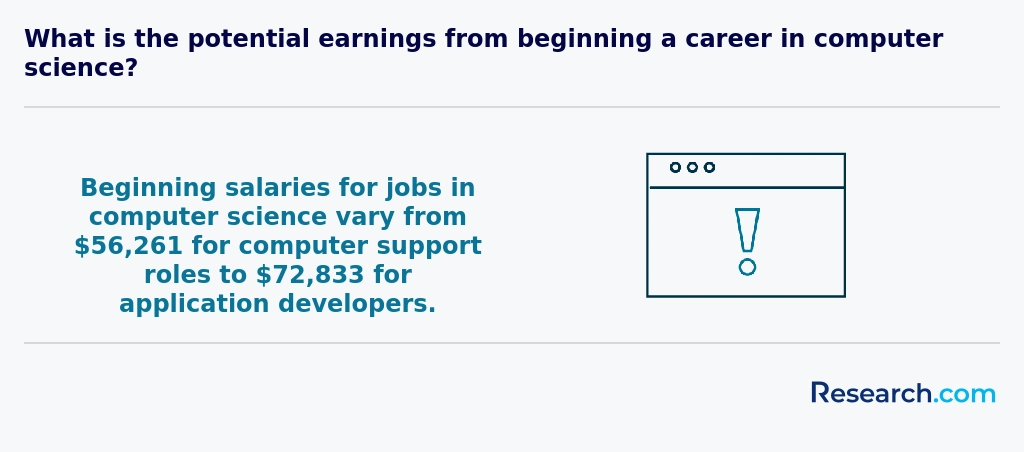
Early career roles, such as IT support specialists, begin at about $63,640 per year, providing a solid foundation, especially for those gaining practical experience at companies in Baltimore or near Washington, D.C.
Data analysts in Maryland typically make around $119,040 yearly, which is encouraging for graduates who enjoy working with data and statistics. Web developers often earn approximately $95,570, offering creative outlets combined with decent pay.
Many graduates I've spoken to highlight how internships in the Baltimore-Washington tech corridor help boost earnings quickly, especially when pursuing roles in cybersecurity or software engineering. With growing opportunities at federal agencies nearby, the right experience can easily elevate your salary beyond $140,000 as you build expertise.
- In-state tuition for computer science at public universities in Maryland ranges from $10,000 to $12,000 per year.
- Out-of-state students pay significantly more, often up to $35,000 annually, while private schools may charge over $40,000 per year.
- The average starting salary for computer science graduates in Maryland is about $75,000 per year, which is higher than the national average.
- Mid-career salaries for computer science professionals in Maryland typically range from $110,000 to $120,000 annually.
- Most top computer science programs in Maryland are accredited by the Computing Accreditation Commission of ABET.
- Maryland's proximity to Washington D.C. offers numerous job opportunities in cybersecurity, software development, and IT management due to many tech firms and government contractors.
Completing a computer science degree in Maryland typically takes about four years for full-time undergraduates, whether you're studying at the University of Maryland, College Park, or Towson University. Imagine starting your journey with foundational courses in programming and algorithms, steadily building toward advanced topics over those four years. Many graduates share how pacing themselves while balancing campus life made the experience both challenging and rewarding.
If you're managing work or family commitments, remember that part-time enrollment is common at institutions like UMBC, extending your timeline but allowing flexibility. Some students accelerate by taking summer courses, shaving months off their degree, while others benefit from transferring credits earned at local community colleges, lightening their course load on campus.
For those pursuing a master's in computer science within Maryland, expect an additional one to two years, with 30 to 36 credit hours depending on your thesis choices. These pathways open doors to deeper specialization and exciting career advancements, all while navigating Maryland's unique academic environment.
Understanding ROI helps you weigh the total cost of a degree against career earnings and debt payback. Key metrics for Maryland computer science programs include:
- Average student debt: $30,000
- Median starting salary: $105,000 annually
- Estimated debt payback period: 2–3 years
- Cost-saving option: explore ai degrees online for specialized skills at lower tuition
Choosing between online and on-campus computer science degrees in Maryland shapes not only your learning but also your everyday experience. On-campus programs at schools like the University of Maryland College Park offer vibrant environments where students thrive through face-to-face interactions, access to advanced labs, and direct connections that lead to internships. Graduates often recall the energy of study groups in libraries and networking events on campus that jumpstarted their careers.
Online degrees provide a different but equally valuable path. Working professionals or those juggling family life find flexibility studying through platforms offered by institutions such as Towson University. This format demands self-discipline but rewards with the ability to learn from anywhere in Maryland, fitting education smoothly into busy schedules.
Both paths maintain rigorous accreditation and curricula, but on-campus students typically benefit from immediate support like career counseling. Conversely, online learners engage with mentors and peers virtually, which can be just as meaningful if you embrace the digital community. Maryland's public universities keep tuition affordable in both models, making quality computer science education accessible to many.
Navigating the application process for a Computer Science degree in Maryland is a vital step that can set the stage for your future success. Most institutions require a blend of academic preparation and personal insight, including official transcripts, standardized test scores, and compelling personal statements. Start by researching each program’s unique requirements, deadlines, and additional documentation such as letters of recommendation or portfolios showcasing your projects. To bolster your application, consider reaching out to current students or alumni to learn firsthand about their experiences and gather tips on preparing a thoughtful application package. Strengthening your online presence by maintaining a professional LinkedIn profile or a GitHub repository can also help you stand out. Moreover, for those exploring flexible options, you might want to explore affordable online computer science programs in maryland that offer thorough academic rigor along with career support services. Finally, don’t hesitate to attend virtual information sessions or campus tours if available, as these provide invaluable insights into the learning environment and culture of the institution. With careful preparation and a proactive approach, your application will reflect not only your academic credentials but also your passion and readiness for a successful career in technology.
The average cost of a computer science degree in Maryland varies significantly depending on whether you attend a public or private institution. For in-state students, the median total cost is around $11,809, making public universities like the University of Maryland, College Park attractive for their balance of quality and affordability. Graduates often share how the manageable tuition helped them focus on developing their skills rather than stressing over finances. On the other hand, out-of-state students should prepare for a higher expense, often approaching $50,921, which reflects additional fees and tuition premiums.
Private universities such as Johns Hopkins University typically have tuition costs closer to $60,000 or more per year. However, many students find strong financial aid packages that soften the financial load, enabling them to immerse themselves fully in innovative research and networking opportunities. These experiences are rewarding and often mentioned by alumni as critical stepping stones in their careers.
Students who want more affordable computer science programs Maryland tuition fees suggest looking into community colleges, where costs range roughly $4,000 to $6,000 annually. These schools provide an excellent pathway with a practical curriculum and the option to transfer credits later on.
Besides tuition, graduates recommend budgeting an additional $8,000 to $12,000 each year for living expenses and technology fees. Planning ahead allows you to thrive both academically and personally during your studies.
For those seeking cost-effective routes, exploring the affordable online computer science programs in maryland can be a smart decision that combines flexibility with value.
Maryland’s leading computer science programs have forged strong partnerships with top-tier employers, offering students invaluable hands-on experience and a direct pathway into the tech workforce. Through semester-long internships and cooperative education (co-op) placements, you can collaborate on real-world projects, refine your technical skills, and build a professional network before you even graduate. – University of Maryland, College Park: Partnered with the National Security Agency (NSA) and local defense contractors, UMCP students can work on cybersecurity research, secure software development, and threat analysis. – Towson University: Offers a structured co-op program with Baltimore-area startups and healthcare IT firms, enabling students to develop full-stack applications and deploy machine learning models in clinical settings. – Johns Hopkins University: Through its Engineering for Professionals division, JHU places students in internships at leading biotech companies, emphasizing data analytics, bioinformatics, and AI-driven diagnostics. – University of Maryland Global Campus (UMGC): Collaborates with government agencies like the Department of Defense and Fortune 500 corporations, providing remote and on-site internships focused on cloud computing, DevOps, and network architecture. By engaging in these partnerships, students not only gain a competitive edge but often secure full-time offers in coding and programming jobs upon graduation. To maximize your chances, start exploring opportunities early, tailor your resume to highlight relevant coursework and projects, and leverage your university’s career services to connect with industry mentors.
Students pursuing a computer science degree in Maryland often find strong financial support through a mix of federal, state, and institutional aid. Many graduates from the University of Maryland, College Park, share how Pell Grants-a federal need-based fund worth up to $7,395 annually-significantly eased their financial burden without the pressure of repayment.
State aid is another powerful resource. Maryland's Guaranteed Access Grant covers tuition and mandatory fees at public universities, making it a game-changer for low-income students at schools like Towson University. Alongside this, legislators offer Senatorial or Delegates' Scholarships, giving personalized support based on community ties.
Merit-based scholarships, such as the competitive Banneker/Key Scholarship at the University of Maryland, reward outstanding STEM achievements and inspire students to keep excelling. Many peers also tap into federal work-study programs, combining part-time campus jobs with real-world tech experience.
Completing the FAFSA early unlocks countless opportunities, and private scholarships from Maryland-based tech organizations offer hopeful students vital encouragement and funding to turn their passion for computer science into reality.
Maryland’s top Computer Science programs integrate cutting-edge research and industry partnerships to ensure students graduate with real-world skills. From faculty-led labs to competitive internships, you’ll find numerous avenues to apply classroom theory to practical challenges:
- Faculty-Guided Research: Collaborate with professors on projects in artificial intelligence, cybersecurity, or data science. Many universities host undergraduate research symposia where students present findings and network with industry experts.
- Internship and Co-op Programs: Strong ties to Baltimore-area tech firms and government agencies mean paid internships and semester-long co-ops are readily available. These experiences often lead directly to full-time offers upon graduation.
- Capstone and Team Projects: Most bachelor’s programs culminate in a capstone course where teams design, develop, and deploy software solutions for real clients-mirroring startup or corporate workflows.
- Hackathons and Competitions: Maryland campuses regularly host hackathons, coding challenges, and hack days, fostering innovation under tight deadlines and boosting your portfolio. Beyond Maryland’s borders, budget-conscious students can explore cost-effective options elsewhere; for instance, check out the Cheapest Computer Science Degree Programs Ranking in Worcester, MA to compare tuition rates and experiential offerings. Engaging in research and hands-on learning not only deepens technical expertise but also signals to employers that you’re ready to tackle complex problems from day one.
To enroll in a computer science degree program in Maryland, you'll need a strong foundation in math and science, typically proven by your high school diploma or GED. Graduates from popular schools like the University of Maryland, College Park share how excelling in courses like algebra, calculus, physics, and chemistry gave them the confidence to tackle coding challenges later on.
Many programs expect solid SAT or ACT math scores, though test-optional policies are becoming more common. Imagine preparing for your admission with focused math practice, knowing it's a key to unlocking analytical thinking skills vital for computer science success.
Beyond academics, Maryland schools often look for hands-on experience with computers or programming. Students who participated in coding bootcamps, online courses, or competitions stand out, showing real passion and initiative. Some programs also ask for personal essays or recommendation letters, helping admissions see your unique story and commitment.
If you're transferring credits, be ready to show a decent GPA and completion of essential courses like introductory programming to stay on track with Maryland's rigorous curriculum.
- Community College of Baltimore County (Associate in Computer Science): ~$5,000/year in-state, seamless transfer to four-year schools
- University of Maryland Global Campus (BS in Computer Science): ~$7,200/year, fully online with flexible pacing
- Towson University (BS in Computer Science): ~$9,000/year in-state, ABET-accredited curriculum
- Morgan State University (BS in Computer Science): ~$10,200/year in-state, strong research opportunities
- University of Maryland, College Park (BS in Computer Science): $11,505/year in-state, flagship program with industry partnerships
For students planning to advance their skills after graduation, explore online masters in data science.
When you dive into a computer science degree in Maryland, your journey begins with foundational courses like Programming Fundamentals, where you'll master languages such as Python or Java. Many graduates from institutions like the University of Maryland recall how these early classes gave them confidence to tackle real coding challenges quickly.
As you progress, expect to engage deeply with Data Structures and Algorithms, critical for solving complex problems efficiently. It's not just theory-students often relate these lessons to optimizing apps or games they build in hands-on projects. Imagine understanding the hardware side through Computer Architecture, which demystifies what happens inside your laptop when you run a program.
Courses like Operating Systems and Databases prepare you to manage real-world software environments, vital skills for working with companies in Maryland's bustling tech scene. Graduates often emphasize how Software Engineering taught them teamwork and project management, mirroring professional environments in local startups.
Maryland's unique location also means you may explore electives in emerging fields like AI or cybersecurity, areas many students find inspiring given the state's ties to federal agencies. This practical, evolving curriculum equips you to step confidently into Maryland's tech workplace.
If you're pursuing a computer science degree in Maryland, you'll find a range of specializations designed to align with the state's tech landscape and job market. Graduates from universities like the University of Maryland College Park often choose concentrations such as Artificial Intelligence and Machine Learning, where they delve into algorithms and data analytics to build smart systems that transform industries.
Maryland's unique position near federal agencies makes Cybersecurity a highly sought-after specialization. Students gain hands-on experience defending networks and ethical hacking skills, preparing them for meaningful careers protecting national digital assets. Others gravitate toward Data Science and Big Data, mastering the tools to analyze vast information and influence critical decisions across sectors-this specialization is particularly vibrant at institutions focused on Maryland computer science concentration options.
Software Engineering remains a popular path, emphasizing design and maintenance of responsive software solutions. Meanwhile, Human-Computer Interaction inspires students to enhance user experiences by blending technology with psychology. Many graduates share that these choices open doors to internships and coding and programming jobs unique to Maryland's dynamic tech scene.
Choosing the best computer science degree in Maryland means focusing on what truly fits your goals and lifestyle. Graduates from the University of Maryland, College Park often share how the university's strong STEM reputation and rich research environment helped them land exciting roles in cybersecurity and AI, especially given Maryland's unique position near government tech hubs. Many find that programs with tailored specializations make learning more engaging and relevant, allowing them to dive deep into cutting-edge fields.
Affordability is another key factor. Community colleges and regional campuses offer great value with in-state tuition costs that are often significantly lower, a vital point for those seeking affordable computer science degrees Maryland. Comparing costs alongside quality, like accreditation and graduation rates, gives you a clearer picture of what to expect. Some students also highlight how financial aid and scholarships specifically aimed at STEM majors made a decisive difference in their journey.
Finally, consider practical experiences. Programs with strong industry connections and internships open doors-graduates frequently mention how these opportunities helped them build confidence and professional networks. For helpful pricing insights, check out the Cheapest Computer Science Degree Programs Ranking in Worcester, MA as a reference point.

Graduates with a computer science degree in Maryland find diverse career paths that truly match their passions and skills. Many jump into cybersecurity roles, benefiting from Maryland's unique position near government agencies and defense contractors. These jobs often come with rewarding salaries and the chance to protect critical information. For software developers, the thriving tech hubs around universities like the University of Maryland provide exciting opportunities ranging from mobile apps to enterprise solutions, fostering creativity and steady growth.
Another dynamic route is data science and analytics, where graduates turn complex data into powerful insights for businesses and governments. Maryland's students often remark on how hands-on projects from local colleges helped them land these roles. Exploring emerging fields like artificial intelligence or cloud computing is also promising, supported by tailored programs in the state's educational institutions. For those unsure about their timeline, checking out 6-month online associate degree programs can be a smart stepping stone to build foundational skills and enter the job market quicker.
Maryland's diverse job market ensures that those earning a computer science degree in Maryland will find fulfilling careers that align with their ambition and goals.
The computer science job opportunities in Maryland are remarkably promising, thanks to the state's proximity to the federal government and its thriving tech industry. Graduates from well-known institutions such as the University of Maryland, College Park, or Johns Hopkins University often find themselves drawn to roles in cybersecurity and software development within government agencies or private contractors in the Washington D.C. metro area. Many share stories of securing internships that transition smoothly into full-time positions, thanks to strong connections their programs foster with local employers.
Maryland's tech industry employment outlook is further boosted by growing sectors like healthcare informatics and financial technology. Graduates marvel at the balance between competitive wages and a reasonable cost of living, making the pursuit of a computer science degree here not just an investment in education but in a vibrant career path. For those weighing options, exploring the easiest doctoral degree routes can also open doors to advanced roles in research and development.
2027 Most Affordable Computer Science Degree Programs Ranking in Maryland
Investing in your education is a significant decision that can shape your future, and the Research.com team understands the importance of making informed choices. To assist prospective students in Maryland, we have meticulously crafted the "2027 Most Affordable Computer Science Degree Programs Ranking in Maryland." Our commitment to quality, credibility, and accuracy is reflected in the extensive research and analysis conducted to compile this ranking.
We utilized the following reputable data sources to ensure a comprehensive evaluation of computer science programs:
By exploring this ranking, readers will gain valuable insights into the most affordable computer science degree options in Maryland, empowering them to make well-informed educational decisions. For more details on our methodology, please visit our Research.com methodology page.


# 5 position
Women's Institute of Torah Seminary and College
Bachelor of Arts in Computer Science



Frequently Asked Questions About computer science
Computer science students in Maryland can maximize their learning by combining classroom knowledge with practical experience. Internships are particularly valuable, as Maryland hosts numerous tech companies and government agencies offering positions that align with computer science studies. According to the Maryland Department of Labor, internships improve job prospects by nearly 40% for graduates in STEM fields.
Engaging in research projects at universities such as the University of Maryland or Johns Hopkins University offers students exposure to cutting-edge technologies and mentorship. Maryland also benefits from proximity to federal research institutions, providing networking opportunities.
Additionally, joining student organizations or coding clubs helps develop teamwork and problem-solving skills essential in the tech industry.
The computer science field is rapidly evolving, and several emerging niches are gaining prominence, especially in Maryland's academic landscape. Areas such as artificial intelligence (AI), cybersecurity, and data science are becoming increasingly important. According to the Maryland Department of Labor, cybersecurity jobs in the state are projected to grow by over 20% through 2030, reflecting high demand for skilled professionals.
Maryland is also known for its strong focus on bioinformatics and health informatics, due to proximity to federal agencies like the NIH. These niches combine computer science with biology and healthcare to analyze complex data sets. Additionally, blockchain technology and Internet of Things (IoT) development are growing, supported by academic programs at institutions such as the University of Maryland.
These specialized fields offer students opportunities to work in cutting-edge research and industries gaining traction both in Maryland and nationally.
After completing a computer science degree in Maryland, preparing for the job market involves a combination of practical experience and professional networking. Maryland hosts a strong technology sector, including cybersecurity hubs like those near Baltimore and the Washington, D.C. area. Students should seek internships or cooperative education opportunities during their studies, which can significantly boost employability. According to the Maryland Department of Labor, technology jobs in the state are projected to grow by 15% from 2020 to 2030, highlighting demand.
Building a portfolio with personal or academic projects demonstrates technical skills to employers. Additionally, obtaining certifications such as CompTIA Security+ or AWS Certified Developer can enhance a resume. Joining professional organizations like the Maryland Tech Council helps graduates connect with local industry leaders. Finally, attending career fairs and using university career services offers access to job listings and interview preparation, critical for a successful transition into Maryland's competitive tech workforce.
Employers in Maryland seek computer science graduates with a combination of technical skills and practical experience. Proficiency in programming languages like Python, Java, and C++ is highly valued, as these are widely used in local tech industries. According to the Maryland Department of Labor, skills in software development and data analysis are among the most requested for job openings in the state's technology sector.
In addition to coding, employers prioritize problem-solving abilities and strong knowledge of algorithms and data structures. Familiarity with cloud computing platforms such as AWS and Azure is increasingly important due to Maryland's growing government and cybersecurity sectors. Communication skills and teamwork also play a critical role in securing positions within Maryland's collaborative work environments.
Finding internships in Maryland relevant to a computer science degree involves leveraging multiple resources. Start by exploring university career centers, as schools like the University of Maryland and Johns Hopkins University maintain extensive internship databases specifically for tech fields. According to the Maryland Department of Labor, tech internships in the state have grown by 12% over recent years, reflecting the booming cybersecurity and software industries.
Online platforms such as Handshake and LinkedIn also list numerous Maryland-based tech internships. Employers like Lockheed Martin and Northrop Grumman, prominent in Maryland, frequently offer computer science internships.
Networking through tech meetups and university alumni events can uncover hidden opportunities, enhancing your chances further.
Holding a computer science degree in Maryland significantly enhances career mobility and advancement opportunities. The state's growing technology sector, particularly in areas like Baltimore and the DC metro region, demands skilled professionals fluent in coding, software development, and data analysis. According to the Maryland Department of Labor, technology occupations in Maryland are projected to grow 13% from 2020 to 2030, faster than the national average.
The degree equips graduates with both foundational knowledge and practical skills, making them competitive for diverse roles including cybersecurity, software engineering, and IT management. Maryland's proximity to federal agencies and tech companies also opens doors to government and defense-related tech careers with upward mobility.
Moreover, many Maryland universities emphasize internships and cooperative education, fostering professional networking critical for job promotions and career shifts. Salary increases often accompany advanced degrees, reflecting the high value employers place on formal computer science education.
Studying for a computer science degree in Maryland offers students a strong foundation in both technical skills and interdisciplinary knowledge. Maryland's universities emphasize collaboration across fields such as biology, engineering, and business, preparing graduates to work in diverse areas like healthcare technology and cybersecurity. According to the Maryland Department of Labor, employment in computer and information technology occupations is projected to grow by 11% through 2030, highlighting demand for versatile skills.
Programs often include dual majors, minors, or certificates in related fields, fostering adaptability. Partnerships with government agencies and industry in the Maryland tech corridor provide real-world experience, strengthening interdisciplinary competencies essential in today's job market.
Choosing between a thesis and a non-thesis computer science degree program in Maryland depends on your career goals and interests. Thesis programs typically emphasize research, requiring students to develop original work under faculty supervision. This path suits those aiming for a PhD or roles in research and development.
Non-thesis programs focus more on coursework and practical skills, ideal for students targeting industry positions. According to the Maryland Higher Education Commission, over 60% of Maryland's computer science graduates enter tech roles requiring strong applied knowledge rather than research experience.
Cost and duration also matter; thesis programs may take longer and require funding for research, whereas non-thesis degrees often finish faster.
Students based in Maryland seeking to study computer science abroad have several avenues available through their home institutions and statewide initiatives. Many Maryland universities, such as the University of Maryland College Park, offer established study abroad programs focused on computer science, including partnerships with universities in Europe and Asia. These programs often allow students to earn credits toward their degree while gaining international experience.
The Maryland Higher Education Commission supports exchange programs that facilitate student mobility abroad. Additionally, Maryland students may explore national programs like Gilman Scholarships, designed to fund U.S. undergraduates studying overseas, which can offset the cost of international study in computer science fields.
While specific statistics on Maryland computer science students studying abroad are limited, participation rates in STEM-related international exchanges have grown nationwide, reflecting increasing interest. Prospective students should consult academic advisors to identify programs aligned with their career goals and accredited curriculum requirements.
Maryland offers a range of part-time job opportunities that align well with computer science degree education. Students often find roles as software development interns, IT support technicians, or web developers. These jobs provide practical experience while applying coding, debugging, and problem-solving skills learned in class.
The state's proximity to government agencies and tech companies, especially in areas like Baltimore and the Washington, D.C. metro, increases access to part-time positions in cybersecurity and data analysis. According to the Maryland Department of Labor, tech employment in the state grew by 4.2% in 2023, highlighting steady demand.
Local universities often partner with businesses seeking student talent, offering positions that can enhance resumes and professional networks. Such roles help students balance study with gaining relevant work experience beneficial for post-graduation career prospects.
Computer science students in Maryland benefit from a variety of networking opportunities that connect them with industry professionals and peers. The state hosts numerous tech-focused events, including the annual Maryland Tech Council conferences and local meetups in Baltimore and the D.C. metro area.
Many universities, such as the University of Maryland and Johns Hopkins, offer career fairs and hackathons that attract top employers like IBM, Lockheed Martin, and Northrop Grumman. According to the Maryland Department of Labor, the state has over 26,000 IT-related jobs, enhancing internship and job placement prospects.
Additionally, organizations like Women Who Code Baltimore and MD Cyber provide mentorship and networking platforms tailored to computer science students.
Alumni networks are valuable resources for computer science students in Maryland. They provide access to experienced professionals who understand the state's tech industry landscape. According to the University System of Maryland, strong alumni connections can increase internship and job opportunities by up to 30% for students in STEM fields.
These networks offer mentorship programs, helping students develop skills tailored to Maryland's competitive tech market. Alumni often share insights about local companies, including prominent firms in Baltimore and the DC metro area, enhancing students' career readiness.
Moreover, alumni events and online groups facilitate continuous learning and professional growth, giving students a practical advantage when entering the workforce.
In Maryland, students can customize their computer science degree programs by selecting concentrations, electives, and internships aligned with their career goals. Many universities offer tracks such as cybersecurity, artificial intelligence, software engineering, or data science, allowing focused study in high-demand fields.
Students may also engage with capstone projects that solve real-world problems, enhancing practical experience. Maryland's proximity to government agencies and tech companies provides abundant internship opportunities, which can be integrated into academic programs.
According to the National Center for Education Statistics, Maryland awarded over 1,600 computer science bachelor's degrees in 2021, reflecting a strong demand for tailored education. Choosing relevant electives and hands-on experiences helps prepare graduates for specific roles in the local job market.
Computer science students in Maryland often face significant challenges related to rapidly evolving technology and competitive academic standards. Many struggle with mastering complex programming languages and algorithms, which require strong analytical thinking and consistent practice. Additionally, balancing coursework with internships or part-time jobs can be demanding, given the state's growing tech industry in areas like Baltimore and the Washington, D.C. metro.
Access to affordable resources remains an issue for some. According to the Maryland Higher Education Commission, tuition costs have risen steadily, increasing financial pressure on students. Also, female and minority students report facing underrepresentation in STEM classes, impacting their experience and support networks.
With a computer science degree in Maryland, graduates can pursue various professional certifications to enhance their careers. Popular certifications include the Certified Information Systems Security Professional (CISSP), which is well-regarded in cybersecurity roles. Maryland's growing tech sector supports demand for such expertise, especially near the Baltimore and Washington, D.C. metropolitan areas.
Other valuable certifications include the Certified Ethical Hacker (CEH) and the Project Management Professional (PMP), which are recognized across the US for IT professionals. The CompTIA Security+ and Amazon Web Services (AWS) Certified Solutions Architect are also frequently pursued, reflecting trends in cloud computing and information security in Maryland's job market.
According to Maryland Department of Labor, tech-related certifications can increase annual salaries by up to 15%, making these credentials a strategic choice for those entering the field.
Writing a winning application for a computer science program in Maryland requires careful preparation and attention to detail. Start by highlighting your academic achievements, particularly in math and science courses, as strong quantitative skills are essential. Many Maryland universities, such as the University of Maryland, emphasize a GPA above 3.0 for competitive admission.
Include relevant extracurricular activities, such as coding clubs, internships, or personal projects, which demonstrate your passion and practical experience. A well-crafted personal statement that clearly explains your motivation for studying computer science and your career goals can significantly strengthen your application.
Finally, be sure to request strong letters of recommendation from teachers or professionals familiar with your skills.
Computer science careers are recognized worldwide for their strong growth potential and broad applicability across industries. In the United States, and specifically Maryland, the demand for skilled professionals continues to rise due to the state's focus on technology and innovation, particularly around the Baltimore-Washington corridor.
Global companies value computer science graduates for their problem-solving skills and adaptability. Maryland's proximity to federal agencies and tech firms offers unique opportunities for collaboration and employment.
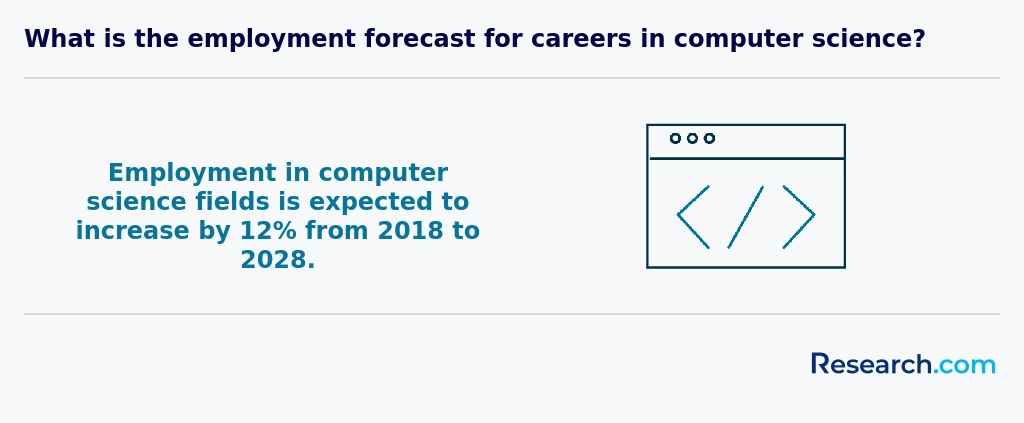
According to the U.S. Bureau of Labor Statistics, computer and information technology jobs are projected to grow 15% from 2021 to 2031, faster than the average for all occupations, with Maryland's tech sector playing a key role.
This growth aligns with global trends emphasizing artificial intelligence, cybersecurity, and data science-all popular specializations in Maryland's computer science programs.
Gaining practical experience while studying for a computer science degree in Maryland can significantly enhance your skills and employability. Many Maryland institutions, including the University of Maryland and Towson University, offer co-op programs and internships in partnership with local tech companies and government agencies. According to the Maryland Department of Labor, about 60% of computer science students participate in internships before graduation.
Students can also join coding clubs, hackathons, and research projects to apply classroom knowledge in real-world scenarios. Additionally, some universities provide access to cutting-edge labs and collaborative industry projects, fostering hands-on learning experiences essential for career readiness in the competitive tech sector.
Choosing the right concentration within a computer science degree program in Maryland depends on your career goals and interests. Maryland universities offer diverse specializations including cybersecurity, software engineering, data science, and artificial intelligence. According to the Maryland Department of Labor, demand for cybersecurity experts is growing rapidly due to the state's strong federal presence.
Evaluate local industry trends and job market data, as Baltimore and the Washington D.C. metro area provide robust opportunities especially in government and technology sectors. Research faculty expertise and available resources at each institution, since hands-on experience is vital.
Additionally, consider internships and networking opportunities in Maryland's tech community to enhance your practical skills.
- 2027 Most Affordable Computer Science Degree Programs Ranking in Virginia
- 2027 Most Affordable Computer Science Degree Programs Ranking in West Virginia
- 2027 Most Affordable Computer Science Degree Programs Ranking in Pennsylvania
- 2027 Most Affordable Computer Science Degree Programs Ranking in New York
- 2027 Most Affordable Computer Science Degree Programs Ranking in Ohio
- 2027 Most Affordable Computer Science Degree Programs Ranking in Connecticut
- 2027 Most Affordable Computer Science Degree Programs Ranking in Rhode Island
- 2027 Most Affordable Computer Science Degree Programs Ranking in Tennessee
- 2027 Most Affordable Computer Science Degree Programs Ranking in South Carolina
- 2027 Most Affordable Computer Science Degree Programs Ranking in Vermont
See What Experts Have To Say About Studying Computer Science
Read our interview with Computer Science experts

Derek Riley
Computer Science Expert
Professor, Program Director
Milwaukee School of Engineering

Imed Bouchrika, Phd
Computer Science Expert
Professor of Computer Science
National Higher School of Artificial Intelligence

Martin Kang
Computer Science Expert
Assistant Professor
Loyola Marymount University

Elan Barenholtz
Computer Science Expert
Associate Professor
Florida Atlantic University

- Opportunities Abound in UMD’s Computer Science Program https://www.softwareengineerinsider.com/articles/umd-computer-science-program.html
- What Can You Do With a CS Degree? 12 Paths for 2026 | Extern https://www.extern.com/post/computer-science-degree-careers-guide
- How to choose a bachelor's in computer science | edX https://www.edx.org/resources/how-to-choose-a-bachelors-in-computer-science
- 8 Tips for Computer Science Graduates to Get Their First Job https://allthecode.co/blog/post/tips-for-computer-science-graduates-to-get-their-first-job
- How to Find Computer Science Work Experience in Year 12 https://www.savemyexams.com/learning-hub/careers/how-to-find-computer-science-work-experience-year-12/
- A Holistic Approach to Studying Interdisciplinary Collaboration: Computer Science https://sciety.org/articles/activity/10.21203/rs.3.rs-8694985/v1
- Computer Science Alumni Council https://www.myniu.com/article.html
- Getting the Most Out of a Computer Science Degree https://robkokochak.com/blog/getting-the-most-out-of-a-cs-degree/
- Computer Science Cover Letter: How to Show You're a Top Tech Candidate https://arc.dev/talent-blog/computer-science-cover-letter/
- New and Future Computer Science and Technology Trends https://www.computerscience.org/resources/computer-science-trends/