2027 Best Computer Science Degree Programs Ranking in Colorado

Co-Founder and Chief Data Scientist
Choosing the right computer science degree program can feel overwhelming, especially with so many options in Colorado. This article presents the 2027 Best Computer Science Degree Programs Ranking in Colorado, created by the Research.com team of data scientists to help you make an informed decision.
Discover programs that stand out for quality and value. Earning a computer science degree opens doors to exciting career opportunities and personal growth. Whether you're starting or advancing your education, this guide is designed to support your journey toward success.
Key benefits of getting computer science degree in Colorado
- Graduates with a computer science degree in Colorado can earn strong salaries, such as Software Engineers and Developers making a mean annual wage of $138,110, while Data Analysts earn around $119,040, reflecting rewarding financial opportunities.
- Career paths include roles like Software Engineer, Web Developer, and IT Support Specialist, offering diverse options for graduates from schools such as the University of Colorado Boulder, known for its tech-focused programs.
- Online computer science degrees from Colorado institutions provide flexibility and convenience, allowing students to balance work and study while still gaining valuable skills and connections for a successful career.
- 2027 Best Computer Science Degree Programs Ranking in Colorado
- What can I expect from computer science degree in Colorado?
- Where can I work with computer science degree in Colorado?
What can I expect from computer science degree in Colorado?
Crunching numbers on the average cost of a computer science degree in Colorado reveals a relatively balanced investment, especially when compared to coastal tech hubs. Graduates from places like the University of Colorado Boulder and Colorado State University often recall tuition costs hovering around $12,000 to $35,000 per year, depending on residency status and program level. Imagine a student walking across CU Boulder's sprawling campus, knowing their tuition feels like a clever trade-off for access to cutting-edge labs and industry connections.
Private institutions like the University of Denver might nudge that number higher, yet students often feel the value in personalized mentorship and specialized research opportunities. These costs come bundled with chances to dive into AI projects or cybersecurity challenges that fuel a palpable excitement-like unlocking secret codes within the tech world.
This tangible return on investment is underscored by alumni stories: students juggling internships in Denver's buzzing tech scene or collaborating on aerospace software, all while managing tuition that feels manageable amidst Colorado's lower living expenses. The financial commitment mirrors a gateway to vibrant innovation rather than a burden.
Where can I work with computer science degree in Colorado?
Graduates from computer science programs at the University of Colorado Boulder or Colorado State University often find themselves stepping into a dynamic tech ecosystem where innovation hums in every corner. Imagine coding alongside startups in Denver's bustling tech corridors, or sharpening your cybersecurity skills protecting cutting-edge aerospace systems at a company like Lockheed Martin, right in your backyard.
Many of these grads describe landing roles as software engineers crafting financial apps one day and troubleshooting healthcare systems the next-an exhilarating blend of challenge and impact. Others dive into data science, transforming raw numbers into insights that power Colorado's telecommunications giants or financial firms. The thrill comes not just from the work, but the knowledge you're fueling a local economy that's vibrant and expanding.
Beyond private industry, graduates feel energized contributing to public service, maintaining vital IT infrastructures for state agencies, or collaborating on groundbreaking research at institutions like the University of Denver. The range of paths is vast, but they all share a common thread: a strong, supportive Colorado network that turns a computer science degree into a launchpad for an exciting career.
Graduates from Colorado's booming computer science programs often find themselves stepping into roles where the paycheck reflects both skill and the state's tech pulse. Imagine a fresh graduate from the University of Colorado Boulder landing a software engineer position with a mean annual wage of $138,110-enough to turn dreams of city living and weekend hiking into a vibrant reality.
For those coding their way through the front lines of development, software developer salaries mirror this figure, with an average of $138,110 a year. Not far behind are web developers, who weave digital experiences and earn a solid $95,570 on average-a perfect springboard for newer grads from Colorado State University testing their creative chops.
If you picture yourself in a more supportive, problem-solving role, the IT support specialist with a mean wage of $63,640 offers steady income and career makeup flexibility. Meanwhile, crunching data into insights as a data analyst can fetch around $119,040 annually, rewarding specialized skills honed at institutions like Colorado School of Mines.
These numbers aren't just abstract-they're real ladders to financial confidence, set against Colorado's inspiring mountain vistas and innovation hubs. For many students, the combination of a tech education and living in a state with flourishing startups turns a computer science degree into an electrifying ticket to both a fulfilling career and a vibrant lifestyle.
- Colorado has several accredited universities with strong computer science programs, including the University of Colorado Boulder, Colorado State University, and the University of Denver.
- In-state tuition at public universities averages about $11,500 per year, while out-of-state tuition can reach approximately $30,000 annually.
- Private institutions often charge tuition fees exceeding $40,000 per year, not including additional costs like books and housing.
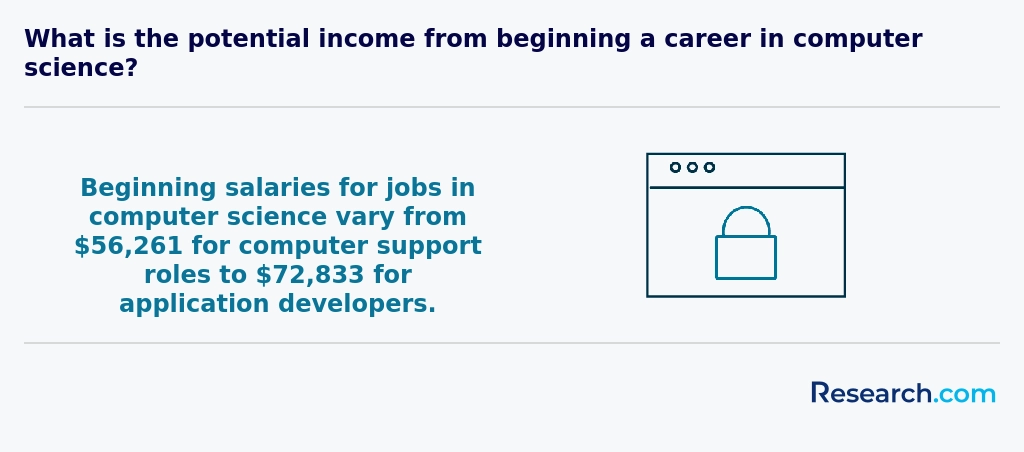
- The average starting salary for entry-level computer science graduates in Colorado is around $70,000 per year.
- Mid-career salaries for computer science professionals in Colorado can exceed $110,000 annually.
- Internships, cooperative education programs, and STEM-specific scholarships are widely available to help students gain experience and reduce financial costs.
Imagine diving into the vibrant halls of the University of Colorado Boulder, where full-time computer science students typically sprint through their Bachelor's degree in about four years. It's a journey packed with code, caffeine, and countless "aha" moments-just enough time to build strong foundations and forge lasting bonds with peers. Meanwhile, those attending part-time or juggling internships often stretch their adventure beyond the usual four years, turning semesters into chapters of a richer, more textured story.
Colorado State University's graduates often recount balancing summer sessions and accelerated courses, trimming the timeline to as little as three years. For seekers of deeper knowledge, a Master's program unfolds over 1.5 to 2 years, or longer with flexible part-time study, offering room to breathe and discover. Community college paths, like at Arapahoe, craft a solid two-year stepping stone, intertwining practical skills with possibility.
The magic in Colorado is how these timelines aren't just about clocks ticking-they're part of an evolving narrative shaped by hands-on projects, internships, and the pulsing demand for tech talent in the vibrant local scene.
Colorado institutions partner with local tech leaders and research centers to integrate real-world experience into your degree. Key opportunities include:
- Competitive summer internships with Denver-area startups and global firms
- Cooperative education (co-op) programs that alternate academic terms with paid work placements
- Sponsored faculty research projects in AI, cybersecurity and cloud computing
- University-hosted hackathons and industry coding challenges
Many programs culminate in capstone projects sponsored by organizations like Lockheed Martin or UCAR, helping you build a professional portfolio and accelerate job placement. For advanced data-focused training, consider data science programs online.
Picture yourself on the vibrant campus of the University of Colorado Boulder, laptop open in a bustling lab surrounded by peers, code flowing through the air like electricity. Here, the on-campus experience means tactile engagement with specialized hardware and face-to-face collaboration-something graduates often cherish as the spark for building lifelong tech networks. The hum of discussions, impromptu whiteboard sessions, and weekend hackathons create an atmosphere that fuels creativity and connection.
Contrast that with the flexibility embraced by online students who tap into Colorado State University's digital classrooms from their cozy homes or favorite cafés in Denver. These learners weave studies into their everyday lives, balancing work at startups or internships with coursework delivered asynchronously. Graduates often express relief and pride in mastering self-discipline while accessing the same rigorous curriculum without sacrificing a job or family time.
Some Coloradans even blend these worlds, enrolling in hybrid programs that sprinkle occasional campus visits among online modules-offering both community touchpoints and schedule freedom. Whether craving tactile lab moments or the fluidity of digital classrooms, Colorado's computer science pathways unlock distinctly personal journeys.
The college experience extends far beyond the classroom, and many aspiring computer science students in Colorado benefit significantly from vibrant campus life and comprehensive support services. Engaging in student tech clubs, hackathons, mentorship programs, and career fairs not only enriches your academic journey but also helps build a professional network that paves the way for future opportunities. Many institutions in Colorado offer dedicated centers for academic support, mental health wellness, and career advising that are tailored to the dynamic needs of technology students. For instance, if you are searching for an institution that marries a strong academic curriculum with a lively campus atmosphere, consider exploring the affordable computer science school in colorado. Such campuses often feature state-of-the-art labs and collaborative workspaces where students innovate together on real-world projects, further enhancing job readiness upon graduation. Embracing these resources can dramatically elevate your learning experience, foster invaluable relationships with peers and mentors, and ultimately empower you to thrive in a competitive industry.
The average computer science degree cost in Colorado often takes students and families by surprise, blending the challenge of investment with the thrill of opportunity. For many graduates from the University of Colorado Boulder or Colorado State University, the journey cost hovers around $15,666 for in-state residents-an inviting figure compared to out-of-state totals, which can climb dramatically. Imagine balancing late-night coding marathons with budget-conscious decisions, all while soaking in the Rockies' inspiring views nearby.
One graduate recalled how the biscuit breaks between lectures felt sweeter knowing their in-state tuition was manageable, bringing the dream of mastering algorithms and data structures within reach. On the other hand, those attending private institutions in Colorado encountered tuition numbers well beyond public averages, reflecting a broader national landscape but also opening doors to exclusive faculty and resources. Navigating the cost of earning a computer science degree Colorado demands awareness of these nuances, especially as housing, books, and tech gear subtly add up behind the scenes.
Online classes also weave into this story, offering flexibility and reducing your personal expenses without diluting the rich experience. In fact, if you're hunting for an affordable computer science school in colorado, you'll find pathways to soften financial pressures while keeping focus sharp on coding brilliance.

Imagine starting your computer science journey at the University of Colorado Boulder, where financial aid is not just a lifeline but a launchpad. Federal aid, unlocked by a simple FAFSA submission, opens doors to Pell Grants offering up to $7,495 yearly-enough to lighten the weight of tuition that hovers between $10,000 and $12,000 for in-state students.
Then there's the vibrant Colorado-specific support: the Colorado State Grant quietly fuels many dreams, and the Colorado Opportunity Scholarship Initiative (COSI) shines like a beacon for underrepresented STEM students. Graduates often recall the thrill of winning merit-based scholarships at Colorado State University, reinforcing their passion while easing financial stress.
- Many find extra fuel through private scholarships from local tech companies-imagine working toward coding greatness knowing your funding champions your home state's future.
- Work-study gigs within universities provide not just income but hands-on experience, turning classrooms into springboards for real-world tech success.
Together, these options can transform daunting costs into manageable challenges, lighting a path for Colorado's computer science explorers.
Colorado’s top computer science programs boast distinguished faculty members whose cutting-edge research and industry collaborations elevate student learning. At the University of Colorado Boulder, for example, professors publish extensively in artificial intelligence and machine learning journals, guiding students through projects funded by the National Science Foundation. Meanwhile, Colorado State University researchers lead labs in cybersecurity and bioinformatics, offering undergraduates hands-on opportunities to tackle real-world challenges. These programs typically maintain a low student–faculty ratio, ensuring personalized mentorship and direct access to faculty expertise. Students can join multidisciplinary research teams, working on initiatives such as autonomous robotics, scalable cloud architectures, and advanced data analytics. Engaging in faculty-led research not only deepens technical skills but also opens doors to conference presentations, co-authored publications, and professional networking events. For those considering graduate study, leveraging undergraduate research experience is a powerful advantage. Prospective students can explore the best online data science masters degree programs, which build on research foundations and offer flexible pathways to leadership roles in academia and industry. By learning directly from renowned experts and contributing to high-impact research, students in Colorado’s computer science degree programs gain a competitive edge in the job market and help drive innovations that shape the future of technology.
Imagine stepping onto the vibrant campus of the University of Colorado Boulder, where the first challenge for aspiring computer scientists is more than just navigating the sprawling landscape-it's proving you've got the math and science chops to thrive. Colorado's top programs expect more than enthusiasm; they seek a solid base: algebra, geometry, and if you're lucky, a tease of calculus. For many, coding glimpsed through high school programming classes sparks the initial fire, setting the stage for deeper dives into algorithms and logic.
Graduates often recall mornings spent wrestling with physics problems or chemistry labs, experiences that sharpen problem-solving like a well-honed tool. Institutions like Colorado State University value these foundational skills as signals you're ready to embrace computation's complexities. Meanwhile, holistic admissions at places such as the University of Denver encourage showcasing your passion through personal statements and activities, not just test scores. Here, it's about telling a story where your curiosity meets concrete skills-an equation every Colorado computer science hopeful must solve.
Dive into computer science in Colorado, and you'll find your first encounters with programming languages like Python, Java, or C++. Imagine a graduate from the University of Colorado Boulder recalling late-night coding marathons fueled by strong coffee and camaraderie, mastering data structures and algorithms that feel like puzzles unlocking a digital universe.
As you climb the academic ladder, courses in software engineering and databases transform theory into hands-on projects-like building apps that could change lives or managing cloud systems that hum behind popular tech platforms.
In Colorado's tech-savvy ecosystem, electives in artificial intelligence and cybersecurity sparkle with promise. Picture a Colorado State University student collaborating on machine learning models that predict real-world trends, their work echoed by nearby startups eager for fresh talent.
This journey is more than classes; it's a vibrant blend of creativity and logic shaped by local industry connections and immersive internships, lighting the path from classroom to cutting-edge careers.
Diving into computer science degree specializations in Colorado feels like stepping into a vibrant mosaic of innovation. Imagine crafting intelligent algorithms in Artificial Intelligence or defending digital fortresses in Cybersecurity, all while nestled in bustling hubs like Denver or Boulder. Graduates from the University of Colorado Boulder often recall late nights debugging code for software engineering projects or visualizing immersive graphics that could rival Hollywood effects.
Colorado State University students eagerly embrace Networking and Systems roles, tuning complex distributed systems as if orchestrating a symphony of data flowing seamlessly under the Rocky Mountain sky. Many thrill at exploring Human-Computer Interaction, designing user experiences that feel like second nature-like an app that anticipates your needs before you even think them.
The spectrum extends further when you consider Data Science, a specialization perfectly suited for those wondering if they can turn overwhelming data into clear stories. For such aspiring analysts, discovering the best online data science masters degree programs helps bridge the gap between curiosity and career. Embracing these specialization options means aligning with both personal passion and Colorado's dynamic tech landscape.
Imagine walking through the lively tech corridors of Boulder or Denver, where graduates from top Colorado universities recall how their programs blended groundbreaking AI theories with hands-on internships at local startups. Choosing the best computer science degree in Colorado means tuning into this experiential vibe-where curriculum relevance meets thriving industry connections. It's not just about the diploma; it's about joining a community that breathes innovation and opportunity.
For those weighing financial commitment against quality, exploring affordable computer science colleges in Colorado offers a practical edge. Graduates often share the relief of finding schools accredited by the Computing Accreditation Commission of ABET, guaranteeing a curriculum designed to keep pace with tech's rapid evolution. These programs emphasize emerging fields like cybersecurity and data science, equipping students with future-proof skills.
Location fuels momentum too. A program nestled in a Denver campus buzzes with access to job fairs and powerful networks, while those in smaller college towns offer focused mentorship and intimate classrooms. Students navigating these choices often consult rankings; a useful resource is the Cheapest Computer Science Degree Programs Ranking in Amherst, MA for comparative insights.
Ultimately, selecting from the best computer science degree programs Colorado-wide means blending practical considerations with personal inspiration-curating a path where passion meets possibility and the mountain-air sparks new ideas.

Imagine stepping out of a Colorado university, your laptop buzzing with code, ready to dive into a kaleidoscope of career paths. Graduates from Boulder or Denver tech programs often find themselves crafting the next wave of software as developers, web designers, or mobile app creators-roles in high demand across the state's buzzing tech hubs. Real stories from Colorado students reveal that the tech vibe here doesn't stop at coding; data science and cybersecurity careers are thriving, with analysts and scientists decoding complex data or fortifying digital frontiers. Those enchanted by the magic of artificial intelligence, network wizardry, or cloud computing discover fertile ground in Colorado's innovation ecosystem, blending creativity with cutting-edge technology.
For adventurous spirits, game development in Denver's vibrant creative scene offers a playground to shape interactive worlds, while academia and research at Colorado's universities allow curious minds to unlock mysteries behind the tech curtain. If you're curious about accelerating your journey, consider exploring fastest associate degree programs online as a stepping stone into the vast universe of computer science jobs in Colorado.
Colorado's computer science graduates step into a thriving ecosystem where startups buzz alongside tech giants, creating a rich tapestry of opportunity. Around Boulder and Denver, where top universities like the University of Colorado and Colorado State University cultivate talent, the demand for skilled professionals in software development, cybersecurity, and data science feels almost electric. Graduates share stories of landing roles at companies such as Lockheed Martin and innovative AI startups, reflecting the encouraging pulse of the Colorado tech industry job outlook.
Starting salaries here aren't just numbers - they're launching pads, often ranging from $65,000 to $75,000, with Boulder's tech scene pushing those figures even higher. Imagine coding late into the night, fueled by caffeine and ambition, knowing the next day's remote work option can connect you with global teams without leaving your Colorado home. Education costs, while notable, often feel like sound investments when compared to the robust job market awaiting graduates.
For those wondering which phd is easiest to get, understanding local job dynamics can shape smart decisions, especially when eyes are set on the vibrant, growing Colorado scene.
2027 Best Computer Science Degree Programs Ranking in Colorado
Investing in your education is a significant decision that can shape your future, and the Research.com team understands the importance of making informed choices. To assist prospective students in Colorado, we have meticulously crafted the "2027 Best Computer Science Degree Programs Ranking in Colorado." Our commitment to quality, credibility, and accuracy is reflected in the extensive research and analysis conducted to compile this ranking.
We utilized the following reputable data sources to ensure a comprehensive evaluation of computer science programs:
By exploring this ranking, readers will gain valuable insights into the best computer science degree programs available in Colorado, empowering them to make well-informed decisions about their educational journeys. For more details on our methodology, please visit our Research.com methodology page.


Frequently Asked Questions About computer science
Computer science students in Colorado can maximize their learning by actively engaging in internships and cooperative education programs offered by local tech companies. The Denver metropolitan area hosts a growing tech industry, providing numerous opportunities for practical experience alongside academic study.
Joining student organizations such as the Colorado State University Computer Science Club or the University of Colorado Boulder's ACM chapter can enhance collaboration and networking. These groups often host coding competitions and workshops that build practical skills.
Additionally, students should leverage access to research projects at universities. According to the National Science Foundation, Colorado universities received over $30 million in computer science research funding in recent years, offering valuable hands-on experiences.
The computer science field in Colorado is rapidly evolving, with several emerging niches gaining attention from both educators and industry leaders. One notable area is artificial intelligence (AI) and machine learning, which have seen increased research funding and job growth in the state, especially in Denver and Boulder tech hubs.
Cybersecurity is another critical niche due to rising concerns over data protection. Colorado's universities are expanding programs to meet this demand, with the Colorado Cybersecurity Center playing a pivotal role.
Additionally, data science and cloud computing are expanding areas, reflecting national trends in big data analytics and digital infrastructure.
Preparing for the job market after earning a computer science degree in Colorado involves a mix of technical skill development and strategic career planning. Colorado's tech industry is growing rapidly, with Denver and Boulder recognized as key hubs offering thousands of job openings annually, according to the Colorado Technology Association. Students should focus on gaining practical experience through internships or cooperative education programs, which many universities incorporate into their curricula.
Networking is crucial in Colorado's competitive tech landscape. Attending local meetups, career fairs, and tech conferences like Silicon Flatirons can connect graduates with employers. Additionally, mastering in-demand skills such as cloud computing, cybersecurity, and data science will increase job prospects, based on reports from the Bureau of Labor Statistics and the Colorado Department of Labor and Employment.
Finally, recent surveys show that nearly 85% of Colorado tech employers prefer graduates with soft skills like communication and teamwork. Therefore, students should also engage in group projects and professional development workshops before graduation to enhance their employability.
Employers in Colorado highly value computer science graduates who demonstrate strong programming skills, particularly in languages such as Python, Java, and C++. These skills are essential for roles in software development, data analysis, and cybersecurity, which are rapidly growing industries in the state.
Beyond technical proficiency, problem-solving abilities and critical thinking are frequently cited as key competencies. According to the Colorado Department of Labor and Employment, 76% of tech employers seek candidates who can tackle complex challenges creatively and efficiently.
Communication and teamwork skills also play a vital role as many projects require collaboration across diverse teams. Additionally, familiarity with cloud computing platforms like AWS and Azure is increasingly important due to the expansion of cloud services within Colorado's tech sector.
Finding internships in Colorado for computer science students involves leveraging local resources and industry connections. Many universities, such as the University of Colorado Boulder and Colorado State University, offer career services that connect students with tech companies for internship opportunities. The Denver metro area, a growing tech hub, hosts numerous startups and established firms seeking interns. According to the Colorado Office of Economic Development, the technology sector employs over 70,000 people statewide, highlighting strong internship potential.
Online platforms like Handshake and LinkedIn also list internships specific to Colorado. Networking events and career fairs organized by universities or professional groups provide direct access to potential employers. Students should also consider companies involved in software development, cybersecurity, and data analytics, which are prominent fields in Colorado's tech landscape.
A computer science degree in Colorado significantly enhances career mobility and advancement opportunities. Colorado's tech industry is growing rapidly, with cities like Denver and Boulder hosting numerous startups and established companies. According to the U.S. Bureau of Labor Statistics, the state expects a 15% growth in computer and information technology jobs from 2020 to 2030, faster than the national average.
Graduates with a computer science degree can access diverse roles, from software development to data analysis. This degree often leads to higher salaries; for example, Colorado computer and information research scientists earn a median annual wage exceeding $110,000 (BLS, 2023).
Employers in the state value the specialized skills learned in these programs, such as programming, algorithms, and cybersecurity, which can open doors to leadership and specialized technical roles. Furthermore, many Colorado universities maintain strong industry partnerships, providing internships that boost professional networks and job placement.
Studying for a computer science degree in Colorado offers strong preparation for interdisciplinary roles by combining core technical skills with practical applications across various fields. Colorado universities emphasize collaborative projects that integrate computing with disciplines such as engineering, business, and healthcare. For example, the University of Colorado Boulder features research programs that connect computer science with environmental science and aerospace, fields significant to Colorado's economy.
The state's growing tech industry, which employs over 86,000 tech workers (Tech Industry Report 2023), encourages curricula that develop problem-solving skills applicable in diverse sectors. Many programs also include internships and partnerships with companies like Lockheed Martin and Ball Aerospace, providing students with real-world experience in cross-functional teams.
Such interdisciplinary training equips graduates to excel in roles requiring both technical expertise and domain-specific knowledge, aligning education with Colorado's dynamic job market.
When choosing between a thesis and a non-thesis computer science degree program in Colorado, consider your career goals first. A thesis program usually requires original research and a formal written report. This path is ideal for students aiming for doctoral studies or research roles.
Non-thesis programs focus more on coursework and practical skills. They often include projects or internships instead of research. This option suits those targeting industry jobs or professional certifications.
Colorado universities, such as the University of Colorado Boulder, report higher research activities for thesis students, often with funding opportunities. According to the National Center for Education Statistics, 60% of Colorado computer science graduates enter technical roles where hands-on experience matters most.
Evaluate your interest in research versus applied skills, workload preferences, and time commitment before deciding.
Students based in Colorado interested in studying computer science abroad have several options through partnerships and exchange programs facilitated by Colorado universities. Institutions like the University of Colorado Boulder and Colorado State University often collaborate with international universities, offering semester-long exchanges in countries such as Germany, Australia, and the Netherlands.
These programs allow students to gain global perspectives while earning credits toward their degrees. According to NAFSA, around 15% of U.S. STEM students participate in study abroad programs, a figure that is rising as demand grows for global tech skills.
Additionally, some Colorado schools provide dual-degree options and summer study abroad experiences focused on computer science and technology.
Part-time job opportunities in Colorado can effectively complement computer science degree education by offering practical experience alongside academic learning. Many students find roles as software development interns or junior programmers with local tech companies in Denver and Boulder, where the tech industry is growing rapidly. According to the Colorado Office of Economic Development, tech employment has increased by over 12% in recent years, creating ample internship openings.
Other common part-time jobs include IT support specialist positions, which help students develop troubleshooting and networking skills. Additionally, freelance web development or data analysis projects provide flexible, skill-building options often available through university job boards or online platforms.
Computer science students in Colorado benefit from strong networking opportunities linked to the state's growing tech industry. Cities like Denver and Boulder host numerous tech meetups, hackathons, and conferences, offering students ways to connect with professionals. According to the Colorado Technology Association, the state is home to over 5,000 tech companies, creating active industry engagement.
Universities such as the University of Colorado Boulder and Colorado State University organize career fairs and alumni events specifically for tech students. These events often attract recruiters from top firms, increasing job prospects. Additionally, Colorado's proximity to major tech hubs encourages internships and collaborative projects that boost real-world experience.
Alumni networks provide significant advantages for computer science students in Colorado by offering access to experienced professionals and industry connections. Graduates from Colorado universities, such as the University of Colorado Boulder and Colorado State University, often participate in active alumni groups that facilitate mentorship opportunities and career advice.
Research by the National Association of Colleges and Employers indicates that 70% of jobs are found through networking, underscoring the value these connections.
In addition, alumni networks in Colorado regularly host workshops, tech talks, and job fairs, which help students stay updated on industry trends and local job markets, especially given the state's growing tech sector in cities like Denver and Boulder.
These benefits collectively enhance students' chances for internships and full-time employment after graduation.
In Colorado, many universities offer flexible computer science degree programs that allow students to tailor their studies to specific career goals. Students can often choose electives in areas like artificial intelligence, cybersecurity, software development, or data science. For example, Colorado State University and the University of Colorado Boulder provide concentration tracks that align with industry demands.
Students can also gain practical experience through internships, co-op programs, or research projects available at tech companies and national laboratories in Colorado, such as those in the Denver and Boulder tech hubs. This hands-on work enhances employability, as the state's tech sector grew by 8.6% annually between 2017 and 2022, according to the Colorado Office of Economic Development.
Additionally, many programs allow customization through certificate programs or minors in related fields like business or engineering, offering graduates a competitive edge tailored to roles in Colorado's diverse job market.
Computer science students in Colorado face several common challenges during their studies. One major difficulty is managing the rigorous coursework, which often includes advanced mathematics, programming, and theoretical concepts. According to the Colorado Department of Higher Education, about 30% of STEM students report stress related to workload and time management.
Additionally, many students struggle with accessing adequate internship opportunities, crucial for gaining practical experience. While Colorado has a growing tech sector, competition remains strong, especially in cities like Denver and Boulder.
Finally, keeping pace with rapidly evolving technology and programming languages requires continuous learning beyond the classroom.
Graduates with a computer science degree in Colorado have several professional certification options to enhance their careers. Popular certifications include CompTIA Security+, which validates cybersecurity skills, and Cisco Certified Network Associate (CCNA), focusing on networking expertise. For software development, certifications like Microsoft Certified: Azure Developer Associate are valuable.
According to the Colorado Department of Labor and Employment, IT job growth in the state is expected to rise 13% from 2022 to 2032, increasing demand for certified professionals. Additionally, certifications such as Certified Information Systems Security Professional (CISSP) are sought after by companies in Denver and Boulder's tech hubs.
These credentials can improve job prospects and salary potential for computer science graduates entering Colorado's competitive market.
Applying to a computer science program in Colorado requires careful preparation. Start by showcasing your strong foundation in math and programming through your transcript and any relevant coursework. Many Colorado universities, like the University of Colorado Boulder, emphasize STEM readiness.
Highlight any hands-on projects or internships that demonstrate practical skills. According to the Colorado Department of Higher Education, computer science programs increasingly value real-world experience. Additionally, a well-written personal statement explaining your passion for technology and future goals strengthens your application.
Secure strong recommendation letters from teachers or professionals familiar with your abilities. Standardized test scores are optional at some schools, but good results can enhance your profile. Lastly, meet all deadlines and submit all required documents to give yourself the best chance at admission.
Computer science careers are highly valued worldwide due to rapid advancements in technology and digital innovation. In the United States, and specifically Colorado, the demand for skilled professionals continues to grow. According to the U.S. Bureau of Labor Statistics, employment for computer and information technology occupations is projected to grow 15% from 2021 to 2031, much faster than the average for all occupations.
Globally, countries are prioritizing education in computer science to stay competitive, with a strong focus on areas like artificial intelligence, cybersecurity, and data science. Colorado is part of this trend, with its tech industry expanding rapidly in cities such as Denver and Boulder.
Colorado's universities offer diverse programs aligned with global standards, preparing graduates for opportunities both locally and internationally. Professional certifications and internships further enhance career prospects in this globally interconnected field.
Gaining practical experience while studying for a computer science degree in Colorado is essential for career readiness. Many universities in Colorado, such as the University of Colorado Boulder and Colorado State University, offer internship programs connecting students with tech companies in Denver's growing startup ecosystem.
Students can also engage in cooperative education (co-op) opportunities, which combine paid work experience with academic coursework. According to the National Association of Colleges and Employers, about 60% of computer science students nationwide participate in internships, boosting employment prospects after graduation.
Additionally, joining university coding clubs and participating in hackathons provides hands-on skills and networking opportunities with industry professionals in Colorado's technology hubs.
Choosing the right concentration within a computer science degree in Colorado involves aligning your interests with the state's job market demands. Key fields include software engineering, cybersecurity, data science, and artificial intelligence. According to the Colorado Department of Labor and Employment, cybersecurity roles are growing at nearly 4% annually, making this a strong choice for job security.
Consider your career goals: if you enjoy problem-solving and coding, software engineering may suit you. For those interested in protecting digital information, cybersecurity is ideal. Data science is rapidly expanding in Colorado's tech hubs like Denver and Boulder, offering diverse roles in analytics and AI.
Research each concentration's curriculum and internship opportunities offered by Colorado institutions. Engaging with local tech companies during study can provide practical experience and networking advantages.
- 2027 Best Computer Science Degree Programs Ranking in Arizona
- 2027 Best Computer Science Degree Programs Ranking in Missouri
- 2027 Best Computer Science Degree Programs Ranking in Montana
- 2027 Best Computer Science Degree Programs Ranking in Idaho
- 2027 Best Computer Science Degree Programs Ranking in Iowa
- 2027 Best Computer Science Degree Programs Ranking in Louisiana
- 2027 Best Computer Science Degree Programs Ranking in California
- 2027 Best Computer Science Degree Programs Ranking in Illinois
- 2027 Best Computer Science Degree Programs Ranking in Wisconsin
- 2027 Best Computer Science Degree Programs Ranking in Alabama
See What Experts Have To Say About Studying Computer Science
Read our interview with Computer Science experts

Martin Kang
Computer Science Expert
Assistant Professor
Loyola Marymount University

Imed Bouchrika, Phd
Computer Science Expert
Professor of Computer Science
National Higher School of Artificial Intelligence

Elan Barenholtz
Computer Science Expert
Associate Professor
Florida Atlantic University

Kathleen M. Carley
Computer Science Expert
Professor of Computer Science
Carnegie Mellon University

- Computer Science Associate Degree | Aims Community College https://www.aims.edu/degrees-certificates/computer-science
- What certifications should I get for computer science? | edX https://www.edx.org/resources/certifications-computer-science
- Study Computer Science Abroad | Go Overseas https://www.gooverseas.com/study-abroad/computer-science
- Cost, Scholarships, & Aid - Computer Science https://cs.mines.edu/cost-aid/
- Challenges That Frustrate Computer Science Teachers https://codeeasy.io/blog/challenges-that-frustrate-computer-science-teachers
- Computer Science Major - Academics https://www.mines.edu/academics/program/computer-science-bachelors/
- Computer Science Programs: Cost, Types, What to Expect https://www.computerscience.org/degrees/
- 5 Challenges in Teaching Computer Science & Solutions https://www.computingolympiad.org/post/top-5-challenges-in-teaching-computer-science-in-schools-and-how-to-overcome-them
- Computer Science - SWPS University https://english.swps.pl/academics/warsaw/ba-programs/computer-science
- 5 Challenges Faced by Computer Science Students and How to Overcome Them https://informatika.almaata.ac.id/5-challenges-faced-by-computer-science-students/