2027 Best Computer Science Degree Programs Ranking in Iowa

Co-Founder and Chief Data Scientist
Choosing the right computer science degree program can shape your future career and open doors to exciting opportunities. This article introduces the 2027 Best Computer Science Degree Programs Ranking in Iowa, created by the Research.com team of data scientists to help you make an informed decision.
By exploring this ranking, you'll discover programs that combine quality education with practical skills. Whether you're starting your college journey or considering a switch, this guide is designed to support you with reliable insights.
Investing in a computer science degree is a step toward a rewarding and dynamic career. Let's explore the best options Iowa has to offer.
Key benefits of getting computer science degree in Iowa
- Salary for computer science graduates in Iowa is promising, with roles like Software Engineer and Software Developer earning a mean annual wage of $138,110, while Data Analysts make around $119,040, offering strong financial stability.
- Graduates from Iowa universities often pursue diverse career paths such as Web Developer or IT Support Specialist, enabling opportunities in creative, technical, and support roles across industries.
- Completing a computer science degree online in Iowa provides flexible scheduling and accessibility, empowering students to balance work and study effectively while still gaining valuable skills recognized by employers.
- 2027 Best Computer Science Degree Programs Ranking in Iowa
- What can I expect from computer science degree in Iowa?
- Where can I work with computer science degree in Iowa?
What can I expect from computer science degree in Iowa?
In Iowa, the average cost of pursuing a computer science degree typically hovers around $9,000 per year for in-state students at public universities like Iowa State University. This figure challenges the common misconception that top-tier tech education demands exorbitant fees, illustrating instead how affordability and quality can coexist. Graduates from these programs often recall balancing campus life and rigorous coursework without overwhelming debt, which sparks a sense of relief and confidence as they enter the workforce.
Students reflect on practical coding projects and internships integrated into their learning, experiences that make the tuition investment feel tangible and worthwhile. The cost becomes more than a number-it represents access to real-world opportunities in Iowa's evolving tech industries. Such affordability, combined with scholarships geared towards STEM fields, means many students can engage deeply with their studies without the shadow of financial strain clouding their ambitions.
Where can I work with computer science degree in Iowa?
Graduates with a computer science degree in Iowa often find themselves stepping into dynamic roles in cities like Des Moines, Cedar Rapids, and Iowa City. Imagine starting your career in Des Moines, where fintech firms demand sharp skills in cybersecurity and data analytics; many graduates from local universities thrive in companies such as Principal Financial Group, feeling energized by tackling real-world financial challenges.
Others discover exciting paths in Cedar Rapids and Iowa City, especially within healthcare technology. Picture collaborating with health systems or the University of Iowa to improve telehealth services-these experiences bring a strong sense of purpose and innovation to daily work. The blend of technology with healthcare lets graduates feel they're actively shaping the future of patient care.
Agriculture tech in Iowa also offers unique opportunities. Graduates skilled in machine learning and automation find rewarding roles developing smart farming solutions, connecting cutting-edge computing to vital local industries. The variety of government and education sector jobs further expands career possibilities, proving a computer science degree in Iowa opens doors beyond the obvious.
Graduates from Iowa's computer science programs, such as those at the University of Iowa or Iowa State, often find their skills translate into substantial earnings locally and beyond. While the median wages in Iowa for roles like software developers hover around $90,000, national data reveals even higher potentials. For example, software engineers and developers earn a mean annual wage of about $138,110, reflecting the strong demand and advanced skill requirements.
Consider a recent Iowa State graduate starting as a web developer, bringing in close to $95,570 per year nationally. This is a promising figure compared to many other states, especially when factoring in Iowa's affordable living costs. Meanwhile, those pursuing roles in data analysis might see salaries around $119,040, a lucrative outcome tying advanced analytics skills to the growing tech sector in Des Moines and Cedar Rapids.
Even IT support specialists, often entry points for recent grads in Iowa, make a respectable $63,640 per year, proving that starting salaries can be strong even at the early career stage within the state's expanding tech ecosystem.
These real salary numbers underscore a rewarding path, especially for students eager to leverage local industry growth and deepen expertise in fields that Iowa employers actively seek.
- In-state public universities in Iowa charge between $9,000 and $12,000 per year for tuition and fees in computer science programs.
- Private colleges may cost over $30,000 annually but often offer more scholarships and financial aid.
- Community colleges provide affordable options with annual costs usually under $5,000 for in-district students.
- Starting salaries for computer science graduates with a bachelor's degree average around $65,000 per year in Iowa.
- Mid-career and senior-level professionals can earn between $90,000 and $120,000 annually, especially in metro areas like Des Moines.
- Strong job demand exists in sectors such as IT services, manufacturing automation, finance, and healthcare technology.
Completing a computer science degree in Iowa usually takes about four years for a full-time student, a timeline experienced by many graduates from the University of Iowa and Iowa State University. Imagine balancing your coursework with summer sessions to finish early-some students seize this opportunity, feeling accomplished as they accelerate their path. On the flip side, those juggling part-time study with jobs discover the timeline can stretch, yet the satisfaction of gaining real-world experience alongside their degree makes the longer journey feel rewarding.
Master's students at these universities often spend around two years completing their programs, sometimes opting for non-thesis routes to speed up graduation or part-time studies to fit work commitments. Graduates recall starting college with transferable credits from AP exams, which shaved off valuable months, letting them dive into advanced subjects sooner.
These timelines reflect a blend of ambition, flexibility, and personal circumstance, painting a realistic picture of pursuing computer science in Iowa's vibrant academic environment.
Iowa computer science programs integrate experiential learning to build real-world skills. Look for opportunities like:
- Internship placements with leading Iowa employers (e.g., Collins Aerospace, John Deere) for hands-on software development and systems analysis.
- Cooperative education (co-op) programs alternating semesters of coursework with paid industry work, common at Iowa State University and the University of Iowa.
- Undergraduate research projects in areas such as artificial intelligence, cybersecurity and data science, mentored by faculty in state-of-the-art labs.
- Capstone courses partnering students with local startups and government agencies to solve practical tech challenges.
- Virtual labs and simulation platforms that online learners can access through offerings like data science programs online for flexible, project-based learning.
Choosing between online and on-campus computer science degrees in Iowa means deciding how you want to experience learning itself. Graduates from the University of Iowa often recall the energizing buzz of face-to-face collaboration, where brainstorms happen spontaneously in campus labs or during library study sessions. That immediate connection with professors and peers can deepen understanding and boost motivation.
Conversely, those who pursued online degrees through the University of Northern Iowa cherish the flexibility to juggle family, work, and coursework seamlessly. Many find relief in cutting out daily commutes and saving on housing, allowing for a focused study environment at home. Yet, some online students describe the challenge of seeking out local networking events to compensate for the absence of on-campus career fairs.
Cost considerations add another dimension: on-campus tuition in Iowa averages $9,000-$11,000 yearly for residents, but online options sometimes lower this barrier. Both paths cover the same core topics, ensuring your degree reflects quality standards recognized statewide. Ultimately, the difference lies in how much you value immersion in a campus community versus the freedom to chart your own schedule.
A crucial missing aspect from the article is an in-depth look at campus life and the overall student experience. Prospective students not only want to know about academics and career outcomes but also crave insights into the everyday environment that shapes their personal and professional growth. In Iowa, the vibrant campus communities offer much more than classrooms and labs-they provide opportunities for networking, extracurricular engagement, and personal development. Students can immerse themselves in tech clubs, innovation centers, and hackathons that foster collaborative learning and creative problem-solving. These experiences often translate into long-lasting connections and a well-rounded education, helping graduates transition seamlessly into the professional world. For prospective learners seeking affordable yet enriching campus environments, exploring the most affordable computer science schools in iowa can provide valuable insights into institutions that balance academic excellence with a supportive, dynamic student life. This holistic view not only helps candidates make informed decisions but also reinforces the importance of campus culture in shaping a successful career in computer science.
The average cost of a computer science degree in Iowa often shakes the assumption that all higher education expenses are sky-high. For in-state students at public universities like Iowa State University or the University of Iowa, the median total cost for a bachelor's degree is about $18,759. Graduates from these programs often share how manageable this expense felt compared to private institutions, where tuition can quickly climb to over $150,000. This stark difference challenges many students to think carefully about where they choose to study.
However, focusing solely on tuition masks the bigger picture. Books, supplies, room and board, and fees add up to a significant part of the total expenses for Iowa computer science programs, with room and board near the University of Iowa averaging around $11,400 annually. Many students recall budgeting intensely for these essentials alongside tuition, a reality that invites deeper reflection on true college costs beyond sticker price.
Out-of-state students face a tougher financial landscape, often paying nearly double the in-state tuition rate. Yet, there are promising stories of students leveraging scholarships and financial aid specific to computer science fields, which has turned daunting costs into achievable goals. To explore options and find programs tailored to budget needs, visiting the most affordable computer science schools in Iowa can be a critical first step.

Iowa’s top Computer Science programs are backed by comprehensive student support services and campus resources designed to help you excel academically and professionally. Academic advising offices guide students through course selection and degree planning, ensuring you meet prerequisites and graduate on time. Dedicated tutoring centers offer free assistance in programming languages, algorithms, and mathematics, while writing centers help polish technical reports and research papers. Career services coordinate résumé workshops, mock interviews, and on-campus recruitment events, connecting you with internships and full-time roles at leading tech firms. Many institutions also host hackathons, coding clubs, and guest lectures by industry experts to foster collaboration and innovation. For graduate-level students seeking advanced study, some universities provide streamlined pathways into related fields; for example, you can explore the best online masters in data science programs to deepen your data expertise alongside your Computer Science training. Research laboratories and faculty-led projects offer hands-on experience in areas like AI, cybersecurity, and cloud computing, while counseling centers and disability services ensure mental health and accessibility needs are met. By leveraging these support structures-from peer mentoring to professional development workshops-students in Iowa gain the confidence and skills needed to launch successful careers in technology.
Many students pursuing computer science in Iowa quickly realize that the financial aid landscape is broader and more nuanced than just tuition bills. Graduates from the University of Iowa and Iowa State University often share how starting with the FAFSA unlocked essential federal aid-like Pell Grants, which can cover up to $7,395 without repayment pressures. This foundational aid eases the daunting sticker price of $9,000 to $10,000 yearly in-state tuition, a relief amid intense coding sessions and project deadlines.
Moreover, state-specific programs like the Iowa Tuition Grant or the Vocational-Technical Tuition Grant have been game changers for students attending community colleges or private schools such as Grinnell College, reducing financial stress and enabling focus on mastering algorithms instead of loan anxiety. One graduate reflected on how stacking merit-based STEM scholarships from local tech companies transformed their Iowa City education experience into one driven by passion rather than debt.
Work-study opportunities also offer a vital blend of income and hands-on tech experience-crucial in a competitive job market and highly recommended by those who balanced keyboard and paycheck through campus programs at the University of Northern Iowa.
Enrolling in a computer science degree in Iowa means more than just showing up; it demands a foundation built on academic rigor and practical skills. Graduates from the University of Iowa often reflect on their strong backgrounds in algebra, geometry, and calculus as crucial for surviving demanding courses in algorithms and quantitative reasoning. It's not just about passing classes-these students share how mastering these subjects gave them confidence tackling complex coding problems and debugging late into the night.
Beyond textbooks, many successful students recall the advantage of prior exposure to programming or coding clubs in high school, which made the leap into college-level computer science less daunting. At Iowa State University, for instance, freshers report feeling more engaged when they bring hands-on problem-solving skills from robotics or coding boot camps. Even if standardized tests like the SAT or ACT are optional at some colleges, strong math scores still signal readiness for the intellectual rigor that this STEM field demands.
Financial preparation also plays a role in sustaining motivation through the typical four-year journey, especially given the average annual in-state cost hovering around $9,500. Balancing academics, extracurriculars, and costs shapes the experience uniquely for each student, proving that readiness extends beyond grades to practical life skills.
Prospective students should weigh the costs of tuition against potential earnings when evaluating Computer Science degrees in Iowa. On average, in-state tuition at public universities like the University of Iowa and Iowa State University ranges from $6,930 to $9,500 per year, while out-of-state students may pay up to $34,177 annually. When combined with fees, room, and board, the total annual investment can approach $25,000 for in-state and $50,000 for out-of-state learners. Graduates with a bachelor’s in Computer Science often command mean annual wages of $132,930 as Software Engineers and $87,580 as Web Developers-figures that significantly outpace the national average of $110,000 for similar roles. Factoring in living expenses, many alumni report recouping their educational investment within three to five years of full-time employment. This breakeven timeline underscores the strong demand for tech talent in Iowa’s growing innovation hubs like Iowa City and Ames. Maximizing ROI involves strategic planning. Students can reduce debt by securing state and federal grants-such as the Iowa Tuition Grant-and departmental scholarships, which can collectively cover up to 60% of tuition costs. Engaging in paid internships or research assistantships not only offsets living expenses but also enhances employability. Graduates who completed internships at local startups or participated in co-op programs often received job offers before graduation, accelerating their return on investment. For those comparing regional costs, targeted research into affordable programs can uncover hidden value. For instance, students seeking lower-cost alternatives might explore our Inexpensive Computer Science Degree Programs Ranking in Worcester, MA, which highlights institutions offering quality education at a fraction of the typical cost. By balancing tuition rates, potential earnings, and available financial aid, aspiring technologists can make informed choices that maximize both their educational outcomes and long-term financial health.
At Iowa's universities, computer science courses aren't just abstractions-they're stepping stones into dynamic tech careers. Graduates from schools like the University of Iowa and Iowa State often recall early immersion in programming with languages such as Python and Java, where they first felt the thrill of turning logic into functioning code. This foundation is paired with discrete mathematics, which some find initially daunting but later recognize as essential for decoding complex algorithms that power everything from apps to cybersecurity solutions.
Students quickly move into more hands-on classes-data structures, operating systems, and software engineering-where theory meets real-world challenges. Many describe lab projects and collaborative assignments as moments when their skills truly clicked, fostering confidence in building reliable software systems. Electives in cybersecurity and machine learning offered locally resonate strongly, reflecting Iowa's growing tech landscape and students' desire to stay ahead in innovative fields.
These courses, combined with internships common at Iowa institutions, create a rich, empowering environment that transforms curiosity into capability-preparing graduates eager to tackle the ever-evolving demands of technology.
Exploring computer science specializations in Iowa reveals a landscape shaped by both tradition and innovation. Graduates from popular universities in Iowa often describe their journey through software engineering as an eye-opening experience-learning not just to code, but to architect complex systems ready to solve real-world problems. This specialization has empowered many to contribute confidently to the tech industry's backbone.
Similarly, the rise of data science and analytics draws students eager to mine insights from vast datasets. At institutions renowned for their programs, learners gain hands-on exposure to machine learning and statistical tools that unlock hidden patterns in everything from healthcare to finance. In fact, numerous grads have found satisfaction pursuing the best online masters in data science programs after their Iowa degrees, further advancing their expertise.
Challenging conventional focus, cybersecurity as a specialization reflects Iowa's growing role in protecting critical infrastructure. Graduates often recall intensive projects on cryptography and ethical hacking that prepare them for compelling careers in both government and private sectors. Embracing these top Iowa computer science degree options invites students to not only follow trends but actively shape them amid a rapidly evolving digital landscape.
Choosing the best computer science degree in Iowa means more than just picking a school with a good reputation. Graduates from popular universities like Iowa State University often mention how the ABET-accredited programs gave them confidence employers value highly. It's not just theory; these programs involve hands-on projects in areas like machine learning that prepare students for real-world challenges. When weighing affordable Iowa computer science degrees, consider how close you'll be to growing tech hubs like Des Moines or Cedar Rapids, where internships can transform your resume and build your network.
Several students emphasize the impact of faculty who are active researchers-mentors who open doors through their industry connections. Balancing cost and quality sometimes means exploring hybrid or online options without sacrificing rigorous curriculum. For cost-conscious learners, the Inexpensive Computer Science Degree Programs Ranking in Worcester, MA highlights that affordability shouldn't equate to a lack of depth or opportunity.

A computer science degree in Iowa unlocks diverse career paths beyond the expected software developer role. Graduates from institutions like the University of Iowa or Iowa State University often find themselves stepping into positions as systems analysts or cybersecurity analysts, turning emerging tech trends into impactful solutions. One graduate shared how working in Cedar Rapids' growing tech scene allowed them to innovate network infrastructures tailored for local industries, illustrating that job opportunities with Iowa computer science degree extend into highly specialized technical arenas.
Beyond traditional IT roles, many find exciting prospects in AI and data science, primarily due to Iowa's financial and insurance sectors seeking fresh perspectives on big data. Students often reflect on internships tied directly to regional companies, highlighting how real-world experience shapes their readiness for roles like database administration or IT project management. For those balancing education and life demands, exploring degrees for seniors online can open even more pathways. Considering these options challenges the notion that computer science limits you to coding-it's a gateway to varied, dynamic careers in Iowa's evolving tech landscape.
The computer science job opportunities in Iowa reveal a landscape that challenges the assumption that tech careers only thrive in coastal giants. Graduates from the University of Iowa or Iowa State University find themselves stepping into a growing job market fueled by agriculture technology, insurance, healthcare, and manufacturing sectors. One graduate recently shared how working in Des Moines' emerging startup scene made the abstract theories learned in class suddenly tangible, driving innovation in real-time.
While the technology career outlook Iowa 2027 projects a 12% job growth for IT roles, this growth is not just a number-it reflects the state's commitment to building a vibrant tech environment that welcomes fresh talent. Many mid-career professionals report salaries nearing $90,000, affirming that Iowa offers competitive opportunities without the high cost of living pressures found elsewhere.
With public university tuition near $9,334 per year, investing in a local computer science degree is financially wise. For those balancing work and study, exploring how much does an online phd cost can reveal further opportunities to advance without uprooting your life.
2027 Best Computer Science Degree Programs Ranking in Iowa
Investing in your education is a significant decision that can shape your future, and the Research.com team recognizes the importance of providing reliable and accurate information to support that choice. To assist prospective students in Iowa, we have carefully developed the "2027 Best Computer Science Degree Programs Ranking in Iowa." Our dedication to quality, credibility, and precision is demonstrated through extensive research and data analysis.
We utilized the following reputable data sources to ensure a comprehensive evaluation of computer science programs:
By reviewing this ranking, readers will gain valuable insights into the top computer science degree programs in Iowa, empowering them to make well-informed decisions about their educational journeys. For more details on our methodology, please visit our Research.com methodology page.


Frequently Asked Questions About computer science
Computer science degree students in Iowa can maximize their learning experience by engaging with both academic and practical opportunities. Iowa has several accredited universities offering strong computer science programs, including the University of Iowa and Iowa State University, known for research and industry connections.
Participating in internships and cooperative education programs with local tech companies, such as those in Des Moines and Cedar Rapids, provides valuable real-world experience. According to the Iowa Department of Education, more than 70% of students who complete internships gain employment in their field within six months.
Students should also take advantage of campus resources like career services, coding clubs, and faculty mentorship. Attending workshops and conferences statewide helps build networks important for future job prospects.
The computer science field in Iowa is rapidly evolving, with several emerging niches gaining attention among students and employers. One notable area is artificial intelligence (AI) and machine learning, where demand continues to rise as businesses seek automation and data-driven solutions. According to the Iowa Workforce Development, jobs in AI and data science are projected to grow faster than average by 2027.
Another emerging niche is cybersecurity, driven by increasing concerns about data breaches and privacy. Iowa universities are aligning programs to prepare graduates for this critical field, which offers strong job security and competitive salaries.
Additionally, cloud computing and Internet of Things (IoT) technologies are gaining traction, especially as Iowa's growing tech sector integrates more connected devices and remote infrastructure management. These areas offer exciting career opportunities for computer science graduates.
Preparing for the job market after earning a computer science degree in Iowa involves combining technical skills with practical experience. Students should seek internships with local tech firms or industries like finance, agriculture, or healthcare, which actively hire Iowa graduates. According to the Iowa Workforce Development, technology-related jobs in the state are projected to grow by 14% through 2030, indicating strong demand.
Building a robust portfolio with projects showcasing coding, data analysis, and software development is essential. Networking through university career fairs and local tech meetups can connect graduates with employers. Additionally, mastering in-demand programming languages and tools helps graduates remain competitive.
Employers in Iowa highly value computer science graduates who demonstrate strong programming skills. Knowledge of languages such as Python, Java, and C++ is frequently requested. According to the Iowa Workforce Development, technical proficiency remains a critical factor in job placement.
Beyond coding, problem-solving abilities and analytical thinking are essential. Many Iowa-based companies expect graduates to approach complex challenges methodically and creatively.
Communication skills also rank prominently, as collaborative projects require clear articulation of ideas. Familiarity with software development methodologies like Agile is often preferred in the regional job market.
Data from the National Center for Education Statistics indicates that graduates equipped with both technical and interpersonal skills gain a competitive advantage in Iowa's growing tech industry.
Finding internships in Iowa relevant to a computer science degree involves a combination of university resources, industry connections, and online platforms. Many universities, including the University of Iowa and Iowa State University, offer dedicated career services that connect students with local tech companies for internships. According to the Iowa Department of Workforce Development, Iowa's technology sector has been growing steadily, increasing internship opportunities.
Utilizing online job boards like Handshake, specifically tailored for college students, helps locate internships within the state's growing tech hubs such as Des Moines and Cedar Rapids. Networking through local tech meetups and professional associations like the Iowa Technology Industry Council also proves valuable. Establishing relationships early enhances chances of securing roles that offer practical experience.
A computer science degree significantly enhances career mobility and advancement opportunities in Iowa. The state's growing tech industry, including firms in Des Moines and Cedar Rapids, increasingly seeks professionals with solid computer science backgrounds. According to the Iowa Workforce Development data from 2023, jobs in computing fields are expected to grow by over 15% in the next decade, outpacing many other sectors.
Graduates with computer science degrees tend to have higher starting salaries and faster promotional tracks, benefiting from a strong local demand for software developers, data analysts, and cybersecurity experts. Additionally, many Iowa employers value the problem-solving and technical skills gained from such degrees, often leading to leadership and specialized roles.
Furthermore, regional networking opportunities through universities and tech meetups in Iowa facilitate connections crucial for career advancement. This makes a computer science degree not only a foundation for immediate employment but also a strategic asset for long-term professional growth.
Studying for a computer science degree in Iowa equips students with skills highly valued in interdisciplinary roles. Many Iowa universities emphasize collaboration between computer science and fields like engineering, healthcare, and business. This approach reflects the growing demand for professionals who can apply computational methods across various sectors.
Iowa is home to several research institutes and industry partnerships that provide real-world experience. For example, the University of Iowa's Computer Science department collaborates with the Carver College of Medicine, preparing students for health informatics careers. Similarly, Iowa State University offers programs blending data science with agriculture technology.
The interdisciplinary focus is supported by coursework in programming, data analysis, and domain-specific applications. According to the Iowa Board of Regents, graduates with such degrees have a higher employment rate in diverse industries statewide.
Choosing between a thesis and a non-thesis computer science degree program in Iowa depends on your career goals and learning preferences. Thesis programs typically require original research, which suits students aiming for doctoral studies or research-focused jobs. Non-thesis options often emphasize coursework and practical skills, appealing to those targeting industry positions.
In Iowa, universities like the University of Iowa and Iowa State offer both paths. Graduates with a thesis may have an edge applying for research roles, while non-thesis graduates benefit from broader technical training. According to the National Center for Education Statistics, about 60% of Iowa's computer science graduates pursue non-thesis tracks, reflecting demand for applied skills.
Consider faculty expertise and available research opportunities when deciding. Visiting campuses and discussing options with advisors can clarify the best fit aligned with your ambitions.
Students in Iowa seeking to study computer science abroad have several pathways through partnerships and exchange programs offered by their home institutions. Many Iowa universities, such as the University of Iowa and Iowa State University, participate in international exchange agreements that allow students to spend a semester or year overseas while earning credit toward their degree. These programs often include destinations in Europe and Asia, providing exposure to diverse technological environments.
Moreover, dual-degree options and study-abroad scholarships increasingly support Iowa students wishing to experience computer science programs abroad. According to the Institute of International Education, about 3% of U.S. computer science students participate in study abroad, with STEM fields growing steadily in popularity. Students should consult their university's study abroad office for eligibility and application details.
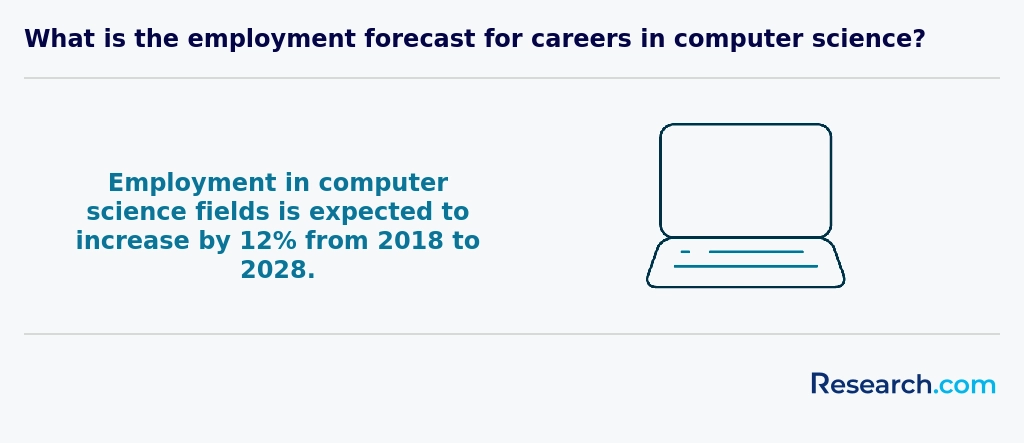
Part-time job opportunities in Iowa that complement a computer science degree include roles such as software developer intern, IT support technician, and data analyst assistant. These jobs offer hands-on experience with coding, troubleshooting, and data management, directly enhancing classroom learning. According to the Iowa Department of Workforce Development, technology occupations in the state are expected to grow by 12% through 2028, highlighting demand for skilled workers.
Many Iowa universities, such as the University of Iowa and Iowa State University, connect students with part-time roles through career centers and local tech companies. Working in these positions helps students develop practical skills and build professional networks crucial for launching a career in computer science.
Computer science students in Iowa benefit from a variety of networking opportunities that support career growth. Many universities, such as the University of Iowa and Iowa State University, host tech-focused events and career fairs that connect students with local industry leaders. The state's growing technology sector, including companies like Rockwell Collins and Principal Financial Group, regularly recruits from these schools.
Additionally, professional organizations like the Iowa Technology Association offer student chapters and networking mixers. According to the Iowa Department of Education, over 70% of computer science graduates in the state find employment within six months, often credited to these strong local connections. Online platforms and hackathons also provide avenues to build skills and meet peers.
Alumni networks provide significant advantages for computer science degree students in Iowa by connecting them with established professionals in the tech industry. These networks offer mentoring opportunities, career advice, and insider knowledge about local job markets.
Iowa's growing tech sector, particularly in cities like Des Moines and Cedar Rapids, benefits from such connections, increasing job placement rates for graduates. According to the Iowa Department of Education, institutions with active alumni networks report 15% higher employment rates within six months after graduation.
Additionally, alumni events and networking platforms foster collaboration on innovative projects, internships, and research, enriching students' practical experience and professional growth.
In Iowa, students pursuing a computer science degree can tailor their education to align with specific career goals through elective courses and specialization tracks. Many universities offer options such as cybersecurity, data science, software engineering, and artificial intelligence, reflecting growing industry demands in the Midwest region. Customization often includes choosing internships or cooperative education opportunities to gain practical experience, which Iowa employers highly value according to the Iowa Workforce Development reports.
Additionally, students may engage in research projects or join tech clubs, enhancing skills relevant to local sectors like agriculture technology and manufacturing. Iowa's state universities typically provide academic advisors to help shape a personalized curriculum that matches industry trends and employment forecasts.
Computer science students in Iowa often face challenges related to balancing rigorous coursework with limited access to specialized resources. Many programs emphasize theoretical knowledge, which can leave students seeking more practical, hands-on experience.
The state's rural areas pose another difficulty, as students outside urban centers may have fewer internship and networking opportunities. According to the Iowa Department of Education, this disparity impacts students' exposure to industry connections crucial for job placement.
Additionally, the rapid evolution of technology requires students to continuously update skills, but not all institutions in Iowa offer the latest curricula or advanced labs. Financial constraints also affect many students, with the National Center for Education Statistics reporting Iowa's average in-state tuition around $9,000 per year, which can be a burden for some.
With a computer science degree in Iowa, graduates can pursue several professional certifications to enhance their career prospects. Popular options include Certified Information Systems Security Professional (CISSP), which is valuable for cybersecurity roles, and Certified Software Development Professional (CSDP), offered by the IEEE Computer Society.
Many Iowa employers also recognize certifications like CompTIA Security+ and Cisco Certified Network Associate (CCNA) for networking and security expertise. According to the IowaWORKS Labor Market Information, the demand for IT certifications has grown by over 15% in recent years in the state's tech sector.
These certifications complement academic degrees and often lead to higher salaries and more job opportunities in Iowa's evolving technology landscape.
To write a winning application for a computer science program in Iowa, start by highlighting your academic achievements, especially in math and science courses. Many Iowa universities, such as the University of Iowa and Iowa State University, emphasize strong STEM backgrounds. Including relevant extracurricular activities, like coding clubs or internships, can demonstrate your passion and practical skills.
Standardized test scores may still be important; however, several programs are test-optional, so check each institution's policy. A well-crafted personal statement that explains your interest in computer science and career goals is crucial.
Strong letters of recommendation from teachers or mentors who understand your technical abilities will help set you apart. According to the Iowa College Aid, applicants with clear goals and experiences aligned with computer science have higher acceptance chances.
Computer science careers are increasingly recognized worldwide for their critical role in technology and innovation. In the United States, and particularly in Iowa, this field offers strong employment prospects, with the U.S. Bureau of Labor Statistics projecting a 15% growth in computer and information technology jobs from 2021 to 2031. Globally, demand for skilled computer scientists is driven by advancements in artificial intelligence, cybersecurity, and data science.
Graduates with computer science degrees from Iowa universities often find opportunities not only locally but also in international markets, thanks to transferable technical skills and a solid educational foundation accredited by ABET.
According to Iowa Workforce Development, median wages for computer science professionals in Iowa outpace many other sectors, reflecting both local industry needs and global tech trends.
Overall, pursuing a computer science degree in Iowa prepares students for a dynamic career with worldwide relevance and competitive salary potential.
Gaining practical experience is crucial while pursuing a computer science degree in Iowa. Many universities encourage students to participate in internships, which often provide hands-on exposure to real-world technology challenges. According to the Iowa Workforce Development, internships in Iowa's tech industry grew by 12% from 2020 to 2023, reflecting increasing local demand for practical skills.
Students can also join computer science clubs or hackathons offered by colleges, promoting collaboration and problem-solving. Working on open-source projects or freelancing can further enhance experience while building a portfolio. Additionally, some Iowa programs include capstone projects partnered with local businesses, allowing students to develop and test software in real situations.
Choosing the right concentration within a computer science degree program in Iowa depends on your career goals and interests. Popular concentrations include software development, cybersecurity, data science, and artificial intelligence. According to the Iowa Department of Education, programs at universities like the University of Iowa and Iowa State University offer specialized tracks reflecting industry demand.
Consider local job market trends; for example, Iowa's growing tech sector increases demand for cybersecurity experts and software engineers, according to Iowa Workforce Development. Review course offerings and research opportunities at each school to match your skills and aspirations.
Additionally, internships and industry partnerships in Iowa provide valuable experience, guiding concentration choices toward practical career outcomes.
- 2027 Best Computer Science Degree Programs Ranking in Wisconsin
- 2027 Best Computer Science Degree Programs Ranking in Illinois
- 2027 Best Computer Science Degree Programs Ranking in Missouri
- 2027 Best Computer Science Degree Programs Ranking in Ohio
- 2027 Best Computer Science Degree Programs Ranking in Colorado
- 2027 Best Computer Science Degree Programs Ranking in West Virginia
- 2027 Best Computer Science Degree Programs Ranking in Louisiana
- 2027 Best Computer Science Degree Programs Ranking in Alabama
- 2027 Best Computer Science Degree Programs Ranking in Georgia
- 2027 Best Computer Science Degree Programs Ranking in North Carolina
See What Experts Have To Say About Studying Computer Science
Read our interview with Computer Science experts

Elan Barenholtz
Computer Science Expert
Associate Professor
Florida Atlantic University

Imed Bouchrika, Phd
Computer Science Expert
Professor of Computer Science
National Higher School of Artificial Intelligence

Kathleen M. Carley
Computer Science Expert
Professor of Computer Science
Carnegie Mellon University

Martin Kang
Computer Science Expert
Assistant Professor
Loyola Marymount University

- Computer Science students create live network in simulated scenario https://www.stmartin.edu/news-and-stories/stories/computer-science-students-create-live-network-simulated-scenario
- Computer Science graduates from the University of Iowa face tough job market https://www.kcrg.com/2025/05/19/future-engineers-graduate-university-iowa-some-are-struggling-find-jobs/
- Computer Science Programs in Iowa https://www.computerscience.org/online-degrees/iowa/
- Fields of Work in Computer Science: Top IT Careers | Walbrook https://www.walbrook.ac.uk/subjects/computer-science/computer-science-fields-of-work-career-in-it/
- UK Computer Science Degree Requirements Explained https://accesscoursesonline.com/blogs/news/computer-science-degree-requirements
- Navigating Systemic Access to Computer Science Learning https://www.nasbe.org/navigating-systemic-access-to-computer-science-learning/
- Ada Computer Science https://adacomputerscience.org/student_challenges
- Essential Skills Every Computer Science Graduate Needs | LSBF https://lsbf.edu.my/blog/11-essential-skills-every-computer-science-graduate-needs/
- What certifications should I get for computer science? | edX https://www.edx.org/resources/certifications-computer-science
- Computer Science Cover Letter: How to Show You're a Top Tech Candidate https://arc.dev/talent-blog/computer-science-cover-letter/