2027 Most Affordable Computer Science Degree Programs Ranking in Virginia

Co-Founder and Chief Data Scientist
Choosing the right computer science degree program in Virginia can feel overwhelming. Our article offers a clear guide with the 2027 Most Affordable Computer Science Degree Programs Ranking in Virginia created by the Research.com team of data scientists. This ranking aims to help students like you identify quality programs that fit your budget and goals.
Reading this article will make your decision easier and more confident, opening doors to a rewarding career. A computer science degree is a valuable step toward a future full of opportunities and growth.
Key benefits of getting computer science degree in Virginia
- Graduates with a computer science degree in Virginia can earn strong salaries, such as $138,110 annually for software engineers and developers, and $95,570 for web developers, providing financial stability and growth.
- Career paths include roles like software engineering, data analysis, and IT support, offering diverse opportunities for graduates from universities such as the University of Virginia.
- Online computer science degrees, like those from Virginia Tech, offer flexibility and access to quality education, making it easier to balance work and studies while advancing your skills.
- 2027 Most Affordable Computer Science Degree Programs Ranking in Virginia
- What can I expect from computer science degree in Virginia?
- Where can I work with computer science degree in Virginia?
What can I expect from computer science degree in Virginia?
The average cost of a computer science degree in Virginia varies markedly based on residency status and choice of institution, which can shape the financial experience for many students. For example, graduates from Virginia Tech, a flagship public university, often report yearly tuition around $14,000 for in-state students, enabling a more manageable expense compared to out-of-state peers who face higher fees. Those attending private institutions in Virginia generally encounter steeper tuition, but many benefit from scholarships and assistantships that can offset these costs significantly.
Graduates frequently mention how financial aid played a crucial role in making their studies feasible, particularly when balancing the demands of internships or research commitments. Nonetheless, the higher tuition at private schools sometimes allows access to more personalized mentorship and exclusive industry connections that may justify the investment for some.
Prospective students should realistically assess not only tuition but also living expenses and the potential to secure funding through teaching or research assistantships, especially at universities like the University of Virginia or George Mason University, where such opportunities are well-established.
Where can I work with computer science degree in Virginia?
Graduates with a computer science degree in Virginia often find themselves working in dynamic environments like Northern Virginia's tech corridor or the Richmond area, where tech companies and startups thrive. Those emerging from universities such as the University of Virginia or Virginia Tech frequently share stories of landing roles with federal agencies, defense contractors, or large tech firms, excited by projects in cybersecurity or software engineering. This reflects the state's strong link to defense and government sectors, which recruit intensively from local talent pools.
Many graduates are drawn to positions in financial services or healthcare technology in cities like Richmond and Virginia Beach, where the demand for skilled IT professionals translates to practical work improving data security and infrastructure. Some alumni describe feeling empowered working on AI or blockchain projects in Arlington's innovative startup scene, highlighting diverse tech paths available.
However, it's important to consider that opportunities outside major metros might differ, and not every graduate's experience involves high-profile roles. Nonetheless, the variety of sectors and steady wage growth in Virginia reveal a hopeful landscape for new computer science professionals willing to explore multiple career avenues.
Graduates from computer science programs at universities like Virginia Tech or the University of Virginia often find that their starting salaries in Virginia range from about $65,000 to $85,000, depending on whether they work closer to metropolitan hubs like Arlington or in more rural areas. These figures align with entry-level positions such as IT Support Specialists, who earn a mean wage around $63,640 annually, offering a realistic baseline for new graduates.
As these graduates gain experience, roles like Software Engineer or Software Developer become accessible, with mean annual salaries near $138,110. Many alumni report feeling rewarded when moving into such positions, especially given the state's growing tech and defense sectors. Similarly, Data Analysts in Virginia earn about $119,040 per year, reflecting strong demand beyond just coding roles.
Even Web Developers, whose mean wage is approximately $95,570 annually, benefit from the state's expanding digital economy. While salaries vary, graduates from Virginia-based programs consistently note that local connections and internship opportunities greatly enhance their earnings potential.
- In-state tuition at public universities in Virginia averages about $14,500 per year, while private colleges charge between $30,000 and $50,000 annually.
- Entry-level computer science graduates in Virginia earn between $65,000 and $75,000 per year, with mid-career salaries rising to $110,000-$130,000.
- The job market for computer science jobs in Virginia is expected to grow over 15% from 2020 to 2030, outpacing many other fields.
- Top public universities offering computer science programs include the University of Virginia, Virginia Tech, and George Mason University.
- Northern Virginia and Richmond are key tech hubs, providing strong employment opportunities in cybersecurity, software development, and data analysis.
- In-state students may qualify for state financial aid that can help reduce the cost of tuition.
In Virginia, completing a traditional bachelor's degree in computer science typically takes around four years when studying full-time. Graduates from schools like Virginia Tech or the University of Virginia often describe this as a well-paced journey, balancing core subjects such as programming, algorithms, and systems design over roughly 120 to 130 credit hours. This timeframe aligns with many students' expectations who want a structured path without extending their studies unnecessarily.
Alternatively, those attending community colleges such as Northern Virginia Community College may finish an associate degree in about two years, gaining solid foundational knowledge. Some students find this a motivating springboard, transferring credits to four-year universities and adjusting their timelines accordingly.
Graduate programs, for example at George Mason University, can add 18 to 24 months depending on full- or part-time study, appealing to professionals looking to deepen expertise without pausing their careers. Factors like internships, part-time schedules, or accelerated tracks further influence how quickly students progress, shaping personalized experiences within Virginia's higher education landscape.
Accreditation confirms program quality and ensures your degree is recognized by employers and graduate schools. In Virginia, reputable computer science programs typically hold:
- Regional accreditation from the Southern Association of Colleges and Schools Commission on Colleges (SACSCOC)
- Programmatic accreditation from ABET’s Computing Accreditation Commission
Graduating from an ABET-accredited program can simplify your path to industry certifications and future study, including specialized data science masters programs online.
Choosing between online and on-campus computer science degrees in Virginia often comes down to how students value interaction and flexibility. Graduates from Virginia Tech's on-campus program frequently highlight the energizing in-person collaborations with peers and direct access to cutting-edge labs, which enrich their learning experience. Conversely, alumni of George Mason University's online program appreciate the ability to balance studies with full-time work through asynchronous classes, allowing adaptation to personal schedules without sacrificing educational quality.
Cost also plays a nuanced role. While public universities in Virginia typically charge between $11,000 and $15,000 annually for in-state students, online learners might save on commuting and housing. However, some online programs, such as those at Old Dominion University, may require out-of-state tuition regardless of residency, complicating financial planning.
Interaction levels differ as well. On-campus students enjoy spontaneous face-to-face discussions, whereas online learners rely on planned forums and video calls, which some graduates find fosters thoughtful reflection but less immediacy. Both paths offer accredited degrees, often ABET-certified, ensuring recognized credentials across formats.
The average cost of obtaining a computer science degree in Virginia varies significantly depending on whether a student qualifies as in-state or out-of-state, as well as the type of institution attended. For in-state students at public universities, the median total cost hovers around $16,828, which aligns with tuition rates seen at schools like Virginia Tech. Graduates often recall balancing their excitement about gaining cutting-edge technical skills with the reality of managing this expense alongside daily living costs. Out-of-state students face a much higher financial commitment; the median total cost can reach approximately $46,652, reflecting the steeper tuition fees charged to non-residents.
Private universities in Virginia, popular among aspiring computer scientists, tend to feature even higher tuition fees, often exceeding $35,000 annually. This places the total cost in the same range as the median out-of-state cost. However, many graduates emphasize the value of the financial aid and scholarships offered by these institutions, which can ease the burden considerably. When evaluating affordable computer science programs Virginia tuition fees should be a central factor, but so should potential support options and program benefits.
Additional expenses such as textbooks, software licenses, and living costs should also be considered. Many students find budgeting an extra $2,000 to $4,000 per year essential to cover these necessities. For students exploring cost-effective pathways, exploring affordable online computer science programs in virginia may open new doors for balancing quality education with financial feasibility.

Accreditation ensures a computer science program meets industry and academic standards. In Virginia, the gold standard is ABET accreditation through its Computing Accreditation Commission. Key quality indicators include:
- Curriculum coverage of core topics (algorithms, data structures, software engineering)
- Faculty credentials and active research or industry experience
- Regular assessment of student outcomes and continuous improvement
How to verify accreditation:
- Search the ABET directory for each university’s CS program.
- Review program pages for accreditation seals and renewal dates.
When comparing affordability, remember program quality matters as much as cost-just as you’d evaluate a reputable game design online degree, prioritize accredited CS degrees for stronger career prospects.
Financial aid for computer science students in Virginia encompasses a range of federal, state, and institutional resources that can significantly ease the financial burden. Many students attending schools like Virginia Tech or the University of Virginia rely on Pell Grants, which provide need-based funding without repayment, often covering thousands of dollars annually. These grants can make public university tuition, averaging around $12,000 for in-state students, more manageable.
Federal student loans also play a role, offering low fixed interest rates and flexible repayment plans, which some graduates credit with helping them afford necessary expenses beyond tuition, such as textbooks and housing. Meanwhile, state-specific programs like the Virginia Tuition Assistance Grant (VTAG) support residents attending private colleges, offsetting high costs that can exceed $35,000 per year.
Merit-based scholarships are frequently awarded to students demonstrating academic excellence or leadership, often covering part or all of tuition at these institutions. Additionally, work-study opportunities and military benefits like the GI Bill provide practical alternatives to borrowing. Graduates often highlight how combining these aids with on-campus jobs helped them thrive financially while gaining experience.
When evaluating a Computer Science degree in Virginia, verifying both regional and programmatic accreditation is essential to ensure your credential is recognized by employers, graduate schools, and certification bodies. Regionally accredited institutions in Virginia hold approval from the Southern Association of Colleges and Schools Commission on Colleges (SACSCOC), guaranteeing that general education standards, faculty qualifications, and student support services meet rigorous quality benchmarks. Beyond regional accreditation, many top Computer Science offerings in Virginia-such as those at Virginia Tech, the University of Virginia, and George Mason University-hold ABET accreditation for their computing programs, a gold standard that assures graduates possess the technical skills and theoretical knowledge demanded by industry. ABET accreditation evaluates program outcomes, curriculum coverage, faculty credentials, lab resources, and continuous improvement processes. For students, this means confidence that courses in algorithms, data structures, cybersecurity, and software engineering adhere to nationally recognized standards. Moreover, employers often require or prefer graduates from ABET-accredited programs for roles in defense contracting, government agencies, and major tech firms, making accreditation a decisive factor in career advancement. Accreditation also plays a pivotal role for those considering advanced degrees or certifications. Graduate programs typically require applicants to hold degrees from accredited institutions, and professional certifications in areas like cloud computing or cybersecurity often reference ABET criteria when assessing eligibility. For students who wish to pivot into data science, many reputable [online data science masters degree programs](https://research.com/degrees/online-masters-degree-in-data-science) also maintain ABET or similarly rigorous accreditation, ensuring that remote learning pathways deliver the same quality and outcomes as on-campus offerings. Before applying, consult each university’s accreditation page and cross-check with the U.S. Department of Education’s database. Confirming accreditation not only safeguards your investment but also enhances credit transferability, eligibility for federal aid, and long-term return on investment in your educational journey.
Enrolling in a computer science degree in Virginia generally requires a solid academic foundation, particularly in mathematics and science. Graduates from Virginia Tech and the University of Virginia often reflect on how their strong background in algebra and geometry helped them tackle demanding problem-solving tasks early in the program. Although passing the SAT or ACT remains a common expectation, some schools have adopted test-optional policies, providing flexibility for applicants who might excel in other areas.
Beyond standardized tests, many students found taking introductory programming courses before college beneficial. Familiarity with languages like Python or Java, either through high school classes or community colleges, often eased their transition into rigorous coursework.
Admissions committees typically look for transcripts with a GPA around 3.0 or higher, but applicants sharing passionate personal statements about their goals in computer science sometimes secure offers despite slight academic shortcomings. Application processes usually involve submitting forms through platforms like the Common Application, sometimes including recommendation letters, which can highlight an individual's motivation and readiness.
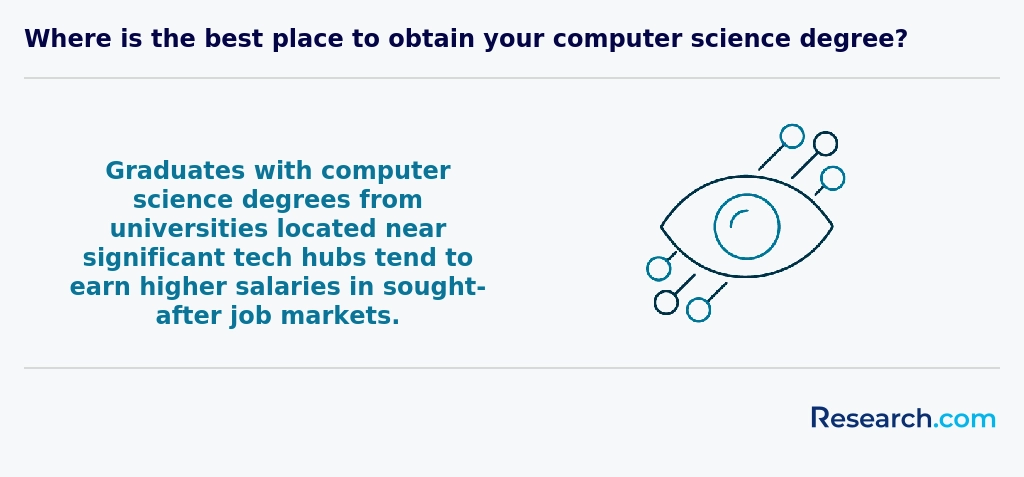
Applying to the 2024 Most Affordable Computer Science Degree Programs in Virginia involves careful planning, timely submissions, and strategic positioning of your application materials. Whether you’re targeting an in-state public university or a private college, understanding each institution’s requirements will maximize your chances of acceptance. Most Virginia universities require the following components:
- Official high school and/or college transcripts demonstrating a strong GPA in math and science courses.
- Standardized test scores (SAT/ACT), although some schools offer test-optional policies.
- A concise Statement of Purpose or personal essay illustrating your passion for computer science, career goals, and why you’ve chosen that specific program.
- Two to three letters of recommendation from math or science teachers, mentors, or supervisors who can attest to your analytical abilities and work ethic.
- A current resume highlighting coding projects, internships, hackathons, or relevant extracurricular activities. Key deadlines typically fall between November 1 (early action) and January 15 (regular decision). To stand out:
- Tailor each essay to reflect faculty research areas or unique program offerings.
- Attend virtual info sessions or campus tours to ask targeted questions; mention these interactions in your application to show genuine interest.
- Reach out to professors whose work aligns with your interests-demonstrating early engagement can set your application apart. For those exploring cost-effective options beyond Virginia, consider our Inexpensive Computer Science Degree Programs Ranking in the Northeast to compare tuition rates, program formats, and admission criteria across the region.
Computer science degree programs in Virginia universities commonly include core courses designed to build strong technical foundations and practical skills. Graduates from well-regarded institutions often reflect on how classes like Introduction to Programming, where they first learn languages such as Python or Java, sparked excitement for problem-solving and creativity. More advanced courses like Data Structures and Algorithms challenge students to think critically about efficient ways to handle information, a skill highly valued in campus hackathons and internships.
Students often mention exposure to Computer Organization and Architecture, which brings clarity to how software interacts with hardware in real devices, enhancing their understanding beyond abstract code. Software Engineering courses help shape their collaborative and project-management skills, which come alive during team projects commonly assigned in universities like Virginia Tech and George Mason University.
Electives in fields like Artificial Intelligence, Machine Learning, and Cybersecurity reflect the evolving tech landscape and appeal to students eager to engage in cutting-edge research or practical applications, such as securing networks in local startups. Though the curriculum aligns with national ABET standards, Virginia programs uniquely blend theory with tangible experiences, helping students feel confident and prepared for diverse career paths.
Computer science degree specializations in Virginia offer diverse pathways that align with both student interests and regional industry needs. Graduates from universities like Virginia Tech and George Mason University often highlight specializations such as Cybersecurity, which prepares students for roles protecting critical information systems-an especially relevant focus given Virginia's prominence in government and defense sectors. Others appreciate concentrations in Data Science and Analytics, where hands-on projects with large data sets make lessons in machine learning feel applicable and exciting.
Students also find value in Software Development tracks, which emphasize practical coding skills and collaborative design, crucial for thriving in Virginia's tech companies. Meanwhile, specializations like Artificial Intelligence and Machine Learning provide innovative perspectives on emerging technologies, offering challenges that appeal to those eager to push boundaries. Some graduates note that Computer Networks and Human-Computer Interaction programs enhance their understanding of infrastructure and user experience, tying technical concepts to real-life applications.
Prospective students seeking affordable education might explore programs featured in the Inexpensive Computer Science Degree Programs Ranking in the Northeast to balance specialization depth with tuition costs, ensuring a smart investment in their future.
Choosing the best computer science degree in Virginia requires a balance of factors beyond just reputation. Graduates from universities like Virginia Tech often highlight the value of specialized concentrations such as cybersecurity or machine learning, which align with current tech industry demands. However, not every student benefits equally from established research programs if their financial situation demands more affordable computer science degrees Virginia offer. Community colleges and regional public universities often provide practical, cost-effective routes without sacrificing curriculum quality.
Accreditation, such as ABET, is vital; graduates frequently note that this recognition opens doors for certifications and job placements. Location also matters-studying in Northern Virginia can immerse students in abundant internship opportunities with tech firms and government agencies. Yet, smaller schools may offer more personalized faculty attention, something graduates appreciate for in-depth learning and mentorship.
For working adults considering flexible options, exploring the best accelerated online undergraduate degrees for working adults can be a pragmatic choice, combining affordability and career progression without relocating.
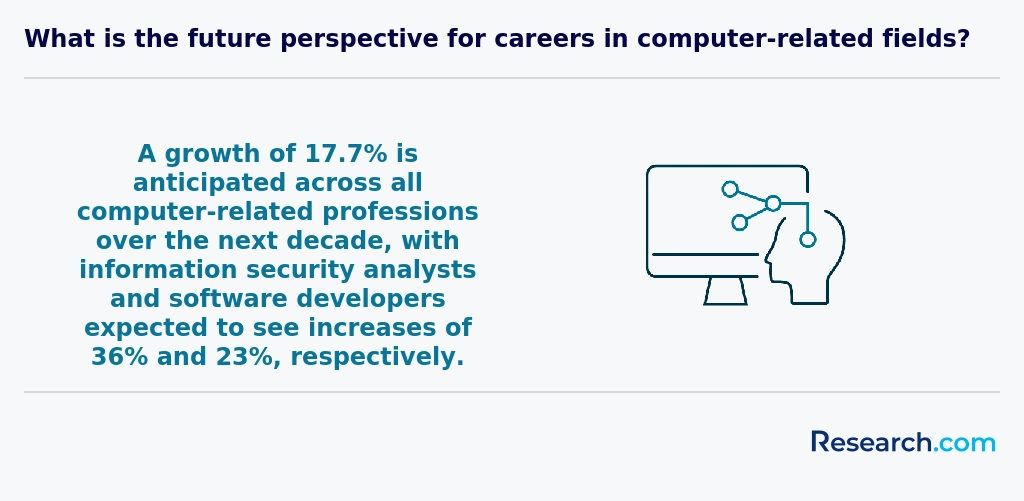
Graduates with a computer science degree in Virginia encounter diverse career paths shaped by the state's dynamic tech landscape. Many pursue software engineering roles, designing applications used across industries, thanks to Virginia's proximity to Washington, D.C., where technology innovation and government contracts thrive. Some graduates find fulfillment specializing in cybersecurity, a high-demand field supported by federal agencies and defense contractors, reflecting one of the most promising career opportunities among high demand tech jobs for Virginia graduates.
Others transition into data science or IT infrastructure roles, leveraging their skills in real-world settings such as local tech firms or research centers associated with Virginia's well-regarded universities. Graduates often value how these roles combine technical challenges with impactful outcomes, making daily work satisfying and relevant. However, not all students follow traditional routes; exploring short certificate programs that pay well can complement their degree and open doors to niche fields like cloud computing or IT project management.
While salary prospects are encouraging, graduates remain mindful of the investment in tuition at Virginia's public and private institutions. These financial considerations often influence decisions on which career trajectory to pursue, balancing passion with practicality in a competitive job market focused on computer science career opportunities in Virginia.
The computer science job outlook Virginia offers is notably strong, driven by the state's unique blend of government presence and a flourishing tech industry. Graduates from well-known institutions, such as the University of Virginia or Virginia Tech, often share how their internships with nearby defense agencies or tech companies have shaped their career paths. These experiences translate to real employment opportunities, especially in cybersecurity and software development roles.
Virginia's technology corridor in Northern Virginia provides a fertile environment for networking and job hunting, which graduates frequently mention as boosting their confidence and motivation. The average annual wage for software developers in the state sits around $110,000, reflecting competitive compensation compared to national figures. However, students should also consider tuition costs, which average $13,000 per year at public universities. For those mindful of expenses, exploring low cost doctoral programs can be a strategic choice to continue advancing their studies while managing debt.
Graduates describe the job market for Virginia computer science degree employment opportunities as promising but advise staying adaptable to shifts in technology and industry demands. This mindset helps them navigate a landscape that balances steady government roles with dynamic private sector innovation.
2027 Most Affordable Computer Science Degree Programs Ranking in Virginia
Investing in your education is a significant decision that can shape your future, and the Research.com team understands the importance of making informed choices. To assist prospective students in Virginia, we have meticulously crafted the "2027 Most Affordable Computer Science Degree Programs Ranking in Virginia." Our commitment to quality, credibility, and accuracy is reflected in the extensive research and analysis conducted to compile this ranking.
We utilized the following reputable data sources to ensure a comprehensive evaluation of computer science programs:
By exploring this ranking, readers will gain valuable insights into affordable and high-quality computer science degree programs in Virginia, empowering them to make well-informed decisions about their educational journeys. For more details on our methodology, please visit our Research.com methodology page.


Frequently Asked Questions About computer science
Computer science degree students in Virginia can maximize their learning by actively engaging in hands-on projects and internships. Virginia hosts many tech companies, especially in Northern Virginia and the Richmond metro area, providing ample opportunities for real-world experience. According to the Virginia Economic Development Partnership, these internships often lead to higher job placement rates after graduation.
Students should also take advantage of research opportunities available at universities such as Virginia Tech and the University of Virginia. Participating in research helps strengthen problem-solving skills and deepens understanding of advanced topics.
Joining computer science clubs and attending local tech events can expand professional networks. Building connections is vital in Virginia's competitive tech job market, which is projected to grow by 15% over the next decade, per the Bureau of Labor Statistics.
The field of computer science is expanding rapidly, with several emerging niches gaining prominence in Virginia's academic and professional landscapes. Areas such as artificial intelligence (AI), cybersecurity, data science, and cloud computing are among the fastest-growing specializations. According to the Virginia Community College System and Virginia Employment Commission, demand for cybersecurity professionals in the state is expected to grow by over 30% through 2030.
Additionally, Virginia's focus on AI research, supported by institutions like George Mason University, reflects increased investment in machine learning and robotics. Data science programs are also gaining momentum, driven by the surge in big data applications across industries. Cloud computing roles continue to rise in response to the state's expanding tech sector headquartered in Northern Virginia.
After completing a computer science degree in Virginia, preparing for the job market involves several focused steps. Networking with local tech organizations such as the Northern Virginia Technology Council can provide valuable connections.
Virginia is home to many tech companies, especially in the Washington D.C. metro area, where demand for software developers is high-projected to grow by 15% through 2030 according to the U.S. Bureau of Labor Statistics.
Internships and cooperative education experiences during your studies significantly improve employment prospects. Students are encouraged to leverage university career services and participate in hackathons to build practical skills.
Obtaining relevant certifications like AWS or Microsoft Azure can also give job seekers a competitive edge in Virginia's expanding tech workforce.
Employers in Virginia value computer science graduates who possess strong problem-solving abilities and proficiency in programming languages like Python, Java, and C++. According to the Virginia Employment Commission, demand is especially high for skills in software development and cybersecurity, reflecting the state's growing tech sector.
Analytical skills and the ability to work collaboratively in teams are also crucial, as many employers emphasize project-based work environments. Familiarity with cloud computing platforms, such as AWS and Azure, is increasingly important due to trends in cloud integration within local industries.
Additionally, communication skills are often highlighted, enabling graduates to effectively explain technical concepts to non-specialists. These competencies collectively enhance job readiness and career prospects in Virginia's competitive tech market.
Finding internships in Virginia for computer science students requires strategic use of local resources and understanding the regional tech landscape. Virginia hosts numerous tech companies, especially in Northern Virginia, where 55% of STEM jobs nationwide are concentrated, according to the Virginia Economic Development Partnership. Universities like Virginia Tech and George Mason offer career centers with internship listings specifically for computing fields.
Students should utilize platforms like Handshake, which many Virginia colleges use to connect students with internships. Attending local tech meetups and job fairs also provides opportunities to network with employers such as Amazon Web Services and Capital One, prominent in the area.
Additionally, applying through Virginia's state government internship programs can provide experience in cybersecurity and software development roles relevant to computer science careers.
Obtaining a computer science degree in Virginia significantly enhances career mobility and advancement opportunities within the state's robust tech sector. Virginia is home to a growing number of technology companies, including those supporting the government and cybersecurity industries. According to the Bureau of Labor Statistics, computer and information technology occupations in Virginia are projected to grow 15% from 2022 to 2032, outpacing the national average.
This degree provides foundational technical skills crucial for roles ranging from software development to data analysis, increasing job flexibility. Graduates often qualify for higher starting salaries and leadership positions, supported by employer demand for advanced competencies.
Additionally, many Virginia employers value degrees from regionally accredited institutions, improving alumni networking and access to local internships, boosting both entry-level and career advancement prospects.
Studying for a computer science degree in Virginia equips students with skills applicable across multiple fields. Programs often emphasize problem-solving, programming, and data analysis, which are foundational for roles in healthcare, finance, and engineering. Many Virginia universities integrate courses in business, biology, and information systems to encourage interdisciplinary learning.
Virginia's strong tech industry presence, including companies in cybersecurity and software development, provides practical opportunities for collaboration across domains. According to the Virginia Economic Development Partnership, tech jobs grew by 6.5% from 2019 to 2023, highlighting diverse career pathways.
This exposure helps graduates adapt to evolving work environments that require both technical and cross-disciplinary expertise.
Choosing between a thesis and a non-thesis computer science degree program in Virginia depends on your career goals and interests. Thesis programs emphasize research and require writing a detailed project, ideal for students aiming for doctoral studies or research roles. Non-thesis programs focus more on coursework and practical skills, suited for professionals targeting industry jobs or certifications.
According to the Virginia Department of Education, computer science master's programs usually require around 30 to 36 credits, with thesis options including 6 or more research credits. Non-thesis paths often include additional classes or a capstone project instead.
Consider your schedule and preferred learning style. Thesis paths can take longer due to research demands, while non-thesis programs might offer more flexibility for working students. Consult advisors at Virginia public universities like Virginia Tech or George Mason to explore program specifics and funding opportunities.
Students based in Virginia who wish to study computer science abroad have several options through partnerships and exchange programs offered by Virginia's universities. Many institutions, like Virginia Tech and the University of Virginia, have established collaborations with universities in Europe and Asia, allowing students to spend a semester or year overseas while earning credit toward their degree.
According to the Institute of International Education, approximately 7% of U.S. computer science students studied abroad in 2022, reflecting growing interest in global tech education. Virginia schools often promote programs in countries known for tech innovation, such as Germany, South Korea, and the Netherlands.
Additionally, some universities offer dual-degree programs where students divide their studies between Virginia and partner institutions abroad. These experiences enhance cultural competence and technical skills, crucial in the competitive global technology job market.
Students pursuing computer science degrees in Virginia have access to diverse part-time job opportunities that enhance their academic experience. Typical roles include software development internships, IT support, and web development positions. These jobs help build practical skills like coding, debugging, and project management.
Virginia's strong tech industry, particularly in Northern Virginia and the Richmond area, offers many entry-level roles paid between $15 and $25 per hour, according to the U.S. Bureau of Labor Statistics. Companies often seek students for roles involving Java, Python, and cybersecurity.
Additionally, universities such as Virginia Tech and George Mason University often post on-campus tech support jobs and lab assistant positions. These roles provide flexible hours conducive to study schedules while reinforcing coursework.
Overall, these positions bridge academic theory with real-world application, benefiting students in their future careers.
Virginia offers numerous networking opportunities for computer science students through its strong higher education institutions and proximity to technology hubs. Universities like Virginia Tech, the University of Virginia, and George Mason University host career fairs and tech-focused events connecting students with over 200 regional employers. According to the Virginia Economic Development Partnership, the state supports more than 500 IT and cybersecurity companies, providing ample internship possibilities. Additionally, student organizations such as ACM chapters and hackathons promote collaboration and professional growth. Virginia's location near Washington, D.C., further enhances access to government contractors and tech conferences, benefiting computer science students significantly.
Alumni networks play a significant role in supporting computer science students in Virginia by providing networking and career opportunities. Graduates from Virginia universities often remain connected, offering mentorship and guidance to current students. This connection is especially valuable in the tech industry, where relationships can lead to internships and job placements.
According to a 2023 report by the Virginia Economic Development Partnership, tech companies in Virginia employ over 142,000 IT professionals, highlighting the demand for skilled graduates.
Strong alumni networks also facilitate access to exclusive workshops, job fairs, and industry insights tailored to the region's growing tech sector.
In Virginia, students can customize their computer science degree programs through elective courses, concentrations, and internships aligned with career goals. Many universities offer specialized tracks such as cybersecurity, data science, or software engineering, allowing students to focus on industry-relevant skills. According to the National Center for Education Statistics, over 20 institutions in Virginia provide accredited computer science degrees with flexible curricula. Additionally, partnerships with local tech companies and government agencies offer valuable internship opportunities. Selecting courses that emphasize in-demand technologies, like AI or cloud computing, helps tailor your education to the growing job market in Virginia's robust tech sector.
Computer science students in Virginia often face several challenges related to the demanding curriculum and evolving technology. Core courses in programming, algorithms, and data structures require strong problem-solving skills and considerable time commitment. Many students report difficulty balancing coursework with internships or part-time jobs, which are common given Virginia's competitive tech industry.
Access to up-to-date resources varies among institutions; some public universities may struggle to provide the latest software or hardware due to budget constraints, impacting learning quality. According to the National Center for Education Statistics, Virginia awarded over 2,500 bachelor's degrees in computer science in 2022, increasing classroom competitiveness.
The need to stay current with rapidly changing technologies and languages adds pressure, as students must continuously learn beyond standard coursework. Additionally, some students experience a gender gap, with women representing roughly 20% of computer science enrollees statewide, suggesting challenges related to diversity and inclusion in the field.
With a computer science degree in Virginia, you can pursue various professional certifications that enhance your skills and career prospects. Certifications like the Certified Information Systems Security Professional (CISSP) and Certified Ethical Hacker (CEH) are popular for cybersecurity roles. For software development, certifications from Microsoft and AWS are valuable. According to the Virginia Economic Development Partnership, demand for IT professionals with cloud and security skills is growing rapidly in the state.
Certifications such as CompTIA Security+ or Cisco's CCNA add practical networking and security expertise. These certifications often lead to higher salaries and better job opportunities in Virginia's competitive tech industry.
Applying for a computer science program in Virginia requires clear organization and strong evidence of your skills and interests. Start by carefully reviewing the admission requirements of each school, which often include a minimum GPA, standardized test scores, and prerequisite courses in math and science.
Highlight relevant experiences such as coding projects, internships, or participation in computer science competitions. Virginia universities value practical skills, so showcasing these can set you apart.
Craft a compelling personal statement that explains your passion for computer science and career goals, referencing Virginia's growing tech industry as motivation when appropriate. According to the Virginia Economic Development Partnership, the tech sector has added over 12,000 jobs since 2019, underlining industry demand.
Lastly, secure strong letters of recommendation from teachers or mentors who can attest to your technical abilities and work ethic. Meeting deadlines and presenting materials neatly also improves your chances.
The global perspective on a computer science career highlights its strong demand and growth, especially within the United States. For students pursuing degrees in Virginia, computer science offers opportunities to engage in cutting-edge fields like artificial intelligence, cybersecurity, and data science. According to the U.S. Bureau of Labor Statistics, computer and information technology jobs are projected to grow 13% from 2021 to 2031, faster than the average for all occupations.
Virginia's technology sector benefits from proximity to federal agencies and private tech companies, creating a dynamic job market for graduates. The state ranks among the top for STEM employment growth, signaling stability and opportunity nationwide. Earning a computer science degree in Virginia can provide a foundation for careers that compete globally, yet remain rooted in a strong local industry supported by universities and government initiatives.
Gaining practical experience while studying for a computer science degree in Virginia is crucial for building technical skills and improving employability. Many universities in Virginia encourage students to participate in internships with local tech companies, government agencies, or startups. According to the Virginia Economic Development Partnership, the state hosts over 7,000 technology firms, offering ample internship opportunities.
Students can also engage in cooperative education programs, which combine classroom learning with paid work experience. Additionally, joining on-campus coding clubs or hackathons provides hands-on problem-solving practice.
Some Virginia schools collaborate with organizations like the Virginia Cyber Range to offer simulated cyber defense training, enhancing practical skills in a controlled environment.
Choosing the right concentration within a computer science degree in Virginia depends on your career goals and interests. Common concentrations include cybersecurity, data science, software engineering, and artificial intelligence. According to the Virginia Department of Education, cybersecurity roles are growing rapidly, with an expected 25% job increase by 2030 in the state.
Look for programs that offer hands-on experience through internships or lab work, as these are crucial for skills development. Virginia also hosts many tech companies, so concentrations aligned with industry demand, like software engineering, may offer better job prospects.
Review curriculum details and consult academic advisors to ensure the concentration fits your personal and professional ambitions.
- 2027 Most Affordable Computer Science Degree Programs Ranking in West Virginia
- 2027 Most Affordable Computer Science Degree Programs Ranking in Maryland
- 2027 Most Affordable Computer Science Degree Programs Ranking in Tennessee
- 2027 Most Affordable Computer Science Degree Programs Ranking in Pennsylvania
- 2027 Most Affordable Computer Science Degree Programs Ranking in South Carolina
- 2027 Most Affordable Computer Science Degree Programs Ranking in Ohio
- 2027 Most Affordable Computer Science Degree Programs Ranking in New York
- 2027 Most Affordable Computer Science Degree Programs Ranking in Alabama
- 2027 Most Affordable Computer Science Degree Programs Ranking in Connecticut
- 2027 Most Affordable Computer Science Degree Programs Ranking in Rhode Island
See What Experts Have To Say About Studying Computer Science
Read our interview with Computer Science experts

Derek Riley
Computer Science Expert
Professor, Program Director
Milwaukee School of Engineering

Martin Kang
Computer Science Expert
Assistant Professor
Loyola Marymount University

Imed Bouchrika, Phd
Computer Science Expert
Professor of Computer Science
National Higher School of Artificial Intelligence

Elan Barenholtz
Computer Science Expert
Associate Professor
Florida Atlantic University

- 8 Reasons to study computer science at university https://students.studygroup.com/blog/why-study-computer-science-in-the-usa
- Why your computer science degree won't get you an IT job https://targetjobs.co.uk/careers-advice/information-technology/why-your-computer-science-degree-wont-get-you-it-job
- Letter of Motivation for applying Computer Science related fields https://essayforum.com/letters/motivation-applying-computer-science-related-11858/
- A Holistic Approach to Studying Interdisciplinary Collaboration: Computer Science https://sciety.org/articles/activity/10.21203/rs.3.rs-8694985/v1
- Fields of Work in Computer Science: Top IT Careers | Walbrook https://www.walbrook.ac.uk/subjects/computer-science/computer-science-fields-of-work-career-in-it/
- 5 Challenges in Teaching Computer Science & Solutions https://www.computingolympiad.org/post/top-5-challenges-in-teaching-computer-science-in-schools-and-how-to-overcome-them
- How to Find Computer Science Work Experience in Year 12 https://www.savemyexams.com/learning-hub/careers/how-to-find-computer-science-work-experience-year-12/
- The Future of Work: The Importance of Computer Science Skills | Gisma https://www.gisma.com/blog/the-future-of-work-the-importance-of-computer-science-skills
- 555 Computer Science Internships https://internshala.com/internships/computer-science-internship/
- New and Future Computer Science and Technology Trends https://www.computerscience.org/resources/computer-science-trends/