2027 Most Popular Computer Science Degree Programs Ranking in Providence

Co-Founder and Chief Data Scientist
Choosing the right computer science degree program in Providence can shape your future and open doors to exciting career opportunities. This article introduces the 2027 Most Popular Computer Science Degree Programs Ranking in Providence, developed by the Research.com team of data scientists to guide you through the best options available.
By exploring this ranking, you'll gain valuable insights to make an informed decision. Whether you're starting your journey or seeking new challenges, a computer science degree offers skills that are in high demand and personally rewarding.
Start discovering programs that match your goals and passions with confidence.
Key benefits of getting computer science degree in Providence
- Salary: Graduates with a computer science degree in Providence can expect strong earning potential, with software engineers and developers earning an average annual wage of $138,110, and data analysts making about $119,040 per year.
- Diverse career paths: A computer science graduate from a popular Providence college can explore careers like software engineering, data analysis, web development, or IT support, offering flexibility and growth in technology-driven roles.
- Online degree benefits: Earning a computer science degree online in Providence provides greater scheduling flexibility and access to quality education while allowing students to balance work or personal commitments effectively.
- 2027 Most Popular Computer Science Degree Programs Ranking in Providence
- What can I expect from computer science degree in Providence?
- Where can I work with computer science degree in Providence?
What can I expect from computer science degree in Providence?
When considering the average cost of a computer science degree in Providence, it's important to remember that expenses can vary depending on the institution. For example, attending Brown University, known for its prestigious program and cutting-edge research opportunities, generally involves higher tuition fees. Graduates often reflect on the significant investment but emphasize how access to interdisciplinary projects and top-tier faculty made it worthwhile.
Meanwhile, public universities like the University of Rhode Island offer more moderate tuition rates, making them an appealing choice for many local students. Graduates from such programs highlight how affordability combined with robust curricula prepares them effectively for careers in fields like AI and cybersecurity.
Financial aid and scholarships play a crucial role in reducing out-of-pocket costs, so it's wise to explore these options thoroughly. Many students find that internships and cooperative education programs in Providence help alleviate financial pressure while providing valuable industry experience.
Where can I work with computer science degree in Providence?
With a computer science degree earned at Rhode Island College or Johnson & Wales University, graduates in Providence find themselves stepping into a vibrant job market rich with opportunities. Many quickly land roles in software development or data analysis within the city's growing tech startups and established digital service companies, where innovation thrives daily.
Others are drawn to healthcare, joining teams at leading institutions like Rhode Island Hospital or Brown University's medical school. These graduates contribute to cutting-edge projects in bioinformatics or health data management, feeling the satisfaction of improving patient care through technology.
Finance and insurance sectors also welcome Providence-trained computer science professionals, offering exciting challenges like securing complex data systems or developing transaction software. Graduates often share how rewarding it is to see their work protect valuable assets and power financial growth.
Public sector and educational roles provide stability and meaningful impact-many alumni support state government IT operations or teach future innovators on local campuses. The variety of career paths here means you can align your skills with what inspires you most.
Graduates from Providence's top institutions like Brown University often find themselves stepping into roles with starting salaries between $60,000 and $75,000, such as software developer or IT support specialist. These early-career positions provide an exciting launchpad to gain practical experience and confidence in tech.
With dedication and a few years under your belt, you could see your earnings reach $85,000 to over $105,000, especially if you pursue roles like software engineer or data analyst. According to the U.S. Bureau of Labor Statistics, software engineers and developers have a mean annual wage of about $138,110 nationally, reflecting the strong earning potential as you advance.
Providence's growing tech ecosystem means opportunities abound in sectors like healthcare and finance, where specialized skills in areas like cybersecurity or data science can boost your paycheck even further. Many graduates appreciate how the area's affordable living complements these salaries, making it a great place to start and grow your career.
- Annual tuition for in-state public universities in Providence ranges from $13,000 to $16,000, while private institutions can charge over $40,000 per year.
- Entry-level computer science professionals in Providence earn an average starting salary of about $70,000 per year.
- Mid-career and senior computer science roles typically offer salaries between $90,000 and $120,000 annually.
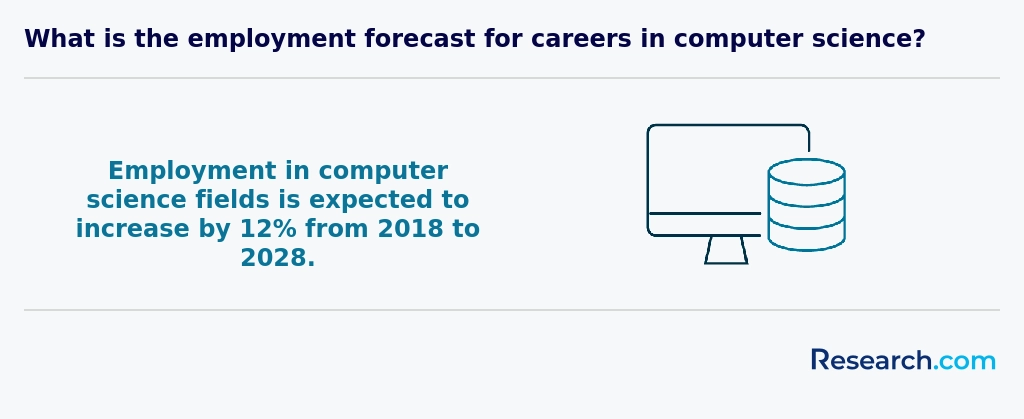
- Employment in computer and IT fields in Providence is expected to grow by around 12% over the next ten years.
- Specialized degree tracks include cybersecurity, data science, and software engineering to meet market demands.
- Financial aid such as scholarships and grants is available to help reduce education costs for students in Providence.
In Providence, completing a computer science degree typically takes about four years for full-time students at well-known institutions like Brown University or the University of Rhode Island. Many graduates describe this period as both challenging and rewarding, where foundational courses in programming, algorithms, and math set the stage for exciting career paths.
Some students speed up their journey by transferring credits from AP courses or community colleges such as the Community College of Rhode Island, allowing them to finish in around three years. This flexibility can bring a sense of accomplishment and motivate students to dive deeper into advanced topics sooner.
Others, balancing jobs or personal commitments, may take five or more years by studying part time. These students often find that flexible scheduling options offered by local universities help them maintain steady progress without sacrificing quality.
For those pursuing a master's degree in Providence, an additional one to two years after the bachelor's creates new opportunities, often with programs tailored to working professionals eager to level up their skills.
The job market for Computer Science graduates in Providence, RI, is dynamic and brimming with opportunities. Graduates often find themselves in high demand across various tech sectors, including software development, data analytics, and cybersecurity. With employers increasingly seeking practical experience and advanced technical skills, students are encouraged to participate in internships, hackathons, and collaborative projects that enhance their employability. Many local employers actively recruit from top programs, ensuring that graduates have a smooth transition into the workforce. Furthermore, networking plays a vital role in career advancement. Students can leverage career fairs, industry meetups, and university-sponsored events to connect with potential employers and alumni mentors. For those exploring different educational avenues, our comprehensive guide on the most popular computer science degree provides detailed insights into program reputations and graduate outcomes. As technology continues to evolve, Providence remains a hub for innovation, positioning its Computer Science graduates for rewarding careers in an increasingly competitive market. This growing demand not only reflects the quality of the programs but also offers promising prospects for long-term career success.
Choosing between online and on-campus computer science degrees in Providence comes down to your lifestyle and learning preferences. Graduates from Brown University often recall the energizing atmosphere of labs and lively campus discussions that sparked creativity and teamwork. The face-to-face interactions and immediate access to professors gave them confidence when tackling complex coding problems.
On the other hand, those enrolled in online programs appreciate the freedom to study after work or family time, which many find empowering. They often speak of balancing their responsibilities while progressing through comprehensive courses with the same academic rigor expected at institutions like the University of Rhode Island's Providence campus.
Cost also plays a role; on-campus tuition ranges widely, but online options typically reduce expenses tied to commuting and facilities. However, top-tier programs may keep similar pricing due to quality content and services.
Whether you thrive in dynamic local settings with peer collaboration or value flexible scheduling with digital convenience, Providence's options allow you to tailor your computer science journey to fit your dreams and daily life.
The average cost of a computer science degree in Providence typically centers around $49,500, blending tuition and additional expenses. Graduates from public institutions like the University of Rhode Island often share how manageable in-state rates provide relief, helping them focus on mastering coding languages and algorithms without overwhelming financial stress. Out-of-state students encounter higher costs, but many find value in comprehensive financial aid packages that make this investment worthwhile.
Private universities in Providence, such as Brown University, tend to have higher price tags. Still, graduates frequently highlight the unique opportunities and networks gained, making the steeper costs feel like stepping stones toward rewarding careers in technology. Beyond tuition, students should prepare for living expenses, textbooks, and specialized computer science software or hardware, pushing total costs upward.
When budgeting for Providence computer science degree total expenses, it's crucial to consider scholarships and grants that several schools actively offer. Many students who have walked this path encourage prospective learners to explore all available funding sources, emphasizing that this can significantly ease the financial journey while pursuing a passion for innovation and technology.
For those curious about how Providence's computer science programs rank in popularity and rigor, it's helpful to check resources listing the most popular computer science degree options locally. Such insights can guide you in choosing a program that fits your goals and budget, turning the dream of a computer science career into an achievable reality.
Providence computer science programs connect students with local employers through:
- Healthcare tech roles at Lifespan Health System and Newport Hospital
- Software development internships at Citizens Bank and local fintech startups
- Research assistantships in AI and cybersecurity labs at Brown University and the University of Rhode Island
- Community-led hackathons, coding meetups, and career fairs facilitated by the Rhode Island Technology Council
These opportunities provide real-world coding challenges, mentorship from industry leaders, and networking events that often convert into full-time positions. After gaining practical experience, many students pursue graduate studies-explore the cheapest master in data science to continue building specialized skills.
Many computer science students in Providence find financial aid to be a crucial stepping stone toward achieving their goals. Graduates from local colleges often share how federal aid, starting with the FAFSA application, unlocked opportunities like Pell Grants-which can cover up to $7,395 annually-making the dream of studying at institutions like Brown University or Rhode Island College more affordable. Alongside these grants, subsidized federal student loans offer manageable borrowing with low interest, easing financial stress during their studies.
State programs like the Rhode Island Promise Scholarship play a key role for in-state learners, especially those pursuing STEM fields. Several Providence universities also reward academic excellence and promote diversity with merit-based scholarships tailored for computer science majors, helping to reduce tuition costs and boost confidence.
Work-study programs are valued by many students who appreciate gaining hands-on experience while earning income. Exploring private scholarships from tech organizations further expands support, providing a hopeful path for passionate students navigating Providence's competitive education landscape.
Engaging in real-world projects enhances your resume and skills. Providence students can leverage:
- Co-op programs at institutions like Brown University and Rhode Island College, alternating study with full-time work.
- Internships at local tech startups, healthcare organizations (e.g., Lifespan Health System) and finance firms (e.g., Citizens Bank).
- Research assistant roles in campus labs, contributing to AI, cybersecurity, and data analytics initiatives.
- Community hackathons, coding workshops and tech meetups to build a professional portfolio.
- Cross-disciplinary opportunities-consider exploring online game design classes for creative programming experience.
To embark on your computer science journey in Providence, you'll first need a high school diploma or an equivalent credential. Many students I've mentored found that having a strong foundation in math and science truly made the transition smoother. Imagine sitting in a challenging algorithms class at Rhode Island College feeling confident because you mastered algebra and calculus before stepping on campus.
Standardized tests like the SAT or ACT often play a role, especially the math sections, helping colleges gauge your preparedness. Graduates from Providence institutions recall how their solid test scores opened doors and eased anxieties during admissions. Beyond scores, you'll submit transcripts, letters of recommendation, and a personal statement-these tell your unique story and passion for technology in ways numbers can't.
If you're an international student, demonstrating your English skills through TOEFL or IELTS becomes key. Many have succeeded by embracing this challenge, knowing Providence's welcoming programs value diverse perspectives. Overall, meeting these prerequisites positions you to thrive and excel in local computer science programs.

Providence’s Computer Science programs maintain robust ties with local tech firms, startups, and government agencies, ensuring students gain real-world experience before graduation. Many universities, such as Brown University’s Carney Institute for Brain Science and the Rhode Island School of Design, host career fairs and networking events that connect cohorts with leading employers. For example, students have interned at:
- CVS Health: developing data analytics tools to optimize supply-chain logistics.
- Hasbro: contributing to digital game design and software prototyping.
- Citizens Financial Group: enhancing cybersecurity protocols within enterprise networks.
- Local startups in the Innovation Hub at Johnson & Wales University: collaborating on full-stack web applications for social impact. These partnerships often lead to paid internships and co-op placements, with over 70% of Computer Science majors securing at least one internship before earning their degree. To maximize these opportunities, students are encouraged to utilize career services, attend hackathons like “Rhode Coders,” and participate in on-campus tech clubs that regularly invite industry speakers. While Providence offers excellent internship pipelines, students seeking alternative cost-effective options can explore the Most Affordable Computer Science Degree Programs Ranking in Claremont, CA to compare program affordability and remote internship possibilities. By leveraging these industry connections, students build professional portfolios, expand their network, and often receive full-time job offers upon graduation.
When pursuing a computer science degree in Providence, you'll start with foundational courses that truly build your confidence and skill set. Graduates from Brown University and the University of Rhode Island often mention how mastering Introduction to Programming with languages like Python or Java gave them a solid footing to tackle real-world challenges. Courses such as Data Structures and Algorithms sharpen problem-solving abilities crucial for software development tasks you'll face in internships or projects.
Understanding the workings behind your computer is made clear through classes like Computer Systems and Architecture, which students find eye-opening when they see how hardware meets software. Don't overlook Discrete Mathematics, a favorite among students who enjoy learning the logic behind coding and algorithm design-it's like unlocking the secret language of computers.
As you advance, expect to dive into specialized areas like Artificial Intelligence, Cybersecurity, and Database Systems. Providence universities often emphasize hands-on projects and research opportunities, helping you apply these skills in tangible ways. Many graduates say working on a capstone project involving mobile app development or cloud computing truly prepares them for the fast-paced tech world awaiting them locally and beyond.
In Providence, specializations in computer science degree Providence programs are designed to match both student passion and the evolving job market. Graduates from well-known colleges here often share how focusing on Software Engineering helped them secure roles developing real-world applications, feeling inspired by the impact of crafting solutions that millions use daily. Another strong concentration option is Data Science and Analytics, which prepares students to handle complex data and uncover trends-perfect for Providence's healthcare and tech-driven economy. It's no surprise data science shows rapid growth nationally, making it a smart path to consider when exploring what is the highest paying coding job.
Many local students also dive into Cybersecurity due to the critical need for protecting sensitive information; coursework at Providence's universities often includes hands-on labs in network defense and cryptography, boosting confidence and practical skills. Beyond these, specializations like Artificial Intelligence, Human-Computer Interaction, and Database Management round out diverse options that align perfectly with computer science concentration options Providence students look for in their academic journey.
Choosing the best computer science degree programs Providence has to offer means focusing on what truly matters to your future. Graduates from Brown University often share how engaging with faculty experts and participating in cutting-edge research helped them grow both technically and professionally. The city's institutions provide strong programs covering essentials like algorithms, software design, and AI, which you can tailor to your passion-whether it's cybersecurity or machine learning.
Affordability is a real concern, so exploring affordable computer science colleges in Providence is wise. Many students balance quality and cost by considering public universities, where in-state tuition is significantly lower. However, private schools can be worth the investment if their career support and networking increase your job prospects after graduation.
Internships in Providence's growing tech sector offer invaluable hands-on experience. Several graduates highlight how these local opportunities complemented their coursework perfectly. For a broader view on affordable options, check out the Most Affordable Computer Science Degree Programs Ranking in Claremont, CA, which can inspire comparisons beyond Providence too.

Graduates with a computer science degree in Providence find themselves at the heart of a dynamic job market filled with diverse career opportunities. From software developer roles designing applications that power local businesses to cybersecurity specialist positions protecting critical data in healthcare and finance, the city offers a broad spectrum of paths. Many graduates from institutions like the University of Rhode Island and Rhode Island College have secured roles as data analysts, interpreting rich data sets to influence business strategies. These opportunities reflect the growing demand and innovation in Providence's tech-driven sectors, making your degree highly valuable.
For those exploring Providence computer science degree job prospects, consider the benefits of internships and cooperative education programs available locally; they create essential bridges between academic concepts and real-world technology challenges. Some graduates have moved into positions as IT project managers or web developers, experiencing firsthand how Providence's supportive community fuels career growth. If you're looking for flexible education options to advance further, check out one year online masters programs that fit your goals.
The computer science job opportunities in Providence are promising, with steady growth reflecting the city's vibrant tech landscape. Graduates from top schools like Brown University and Rhode Island School of Design often share how the local blend of startups and established firms provides diverse roles in software development, cybersecurity, and health informatics. This evolving environment opens doors for those who want to make an impact close to home.
Many Providence-based graduates find that the city's growing healthcare sector offers exciting IT challenges, combining technology with meaningful real-world applications. With a median annual wage near $90,000, the Providence tech industry employment outlook encourages students to consider both career potential and lifestyle benefits.
Networking through local groups such as Tech Collective RI often leads to unexpected opportunities, helping graduates transition confidently from academic life. For students weighing the cost of education, exploring certifications that pay well without a degree can complement formal studies and boost employability.
2027 Most Popular Computer Science Degree Programs Ranking in Providence
Investing in your education is a significant decision that can shape your future, and the Research.com team understands the importance of making informed choices. To assist prospective students in Providence, we have meticulously crafted the "2027 Most Popular Computer Science Degree Programs Ranking in Providence." Our commitment to quality, credibility, and accuracy is reflected in the extensive research and analysis conducted to compile this ranking. We utilized the following reputable data sources to ensure a comprehensive evaluation of computer science programs:
By exploring this ranking, readers will gain valuable insights into the most popular computer science degree programs available in Providence, empowering them to make well-informed decisions about their educational journeys. For more details on our methodology, please visit our Research.com methodology page.


Frequently Asked Questions About computer science
Students pursuing a computer science degree in Providence can enhance their education by actively engaging in local tech communities and university-led research projects. Providence hosts several institutions offering CS programs, where collaboration with faculty on cutting-edge topics like artificial intelligence and cybersecurity is common. According to the National Center for Education Statistics, Rhode Island has seen a 12% increase in STEM graduates, highlighting growing opportunities. Internships with nearby tech companies provide practical experience and networking. Additionally, attending regional conferences and workshops helps students stay current with industry trends, while participating in coding competitions can improve problem-solving skills and teamwork.
The computer science field is rapidly evolving, with new niches emerging every year. In Providence, students are increasingly interested in areas such as artificial intelligence (AI), machine learning, and cybersecurity. According to the Rhode Island Department of Labor, cybersecurity jobs are projected to grow by over 20% by 2030 in the state, reflecting national trends.
Other promising niches include data science and cloud computing. Many Providence universities now offer specialized courses focusing on these fields to meet rising local employer demand. Additionally, the growth of blockchain technology has sparked academic and industry interest, especially for secure digital transactions.
Overall, pursuing a computer science degree in Providence offers opportunities to engage with cutting-edge topics that align with the expanding tech ecosystem in the region.
Graduating with a computer science degree in Providence offers promising job opportunities due to the city's growing tech sector. To prepare effectively for the job market, students should focus on building practical skills through internships and cooperative education programs. Providence benefits from proximity to major tech hubs in Boston and New York, enhancing networking possibilities.
Expertise in programming languages like Python, Java, and C++ remains critical. Students are encouraged to engage with local tech meetups and organizations such as the Rhode Island Technology Council to connect with industry professionals.
According to the U.S. Bureau of Labor Statistics, computer and information technology jobs in Rhode Island are projected to grow by around 15% from 2020 to 2030, highlighting expanding opportunities for graduates.
Developing soft skills such as communication and teamwork, combined with a strong portfolio of projects, can significantly improve employment prospects in Providence's competitive market.
Employers in Providence highly value computer science graduates who demonstrate strong programming skills in languages such as Python, Java, and C++. Mastery of data structures and algorithms remains essential for problem-solving roles. According to the Rhode Island Department of Labor, proficiency in software development frameworks and cloud computing platforms is increasingly demanded.
Analytical thinking and the ability to work collaboratively in teams are also critical, as local tech companies emphasize agile methodologies. Communication skills help graduates explain complex technical concepts clearly to non-technical stakeholders, enhancing their job readiness. Familiarity with cybersecurity basics is another growing priority amid rising digital threats in the region.
Finding computer science internships in Providence involves leveraging local university resources and the city's growing tech sector. Institutions like Brown University and the University of Rhode Island often offer career services with internship listings specifically targeting computer science students. These services may include job fairs, resume workshops, and connections with local employers.
Providence's tech industry employs over 7,000 workers and includes startups and established companies that regularly offer internships. Networking through local meetups, tech events, and professional organizations such as the Providence Tech Collective can also open internship opportunities.
Online platforms like Handshake often list internships tailored to Providence-area students, making it simpler to find relevant positions.
A computer science degree in Providence can significantly enhance career mobility and advancement opportunities. The city's growing tech sector, supported by institutions like Brown University and Rhode Island School of Design, creates demand for skilled professionals. According to the U.S. Bureau of Labor Statistics, software development roles in Rhode Island are projected to grow 15% from 2021 to 2031, faster than the national average.
Graduates often find opportunities in diverse industries such as healthcare, education, and finance, reflecting Providence's economic landscape. The degree provides foundational skills in programming, data analysis, and problem-solving, crucial for moving into higher-level roles.
Networking through local tech meetups and partnerships between universities and businesses further supports career growth. Employers value the practical experience gained through internships and cooperative education common in Providence schools, making graduates competitive candidates for advancement.
Studying for a computer science degree in Providence offers strong preparation for interdisciplinary roles by combining technical education with exposure to diverse fields. Many Providence institutions emphasize collaboration between computer science and disciplines like healthcare, finance, and environmental science. This approach reflects local industry needs, as Providence hosts numerous technology-driven startups and healthcare companies seeking versatile professionals.
According to the Rhode Island Department of Labor, employment in computer and information technology occupations is projected to grow by 15% through 2030, underscoring the demand for adaptable skill sets. Students often participate in internships and research projects that bridge computer science with business, biology, or engineering, fostering practical interdisciplinary experience.
Choosing between a thesis and a non-thesis computer science degree program in Providence depends on your career goals and learning preferences. A thesis option typically suits students interested in research or planning to pursue a PhD, as it involves conducting original research and writing a substantial paper.
In contrast, the non-thesis path focuses more on coursework and practical skills, ideal for those targeting immediate employment in the tech industry. According to data from the National Center for Education Statistics, computer science graduates in Rhode Island who completed thesis programs are more likely to enter research roles.
Consider your long-term plans and consult with academic advisors at Providence-area institutions to make an informed choice.
Students based in Providence who wish to study computer science abroad have various pathways available through their local universities' international programs. For example, Brown University offers exchange programs with accredited institutions in Europe and Asia, enabling students to gain global exposure while earning credits. Such programs often last a semester or a full academic year. Providence College and other nearby institutions also provide opportunities for study abroad internships and research collaborations in computer science fields.
Participation in these programs typically requires maintaining a GPA threshold, commonly around 3.0. According to the Open Doors Report 2023, STEM fields, including computer science, represent nearly 30% of U.S. study-abroad students, reflecting a growing trend to acquire international experience in tech. These programs enhance students' cultural competencies and technical skills, benefiting future careers in the global tech market.
Part-time job opportunities in Providence that complement a computer science degree are diverse and valuable for gaining practical experience. Many students find positions as software development interns or junior programmers at local tech startups and established companies. Providence's growing tech sector, supported by initiatives like the Rhode Island Commerce Corporation, creates demand for skilled programmers.
Additionally, roles in IT support or network administration at universities, such as Brown University or Rhode Island School of Design, provide hands-on technical skills relevant to computer science studies. Freelance web development and tutoring in programming languages are also common options.
According to the Rhode Island Department of Labor, computer and mathematical occupations are projected to grow by 15% through 2030, indicating strong job availability in the region.
Providence offers computer science students several valuable networking opportunities within its vibrant tech and academic communities. Local universities, such as Brown University, host regular tech meetups and career fairs that connect students with leading industry professionals and startups. The Providence Tech Meetup group holds monthly events attended by more than 500 members, providing excellent chances to build professional relationships.
The city is also home to the Rhode Island Technology Council, which frequently organizes workshops and networking sessions specifically designed for technology students and professionals. Additionally, internships with nearby companies in Providence's growing tech sector give students practical experience and industry contacts. According to the Rhode Island Commerce Corporation, the state saw a 5% increase in tech employment between 2021 and 2023, reflecting expanding career possibilities.
Alumni networks play a significant role for computer science students in Providence by offering valuable connections in the local tech industry. Through these networks, students gain access to mentorship opportunities, internships, and job leads that are often not publicly advertised. The Rhode Island tech scene is growing, with companies like Hasbro and local startups frequently collaborating with universities, making alumni connections crucial.
Studies show that 70% of job placements in computer science come via networking, highlighting how alumni can bridge the gap between education and employment. Students benefit from events, workshops, and online communities maintained by alumni, helping them stay updated on industry trends and expand their professional circle.
In Providence, students can tailor their computer science degrees by selecting specialized tracks, electives, and internships that align with their career goals. Many colleges offer concentrations such as artificial intelligence, cybersecurity, or software engineering. For example, Providence College and Rhode Island School of Design provide elective courses allowing deeper focus in these areas.
Internships with local tech companies or research labs in Providence are crucial for practical experience and networking. According to the Rhode Island Department of Labor, employment in computer occupations in Providence grew by 8% from 2018 to 2023, increasing demand for skilled graduates.
Additionally, students can engage in undergraduate research or collaborative projects, enhancing their resumes for industry or graduate school applications.
Computer science students in Providence often face a range of challenges common to STEM fields across the US. One significant hurdle is managing the rigorous coursework, which includes complex subjects such as algorithms, software development, and data structures. According to the Rhode Island Board of Education, students frequently report difficulty balancing demanding projects and exams with part-time work or internships.
Another challenge is accessing up-to-date technology and resources. While many institutions in Providence have modern labs, some students find the availability of specialized software limited, affecting their hands-on learning experience.
Additionally, the competitive job market in Providence's growing tech sector creates pressure to gain relevant experience beyond academics. Internships are crucial but not always easy to secure, especially for underrepresented groups.
Finally, navigating financial aid and the cost of living in Providence can be stressful, as tuition and expenses continue to rise.
A computer science degree from Providence or nearby institutions can open doors to various professional certifications that enhance career prospects. Common certifications include Certified Information Systems Security Professional (CISSP), which is highly valued in cybersecurity roles. Another option is the Certified Software Development Professional (CSDP), offered by the IEEE Computer Society, focusing on advanced software engineering skills.
The Project Management Professional (PMP) certification is also popular among computer science graduates aiming for leadership roles. According to CompTIA data, over 50% of employers in Rhode Island prefer candidates with certifications. Additionally, cloud certifications such as AWS Certified Solutions Architect are increasingly relevant due to growing demand for cloud computing expertise in Providence's tech sector.
Writing a winning application for a computer science program in Providence requires careful preparation and clear communication of your strengths. Most local programs, including those at Brown University and Providence College, expect a solid foundation in mathematics and programming. Highlight your coursework, projects, or relevant work experience to showcase your skills.
Standardized test scores like the SAT or ACT are often optional but can strengthen your application. Ensure your personal statement explains your passion for computer science and your goals. According to U.S. News, Providence-area computer science programs emphasize problem-solving and innovation, so demonstrate these qualities.
Request strong letters of recommendation from teachers or professionals familiar with your abilities. Also, tailor your application to align with each school's unique offerings and values to improve your chances. Timely submission and careful proofreading are essential to avoid common mistakes and make a good impression.
Computer science careers hold significant global importance, driven by rapid technology growth and digital transformation worldwide. In the United States, including Providence, demand for skilled computer scientists is strong, with the U.S. Bureau of Labor Statistics projecting a 15% growth in software development jobs from 2021 to 2031. Globally, the field offers opportunities in diverse sectors like artificial intelligence, cybersecurity, and data science.
Providence benefits from a concentrated tech industry and several higher education institutions offering reputable computer science programs. According to the National Center for Education Statistics, Rhode Island awarded over 200 bachelor's degrees in computer science in 2022, contributing to local and international technology markets.
Careers in computer science emphasize adaptability and continuous learning due to evolving technologies. Graduates in Providence find roles locally and abroad, reflecting the global reach of the profession.
Gaining practical experience while pursuing a computer science degree in Providence is crucial for career readiness. Many local institutions encourage students to engage in internships, which are widely available through Providence's growing tech sector. According to the Rhode Island Department of Labor and Training, internships in computer science fields increased by 15% between 2020 and 2023.
Students can also participate in cooperative education programs, combining classroom study with paid work experience. Additionally, joining coding clubs or hackathons hosted by universities such as Brown University or Rhode Island College can sharpen technical skills through real-world problem solving.
Volunteering for local startups or nonprofit organizations provides opportunities to build a portfolio and develop teamwork abilities.
Choosing the right concentration within a computer science degree program in Providence requires understanding your career goals and local industry demand. Providence colleges often offer concentrations such as software engineering, cybersecurity, data science, and artificial intelligence. According to the Rhode Island Department of Labor, demand for cybersecurity professionals in Providence grew by 12% between 2020 and 2023, reflecting regional priorities.
Research programs' curriculum details to match concentrations with your interests and strengths. Internships and connections with Providence's tech firms can be valuable for hands-on experience. Additionally, consider the availability of faculty expertise and research opportunities in your chosen area.
- 2027 Most Popular Computer Science Degree Programs Ranking in Worcester
- 2027 Most Popular Computer Science Degree Programs Ranking in Cambridge
- 2027 Most Popular Computer Science Degree Programs Ranking in Boston
- 2027 Most Popular Computer Science Degree Programs Ranking in Medford
- 2027 Most Popular Computer Science Degree Programs Ranking in Lowell
- 2027 Most Popular Computer Science Degree Programs Ranking in Amherst
- 2027 Most Popular Computer Science Degree Programs Ranking in Albany
- 2027 Most Popular Computer Science Degree Programs Ranking in Hanover
- 2027 Most Popular Computer Science Degree Programs Ranking in Brooklyn
- 2027 Most Popular Computer Science Degree Programs Ranking in New York
See What Experts Have To Say About Studying Computer Science
Read our interview with Computer Science experts

Kathleen M. Carley
Computer Science Expert
Professor of Computer Science
Carnegie Mellon University

Derek Riley
Computer Science Expert
Professor, Program Director
Milwaukee School of Engineering

Imed Bouchrika, Phd
Computer Science Expert
Professor of Computer Science
National Higher School of Artificial Intelligence

Elan Barenholtz
Computer Science Expert
Associate Professor
Florida Atlantic University

- Top Careers in Computer Science | Careers, Salaries, and Resources https://www.computerscience.org/careers/
- Ada Computer Science https://adacomputerscience.org/student_challenges
- What certifications should I get for computer science? | edX https://www.edx.org/resources/certifications-computer-science
- Computer Science students create live network in simulated scenario https://www.stmartin.edu/news-and-stories/stories/computer-science-students-create-live-network-simulated-scenario
- What Can You Do With a CS Degree? 12 Paths for 2026 | Extern https://www.extern.com/post/computer-science-degree-careers-guide
- Getting the Most Out of a Computer Science Degree https://robkokochak.com/blog/getting-the-most-out-of-a-cs-degree/
- Computer Science Alumni Council https://www.myniu.com/article.html
- Navigating Systemic Access to Computer Science Learning https://www.nasbe.org/navigating-systemic-access-to-computer-science-learning/
- Best Rhode Island Computer Science Schools & SAT Tips https://caddellprep.com/colleges/computer-science/rhode-island/
- 5 Challenges Faced by Computer Science Students and How to Overcome Them https://informatika.almaata.ac.id/5-challenges-faced-by-computer-science-students/