
2027 Most Popular Computer Science Degree Programs Ranking in Washington

Co-Founder and Chief Data Scientist
Choosing the right computer science degree program in Washington can feel overwhelming, but it doesn't have to be. This article introduces the 2027 Most Popular Computer Science Degree Programs Ranking in Washington, crafted by the Research.com team of data scientists to guide you through the options.
By exploring this ranking, you'll gain valuable insights to help make an informed decision about your education and future career. A computer science degree opens doors to many exciting opportunities, and this guide is here to support your journey.
Key benefits of getting computer science degree in Washington
- Salary for computer science degree graduates: Graduates can expect strong earning potential, with software engineers and developers earning a mean annual wage of $138,110, while web developers make around $95,570, reflecting rewarding financial opportunities.
- Potential career paths: A computer science degree opens doors to diverse roles such as software engineering, web development, IT support, and data analysis, providing flexible and exciting job opportunities in Washington's growing tech scene.
- Benefits of online degrees: Completing a computer science degree online offers flexible schedules and access to quality education from universities in Washington, making it easier to balance work and study while still advancing toward a valuable career.
- 2027 Most Popular Computer Science Degree Programs Ranking in Washington
- What can I expect from computer science degree in Washington?
- Where can I work with computer science degree in Washington?
What can I expect from computer science degree in Washington?
Funding a computer science degree in Washington typically means navigating costs that reflect the quality and reputation of its top universities, like the University of Washington. Many graduates share how tuition, fees, and living expenses typically add up to around $25,000 to $35,000 per year for in-state students, while out-of-state learners might budget closer to $50,000 annually. This investment often feels worthwhile given the hands-on experiences they gain through internships and projects tied to Seattle's vibrant tech scene.
Some students mention discovering scholarship opportunities early in their studies, easing the financial load and allowing them to focus on exploring programming languages like Python or tackling AI research. The option to attend part-time or take online classes also adds flexibility, making it easier to keep working while learning. These paths reflect the adventurous spirit many describe-balancing finance and ambition amidst Washington's bustling world of innovation.
Where can I work with computer science degree in Washington?
Graduates from universities like the University of Washington often find themselves immersed in Washington's vibrant tech scene, with opportunities that spark curiosity and fuel ambition. Imagine starting your career at a bustling Amazon office in Seattle, collaborating on cutting-edge cloud computing projects or developing innovative software solutions alongside passionate teams. Many grads take pride in contributing to Microsoft's expansive software development landscape, where creativity meets impact daily.
Beyond tech giants, graduates excited by change dive into startups thriving around Seattle, where their skills shape new products and technologies in dynamic environments. Those drawn to public service discover rewarding roles in state agencies managing digital infrastructure, blending tech expertise with community impact in a way that feels genuinely meaningful.
Others passionate about healthcare find excitement in developing telemedicine platforms or enhancing electronic health records for leading providers, merging computer science skills with improving lives. For many graduates of Washington's colleges, each day offers fresh challenges and endless possibilities, making a computer science degree a passport to adventure across industries.
Graduates from well-known schools like the University of Washington often find themselves stepping into roles where the adventure of earning begins with salaries around $63,640 as IT Support Specialists, a solid starting path for many. Fast forward a few years, and those climbing the tech ladder are discovering opportunities as Web Developers earning approximately $95,570 annually, turning creative ideas into vibrant digital realities.
For the curious explorer ready to dive deeper, Software Engineers and Software Developers in Washington are rewarded with a mean annual wage of about $138,110, reflecting the high stakes and excitement of working in this tech nexus. Graduates specializing in data can expect roles like Data Analyst, pulling insights from numbers with earnings near $119,040, a thrilling challenge that combines logic and discovery.
Walking the halls of Seattle's tech giants, graduates feel the pulse of a region where their skills transform into noteworthy salaries, fueled by innovation and the quest for knowledge.
- In-state tuition for public universities in Washington ranges from $11,000 to $14,000 per year, while private colleges may charge over $40,000 annually.
- Entry-level salaries for computer science graduates typically fall between $75,000 and $90,000 per year.
- Mid-career salaries often exceed $120,000 annually, depending on the role and employer.
- Major tech companies like Microsoft and Amazon are based in Washington, providing many job opportunities.
- Washington offers specialized programs in software engineering, artificial intelligence, and data science with strong local industry partnerships.
- The Western Undergraduate Exchange allows students from certain states to pay reduced tuition at some Washington public universities.
Diving into a computer science degree in Washington feels like embarking on a thrilling quest where time blends with discovery. Most students chasing a traditional bachelor's degree at iconic spots like the University of Washington or Washington State University usually find themselves on a four-year journey, tackling around 120 to 130 credit hours. Imagine the satisfaction of seeing your skills flourish as you advance semester by semester.
For those eager to jumpstart their careers or keep momentum going, two-year associate degrees at vibrant community colleges like Seattle Central or Tacoma Community College offer a faster path-with many graduates sharing stories of how these programs opened doors to bachelor's degrees or exciting jobs.
Graduate students often embrace flexibility, whether powering through a master's program in 18 to 24 months or pacing themselves part-time. It's not unusual to hear from alumni who managed work and study, appreciating the balance these programs provide. Unique factors like internships may stretch timelines but enrich the adventure with real-world experience, making every moment count.
As the tech landscape in Washington, DC continues to evolve, students should stay ahead by mastering emerging fields and high-impact skills that shape hiring trends. Focusing on these areas not only boosts employability but also future-proofs your career: • Artificial Intelligence and Machine Learning: Familiarity with neural networks, natural language processing, and deep learning frameworks is crucial. Projects involving AI-driven applications, such as chatbots or predictive analytics, demonstrate practical expertise. • Data Science and Analytics: Proficiency in statistics, data visualization tools, and programming languages like Python and R remains essential. For those aiming to deepen their data science expertise, exploring top online master’s in data science programs can provide specialized training and advanced methodologies. • Cybersecurity and Ethical Hacking: With rising cyber threats, skills in vulnerability assessment, incident response, and security certifications (e.g., CISSP, CEH) are in high demand across government agencies and private firms. • Cloud Computing and DevOps: Knowledge of AWS, Azure, or Google Cloud Platform, combined with containerization tools (Docker, Kubernetes) and CI/CD pipelines, is critical for scalable, automated deployments. • Full-Stack and Mobile Development: Expertise in front-end frameworks (React, Angular), back-end technologies (Node.js, Django), and cross-platform mobile development (Flutter, React Native) enhances project versatility. • Internet of Things (IoT) and Edge Computing: Hands-on experience with embedded systems, sensors, and real-time data processing positions graduates to innovate in sectors such as smart infrastructure and healthcare. By aligning your coursework and extracurricular projects with these trends, you’ll meet the dynamic needs of DC’s tech ecosystem and secure roles at the forefront of innovation.
Imagine diving into computer science from your cozy home in Seattle, balancing your studies with a full-time job or family life. That's the charm of online degrees, which offer unmatched flexibility and let you explore programming and algorithms on your own schedule. Washington's University of Washington, for example, offers online options where graduates speak proudly of mastering complex topics while managing life's demands.
Now picture the buzz of campus life at Washington State University, where on-campus students eagerly collaborate in labs, attend faculty office hours, and connect face-to-face with peers. These moments can spark creativity and build invaluable networks. Graduates often recall how hands-on projects and internships with Seattle-area tech giants sharpened their skills in real-time.
Both paths lead deep into computer science fundamentals like data structures and software engineering. Online students thrive on asynchronous learning, while on-campus peers benefit from structured routines and instant feedback. Whichever route you choose in Washington's vibrant tech scene, an adventurous learning journey awaits.
Calculating the ROI of a Computer Science degree in Washington, DC involves comparing total program costs-tuition, fees, living expenses-with post‐graduation earnings. On average, in‐state students pay between $40,000 and $80,000 per year at private institutions, while out‐of‐state tuition can reach $200,000 over four years. With starting salaries for Software Engineers averaging $132,930 and Web Developers at $87,580, most graduates recoup their investment within 2–3 years of full‐time work. Scholarships, grants, and employer tuition assistance can further shorten the payback period. For those seeking cost‐effective alternatives, exploring reputable online programs is key. Compare local ROI benchmarks with our Cheapest Online Computer Science Degree Programs Ranking in New Jersey to identify programs that balance affordability and quality. Beyond pure cost‐to‐salary ratios, consider long‐term salary growth: mid‐career Software Engineers in DC earn upwards of $160,000, boosting lifetime earnings. Factoring in strong demand for data science and cybersecurity roles, graduates can expect sustained income growth. Evaluating both upfront costs and projected salary trajectories ensures a clear picture of your investment’s payoff in Washington, DC’s competitive tech ecosystem.
Exploring the average cost of a computer science degree in Washington reveals an intriguing mix of numbers shaped by residency and institution type. For many in-state students attending popular universities like the University of Washington, the total cost for a full four-year CS degree settles around $58,771. Graduates often share how they managed tuition through scholarships and on-campus jobs, turning financial challenges into growth opportunities. This total cost makes the dream feel within reach, especially when paired with hands-on experience and vibrant student communities.
Out-of-state students, while facing a steeper price tag near $78,450, often describe their journey as an investment in a transformative adventure. The broader exposure to a diverse academic environment at schools like Seattle University can justify the premium. These stories highlight how the blend of rigorous coursework and lively campus life creates memories worth every dollar.
Community colleges and smaller institutions provide alternative paths, offering lower prices and flexible programs that appeal to explorers who prefer a gradual approach. Those aiming to transfer often find joy in balancing affordability with quality, a strategy that fits perfectly into the spirit of discovering Washington's educational landscape.
For students seeking the full scope of what's available, it's worth checking out popular computer science programs. Washington's blend of cost, quality, and opportunity invites prospective students to embark on their computing journey energized by both the challenge and excitement.
Whether budgeting for total expenses for CS degree programs Washington 2027 or just starting to map your academic route, knowing these costs lets you plan boldly and wisely.
Discover more about Washington's offerings through this list of popular computer science programs to find the perfect match for your ambitions.
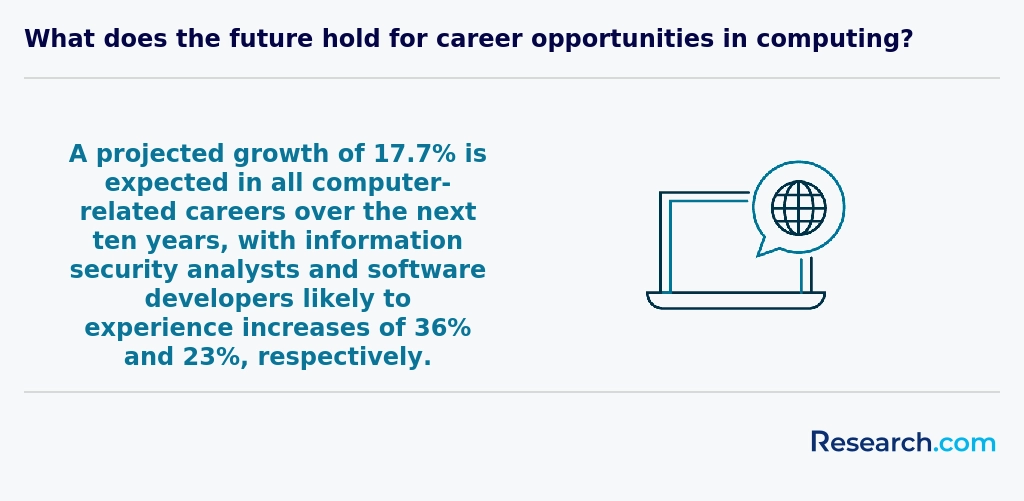
Imagine starting your computer science journey at the University of Washington or Washington State University with a financial safety net-many students find this through the Washington College Grant, which covers about 70% of tuition costs. This state-specific aid takes much of the pressure off, making the dream of coding and creating software feel much closer.
Graduates recall how federal Pell Grants, providing up to $7,395 yearly for eligible students, opened doors to advanced classes without emptying wallets. Completing the FAFSA unlocks these funds and connects you to other vital resources designed to support Washington's aspiring tech leaders.
Merit scholarships also shine brightly for motivated students in computer science, like those awarded by UW and WSU. These awards reward academic excellence and can transform the college experience by lightening financial loads.
Beyond campus, tech giants such as Microsoft and Amazon fuel dreams with scholarships and internships that combine financial aid and real-world experience, crafting a thrilling pathway from classroom to career.
Many students embrace on-campus work-study or assistantships, gaining practical skills while earning money, blending learning with livelihood seamlessly.
For students preparing to embark on a Computer Science journey in Washington, DC, understanding the nuances of the application process and career preparation can set you apart in a competitive field. Begin by researching programs thoroughly; reputable rankings like those detailing popular computer science programs offer a solid starting point to evaluate academic excellence, faculty expertise, and support services. Expert advice emphasizes the importance of building a strong foundational grasp of mathematics and coding through early projects-whether achieved via online courses, boot camps, or community initiatives-to demonstrate your genuine passion and potential to admissions committees. Additionally, engage in networking opportunities by attending local tech meetups, hackathons, and informational sessions hosted by leading universities. These experiences not only enhance your understanding of industry trends but also help you forge connections with professionals who can offer mentorship, internship opportunities, and strategic career insights. Tailor your application materials to include instances where you engaged in real-world projects or community-based coding challenges, as these examples underscore your proactive approach to learning and problem-solving. Finally, remain updated on evolving industry developments by following technology news, participating in webinars, and joining online forums where current students and alumni share their success stories and tips. By proactively preparing through these strategies, you position yourself to thrive both academically and professionally, ensuring that your transition from student to tech professional is as smooth and successful as possible.
Getting ready to dive into a computer science degree in Washington means first conquering a set of key academic prerequisites that pave the way for your success. Imagine yourself as a student at the University of Washington, where mastering calculus isn't just encouraged-it's essential. Many graduates recall how their solid footing in algebra, geometry, and pre-calculus unlocked the door to complex programming challenges that initially seemed daunting.
Coursework in physics or general science also plays a pivotal role, sharpening your analytical skills in ways you might not expect until you tackle problem-solving in real coding projects. Those who took introductory programming classes before applying often find themselves confidently navigating their early semesters, blending theory with practice seamlessly.
Beyond academics, envision assembling your application with transcripts, SAT or ACT scores (if needed), and compelling personal statements. Washington community colleges offer a helpful stepping stone through core courses at a friendlier tuition rate, making your journey more accessible and nurturing your passion gradually.
International students and those returning to education appreciate Washington's thorough approach, often mastering English proficiency tests to feel truly ready. Every step of meeting these prerequisites feels like unlocking a new level, preparing you for the adventure that a computer science degree promises.
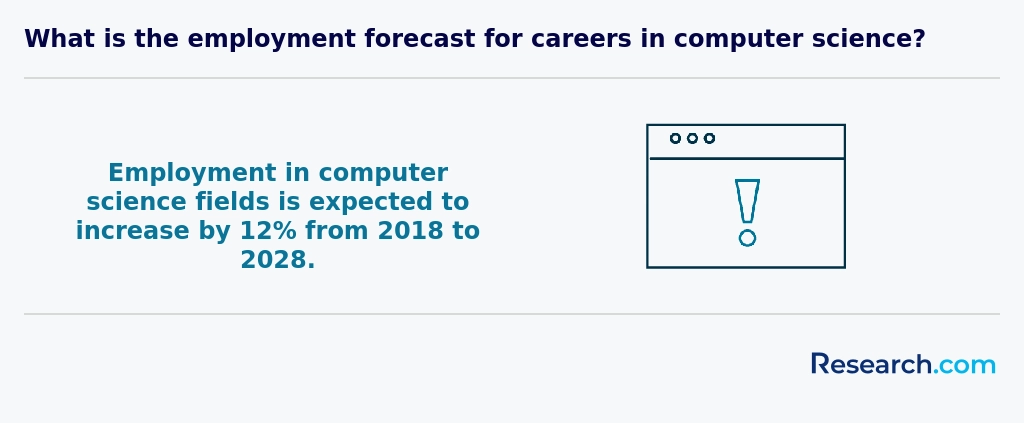
Diving into a computer science degree in Washington means embarking on an exciting journey through a carefully crafted mix of courses. At universities like the University of Washington, students immerse themselves in foundational classes such as Introduction to Programming, where languages like Python or Java become daily tools for solving puzzles and building apps. Graduates often describe the thrill of mastering Data Structures and Algorithms, which feel like uncovering secret blueprints that power everything from social media feeds to search engines.
Courses like Operating Systems and Software Engineering bring theory to life, as students collaborate on projects simulating real-world software challenges-fueling a deep sense of accomplishment. Mathematics classes, including discrete math and linear algebra, aren't just abstract-they become the keys that unlock logical thinking vital for crafting efficient solutions.
Exploring electives like Artificial Intelligence or Cybersecurity in Washington's tech-focused environment sparks curiosity and opens doors to cutting-edge careers. Many graduates recall excitement from hands-on internships complementing coursework, where they applied classroom knowledge in vibrant tech hubs right here at home.
Others are captivated by the rapidly evolving field of artificial intelligence and machine learning, exploring algorithms that make computers smarter every day. It's a favorite among students drawn to innovation in this tech hub. Data science and big data analytics reveal another adventure, where learners find themselves analyzing massive datasets, often landing roles in Seattle's booming finance and healthcare sectors. For those who crave a challenge beyond coding, cybersecurity specialization empowers students to guard against cyber threats, a crucial skill in Washington's tech-driven economy.
Those interested in blending creativity with technology embrace human-computer interaction, designing intuitive interfaces that make tech enjoyable and accessible. Many of these pathways open doors to cutting-edge careers, and for students looking to level up their expertise, the top online master's in data science programs provide a fantastic next step.
The variety and hands-on experiences truly make the best computer science degree tracks Washington offers an inspiring choice for adventurous learners ready to explore their future in tech.
Choosing the best computer science degrees in Washington state means diving into programs that excite your curiosity and fit your ambitions. Imagine exploring the University of Washington's AI labs or collaborating on real-world projects through Seattle University's cybersecurity courses; graduates often highlight how these experiences sparked their passion and expanded their skills. Funding is a big piece of the puzzle, and Washington offers options ranging from public universities with affordable tuition to private colleges with specialized scholarships.
Many students find that affordable computer science programs Washington-wide balance quality and cost, ensuring they can focus on learning instead of financial stress. Access to local tech hubs like Seattle's booming software industry opens doors to internships that bring classroom ideas to life, helping grads smoothly step into careers with solid starting salaries. If flexible learning fits your style, consider hybrid or online options, and for a helpful guide to budget-friendly choices, check out the Cheapest Online Computer Science Degree Programs Ranking in New Jersey.
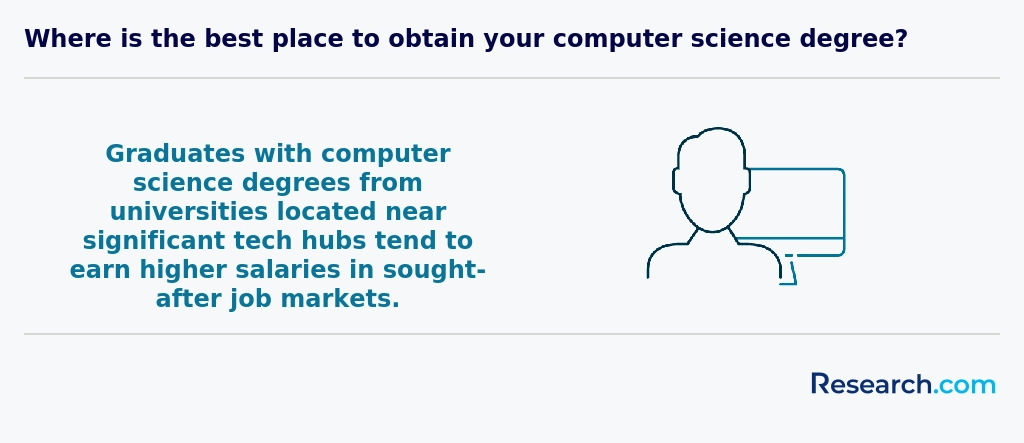
Graduates of computer science programs in Washington quickly discover a thrilling spectrum of career paths waiting for them. From designing cutting-edge software at Seattle's top universities to diving deep into data science roles that decode massive datasets, the opportunities feel limitless. Many find themselves drawn to software development and engineering, where creativity meets problem-solving on a daily basis. Others embrace the rapid growth in cybersecurity, protecting companies from ever-evolving digital threats across the state's bustling tech scene.
Exploring tech jobs for computer science graduates Washington offers reveals exciting roles in artificial intelligence, machine learning, and cloud computing, sectors fueled by giants like Microsoft and innovative startups. Students from schools such as the University of Washington often share stories of transforming classroom theories into real-world solutions, boosting their confidence and career prospects.
If you're eager to jumpstart your journey without delay, consider looking into the best online associate degrees in 6 months that can pave your way. Choosing a computer science path in Washington means stepping into a vibrant ecosystem where passion meets abundant possibility.
The computer science job market in Washington buzzes with opportunity, fueled by giants like Microsoft and Amazon as well as a cascade of innovative startups. Graduates from universities here often find themselves stepping into roles that push boundaries-whether that's crafting software in Seattle's dynamic tech hubs or diving into the latest in cloud computing and AI. The technology career opportunities in Washington state are vibrant, with companies eager for fresh talent ready to tackle real-world problems.
Many recent graduates share stories of their first internships transforming into full-time positions, fueled by Washington's demand for skills in cybersecurity, data science, and software development. With competitive salaries around $120,000 annually for software developers, these prospects turn the challenge of studying into rewarding adventure. For students considering the cost of education, the affordability of in-state tuition from public universities is balanced by exciting career returns.
For those curious about less demanding paths, an easy bachelor degree might be an option before embarking fully into this vibrant market, paving the way to explore and grow in technology fields unique to Washington's flourishing scene.
2027 Most Popular Computer Science Degree Programs Ranking in Washington
Investing in your education is a significant decision that can shape your future, and the Research.com team understands the importance of making informed choices. To assist prospective students in Washington, we have meticulously crafted the "2027 Most Popular Computer Science Degree Programs Ranking in Washington." Our commitment to quality, credibility, and accuracy is reflected in the extensive research and analysis conducted to compile this ranking.
We utilized the following reputable data sources to ensure a comprehensive evaluation of computer science programs:
By exploring this ranking, readers will gain valuable insights into the most popular and reputable computer science degree programs available in Washington, helping them make informed decisions about their educational pursuits. For more details on our methodology, please visit our Research.com methodology page.


Frequently Asked Questions About computer science
Computer science students in Washington can maximize their learning by engaging in both academic and practical experiences. Washington is home to leading tech companies like Microsoft and Amazon, offering valuable internship opportunities that enhance classroom knowledge with real-world skills. According to the National Center for Education Statistics, over 15,000 undergraduates in the state pursue computer science annually, highlighting the importance of competitive preparation.
Joining campus research projects or coding clubs allows students to collaborate and solve problems actively, improving technical and teamwork skills. Additionally, leveraging resources at universities such as the University of Washington, known for its top-ranked computer science program, can provide access to innovative labs and expert faculty.
Networking at tech meetups and professional events in Seattle also helps students stay informed about industry trends and job openings, boosting post-graduate employment prospects in a state with a rapidly growing tech sector.
Computer science in Washington is evolving rapidly, with several emerging niches attracting growing interest from students and employers. One prominent area is artificial intelligence (AI) and machine learning, driven by major tech companies like Microsoft and Amazon headquartered in the state. These companies support research and development, fostering local demand for expertise.
Another notable niche is cybersecurity, vital due to increasing cyber threats across industries. Washington offers specialized programs to prepare students for roles in protecting data and systems.
Additionally, fields like data science and cloud computing continue to expand, with Washington positioned as a national leader in cloud infrastructure services.
According to the Washington State Employment Security Department, jobs in these areas are expected to grow by over 15% through 2030, indicating strong opportunities for graduates.
After completing a computer science degree in Washington, preparing for the job market requires strategic steps. Networking is crucial; the Seattle area hosts many tech giants like Microsoft and Amazon, creating opportunities for internships and entry-level jobs. According to the Washington State Employment Security Department, demand for software developers is projected to grow 17% by 2030, faster than average. Building a strong portfolio showcasing programming skills, especially in languages such as Python and Java, helps graduates stand out. Additionally, participating in local tech meetups or hackathons can enhance practical experience and connections. Certifications in cloud computing and cybersecurity also increase employability.
Employers in Washington value computer science graduates who demonstrate strong programming skills, especially in languages like Python, Java, and C++. According to the Washington State Employment Security Department, over 70% of tech job postings require proficiency in these areas. Additionally, problem-solving ability and experience with algorithms are highly sought after.
Soft skills such as communication and teamwork are also critical, as many companies emphasize collaboration in their projects. Knowledge of cloud computing and cybersecurity is increasingly important due to the growing tech hubs in Seattle and Redmond. Familiarity with tools like AWS and Azure can give graduates a competitive edge.
Data from local job market analyses show that hands-on experience through internships or capstone projects significantly boosts employability in this region.
Finding internships in Washington related to a computer science degree involves several key steps. First, students should explore opportunities offered by universities with strong computer science programs, such as the University of Washington, which reports a 70% internship placement rate for its CS students.
Online platforms like Handshake and LinkedIn are widely used by Washington-based companies, including tech giants like Microsoft and Amazon, to post internships specifically for computer science students. These platforms provide tailored job listings and application tools.
Additionally, career fairs hosted by universities and local tech meetups can help students network with potential employers. Washington's vibrant tech ecosystem means internships often focus on software development, data analysis, and AI, reflecting industry demand described in reports by the Washington Technology Industry Association.
Obtaining a computer science degree in Washington significantly enhances career mobility and advancement opportunities. The state's strong technology sector, including companies like Microsoft and Amazon, creates high demand for skilled graduates. According to the U.S. Bureau of Labor Statistics, employment of computer and information technology occupations in Washington is projected to grow 16% from 2022 to 2032, faster than the national average.
Graduates benefit from competitive salaries, with median wages above $100,000 annually, aiding financial growth and geographic mobility within the region. Employers increasingly prefer candidates with formal computer science education for leadership and specialized roles.
Additionally, Washington's universities often provide internships and networking that help graduates transition across industries, supporting upward career progression.
Studying for a computer science degree in Washington equips students with versatile skills that are essential for interdisciplinary roles. Many universities in the state incorporate collaborative projects and internships that connect computer science with fields like healthcare, business, and engineering. According to the Washington State Board for Community and Technical Colleges, computer science programs emphasize problem-solving, coding, and data analysis alongside team-based learning.
Washington's tech-driven economy also offers students chances to engage with industries such as aerospace and biotechnology, fostering practical experience beyond traditional computer science. This approach helps graduates adapt to diverse roles requiring a combination of technical and domain-specific knowledge.
When choosing between thesis and non-thesis computer science degree programs in Washington, consider your career goals and learning preferences. Thesis programs focus on research and require students to complete an original project, making them ideal for those interested in pursuing a Ph.D. or research-oriented roles.
Non-thesis options emphasize coursework and practical skills, which suits students aiming for industry jobs or software development positions. According to the Washington State Board for Community and Technical Colleges, over 60% of computer science graduates enter technical roles where hands-on knowledge is prioritized.
Financially, thesis programs may take longer to complete, potentially increasing costs. Check local universities like the University of Washington for specific program structures and faculty expertise to inform your decision.
Students based in Washington who wish to study computer science abroad have several pathways to consider. Many universities in Washington, such as the University of Washington, offer study abroad programs that include partnerships with institutions worldwide, enabling students to earn credits overseas. These programs often focus on countries with strong tech ecosystems, such as Germany, Canada, and the United Kingdom.
Another option is enrolling directly in foreign universities with recognized computer science degrees while maintaining ties with Washington institutions for credit transfer. According to the Institute of International Education's 2023 Open Doors report, Washington ranks among the top states for outbound student mobility, reflecting growing interest in international exposure.
Financial aid and scholarships are often available for these opportunities, helping to offset costs while gaining global experience in computing fields, which is highly valued by employers.
Washington offers a variety of part-time job opportunities that can enhance education for computer science students. Many tech companies in Seattle and Bellevue hire student interns and part-time developers, providing practical experience in software development and programming. According to the Washington State Employment Security Department, the technology sector in Washington is growing faster than the national average, increasing demand for coding and IT support roles.
Common part-time jobs include IT support technician, web developer, and data analyst assistant, which allow students to apply classroom knowledge in real-world settings. These roles often offer flexible hours, accommodating academic schedules. Additionally, universities such as the University of Washington facilitate connections to on-campus tech jobs and research assistantships, further supporting skill development.
Washington offers robust networking opportunities for computer science students due to its strong tech industry presence, especially around Seattle. Major companies like Microsoft, Amazon, and smaller startups host events and career fairs frequently, providing valuable chances to connect with industry professionals.
Students can join university-sponsored clubs and organizations such as the Association for Computing Machinery (ACM) chapters, which often invite guest speakers and arrange workshops. Additionally, the state's proximity to major tech hubs facilitates access to regional conferences and hackathons.
According to the Washington Student Achievement Council, over 70% of computer science graduates find internships through university networking resources, enhancing their career prospects.
Alumni networks play a significant role in supporting computer science students in Washington. These networks connect current students with graduates who have experience in tech industries, such as those in Seattle's growing software and cloud computing sectors. According to the Washington Student Achievement Council, strong alumni connections increase internship and job opportunities by over 30% for computer science majors.
Members of alumni networks often offer mentorship, helping students navigate career paths and develop essential skills. Many Washington universities, like the University of Washington, maintain active alumni communities that host networking events and tech talks, fostering collaboration and professional growth.
Access to such networks can improve job placement rates and help students build professional relationships early in their careers.
In Washington, many universities offer flexible computer science degree programs that allow students to tailor their studies. You can often choose electives focusing on areas like artificial intelligence, cybersecurity, or software engineering, aligning coursework with your career goals.
Internships and cooperative education opportunities available in Seattle's tech hub provide practical experience, helping customize your education through real-world applications. Additionally, some institutions offer specialized tracks or certificates that complement a general computer science degree.
Washington's strong tech industry, including companies like Microsoft and Amazon, influences curriculum design to meet current workplace demands, aiding students in career preparation. According to the National Center for Education Statistics, Washington ranks high in STEM degrees awarded, reflecting robust program availability.
Computer science students in Washington often face significant challenges related to the demanding curriculum and rapid technological changes. Courses in programming, algorithms, and data structures require strong analytical skills and substantial time investment, which can be overwhelming for many.
Additionally, Washington's tech-driven economy, led by companies in Seattle such as Microsoft and Amazon, creates high expectations for practical experience. Students frequently struggle to balance coursework with internships or co-op positions to gain relevant skills.
Another challenge is affordability. Despite state-supported institutions, the average annual tuition for in-state students at public universities like the University of Washington is approximately $12,000, which can be a barrier for some.
Furthermore, diversity and inclusion remain ongoing concerns. According to the National Center for Education Statistics, underrepresented groups continue to face obstacles in access and retention within computer science programs across the state.
With a computer science degree in Washington, graduates can pursue several professional certifications to boost their careers. Popular options include the Certified Information Systems Security Professional (CISSP) and Certified Ethical Hacker (CEH), which are valuable for cybersecurity roles. Microsoft's certifications, such as Azure Fundamentals and Azure Solutions Architect, are widely recognized, especially given Washington's strong tech industry presence led by companies like Microsoft and Amazon.
Other beneficial certifications include the Project Management Professional (PMP) for leadership roles and the AWS Certified Solutions Architect, favored in cloud computing. According to the Washington State Employment Security Department, demand for certified IT professionals is projected to grow 15% by 2030.
Applying to computer science programs in Washington requires careful preparation to stand out. First, maintain a strong academic record, especially in mathematics and science courses, as these are critical for admission committees.
Including relevant experience, such as programming projects or internships, significantly boosts your application. Washington's tech industry is vibrant, with companies like Microsoft and Amazon supporting local education initiatives, making related experience highly valuable.
Applicants should also submit compelling personal statements that highlight their passion for computer science and career goals. According to the National Center for Education Statistics, Washington awarded over 3,000 computer science bachelor's degrees in 2022, indicating competitive admissions environments.
Demonstrating familiarity with Washington's technology landscape and research opportunities can help. Lastly, strong letters of recommendation from teachers or professionals related to your field are essential to validate your skills and commitment.
Computer science careers have a strong global appeal, reflecting the growing demand for technology professionals worldwide. In the United States, and particularly in Washington, which is home to major tech hubs like Seattle, the field offers extensive opportunities. According to the U.S. Bureau of Labor Statistics, employment for computer and information technology occupations is projected to grow 15% from 2021 to 2031, much faster than the average for all occupations.
Washington ranks among the top states for tech employment and salaries, with an average annual wage for software developers exceeding $120,000 in 2023, per the state's Employment Security Department. This reflects the global tech industry's reliance on American innovation.
Globally, computer science graduates find roles in diverse sectors like healthcare, finance, and entertainment, benefiting from the US higher education system's reputation. Leading universities in Washington provide students with skills that are highly valued internationally, making careers accessible beyond US borders.
Gaining practical experience while studying for a computer science degree in Washington is essential for career readiness. Many universities in the state, like the University of Washington, offer cooperative education (co-op) programs that integrate paid work terms with academic study. These allow students to apply classroom knowledge in real-world settings.
Internships with Seattle's tech firms such as Microsoft and Amazon are highly valuable, often leading to job offers. According to the Washington Student Achievement Council, over 70% of computer science students participate in internships during their studies.
Additionally, joining student coding clubs and hackathons helps develop teamwork and problem-solving skills.
Choosing the right concentration within a computer science degree in Washington involves understanding your interests and career goals. Popular concentrations include software engineering, data science, artificial intelligence, and cybersecurity. Washington's tech industry, anchored by companies like Microsoft and Amazon, heavily favors software engineering and data science skills, according to the Washington State Employment Security Department.
Research university programs to see which concentrations they offer and consider internship opportunities. For example, the University of Washington provides strong AI and machine learning tracks, benefiting from local tech partnerships. Additionally, consider job growth projections from the U.S. Bureau of Labor Statistics, which estimates 22% growth in computer and information technology jobs nationally through 2030, with Washington among top states for employment concentration.
- 2027 Most Popular Computer Science Degree Programs Ranking in College Park
- 2027 Most Popular Computer Science Degree Programs Ranking in Baltimore
- 2027 Most Popular Computer Science Degree Programs Ranking in Philadelphia
- 2027 Most Popular Computer Science Degree Programs Ranking in Princeton
- 2027 Most Popular Computer Science Degree Programs Ranking in Pittsburgh
- 2027 Most Popular Computer Science Degree Programs Ranking in Staten Island
- 2027 Most Popular Computer Science Degree Programs Ranking in Brooklyn
- 2027 Most Popular Computer Science Degree Programs Ranking in New York
- 2027 Most Popular Computer Science Degree Programs Ranking in Durham
- 2027 Most Popular Computer Science Degree Programs Ranking in Ithaca
See What Experts Have To Say About Studying Computer Science
Read our interview with Computer Science experts

Imed Bouchrika, Phd
Computer Science Expert
Professor of Computer Science
National Higher School of Artificial Intelligence

Kathleen M. Carley
Computer Science Expert
Professor of Computer Science
Carnegie Mellon University

Elan Barenholtz
Computer Science Expert
Associate Professor
Florida Atlantic University

Martin Kang
Computer Science Expert
Assistant Professor
Loyola Marymount University

- Computer Science Major Requirements https://www.wlu.edu/computer-science-department/about-the-department/computer-science-major-requirements
- New and Future Computer Science and Technology Trends https://www.computerscience.org/resources/computer-science-trends/
- Essential Skills Every Computer Science Graduate Needs | LSBF https://lsbf.edu.my/blog/11-essential-skills-every-computer-science-graduate-needs/
- Letter of Motivation for applying Computer Science related fields https://essayforum.com/letters/motivation-applying-computer-science-related-11858/
- Computer Science Cover Letter: How to Show You're a Top Tech Candidate https://arc.dev/talent-blog/computer-science-cover-letter/
- Computer Science Alumni Council https://www.myniu.com/article.html
- How to Find Computer Science Work Experience in Year 12 https://www.savemyexams.com/learning-hub/careers/how-to-find-computer-science-work-experience-year-12/
- Empowering Students with Computer Science https://blog.definedlearning.com/empowering-students-with-computer-science/
- Computer Science Major https://www.washcoll.edu/majors/computer-science/index.php
- Computer Science | Washington Association of Educational Service Districts https://www.waesd.org/network/computer-science/


