2027 Most Affordable Computer Science Degree Programs Ranking in Moscow

Co-Founder and Chief Data Scientist
Choosing the right computer science degree program in Moscow can feel overwhelming. To help you navigate this important decision, we've put together the 2027 Most Affordable Computer Science Degree Programs Ranking in Moscow. This ranking was created by the Research.com team of data scientists to provide clear, data-driven insights.
By exploring the article, you'll discover affordable options that balance quality and cost, helping you make an informed choice. Pursuing a computer science degree opens doors to exciting opportunities in technology, innovation, and growth. This guide is here to support your journey every step of the way.
Key benefits of getting computer science degree in Moscow
- Graduates with a computer science degree in Moscow can expect strong salaries, with roles like Software Engineer and Software Developer earning around $138,110 annually, and Web Developers earning about $95,570, reflecting vibrant job prospects.
- Career paths vary widely, including software engineering, web development, IT support, and data analysis, giving students exciting options to find a role that matches their passions and strengths.
- Online computer science degrees offer flexibility and access to diverse resources, allowing graduates to balance work and study while gaining skills from top Moscow universities without commuting.
- 2027 Most Affordable Computer Science Degree Programs Ranking in Moscow
- What can I expect from computer science degree in Moscow?
- Where can I work with computer science degree in Moscow?
What can I expect from computer science degree in Moscow?
The average cost of pursuing a computer science degree in Moscow varies, but international students typically face tuition fees ranging from $3,000 to $7,000 per year, depending on the university. For example, a graduate from Moscow State University recalls that while tuition was affordable compared to U.S. standards, budgeting for living costs in the city was crucial, as Moscow's expenses can be relatively high. Another graduate from the Moscow Institute of Physics and Technology points out that scholarships and internships often help offset these costs, especially with Moscow's vibrant tech industry offering practical work opportunities.
Such financial dynamics highlight a balance: the relatively low tuition fees at prestigious institutions provide access to rigorous programs, yet students must realistically prepare for living expenses. Many find that investing in Moscow's tech ecosystem and university connections, like those at Yandex or Kaspersky Lab, enriches their education beyond mere classroom learning, making the overall experience rewarding despite the budget challenges.
Where can I work with computer science degree in Moscow?
Graduates with a computer science degree from institutions like Moscow State University or the Skolkovo Institute of Science and Technology often find themselves engaged in dynamic roles across the city's diverse tech landscape. Many peers begin their careers in software development firms focused on cybersecurity or AI, where the excitement of tackling real-world problems fuels daily motivation. The city's booming fintech sector also attracts graduates eager to design secure payment systems, blending technical skills with innovative financial solutions. Yet, not every path fits every graduate; some discover their enthusiasm lies in research projects at well-known universities, contributing to advancements in quantum computing or robotics.
Others appreciate the fast-paced environment of Moscow's startups, where their computer science education directly supports entrepreneurial ventures and new product development. Still, choosing between roles in telecommunications, with its emphasis on 5G and IoT, or fintech, requires students to evaluate their interests and strengths carefully. Each path offers rewarding challenges and growth opportunities, reflecting the city's broad demand for tech expertise.
Graduates with a computer science degree from Moscow's leading institutions, such as Moscow State University or Bauman Moscow State Technical University, often start their careers with salaries between 60,000 and 90,000 rubles per month, roughly $800 to $1,200 USD. This aligns with entry-level US roles where software engineers and developers earn about $138,110 annually, or around $66 per hour. However, the local market's realities-including taxes and cost of living-mean that Moscow's figures might feel more modest initially.
As graduates build experience in software engineering, data analysis, or IT support, monthly pay can rise to 150,000 to 250,000 rubles ($2,000 to $3,300 USD), comparable to mid-level US salaries for data analysts who earn about $119,000 annually. This progression reflects Moscow's dynamic tech ecosystem, where students report excitement about growing opportunities, especially within startups and multinational firms.
Despite the differences in absolute numbers compared to the US, many Moscow graduates appreciate the strong demand for IT skills and the benefits packages offered locally, such as bonuses and remote work options, which enhance overall job satisfaction and career growth prospects.
- Moscow offers diverse computer science programs through many universities and institutes.
- Tuition for a bachelor's degree in computer science ranges from 200,000 to 400,000 Russian rubles annually ($2,700 to $5,400), with public universities generally more affordable.
- Entry-level salaries for computer science graduates average between 700,000 and 1,000,000 rubles per year ($9,000 to $13,000 USD).
- Mid-career professionals in computer science can earn between 1,500,000 and 2,500,000 rubles annually ($20,000 to $33,000 USD).
- Moscow's IT sector includes global tech companies, startups, and outsourcing firms, providing strong job opportunities and industry collaboration.
Completing a computer science degree in Moscow typically requires four years for a Bachelor's and an additional two years for a Master's, closely mirroring international standards. Graduates from popular universities like Moscow State University and the Higher School of Economics recall the full-time study workload as intense but rewarding. They highlight how the curriculum, consisting of around 240-250 ECTS credits, immerses them in core subjects such as programming and algorithms, fostering strong technical foundations.
Some students appreciate the system's balance, noting that completing the Bachelor's degree in about four years feels manageable compared to accelerated programs elsewhere. Others pursuing the Master's describe engaging with specialized topics like artificial intelligence or cybersecurity, often culminating in a research project that adds depth and real-world relevance to their experience.
While associate degrees aren't common, some find alternative pathways useful, like combined Bachelor/Master programs. Despite the rigorous schedule, many graduates express satisfaction with the clear progression and the supportive environment at their institutions, which helps maintain motivation throughout their studies.
Students from Moscow pursuing computer science degrees often face a choice between on-campus and online programs, each offering distinct experiences. Graduates from institutions like Moscow State University who studied on-campus frequently emphasize the value of face-to-face interaction. Being physically present in well-equipped labs and collaborating in-person with professors and peers creates a supportive environment that enhances learning, particularly for complex coding projects and hands-on experiments.
Conversely, online learners from universities such as the Higher School of Economics appreciate the flexibility to balance studies with work or family obligations. This mode suits those who may find commuting challenging or costly. Online platforms enable access to recorded lectures and virtual discussions, allowing students to engage on their own time, which many find empowering but sometimes isolating compared to traditional settings.
Cost differences are significant. On-campus programs in the US can cost up to $40,000 per year, while online tuition is often lower and sometimes fixed regardless of residency, a key consideration for Moscow-based students managing budgets. Yet, online learners should remain cautious about extra fees for software or exams, which may not be obvious upfront.
Both paths generally culminate in equivalent degrees recognized by employers, but online students might miss spontaneous networking or immediate feedback available on campus. Ultimately, personal circumstances and learning preferences shape which format feels more rewarding.
A critical measure of affordability is how quickly graduates recoup their educational investments through post‐graduation earnings. In Moscow, ID, the average debt load for bachelor’s degree completers in Computer Science is approximately $18,500, well below the national average of $28,400. With a mean starting salary of $72,000 for entry-level software developers and $61,580 for IT support specialists, most graduates can expect to pay off their student loans in just 3–4 years, assuming a standard 10-year repayment plan. Key ROI factors include:
- Median Salary Growth: Five years after graduation, salaries for software engineers in Moscow, ID, rise to an average of $98,000-nearly a 36% increase-accelerating loan repayment and boosting lifetime earnings.
- Loan Default Rates: Local cohort default rates hover around 1.8%, significantly lower than the 4.7% national rate, reflecting strong career support and high employment outcomes.
- Payback Period Comparison: Compared to other affordable markets, such as Riverside, CA, where the typical payback period is 5–6 years, Moscow graduates benefit from a shorter repayment horizon and lower living expenses. For regional context, explore our Affordable Computer Science Degree Programs Ranking in Riverside, CA.
- Return on Educational Investment (REI): Calculated as the ratio of mid-career salary to total program cost, REI for Moscow’s public institutions stands at 4.8:1, meaning graduates earn nearly five times their tuition investment by year ten. By weighing program costs, average debt, salary trajectories, and local economic factors, prospective students can make data-driven decisions that maximize both affordability and long-term career success.
The average cost of a computer science degree in Moscow varies significantly depending on the type of institution and the student's residency status. Public universities, popular among many graduates for their strong academic reputation and affordability, typically charge between $2,000 and $4,000 per year for domestic students. This results in a total tuition cost close to $8,000 to $16,000 over a standard four-year program. However, international students often face higher fees, sometimes exceeding $6,700 annually. Graduates commonly recall that studying at well-known research universities in Moscow balanced quality education with manageable tuition fees, which contributed to a rewarding academic and personal experience.
Private institutions and specialized colleges focused on computer science may charge more, with annual tuition fees ranging from $5,300 up to $9,300. The appeal here often lies in smaller class sizes and specialized resources, which many students found valuable despite the higher costs. Such varied pricing brings attention to the importance of examining affordable computer science programs Moscow tuition fees to find the best fit both academically and financially.
For potential US students living in Moscow, these costs are relatively modest compared to typical US university tuition fees. Many have noted how living expenses in Moscow, including housing and food, are lower, making the overall investment in a degree more financially comfortable. Students weighing their options sometimes compare these expenses with those of virtual computer science programs and local campuses to decide what combination fits their needs best.
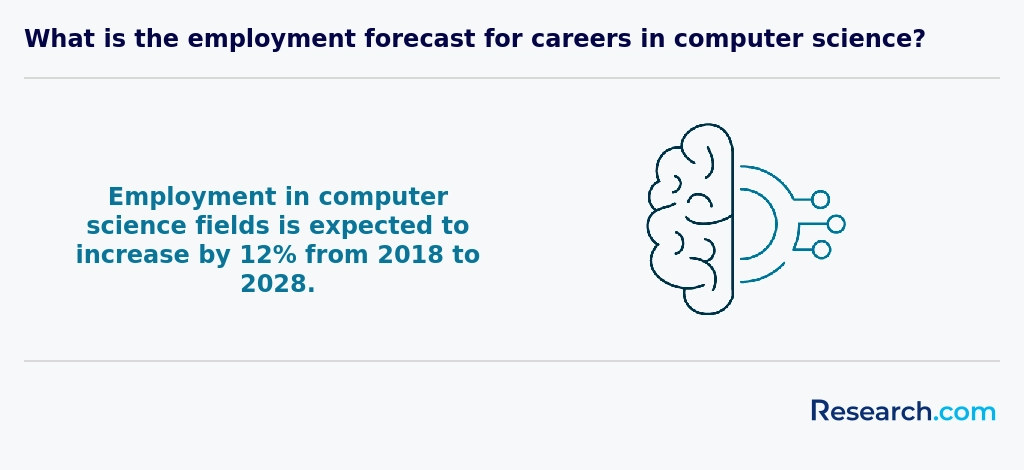
Financial aid for computer science students in Moscow typically revolves around scholarships and government grants rather than extensive direct funding from US sources. At well-known institutions like Moscow State University or the Moscow Institute of Physics and Technology, graduates often recount receiving monthly stipends through the National Scholarship Program, which offers 3,000 to 5,000 rubles. While this may seem modest compared to US tuition, these stipends are valued for helping ease daily living expenses.
Some students also tap into merit-based scholarships awarded by their universities, reflecting strong academic performance in math and science. Additionally, a few Moscow colleges maintain competitive partnerships with international organizations that provide joint scholarships, though these require solid academic records and sometimes proof of financial need.
For those considering study abroad, US federal aid like Pell Grants or work-study programs remains applicable but challenging to secure from Moscow. Many graduates describe navigating these options as a balancing act, weighing the financial risks of loans against the prospects of gaining valuable global experience.
When evaluating the most affordable Computer Science degree programs in Moscow, ID, accreditation serves as a critical marker of academic rigor and industry recognition. Regional accreditation-typically granted by bodies such as the Northwest Commission on Colleges and Universities (NWCCU)-ensures that the institution meets high standards for curriculum, faculty credentials, and student services. In addition, programmatic accreditation from ABET (Accreditation Board for Engineering and Technology) specifically validates the quality of computer science curricula, confirming that the coursework aligns with the skills and knowledge employers expect in technology fields. Prospective students should verify accreditation status on official college websites or via the U.S. Department of Education’s Database of Accredited Postsecondary Institutions and Programs (DAPIP). Choosing an ABET-accredited program not only enhances eligibility for certification exams and graduate study but also boosts job prospects by signaling to employers that graduates possess a well-rounded, industry-aligned education. Furthermore, accredited programs often qualify for federal financial aid, scholarships, and grants, reducing out-of-pocket costs and maximizing long-term return on investment. For those planning to continue to graduate studies without sacrificing affordability, consider exploring schools that offer cheap master’s in data science degrees, which also maintain rigorous accreditation standards and deliver high-quality instruction at a lower cost.
Enrolling in a computer science degree program in Moscow typically requires completing secondary education with strong results in mathematics and science, especially algebra, geometry, and physics. Graduates from leading institutions like Moscow State University recall how this solid foundation was essential to grasp advanced topics quickly, reinforcing that these subjects are not mere formalities but crucial for success.
Applicants must often pass the Unified State Exam (EGE), focusing on math and Russian language, though some universities also test physics or informatics. One graduate described the EGE as a rigorous filter that prepared them well for the program's pace, illustrating how standardized tests ensure readiness rather than act as mere hurdles.
International students, including those from the US, should consider language requirements carefully. Many institutions now offer English-taught programs requiring IELTS or TOEFL scores, which, according to several former students, helped ease their transition by validating their ability to engage with complex material in English.
Motivation letters and recommendations, along with relevant experience like programming contests or internships, can enrich applications but are less uniformly demanded, reflecting flexibility in admissions depending on the university. This range of prerequisites emphasizes balancing academic rigor with individual potential.

Beyond rigorous academics, a thriving campus environment plays a pivotal role in shaping a well-rounded Computer Science education in Moscow, ID. Students often benefit from numerous support services, such as dedicated career centers that offer resume workshops, internship placement assistance, and networking events designed to bridge the gap between classroom learning and industry demands. Campus tech clubs, hackathons, and mentorship programs further foster collaboration and innovation, providing opportunities to refine practical skills while building lasting professional relationships. Many students also engage in extracurricular activities and community initiatives that enrich their educational experience while preparing them for the competitive tech landscape. For those exploring their options, insights into program affordability and comprehensive student support can be found when researching affordable computer science schools in idaho. This integrated approach to student life not only enhances academic achievement but also equips graduates with the practical experience and network needed to excel in dynamic tech careers.
Computer science degrees in Moscow typically include courses that build a solid foundation in programming and theoretical knowledge, closely mirroring global standards. Graduates from institutions such as Moscow State University and Bauman Moscow State Technical University often describe gaining confidence through hands-on learning in courses like Introduction to Programming, which covers languages like Python and Java, making abstract concepts feel tangible through real code challenges.
Data Structures and Algorithms classes push students to think critically about problem-solving efficiency, a skill many find crucial when tackling complex projects during their internships with local tech startups. Theory of Computation and Computer Architecture offer insights into the inner workings of machines, helping students appreciate the layers beneath everyday software use.
- Operating Systems, Database Systems, and Software Engineering provide practical frameworks for managing real-world software, which many graduates recall applying during collaborative projects.
- Electives like artificial intelligence and cybersecurity allow learners to pursue emerging fields, fueling excitement about future career possibilities.
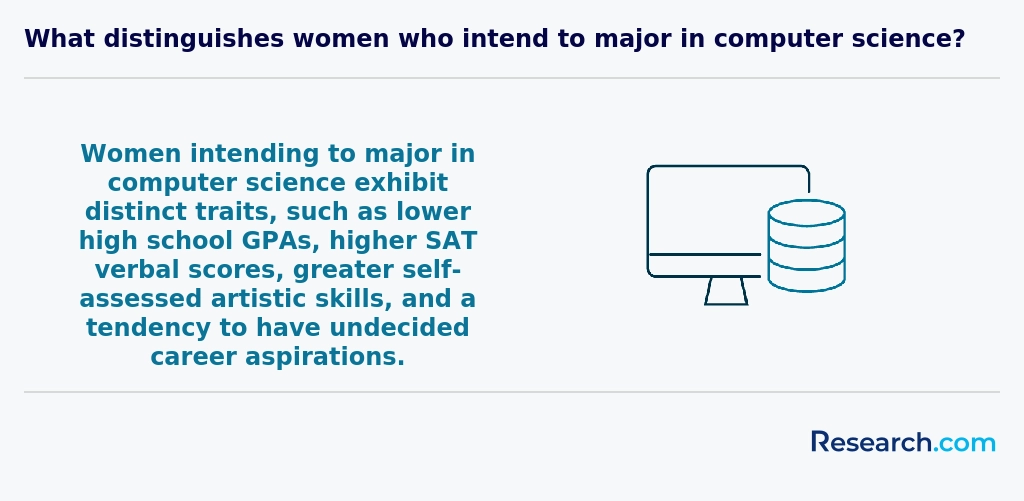
Computer science degrees in Moscow commonly offer a diverse range of specializations that cater to both global industry demands and Russia's evolving tech sector. Graduates from universities such as Moscow State University and the Higher School of Economics highlight specializations like Software Engineering, Data Science, and Artificial Intelligence as particularly valuable. For example, alumni recall collaborative projects where they applied machine learning algorithms to real-world datasets, aligning with Moscow's emerging reputation in big data analytics. Others appreciate the strong emphasis on Cybersecurity, which reflects a growing market need and has boosted their confidence entering the job market.
International students often find affordable computer science programs with specializations Moscow offers, typically costing less than $7,000 annually, which makes high-quality education more accessible. Some graduates note how these specializations prepared them for practical roles such as network design or human-computer interaction, blending technical skills with user experience design.
Those seeking advanced academic paths may explore Theoretical Computer Science, building foundational knowledge with a rigorous mathematical focus. For those interested, programs with no dissertation required PhD options also provide flexible paths. Such variety in specialization ensures students can tailor their education to their career goals and Moscow's dynamic tech ecosystem.
Choosing the best computer science degree in Moscow involves more than just comparing tuition costs. While many appreciate the affordable computer science degrees Moscow offers, graduates from Lomonosov Moscow State University often highlight how the rigorous curriculum balances core principles with cutting-edge topics like AI and cybersecurity. This blend prepares students effectively for the global tech landscape. Meanwhile, those attending Moscow Institute of Physics and Technology emphasize the practical experience gained through local internships, which strengthens job prospects in both Russian and international markets.
It's important to recognize the language factor as well. Some students find English-language programs more accessible, easing academic challenges and social integration. However, studying in Russian can provide deeper cultural immersion and potentially broader local networking opportunities. Prospective students must weigh these aspects carefully in the context of their comfort and career ambitions.
Also consider accreditation and reputation. Institutions recognized by the Ministry of Science and Higher Education offer reliable education, but personal accounts suggest that the quality varies substantially across programs. When affordability matters, comparing tuition to US options reveals Moscow as an appealing choice. For those aiming at high-earning potential bachelor degrees, thorough research and considering student support services are key steps before committing.

Graduates of computer science programs from popular Moscow universities often find themselves pursuing diverse career paths across a thriving local tech scene. Many enter software engineering roles, taking advantage of Moscow computer science job opportunities in finance, telecommunications, and e-commerce sectors. These positions are highly sought after, with salaries reflecting both skill demand and the city's status as a tech hub.
Others focus on data science or big data analytics, roles that involve interpreting vast datasets to influence business strategies. Moscow-based graduates frequently highlight how hands-on projects at their universities prepare them for such dynamic roles. This experience can be pivotal when competing for jobs in a market where over 40% of IT companies are actively hiring data specialists.
Cybersecurity also attracts many graduates, especially as digital threats grow. Networking at local tech events connected to institutions lets students explore roles in ethical hacking and information assurance. Some graduates combine technical expertise with leadership skills through system analysis or project management roles, addressing challenges faced by startups and established firms alike.
While the prospects look promising, students must weigh these opportunities against the challenges of adapting to a competitive market. Studying computer science in Moscow offers a notable advantage with tuition fees often below $5,000, far less than US averages. This affordability, combined with quality education, motivates many to consider further options such as an online master's program costs, which can enhance career flexibility.
Overall, understanding the landscape of computer science careers in Moscow demands an appreciation of its evolving tech industries and educational frameworks, which together foster innovation and career growth among graduates.

The computer science job market in Moscow presents a dynamic landscape for graduates, shaped by strong local demand and global technology trends. Graduates from leading institutions like Moscow State University and the Moscow Institute of Physics and Technology often find themselves well-positioned to enter this field, benefiting from collaborations with major IT firms such as Yandex and Mail.ru Group. These companies actively recruit talent, creating diverse computer science job opportunities in Moscow that range from software development to AI research.
Many graduates experience excitement working in Moscow's expanding tech hubs, where salaries for entry-level roles start at competitive rates relative to local living costs. Mid-level and senior professionals, particularly those skilled in machine learning or cybersecurity, enjoy notable salary growth, which reflects the increasing IT market demand for graduates in Moscow. However, some students weigh these prospects against US salary benchmarks and the higher tuition costs back home. For those considering maintaining ties to the US market, or pursuing information systems careers in demand, Moscow's environment offers a promising, cost-effective balance with expanding remote work options.
2027 Most Affordable Computer Science Degree Programs Ranking in Moscow
Investing in your education is a significant decision that can shape your future, and the Research.com team understands the importance of making informed choices. To assist prospective students in Moscow, we have meticulously crafted the "2027 Most Affordable Computer Science Degree Programs Ranking in Moscow." Our commitment to quality, credibility, and accuracy is reflected in the extensive research and analysis conducted to compile this ranking.
We utilized the following reputable data sources to ensure a comprehensive evaluation of computer science programs:
By exploring this ranking, readers will gain valuable insights into the most affordable computer science degree programs in Moscow, empowering them to make confident and well-informed decisions about their educational investments. For more details on our methodology, please visit our Research.com methodology page.

Frequently Asked Questions About computer science
Computer science students in Moscow can maximize their learning by combining theoretical study with practical experience. Participating in internships at local tech companies helps apply concepts learned in class. According to a 2023 report by Moscow State University, over 65% of computer science students who interned secured relevant jobs within six months of graduation.
Engaging in coding competitions and hackathons, popular in Moscow's vibrant tech scene, further develops problem-solving skills. Many universities offer access to cutting-edge research projects, which provide hands-on learning beyond textbooks.
Additionally, students should use online resources aligned with US standards, such as MOOCs offered by major American universities, to complement their education.
Emerging niches within the computer science field are shaping the future of technology and innovation worldwide, including areas relevant to students from Moscow. Currently, artificial intelligence (AI) and machine learning continue to grow rapidly, driving advancements in automation and data analysis. According to the US Bureau of Labor Statistics, jobs in AI-related fields are expected to grow 15% by 2030.
Another key area is cybersecurity, crucial as digital threats become more sophisticated. Experts forecast a 35% increase in cybersecurity roles by 2031. Additionally, quantum computing is gaining attention due to its potential to solve complex problems faster than classical computers.
Data science and big data analytics remain vital, enabling better decision-making across industries. Finally, blockchain technology is emerging beyond cryptocurrencies to impact finance and supply chains.
Preparing for the job market after completing a computer science degree in Moscow requires strategic planning. Graduates should focus on gaining practical experience through internships or cooperative education programs. According to HSE University data, nearly 70% of Moscow computer science students secure internships before graduation, enhancing employability.
Building a strong portfolio with projects and contributions to open-source platforms is essential. Networking is also crucial; Moscow hosts tech events and meetups where students can connect with industry professionals.
Additionally, improving English language skills helps access global job markets and remote opportunities.
Continuous learning through online courses aligns with the fast-evolving tech industry trends in Moscow and worldwide.
Employers in Moscow seeking computer science graduates prioritize a strong foundation in programming languages such as Python, Java, and C++. According to a 2023 survey by the Moscow IT Association, over 75% of employers expect proficiency in these languages.
Problem-solving skills and algorithmic thinking are also highly valued, as they enable graduates to handle complex software development tasks. Additionally, knowledge of data structures and software engineering principles is critical.
Soft skills like teamwork, communication, and adaptability rank among the top qualities desired by 68% of hiring managers, based on recent industry reports.
Familiarity with emerging technologies such as artificial intelligence, machine learning, and cloud computing is increasingly important due to Moscow's growing tech sector.
Overall, graduates combining technical expertise with strong interpersonal skills have the greatest employment prospects in Moscow's competitive computer science job market.
Finding internships in Moscow relevant to a computer science degree involves a multi-step approach. Many US students studying in Moscow start by exploring partnerships between their universities and Russian tech companies. Platforms like Habr Career and HeadHunter are commonly used for job listings and internships in the IT sector. The Moscow government also supports initiatives for IT internships through programs like Digital October and Moscow Innovation Cluster.
Networking is crucial-attending tech meetups, hackathons, and university career fairs can connect students with potential employers. According to the Russian IT Association, around 30% of Moscow-based tech firms offer structured internship programs. Many internships focus on software development, cybersecurity, and AI research, aligning with current global trends.
Obtaining a computer science degree significantly enhances career mobility and advancement opportunities in Moscow. The city's growing tech sector, supported by numerous startups and multinational companies, demands skilled professionals proficient in software development, data analysis, and cybersecurity.
According to a 2023 report by the Moscow Department of Information Technology, graduates with computer science degrees can expect salary increases averaging 20-30% within the first five years of employment. This degree also opens doors to diverse roles beyond programming, including project management and IT consultancy.
Furthermore, Moscow-based employers often prioritize candidates with a formal computer science education, reflecting the global trend toward degree-based hiring in technology fields.
Studying for a computer science degree in Moscow offers unique advantages for those seeking interdisciplinary roles. Moscow's top universities incorporate curricula that blend computer science with fields like economics, biology, and engineering, reflecting international trends.
According to the Higher School of Economics, many programs include collaborative projects and electives that encourage students to solve real-world problems across disciplines. This approach develops both technical and soft skills.
Additionally, Moscow has a growing tech ecosystem supporting internships and partnerships with industries such as finance, healthcare, and manufacturing. These opportunities prepare students for diverse career paths beyond pure programming.
Overall, the education environment supports a flexible skill set suitable for dynamic interdisciplinary roles.
When deciding between a thesis and non-thesis computer science degree program in Moscow, consider your career goals. A thesis program typically suits students aiming for research roles or pursuing a PhD. It requires conducting original research and writing a detailed thesis, which can deepen your expertise and improve analytical skills. According to recent data from the Moscow State University Computer Science Department, around 30% of students opt for thesis programs to enhance their academic credentials.
On the other hand, a non-thesis option is often preferred by professionals seeking quicker entry into the workforce. It focuses more on coursework and practical skills, usually including a project or comprehensive exams instead of a thesis. This path can be advantageous for those targeting industry jobs in Moscow's growing tech sector.
Assess factors like time commitment, your interest in research, and career plans before choosing. Consult specific university program details to understand their requirements and outcomes.
Students in Moscow interested in studying computer science abroad often consider universities in the United States, known for its strong technology programs and research opportunities. Many US institutions offer undergraduate and graduate degrees in computer science, with programs emphasizing practical skills, innovation, and cutting-edge research.
Moscow-based students can apply through international student admissions, typically requiring standardized tests like the SAT or GRE and proof of English proficiency such as TOEFL or IELTS. Financial aid, scholarships, and assistantships may be available to help offset high tuition costs.
According to the National Center for Education Statistics, computer science enrollments in the US have grown by 15% annually, reflecting strong job market demand. Renowned schools often provide internship and networking programs that can benefit international students after graduation.
For students pursuing computer science degrees in Moscow, several part-time job opportunities can effectively complement their education. Roles such as software development intern, IT support assistant, and web developer are common and provide practical experience. According to a 2023 survey by HeadHunter.ru, tech internships in Moscow often pay between 30,000 and 50,000 RUB per month, allowing students to apply theoretical knowledge in real projects.
Additionally, freelance programming and tutoring in coding languages like Python or JavaScript are popular options. These jobs improve skills and build portfolios, which are valuable for future careers. Moscow's growing IT sector, ranked among the top in Eastern Europe by Statista, offers substantial opportunities for hands-on learning alongside studies.
Computer science students in Moscow benefit from a growing network of professional and academic connections. The city hosts more than 60 universities offering tech-focused programs, including Moscow State University and Bauman Moscow State Technical University, which regularly organize industry-sponsored events. According to a 2023 survey by HSE University, over 70% of CS students engage in internships through university partnerships with local IT companies.
Regular tech meetups, hackathons, and conferences such as the Moscow International IT Forum provide valuable opportunities to meet industry professionals. The Moscow government also supports initiatives to connect students with startups, enhancing real-world experience and job prospects. Networking events are widely promoted on platforms like Meetup and VKontakte, fostering a dynamic environment for future tech specialists.
Alumni networks play a crucial role in supporting computer science degree students in Moscow by providing valuable connections to industry professionals and job opportunities. Many Moscow-based universities have active alumni groups that host events, webinars, and mentorship programs tailored specifically to tech fields. According to a 2023 report by the Moscow Higher Education Consortium, over 70% of computer science students found employment through alumni referrals within six months of graduation.
These networks also facilitate knowledge exchange, keeping students updated on the latest technological trends and research developments. Engaging with alumni helps students access internships at Russian tech firms and international companies operating in Moscow, enhancing practical experience.
Moreover, alumni can provide insights into navigating the competitive job market, offering guidance on resumes, interviews, and career paths. The strength of these ties often increases the employability and professional growth of computer science graduates in the region.
Customizing a computer science degree program in Moscow allows students to align their education with specific career goals. Many Moscow universities offer elective courses in areas such as artificial intelligence, cybersecurity, and data science, which are among the fastest-growing fields according to the Moscow State University 2023 report.
Students can choose internships or cooperative education programs with local tech companies, gaining practical experience. Additionally, some institutions provide options for research projects or thesis topics tailored to individual interests.
Online platforms and workshops complement formal education, giving access to specialized skills. According to HSE University data, 65% of graduates who customized their coursework found employment in their target industries within six months.
Computer science students in Moscow often face several challenges during their studies. One significant issue is the language barrier. Many advanced courses and research materials are primarily available in English, which can be difficult for students less proficient in the language. Additionally, the rapidly evolving field requires constant skill updates, making it challenging to keep pace with new technologies and industry standards.
Limited access to state-of-the-art laboratories and equipment in some institutions also affects practical learning experiences. According to a 2023 study by Moscow State University, about 40% of CS students reported inadequate hands-on opportunities.
Finally, the competitive job market in Moscow puts pressure on students to gain internships and real-world experience alongside their academic work.
With a computer science degree, graduates can pursue several professional certifications that boost their careers in the U.S. technology sector. Popular certifications include the Certified Information Systems Security Professional (CISSP), valuable for cybersecurity roles, and the Certified Software Development Professional (CSDP) offered by the IEEE Computer Society. Additionally, cloud-related certifications such as Amazon Web Services (AWS) Certified Solutions Architect and Microsoft Certified: Azure Fundamentals are highly sought after.
According to the U.S. Bureau of Labor Statistics, holders of these certifications often see a salary premium of around 10-15%. While based in Moscow, students aiming for U.S. employment should consider these credentials, widely recognized across industries.
When applying for a computer science program in Moscow as a US-based student, focus on presenting a clear and well-structured application. Highlight your academic achievements in math and science, ideally with a strong GPA and relevant coursework. Universities in Moscow often emphasize your performance in national standardized tests or international equivalents like the SAT, so include official scores when possible.
Providing proof of English proficiency, such as TOEFL or IELTS results, is crucial since many programs offer courses in English. Additionally, demonstrate any practical experience in programming or computer science projects to strengthen your profile. According to the QS World University Rankings, leading Moscow universities value relevant internships or research experience.
Strong letters of recommendation from academic or professional mentors can significantly improve your chances. Finally, tailor your personal statement to reflect your motivations for studying in Moscow specifically, mentioning interests in local technology sectors or partnerships with global companies. Clear communication and attention to detail remain essential throughout the application process.
Computer science careers are highly valued worldwide, with the United States leading in innovation, research, and job opportunities. Graduates with computer science degrees often find competitive salaries, with the U.S. Bureau of Labor Statistics reporting a median annual wage of $120,730 for software developers in 2023.
For students studying computer science in Moscow, understanding the U.S. market is important, as many multinational tech companies hire globally. Knowledge of U.S. technologies and standards enhances employability internationally.
U.S. universities emphasize practical skills, internships, and research, which are highly regarded by employers everywhere. This global perspective drives Moscow students to seek programs aligning with these demands.
According to recent data, Russia's IT sector exports compose about 3% of national GDP, signaling growing international collaboration and opportunities for graduates.
Gaining practical experience while studying computer science in Moscow can significantly enhance your skills and employability. Many universities in Moscow offer internship programs that connect students with local and international tech companies. For example, Moscow State University collaborates with firms in software development and data analysis, providing students with hands-on projects.
Additionally, participating in hackathons and coding competitions hosted in Moscow is an effective way to apply theoretical knowledge. According to the Moscow Department of Education, over 60% of computer science students engage in such events annually.
Students can also join research labs or contribute to open-source projects to deepen their practical understanding.
Choosing the right concentration within a computer science degree program in Moscow requires careful consideration of your career goals and interests. Popular areas include artificial intelligence, cybersecurity, software engineering, and data science. Each specialization offers unique skills; for example, Moscow universities emphasize AI research, with institutions like Moscow State University featuring advanced labs and projects.
Data from the Russian Ministry of Education shows that cybersecurity experts in Moscow have a 15% higher employment rate compared to general computer science graduates. Understanding industry demand locally and internationally can guide you.
Research course curricula and practical opportunities, such as internships or collaborations with Moscow's IT companies. This practical experience is crucial for future employment.
Finally, consider your long-term goals. If you aspire to enter research, look for programs with strong theoretical foundations. For immediate industry work, applied concentrations might be preferable.
- 2027 Most Affordable Computer Science Degree Programs Ranking in Seattle
- 2027 Most Affordable Computer Science Degree Programs Ranking in Salt Lake City
- 2027 Most Affordable Computer Science Degree Programs Ranking in Davis
- 2027 Most Affordable Computer Science Degree Programs Ranking in Berkeley
- 2027 Most Affordable Computer Science Degree Programs Ranking in San Francisco
- 2027 Most Affordable Computer Science Degree Programs Ranking in Santa Cruz
- 2027 Most Affordable Computer Science Degree Programs Ranking in Boulder
- 2027 Most Affordable Computer Science Degree Programs Ranking in Denver
- 2027 Most Affordable Computer Science Degree Programs Ranking in Colorado Springs
- 2027 Most Affordable Computer Science Degree Programs Ranking in Santa Barbara
See What Experts Have To Say About Studying Computer Science
Read our interview with Computer Science experts

Kathleen M. Carley
Computer Science Expert
Professor of Computer Science
Carnegie Mellon University

Imed Bouchrika, Phd
Computer Science Expert
Professor of Computer Science
National Higher School of Artificial Intelligence

Derek Riley
Computer Science Expert
Professor, Program Director
Milwaukee School of Engineering

Martin Kang
Computer Science Expert
Assistant Professor
Loyola Marymount University

- Getting the Most Out of a Computer Science Degree https://robkokochak.com/blog/getting-the-most-out-of-a-cs-degree/
- Challenges That Frustrate Computer Science Teachers https://codeeasy.io/blog/challenges-that-frustrate-computer-science-teachers
- Why your computer science degree won't get you an IT job https://targetjobs.co.uk/careers-advice/information-technology/why-your-computer-science-degree-wont-get-you-it-job
- Study Computer Science Abroad | Go Overseas https://www.gooverseas.com/study-abroad/computer-science
- 9+ Computer Science Cover Letter Examples (with In-Depth Guidance) https://www.tealhq.com/cover-letter-examples/computer-science
- Computer science https://cs-mipt.ru/
- Ada Computer Science https://adacomputerscience.org/student_challenges
- Essential Skills Every Computer Science Graduate Needs | LSBF https://lsbf.edu.my/blog/11-essential-skills-every-computer-science-graduate-needs/
- Computer/IT fields https://rusedugroup.com/computer-it-fields/
- A Holistic Approach to Studying Interdisciplinary Collaboration: Computer Science https://sciety.org/articles/activity/10.21203/rs.3.rs-8694985/v1