
2027 Most Affordable Computer Science Degree Programs Ranking in San Francisco

Co-Founder and Chief Data Scientist
Exploring computer science degree options in San Francisco can feel overwhelming. To make your search easier, we present the 2027 Most Affordable Computer Science Degree Programs Ranking in San Francisco. Created by the Research.com team of data scientists, this ranking reveals accessible and valuable programs tailored for local students.
Choosing the right program is an important step toward a rewarding career in tech. This article offers clear insights to help you find affordable options without sacrificing quality, making your educational journey more confident and exciting.
Key benefits of getting computer science degree in San Francisco
- Salary benefits: Graduates with a computer science degree in San Francisco can expect competitive salaries, with software engineers and developers earning around $138,110 annually, while web developers earn approximately $95,570. These figures reflect strong earning potential in a thriving tech hub.
- Career paths: A typical graduate from a San Francisco university can pursue diverse roles such as software engineer, web developer, IT support specialist, or data analyst, providing flexibility and exciting opportunities in various tech sectors. This variety helps graduates find a path that matches their interests and skills.
- Online degree advantages: Earning a computer science degree online in San Francisco offers flexibility to balance work and study, often with lower costs and access to leading tech education. Online graduates report enhanced convenience without sacrificing quality, boosting career readiness in a fast-paced job market.
- 2027 Most Affordable Computer Science Degree Programs Ranking in San Francisco
- What can I expect from computer science degree in San Francisco?
- Where can I work with computer science degree in San Francisco?
What can I expect from computer science degree in San Francisco?
The average cost of pursuing a computer science degree in San Francisco varies widely, offering students choices that align with different financial realities. Public universities like San Francisco State University typically offer in-state tuition rates around $7,500 per year, which many graduates recall as a manageable investment given the quality of education and internship opportunities nearby. On the other hand, private colleges and specialized tech schools in the city can charge upwards of $40,000 annually, reflecting their exclusive resources and smaller class sizes.
Many students share stories of balancing tuition with scholarships and financial aid, discovering that these options can significantly lighten the financial load. Imagine a student navigating bustling campus corridors, energized by classes on algorithms and data science, while also juggling part-time work or internships in Silicon Valley startups. This balance of cost and experience often feels like a worthwhile expedition into the thriving tech landscape of San Francisco.
Where can I work with computer science degree in San Francisco?
Graduates from San Francisco's top computer science programs often find themselves immersed in an exciting web of opportunities just minutes from their campuses. Whether you're exploring career fairs at institutions like San Francisco State University or joining tech clubs at City College of San Francisco, the local buzz fuels ambition. Imagine landing a role at leading tech giants such as Salesforce or Uber, where you apply classroom theories to real-world products that millions use daily.
Startups also offer a playground for adventurous graduates eager to build innovative solutions from scratch, creating unique products and shaping future tech trends. Many alumni describe the thrill of coding alongside passionate teams in coworking spaces scattered across the city.
Beyond tech firms, graduates discover fulfilling paths in finance and healthcare, developing secure digital tools that impact essential services. Public sector jobs present rewarding challenges, like enhancing cybersecurity in city infrastructure, blending technical skills with community impact.
Networking events and meetups are more than just formalities; they are vibrant spaces where fresh grads connect with mentors and peers, sparking collaborations that launch careers. In San Francisco, a computer science degree truly opens doors to diverse, dynamic career adventures.
Picture graduating from a top San Francisco university like San Francisco State or a program near the tech heart of the Bay Area, then stepping into a software developer role where the average annual wage soars around $138,110. Many grads find their starting salaries during those first thrilling years ranging from $90,000 to $110,000, with some landing offers near $120,000 at major tech firms, blending base pay with enticing bonuses and stock options.
Adventurous mid-career coders, perhaps five to ten years in, can expect to see their earnings climb between $130,000 and $180,000, especially as they dive into cutting-edge fields like machine learning or cybersecurity.
On any given day in San Francisco, a computer science grad might imagine joining the ranks of data analysts earning well over $119,000 annually or rising to senior software engineer positions where compensation surpasses $200,000.
Living and coding in a city pulsing with innovation, these numbers aren't just figures-they're invitations to an exciting career journey infused with growth, opportunity, and discovery.
- Tuition for computer science programs in San Francisco ranges from $15,000 to $55,000 per year, with community colleges typically charging under $10,000 annually.
- Living expenses are high in San Francisco, with housing costs being the largest factor to consider.
- Starting salaries for computer science graduates average around $100,000 per year, with mid-career salaries reaching between $150,000 and $180,000.
- Computer science programs focus on practical skills like programming, algorithms, AI, and software engineering and often include internships with local tech companies.
- Admissions are competitive, requiring strong GPAs, test scores, and technical skills to secure a spot in these programs.
- Financial aid and scholarships are available but vary by school, so exploring grants and work-study options early is important.
Others chase the thrill of an accelerated journey, packing four years into just three by dedicating themselves intensely to classes and projects. Graduate students often spend one to two years mastering new skills, with options for evening or part-time classes letting them continue earning while learning.
Graduates often share how internships with local tech giants add excitement-and a bit of unpredictability-to their timelines, extending degrees but enriching real-world experience. Transfer students from community colleges typically complete their bachelor's in about two years after moving to universities here, stepping confidently into San Francisco's dynamic computer science community.
Living and studying in San Francisco extends far beyond attending classes and completing assignments. The vibrant campus life contributes significantly to your overall growth and well-being. Students often enjoy a mix of academic rigor and diverse extracurricular activities, from tech clubs and coding boot camps to cultural events and local meetups. By immersing themselves in this dynamic environment, they not only develop essential technical skills but also build lasting networks and gain exposure to innovative ideas. The proximity to Silicon Valley means that many campuses host industry guest lectures, hands-on workshops, and startup incubators, allowing students to interact with tech leaders and potential employers. These experiences often complement classroom learning and help shape a well-rounded professional profile. Additionally, support services, such as tutoring centers, mental health resources, and career counseling, play a vital role in ensuring students succeed both academically and socially during their time in the city. For prospective students eager to balance affordability with an enriching campus experience, exploring options at affordable computer science schools in california can provide further insights into the perfect blend of academic excellence and vibrant student life.
Choosing between online and on-campus computer science degrees in San Francisco feels like stepping into two very different worlds of learning adventure. On-campus students at schools like San Francisco State University dive straight into buzzing tech labs, join vibrant peer groups, and rub shoulders with local startups during lively networking events. Imagine attending a spontaneous hackathon on campus or grabbing coffee with a professor after class-these moments spark connections that often lead to internships in the heart of the Bay Area's innovation scene.
Meanwhile, online learners embrace flexibility, carving out study time between work shifts or family life while accessing top-tier courses from anywhere. Graduates recall the thrill of joining virtual coding bootcamps or collaborating through video calls, proving that distance doesn't dampen enthusiasm or quality. Tuition variations also come into play-online programs often lighten the financial load, a comfort given San Francisco's famously high living costs.
One of the most valuable components of affordable Computer Science degree programs in San Francisco is the integration of internships and co-operative education (co-op) experiences into the curriculum. Many institutions, such as San Francisco State University and the University of San Francisco, maintain formal partnerships with leading tech companies in the Bay Area, allowing students to earn academic credit while working on real-world projects. These programs often span a semester or full academic year, giving students hands-on exposure to software development, data analysis, or cybersecurity roles before graduation. – Structured Co-op Programs: Some universities offer paid co-op rotations in collaboration with firms like Salesforce and Uber, enabling students to alternate academic terms with full-time industry placements. Graduates report that these experiences not only solidified their technical skills but also enhanced their resumes. – Competitive Internships: Summer internships at startups and large enterprises provide opportunities to contribute to live codebases, participate in agile teams, and build professional networks. Nearly 70% of San Francisco State interns convert their summer experiences into full-time job offers. – Research and Lab Assistantships: For those keen on cutting-edge innovation, lab assistant positions at UC Berkeley and CCA allow students to work alongside faculty on AI, robotics, and cybersecurity research. Students interested in honing security expertise can explore what jobs does a cybersecurity degree get you, ensuring clarity on post‐graduation pathways. By combining classroom learning with immersive industry placements, these internship and co-op opportunities significantly boost employability, making affordable Computer Science degrees in San Francisco both practical and career-focused.
The average cost of a computer science degree in San Francisco paints a vivid picture of both challenge and opportunity. Graduates from well-known San Francisco universities often recall balancing academic rigor with the city's vibrant culture while navigating tuition costs that can be quite steep. The median total cost for earning a computer science degree here hovers around $60,986, whether you're an in-state or out-of-state student. This number reflects more than just tuition; it captures the essence of investing in one of the nation's most competitive tech hubs.
Students at public universities in California enjoy a more moderate financial commitment, with total tuition and fees significantly lower than private counterparts. However, the high cost of living in San Francisco adds an unmistakable spice to the experience. Imagine juggling monthly rents over $2,500, alongside campus fees and the typical expenses for books and supplies. It's all part of the adventurous journey that many find rewarding despite the price.
For those curious about more affordable options while staying in California, it's worth exploring affordable computer science schools in california. These can help ease the financial stress while still offering quality education in the heart of the Bay Area.
Ultimately, the total tuition and fees for CS degree San Francisco reflect a blend of world-class education and the lively pulse of the city - an investment that many say shapes their future as tech innovators and pioneers.
Imagine diving into a computer science degree in San Francisco, where financial aid feels like a safety net woven just for you. Many graduates from San Francisco State University recall how the Free Application for Federal Student Aid (FAFSA) opened doors to Pell Grants, which don't need repayment and can knock away up to $7,395 from their annual costs. This truly lifted the weight of tuition from their shoulders as they focused on coding and innovation.
California's Cal Grant is another treasure waiting for in-state students, especially those at public universities, offering awards up to $12,570 to ease the financial journey. Some grads from private colleges remember earning merit scholarships by showcasing their tech talents and leadership-earning funds that celebrated their hard work.
Beyond scholarships, work-study programs gave students hands-on experience with tech companies while earning income to cover expenses. Plus, those working in the San Francisco tech scene often tapped employer tuition assistance, making degree costs feel less daunting and their dreams more reachable.
Investing in a Computer Science degree in San Francisco typically yields a strong return on investment (ROI) thanks to high starting salaries and rapid career growth. With mean annual wages for Software Engineers reaching $132,930 and Web Developers $87,580, graduates often recover tuition and living expenses within two to three years of full-time employment. Assuming a total educational outlay of $60,000 (including tuition, fees, and living costs), a new graduate earning the median Software Engineer salary would break even in under nine months, while those entering Web Development roles could expect payback in just over one year. Beyond raw numbers, ROI also factors in career trajectory. Graduates report 15–25% salary growth within their first five years, driven by promotions and skill specialization in areas like machine learning and cybersecurity. This acceleration means that an initial investment of $50,000–$80,000 can translate into lifetime earnings exceeding $2 million over a 30-year career, compared to fields with lower entry salaries or slower wage growth. For those balancing budget constraints with quality, considering more cost-effective programs can further enhance ROI. Students exploring alternatives often compare local options with out-of-state offerings-for instance, our Cheapest Computer Science Degree Programs Ranking in Texas highlights institutions where tuition and living expenses are substantially lower, yet job placement rates remain competitive. Ultimately, the combination of high demand for tech skills, competitive salaries, and strong career progression cements a Computer Science degree in San Francisco as a high-ROI investment. Prospective students should align program costs, potential earnings, and specialization paths to maximize returns and ensure their education pays dividends well into the future.
Diving into a computer science degree in San Francisco means gearing up with some solid prerequisites that open doors to this vibrant tech hub. Imagine a graduate from a well-known San Francisco college-before even stepping into their dynamic classrooms, they had to show strong math skills, mastering algebra and calculus, which became their trusty tools for tackling complex algorithms. Many of these students also found that prior exposure to physics or computer-related courses helped them feel more confident when coding challenges arose.
Transcripts, glowing letters of recommendation, and personal essays full of enthusiasm are key players in the application game. Some grads recall how highlighting their programming projects or tech club involvement sparked excitement during interviews, reflecting their real passion beyond grades.
For those chasing graduate studies at top local universities, a bachelor's in computer science or related fields is just the start. Solid knowledge of data structures and software development feels like a passport to success here. Recent experience shows that while GRE scores sometimes take a backseat, a proven track record in tech can truly tip the scales.
Choosing to study in San Francisco means embracing its buzzing tech economy, which encourages students to dive deep into learning while preparing for a future in innovation, armed with both academic rigor and hands-on experience.
Diving into a computer science degree in San Francisco means immersing yourself in a dynamic mix of courses that spark curiosity and skill. Imagine mastering Python or Java in an introductory programming class, much like many graduates from local universities who recall their excitement debugging their first apps. Core classes like Data Structures and Algorithms become your toolkit for solving real-world tech puzzles, while Computer Architecture reveals the magic behind how your favorite devices actually work.
Operating Systems coursework lets you explore the invisible orchestration of hardware and software, often inspiring students to build their own simplified OS models. Theory of Computation challenges your mind with what computers can fundamentally achieve, a foundational curiosity shared by many at renowned San Francisco colleges. Meanwhile, courses in Artificial Intelligence and Machine Learning thrill students with hands-on projects that feel like peeking into the future of tech innovation.
Networks and Cybersecurity classes foster a sense of responsibility and adventure, teaching how to protect data in a buzzing tech hub. These experiences blend seamlessly with electives and internships offered by San Francisco's bustling tech scene, making the journey both practical and inspiring.
Exploring computer science degree specializations San Francisco students rave about, you'll discover an exciting range of paths. Many graduates from top local universities find themselves diving into artificial intelligence and machine learning, where they invent smart apps that can predict trends or automate daily tasks, fueling the Bay Area's tech innovation. Others are drawn to cybersecurity, mastering skills to defend sensitive data against cyber threats-a crucial edge given San Francisco's dense concentration of startups and tech giants. Curious about career outcomes? Graduates often wonder what jobs does a cybersecurity degree get you, and the answer is a dynamic, fast-growing field.
For students passionate about crafting elegant, efficient software, software engineering stands out as a go-to specialization, blending coding prowess with real-world teamwork experiences. Meanwhile, data science and big data analytics captivate learners eager to unravel insights from massive datasets, a sought-after skill in San Francisco's finance and healthcare scenes. These best computer science concentrations in San Francisco continuously inspire graduates to innovate and push boundaries, making every lecture and project feel like an adventurous step toward tomorrow.
To choose the best computer science degree in San Francisco, imagine stepping into the vibrant tech scene where hands-on experience meets academic rigor. Graduates from popular universities like San Francisco State University often rave about the ABET-accredited programs that prepare them for real-world challenges. When exploring the best computer science programs Bay Area options, consider how well schools connect you to Silicon Valley internships-these opportunities can transform your learning into exciting career adventures.
Think about the balance between cost and quality; with private institutions charging over $38,000 annually, many students start at community colleges to build strong foundations affordably. For specific insights, check out the Cheapest Computer Science Degree Programs Ranking in Texas to see how affordability shapes choices elsewhere. Personal stories highlight that programs with strong student support and career services create a motivating environment where curiosity turns into expertise and passion into profession.
Graduates holding a computer science degree in San Francisco step into an exhilarating world of possibilities. From diving into software engineering at local giants like Salesforce or Uber to pioneering advances in artificial intelligence, the opportunities align perfectly with the city's vibrant tech energy. Many graduates from popular universities cherish those moments when a late-night project turned into a real-world app used by thousands, fueling their passion further. The technology job market San Francisco graduates face is especially rich in data science roles, where skills in machine learning and analytics open doors to shaping decisions that influence global businesses.
Cybersecurity is another thrilling path, with graduates protecting critical systems against emerging threats, enjoying both challenge and reward. Exploring roles in product management or cloud computing also excites many, blending technical know-how with creativity and strategy. For those balancing work and study, San Francisco's appeal grows with the availability of fastest online degree programs for working adults helping them advance rapidly in this competitive scene.
The computer science job opportunities in San Francisco paint a vibrant picture for graduates eager to dive into the tech world. Alumni from institutions like San Francisco State University often share how their degrees opened doors to roles at giants like Google and Salesforce, where innovation drives daily life. Imagine working on cutting-edge projects fueled by some of the city's most dynamic startups, all while earning a competitive salary that can reach around $130,000 annually.
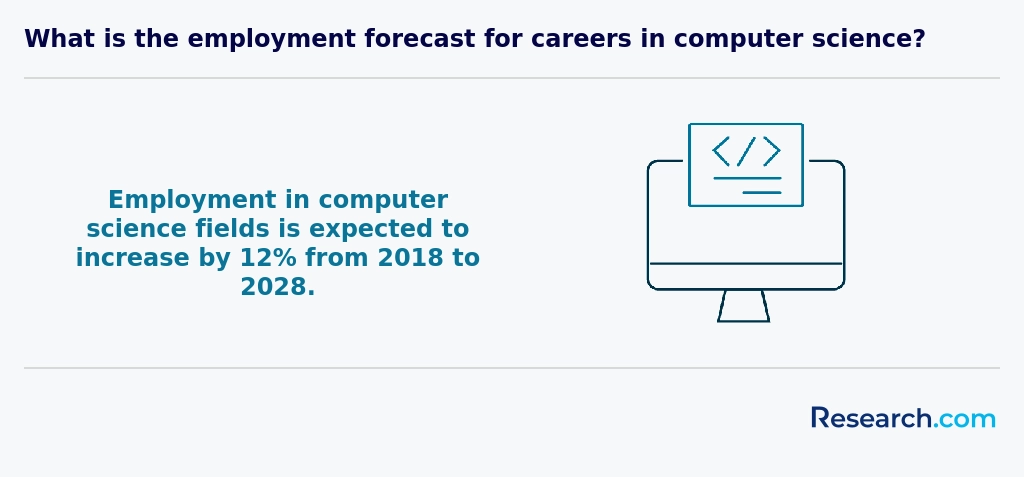
Graduate stories frequently spotlight the blend of challenge and excitement found in fields such as AI, cybersecurity, and cloud computing. The San Francisco computer science degree employment outlook is bright, supported by a 15% growth rate in tech jobs over the next decade. Yet, grads also speak candidly about balancing these opportunities with the city's high cost of living and tuition differences between public and private universities.
For those considering the journey, weighing education costs against rewarding job prospects is vital. Some turn to programs offering more affordable tuition, such as local public universities, to maximize return on investment. Curious learners exploring diverse paths might find value in degrees for 60 year olds, which highlight the city's inclusive educational vibe.
2027 Most Affordable Computer Science Degree Programs Ranking in San Francisco
Investing in your education is a significant decision that can shape your future, and the Research.com team understands the importance of making informed choices. To assist prospective students in San Francisco, we have meticulously crafted the "2027 Most Affordable Computer Science Degree Programs Ranking in San Francisco." Our commitment to quality, credibility, and accuracy is reflected in the extensive research and analysis conducted to compile this ranking.
We utilized the following reputable data sources to ensure a comprehensive evaluation of computer science programs:
By exploring this ranking, readers will gain valuable insights into affordable and high-quality computer science degree options in San Francisco, empowering them to make sound educational investments. For more details on our methodology, please visit our Research.com methodology page.


Frequently Asked Questions About computer science
Computer science students in San Francisco can maximize their learning by engaging with the city's vibrant tech community. Internships at leading companies like Salesforce and smaller startups provide practical experience that complements academic coursework. According to the San Francisco Economic Development office, over 50,000 tech jobs were available in 2023, emphasizing opportunities for hands-on learning.
Joining local coding bootcamps and tech meetups fosters networking and skill development. San Francisco also offers access to renowned research institutions such as UCSF and Stanford nearby, allowing students to attend lectures and workshops.
Utilizing university career services and participating in hackathons strengthens both technical and soft skills important for career growth.
The computer science field in San Francisco is evolving rapidly, with several emerging niches attracting growing attention. One prominent area is artificial intelligence (AI) and machine learning, driven by the city's strong tech ecosystem. According to the Bureau of Labor Statistics, AI-related jobs are expected to grow by over 30% through 2030, especially in metropolitan hubs like San Francisco.
Another key niche involves cybersecurity, as increasing data breaches have heightened demand for skilled professionals. The San Francisco Bay Area hosts numerous startups focused on advanced security solutions.
Additionally, blockchain technology and decentralized applications are expanding. San Francisco is recognized as a major center for blockchain innovation, supporting various research initiatives in higher education institutions.
These niches reflect the blend of academic research and industry needs shaping computer science education locally.
Graduates with a computer science degree in San Francisco should focus on gaining practical experience to enhance their employability. Local tech giants and startups often seek candidates proficient in skills like programming languages, data structures, and cloud computing.
Internships and cooperative education programs offered through universities provide valuable industry connections. According to the National Association of Colleges and Employers, 65% of employers prefer candidates with internship experience.
Networking is crucial in San Francisco's tech ecosystem. Attending meetups, hackathons, and career fairs increases visibility among potential employers.
Building a strong portfolio on platforms like GitHub demonstrates coding proficiency, an important asset as the region's median computer science salary exceeds $120,000 annually, per the U.S. Bureau of Labor Statistics.
Employers in San Francisco highly value computer science graduates who possess strong programming skills, particularly in languages like Python, Java, and JavaScript. According to the 2023 report by the National Association of Colleges and Employers, over 70% of tech companies in the Bay Area prioritize proficiency in these languages. Additionally, knowledge of data structures and algorithms remains fundamental for problem-solving tasks.
Experience with cloud computing platforms such as AWS and Google Cloud is increasingly important due to the region's tech ecosystem. Soft skills like teamwork, communication, and adaptability are also frequently mentioned in local job listings, notably by firms such as Salesforce and Uber.
Understanding of machine learning and artificial intelligence is an asset, supported by San Francisco's growing AI sector documented by LinkedIn's 2024 Emerging Jobs Report.
Finding internships in San Francisco for computer science students involves leveraging local resources and industry connections. The Bay Area hosts a vibrant tech ecosystem, including giants like Google, Meta, and Salesforce, which offer numerous internship opportunities annually.
University career centers, such as those at San Francisco State University and University of San Francisco, provide internship listings and organize job fairs attracting top tech recruiters. According to the National Association of Colleges and Employers (NACE), roughly 60% of computer science students secure internships through such campus resources.
Additionally, online platforms like Handshake and LinkedIn feature targeted San Francisco tech internships. Networking events and tech meetups in the area, including those promoted by organizations like SF Tech Council, also aid in connecting students with employers.
A computer science degree significantly enhances career mobility and advancement opportunities in San Francisco, a global technology hub. According to the U.S. Bureau of Labor Statistics, employment for software developers in the San Francisco metro area is projected to grow faster than the national average through 2030. This growth translates into higher demand for skilled professionals with formal education in computer science.
Having a degree from an accredited institution often provides an edge in competitive job markets, increasing chances for promotions and leadership roles. Data from LinkedIn shows that 70% of tech professionals in San Francisco hold at least a bachelor's degree in computer science or related fields.
Moreover, many top local employers, such as major tech firms and startups, prioritize candidates with formal degrees for specialized roles and internal career progression. A strong educational background can also facilitate networking opportunities within the region's vibrant tech community.
Studying for a computer science degree in San Francisco offers unique opportunities to engage with a diverse range of disciplines. The city's role as a global tech hub means students often have access to collaborative projects that blend computer science with fields like biology, design, and business. According to the National Center for Education Statistics, many local universities incorporate interdisciplinary coursework and internships that enhance practical skills.
Exposure to startups and established tech companies provides real-world experience in applying computational methods across industries. This environment fosters adaptability and innovation, preparing graduates for versatile roles beyond traditional programming jobs.
Choosing between a thesis and a non-thesis computer science degree program in San Francisco depends on your career goals and learning preferences. Thesis programs emphasize research and usually require writing and defending an original study. This path suits students aiming for careers in academia or research-focused roles. Non-thesis programs often focus on coursework and practical skills, making them ideal for those targeting industry jobs or professional advancement.
San Francisco's technology-driven job market values both types, but companies like Google and Apple increasingly seek candidates with strong applied skills, often gained in non-thesis tracks. However, local universities such as San Francisco State University offer thesis options that help students build valuable research experience.
According to the National Center for Education Statistics, about 60% of computer science master's students in California choose non-thesis routes, reflecting demand for practical expertise.
Students in San Francisco seeking to study computer science abroad have several pathways through partnerships and exchange programs established by local universities. Institutions like San Francisco State University and University of San Francisco frequently offer study abroad opportunities in countries with strong tech industries, such as Germany and South Korea. These programs allow students to earn credits toward their degree while gaining international experience.
Additionally, many U.S. universities partner with global institutions to provide short-term summer programs or semester-long exchanges focused on computer science topics. According to the Institute of International Education, about 10% of U.S. STEM students study abroad, highlighting growing interest in global tech exposure.
Scholarships and financial aid specifically for STEM students can help mitigate the cost of studying abroad. San Francisco's vibrant tech ecosystem enhances practical benefits for students returning with diverse global perspectives.
San Francisco offers diverse part-time job opportunities that complement computer science degree education effectively. Many students find internships or assistant roles at tech startups, gaining hands-on experience with coding, software development, and project management. According to the Bureau of Labor Statistics, the demand for computer and information technology jobs in the Bay Area is projected to grow over 15% between 2020 and 2030. Roles such as IT support technician, web developer, and data analyst are common part-time options.
Additionally, companies like Salesforce and Uber often seek student interns, providing exposure to industry tools and networking. These experiences can help students apply theoretical knowledge in practical settings while earning an income.
San Francisco offers abundant networking opportunities for computer science students due to its position as a global tech hub. Students can engage with numerous tech meetups, hackathons, and workshops often hosted by local organizations like SF Tech Council and Women Who Code. These events provide valuable connections with industry professionals and peers.
The city is home to leading companies such as Google, Apple, and Salesforce, many of which collaborate with nearby universities and provide internship programs. According to the Bureau of Labor Statistics, San Francisco has one of the highest concentrations of software developers nationwide, enhancing chances for student networking.
Local universities also facilitate career fairs and alumni networks tailored for tech students, making San Francisco a prime location to build industry relationships early.
Alumni networks play a crucial role for computer science students in San Francisco by providing valuable professional connections. Graduates often gain access to job openings in the local tech industry, where the average starting salary for computer science roles is above $100,000, according to the National Association of Colleges and Employers (NACE) 2023 data.
These networks facilitate mentorship opportunities, helping students navigate career paths and skill development. Many alumni work in leading companies like Google and Salesforce, offering insights into workplace culture and hiring trends.
Events and workshops organized by alumni groups create platforms for knowledge sharing and collaboration. The University of California, San Francisco's career services highlight that over 60% of students find employment through alumni referrals, underscoring their importance.
In San Francisco, many universities offer flexible computer science degree programs that allow students to tailor their studies to specific career goals. You can often choose from various specializations such as artificial intelligence, cybersecurity, or software engineering. Elective courses and project-based learning opportunities help deepen expertise in your chosen field.
Internships with local tech companies provide practical experience and networking, which is essential in the Bay Area job market. According to the Bureau of Labor Statistics, San Francisco's tech sector continues to grow, making customized programs valuable for employment.
Some schools also offer accelerated pathways or dual degrees, allowing you to combine computer science with business or data science, enhancing versatility in emerging industries.
Computer science students in San Francisco encounter several notable challenges during their studies. One primary difficulty is the high cost of living, which can strain budgets even for those receiving financial aid. According to data from the U.S. Bureau of Labor Statistics, San Francisco ranks among the top U.S. cities for housing expenses, impacting students' ability to focus fully on academics.
Another challenge lies in balancing intense coursework with internship and networking opportunities. Given the city's competitive tech industry, students often face pressure to gain real-world experience while maintaining strong academic performance. Additionally, the rapid pace of technological change requires continuous learning beyond the classroom, demanding strong time-management skills.
With a computer science degree, you can pursue various professional certifications to boost your career in San Francisco's tech-driven job market. Popular options include the Certified Information Systems Security Professional (CISSP) for cybersecurity roles and the Cisco Certified Network Associate (CCNA) for networking professionals. Additionally, certifications like AWS Certified Solutions Architect are valuable given San Francisco's strong cloud computing demand.
According to CompTIA, industry certifications can increase salary potential by up to 15%. Local employers, including tech giants based in the Bay Area, often prefer candidates with certifications that demonstrate practical skills beyond academic knowledge.
The choice of certification depends on your career focus, such as software development, network administration, or data analysis.
To write a winning application for a computer science program in San Francisco, start by highlighting strong academic performance, especially in math and science courses. San Francisco Bay Area universities often look for GPA above 3.5 and relevant coursework. Include detailed descriptions of programming projects or internships to showcase practical skills.
Applicants should also prepare a clear, focused personal statement explaining why they want to study computer science in San Francisco's tech-driven environment. According to the National Center for Education Statistics, successful applicants frequently emphasize local industry connections.
Letters of recommendation from teachers or professionals who can attest to technical aptitude and collaboration skills strengthen applications.
Finally, stay informed about application deadlines and requirements through official university websites to ensure completeness and timeliness.
Computer science careers hold strong global appeal, driven by rapid technological advancements and high demand for skilled professionals. In the United States, and particularly in San Francisco, the tech hub of Silicon Valley, computer science graduates benefit from proximity to top employers like Google, Apple, and Facebook. According to the U.S. Bureau of Labor Statistics, employment in computer and information technology occupations is projected to grow 15% from 2021 to 2031, much faster than the average for all jobs.
Globally, countries are investing heavily in digital infrastructure and innovation, increasing opportunities for computer science professionals. While San Francisco-based graduates often earn competitive salaries-median annual pay surpassing $120,000-the field remains accessible due to diverse educational pathways, including those offered by local universities like San Francisco State University and University of San Francisco.
Students pursuing a computer science degree in San Francisco can gain practical experience through several effective methods. Internships with local tech companies, including startups and established firms in Silicon Valley, offer valuable real-world exposure. According to the National Association of Colleges and Employers (NACE), over 60% of computer science students secure internships during their studies.
Many universities in San Francisco also provide cooperative education programs that combine coursework with paid work experience. Participating in hackathons, coding bootcamps, and tech meetups common in the Bay Area further enhances skills and networking opportunities.
Moreover, engaging in open-source projects or research initiatives led by university labs allows students to apply theoretical knowledge practically while building a professional portfolio.
Choosing the right concentration within a computer science degree in San Francisco involves considering both personal interests and local industry demands. Popular specializations include artificial intelligence, cybersecurity, software engineering, and data science. According to the San Francisco Office of Economic and Workforce Development, data science and AI roles have grown by over 25% in the past five years, reflecting strong job prospects in these areas.
Students should evaluate their career goals and the concentration's alignment with San Francisco's tech market. Internships with local startups or tech giants can offer valuable insight. Additionally, reviewing program curricula and faculty expertise at universities can help determine the best fit.
- 2027 Most Affordable Computer Science Degree Programs Ranking in Berkeley
- 2027 Most Affordable Computer Science Degree Programs Ranking in Santa Cruz
- 2027 Most Affordable Computer Science Degree Programs Ranking in Davis
- 2027 Most Affordable Computer Science Degree Programs Ranking in Santa Barbara
- 2027 Most Affordable Computer Science Degree Programs Ranking in Los Angeles
- 2027 Most Affordable Computer Science Degree Programs Ranking in Claremont
- 2027 Most Affordable Computer Science Degree Programs Ranking in Irvine
- 2027 Most Affordable Computer Science Degree Programs Ranking in La Jolla
- 2027 Most Affordable Computer Science Degree Programs Ranking in Riverside
- 2027 Most Affordable Computer Science Degree Programs Ranking in San Diego
See What Experts Have To Say About Studying Computer Science
Read our interview with Computer Science experts

Kathleen M. Carley
Computer Science Expert
Professor of Computer Science
Carnegie Mellon University

Imed Bouchrika, Phd
Computer Science Expert
Professor of Computer Science
National Higher School of Artificial Intelligence

Martin Kang
Computer Science Expert
Assistant Professor
Loyola Marymount University

Elan Barenholtz
Computer Science Expert
Associate Professor
Florida Atlantic University

- Surviving the AI era as a CS Student https://www.richinfante.com/2025/08/30/surviving-the-ai-era-as-a-cs-student
- How to Find Computer Science Work Experience in Year 12 https://www.savemyexams.com/learning-hub/careers/how-to-find-computer-science-work-experience-year-12/
- Top Careers in Computer Science | Careers, Salaries, and Resources https://www.computerscience.org/careers/
- The Crucial Role of Networking for Computer Science Students https://dev.to/thisisaayush/the-crucial-role-of-networking-for-computer-science-students-4k2i
- A Holistic Approach to Studying Interdisciplinary Collaboration: Computer Science https://sciety.org/articles/activity/10.21203/rs.3.rs-8694985/v1
- 5 Challenges in Teaching Computer Science & Solutions https://www.computingolympiad.org/post/top-5-challenges-in-teaching-computer-science-in-schools-and-how-to-overcome-them
- How to find a computer science internship https://www.law.ac.uk/resources/blog/find-computer-science-internship/
- Study Computer Science Abroad | Go Overseas https://www.gooverseas.com/study-abroad/computer-science
- Fields of Work in Computer Science: Top IT Careers | Walbrook https://www.walbrook.ac.uk/subjects/computer-science/computer-science-fields-of-work-career-in-it/
- The Future of Work: The Importance of Computer Science Skills | Gisma https://www.gisma.com/blog/the-future-of-work-the-importance-of-computer-science-skills


