
2027 Most Valuable Computer Science Degree Programs Ranking in Albany

Co-Founder and Chief Data Scientist
Choosing the right computer science degree program in Albany can be a rewarding step toward a successful career. This article introduces the 2027 Most Valuable Computer Science Degree Programs Ranking in Albany, created by the Research.com team of data scientists. It aims to help you make a well-informed decision about which programs offer the best opportunities.
Reading this ranking will give you valuable insights into program quality and career potential. Pursuing a computer science degree opens doors to exciting futures, and this guide is designed to support you every step of the way.
Key benefits of getting computer science degree in Albany
- Salary for computer science degree graduates: Graduates in Albany can expect rewarding salaries, such as $138,110 annually for software engineers and developers, or $95,570 for web developers, reflecting strong earning potential in tech careers.
- Career paths: A computer science degree opens doors to diverse roles like software engineering, IT support, or data analysis, enabling graduates from Albany colleges to find fulfilling and dynamic jobs in multiple industries.
- Online degree benefits: Earning a computer science degree online in Albany offers flexible scheduling and access to quality education without commuting, allowing students to balance work and study efficiently while launching promising careers.
- Key benefits of getting computer science degree in Albany
- What can I expect from computer science degree in Albany?
- Where can I work with computer science degree in Albany?
- How much can I make with computer science degree in Albany?
- 2027 Most Valuable Computer Science Degree Programs Ranking in Albany
- Key Findings
- How long does it take to complete computer science degree in Albany?
- What's the difference between online and on-campus computer science degree?
- Return on Investment (ROI)
- What is the average cost of computer science degree in Albany?
- Return on Investment for Computer Science Degrees in Albany, NY
- What financial aid is available to computer science degree students in Albany?
- Long-Term Career Impact and Return on Investment
- What are the prerequisites for enrolling in computer science degree program in Albany?
- Industry Partnerships and Research Opportunities
- What courses are typically in computer science degree programs in Albany?
- What types of specializations are available in computer science degree programs in Albany?
- How do you choose the best computer science degree in Albany?
- What career paths are available for computer science degree students in Albany?
- What is the job market for computer science degree in Albany?
- Top Trending Computer Science Rankings
- See What Experts Have To Say About Studying Computer Science
What can I expect from computer science degree in Albany?
Expect to invest around $8,000 per year if you're attending a public university like SUNY Albany for your computer science degree as a New York State resident. Graduates often reflect on how this affordability allowed them to focus on mastering programming, cybersecurity, and AI without overwhelming financial pressure. Out-of-state students typically face higher tuition, but many find that scholarships and financial aid based on academic merit and STEM interest can significantly ease these costs.
Studying in Albany means experiencing a program rich in practical opportunities, where students collaborate on real-world projects and intern with local tech companies or government agencies. Graduates often share stories of turning classroom theories into software solutions and cybersecurity defenses during internships, which boosted their confidence and job readiness.
The investment in your education here pays off, especially given Albany's growing tech industry and expanding job market. Many students describe the supportive community and interdisciplinary approach-partnering with mathematics, engineering, and information science departments-as key in shaping versatile skills that open doors in healthcare tech, finance, and more.
Where can I work with computer science degree in Albany?
With a computer science degree in Albany, you'll find a rich landscape of career options ready to welcome your talents. Graduates from schools like the University at Albany and Sage College often land roles in thriving tech companies focused on software development, cybersecurity, and data analytics-fields where strong programming skills are highly valued.
Picture working for a local software firm, designing applications that solve real-world problems or protecting sensitive data from cyber threats. Many grads share how being close to Albany's government agencies opens the door to positions in IT management and systems analysis within state offices, a unique opportunity only this region offers.
Healthcare tech is another exciting sector here. Imagine contributing to innovations at places like Albany Medical Center, improving patient care with advanced data systems. Financial services firms also seek computer science pros to enhance fintech platforms, safeguarding important financial information.
Education itself is a solid career path. Alumni often find meaningful work supporting research and IT infrastructure at universities, blending technical expertise with a passion for learning.
How much can I make with computer science degree in Albany?
Graduates from computer science programs at Albany-area institutions often find promising salary opportunities across multiple roles. For example, a newly minted software engineer can anticipate an average annual wage around $138,110, a rewarding figure that reflects the region's strong tech presence. Similarly, software developers earn comparable salaries, benefiting from the demand in Albany's diverse sectors.
Entry-level IT support specialists typically start closer to $63,640 per year, an accessible position for those eager to build foundational skills. Web developers, another common career path, average about $95,570 annually, blending creative and technical talents. Data analyst roles command an impressive mean salary of approximately $119,040, ideal for graduates passionate about interpreting and leveraging data.
Many Albany graduates I know have felt encouraged by how experience and certifications can boost their income swiftly. In real-life terms, starting as a junior software engineer in Albany's vibrant tech community can quickly lead to roles with six-figure salaries as skills develop. These figures are especially motivating given Albany's lower living costs compared to NYC, allowing graduates to thrive both professionally and personally.
2027 Most Valuable Computer Science Degree Programs Ranking in Albany
How do we rank schools?
Investing in your education is a significant decision that can shape your future, and the Research.com team understands the importance of making informed choices. To assist prospective students in Albany, we have meticulously crafted the "2027 Most Valuable Computer Science Degree Programs Ranking in Albany." Our commitment to quality, credibility, and accuracy is reflected in the extensive research and analysis conducted to compile this ranking. We utilized the following reputable data sources to ensure a comprehensive evaluation of computer science programs:
By exploring this ranking, readers will gain valuable insights into the most valuable computer science degree programs in Albany, helping them make well-informed decisions about their educational paths. For more details on our methodology, please visit our Research.com methodology page.

Key Findings
- The annual tuition for in-state students at SUNY Albany is about $10,000, while out-of-state students may pay around $28,000.
- Private institutions in Albany often charge more than $40,000 per year for a computer science degree.
- The average starting salary for computer science graduates in Albany is approximately $65,000 per year.
- Experienced professionals with advanced skills can earn over $100,000 annually in the Albany tech job market.
- Albany's tech sector includes jobs in software development, cybersecurity, data analysis, and IT management.
How long does it take to complete computer science degree in Albany?
Completing a computer science degree in Albany usually takes about four years for a full-time student pursuing a Bachelor of Science. Many graduates from the University at Albany find this timeline manageable, balancing core computer science courses with electives that spark their passion. Imagine a typical day where you dive into programming projects in the morning and collaborate on systems design in the afternoon - that's the rhythm most Albany students experience.
For those starting with an associate degree at places like Hudson Valley Community College, the journey is shorter-about two years-building essential skills that set a strong foundation for further study or immediate careers in tech. Some students naturally extend their timeline when studying part-time due to work or financial commitments, which is completely normal and often necessary.
Graduate programs, such as the Master of Science at SUNY Albany, add about 18 to 24 months. Many find this a rewarding next step, deepening expertise while staying connected with the vibrant Albany tech community.
What's the difference between online and on-campus computer science degree?
Choosing between an online or on-campus computer science degree in Albany often comes down to your lifestyle and how you learn best. Graduates from SUNY's on-campus program frequently share how the energy of collaborating in labs and joining hackathons boosted their skills and confidence. Picture yourself working side-by-side with peers, troubleshooting code together in real-time-that hands-on experience can feel invaluable.
On the other hand, online degrees from Albany colleges provide incredible flexibility. Many students juggling jobs or family responsibilities find success studying at their own pace, tapping into the same quality curriculum without relocating. Imagine attending lectures from home while still connecting with professors and a wider community through virtual events.
Costs also play a role-on-campus students usually budget for campus fees and housing, while online learners may save there but sometimes pay for advanced digital resources. Both paths in Albany are ABET-accredited, meaning employers respect your degree equally, so focus on the environment that ignites your passion and fits your goals.
Return on Investment (ROI)
Understanding ROI helps you gauge the true value of a computer science degree in Albany. By comparing your total investment against expected earnings, you can make a more informed decision.
- Total in-state tuition and fees (4 years): ~$40,000
- Average starting salary for software developers: $65,000–80,000
- Typical payback period: under 12 months after graduation
- Lifetime earnings premium: over $1 million more than non-degree holders
- For long-term growth and increased earning potential, consider affordable advanced options like the cheapest data science masters in usa
What is the average cost of computer science degree in Albany?
When considering the average cost of a computer science degree in Albany, it's important to note that in-state students typically face a total expense around $10,866, while out-of-state students may see costs closer to $50,263. These figures encompass tuition, fees, and necessary living expenses, giving a realistic picture beyond just tuition alone. Graduates from SUNY Albany often share how managing these costs with financial aid made their educational journey feel achievable and rewarding.
Albany's blend of public and private institutions provides options that fit a variety of financial situations. While private colleges in the area may charge substantially more, at times exceeding $50,000 annually, many students find that scholarships and aid ease the financial burden significantly. This practical approach to funding can transform the intimidating total expenses for Albany computer science programs into manageable steps toward success.
Many students recount how investing in their computer science education here feels like an investment in a vibrant future, supported by a community eager to foster innovation. If you are exploring choices, it's wise to also discover the valuable computer science schools in new york, as these can offer excellent returns for your commitment both academically and financially.
Return on Investment for Computer Science Degrees in Albany, NY
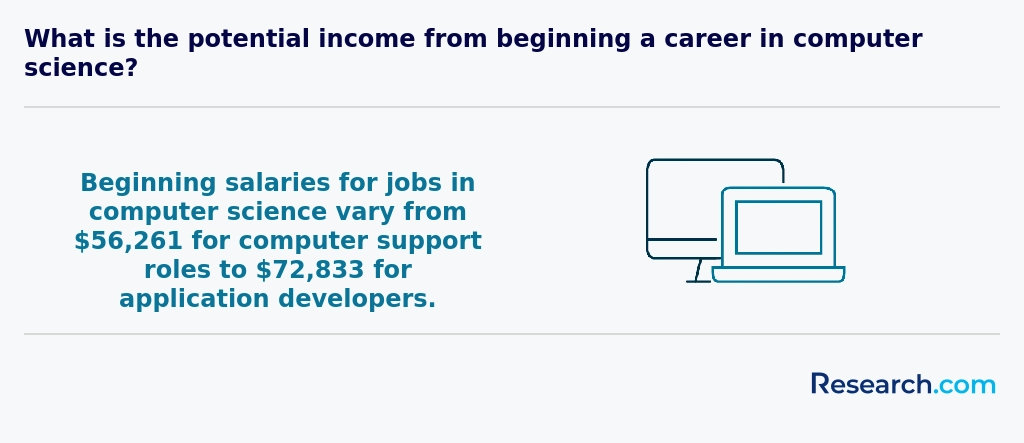
Understanding the return on investment (ROI) for a Computer Science degree in Albany, NY is crucial for making an informed decision. On average, a four-year bachelor’s program costs approximately $17,545 per year in tuition, resulting in a total investment of around $70,180 before fees. Graduates enter the workforce with starting salaries ranging from $61,580 for IT Support Specialists to $132,930 for Software Engineers, yielding a payback period of roughly 1.5 to 3 years, depending on the chosen career path and salary progression. When calculating ROI, it’s important to factor in indirect costs such as room and board, textbooks, and opportunity costs of foregone earnings. For example, a typical student who graduates debt-free and lands a $87,580 Web Developer role can recoup tuition expenses in under two years, making the financial case for pursuing Computer Science in Albany compelling. Prospective students should also consider the impact of scholarships and financial aid, which can reduce payback time by 20–30%. For those considering advanced credentials to further accelerate earnings growth, exploring an online master data science degree can enhance long-term ROI. Master’s graduates often command salaries 15–25% higher than bachelor’s holders, translating to faster debt repayment and increased lifetime earnings. By carefully weighing program costs against expected salaries and career goals, Albany students can maximize the value of their Computer Science education.
What financial aid is available to computer science degree students in Albany?
Pursuing a computer science degree in Albany can feel daunting when facing tuition costs ranging from $10,000 to $15,000 annually at public universities, but numerous financial aid options make this goal achievable. Many Albany students begin by completing the FAFSA to unlock federal support like Pell Grants, which can cover up to $7,395 per year and provide crucial relief from tuition fees.
Students at SUNY Albany often share how Federal Work-Study programs offer more than just funds-they gain valuable experience working on campus projects that strengthen their resumes. Additionally, the New York State Tuition Assistance Program (TAP) grants up to $5,000 annually for eligible residents, directly easing the financial burden for local computer science majors.
Merit and need-based scholarships from Albany's colleges add another layer of support, with awards sometimes exceeding $5,000, inspiring students to excel academically. Many graduates recall how private scholarships from local tech nonprofits and businesses fueled their ambitions, supplementing their education and opening internship doors. While loans remain a fallback, focusing on maximizing grants and scholarships ensures you start your career empowered, not stressed.
Long-Term Career Impact and Return on Investment
Graduates of computer science programs in Albany, NY, often experience transformative, long-term career benefits that extend well beyond their first job placement. By focusing on building both technical expertise and soft skills such as problem-solving, effective communication, and adaptability, alumni are strategically positioned for advancement in dynamic industries. Many students report that the quality of their education - bolstered by industry partnerships, cutting-edge research opportunities, and robust internship programs - not only drives immediate job success but also paves the way for exponential career growth over time. Moreover, a strong emphasis on continuous learning and professional development helps graduates navigate evolving technology trends, ensuring sustained relevance in their fields. For example, exploring resources on valuable computer science schools in new york can provide further insight into programs that have a proven track record of delivering solid return on investment. This long-term perspective is essential for prospective students who seek educational opportunities that align with both immediate career entry and long-range professional success.
What are the prerequisites for enrolling in computer science degree program in Albany?
To enroll in a computer science degree program in Albany, you'll need a solid academic foundation. Graduates from local institutions like the University at Albany often recall how their strong background in math-especially algebra and precalculus-gave them the confidence to tackle programming challenges right from day one.
Most colleges expect applicants to hold a high school diploma or equivalent and recommend completing courses in mathematics and sciences such as physics or chemistry. For many students, having taken introductory programming classes before applying made the transition smoother and less daunting.
You may also encounter requests for standardized test scores like the SAT or ACT, although some schools in Albany have started adopting test-optional policies. Still, submitting strong quantitative scores can set you apart when applying to competitive programs.
Transferring students benefit greatly from prior college-level coursework in foundational computer science or STEM fields, helping them integrate quickly into course sequences without retaking basics. Letters of recommendation and personal statements describing your passion for the field will also play a key role in showcasing your readiness.
Industry Partnerships and Research Opportunities
Albany’s Computer Science programs distinguish themselves through robust industry partnerships and cutting-edge research opportunities that bridge academic learning with real-world innovation. Institutions like the University at Albany collaborate with the New York State ITEC, offering students hands-on experience in projects led by IBM Watson and SAS analytics teams. These collaborations not only grant access to state-of-the-art laboratories but also facilitate mentorship from industry professionals, ensuring graduates develop skills aligned with current market demands. Rensselaer Polytechnic Institute’s ties with GE Research and local tech startups enable undergraduates to contribute to impactful projects in areas such as machine learning, cybersecurity, and Internet of Things (IoT). Often integrated into capstone courses, these partnerships allow students to solve genuine business challenges, with many securing full-time positions or internships as a direct result of their project work. Additionally, the University at Albany Research Foundation provides seed funding for student-led research, fostering an entrepreneurial mindset and encouraging interdisciplinary collaboration across departments. For those exploring more cost-effective pathways, our Cheapest Computer Science Degree Programs Ranking in Amherst, MA highlights affordable yet high-quality alternatives. Whether through dedicated tech incubators, annual hackathons co-hosted with local firms, or funded summer research assistantships, Albany’s Computer Science students benefit from a vibrant ecosystem that integrates academic rigor with practical, career-building experiences.
What courses are typically in computer science degree programs in Albany?
Students pursuing computer science degrees in Albany embark on a truly enriching journey that balances theory with real-world application. From the start, they dive into programming fundamentals using languages like Python, Java, or C++, which are essential tools in today's tech landscape. Graduates recall how mastering these basics empowered them to create their first meaningful projects, such as developing simple apps or automating tasks, sparking excitement and confidence.
As they progress, the curriculum introduces data structures and algorithms-skills that feel abstract at first but soon reveal their power during coding challenges and internships. At well-known Albany colleges, graduates often highlight how these courses sharpened their problem-solving abilities, preparing them for competitive tech roles.
Mathematics courses like discrete math and linear algebra deepen understanding of concepts that power areas like cryptography and machine learning. Students appreciate how these theoretical insights translate into designing smarter algorithms or securing data, making their studies directly relevant to innovations shaping industries.
Advanced topics such as artificial intelligence, cybersecurity fundamentals, and database management build a versatile expertise. Many students engage in hands-on projects or internships locally, applying classroom knowledge in ways that clarify complex ideas and build confidence before stepping into the professional world.
What types of specializations are available in computer science degree programs in Albany?
Students pursuing computer science degrees in Albany encounter a variety of specializations designed to sharpen their skills for today's tech-driven world. Albany's academic programs, known for their quality and relevance, often include popular tracks like software engineering, data science, cybersecurity, and artificial intelligence. Graduates from Albany's universities frequently share how the software engineering track taught them to build robust applications and systems, preparing them for the fast-paced software development industry.
For those drawn to cutting-edge tech, data science is a game-changer. Albany's expanding tech community provides an ideal environment for mastering analytics and big data, a fact many graduates highlight when describing their career launches. It's no surprise that some choose to deepen their expertise by pursuing an online master data science degree while staying connected to Albany's vibrant tech scene.
Other popular Albany computer science degree tracks include cybersecurity, where students learn to defend against growing digital threats, and artificial intelligence, focusing on robotics and machine learning. These specializations open doors in emerging fields that Albany's research institutions actively support.
By choosing specializations that align with your passion, you'll find yourself part of Albany's thriving network of technology professionals, ready to make a meaningful impact.
How do you choose the best computer science degree in Albany?
Choosing the best computer science degree programs in Albany means focusing on accredited programs that blend theory and hands-on learning. Graduates from SUNY Albany often share how their coursework paired with internships at local tech firms gave them a real edge in the job market. These practical experiences create confidence and open doors to exciting careers in fast-growing fields like cybersecurity and machine learning.
Look closely at tuition differences between public and private schools; Albany offers affordable computer science colleges Albany NY with in-state tuition around $10,000, significantly less than private options. This balance of quality and cost can ease financial pressure while still delivering a robust education.
It's also wise to consider how universities align with your career goals. For instance, some emphasize data science or artificial intelligence, so reviewing course catalogs can help you find the perfect match. Alongside this, explore financial aid opportunities early to support your journey. For more on affordable choices nearby, check out the Cheapest Computer Science Degree Programs Ranking in Amherst, MA.

What career paths are available for computer science degree students in Albany?
Graduates with a computer science degree in Albany find themselves stepping into a vibrant job market filled with dynamic opportunities. Many alumni from SUNY and private colleges have shared how their degree unlocked careers as software engineers, crafting innovative applications for industries ranging from healthcare to finance. Others thrive as data scientists or cybersecurity specialists, roles that are increasingly vital as businesses and government agencies in Albany strengthen their digital infrastructure.
Given the city's growth as a tech hub, computer science jobs in Albany are expanding rapidly. Graduates often take on positions like network administrators or IT consultants, where they combine technical expertise with problem-solving skills to support evolving business needs locally. The proximity to New York City also broadens horizons, allowing driven individuals to tap into larger markets and gain competitive advantages.
For those seeking accelerated pathways into the workforce, exploring options like the best accelerated associates degree online can complement traditional studies, providing more hands-on experience and faster entry into rewarding roles.
What is the job market for computer science degree in Albany?
The computer science job opportunities in Albany are robust and encouraging for recent graduates. With Albany's unique position as New York's capital, many graduates find rewarding roles in government agencies where their tech skills directly support public services. Graduates from the University at Albany often share how this connection between public sector stability and innovative tech challenges makes for an inspiring start to their careers.
Local employers also include healthcare institutions like the Albany Medical Center and SUNY Polytechnic Institute, where graduates engage in crucial work such as cybersecurity and data management. This real-world impact appeals to many new professionals eager to positively influence their community while growing their expertise.
Albany computer science degree employment outlook is particularly hopeful due to steady growth in finance firms and a blossoming startup environment. Graduates frequently mention how the manageable cost of tuition combined with competitive starting salaries helps them step confidently into these roles, making this city a smart choice for those weighing what's the easiest bachelor's degree to get in tech fields.
Frequently Asked Questions About computer science
Computer science students in Albany can enhance their learning by actively engaging with local tech communities and university resources. Albany hosts several tech meetups and hackathons that offer hands-on experience beyond the classroom, providing valuable networking opportunities. According to the New York State Department of Labor, Albany's tech sector growth supports internships and cooperative education programs, which are essential for practical skills development.
Students should also leverage partnerships between schools and nearby research institutions, such as the SUNY Polytechnic Institute, to access cutting-edge projects. Utilizing campus tutoring centers and joining study groups further reinforce understanding of complex topics. Staying updated on industry trends through local tech news can guide career-focused learning.
Emerging niches within the computer science field reflect rapid advancements in technology and increased demand for specialized skills. In Albany, sectors like artificial intelligence (AI) and machine learning are growing significantly, supported by local research institutions and tech startups. According to a 2023 report from the Albany-Colonie Regional Chamber of Commerce, AI-related jobs increased by 18% in the past two years. Cybersecurity is another critical area due to rising concerns over digital privacy and data protection. Additionally, fields such as blockchain technology and quantum computing are gaining attention for their potential impact on finance and communications.
Preparing for the job market after earning a computer science degree in Albany involves several key steps. Graduates should focus on gaining practical experience through internships, which local employers such as GlobalFoundries and Albany Nanotech often offer. According to the New York State Department of Labor, tech employment in the Albany-Schenectady-Troy metro area is projected to grow by about 8% through 2028, signaling strong job prospects.
Networking with professionals via local tech meetups and university career fairs can improve job opportunities. Additionally, mastering in-demand skills like cloud computing, cybersecurity, and programming languages such as Python or Java enhances employability.
Certifications from organizations like CompTIA or AWS also boost a candidate's profile.
Employers in Albany highly value computer science graduates who possess strong programming skills, especially in languages such as Python, Java, and C++. According to the National Association of Colleges and Employers (NACE), coding proficiency remains a top requirement nationwide, which applies equally to Albany's tech employers.
Problem-solving and critical thinking are also crucial. Local businesses look for graduates who can analyze complex issues and develop efficient software solutions. Communication skills are important too, as teamwork and the ability to explain technical concepts to non-experts are frequently mentioned in regional job listings.
Additionally, knowledge of data structures, algorithms, and software development life cycle is essential. Experience with cloud platforms like AWS is increasingly preferred due to Albany's growing tech sector. The New York State Department of Labor reports a steady increase in tech-related roles requiring these skills, reflecting current market demands.
Finding internships in Albany relevant to a computer science degree involves several strategic steps. Start by exploring opportunities through local universities like the University at Albany, which often host career fairs and maintain internship databases specifically for tech students. According to the National Association of Colleges and Employers (NACE), over 60% of computer science students find internships through on-campus recruiting.
Additionally, check for listings at Albany's growing tech firms and startups, many of which seek interns for software development and IT roles. Websites like Handshake and the New York State Department of Labor's job portal also provide localized internship listings. Networking through tech meetups and professional organizations in the Capital Region can significantly improve your chances of securing a position.
Obtaining a computer science degree in Albany significantly enhances career mobility and advancement opportunities. The local tech industry, supported by research institutions like Rensselaer Polytechnic Institute, offers graduates access to a growing job market.
According to New York State Department of Labor data from 2023, Albany's metropolitan area saw a 12% increase in computer and information technology job openings over the past five years. This growth promotes upward mobility for degree holders, especially in software development, cybersecurity, and data analysis roles.
Employers in Albany increasingly value formal education combined with practical skills, making a computer science degree a key factor for promotions and leadership positions. Graduates often experience a salary premium of 15-25% compared to non-degree holders, facilitating career advancement.
Studying for a computer science degree in Albany offers strong preparation for interdisciplinary roles due to the city's unique educational environment. Albany's institutions often encourage collaboration across departments, integrating computer science with healthcare, business, and engineering fields. For example, students may engage in projects that combine data science with public health, reflecting regional industry needs.
Programs frequently include coursework in areas like artificial intelligence, cybersecurity, and software development, complemented by electives in other disciplines. This approach builds versatile problem-solving skills adaptable to various sectors.
The Albany area also benefits from partnerships with local tech companies and government agencies, giving students practical experience that bridges theory and application.
Choosing between a thesis and a non-thesis computer science degree program in Albany depends largely on your career goals and learning preferences. Thesis programs typically emphasize research, requiring students to complete a significant original project. This path suits those aiming for doctoral studies or research roles.
Non-thesis programs focus more on coursework and practical skills, appealing to students targeting immediate industry jobs. According to the University at Albany, non-thesis routes often include internships or capstone projects that enhance hands-on experience.
Consider your long-term plans and consult academic advisors in Albany schools to align your choice with your professional objectives.
Students in Albany seeking to study computer science abroad have several options facilitated by U.S. higher education partnerships and exchange programs. Many universities in Albany, such as SUNY Albany, participate in study abroad programs allowing computer science majors to spend a semester or year at partner institutions in Europe or Asia. These opportunities often include countries with strong tech industries like Germany and South Korea.
Additionally, students may pursue dual-degree or summer research programs abroad, enhancing both their academic and cultural experience. According to data from NAFSA, over 10% of STEM students nationwide engage in international study programs, reflecting growing interest.
Funding options, including federal scholarships and university grants, further support these ventures for Albany students.
Albany offers various part-time job opportunities that can enhance the education of computer science students. Many local businesses and tech firms seek interns or junior developers to assist with software development and IT support. Positions such as help desk technician, web developer, and data analyst provide practical experience alongside academic learning.
The Albany tech sector is growing, with companies often collaborating with nearby universities, including SUNY Albany. According to the New York State Department of Labor, computer and mathematical occupations are projected to grow 15% in the Capital Region through 2028, supporting demand for skilled part-time workers.
Students can also explore roles in research labs or campus IT services, which help build valuable skills relevant to the field.
Computer science students in Albany benefit from a variety of networking opportunities linked to the city's growing tech industry and academic environment. Local universities like the University at Albany host career fairs and tech-focused events which regularly attract regional employers. According to the Capital Region Chamber of Commerce, over 500 tech companies operate in the area, creating rich potential for internships and networking.
Student organizations such as ACM chapters and coding clubs often collaborate with local startups and established firms. Additionally, Albany Tech Meetups provide informal spaces for students to connect with professionals and alumni. These combined resources support both skill-building and professional growth within the regional tech community.
Alumni networks play a crucial role in supporting computer science students in Albany. These networks provide mentorship opportunities, connecting current students with graduates who have industry experience. According to the National Association of Colleges and Employers, 80% of jobs are filled through networking, highlighting the importance of alumni connections.
In Albany, many universities have strong alumni communities that offer access to internships and job placements in the growing tech sector. For example, the Capital Region has seen a 15% increase in tech jobs over the past five years, making alumni networks valuable for career advancement.
Furthermore, alumni often organize workshops and tech talks, helping students stay updated on latest industry trends and tools relevant to computer science.
To customize a computer science degree program in Albany, students can select electives that align with their career interests, such as cybersecurity, software engineering, or data science. Many Albany institutions offer flexible course options, allowing students to gain specialized skills that match local industry demands.
Internships and cooperative education opportunities are also available through partnerships with Albany-based tech companies, providing practical experience that enhances employability. Additionally, students can engage in undergraduate research projects tailored to emerging fields in computer science, which supports deeper learning and career preparation.
The flexibility to combine computer science with related fields, like business or healthcare, further broadens career paths.
Computer science students in Albany face several common challenges throughout their academic journey. A significant issue is managing the heavy workload, as courses often require extensive programming assignments, projects, and exams. Many students report difficulty balancing these demands with part-time jobs or internships.
Another challenge is staying updated with rapidly changing technology trends, which requires continuous learning beyond the classroom. Additionally, some students struggle with the theoretical aspects of computer science, such as algorithms and data structures, which are foundational but abstract topics.
According to the New York State Department of Labor, Albany's competitive tech job market adds pressure on students to gain relevant practical experience early.
With a computer science degree, graduates in Albany can pursue a variety of professional certifications to boost their careers. Popular options include the Certified Information Systems Security Professional (CISSP) for cybersecurity roles and the Certified Software Development Professional (CSDP), which validates advanced programming skills. Many employers in Albany's growing tech sector also value the CompTIA Security+ and Certified Ethical Hacker (CEH) certifications.
Certifications like these often require passing exams and relevant work experience. They can increase job opportunities and average salaries, which in Albany's tech market are currently above the national average, according to the U.S. Bureau of Labor Statistics.
Other relevant certifications include cloud-focused credentials such as Amazon AWS Certified Solutions Architect, tied to the region's expanding cloud technology jobs. These certifications complement the foundational knowledge from a computer science degree, helping graduates stand out.
To write a winning application for a computer science program in Albany, start by highlighting your strong foundation in math and programming. Local universities, including the University at Albany, often look for applicants with coursework in calculus, statistics, and coding languages like Python or Java.
Demonstrate your passion for technology by including any relevant projects, internships, or extracurricular activities. Albany's metropolitan area offers various tech meetups and opportunities, which can strengthen your profile.
Ensure your personal statement clearly explains why you want to study computer science and how the program fits your career goals. According to the University at Albany admissions office, clear, focused essays can improve your chances significantly.
Finally, secure strong recommendation letters from teachers or professionals who know your technical skills and work ethic well.
Computer science careers are increasingly valued across the globe due to the growth of technology-driven industries. In the United States, including Albany, demand for skilled computer scientists is strong, with the Bureau of Labor Statistics projecting a 15% job growth for software developers from 2021 to 2031, much faster than average. This trend reflects a global demand for professionals in artificial intelligence, cybersecurity, and data science.
Internationally, computer science skills open doors to work in diverse sectors such as finance, healthcare, and government. Albany's proximity to tech hubs and research institutions also offers students access to emerging global tech trends.
Understanding international standards and languages in computing benefits US graduates seeking global opportunities.
Gaining practical experience while studying for a computer science degree in Albany is crucial for career success. Students can pursue internships offered by local tech firms or nearby corporate offices, especially within the thriving Capital Region technology sector. According to the Albany-Colonie Regional Chamber of Commerce, over 200 tech companies operate locally, creating ample internship opportunities.
Many universities in Albany encourage participation in cooperative education programs, which integrate classroom learning with real-world work. Additionally, students can join computer science clubs or hackathons to sharpen coding and problem-solving skills.
Volunteering for community tech projects or contributing to open-source software also provides hands-on experience valuable to employers.
Choosing the right concentration within a computer science degree program in Albany involves examining your interests and career goals carefully. Common concentrations include software development, cybersecurity, data science, and artificial intelligence. Albany's growing tech sector, supported by institutions like the University at Albany and nearby RPI, offers strong programs in these areas.
It is helpful to review job market trends locally: cybersecurity roles in Albany grew by 8% from 2020 to 2023 according to the U.S. Bureau of Labor Statistics. Consider concentrations that align with industry demand for better employment prospects.
Additionally, review course offerings and faculty expertise to ensure they match your interests. Internships and research opportunities in Albany's tech community can provide practical experience in your chosen concentration.
Related Computer Science Rankings for Nearby Cities
- 2027 Most Valuable Computer Science Degree Programs Ranking in Amherst
- 2027 Most Valuable Computer Science Degree Programs Ranking in Worcester
- 2027 Most Valuable Computer Science Degree Programs Ranking in Lowell
- 2027 Most Valuable Computer Science Degree Programs Ranking in Providence
- 2027 Most Valuable Computer Science Degree Programs Ranking in New York
- 2027 Most Valuable Computer Science Degree Programs Ranking in Medford
- 2027 Most Valuable Computer Science Degree Programs Ranking in Boston
- 2027 Most Valuable Computer Science Degree Programs Ranking in Rochester
- 2027 Most Valuable Computer Science Degree Programs Ranking in Philadelphia
- 2027 Most Valuable Computer Science Degree Programs Ranking in Baltimore
Top Trending Computer Science Rankings
See What Experts Have To Say About Studying Computer Science
Read our interview with Computer Science experts

Kathleen M. Carley
Computer Science Expert
Professor of Computer Science
Carnegie Mellon University

Imed Bouchrika, Phd
Computer Science Expert
Professor of Computer Science
National Higher School of Artificial Intelligence

Martin Kang
Computer Science Expert
Assistant Professor
Loyola Marymount University

Elan Barenholtz
Computer Science Expert
Associate Professor
Florida Atlantic University

References
- The Crucial Role of Networking for Computer Science Students https://dev.to/thisisaayush/the-crucial-role-of-networking-for-computer-science-students-4k2i
- The Future of Work: The Importance of Computer Science Skills | Gisma https://www.gisma.com/blog/the-future-of-work-the-importance-of-computer-science-skills
- Courses in Computer Science https://www.albany.edu/undergraduate-bulletin/computer-science-courses.php
- What certifications should I get for computer science? | edX https://www.edx.org/resources/certifications-computer-science
- Why your computer science degree won't get you an IT job https://targetjobs.co.uk/careers-advice/information-technology/why-your-computer-science-degree-wont-get-you-it-job
- 5 Challenges Faced by Computer Science Students and How to Overcome Them https://informatika.almaata.ac.id/5-challenges-faced-by-computer-science-students/
- 8 Tips for Computer Science Graduates to Get Their First Job https://allthecode.co/blog/post/tips-for-computer-science-graduates-to-get-their-first-job
- Study Computer Science Abroad | Go Overseas https://www.gooverseas.com/study-abroad/computer-science
- Computer Science Cover Letter: How to Show You're a Top Tech Candidate https://arc.dev/talent-blog/computer-science-cover-letter/
- Computer Science - SWPS University https://english.swps.pl/academics/warsaw/ba-programs/computer-science


