2027 Most Valuable Computer Science Degree Programs Ranking in Baltimore

Co-Founder and Chief Data Scientist
Choosing the right computer science degree program in Baltimore can be overwhelming. To help simplify this important decision, our article features the 2027 Most Valuable Computer Science Degree Programs Ranking in Baltimore, developed by the Research.com team of data scientists. This ranking highlights programs that offer strong career prospects and valuable skills for today's tech-driven world.
Reading this article will give you insights to confidently select a program that matches your goals. Pursuing a computer science degree opens doors to exciting opportunities and personal growth, making it a smart investment in your future.
Key benefits of getting computer science degree in Baltimore
- Graduates with a computer science degree in Baltimore can earn competitive salaries, such as $138,110 annually for software engineers and developers, and $95,570 for web developers, offering strong financial stability.
- Career paths include diverse roles like software development, data analysis, and IT support, providing graduates from local universities a range of exciting opportunities to grow and specialize.
- Online computer science degrees offer flexibility for Baltimore students balancing work or family, enabling them to gain valuable skills and credentials while managing their schedules effectively.
- Key benefits of getting computer science degree in Baltimore
- What can I expect from computer science degree in Baltimore?
- Where can I work with computer science degree in Baltimore?
- How much can I make with computer science degree in Baltimore?
- 2027 Most Valuable Computer Science Degree Programs Ranking in Baltimore
- Key Findings
- How long does it take to complete computer science degree in Baltimore?
- Student Life and Campus Culture in Baltimore, MD
- What's the difference between online and on-campus computer science degree?
- Return on Investment
- What is the average cost of computer science degree in Baltimore?
- Continuing Education and Advanced Degrees
- What financial aid is available to computer science degree students in Baltimore?
- What are the prerequisites for enrolling in computer science degree program in Baltimore?
- Return on Investment for Computer Science Degrees in Baltimore, MD
- What courses are typically in computer science degree programs in Baltimore?
- What types of specializations are available in computer science degree programs in Baltimore?
- How do you choose the best computer science degree in Baltimore?
- What career paths are available for computer science degree students in Baltimore?
- What is the job market for computer science degree in Baltimore?
- Top Trending Computer Science Rankings
- See What Experts Have To Say About Studying Computer Science
What can I expect from computer science degree in Baltimore?
The average cost of earning a computer science degree in Baltimore varies notably depending on the institution. For example, graduates from the University of Maryland, Baltimore County (UMBC) typically invest tuition fees around $10,000 per year for in-state students, while out-of-state students face higher costs near $25,000 annually. Johns Hopkins University, known for its strong research focus, charges closer to $60,000 per year, but many students benefit from scholarships or assistantships that reduce their financial burden.
Many Baltimore computer science students report feeling motivated by the hands-on learning opportunities that justify these costs. Internships with local tech companies and partnerships with agencies like the National Security Agency provide practical experience beyond the classroom. These experiences often lead to well-paying jobs soon after graduation, helping to ease concerns about upfront expenses.
Students can also explore part-time or accelerated degree programs offered by Baltimore's institutions to balance costs and study time effectively, tailoring their education around personal financial situations and career goals.
Where can I work with computer science degree in Baltimore?
Graduates with a computer science degree in Baltimore find diverse job opportunities in the city's thriving tech landscape. Many secure roles in software development, cybersecurity, and data analysis at local firms or startups nurtured by innovation hubs like the Emerging Technology Centers. For instance, graduates from Johns Hopkins University often land positions in software engineering or network administration within Baltimore's major healthcare organizations such as Johns Hopkins Medicine.
Others tap into the financial sector, joining firms like T. Rowe Price to work on fraud detection or automated trading systems, combining their coding skills with analytical thinking. Towson University graduates frequently highlight the ease of connecting with government-related roles nearby, including positions at the NSA or Department of Defense, where cybersecurity expertise is in high demand.
Many students build rewarding careers by engaging with health tech startups or pursuing academia and tech support within local universities. Baltimore's strong ties between education and industry ensure graduates can translate their skills into practical, well-compensated roles that match their passions and strengths.
How much can I make with computer science degree in Baltimore?
Graduates with a computer science degree in Baltimore commonly find rewarding salaries that reflect the city's growing tech industry. For example, software developers typically earn around $138,110 annually, matching national averages and providing strong earning potential right out of schools like Johns Hopkins University and University of Maryland, Baltimore County.
Many entry-level developers start earning between $70,000 and $80,000, which quickly rises to over $120,000 with five or more years of experience-something several recent graduates from local colleges have shared as they advance in their roles at tech firms and government agencies.
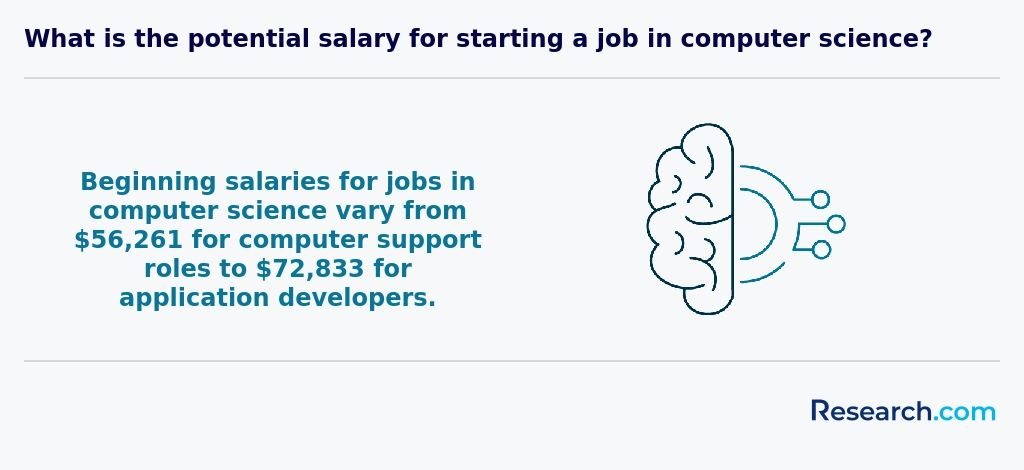
Besides development, roles such as data analysts earn about $119,040 yearly in Baltimore, while web developers make approximately $95,570. IT support specialists can expect around $63,640, offering options for graduates seeking various career paths.
Leveraging internships and certifications, especially in cloud computing or cybersecurity, boosts salary opportunities significantly. Baltimore's affordable living costs combined with these competitive salaries provide a balanced path for students aiming for a stable and fulfilling tech career.
2027 Most Valuable Computer Science Degree Programs Ranking in Baltimore
How do we rank schools?
Investing in your education is a significant decision that can shape your future, and the Research.com team understands the importance of making informed choices. To assist prospective students in Baltimore, we have meticulously crafted the "2027 Most Valuable Computer Science Degree Programs Ranking in Baltimore." Our commitment to quality, credibility, and accuracy is reflected in the extensive research and analysis conducted to compile this ranking.
We utilized the following reputable data sources to ensure a comprehensive evaluation of computer science programs:
By exploring this ranking, readers will gain valuable insights into the most valuable computer science degree programs available in Baltimore, helping them make well-informed decisions about their educational paths. For more details on our methodology, please visit our Research.com methodology page.


# 5 position
Women's Institute of Torah Seminary and College
Bachelor of Arts in Computer Science
Key Findings
- Baltimore offers computer science programs through public universities, private colleges, and community colleges, with a typical bachelor's degree duration of four years.
- In-state tuition at public universities ranges from $9,000 to $12,000 per year, while private college tuition can be between $30,000 and over $50,000 annually, excluding housing and other fees.
- Starting salaries average around $70,000 per year, with experienced professionals earning up to approximately $110,000 annually in the Baltimore area.
- Strong job demand exists in fields like cybersecurity, healthcare technology, and financial services, supported by local tech companies, startups, and government contractors.
- Many schools provide internships and cooperative education programs, which improve job prospects, and regional initiatives like Maryland's Tech Talent Pipeline support workforce development.
How long does it take to complete computer science degree in Baltimore?
Completing a computer science degree in Baltimore typically takes about four years for full-time students, especially at well-known institutions like Johns Hopkins University and the University of Maryland, Baltimore County (UMBC). Graduates from these programs often share how the structured curriculum, built around approximately 120 to 130 credit hours, helped them efficiently balance core courses and electives within this timeframe.
Many students find that engaging in internships or cooperative education programs adds practical experience without significantly extending their studies. Others pursuing additional minors or concentrations may take longer, but these paths often enrich their skill set and job readiness.
Community colleges in Baltimore offer associate degrees that usually take two years, providing a solid foundation and easy transfer options into bachelor's programs. For those aiming higher, a master's degree can be completed in 1.5 to 2 years full-time, allowing for quick advancement in the field.
Maintaining a full-time status and leveraging local resources like campus advising can help keep your degree timeline on track, offering a clear, manageable path through your computer science education.
Student Life and Campus Culture in Baltimore, MD
Baltimore offers more than just top-ranked computer science programs-it provides a dynamic campus culture that enriches both academic and personal growth. Prospective students can explore a supportive environment with robust student advising, state-of-the-art research facilities, and vibrant tech clubs and hackathons that foster collaboration and innovation. Campus events and tech meetups not only create opportunities for networking but also help students build lasting connections with local industry experts. Engaging in extracurricular projects and community-driven initiatives is a common way for students to complement their coursework, creating a well-rounded college experience that marries learning with life skills. For insights on how some institutions balance academic excellence with an engaging student experience, visit our overview of a valuable computer science school in maryland, where emphasis on campus culture is as strong as its academic fundamentals.
What's the difference between online and on-campus computer science degree?
Choosing between online and on-campus computer science degrees in Baltimore depends on your lifestyle and learning preferences. On-campus students at places like the University of Maryland, Baltimore County enjoy direct access to professors, hands-on labs, and campus networking events, creating a dynamic atmosphere that fosters collaboration and immediate feedback. Many graduates recall the motivation gained from in-person study sessions and spontaneous discussions with peers in Baltimore's tech hubs.
Online students benefit from flexible schedules, ideal for juggling work or family. They engage through video lectures and virtual labs that mimic on-campus coursework, often at comparable tuition rates. Baltimore-based students who opted for online programs appreciate the ability to learn at their own pace without commuting, yet still connect through online forums and virtual career fairs tailored to the local job market.
- Campus learning suits those valuing structured environments and hands-on experiences.
- Online programs offer flexibility for self-motivated learners balancing other commitments.
Both paths lead to success in Baltimore's growing tech sector, so choose the format that aligns best with your daily life and career goals.
Return on Investment
Estimating ROI helps you choose a degree that balances cost and career benefits in Baltimore’s tech market:
- Calculate total program cost, including tuition, fees, housing and materials
- Compare average starting salaries ($65,000–$75,000) with mid-career wages (over $110,000)
- Estimate payback period by dividing net cost by expected annual salary
- Factor in grants, scholarships and paid internships to reduce out-of-pocket expenses
- Explore accelerated tracks or an online masters in data science to boost earnings sooner
- Review alumni salary growth and career progression for a clear view of long-term returns
What is the average cost of computer science degree in Baltimore?
The average cost of a computer science degree in Baltimore typically centers around $50,921 in total, reflecting a balance between public and private institution expenses. For many Baltimore students pursuing a computer science degree, attending a public university like UMBC offers more affordable tuition rates. In-state students usually see their total costs closer to $13,256, which makes earning a degree there very manageable compared to private options.
Graduates from private universities such as Johns Hopkins often face higher overall expenses, yet many find the investment worthwhile due to the institutions' strong reputations and extensive networking opportunities. Personal experiences from these students often highlight the value of scholarships, financial aid, and STEM-specific grants available locally, which ease the burden of Baltimore computer science degree tuition and fees significantly.
Aside from tuition, budgeting for books, supplies, and technology is important. Many students recommend planning an additional $1,200 to $1,500 yearly for course materials and around $10,000 to $14,000 for room and board if living near campus. Exploring in-state tuition options through community college transfer programs or regional agreements can also reduce expenses thoughtfully.
Prospective students looking for the most valuable computer science school in maryland often stress the importance of comparing total costs alongside program quality and financial aid availability, as this approach creates the clearest pathway to obtaining a computer science degree in Baltimore without unnecessary financial stress.
Continuing Education and Advanced Degrees
As the tech landscape evolves, many Computer Science graduates in Baltimore, MD explore advanced degrees to deepen their expertise and enhance career prospects. A popular path is pursuing a master’s degree in data science or related fields, which equips students with advanced analytical techniques, machine learning methodologies, and leadership skills. Admissions typically require a strong undergraduate GPA, foundational coursework in programming and statistics, and sometimes professional experience or a GRE score. Master’s programs often span 12 to 24 months and combine core courses-such as advanced algorithms, big data processing, and predictive modeling-with electives tailored to emerging technologies. Students gain hands-on experience through capstone projects, internships, and collaborative research, positioning them for roles in data engineering, AI research, or technical management. Financial aid options, including graduate assistantships and specialized scholarships, can offset tuition costs, while online formats provide flexibility for working professionals. For those balancing career and study, the best online masters in data science delivers a rigorous curriculum with the convenience of remote learning. These programs often feature live virtual labs, peer collaboration platforms, and career services that connect graduates with top employers. By pursuing an advanced degree, Baltimore graduates not only increase their earning potential-often by 20% or more-but also solidify their authority in a competitive tech market.
What financial aid is available to computer science degree students in Baltimore?
Students pursuing computer science degrees in Baltimore can tap into several financial aid options to ease tuition costs. Federal aid starts with filling out the FAFSA, unlocking opportunities like the Pell Grant, which offers up to $7,395 yearly. Many Baltimore students also benefit from federal loans that come with manageable interest rates and flexible repayment plans, allowing them to focus on studying instead of stressing about immediate expenses.
Maryland-specific programs add another layer of support. For example, in-state students attending public institutions like UMBC often rely on the Maryland Higher Education Commission's Educational Assistance Grant, which can cover as much as $3,000 annually. High-achieving students at universities such as Johns Hopkins frequently receive Merit-Based Promise Scholarships available through state initiatives, easing the path for those with strong academic records.
Many Baltimore campuses offer scholarships tailored for computer science majors, rewarding merit, need, or diversity. Graduates frequently share how departmental scholarships from UMBC or Johns Hopkins made their education more affordable and fostered a strong sense of community.
Work-study programs offer an added advantage, letting students gain real-world tech experience on campus while earning to cover some costs. Plus, local tech groups like the Maryland Technology Council provide external scholarships that can be game changers for Baltimore students eager to enter the thriving tech industry.
What are the prerequisites for enrolling in computer science degree program in Baltimore?
To enroll in a computer science degree in Baltimore, students must secure a high school diploma or equivalent with strong math and science backgrounds. Baltimore students who excelled in algebra, geometry, and introductory calculus found their transition smoother, especially those who took Advanced Placement Computer Science or similar courses. For example, graduates from UMBC often recall how early programming exposure gave them confidence in their demanding courses.
Standardized tests like the SAT or ACT are still relevant for some Baltimore schools, though many, including Johns Hopkins University, now offer test-optional admissions. Applicants should check each school's policy and focus on maintaining a competitive GPA-typically 3.0 or higher-to strengthen their application, as graduates frequently emphasize how this was crucial for acceptance into selective programs.
Strong transcripts, compelling personal statements, and recommendation letters are also essential. Baltimore students who actively engaged in coding clubs or tech internships reported these experiences made their applications stand out. Preparing financially is vital too, with tuition ranging from $10,000 at public schools to $50,000 at private universities, so researching scholarships and aid early is highly recommended.
Return on Investment for Computer Science Degrees in Baltimore, MD
Investing in a Computer Science degree is as much a financial decision as an academic one. To gauge true value, consider not only tuition costs but also the timeframe to recoup your investment through post-graduation earnings and debt repayment:
- Average Tuition vs. Earnings: With an average total tuition of $70,180 for a four-year program and starting salaries around $66,000, Baltimore graduates can expect a payback period of roughly 3–4 years, assuming standard debt interest rates.
- Net Present Value (NPV): Calculating NPV over a 10-year career horizon at a 4% discount rate shows positive returns-graduates typically earn over $450,000 in gross wages before taxes, outweighing education expenses by more than 4x.
- Institutional Variances: Top-ranked programs like Johns Hopkins University may have higher sticker prices but also boast stronger recruitment pipelines, leading to faster placement in six-figure roles. Conversely, public institutions such as UMBC offer lower in-state rates, reducing upfront costs and shrinking the break-even point.
- Opportunity Cost: Full-time on-campus study can delay earnings for four years, whereas part-time or online formats let you work concurrently. For cost-conscious students weighing flexibility against ROI, explore budget-friendly online alternatives-see the Low Cost Online Computer Science Degree Programs Ranking in Georgia for comparative insights. By analyzing tuition outlays, projected salaries, and financing options, prospective students can make data-driven choices that maximize long-term returns. Understanding ROI empowers you to select a program that not only advances your technical expertise but also aligns with your financial goals.
What courses are typically in computer science degree programs in Baltimore?
Computer science degrees in Baltimore typically involve a balanced mix of foundational and advanced courses to prepare students for real-world challenges. For example, graduates from colleges like the University of Baltimore often recall how practical programming classes in Python and Java laid the groundwork for their software projects. These courses focus on critical thinking and problem-solving skills that students apply in labs and internships around Baltimore's tech hubs.
Core subjects such as Data Structures and Algorithms teach efficient ways to organize and manipulate data, essential for roles in software development or data analysis. Classes on Computer Architecture and Operating Systems help students understand how software works with hardware, a key insight when working on complex systems or troubleshooting in jobs.
- Many students cite hands-on experience with Databases and Software Engineering courses as vital for managing real projects and collaborating in teams.
- Specialized electives like cybersecurity or AI reflect Baltimore's growing tech scene and connect learning to local industry needs.
What types of specializations are available in computer science degree programs in Baltimore?
Baltimore's computer science degree specializations offer diverse options tailored to meet both local and national tech needs. Graduates from well-known Baltimore colleges often highlight specializations such as software development, focusing on mastering programming languages and application design crucial for dynamic careers in tech companies around the region.
Another popular area is cybersecurity, where students develop hands-on skills in network security and ethical hacking, addressing real-world challenges faced by Baltimore's growing cybersecurity job market. Those interested in Baltimore computer science career concentration options often choose data science and big data analytics, reflecting demand from the city's healthcare and finance industries. Real student projects using big data tools often prepare them well for these sectors.
Many also pursue artificial intelligence and machine learning, enjoying the cutting-edge research and automation projects at local universities that create exciting job pathways. Information systems and database management remain vital for managing complex datasets in various enterprises. For students seeking advanced study, programs like the best online masters in data science provide excellent opportunities to deepen expertise.
How do you choose the best computer science degree in Baltimore?
When choosing the best computer science degree in Baltimore, focus on programs that offer strong core curricula including algorithms, software engineering, and cybersecurity, combined with specialized tracks like artificial intelligence or data science. Graduates from the University of Maryland, Baltimore County (UMBC), often highlight how internships and project-based courses strengthened their skills and confidence in real-world tech environments. Prioritize schools with regional accreditation or ABET recognition to ensure quality education aligned with industry demands.
Affordability plays a major role; many choose affordable computer science degrees Baltimore offers, balancing tuition costs with financial aid opportunities. Considering the city's growing tech job market, look for programs with strong ties to local employers for better internship and job chances post-graduation. Former students appreciate career services and networking events that connect them with Baltimore's cybersecurity and healthcare tech sectors.
For flexible learning, explore options including online or part-time studies. To compare affordable paths, check out Low Cost Online Computer Science Degree Programs Ranking in Georgia as a reference point when planning your budget and course load.

What career paths are available for computer science degree students in Baltimore?
Graduates with a computer science degree in Baltimore have a variety of rewarding career paths available. Popular roles include software developer, cybersecurity analyst, data scientist, and systems administrator, reflecting the city's strong technology job prospects for Baltimore graduates. For example, graduates from well-known institutions like Johns Hopkins University often find positions designing applications or protecting organizations from cyber threats within federal agencies nearby.
The city's vibrant healthcare sector also opens doors for careers in health informatics and bioinformatics, where graduates contribute to cutting-edge medical research and operations at leading hospitals. Graduates frequently share how their experiences at Maryland Institute College of Art and University of Maryland, Baltimore County help shape their practical skills toward these specialized roles.
If you want to explore options for your future, this is an ideal time to consider technology-focused degrees. Many students recommend researching the best college degree for future opportunities to match your goals with Baltimore's dynamic market.
What is the job market for computer science degree in Baltimore?
Graduates holding a computer science degree in Baltimore find a thriving job market, driven by strong local demand from institutions like Johns Hopkins University and the University of Maryland Medical System. Many graduates benefit from opportunities in cybersecurity, healthcare technology, and federal contracting, thanks to the city's proximity to Washington, D.C., a major hub for defense and government agencies. This creates a robust network for Baltimore computer science degree career outlook, where new professionals often land roles with competitive salaries around $95,000 annually.
Students attending the University of Maryland, Baltimore County frequently share that the blend of affordable tuition and vibrant tech environment makes balancing studies and internships viable, helping them transition smoothly into the workforce. In addition to traditional pathways, startups and innovation hubs such as Betamore provide a creative environment for graduates to launch careers or tech ventures. For those aiming to boost their skills, exploring certifications that pay well can maximize employment prospects in Baltimore's growing tech sector.
Frequently Asked Questions About computer science
Computer science degree students in Baltimore can maximize their learning experience by combining classroom knowledge with practical opportunities. Baltimore hosts several accredited institutions offering strong computer science curricula, including the University of Maryland, Baltimore County (UMBC), known for its focus on cybersecurity and software engineering.
Engaging in internships is crucial; Baltimore's growing tech sector, supported by initiatives like the Baltimore Innovation Week, provides numerous local internship opportunities. According to the Maryland Department of Labor, internships increase employment chances by over 60% for computer science graduates in the region.
Joining student organizations and coding clubs helps students develop teamwork and networking skills. Attending local tech meetups and workshops boosts exposure to industry trends and real-world challenges.
Utilizing campus career services ensures guidance in resume building and interview prep specific to Baltimore's job market demands.
Emerging niches within the computer science field offer exciting opportunities for students pursuing degrees in Baltimore. Areas like artificial intelligence (AI) and machine learning continue to expand rapidly, driven by demand in healthcare and finance sectors. Cybersecurity is another critical niche, especially important in Baltimore due to its proximity to federal agencies and defense contractors.
Data science and big data analytics are gaining momentum, with Baltimore-based companies increasingly relying on data-driven decisions. Additionally, the rise of Internet of Things (IoT) technologies offers new challenges and careers in smart city development and connected devices.
According to the University System of Maryland and regional labor reports, jobs in these niches are expected to grow by over 20% by 2030.
Preparing for the job market after earning a computer science degree in Baltimore involves developing both technical and soft skills. Baltimore benefits from a growing tech sector with companies like Under Armour and a rising number of startups, creating local job opportunities. According to the U.S. Bureau of Labor Statistics, employment for software developers in Maryland is expected to grow 22% from 2020 to 2030, higher than the national average.
Internships and cooperative education programs are crucial for gaining real-world experience. Many Baltimore universities have partnerships with local firms, providing students with valuable work exposure.
Networking through local tech meetups and organizations such as the Baltimore Tech Council can open doors to job openings and mentorship. Additionally, learning to navigate online job platforms focused on technology roles allows graduates to connect with regional employers efficiently.
Employers in Baltimore seeking computer science graduates prioritize a blend of technical and soft skills. Proficiency in programming languages such as Python, Java, and C++ is essential, as these are commonly used in local tech firms and startups. Knowledge of data structures and algorithms remains critical for solving complex problems effectively.
Additionally, familiarity with software development methodologies like Agile and experience with cloud platforms, including AWS and Azure, are increasingly in demand. According to the Maryland Department of Labor, 68% of Baltimore's tech employers emphasize collaboration and communication skills in their hiring criteria.
Problem-solving ability, adaptability, and experience with cybersecurity fundamentals also rank high on employer wish lists for graduates entering this competitive market.
Finding internships in Baltimore relevant to a computer science degree involves exploring local tech companies, government agencies, and educational institutions. Baltimore hosts a growing tech scene, including firms specializing in cybersecurity, software development, and data analytics.
Students should use resources like university career centers, which often have partnerships with employers offering internships tailored for computer science majors. Additionally, platforms like Handshake and LinkedIn provide listings specific to Baltimore-area opportunities.
The Maryland Department of Labor reports that internships in tech fields have increased by 12% over recent years, reflecting a positive trend for students seeking hands-on experience.
Attending local tech meetups and networking events, such as those organized by Baltimore's Charm City Tech community, also helps build valuable industry connections.
Obtaining a computer science degree in Baltimore significantly enhances career mobility and advancement opportunities. The city's growing tech sector demands skilled professionals, with roles expanding in cybersecurity, software development, and data analysis. According to the Maryland Department of Labor, Baltimore's tech employment grew by over 15% from 2018 to 2023.
Graduates with a computer science degree often see higher starting salaries-around $70,000 annually on average, compared to lower wages in non-technical fields. Employers value formal education combined with practical skills, which leads to faster promotions and access to leadership roles.
Furthermore, Baltimore's proximity to federal agencies and private tech firms creates networking and internship opportunities, supporting continuous career growth.
Studying for a computer science degree in Baltimore equips students with the skills needed for interdisciplinary roles by integrating technical knowledge with diverse fields such as healthcare, cybersecurity, and data analytics. Many local institutions emphasize project-based learning and partnerships with Baltimore's growing tech and biotech industries, exposing students to real-world challenges.
Programs often incorporate courses from business, biology, and engineering, reflecting the demand for versatile professionals. According to the Maryland Department of Labor, Baltimore's tech sector grew by 8% between 2020 and 2023, highlighting opportunities for interdisciplinary collaboration.
This growth fosters environments where computer science graduates can apply computing skills in varied contexts, enhancing problem-solving and innovation abilities.
When choosing between a thesis and a non-thesis computer science degree program in Baltimore, consider your career goals. Thesis programs emphasize research, ideal for students aiming for doctoral studies or research-intensive roles. These programs require you to complete a significant research project, which can deepen your expertise and develop critical thinking skills.
Non-thesis programs focus more on coursework and practical skills, preparing students for industry positions or technical roles in Baltimore's growing tech sector. According to the Maryland Higher Education Commission, non-thesis programs tend to have shorter completion times and may offer more flexible scheduling.
Research-intensive programs often offer access to local universities' labs, such as Johns Hopkins University, which is renowned for its computer science research facilities. In contrast, non-thesis programs might provide internships and project-based learning aligned with Baltimore's tech companies.
Students based in Baltimore seeking to study computer science abroad have several options through partnerships offered by local universities. For example, Johns Hopkins University and the University of Maryland, Baltimore County (UMBC) provide exchange programs with top institutions in Europe and Asia, allowing students to gain international experience while earning credits toward their degrees.
Many Baltimore students also participate in study abroad programs funded by U.S. government initiatives like Gilman Scholarships, supporting undergraduates in tech fields. These programs typically last one semester to one year and often emphasize research and internships in global tech hubs.
According to NAFSA's latest report, roughly 12% of U.S. computer science majors engage in study abroad experiences, reflecting growing interest in global perspectives.
Baltimore offers several part-time job opportunities that can enhance a computer science degree education. Positions such as software development intern, IT support technician, and web developer are common and provide practical experience alongside academic studies. Local tech firms and startups often seek part-time programmers to assist on projects.
According to the Baltimore Workforce Development Board, the city's tech sector grew by 8% in 2023, increasing demand for part-time tech roles. Additionally, university research labs in Baltimore frequently hire students for data analysis and programming tasks, giving hands-on experience with real-world problems.
Students can also find opportunities in cybersecurity and network administration at healthcare and financial institutions in Baltimore, industries known for strong tech needs. These part-time roles foster skills in coding, troubleshooting, and system management, directly complementing computer science coursework.
Baltimore offers robust networking opportunities for computer science students through its strong ties to local universities, tech companies, and professional organizations. Institutions like Johns Hopkins University and the University of Maryland, Baltimore County provide students access to career fairs and industry panels, connecting them with employers.
Additionally, the Baltimore tech scene includes meetups, hackathons, and workshops sponsored by groups such as the Baltimore Tech Council and Digital Harbor Foundation. These events attract professionals from cybersecurity to software development, helping students build important industry contacts.
According to a 2023 report by the Maryland Department of Labor, the Baltimore metro area employs over 26,000 computer and mathematical occupations, creating valuable opportunities for networking and internships.
Alumni networks play a crucial role for computer science students in Baltimore by offering valuable professional connections. According to the National Association of Colleges and Employers (NACE), 70% of jobs are found through networking, making these communities especially important in tech fields.
Baltimore's universities often have strong alumni chapters that provide mentorship, internships, and job leads in local tech companies such as Under Armour and T. Rowe Price. These networks help students navigate the competitive job market by linking them with industry professionals.
Additionally, alumni events and workshops support skill development and industry knowledge, giving students a competitive edge. The University System of Maryland reports that active alumni engagement significantly improves graduate employment rates within six months after graduation.
Customizing a computer science degree program in Baltimore allows students to align their education with specific career goals. Many local universities offer flexible curricula with elective courses in areas such as cybersecurity, data science, and software development. According to the U.S. Department of Education's College Scorecard, Baltimore institutions provide hands-on learning opportunities through internships and research partnerships with local tech companies. Students can also choose between theoretical and applied tracks, helping them focus on either academic research or industry skills. Additionally, enrolling in certificate programs or minors related to computer science can further specialize a degree to meet industry needs in Baltimore's growing tech market.
Computer science students in Baltimore face several challenges common to many urban academic environments. One primary difficulty is the rapidly evolving technology landscape, which requires continuous learning to stay current with industry demands. According to the Maryland Higher Education Commission, students must navigate both theoretical coursework and hands-on skills development, often necessitating additional time outside class.
Financial constraints also present hurdles. Baltimore's public universities charge in-state tuition averaging around $10,000 per year, which can be burdensome, especially for underrepresented groups. Balancing work and study is a common struggle for many students seeking computer science degrees in the city.
Access to internships and relevant job experience is another significant issue. While Baltimore hosts a growing tech sector, competition for quality placements remains high, impacting students' readiness for post-graduation employment. Additionally, under-resourced campuses may limit mentorship and networking opportunities compared to larger tech hubs.
With a computer science degree in Baltimore, graduates have access to various professional certifications that can enhance career prospects. Popular certifications include the Certified Information Systems Security Professional (CISSP), which is valuable for cybersecurity roles, and the Certified Software Development Professional (CSDP) offered by IEEE. These credentials validate expertise and are recognized nationally.
Other important certifications include CompTIA Security+, VMware Certified Professional, and Cisco's CCNA. According to the Maryland Department of Labor, demand for IT and cybersecurity professionals in Baltimore is projected to grow 15% by 2030, increasing the value of holding such certifications.
Certifications complement a degree by demonstrating specialized skills to employers across Baltimore's growing tech, finance, and healthcare sectors.
Writing a winning application for a computer science program in Baltimore requires careful preparation and clear presentation. Start by researching local programs such as those at the University of Maryland, Baltimore County (UMBC), which is known for strong STEM education and ranks highly for computer science nationally according to U.S. News & World Report.
Highlight your academic achievements, emphasizing math and science coursework, and explain your motivation to study computer science in Baltimore's growing tech environment. Baltimore's tech sector grew by 7% recently, offering strong career opportunities after graduation (Baltimore Development Corporation).
Include relevant experience like coding projects, internships, or certifications. Strong letters of recommendation and a personal statement explaining your goals and how the program fits your ambitions are essential.
Computer science careers are increasingly viewed through a global lens, reflecting the worldwide demand for technology expertise. In the United States, including Baltimore, the Bureau of Labor Statistics forecasts a 15% growth in software development jobs from 2021 to 2031, faster than average for all occupations. This trend aligns with global digitization efforts.
Graduates with computer science degrees can work internationally, as programming languages and software development principles are widely transferable. Major tech hubs across Europe, Asia, and North America seek skilled professionals, making this field highly versatile.
Baltimore's proximity to Washington, D.C., and its growing tech sector offers local graduates unique opportunities in cybersecurity and data science, areas emphasized by employers worldwide.
Gaining practical experience while studying computer science in Baltimore is essential for career readiness. Many Baltimore institutions offer co-op programs or internships with local tech companies, government agencies, and health organizations, providing hands-on exposure. According to the Baltimore Business Journal, the city's growing tech sector supports over 25,000 IT jobs, creating ample internship opportunities.
Students can also participate in campus coding clubs and hackathons, which foster problem-solving and collaboration skills. Additionally, Baltimore's proximity to federal agencies and cybersecurity firms allows for internships that emphasize emerging technologies.
Engaging in research projects guided by faculty can further enhance practical skills and professional networks.
Choosing the right concentration within a computer science degree program in Baltimore depends on your career goals and local industry demands. Baltimore hosts a growing tech sector emphasizing cybersecurity, data science, and software engineering, aligning with Maryland's status as a national cybersecurity hub according to the Maryland Department of Commerce.
Students should evaluate concentrations that match these strengths to increase job prospects. For example, cybersecurity programs often feature partnerships with nearby federal agencies like the NSA. Data science is also a strong focus due to Baltimore's healthcare and finance industries requiring advanced data management skills.
Review course offerings and internship opportunities at local institutions such as Johns Hopkins University or the University of Maryland, Baltimore County, to find a concentration aligned with your interests and regional job markets.
Related Computer Science Rankings for Nearby Cities
- 2027 Most Valuable Computer Science Degree Programs Ranking in College Park
- 2027 Most Valuable Computer Science Degree Programs Ranking in Washington
- 2027 Most Valuable Computer Science Degree Programs Ranking in Philadelphia
- 2027 Most Valuable Computer Science Degree Programs Ranking in New York
- 2027 Most Valuable Computer Science Degree Programs Ranking in Pittsburgh
- 2027 Most Valuable Computer Science Degree Programs Ranking in Rochester
- 2027 Most Valuable Computer Science Degree Programs Ranking in Albany
- 2027 Most Valuable Computer Science Degree Programs Ranking in Amherst
- 2027 Most Valuable Computer Science Degree Programs Ranking in Providence
- 2027 Most Valuable Computer Science Degree Programs Ranking in Worcester
Top Trending Computer Science Rankings
See What Experts Have To Say About Studying Computer Science
Read our interview with Computer Science experts

Kathleen M. Carley
Computer Science Expert
Professor of Computer Science
Carnegie Mellon University

Martin Kang
Computer Science Expert
Assistant Professor
Loyola Marymount University

Imed Bouchrika, Phd
Computer Science Expert
Professor of Computer Science
National Higher School of Artificial Intelligence

Elan Barenholtz
Computer Science Expert
Associate Professor
Florida Atlantic University

References
- 5 Challenges Faced by Computer Science Students and How to Overcome Them https://informatika.almaata.ac.id/5-challenges-faced-by-computer-science-students/
- The Crucial Role of Networking for Computer Science Students https://dev.to/thisisaayush/the-crucial-role-of-networking-for-computer-science-students-4k2i
- How to choose a bachelor's in computer science | edX https://www.edx.org/resources/how-to-choose-a-bachelors-in-computer-science
- Computer Science Major Jobs & Career Resources https://www.towson.edu/careercenter/planning-resources/major/compsci.html
- Software Engineering Talent Report: Supply vs Demand in Maryland | BairesDev https://www.bairesdev.com/reports/cs-graduates-job-market/maryland/
- Tuition and Fees | University of Baltimore https://www.ubalt.edu/admission-and-aid/tuition-and-fees/index.cfm
- Getting the Most Out of a Computer Science Degree https://robkokochak.com/blog/getting-the-most-out-of-a-cs-degree/
- Maximizing Engagement Through Regular Immersion in Computer Science https://blog.definedlearning.com/maximizing-engagement-through-regular-immersion-in-computer-science/
- Master of Science (M.S.) Major in Computer Science (Thesis Option) https://mycatalog.txstate.edu/graduate/science-engineering/computer/computerscience-thesis-nominor-ms/
- Why your computer science degree won't get you an IT job https://targetjobs.co.uk/careers-advice/information-technology/why-your-computer-science-degree-wont-get-you-it-job