
2027 Easiest Online Computer Science Degree Programs Ranking in Virginia

Co-Founder and Chief Data Scientist
Choosing the right computer science degree program can be overwhelming, especially when looking for online options in Virginia. This article introduces the 2027 Easiest Online Computer Science Degree Programs Ranking in Virginia, developed by the Research.com team of data scientists to guide you in making an informed decision.
By exploring this ranking, you'll discover programs that fit your lifestyle and learning pace, setting you up for success in a growing field. Getting a computer science degree opens doors to exciting career opportunities and personal growth.
Start your journey with confidence and clarity.
Key benefits of getting online computer science degree in Virginia
- Graduates with a computer science degree in Virginia can earn competitive salaries, such as $138,110 annually for software engineers and developers, or $95,570 for web developers, providing strong financial stability.
- Career paths include software engineering, IT support, data analysis, and web development, offering diverse options showcased by successful graduates from the University of Virginia.
- Online computer science degrees offer flexibility and accessibility, allowing students like those from Virginia Tech's online program to balance work and study while gaining the same valuable skills as traditional students.
- 2027 Easiest Online Computer Science Degree Programs Ranking in Virginia
- What can I expect from online computer science degree in Virginia?
- Where can I work with online computer science degree in Virginia?
What can I expect from online computer science degree in Virginia?
The average cost of pursuing an online computer science degree in Virginia generally ranges between $30,000 and $60,000 for a full bachelor's program, depending on the institution. Graduates from schools like Old Dominion University and George Washington University often reflect on the value they received, balancing affordability with the quality of instruction and access to career services. Many students appreciate that public universities tend to offer more budget-friendly tuition rates compared to private institutions, which may come with higher fees but also provide expansive networking opportunities.
One graduate shared how the investment felt tangible when securing a job shortly after graduation in Virginia's thriving tech sector. The blend of interactive online learning and real-world projects helped them stay engaged despite busy schedules. Another noted that financial aid and flexible payment plans played a key role in making their education manageable without overwhelming debt.
Students should anticipate additional costs like textbooks or certification exams, but these are often outweighed by the economic benefits of a computer science degree in Virginia's robust job market.
Where can I work with online computer science degree in Virginia?
Graduates holding an online computer science degree in Virginia often find themselves stepping into dynamic roles across diverse sectors, each offering promising career paths. Many alumni from prominent institutions such as George Mason University or Virginia Tech share how their studies prepared them to thrive within the state's booming technology hubs like Arlington and Richmond. It is common for these graduates to secure positions in government agencies near Washington, D.C., where expertise in secure coding and systems integration is highly valued, especially within defense and intelligence organizations requiring security clearance.
Others recount rewarding experiences developing innovative healthcare technologies, contributing to electronic health records and cyber-physical devices that improve patient care. The fast-paced environment of Virginia's private tech firms also attracts graduates eager to work as software engineers or IT managers, thanks to the state's accelerating 7% growth rate in computer and information technology roles. For those inclined toward teaching or research, universities provide fulfilling opportunities to push the boundaries of computer science while nurturing future talent.
Graduates with online computer science degrees from renowned Virginia institutions often find encouraging salary prospects aligned with the local tech industry's strength. For instance, software engineers and developers typically earn a mean annual wage of about $138,110 in Virginia, reflecting both competitive corporate roles and government-sector opportunities common in Northern Virginia.
Online graduates recall starting in roles like software development with salaries around $75,000 to $110,000, gaining momentum as they acquire specialized skills. Similarly, data analyst positions offer a mean salary near $119,040, showing the value of analytical expertise emphasized in many Virginia collegiate programs.
Entry-level web developer roles average approximately $95,570 annually, blending creativity and technical skills. Those pursuing support-focused careers as IT specialists earn around $63,640, often appreciating the solid foundation their online degree provided for career growth.
The consistent theme among graduates is that Virginia's strong technology sector, combined with practical, skill-driven online curricula from local universities, propels them toward rewarding salaries and ongoing professional development.
- Online computer science bachelor's degrees in Virginia typically cost between $25,000 and $40,000, varying by institution and residency status.
- In-state tuition at public universities often offers lower rates, reducing the overall cost for Virginia residents.
- The average starting salary for computer science graduates in Virginia is about $70,000 per year, increasing to over $110,000 with experience.
- Virginia's computing job market is growing by approximately 15% over the next decade, higher than the national average.
- Key employment regions include Northern Virginia, Richmond, and Hampton Roads, supported by major tech companies and government agencies.
- Online programs cover core computer science topics and often include career support services like counseling and internship assistance.
Completing an online computer science degree in Virginia generally takes about four years for a full-time student, mirroring the traditional timeline at well-regarded institutions like Virginia Tech or George Mason University. Graduates often recall balancing coursework with personal commitments, appreciating the flexibility offered by these programs that allow them to study efficiently from home.
For those who need a slower pace, part-time enrollment can extend the journey to six or even eight years. Many have found this approach rewarding, as it lets them maintain steady progress while working or caring for family. Community colleges such as Northern Virginia Community College provide excellent associate degrees that often transfer seamlessly to four-year universities, shortening total completion time.
Transfer credits and professional experience play a meaningful role. Some students have reduced their study length by having prior industry certifications or credits recognized, especially within Virginia's supportive education system. This flexibility lets learners customize their path without rushing, fostering confidence and a sense of achievement throughout their studies.
Choosing between online and on-campus computer science degrees in Virginia often comes down to how you prefer to engage with your learning and life commitments. Graduates from institutions like Virginia Tech or George Mason University frequently share that online programs offer a freedom that fits well with busy schedules or family life, thanks to asynchronous classes that let them study whenever it suits them.
On-campus students, meanwhile, benefit from the vibrant campus atmosphere of places such as the University of Virginia, where face-to-face interactions foster strong connections with professors and peers. These interactions can translate into valuable networking and internship opportunities, especially given Virginia's thriving tech hubs.
Many graduates highlight cost differences, noting that online programs generally come with slightly lower tuition and fewer fees. However, on-campus learners praise the hands-on access to labs and specialized resources that deepen practical understanding. Ultimately, deciding which path suits you involves weighing flexibility against immersive experience, all while considering your personal and professional goals within Virginia's dynamic tech environment.
Virginia’s leading online computer science programs go beyond coursework by offering comprehensive support services designed to help students thrive. From day one, you’ll have access to dedicated academic advisors who provide personalized guidance on course selection, degree planning, and time management strategies. Interactive virtual labs and 24/7 technical support ensure you can troubleshoot software environments and programming tools without delay. Career services teams collaborate with industry partners in Northern Virginia and across the state to host virtual job fairs, resume workshops, and mock interviews, equipping you with the real-world skills employers demand. Alumni mentorship networks connect current students with graduates working at top tech firms, fostering relationships that often lead to internships and full-time positions. Students focusing on emerging fields, such as artificial intelligence, can even supplement their computer science training with a low-cost degree in artificial intelligence online, broadening their credentials while controlling expenses. Additionally, many programs feature learning communities-peer study groups, coding clubs, and hackathon teams-that replicate on-campus camaraderie and encourage collaboration. Whether you need academic tutoring, career counseling, or technical assistance, these integrated support services ensure you remain engaged, confident, and career-ready throughout your online computer science journey.
The average cost of an online computer science degree in Virginia reflects a balance between accessible tuition and quality education. Many graduates recall how studying through public universities like George Mason or Old Dominion offered financial relief, since in-state tuition typically ranges close to $18,700 for the entire degree. This affordability makes pursuing such degrees manageable, especially when contrasted with the more variable costs at private institutions. The typical cost for out-of-state students understandably climbs higher, yet the investment still feels worthwhile given the strong job prospects post-graduation.
Students often appreciate the clear value of affordable online computer science programs Virginia offer, as they can focus on learning without the stress of overwhelming debt. Those who chose private universities sometimes mention paying flat tuition rates that can range around $22,000 to $30,000, a cost offset through scholarships and employer tuition reimbursement. The financial flexibility available to students helps many balance studies with work and life commitments, making the experience rewarding rather than burdensome.
For prospective learners wanting to explore options, universities with lower rates and quality curricula stand out. Comparing costs nationally, Virginia's in-state tuition for online computer science degrees aligns well with the broader market average. To explore the cheapest computer science programs in virginia can reveal even more pathways to a degree without compromising educational excellence.
Many students pursuing online computer science degrees in Virginia find relief through diverse financial aid options tailored to the state's unique education landscape. Graduates from universities like Virginia Tech and George Mason often recount how completing the FAFSA unlocked access to Pell Grants and Federal Direct Loans, easing the cost burden significantly. These federal resources, while requiring repayment in the case of loans, come with manageable terms that make balancing work and study less daunting.
State aid, although sometimes less direct, plays a crucial role. For instance, community college students benefiting from Virginia's G3 Program can complete prerequisite computer science courses affordably before transferring to a university program. Additionally, institutional scholarships at schools such as Old Dominion University often target STEM students, including veterans and underrepresented minorities, offering meaningful support that changes lives.
- Employer tuition assistance thrives particularly in Northern Virginia's tech hubs, where companies encourage staff to advance their skills by funding their education.
- Professional groups affiliated with Virginia universities offer emergency and merit scholarships, bridging gaps in tight financial moments.
Students often share how combining these funding streams not only made their degrees feasible but also inspired confidence to focus fully on mastering computer science.
Before you enroll in any of the 2025 Easiest Online Computer Science Degree Programs in Virginia, it’s essential to understand the specific application requirements and strategic tips that can boost your chances of acceptance. Most programs will ask for: • Official transcripts demonstrating a minimum 3.0 GPA in high school or prior college coursework • Completion of prerequisite courses (calculus, differential equations, introductory programming in Java or Python) • A resume highlighting relevant work experience, internships, or personal projects • Letters of recommendation from academic instructors or industry supervisors • A personal statement that outlines your career goals, passion for computer science, and ability to thrive in an online learning environment Tip #1: Tailor your personal statement to each program’s strengths. If a school emphasizes software engineering, describe a coding or app-development project you led. If cybersecurity is a focus, highlight any network-security work or certifications you hold. Tip #2: Secure strong recommendations by choosing mentors who can speak to both your technical aptitude and soft skills-time management, collaboration, and written communication are especially valued in online courses. Tip #3: Polish your resume with tangible outcomes: quantify team projects (“developed a campus-wide app used by 500+ students”) and certifications (“CompTIA Security+ certified”). These metrics help admissions committees gauge your readiness. Tip #4: Apply early. Many Virginia institutions offer rolling admissions, but submitting your application one to two months before priority deadlines increases your chance to secure scholarships and early advising appointments. To explore more budget-friendly graduate pathways beyond Virginia, see our ranking of Inexpensive Online Master's in Computer Science Degree Programs Ranking in New Jersey and compare admission criteria, tuition rates, and program formats.
To embark on an online computer science degree in Virginia, you'll first need a solid academic foundation-typically a high school diploma or equivalent such as a GED. Graduates who thrived at institutions like Virginia Tech often mention the importance of maintaining a GPA around 2.5 to 3.0 to meet admissions standards. Many found that even without submitting SAT or ACT scores, their dedication and coursework spoke volumes, especially as several universities have relaxed these testing requirements for online applicants.
For those pursuing graduate studies, holding a bachelor's degree-often in a related field-is common. However, successful applicants from diverse backgrounds emphasize the value of strong quantitative skills, including calculus and programming experience, which schools like George Mason University expect through transcripts or documented projects. Letters of recommendation and personal statements capture your technical readiness and passion, which can be the deciding factor when competition is tough.
Virginia's online programs also often request résumés or evidence of relevant work experience, making it tangible how your past efforts align with computer science goals. Many have found early engagement with academic advisors invaluable to navigate these prerequisites confidently and feel prepared to excel once coursework begins.
Online learning can be rewarding when approached with the right strategies, and knowing how to adapt can make all the difference. In this section, you'll find actionable advice on managing your time efficiently, setting clear academic goals, and engaging proactively with both peers and instructors in a virtual environment. It’s important to create a dedicated study space, use a planner or digital calendar for deadlines, and take advantage of virtual tutoring and support services offered by your school. Additionally, joining online forums and networking groups can provide a sense of community and practical insights from experienced professionals. If you're looking for cost-effective program options that don’t sacrifice quality, check out our detailed guide on cheapest computer science programs in virginia, which highlights affordable yet reputable choices. Embracing these techniques will help you build a disciplined routine, stay motivated, and ultimately succeed in your online Computer Science journey.
Online computer science programs in Virginia consistently center their curriculum around practical and theoretical foundations essential for success. Graduates from well-regarded institutions like George Mason University or Virginia Tech often reflect on how foundational courses such as programming, data structures, and algorithms shaped their problem-solving skills in real-world tech roles.
Typical coursework includes subjects like operating systems and computer networks, which vividly explain how software commands hardware and enables communication across the internet-a concept that many students recall mastering through hands-on projects or simulations.
Electives in artificial intelligence, machine learning, and cloud computing provide flexibility, allowing students to adapt their skill sets to emerging tech trends typical of Virginia's growing industry. For instance, some graduates recall applying cloud computing principles during internships within Northern Virginia's tech corridor, boosting their confidence and employability.
The inclusion of cybersecurity fundamentals reflects Virginia's emphasis on security in today's digital environment, often igniting a sense of responsibility alongside technical knowledge.
Online computer science specializations Virginia students often pursue reflect the state's dynamic tech environment, offering pathways tailored to real-world demands. Graduates from institutions like George Mason University appreciate the focused track in cybersecurity, which prepares them for high-stakes roles defending networks vital to government and defense sectors prevalent in the region. Others who chose Virginia Tech's programs found that specializations such as data science and big data analytics opened doors to industries like healthcare and finance with rich data-driven opportunities.
Many find that software engineering remains a steady choice, equipping them with skills for developing and testing software that power everyday technologies. Meanwhile, emerging fields like artificial intelligence and machine learning offer exciting frontiers, appealing to students eager to innovate in automation and robotics. Some students' journeys highlight the value of a low-cost degree in artificial intelligence online, combining affordability with cutting-edge knowledge.
Choosing a specialization that aligns with Virginia computer science degree focus areas helps learners envision themselves thriving in local tech hubs, where network engineering skills and administration roles also continue to grow. Such thoughtful focus transforms education into a career investment filled with promising possibilities.
Choosing the best affordable online computer science degrees Virginia offers means focusing on regional accreditation and program relevance. Graduates from well-known institutions like Virginia Tech often speak highly of how accreditation ensured their degree's value in the job market, making recruitment smoother and boosting confidence. Another graduate emphasized the importance of comparing tuition and fees carefully, as Virginia public universities sometimes charge significantly different rates for in-state versus out-of-state students, with hidden costs for technology and materials adding up quickly.
Look closely at the curriculum and flexibility. Many successful students found programs that align with evolving fields like artificial intelligence and cybersecurity made learning feel exciting and practical. George Mason University's online program stands out for combining interactive content with schedule adaptability, helping students balance work and studies efficiently.
You might also explore local resources to enhance employment chances. Programs tying you to internships or tech companies around Virginia can make a real difference, reflected in graduates' satisfaction. For those seeking cost-effective paths, consider seeing the Inexpensive Online Master's in Computer Science Degree Programs Ranking in New Jersey as a useful benchmark.
Student support services often shape the experience, with career counseling and tutoring helping many to stay engaged. Reflect on what learning environment helps you thrive, since the best accredited online computer science programs Virginia offers vary widely, each with unique strengths suited to differing personal needs.

Graduates with an online computer science degree in Virginia often find themselves stepping into dynamic roles across the state's flourishing technology landscape. Many from well-regarded institutions report thriving as software developers, crafting applications that power businesses both locally and globally. Others apply their skills as cybersecurity analysts, safeguarding vital data for government agencies or private defense contractors, roles that are especially prevalent given Virginia's strong federal presence. It's rewarding to see graduates evolve into data scientists or network administrators, navigating complex systems with confidence gained through practical online learning experiences.
For those considering Virginia remote computer science degree job options, the variety is impressive-from AI engineers creating innovative solutions to systems analysts improving IT infrastructure at major universities or startups. Students often appreciate how their studies connect them with these real-world opportunities, fostering a sense of belonging in Virginia's tech community. Some even follow further education paths, exploring one year master degree programs to deepen their expertise and expand career horizons.
The job market for graduates with an online computer science degree in Virginia continues to show promising growth, supported by the state's strong technology sector. Many graduates from well-known universities and colleges in Northern Virginia and Richmond find rewarding roles in government agencies, cybersecurity firms, and tech startups. These real-life opportunities bring both stability and innovation to their career paths, reflecting the positive feelings of accomplishment and excitement they often share about entering Virginia's competitive workforce. The Virginia computer science degree employment opportunities span a range of sectors, meaning students can align their jobs with personal interests and strengths.
Beyond career prospects, graduates often highlight the financial advantage of studying locally, noting tuition affordability especially when leveraging aid and in-state rates. For those looking to manage costs effectively, programs offering a low cost master degree online complement their career goals well. The rising demand for technology professionals in Virginia underlines the strong online computer science job outlook Virginia offers, making this an encouraging path for dedicated students.
2027 Easiest Online Computer Science Degree Programs Ranking in Virginia
Investing in your education is a significant decision that can shape your future, and the Research.com team understands the importance of making informed choices. To assist prospective students in Virginia, we have meticulously crafted the "2027 Easiest Online Computer Science Degree Programs Ranking in Virginia." Our commitment to quality, credibility, and accuracy is reflected in the extensive research and analysis conducted to compile this ranking.
We utilized the following reputable data sources to ensure a comprehensive evaluation of computer science degree programs:
By exploring this ranking, readers will gain valuable insights into the easiest online computer science degree programs in Virginia, helping them find programs best suited to their needs and academic goals. For more details on our methodology, please visit our Research.com methodology page.


# 3 position
University of Management and Technology
Master of Computer Science

# 4 position
University of Management and Technology
Bachelor of Computer Science

Frequently Asked Questions About computer science
Online computer science degree students in Virginia can enhance their learning by actively engaging with both course materials and peers. Many Virginia universities offer virtual labs and coding platforms that simulate real-world programming environments, which are essential for hands-on practice. Utilizing these resources allows students to apply theoretical concepts effectively.
Networking is also crucial. Joining online student groups and professional organizations such as the Virginia Tech Computer Science Club or IEEE's regional chapters can provide support and career opportunities. According to the Virginia Economic Development Partnership, the state employs over 100,000 information technology professionals, highlighting strong job prospects post-graduation.
Finally, leveraging internship programs and cooperative education opportunities available through Virginia universities can bridge academic knowledge with practical experience. Engaging faculty members and attending virtual workshops further enriches comprehension and skill development.
The computer science field is rapidly evolving, creating several emerging specialties that online degree students in Virginia should consider. Among these, artificial intelligence (AI) and machine learning lead the growth, driven by increased demand in industries such as healthcare and finance. Cybersecurity remains crucial, especially given Virginia's position as a cybersecurity hub with agencies and contractors located there.
Data science and big data analytics are also expanding, as organizations seek to harness vast amounts of information more effectively. Additionally, cloud computing and edge computing continue to grow, reflecting broader trends in IT infrastructure modernization. According to Virginia's labor market reports, jobs in these niches are projected to increase by over 15% through 2029.
After completing an online computer science degree in Virginia, preparing for the job market involves several strategic steps. Networking is crucial; leverage platforms like LinkedIn and local tech groups such as the Virginia Tech Cyber Security Club to connect with industry professionals.
Gaining practical experience through internships, even virtual ones, significantly improves job prospects. Virginia's technology sector employs over 68,000 workers, particularly around the Northern Virginia area, offering many entry points for recent graduates (Bureau of Labor Statistics, 2023).
Additionally, obtaining certifications like CompTIA or AWS complements an academic degree and enhances resumes. Many employers in Virginia value these credentials alongside formal education for computer science roles.
Lastly, tailoring resumes to highlight both technical skills and project experience helps candidates stand out in a competitive market. Continuous learning and skill development remain essential for career growth in this dynamic field.
Employers in Virginia consistently prioritize technical skills such as proficiency in programming languages like Python, Java, and C++. According to the Virginia Employment Commission, nearly 70% of computer science jobs request expertise in data structures and algorithms. Additionally, knowledge of cloud computing and cybersecurity has grown in demand, reflecting Virginia's strong federal and defense sector presence.
Soft skills are equally important. Communication, teamwork, and problem-solving abilities rank highly, as 63% of Virginia tech employers emphasize collaboration on complex projects. Familiarity with Agile development methods and version control systems like Git also enhances a graduate's job prospects in the Commonwealth's competitive tech market.
Finding internships in Virginia relevant to a computer science degree involves several practical steps. Start by exploring the career services offered by the online degree program, as many institutions in Virginia maintain strong connections with local tech companies. The Northern Virginia region, home to over 9,000 tech firms, is a hub for internships, according to the Virginia Economic Development Partnership.
Utilize statewide internship platforms like Virginia's Virtual Internship Program, which connects students to opportunities across industries including computer science. Networking through local chapters of organizations such as the Association for Computing Machinery (ACM) can also uncover hidden internships.
Finally, popular job boards like Handshake often list Virginia-based internships specifically for students in computer science. Starting early and applying broadly increases your chances.
Online computer science degrees in Virginia offer significant advantages for career mobility and advancement. According to the Virginia Employment Commission, jobs in computer and information technology are expected to grow by over 15% through 2030, outpacing average statewide job growth. An online degree allows professionals to gain updated technical skills and certifications without disrupting current employment.
Employers increasingly value accredited online degrees as evidence of a candidate's commitment and adaptability. Graduates can access roles in software development, cybersecurity, and data analysis across Virginia's tech hubs like Arlington and Richmond.
Moreover, many online programs connect students with local internships and networking opportunities, boosting professional advancement.
Studying for a computer science degree in Virginia equips students with essential technical skills and broad knowledge applicable in various interdisciplinary fields. Many Virginia institutions integrate courses in data analytics, cybersecurity, and software engineering with real-world applications in healthcare, finance, and government sectors. According to the Bureau of Labor Statistics, Virginia offers strong employment opportunities in tech-related interdisciplinary roles, with projected growth of 15% in computer and information research jobs through 2030.
Programs often emphasize collaboration across departments, fostering skills in problem-solving and communication. This approach ensures graduates can work effectively with professionals in other disciplines such as biology, business, and education, preparing them for diverse careers.
Choosing between a thesis and a non-thesis online computer science degree program in Virginia depends on your career goals and learning preferences. A thesis option typically requires conducting original research and writing a comprehensive paper, which suits students aiming for academic or research-oriented careers. The non-thesis path usually involves additional coursework or practical projects, appealing to those focused on entering the workforce more quickly.
Virginia's universities often align thesis programs with graduate students targeting roles in research labs or doctoral studies, while non-thesis paths are favored in industry jobs. According to the Virginia Department of Education, about 40% of computer science master's students in the state choose thesis options, reflecting demand for research skills.
Students based in Virginia seeking to study computer science abroad have several avenues to explore, primarily through partnerships between Virginia institutions and foreign universities. Many Virginia colleges offer study abroad programs or dual-degree opportunities that allow students to gain international experience while earning credits toward their degree.
Virginia Tech and the University of Virginia, for example, have exchange agreements with universities in Europe and Asia that include computer science disciplines.
Additionally, Virginia students can enroll in online programs offered by foreign universities that comply with U.S. accreditation standards, though this requires careful verification to ensure credit transferability and degree recognition.
According to the Institute of International Education, Virginia ranks high among states sending students overseas, with nearly 5,000 participants annually, many in STEM fields.
Part-time job opportunities in Virginia can effectively complement an online computer science degree by providing practical experience. Positions such as IT support specialist, web developer, or software tester are common roles that align with computer science studies. According to the U.S. Bureau of Labor Statistics, Virginia's tech sector benefits from a highly skilled workforce, with Northern Virginia among the top metropolitan areas for technology jobs nationwide.
Many employers, including government contractors and private tech firms in cities like Arlington and Richmond, seek part-time workers with programming and cybersecurity skills. These roles help students apply classroom knowledge, build portfolios, and network within the industry.
Additionally, remote internships and freelance opportunities in Virginia's growing technology market allow flexible schedules for online students.
Online computer science students in Virginia have several networking opportunities despite the virtual format. Many universities offer virtual career fairs and employer networking events tailored to Virginia's tech industry, including companies in Northern Virginia's growing technology corridor. According to the Virginia Economic Development Partnership, the region hosts over 10,000 tech firms, providing a strong potential network. Students can also join local chapters of professional organizations such as the Virginia Tech Chapter of the Association for Computing Machinery, which frequently host online meetups and workshops.
Additionally, alumni networks from Virginia schools provide online platforms for mentorship and job leads, facilitating connections throughout the state. Platforms like LinkedIn can help students target Virginia-based professionals and recruiters effectively.
Alumni networks play a crucial role for online computer science students in Virginia by providing valuable connections within the tech industry. Many Virginia universities maintain active online communities where graduates share job leads, internship opportunities, and industry insights. According to the Virginia Economic Development Partnership, the state's tech sector grows annually by 3.9%, increasing the demand for qualified professionals. Through alumni events and digital platforms, students can access mentorship, career advice, and potential employers, which enhances their chances of successful employment after graduation. These networks also help students stay informed about evolving technologies and certifications relevant to Virginia's job market.
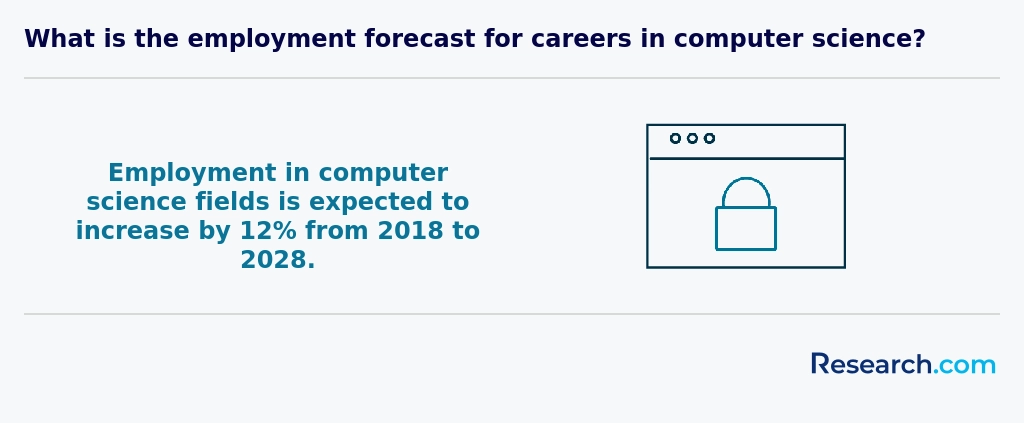
Customizing an online computer science degree in Virginia allows students to align their education with specific career goals. Many Virginia universities offer electives and concentrations such as cybersecurity, software engineering, or data science. This flexibility helps students gain targeted skills relevant to high-demand fields. According to the Virginia Economic Development Partnership, careers in technology are growing rapidly in the state, with a 12% increase in computer and information technology jobs from 2018 to 2028.
Students may also choose capstone projects or internships that complement their interests, providing practical experience. Additionally, some programs offer accelerated tracks or dual degrees to deepen expertise or broaden knowledge areas.
Online computer science students in Virginia commonly face challenges related to balancing rigorous coursework with personal and professional responsibilities. Many learners juggle full-time jobs, which can limit time available for in-depth study and project completion. Virginia's humid climate sometimes impacts internet reliability in rural areas, complicating access to stable connections necessary for virtual labs and real-time collaboration.
Another frequent difficulty is the lack of hands-on experience; online programs may struggle to fully replicate in-person lab environments that are vital in computer science education. According to data from the Virginia Community College System, around 40% of online STEM students report challenges accessing adequate technical resources.
Additionally, students often cite limited networking opportunities compared to on-campus peers, which may affect internship and job placements in Virginia's competitive tech market. Support services such as tutoring and advising are improving, but accessibility remains uneven across institutions.
With an online computer science degree in Virginia, graduates can pursue various professional certifications to boost their careers. Popular certifications include the Certified Information Systems Security Professional (CISSP), which is critical for cybersecurity roles, and the Certified Software Development Professional (CSDP) by the IEEE Computer Society.
Another valuable certification is the CompTIA Security+, recognized widely in IT and government sectors, which are prominent employers in Virginia's tech industry. Additionally, Amazon Web Services (AWS) Certified Solutions Architect is beneficial for cloud computing jobs, a growing field in Virginia's technology hubs. These certifications improve job prospects and salary potential.
To write a winning application for an online computer science program in Virginia, start with a clear and tailored personal statement. Highlight your passion for technology and any relevant experience or coursework. Many Virginia programs, such as those at George Mason University or Old Dominion University, value applicants who demonstrate both technical skills and motivation.
Strong letters of recommendation from academic or professional contacts can enhance your application. Additionally, meet or exceed the required GPA, often around 3.0, and submit standardized test scores if required. According to the Virginia Department of Education, emphasizing practical skills and problem-solving abilities helps candidates stand out.
Finally, ensure all documents are complete and submitted before deadlines, as timely applications reflect professionalism.
The global perspective on a computer science career highlights strong demand and significant opportunities for graduates. In the US, including Virginia, the Bureau of Labor Statistics expects a 15% growth in computer and information technology occupations from 2021 to 2031, much faster than the average for all jobs.
Virginia benefits from a growing tech sector with companies like Amazon and Microsoft establishing large campuses, increasing demand for computer science skills. This growth reflects global trends where technology drives innovation in industries such as finance, healthcare, and manufacturing.
Worldwide, computer science professionals are essential for developing solutions that impact daily life and business operations, making this degree valuable far beyond local markets.
Gaining practical experience while studying an online computer science degree in Virginia is achievable through several approaches. Many Virginia universities encourage internships with tech companies in the Richmond and Northern Virginia tech corridors, where over 200,000 IT jobs exist, according to the Virginia Employment Commission.
Students can also participate in virtual labs, coding bootcamps, and project-based coursework designed by institutions such as Virginia Tech and George Mason University. These opportunities simulate real-world scenarios and enhance hands-on skills without location constraints.
Furthermore, joining Virginia-focused tech clubs or online hackathons provides collaborative experience and networking essential for career growth in computer science.
Choosing the right concentration within an online computer science degree program in Virginia starts with understanding your career goals. Virginia's tech sector, including hubs like Northern Virginia and Richmond, demands skills in areas such as cybersecurity, software development, and data science. According to the Bureau of Labor Statistics, computer and IT occupations in Virginia are projected to grow by 15% from 2022 to 2032.
Look for programs that offer concentrations aligned with industry needs. Consider cybersecurity if you want to protect digital assets, or data science for roles involving big data analysis. Online programs at Virginia universities often provide flexibility to explore specialties that match the state's job market trends. Research faculty expertise and how programs integrate practical experience to optimize your learning and employability.
- 2027 Easiest Online Computer Science Degree Programs Ranking in New Jersey
- 2027 Easiest Online Computer Science Degree Programs Ranking in New York
- 2027 Easiest Online Computer Science Degree Programs Ranking in Florida
- 2027 Easiest Online Computer Science Degree Programs Ranking in Illinois
- 2027 Easiest Online Computer Science Degree Programs Ranking in South Dakota
- 2027 Easiest Online Computer Science Degree Programs Ranking in Arizona
See What Experts Have To Say About Studying Computer Science
Read our interview with Computer Science experts

Martin Kang
Computer Science Expert
Assistant Professor
Loyola Marymount University

Elan Barenholtz
Computer Science Expert
Associate Professor
Florida Atlantic University

Imed Bouchrika, Phd
Computer Science Expert
Professor of Computer Science
National Higher School of Artificial Intelligence

Kathleen M. Carley
Computer Science Expert
Professor of Computer Science
Carnegie Mellon University

- Computer Science students create live network in simulated scenario https://www.stmartin.edu/news-and-stories/stories/computer-science-students-create-live-network-simulated-scenario
- Study Computer Science Abroad | Go Overseas https://www.gooverseas.com/study-abroad/computer-science
- How to Gain Real-World Experience While Studying Online | American National University https://an.edu/how-to-gain-real-world-experience-while-studying-online/
- Master of Science (M.S.) Major in Computer Science (Thesis Option) https://mycatalog.txstate.edu/graduate/science-engineering/computer/computerscience-thesis-nominor-ms/
- How AI Is Transforming Computer Science Careers | Role of AI https://www.gisma.com/blog/how-ai-is-transforming-computer-science-careers
- Online Degree vs. Traditional: Choosing the Right Path https://beal.edu/online-degree-vs-traditional/
- How to choose a bachelor's in computer science | edX https://www.edx.org/resources/how-to-choose-a-bachelors-in-computer-science
- Bachelor of Science in Computer Science | Online Computer Science Degree Program | University of Phoenix https://www.phoenix.edu/online-information-technology-degrees/computer-science-bachelors-degree.html
- Explore a Degree in Computer Science in Virginia | ComputerScience.org https://www.computerscience.org/online-degrees/virginia/
- Ada Computer Science https://adacomputerscience.org/student_challenges


