2027 Easiest Online Master's in Computer Science Degree Programs Ranking in the South

Co-Founder and Chief Data Scientist
Are you considering advancing your career with a master's degree in computer science but want a program that fits your busy lifestyle? This article introduces the 2027 Easiest Online Master's in Computer Science Degree Programs Ranking in the South, created by the Research.com team of data scientists to guide you toward the best options available.
Our ranking helps you make an informed choice by highlighting programs that balance quality with flexibility. Pursuing a computer science degree opens doors to exciting opportunities, and this guide supports your journey every step of the way.
Key benefits of getting online computer science degree in the South
- Computer science graduates in the South can earn competitive salaries, with roles like Software Architect averaging $138,110 annually and Research Scientists reaching $157,160 per year, boosting financial stability after graduation.
- Career paths are diverse, ranging from Machine Learning Engineer to IT Manager, offering flexibility and growth opportunities tailored to your skills and interests in a fast-growing tech market.
- Online degrees provide the convenience of studying from home while maintaining quality education, allowing graduates to balance work, family, and school, as demonstrated by many successful alumni from Southern universities.
- Key benefits of getting online computer science degree in the South
- What can I expect from online computer science degree in the South?
- Where can I work with online computer science degree in the South?
- How much can I make with online computer science degree in the South?
- 2027 Easiest Online Master's in Computer Science Degree Programs Ranking in the South
- Key Findings
- How long does it take to complete online computer science degree in the South?
- Accreditation and Certification: Ensuring Quality and Recognition
- What's the difference between online and on-campus computer science degree?
- What is the average cost of online computer science degree in the South?
- Capstone Projects and Practical Learning Opportunities
- What financial aid is available to online computer science degree students in the South?
- What are the prerequisites for enrolling in online computer science degree program in the South?
- Student Experience & Learning Environment
- What courses are typically in online computer science degree programs in the South?
- What types of specializations are available in online computer science degree programs in the South?
- How do you choose the best online computer science degree in the South?
- What career paths are available for online computer science degree students in the South?
- What is the job market for online computer science degree in the South?
- Top Trending Computer Science Rankings
- See What Experts Have To Say About Studying Computer Science
What can I expect from online computer science degree in the South?
The average cost of an online computer science degree in the South is generally more affordable than in other regions. Graduates from well-known Southern universities like the University of Texas at Austin or Georgia Tech often highlight how in-state tuition provides significant savings, sometimes 15-20% lower than the national average. For many, this means being able to balance education expenses while still working or managing family commitments.
Students appreciate that Southern public universities maintain competitive pricing without sacrificing quality, thanks to regional accreditation by bodies such as SACSCOC. This ensures the degree holds value and credits transfer smoothly if needed. One graduate shared how choosing an online program at a Florida university allowed them to save on relocation and housing costs, making their degree attainable without financial strain.
Budgeting for tuition is easier when you consider these savings, alongside factors like technology fees or course materials. Planning early and confirming residency requirements for in-state rates at schools in cities like Dallas or Raleigh can optimize your overall costs while gaining a rigorous education.
Where can I work with online computer science degree in the South?
Graduates with an online computer science degree in the South can find robust opportunities in tech hubs like Atlanta, Raleigh, and Austin, where software development and IT management roles are abundant. Many alumni from universities such as the University of North Carolina and Georgia Tech report landing jobs in these cities' growing tech sectors, working on projects ranging from app development to systems analysis.
Healthcare companies in Texas and Florida also actively seek computer science graduates to manage electronic health records and cybersecurity, making these states practical targets for job seekers. For instance, graduates have secured roles in hospital IT departments, contributing to vital digital healthcare solutions.
Government roles offer positions in cybersecurity and infrastructure management, often advertised by agencies like the Texas Department of Information Resources. Graduates from Southern universities find these roles rewarding and stable.
In finance, cities like Charlotte provide paths in data analysis and system security; graduates from nearby universities commonly step into banking tech jobs. Startups in Nashville and Charlotte add diversity, offering dynamic environments for AI and cloud computing careers, bolstered by strong university collaborations.
How much can I make with online computer science degree in the South?
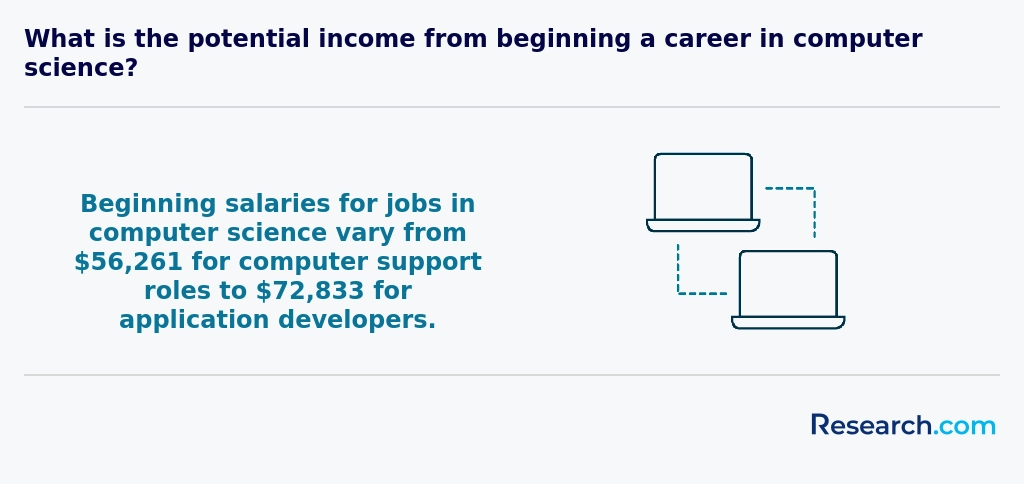
Graduates with an online computer science degree from popular Southern schools like the University of Texas or Georgia Tech often see starting salaries around $60,000 to $75,000, aligning with entry-level software developer roles in growing Southern tech hubs like Atlanta and Dallas. One graduate shared how landing a junior programming job with a $70,000 salary made remote work from a smaller Southern city financially viable and rewarding.
As experience grows, mid-level roles such as software engineers or systems analysts typically earn between $90,000 and $110,000 annually in the region. For example, graduates who earned advanced certificates or specialized in data science reported moving into roles with salaries near $119,000, comparable to the national mean wage for machine learning engineers or data science managers.
Senior-level positions including software architects and IT managers in Southern tech centers like Austin often command salaries above $130,000 and $180,000 respectively. Many find that gaining a master's degree or certifications in cybersecurity drastically increases these figures, especially in metropolitan areas bursting with opportunities.
2027 Easiest Online Master's in Computer Science Degree Programs Ranking in the South
How do we rank schools?
Investing in your education is a significant decision that can greatly impact your future, and the Research.com team recognizes the importance of making well-informed choices. To support prospective students in the South, we have carefully developed the "2027 Easiest Online Master's in Computer Science Degree Programs Ranking in the South." Our dedication to quality, credibility, and accuracy is evident in the thorough research and analysis carried out to create this ranking.
We utilized the following reputable data sources to ensure a comprehensive evaluation of computer science programs:
By exploring this ranking, readers will gain valuable insights into accessible and high-quality online master's programs in computer science across the South, enabling them to choose programs that best fit their needs and goals. For more information on how this ranking was created, please visit our Research.com methodology page.
# 1 position
University of Maryland Global Campus
Master of Cloud Computing Systems


# 8 position
University of Management and Technology
Master of Computer Science


Key Findings
- Tuition for online computer science degrees in the South ranges from $15,000 to $30,000, varying by institution and program length.
- Entry-level salaries for graduates in Southern states like Texas, Georgia, and North Carolina are between $60,000 and $70,000 annually.
- Mid-career salaries for experienced professionals with online degrees typically range from $90,000 to over $110,000.
- Many Southern universities offer fully accredited online computer science degrees, often with ABET accreditation.
- Programs frequently include local industry partnerships and networking opportunities targeting the Southern job market.
- Major tech companies investing in the South support strong demand for skilled computer science graduates.
How long does it take to complete online computer science degree in the South?
Completing an online computer science degree in the South usually takes about four years for full-time bachelor's students, but many find flexibility in part-time options that extend up to six years. For instance, graduates from Georgia Tech's online program share how balancing work and studies stretched their timeline but kept their progress steady and manageable. If you have past credits from community colleges, like many students entering the University of Florida's program, transferring these can shave months or even a year off your total time.
Master's students often finish in two years of full-time study. However, some Southern schools offer accelerated options that allow ambitious learners to graduate in as little as 12 to 18 months. One graduate from a Florida-based institution appreciated how this flexibility helped them juggle family and a full-time job.
Year-round enrollment and summer courses play a big role in shortening duration. Self-paced modules also give Southern students the chance to move ahead faster when life and motivation align. Understanding these options at your chosen school can turn the degree timeline from a strict countdown into a personalized journey.
Accreditation and Certification: Ensuring Quality and Recognition
Regional and programmatic accreditation serves as a key indicator of academic rigor and industry relevance for online Computer Science master’s programs in the South. When evaluating a program, confirm that the institution holds regional accreditation from bodies like the Southern Association of Colleges and Schools Commission on Colleges (SACSCOC) and that the Computer Science curriculum is recognized by ABET or a comparable accreditor. Accreditation not only guarantees that credits will transfer smoothly but also reassures employers that graduates have met nationally accepted standards in software engineering, data analysis, and systems design. Beyond institutional accreditation, many online master’s programs encourage or embed professional certification pathways to bolster career readiness. Certifications such as AWS Certified Solutions Architect, CompTIA Security+, and Certified Information Systems Security Professional (CISSP) complement academic coursework by validating hands-on skills in cloud computing, network security, and risk management. Prospective students should review program partnerships with industry leaders and examine whether courses integrate certification exam preparation, ensuring a seamless transition from classroom theory to real-world application. Cost considerations often influence the choice of accredited programs. To explore how affordability aligns with accreditation, students can compare tuition rates across regions and benchmarks by consulting our Most Affordable Computer Science Degree Programs Ranking in Ohio. This comparison helps determine which accredited programs offer the best balance of quality, recognition, and value-key factors for maximizing return on investment in an online Computer Science education.
What's the difference between online and on-campus computer science degree?
Choosing between online and on-campus computer science degrees in the South comes down to balancing flexibility, cost, and learning style. Online programs at universities like the University of Florida or Georgia Tech offer the ability to study asynchronously, ideal for working professionals juggling jobs or family. Graduates often appreciate how they can watch recorded lectures on their own time, though they note that this requires strong self-discipline to avoid falling behind.
On-campus students at schools such as North Carolina State University benefit from direct access to computer labs and face-to-face interactions with professors. Graduates say this hands-on approach and immediate feedback helped them master complex coding challenges and build strong tech networks in Southern cities like Raleigh or Atlanta.
Cost also plays a role: in-state online options can reduce expenses by eliminating housing and commuting costs, making a degree more affordable for Southern residents. However, some online tuition costs may match traditional rates, so comparing total expenses is essential.
- Many online students succeed through proactive communication with advisors and using virtual career services to find internships.
- On-campus learners gain from spontaneous study groups and local industry connections common in the South's tech hubs.
What is the average cost of online computer science degree in the South?
The average total cost of earning an online computer science degree in the South typically centers around $23,322, with in-state students often paying closer to $18,504 and out-of-state students around $23,724. These figures give you a clear financial framework to plan your education budget effectively. Graduates from Southern schools frequently highlight how affordable tuition, combined with flexible schedules, made pursuing an online degree manageable alongside work and family commitments.
Public universities remain the most economical choice, especially for in-state students. For example, a student completing an online program at a well-regarded Southern public university can expect costs below national averages without sacrificing quality. This affordability is a major factor for many who prioritize balancing cost and convenience. When budgeting, it's wise to factor in any additional fees or per-credit charges, which commonly range from $400 to $900 per credit hour for computer science courses. Since a master's degree usually requires 30 to 36 credits, this can significantly affect your final expenses.
Some Southern graduates have found their degrees particularly rewarding because they combined affordability with robust educational resources at top-tier institutions. Notably, schools such as Georgia Tech offer online programs costing roughly $10,000 to $15,000 in total tuition, appealing to students seeking an affordable online master's in computer science Southern US options. For those researching the best pathways, exploring the best online computer science degree in virginia can provide insights into program quality and financial considerations.

Capstone Projects and Practical Learning Opportunities
A hallmark of the best online Master’s in Computer Science programs in the South is their structured capstone courses and industry-aligned projects that bridge theory with real-world application. These programs typically culminate in a 6–12 credit capstone sequence where students collaborate on multidisciplinary teams to solve complex problems-ranging from designing scalable cloud architectures to developing AI-driven analytics tools. By partnering with regional tech firms, universities like Georgia Tech and the University of Florida give learners access to authentic datasets, mentorship from experienced engineers, and opportunities to contribute to open-source repositories. Beyond capstones, many programs embed shorter “practicum” modules throughout the curriculum, such as: • Hackathon-style sprints where teams prototype mobile apps under time constraints. • Virtual labs simulating network security breaches and defense strategies. • Research rotations with faculty-led labs in areas like computer vision and natural language processing. These hands-on experiences sharpen critical soft skills-effective communication, agile project management, and collaborative problem-solving-that employers in Southern tech hubs like Austin and Atlanta value highly. Moreover, students often build portfolio-worthy deliverables that set them apart in the job market. For those aiming to broaden their data-driven toolkit, it’s worth exploring our curated list of masters in data science cheapest online programs, which can complement your capstone expertise and position you for hybrid roles at the intersection of CS and data science.
What financial aid is available to online computer science degree students in the South?
When pursuing an online computer science degree in the South, start by completing the FAFSA to unlock federal grants, loans, and work-study options. Graduates from popular schools like the University of Florida and Georgia Tech often highlight how the Pell Grant, offering up to $7,395 annually, helped reduce costs without adding debt.
Next, explore state-specific aid. For instance, Texas residents enrolled online can benefit from state grants and tuition discounts, which several recent graduates found invaluable for easing financial pressure while studying. Checking with your state's higher education office is key to uncovering these opportunities.
Many Southern universities tailor scholarships for online learners based on merit or professional experience. Graduates from institutions such as University of North Carolina report receiving employer partnerships that offer tuition reimbursement, making advanced study more affordable. Private scholarships from organizations like the Computing Research Association can also provide targeted support.
Finally, consider federal student loans with flexible repayment plans, but borrow carefully to avoid future stress. Real students note that understanding total program costs, including fees and materials, ensures no surprises and smoother budgeting throughout their degree.
What are the prerequisites for enrolling in online computer science degree program in the South?
To enroll in an online computer science degree program in the South, you'll first need a bachelor's degree from a regionally accredited college, often preferred to be in computer science or a related field like engineering or IT. For example, many graduates from programs at the University of Florida or Texas A&M found that having a background in programming or discrete math was crucial. If your degree is outside these areas, consider taking prerequisite courses-many schools offer online classes to bridge knowledge gaps.
Standardized tests like the GRE may not always be required, but competitive quantitative scores can boost your application for programs at places like Georgia Tech.
Universities in the South often set minimum GPA requirements around 3.0, yet some graduates have successfully enrolled with slightly lower GPAs by showcasing strong professional experience in tech roles. Reliable internet and basic digital skills are a must since all coursework and collaboration happen online, which many working professionals at Clemson University have found both manageable and rewarding.
Student Experience & Learning Environment
In today's digital age, a quality online learning environment is paramount for achieving academic success and professional growth. Many prospective students wonder not only about the curriculum but also about how engaging and supportive the digital classroom can be. A well-designed online platform should offer interactive tools such as virtual labs, discussion boards, and real-time support from professors and peers. These features help mimic the collaborative experience of a traditional classroom while offering the flexibility of digital learning. Moreover, a strong sense of community can be fostered through mentorship programs and networking events, where students share their experiences and career success stories. For example, graduates have highlighted how the robust online support and engaging content prepared them for challenges in the tech industry and opened doors to exciting opportunities. Additionally, institutions often showcase their commitment to student success by featuring dedicated career services, including resume workshops, interview preparation, and access to extensive alumni networks. These networks not only provide lasting professional connections but also frequently partner with industry leaders, offering insights into emerging trends and job opportunities. If you're looking for programs that combine excellent digital learning environments with proven career outcomes, consider exploring the best online computer science degree in virginia; it exemplifies the integration of innovative curriculum, interactive learning tools, and career-focused services that can give you a competitive edge in the evolving tech industry.
What courses are typically in online computer science degree programs in the South?
Online computer science degrees in the South typically start with core courses that build a solid foundation. Graduates from universities like the University of Florida or Georgia Tech often describe beginning with programming classes in Python, Java, or C++. These classes are designed with hands-on coding exercises, making abstract concepts tangible, much like debugging your first real software project.
Next, students focus on data structures and algorithms-key skills for any developer. Many Southern programs emphasize practical problem-solving, helping learners tackle challenges similar to optimizing an app's performance or managing data efficiently, essential skills that graduates use in their tech careers.
Advanced courses include areas such as artificial intelligence, cybersecurity, and cloud computing, reflecting industry trends. For example, North Carolina State alumni recall building projects that simulate real-world networks or security systems, giving them confidence in fast-growing tech sectors.
These programs combine theory with practical applications, equipping Southern students to enter the workforce ready and excited to contribute.
What types of specializations are available in online computer science degree programs in the South?
Online computer science specializations in the South typically include cybersecurity, data science, software engineering, artificial intelligence (AI), and network administration. Graduates from popular Southern universities describe cybersecurity as a highly practical focus, especially in cities like Atlanta where businesses prioritize digital protection. These students often feel confident knowing their skills meet the region's growing demand for IT security experts.
Another favored concentration is data science, loved for its hands-on nature with big data applications. Graduates working in Southern healthcare and finance industries frequently highlight how their training directly improves decision-making processes. Students pursuing these tracks appreciate programs offering project work tied to local companies, making their learning experience highly relevant.
When choosing software engineering or AI specializations, students enjoy developing real-world coding abilities and exploring cutting-edge technologies. Many comment on the excitement of contributing to innovations such as autonomous systems, which are gaining traction nationwide in tech hubs across the South. For those interested in system upkeep, network administration combined with cloud computing offers a reliable career path that feels aligned with business needs.
For those leaning toward data science but mindful about cost, it's worth exploring a masters in data science cheapest online programs, which several Southern colleges offer. With tuition averaging between $300 and $600 per credit hour locally, these options make advanced specialization accessible and appealing.
How do you choose the best online computer science degree in the South?
Start by confirming your program's accreditation, especially from recognized bodies like SACSCOC, to ensure your online degree holds value in the South's job market. Graduates from universities such as Georgia Tech often emphasize how this recognition helped them transfer credits smoothly and gain employer trust.
Next, examine the curriculum closely. Look for courses covering core areas like algorithms and data structures, along with electives in trending fields such as artificial intelligence or cybersecurity. Schools like the University of Florida tailor their content to meet industry needs, which many graduates find rewarding when entering the workforce.
Budgeting is crucial for an affordable online computer science master's degree Southern US residents seek. Tuition typically ranges between $15,000 and $30,000 annually. Some students have successfully reduced costs by utilizing financial aid and scholarships, which can make a huge difference in overall expenses.
Flexibility matters, especially for working professionals or parents. Colleges like Mississippi State offer asynchronous classes allowing students to juggle work and study comfortably. This adaptability can transform a daunting schedule into an achievable plan.
Career support cannot be overlooked. Virtual job fairs and strong alumni networks in Southern tech hubs greatly assist graduates. If you want to explore cost-effective options, check out the Most Affordable Computer Science Degree Programs Ranking in Ohio for comparative insights.
What career paths are available for online computer science degree students in the South?
Graduates earning an online computer science degree in the South find clear pathways into high-demand roles such as software developers, cybersecurity analysts, and data scientists. For example, those who studied at well-known Southern institutions often share how their practical projects and remote internships prepared them for software development jobs in tech hubs like Austin and Atlanta, where annual salaries range from $85,000 to $110,000. This highlights why online computer science careers in the South offer both opportunity and competitive pay.
Another promising path includes cybersecurity, especially with increased demand in Texas and Georgia. Graduates focusing on security report landing ethical hacker and compliance officer roles due to regional investments in cybersecurity workforce training. Meanwhile, data science careers flourish as companies seek data engineers and machine learning specialists to support smarter business decisions, a trend seen among alumni of Southern universities who appreciate the region's growing data sectors.
Additionally, many graduates pursue systems and network administration or roles in cloud computing and IT project management, which align with the expanding tech infrastructure in the South. For students still considering options, exploring college majors that are worth it can offer guidance on strengthening career readiness in these fields.
What is the job market for online computer science degree in the South?
The job market for online computer science degree graduates in the South is strong and expanding, especially in tech hubs like Atlanta, Austin, and Raleigh. Graduates from well-known regional universities often find roles in software development, cybersecurity, and data analytics, where salaries frequently range between $85,000 and $110,000 annually. These opportunities reflect the broader computer science employment outlook Southern states continue to offer due to growing demand across industries.
Many graduates share positive experiences of landing remote-friendly roles, allowing them to work for national companies while staying in the South. Regional universities frequently collaborate with local employers, providing internships and career services that boost employment chances. Enrolling in an online program at a Southern institution can reduce expenses while keeping job prospects high.
To maximize success, it's practical to build specialized skills in areas like machine learning and cloud computing, which are highly sought-after by Southern tech employers. Prospects interested in flexible admission options may also explore online open admission colleges, making online computer science job opportunities in the South accessible for a wider range of students.
Frequently Asked Questions About computer science
Online computer science degree students in the South can maximize their learning by actively engaging with their course materials and peers. Utilizing interactive platforms and participating in discussion forums enhances understanding and retention. According to the Southern Regional Education Board, over 65% of Southern universities offer robust online support services, such as tutoring and career counseling, which students should take full advantage of. Additionally, students should seek internships and cooperative education opportunities within Southern tech hubs like Austin and Atlanta to gain practical experience. Staying current with industry trends through local meetups and virtual conferences also strengthens skills and networks essential for career growth.
The field of computer science is rapidly evolving, with several emerging niches attracting attention in the South's growing tech landscape. Areas such as artificial intelligence (AI) and machine learning are expanding, supported by Southern universities investing in research and online degree programs.
Cybersecurity remains a high-demand niche, driven by increasing cyber threats. The Southern states, including Texas and Florida, report strong growth in cybersecurity job openings, according to the U.S. Bureau of Labor Statistics. Data science is another fast-growing specialization, emphasizing skills in big data analytics and cloud computing.
Additionally, emerging fields like blockchain technology and quantum computing are gaining traction through dedicated research initiatives at Southern institutions, preparing students for future innovation and job markets.
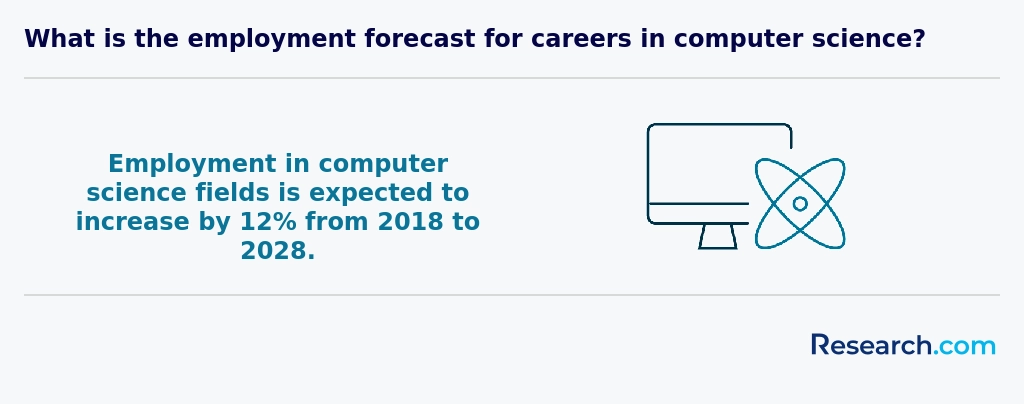
Preparing for the job market after earning an online computer science degree in the South involves a strategic approach. First, gaining practical experience through internships or co-op programs with regional tech companies can improve employment chances. According to the U.S. Bureau of Labor Statistics, tech jobs in Southern states like Texas and Georgia are projected to grow by over 15% through 2030.
Networking is crucial; joining local chapters of national organizations such as the Association for Computing Machinery (ACM) offers valuable connections. Certification in popular technologies like AWS or cybersecurity also boosts marketability. Finally, tailoring resumes to highlight relevant skills and completing portfolio projects can set candidates apart in a competitive Southern job market.
Employers in the Southern United States prioritize a combination of technical and soft skills for computer science graduates. Key technical skills include proficiency in programming languages such as Python, Java, and C++, according to the National Association of Colleges and Employers (NACE). Knowledge of data structures, algorithms, and cybersecurity fundamentals is also critical. Additionally, experience with cloud computing platforms like AWS and Azure is increasingly valued due to regional growth in tech industries.
Beyond technical knowledge, communication and teamwork skills rank highly. A 2023 survey by the Southern Regional Education Board found that 78% of employers seek graduates who can collaborate effectively on projects. Problem-solving abilities and adaptability remain essential in the rapidly evolving Southern tech job market.
Finding internships in the South for computer science students involves leveraging multiple resources. Universities often have dedicated career services that connect students with regional tech companies. For example, states like Texas and Georgia boast rapidly growing tech industries, offering many internship opportunities.
Students should explore job platforms such as Handshake and LinkedIn, which frequently list local internships. In 2023, the Southern US saw over 15,000 tech internships listed, particularly in hubs like Atlanta, Austin, and Raleigh-Durham, according to the National Association of Colleges and Employers (NACE).
Networking is also essential. Attending virtual tech meetups and joining student chapters of organizations like ACM can help students gain inside knowledge about available positions.
Online computer science degrees in the South significantly enhance career mobility and advancement opportunities. According to the National Center for Education Statistics, Southern states like Texas, Florida, and Georgia are experiencing rapid growth in tech jobs, increasing demand for skilled professionals. Earning a degree online allows students to gain essential skills while maintaining flexibility, which is especially valuable for working adults seeking promotions or career changes.
Employers increasingly recognize accredited online programs from reputable Southern universities. Graduates often report a median salary increase of 15% to 25% after completing their degrees, reflecting better job prospects. Furthermore, online degrees offer access to regional tech networks and internships, vital for long-term career growth.
Studying for a computer science degree online in the South offers unique opportunities to develop skills suited for interdisciplinary roles. Many Southern universities integrate computer science with fields such as healthcare, engineering, and business, reflecting regional industry needs. For example, programs often include courses in data analytics, cybersecurity, and artificial intelligence that complement other disciplines.
According to the Southern Regional Education Board, institutions in the South emphasize practical collaboration, preparing students to work on teams across varied sectors. This approach aligns with the growing demand for tech professionals in healthcare and manufacturing industries, as noted by the U.S. Bureau of Labor Statistics. Such a foundation equips graduates to bridge technology and domain-specific knowledge effectively.
When choosing between a thesis and non-thesis computer science degree program in the South, consider your career goals first. Thesis programs emphasize research and often require students to produce original work, which can be ideal for those aiming for doctoral studies or research roles. Non-thesis options typically focus on coursework and practical skills, suitable for immediate industry employment.
According to the Southern Regional Education Board, many Southern universities offer both paths, but thesis programs may demand more time, averaging two years versus 1.5 years for non-thesis. Financial aid and assistantship opportunities often favor thesis students.
Evaluate your readiness for research and your long-term plans when deciding between the two.
Students based in the South seeking to study computer science abroad while enrolled in online programs have a few practical avenues. Many Southern universities offer partnerships with international institutions, allowing students to take part in exchange programs or complete some coursework overseas. However, fully online degrees remain primarily domestic due to accreditation and visa regulations.
Several Southern schools, such as Georgia Tech and University of Florida, rank highly for computer science and provide robust online curricula accessible nationwide. According to NCES 2023 data, about 15% of Southern computer science students participate in study abroad experiences, though mostly through short-term programs rather than entire degrees abroad.
Students interested in combining international exposure with online degrees should explore consortia like the Southern Regional Education Board that facilitate cross-border collaborations. Overall, opportunities exist but are more limited compared to traditional on-campus study abroad options.
Part-time job opportunities in the South that complement computer science degree education include roles in IT support, software development, and data analysis. According to the U.S. Bureau of Labor Statistics, tech jobs in Southern states like Texas, Georgia, and North Carolina are growing faster than the national average, with software developer positions expected to increase by 22% through 2030. Many companies offer remote or flexible part-time roles, which fit well with online study schedules. Internships or freelance coding projects also help build practical skills. These positions provide hands-on experience, reinforcing concepts learned in coursework while expanding professional networks within the Southern tech industry.
Online computer science students in the South benefit from diverse networking opportunities despite remote learning. Regional tech hubs like Atlanta, Austin, and Raleigh foster vibrant professional communities that welcome virtual engagement. Many Southern universities hosting online programs offer access to alumni networks, virtual career fairs, and industry partnerships.
The Southern Regional Education Board highlights that collaborative platforms such as LinkedIn groups and online coding clubs are commonly promoted to connect students with peers and employers. Additionally, state chapters of national organizations like the Association for Computing Machinery (ACM) provide online events tailored for Southern members.
Students can also access internship pipelines and mentorship programs through university career centers, which maintain strong links with local firms in a region whose technology sector grew 6.1% annually as reported by the U.S. Bureau of Labor Statistics in 2023.
Alumni networks offer valuable benefits to online computer science degree students in the South by providing access to professional connections and mentorship opportunities. According to the Southern Regional Education Board, graduates leveraging alumni networks are 40% more likely to secure internships and job placements in regional tech hubs like Atlanta and Austin.
These networks often host virtual and in-person events, allowing remote students to connect with peers and industry leaders. Members typically share job leads, advice, and insights tailored to the growing tech market in southern states.
Moreover, alumni networks help students stay informed about emerging technology trends, increasing their competitiveness in a rapidly evolving field. Strong alumni ties facilitate smoother transitions to tech careers and ongoing professional development.
Many online computer science degree programs in the South offer flexible curricula that allow students to tailor their studies according to career goals. Common options include selecting electives in areas like cybersecurity, artificial intelligence, or software development. Universities such as Georgia Tech and the University of North Carolina provide customizable tracks that align with industry demands.
Students can often choose between research-oriented or application-based projects, enhancing either theoretical knowledge or practical skills. According to the Southern Regional Education Board, about 40% of Southern institutions incorporate internship or capstone project options, helping students gain relevant experience.
Advising services also play a critical role in guiding course selections that fit professional aspirations.
Online computer science students in the South often face challenges related to internet access and technology. According to the Federal Communications Commission, about 22% of rural Southern households lack broadband, which can disrupt access to online classes and resources. This digital divide creates difficulties in completing assignments or participating in live discussions.
Time management is another common issue. Many students balance work, family, and study, making it hard to stay on schedule. Additionally, online programs may lack local networking opportunities, which are vital for career growth in computer science.
Finally, some students report limited access to tutoring or hands-on labs, which can affect learning outcomes. Awareness of these challenges helps prospective students prepare accordingly.
With an online computer science degree from the South, students can pursue various professional certifications that enhance career prospects. Popular credentials include the Certified Information Systems Security Professional (CISSP), supported by the International Information System Security Certification Consortium, ideal for cybersecurity roles. Another well-known option is the Project Management Professional (PMP), which benefits those managing tech projects.
For software development, certifications like the Certified Software Development Professional (CSDP) are valuable. Additionally, cloud computing certifications such as the AWS Certified Solutions Architect are increasingly in demand in Southern technology markets, which according to the U.S. Bureau of Labor Statistics, grew by 8% in 2023.
These certifications often require a computer science degree or equivalent experience and can significantly boost earning potential and job competitiveness in the region.
Applying to an online computer science program in the South requires a clear and focused approach. Start by researching programs accredited by recognized bodies like ABET, ensuring quality education and better job prospects. Highlight relevant experience, including work in tech or programming, as Southern universities value practical skills.
Craft a personal statement that connects your goals with the program's strengths. Emphasize how the degree aligns with local industry demands, especially in growing tech hubs such as Atlanta or Austin. According to NCES data, computer science enrollments in Southern online programs have grown by over 12% in recent years.
Strong letters of recommendation and a solid GPA can boost your application's competitiveness. Also, prepare for any prerequisite tests or coding challenges the schools may require.
Computer science is recognized worldwide as a dynamic and fast-growing career field. In the U.S., especially in the South, demand for skilled computer science professionals remains strong, with the Bureau of Labor Statistics projecting a 21% growth for software developers by 2031, well above the average for all occupations. Globally, technological advancements drive this demand, and U.S. degrees are highly respected for their rigorous curriculum and industry connections.
Online computer science degrees from Southern universities provide flexible access to education while maintaining accreditation and quality standards. Graduates often find opportunities not only in regional tech hubs like Atlanta and Austin but also globally, due to the universal applicability of computer science skills.
Expert sources such as the Computing Research Association emphasize that U.S. computer science programs continue to lead in research and innovation, encouraging students toward cutting-edge fields like AI, cybersecurity, and data science.
Gaining practical experience while studying for an online computer science degree in the South is essential to enhance job readiness. Many universities encourage students to participate in internships with regional tech companies, which can be found through platforms like Handshake or the Career Services offices of Southern institutions.
Additionally, students can engage in virtual labs and project-based courses, often included in accredited programs, helping build hands-on skills. According to the Bureau of Labor Statistics, tech jobs in Southern metropolitan areas like Atlanta and Raleigh are growing faster than the national average, increasing internship opportunities.
Joining local tech meetups or online coding communities specific to Southern states can also provide practical challenges and networking benefits. Many Southern schools partner with industry leaders to offer cooperative education (co-op) programs available to remote learners. This combination of internships, projects, and networking enables students to gain real-world experience effectively while completing their degrees online.
Choosing the right concentration within an online computer science degree in the South requires understanding local industry demands and personal career goals. Popular concentrations include cybersecurity, data science, and software engineering, reflecting regional job market trends. According to the U.S. Bureau of Labor Statistics, cybersecurity jobs in Southern states like Texas and Georgia are growing faster than the national average. Researching the university's partnerships with local employers can also indicate which concentrations offer better internship or job placement opportunities. Additionally, consider faculty expertise and available resources within each concentration to ensure strong academic support during your studies.
Top Trending Computer Science Rankings
See What Experts Have To Say About Studying Computer Science
Read our interview with Computer Science experts

Imed Bouchrika, Phd
Computer Science Expert
Professor of Computer Science
National Higher School of Artificial Intelligence

Derek Riley
Computer Science Expert
Professor, Program Director
Milwaukee School of Engineering

Kathleen M. Carley
Computer Science Expert
Professor of Computer Science
Carnegie Mellon University

Martin Kang
Computer Science Expert
Assistant Professor
Loyola Marymount University

References
- What certifications should I get for computer science? | edX https://www.edx.org/resources/certifications-computer-science
- Master of Science (M.S.) Major in Computer Science (Thesis Option) https://mycatalog.txstate.edu/graduate/science-engineering/computer/computerscience-thesis-nominor-ms/
- Computer Science Cover Letter: How to Show You're a Top Tech Candidate https://arc.dev/talent-blog/computer-science-cover-letter/
- The Crucial Role of Networking for Computer Science Students https://dev.to/thisisaayush/the-crucial-role-of-networking-for-computer-science-students-4k2i
- Top 12 Global Careers For Computer Science Degree Graduates https://womeninstemnetwork.com/careers-for-computer-science-degree/
- Challenges That Frustrate Computer Science Teachers https://codeeasy.io/blog/challenges-that-frustrate-computer-science-teachers
- Bachelor of Science in Computer Science | Online Computer Science Degree Program | University of Phoenix https://www.phoenix.edu/online-information-technology-degrees/computer-science-bachelors-degree.html
- 8 Tips for Computer Science Graduates to Get Their First Job https://allthecode.co/blog/post/tips-for-computer-science-graduates-to-get-their-first-job
- Top Careers in Computer Science | Careers, Salaries, and Resources https://www.computerscience.org/careers/
- 5 Challenges Faced by Computer Science Students and How to Overcome Them https://informatika.almaata.ac.id/5-challenges-faced-by-computer-science-students/