2027 Most Valuable Computer Science Degree Programs Ranking in Saint Paul

Co-Founder and Chief Data Scientist
Choosing the right computer science degree program is an exciting step toward a rewarding future. For students in Saint Paul, finding a program that balances quality and value can be challenging.
This article features the 2027 Most Valuable Computer Science Degree Programs Ranking in Saint Paul, developed by the Research.com team of data scientists. It's designed to help you make an informed choice by highlighting programs that truly stand out.
Discover programs that align with your goals, opening doors to great opportunities in tech and beyond.
Key benefits of getting computer science degree in Saint Paul
- Salary for computer science degree graduates: Graduates in Saint Paul can expect lucrative salaries, with software engineers and developers earning a mean annual wage of $138,110 and web developers earning around $95,570.
- Potential career paths: Computer science graduates often work in diverse roles such as software engineering, data analysis, and IT support, offering varied and exciting opportunities in Saint Paul's growing tech industry.
- Benefits of online degrees: Earning a computer science degree online offers flexibility and convenience, allowing students to balance work and studies while gaining quality education similar to traditional programs available in Saint Paul.
- 2027 Most Valuable Computer Science Degree Programs Ranking in Saint Paul
- What can I expect from computer science degree in Saint Paul?
- Where can I work with computer science degree in Saint Paul?
What can I expect from computer science degree in Saint Paul?
The average cost of pursuing a computer science degree in Saint Paul varies depending on the institution and whether you qualify as a resident. For example, at Metropolitan State University, many local students benefit from lower in-state tuition rates, making the journey more affordable. Graduates often recall how managing tuition alongside scholarships designed specifically for STEM students eased their financial burden, allowing them to focus on honing skills rather than worrying about expenses.
Public universities in the area typically offer more budget-friendly options, which can be a relief when compared to private institutions. Many students take advantage of work-study programs or part-time internships within the vibrant Twin Cities tech scene, further offsetting costs while gaining invaluable experience. This balance of affordability and opportunity is a key reason why pursuing computer science in Saint Paul feels both achievable and inspiring for many aspiring tech professionals.
Where can I work with computer science degree in Saint Paul?
Graduates with a computer science degree in Saint Paul find themselves stepping into a vibrant job market brimming with opportunity. Many alumni from the University of St. Thomas and Hamline University share stories of landing roles in local tech startups nestled in Lowertown, where their coding skills directly contribute to innovative software projects. These environments foster creativity and hands-on problem solving, making work both exciting and fulfilling.
Beyond startups, there's strong demand in established companies like Ecolab, where graduates apply software engineering and IT expertise to global challenges in hygiene and infection prevention. Financial institutions in the Twin Cities also hire data scientists and cybersecurity analysts, offering graduates a chance to develop cutting-edge systems that protect sensitive customer data. This diversity means whether you want to shape health technologies, secure banking platforms, or build smart city solutions, Saint Paul's ecosystem supports your growth.
For those drawn to public service, local government offices and school districts provide rewarding careers managing networks and developing educational tech. These paths reflect the real-world impact you can have while growing professionally in a supportive community right here in Saint Paul.
Graduates from computer science programs at institutions like the University of St. Thomas in Saint Paul often find entry-level roles rewarding, with starting salaries typically between $65,000 and $75,000. Many begin as software developers or IT support specialists, where the average annual wage for software developers is about $138,110 and for IT support specialists around $63,640. This early stage provides a solid foundation and ample opportunity to grow in both skill and salary.
As you gain experience, perhaps specializing in fields like data analysis or advanced software engineering, your earning potential expands. Data analysts in Saint Paul earn on average $119,040 yearly, while software engineers can expect around $138,110. Mid-career professionals from Saint Paul universities often step into senior roles, with salaries ranging from $90,000 up to $140,000 or more.
Many graduates find joy and pride in contributing to Minnesota's tech-driven finance and healthcare sectors, where their expertise is valued and well-compensated. The moderate cost of living in Saint Paul makes these salaries even more rewarding, enabling graduates to live comfortably while advancing their careers.
- Computer science degrees in Saint Paul are offered at institutions like the University of St. Thomas and Metropolitan State University, with Bachelor's and Master's programs available.
- Tuition for in-state students at public universities ranges from $10,000 to $15,000 per year, while private schools charge between $30,000 and $45,000 annually.
- Financial aid options such as scholarships, grants, and work-study programs help reduce the cost of education for eligible students.
- Entry-level salaries for computer science graduates average around $65,000 per year, increasing to $100,000 or more with experience and additional skills.
- The local job market is supported by the Twin Cities metro area, offering careers in software development, data analysis, cybersecurity, and IT management.
- Internships and cooperative education programs at Saint Paul universities provide hands-on experience that enhances employment opportunities.
Completing a computer science degree in Saint Paul is an exciting journey that typically takes about four years of full-time study. Many students at local institutions like the University of Minnesota's Twin Cities campus find this timeline perfectly balanced to dive deep into programming, algorithms, and system design while growing as confident tech professionals.
Some graduates share that by taking extra courses during summer or heavier semester loads, finishing in three years is achievable-though it requires dedication and strong time management. On the other hand, part-time students balancing work and life often take five years or more, which is just as valuable because it allows for real-world experience alongside academic growth.
For those pursuing further advancement, a Master's degree usually takes two years, offering flexible schedules to fit working professionals' lives here in Saint Paul. Doctoral candidates, immersed in research and innovation, often dedicate four to six years, building expertise that truly shapes their future careers.
Remember, your pace is unique, and every step opens new doors in the thriving tech community around Saint Paul.
Choosing between an online and an on-campus computer science degree in Saint Paul really comes down to your lifestyle and learning preferences. On-campus students at local institutions like the University of Minnesota, Twin Cities enjoy the buzz of campus life-access to computer labs, real-time collaboration with classmates, and face-to-face mentoring from professors. Many graduates recall how these experiences strengthened their teamwork and problem-solving skills, vital in tech careers.
In contrast, online learners often praise the flexibility that allows them to balance work, family, and study without the daily commute. They benefit from recorded lectures and virtual labs that mimic in-person classes. Graduates who chose this route highlight how self-discipline and mastering digital communication gave them an edge in the increasingly remote tech industry.
Both pathways have their perks, but as one graduate from a Saint Paul college explained, the on-campus program's connections to local tech internships offered hands-on opportunities that online students must actively seek out. Your decision should reflect how you learn best and what environment inspires your growth.
Saint Paul’s Computer Science programs stand out for their robust research opportunities and state-of-the-art facilities, providing students with real-world experience alongside faculty experts. At the University of St. Thomas, the Schollander Research Lab supports undergraduate projects in artificial intelligence and human–computer interaction, while Hamline University’s Data Science Center offers access to high-performance computing clusters for big data analysis. Macalester College’s LENI Lab (Liberal Education Network Initiative) fosters interdisciplinary research, enabling students to collaborate on projects that intersect technology and social impact. Hands-on involvement in conferences and publications further enhances academic credentials. Many students co-author papers for regional symposiums like the Twin Cities Tech Summit, and participation in national events such as the Grace Hopper Celebration helps build professional networks. Regular hackathons hosted by local tech incubators, in partnership with campus organizations, offer intensive problem-solving experiences and often lead to startup incubations. Funding and mentorship are integral to research success. Faculty-led grant programs from institutions such as the National Science Foundation and private foundations fund student-driven innovations in cybersecurity, machine learning, and cloud computing. Dedicated research advisors guide undergraduates through proposal writing, experimental design, and ethical considerations, ensuring a comprehensive understanding of the research lifecycle. While Saint Paul offers robust research environments, prospective students should also consider affordability and program value. For comparative insights on cost-effective programs, see our Affordable Computer Science Degree Programs Ranking in Los Angeles, CA, which highlights how program expenses can impact access to research resources.
When considering the average cost of computer science degree in Saint Paul, students often find that the total investment varies based on residency and institution. For example, public universities like the University of Minnesota - Twin Cities offer in-state students a significantly lower total cost-around $25,600-compared to out-of-state students who may face fees closer to $42,532. This difference can shape the financial plan of many students embarking on their computer science journey.
Graduates from Saint Paul institutions often share how carefully planning their expenses made a huge difference, especially when balancing tuition with essential costs like textbooks, living expenses, and technology fees. Community colleges such as Saint Paul College have helped many budget-conscious students manage their total expenses for computer science degree programs Saint Paul, making it easier to start their educational path without overwhelming debt.
Many students at these schools feel inspired by the supportive learning environment and the practical opportunities to engage with cutting-edge technology. It's common to hear stories of students who leveraged financial aid and scholarships, effectively reducing their overall costs, so they could focus more time on honing their skills. To explore options and compare institutions, prospective students can review valuable computer science schools in minnesota, an excellent resource that highlights pathways tailored to your ambitions and budget.

College life goes beyond the classroom, and for Computer Science students in Saint Paul, MN, the vibrant campus community plays a crucial role in shaping a well-rounded educational experience. Engaging in student organizations, hackathons, coding clubs, and tech meetups not only helps you hone your programming skills but also builds a supportive network of peers and mentors. Many students share that these extracurricular activities nurture teamwork, spark creativity, and lead to valuable internships and job opportunities after graduation. Moreover, the collaborative environment often extends to partnerships between the university and local tech companies, providing real-world projects and networking events. For additional insights and a comprehensive look at the best programs fostering such dynamic communities, you can explore the valuable computer science schools in minnesota. This community-driven approach ensures that while you master technical skills, you also develop critical soft skills and lifelong connections that enhance your career prospects.
When pursuing a computer science degree in Saint Paul, financial aid is an essential ally on your educational journey. Graduates from the University of Minnesota - Twin Cities often recall how completing the FAFSA opened doors to federal grants like the Pell Grant, which provides need-based aid averaging $4,000 annually without the stress of repayment.
Many students find that state-specific opportunities, such as the Minnesota State Grant, significantly reduce tuition costs. These grants consider financial need and can cover thousands of dollars for eligible residents attending institutions like Hamline University.
Merit-based scholarships are another valuable resource; Saint Paul's universities offer awards for strong GPAs and test scores, especially for STEM majors. Some graduates remember receiving departmental scholarships directly tied to computer science programs, which motivated them through challenging coursework.
- Research assistantships offering tuition remission and stipends
- Work-study positions providing practical experience alongside earning money
- Internships with local tech companies that come with scholarships or stipends
Many students stress the importance of exploring these combined options early to ease financial pressure while gaining valuable industry experience.
To enroll in a computer science degree program in Saint Paul, you'll first need a high school diploma or an equivalent credential like a GED. Think of this as your ticket to the exciting world of computing, a foundation trusted by top institutions like the University of St. Thomas. Many graduates recall how their strong math background, especially in algebra and geometry, helped them confidently tackle early programming challenges.
Beyond that, it's essential to show proficiency in higher-level math such as pre-calculus or calculus. These courses build the logical thinking muscle that computer science demands. Some students also find that taking introductory programming or computer-related courses in high school gives them a head start and boosts their confidence when classes get intense.
While many schools in Saint Paul now have test-optional policies, submitting SAT or ACT scores can still open doors for competitive programs and scholarships. Don't forget the importance of submitting well-prepared transcripts and strong letters of recommendation-these help admission committees see your full potential and motivation.
Finally, some universities might require placement exams to tailor your coursework effectively. Think of these as personalized maps guiding you through your studies, ensuring you start on the right path and excel without feeling overwhelmed.
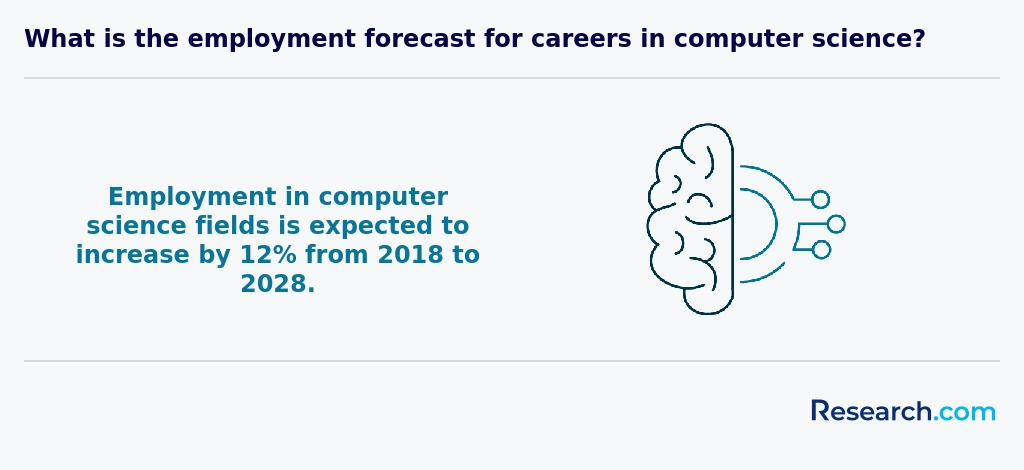
Saint Paul’s leading Computer Science programs distinguish themselves through robust industry partnerships that translate directly into hands-on internship experiences. Local institutions collaborate with top employers-ranging from Fortune 500 companies to innovative startups-to create co-op and internship pipelines. For example, students at the University of St. Thomas have secured summer placements at global firms like 3M, while Hamline University’s partnerships with regional tech consultancies often result in paid part-time roles during the academic year. These collaborations are facilitated by dedicated career services teams that host networking mixers, on-campus recruitment events, and mentorship programs. By engaging with real-world projects under the guidance of industry professionals, students build portfolios showcasing practical skills in software development, data analysis, and system administration. Macalester College even offers a credit-bearing “Industry Project” course, where teams work on client-driven deliverables under faculty and corporate supervision. In addition to on-campus opportunities, many students augment their resumes with specialized certifications. Cybersecurity remains one of the fastest-growing fields, and those seeking to bolster their expertise often explore cybersecurity degrees online to gain flexible, advanced training. These online credentials complement traditional internships, giving students a competitive edge in roles such as security analyst or ethical hacker. Prospective applicants should leverage university career portals early, attend employer info sessions, and tailor their applications to highlight problem-solving projects and collaborative achievements. By tapping into Saint Paul’s strong network of academic-industry partnerships, Computer Science students can transform classroom learning into career-launching experiences.
If you're diving into a computer science degree in Saint Paul, expect a well-rounded journey through core courses like programming languages-think Python, Java, or C++-where graduates often recall how these skills unlocked their problem-solving mindset. At institutions such as the University of St. Thomas or Hamline University, students immerse themselves in data structures and algorithms, mastering efficient coding techniques essential for today's tech jobs.
Beyond coding, you'll explore vital topics like computer architecture and operating systems. Many graduates fondly share how understanding hardware-software interaction solidified their grasp on real-world computing. Networking classes, too, equip you with knowledge about data security-a critical field as digital threats grow.
Imagine working on group projects that simulate actual software development cycles, just like students at local colleges experience through software engineering courses. Electives in AI, cybersecurity, and mobile app development keep your skills current and exciting, helping you stay ahead in Saint Paul's evolving tech scene.
In Saint Paul, students pursuing a computer science degree can explore a diverse array of specializations that align perfectly with today's tech landscape. Graduates from popular universities and colleges here often speak about how tracks like software engineering equip them to design and build applications that solve real-world problems, bringing ideas to life in tangible forms. Others dive into data science and analytics, mastering tools and algorithms that turn raw data into insightful stories, a skill highly prized by employers.
Some students find their passion in cybersecurity, learning how to defend systems against rising digital threats. If that interests you, consider looking into cybersecurity degrees online offered locally, which prepare you with certifications that employers eagerly seek. There's also strong momentum around AI and machine learning, where learners develop intelligent systems that mimic human thought processes. Lastly, specializations like human-computer interaction focus on creating intuitive and user-friendly software, something graduates from Saint Paul institutions say makes their work especially rewarding. These specializations truly represent the best computer science concentrations Saint Paul Minnesota has to offer.
Choosing the best computer science degree in Saint Paul means focusing on programs that combine strong academic reputation with real-world experience. Graduates from local universities often praise the city's blend of rigorous coursework and hands-on learning through internships with fintech and healthcare IT companies flourishing nearby. Align your choice with your passions-whether it's cybersecurity or artificial intelligence-so your skills match industry growth.
Many students find that understanding tuition costs and available financial aid is vital. Saint Paul offers a range of affordable computer science programs Saint Paul students can access, often with substantial support to reduce expenses. Exploring options like the Affordable Computer Science Degree Programs Ranking in Los Angeles, CA can provide insights even beyond local offerings.
Smaller class sizes and expert faculty in Saint Paul colleges foster a motivating environment where you feel seen and supported, boosting confidence and success. Looking for programs with current resources and active research projects will prepare you to thrive in today's competitive tech landscape.
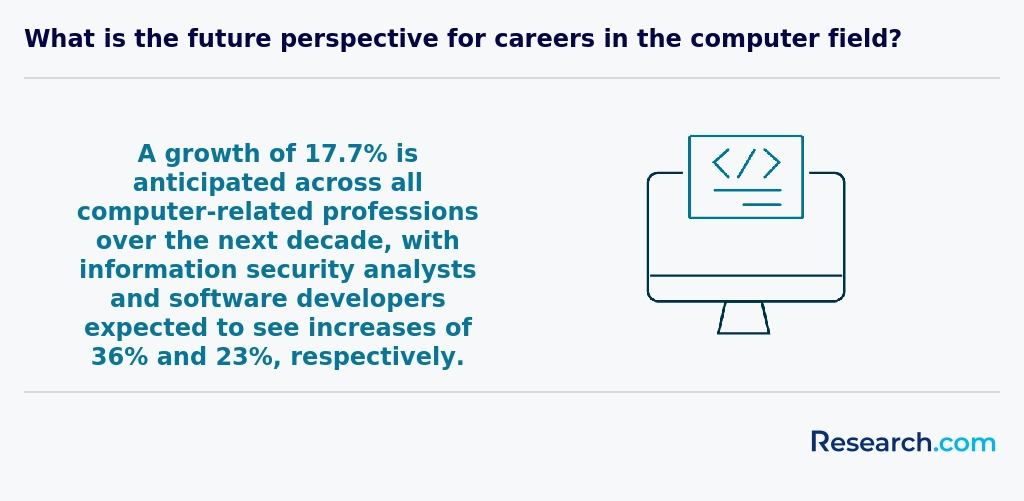
The career paths available for a computer science degree in Saint Paul are diverse and promising, especially for graduates from institutions like the University of St. Thomas or Hamline University. Many find fulfilling roles as software engineers, data scientists, or cybersecurity analysts, leveraging the city's robust tech sector. Graduates often share how they landed positions with companies such as Ecolab or 3M, gaining hands-on experience in data analytics and security - fields growing rapidly in Saint Paul's job market.
For those seeking practical exposure, internships through local professional networks can be game-changing. These connections ease the transition from classroom to career, reflecting true job opportunities for CS graduates Saint Paul continues to offer. With the city's affordable living costs, new professionals can focus on advancing skills like application development or IT consulting while maintaining a balanced life.
Some graduates take advantage of short certificate programs that pay well, which complement their degrees and boost their marketability. With steady regional growth in tech jobs, this area invites you to build a rewarding and vibrant career.
The computer science job outlook Saint Paul is highly promising, driven by strong growth in technology sectors within the Twin Cities area. Graduates from local universities and colleges often find themselves stepping into a vibrant market where employers value real-world skills. Many recent graduates share how internships and cooperative education programs helped them secure positions quickly, gaining experience with software development or data analysis at notable healthcare and finance companies around Saint Paul. The region's competitive salaries, averaging near $95,000 annually, serve as a motivating factor for students weighing future career paths.
Saint Paul computer science career opportunities extend beyond traditional tech firms to include government agencies and startups benefiting from the metro area's robust economic ecosystem. Additionally, pursuing a degree locally means access to affordable education options, with in-state tuition averaging about $13,000 at public institutions, making it easier for students to focus on gaining skills without overwhelming debt. Exploring the best colleges offering open enrollment can be a practical step for those starting their educational journey in computer science.
2027 Most Valuable Computer Science Degree Programs Ranking in Saint Paul
Investing in your education is a significant decision that can shape your future, and the Research.com team understands the importance of making informed choices. To assist prospective students in Saint Paul, we have meticulously crafted the "2027 Most Valuable Computer Science Degree Programs Ranking in Saint Paul." Our commitment to quality, credibility, and accuracy is reflected in the rigorous research and analysis conducted to compile this ranking. We utilized the following reputable data sources to ensure a comprehensive evaluation of computer science degree programs:
By exploring this ranking, readers will gain valuable insights into the most valuable computer science degree programs in Saint Paul, helping them make well-informed decisions about their academic and professional futures. For more information on how this ranking was created, please visit our Research.com methodology page.


Frequently Asked Questions About computer science
Computer science students in Saint Paul can maximize their learning by engaging in hands-on projects and internships offered by local tech companies and startups. The Twin Cities metropolitan area, including Saint Paul, has a growing tech sector with over 20,000 technology jobs, providing valuable opportunities for real-world experience, according to the Minnesota Department of Employment and Economic Development.
Additionally, students benefit from participating in university-led research programs. Institutions like the University of St. Thomas and Hamline University offer access to faculty-led research, which can deepen technical knowledge and improve problem-solving skills.
Networking through local meetups and tech workshops enhances learning by connecting students with industry professionals and peers. Leveraging resources such as Saint Paul's public libraries and coding boot camps also supports continuous skill development and practical coding practice.
Emerging niches within the computer science field are shaping future career opportunities for students in Saint Paul. Areas like artificial intelligence (AI) and machine learning continue to grow rapidly, with a 19% job growth forecast nationally by the U.S. Bureau of Labor Statistics through 2030. Cybersecurity is another critical field, especially as businesses increase their focus on protecting data. The Twin Cities, including Saint Paul, have seen a local rise in cybersecurity startups and jobs according to the Minnesota Department of Employment and Economic Development.
Data science and big data analytics offer promising career paths due to the explosion of data in all sectors. Cloud computing also remains a strong area, supported by regional tech companies adopting cloud infrastructure. These specializations are often integrated into computer science degree programs at local schools, helping students gain cutting-edge skills relevant to the evolving job market.
Preparing for the job market after earning a computer science degree in Saint Paul involves a blend of practical experience and local networking. Many graduates benefit from participating in internships offered by Twin Cities tech companies, which often lead to job offers. According to the Minnesota Department of Employment and Economic Development, software developer roles in the Saint Paul area are projected to grow by over 15% through 2030, emphasizing the demand for skilled professionals.
Building a strong resume with projects reflecting current technologies like cloud computing or cybersecurity is essential. Additionally, attending events hosted by groups such as the Minnesota High Tech Association can expand professional connections locally.
Continuous learning through certifications and workshops, particularly in widely used programming languages, improves job prospects. Many employers in Saint Paul favor candidates showing adaptability and up-to-date technical skills.
Employers in Saint Paul highly value computer science graduates who possess strong programming skills. Proficiency in languages such as Python, Java, and C++ is often required, reflecting broader trends in the U.S. tech sector reported by the National Center for Education Statistics. Additionally, problem-solving abilities and a solid understanding of algorithms and data structures are essential for roles in local companies, including those in finance and healthcare technology.
Communication skills also rank high since collaboration is common in software development. According to a 2023 survey by the Twin Cities Tech Alliance, over 70% of employers expect graduates to demonstrate teamwork and adaptability. Knowledge of cloud computing platforms and cybersecurity fundamentals further boosts job prospects in Saint Paul's competitive market.
Finding internships in Saint Paul relevant to a computer science degree begins with leveraging local resources and networks. Start by exploring opportunities at nearby universities such as the University of St. Thomas and Hamline University, which maintain partnerships with regional tech companies. According to the Minnesota Department of Employment and Economic Development, the Twin Cities metro area, including Saint Paul, has a strong demand for software developers and IT specialists, ensuring a steady flow of internship openings.
Additionally, students should utilize online platforms like Handshake and LinkedIn, focusing their searches on Saint Paul-based startups and established firms. Attending local tech meetups and career fairs, such as those hosted by the Minnesota High Tech Association, can also increase chances of securing internships.
Saint Paul is home to growing sectors in healthcare technology and finance, offering specialized internship roles. Networking with alumni and utilizing university career services remain key strategies for success in this competitive environment.
A computer science degree significantly enhances career mobility and advancement opportunities in Saint Paul. The city hosts a growing technology sector supported by major employers like Ecolab and Securian Financial, which seek skilled professionals. According to the Minnesota Department of Employment and Economic Development (DEED), the information technology field in the Twin Cities metro area, including Saint Paul, is projected to grow 11% between 2020 and 2030.
Graduates with computer science degrees often begin in roles such as software developers, systems analysts, or IT specialists. With experience and advanced skills, they can move into leadership or specialized positions, including data science, cybersecurity, and cloud computing.
Local networking opportunities and tech meetups in Saint Paul also support ongoing career development. Employers value formal education combined with practical experience, which a degree provides, making it a critical factor in competitive job markets.
Studying for a computer science degree in Saint Paul offers strong preparation for interdisciplinary roles by integrating technical skills with broad applications. Local universities emphasize collaboration between computer science and fields like healthcare, business, and engineering. According to a 2023 report from the Minnesota Department of Employment and Economic Development, over 35% of tech jobs in Saint Paul require knowledge beyond pure programming, highlighting a regional demand for versatile professionals.
Courses often include project-based learning and internships with companies in industries such as finance and biotechnology, fostering practical experience. This approach equips students to solve complex problems using computational methods combined with domain-specific knowledge.
Such training aligns closely with the interdisciplinary nature of today's job market, preparing graduates to contribute effectively in diverse sectors.
Choosing between a thesis and a non-thesis computer science degree program in Saint Paul depends largely on your career goals and learning preferences. Thesis programs typically emphasize research, requiring students to complete an original project, which is ideal if you plan to pursue a PhD or a research-oriented role.
Non-thesis programs focus more on coursework and practical skills, often including internships or capstone projects. This path suits students targeting industry jobs or professional certifications. According to the National Center for Education Statistics, Minnesota institutions offer a balance of both, with about 40% of graduate CS students opting for thesis tracks.
Local universities such as the University of St. Thomas and Hamline University provide options tailored to these paths, reflecting demand in Saint Paul's growing tech sector.
Students in Saint Paul interested in studying computer science abroad have multiple pathways through U.S. universities with global partnerships. Many institutions in Minnesota, including the University of Minnesota system, offer exchange programs that allow students to study at partner universities in Europe, Asia, or Australia while earning credits toward their degree.
According to the Institute of International Education, approximately 2.5% of U.S. computer science undergraduates participate in study abroad programs, with growing interest in technology hubs like Germany and South Korea.
Additionally, students can explore short-term faculty-led programs focusing on cutting-edge topics such as artificial intelligence and cybersecurity. These options help maintain academic progress while gaining international experience.
For specific exchange details, students should consult their Saint Paul college's study abroad office or computer science department for eligibility and application timelines.
Saint Paul offers several part-time job opportunities that complement a computer science degree. Local tech companies and startups often seek student interns for roles such as software testing, programming assistance, and IT support. These positions provide practical experience alongside academic learning.
The region's growing tech sector, including firms in cybersecurity and data analysis, frequently provides flexible part-time roles that help develop key skills. According to the Saint Paul Economic Development Office, technology jobs in the area increased by 8% between 2021 and 2023, signaling ample opportunities.
Additionally, institutions like the University of Minnesota-Twin Cities offer on-campus tech support roles, which allow students to gain hands-on technical experience.
Computer science students in Saint Paul benefit from a variety of strong networking opportunities supported by the local tech community and nearby universities. The Twin Cities area, including Saint Paul, hosts numerous tech meetups and professional groups such as the Minnesota High Tech Association (MHTA), which frequently organizes events tailored for students and early-career professionals.
Local universities like the University of St. Thomas and Concordia University offer career fairs and industry panels connecting students with regional employers in software development, cybersecurity, and data science. According to MHTA reports, over 70% of tech companies in the region actively participate in student recruitment events.
Additionally, Saint Paul's growing startup ecosystem provides internships and mentorship programs, allowing students to build professional contacts. This environment is enhanced by partnerships between educational institutions and companies like 3M and Ecolab, which have headquarters nearby, fostering valuable industry connections.
Alumni networks play a significant role in supporting computer science students in Saint Paul by offering career opportunities and mentorship. Graduates from local universities often stay connected, creating a strong professional community that new students can tap into. According to the University of Minnesota, employers in the tech sector frequently recruit through these networks.
Access to alumni events and online platforms allows students to gain insights into industry trends and job market demands specific to the Twin Cities area. Studies show that networking can increase job placement rates by up to 25% for STEM students nationwide. These connections help students find internships, co-ops, and full-time positions in software firms headquartered near Saint Paul.
Students pursuing computer science degrees in Saint Paul have several options to customize their programs according to career goals. Many local institutions offer elective courses in areas such as artificial intelligence, cybersecurity, and software development, allowing learners to tailor their expertise.
Internship opportunities with Saint Paul's growing tech sector provide practical experience directly related to students' interests. Additionally, some programs support independent research projects and capstone courses that align with specific industry demands.
Advisors at institutions like the University of St. Thomas and Hamline University help students choose concentrations and minors that enhance job readiness in fields such as data science or network engineering.
Computer science students in Saint Paul often encounter challenges typical of rigorous STEM fields. One common difficulty is managing the heavy workload; programming assignments and projects demand significant time and effort. According to the National Center for Education Statistics, retention rates in computer science programs nationwide hover around 60%, reflecting the course's intensity.
Another challenge is staying current with rapidly evolving technologies. Saint Paul students must often supplement their studies with self-learning outside the classroom to keep pace with industry trends.
Access to internships and hands-on experience is also competitive, as the Twin Cities region hosts many tech companies but student opportunities remain limited.
Financial stress can further complicate studies, with tuition and living expenses in Minnesota rising steadily over recent years.
A computer science degree from a Saint Paul institution opens doors to various professional certifications that can enhance your career prospects. Popular certifications include the Certified Information Systems Security Professional (CISSP), valuable for cybersecurity roles. The Certified Ethical Hacker (CEH) is another key option for those interested in penetration testing.
For software development, certifications such as the Microsoft Certified: Azure Developer Associate and Oracle Certified Professional are widely recognized. Additionally, CompTIA Security+ offers foundational IT security credentials.
According to the Minnesota Department of Employment and Economic Development, certified professionals in computer science fields in the Saint Paul area can expect a salary premium ranging from 10% to 20% over non-certified peers.
To write a winning application for a computer science program in Saint Paul, start by highlighting your academic achievements in math and science, as these subjects form the foundation of computer science study. Many programs, including those at the University of St. Thomas and Hamline University, also value practical experience such as coding projects or internships. According to the National Center for Education Statistics, computer science degrees are increasingly competitive in Minnesota, so a strong personal statement explaining your passion and career goals is essential.
Be sure to include any relevant extracurricular activities, like coding clubs or hackathons, which can set you apart. Some Saint Paul schools require standardized test scores; check specific requirements on each program's website to tailor your application accordingly. Lastly, secure letters of recommendation from teachers or mentors who understand your aptitude in computing and problem-solving skills.
Computer science careers are increasingly valued worldwide, with a strong emphasis on innovation and technology. In the United States, including Saint Paul, the demand for skilled computer science professionals is expected to grow 15% between 2021 and 2031, much faster than average for all occupations, according to the U.S. Bureau of Labor Statistics.
Globally, technology hubs across Europe, Asia, and North America highlight the universal need for computer science expertise. In Saint Paul, local universities offer programs aligned with industry standards, preparing students for roles in software development, cybersecurity, and data science.
International companies often seek graduates with a U.S. degree due to rigorous training and practical experience provided by local institutions. This global recognition enhances job mobility and opens diverse career paths.
Gaining practical experience while studying for a computer science degree in Saint Paul is essential for career readiness. Many local universities offer co-op programs and internships that connect students directly with regional tech companies and startups. For example, Saint Paul's proximity to the Twin Cities tech corridor provides access to firms like 3M and Ecolab, which frequently seek interns.
Students can also participate in project-based courses where they develop real-world applications under faculty guidance. Additionally, tech meetups and hackathons in Saint Paul offer hands-on learning and networking opportunities. According to the Minnesota Department of Employment and Economic Development, internships in local tech fields have grown by 15% over the past five years.
Choosing the right concentration within a computer science degree program in Saint Paul involves evaluating both personal interests and local industry demand. Popular specializations include software development, cybersecurity, data science, and artificial intelligence.
Given Saint Paul's growing tech sector, concentrations aligned with data analysis and cybersecurity may offer strong job opportunities. According to the Minnesota Department of Employment and Economic Development, computer and IT occupations in the Twin Cities area are expected to grow by 13% between 2020 and 2030.
Students should also consider hands-on learning options, such as internships with local companies or research projects at universities in Saint Paul, which can enhance practical skills.
Additionally, reviewing course offerings and faculty expertise at institutions like the University of St. Thomas or Hamline University can help identify programs that fit a student's career goals.
- 2027 Most Valuable Computer Science Degree Programs Ranking in Minneapolis
- 2027 Most Valuable Computer Science Degree Programs Ranking in Ames
- 2027 Most Valuable Computer Science Degree Programs Ranking in Houghton
- 2027 Most Valuable Computer Science Degree Programs Ranking in Evanston
- 2027 Most Valuable Computer Science Degree Programs Ranking in Chicago
- 2027 Most Valuable Computer Science Degree Programs Ranking in Grand Rapids
- 2027 Most Valuable Computer Science Degree Programs Ranking in Kalamazoo
- 2027 Most Valuable Computer Science Degree Programs Ranking in Saint Louis
- 2027 Most Valuable Computer Science Degree Programs Ranking in Fort Wayne
- 2027 Most Valuable Computer Science Degree Programs Ranking in Bloomington
See What Experts Have To Say About Studying Computer Science
Read our interview with Computer Science experts

Imed Bouchrika, Phd
Computer Science Expert
Professor of Computer Science
National Higher School of Artificial Intelligence

Kathleen M. Carley
Computer Science Expert
Professor of Computer Science
Carnegie Mellon University

Martin Kang
Computer Science Expert
Assistant Professor
Loyola Marymount University

Elan Barenholtz
Computer Science Expert
Associate Professor
Florida Atlantic University

- Saint Paul College (@saintpaulcollegemn) on Threads https://www.threads.com/@saintpaulcollegemn/post/Da3YRJ1D2ck/video-what-does-it-look-like-to-study-computer-animation-programming-or-cybersecurity/
- Best Computer Certifications for Tech Professionals https://www.computerscience.org/degrees/certifications/
- The Crucial Role of Networking for Computer Science Students https://dev.to/thisisaayush/the-crucial-role-of-networking-for-computer-science-students-4k2i
- What certifications should I get for computer science? | edX https://www.edx.org/resources/certifications-computer-science
- How to Find Computer Science Work Experience in Year 12 https://www.savemyexams.com/learning-hub/careers/how-to-find-computer-science-work-experience-year-12/
- 8 Tips for Computer Science Graduates to Get Their First Job https://allthecode.co/blog/post/tips-for-computer-science-graduates-to-get-their-first-job
- Essential Skills Every Computer Science Graduate Needs | LSBF https://lsbf.edu.my/blog/11-essential-skills-every-computer-science-graduate-needs/
- Computer Science Alumni Council https://www.myniu.com/article.html
- Computer Science Cover Letter: How to Show You're a Top Tech Candidate https://arc.dev/talent-blog/computer-science-cover-letter/
- Getting the Most Out of a Computer Science Degree https://robkokochak.com/blog/getting-the-most-out-of-a-cs-degree/