2027 Most Valuable Computer Science Degree Programs Ranking in Grand Rapids

Co-Founder and Chief Data Scientist
Choosing the right computer science degree program can shape your future, especially in a growing tech city like Grand Rapids. This article introduces the 2027 Most Valuable Computer Science Degree Programs Ranking in Grand Rapids, created by the Research.com team of data scientists. Their data-driven approach helps you explore programs that offer the best opportunities and return on investment.
Whether you're starting your educational journey or considering a change, this guide will make it easier to find a program that fits your goals. Embracing a computer science degree can open doors to exciting careers and personal growth.
Key benefits of getting computer science degree in Grand Rapids
- Salary for computer science degree graduates: Graduates in Grand Rapids can expect strong salaries, such as $138,110 annually for software engineers and developers, and $95,570 for web developers, reflecting rewarding financial opportunities.
- Career paths: A computer science graduate from a local university can explore diverse roles like software engineering, data analysis, or IT support, offering exciting options to match personal interests and skills.
- Benefits of online degrees: Earning a computer science degree online in Grand Rapids offers flexibility and convenience, helping students balance work or family while accessing quality education from well-known regional institutions.
- 2027 Most Valuable Computer Science Degree Programs Ranking in Grand Rapids
- What can I expect from computer science degree in Grand Rapids?
- Where can I work with computer science degree in Grand Rapids?
What can I expect from computer science degree in Grand Rapids?
The average cost of earning a computer science degree in Grand Rapids challenges the common perception that quality education must come at an exorbitant price. At Grand Valley State University, for example, Michigan residents typically pay around $14,000 annually, a figure that surprises many who anticipate far higher expenses for a reputable STEM program. Graduates often reflect on how this affordability made their pursuit less stressful, allowing them to focus on mastering complex topics like algorithms and machine learning without overwhelming financial pressure.
This cost reality contrasts with private institutions in the area, where tuition is notably higher but complemented by scholarships targeting STEM students. Many students recount how these financial aids eased their journey, transforming what seemed like an unattainable goal into a tangible, exciting challenge. The experience of balancing internships with coursework at places such as Davenport University further enhances the value of education, making the investment feel purposeful and connected to real-world tech growth in Grand Rapids.
Where can I work with computer science degree in Grand Rapids?
Graduates from computer science programs at institutions like Grand Valley State University often find themselves at the crossroads of opportunity in Grand Rapids' dynamic job market. Rather than settling for the usual tech roles, they step directly into sectors where their skills shape healthcare innovations, manufacturing efficiencies, and financial security. Imagine working for Mercy Health, streamlining electronic health records, or developing cybersecurity measures that protect sensitive patient data-these are not abstract ideas but daily challenges tackled by local graduates.
Others dive into manufacturing giants such as Steelcase, where coding meets automation and robotics, transforming physical production lines through smart software. Finance professionals with a computer science background contribute to fraud detection and database management at regional banks, making transactions safer and customers' lives easier. Startups in the city's vibrant ecosystem push graduates to adopt agile mindsets, navigating product design and cloud computing with a hands-on, entrepreneurial spirit.
This isn't just about coding; it's about engaging with Grand Rapids' evolving economic fabric, where each job offers growth, purpose, and a chance to innovate in sectors that truly matter locally.
Graduates from computer science programs in Grand Rapids often find their starting salaries pleasantly surprising. Entry-level software developers, for instance, typically earn around $95,570 annually, a figure supported by local demand and the presence of strong tech employers near universities such as Grand Valley State University. These wages reflect not only regional industry growth but also the practical skills gained through hands-on projects during coursework.
More specialized roles like data analysts or software engineers can command significantly higher wages. Data analysts in Grand Rapids earn a mean annual salary near $119,040, while software engineers align with the national mean of $138,110, showcasing the impressive earning potential for those deepening their expertise beyond the basics.
Students who intern or collaborate with local healthcare technology or manufacturing firms report feeling valued and motivated, knowing these sectors pay well and foster career growth. Even roles such as IT support specialists offer reliable entry points with salaries close to $63,640, underscoring the broad range of opportunities available right after graduation.
- Tuition for in-state students at public universities in Grand Rapids ranges from $12,000 to $15,000 per year, while private colleges charge between $25,000 and $35,000 annually.
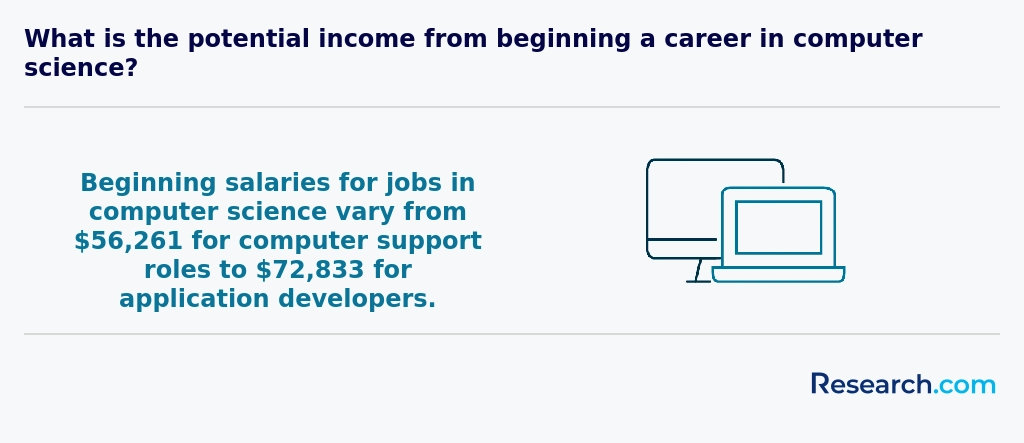
- Entry-level computer science jobs offer salaries around $65,000 to $75,000 per year, with experienced professionals earning $95,000 or more within five to ten years.
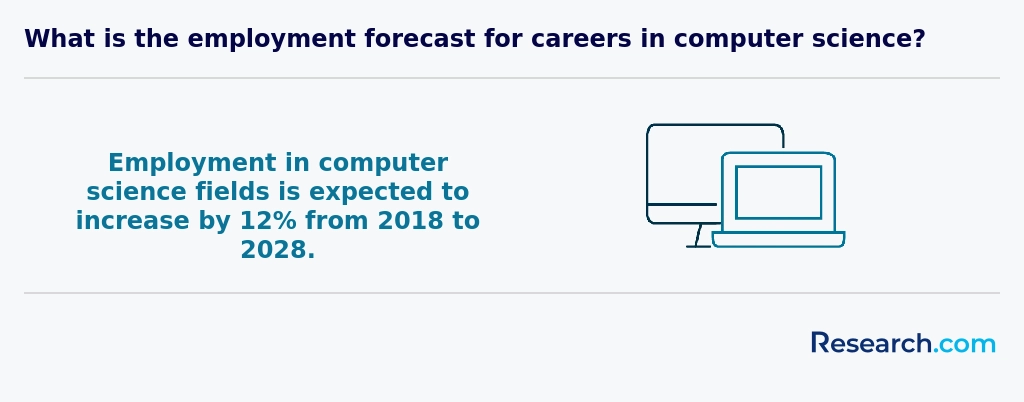
- The job market for computer science in Grand Rapids is growing, with a projected employment growth rate of about 12% over the next decade.
- Local internship and cooperative education programs provide practical experience, improving graduate employability.
- Many programs include access to advanced labs and partnerships with technology firms to enhance hands-on learning opportunities.
Completing a computer science degree in Grand Rapids often fits within the familiar four-year timeframe, especially at institutions like Grand Valley State University or Calvin University. Graduates from these schools frequently share stories of balancing intense coursework with vibrant campus life, making the journey rewarding despite its demands. Yet, this traditional timeline isn't set in stone.
Some students find themselves extending their path to five or six years, juggling part-time classes or work commitments. This flexibility can feel empowering, allowing meaningful real-world experience alongside studies. Others accelerate their degree, leveraging Advanced Placement credits or summer courses to finish in three years, embracing a challenging but exhilarating pace.
Students often reflect on how cooperative education programs, internships, and transfer credits influence their timeline-not as obstacles, but as enriching detours that shape skills and confidence. The process of completing a computer science degree here is less about rigid schedules and more about adapting to personal goals and opportunities, making each student's timeline uniquely their own.
Choosing between online and on-campus computer science programs in Grand Rapids reveals striking contrasts beyond convenience. Graduates from local universities often recall the buzz of collaborating late nights in campus labs or spontaneous coding sessions with peers-moments that fuel creativity and build networks crucial in this city's expanding tech scene. These in-person experiences anchor learning in real-world teamwork, something online platforms strive to replicate but rarely match.
Conversely, graduates from online programs treasure flexibility, balancing demanding jobs or family life while advancing their careers. A software developer working full-time in Grand Rapids found earning a local university's degree online empowering, enabling skill growth without pausing professional momentum. Yet, many online students sense a subtle distance from the community and hands-on resources like specialized hardware or direct professor access, which Grand Rapids on-campus courses naturally provide.
Ultimately, the choice challenges simplistic notions of better or worse-highlighting how each path shapes not just knowledge, but the entire educational journey and future opportunities in Grand Rapids' tech landscape.
Investing in a Computer Science degree in Grand Rapids, MI, demands careful consideration of both costs and long-term earnings to determine your return on investment (ROI). On average, bachelor’s degree graduates in the region accumulate $20,000–$30,000 in student loan debt, yet with a mean starting salary of $65,000–$75,000 annually, most alumni recoup tuition costs in under five years. Factoring in median mid-career earnings exceeding $100,000, the payback period for a Grand Rapids CS degree is notably competitive compared to national benchmarks. To refine your ROI analysis, consider average tuition versus projected salary growth. For instance, public in-state tuition at Grand Valley State University averages $9,596 per year, while private institutions may reach $38,800. When paired with a conservative annual salary increase of 3%, graduates can expect doubling of initial wages within a decade, accelerating debt repayment and wealth building. Don’t overlook indirect benefits such as employer-sponsored student loan assistance and signing bonuses that further enhance ROI. Comparative affordability also influences ROI. For those weighing regional differences, explore our Inexpensive Computer Science Degree Programs Ranking in San Francisco, CA to gauge how Grand Rapids programs stack up against coastal alternatives in both cost and post-graduation outcomes. Integrating these data points ensures a holistic view of investment value. Ultimately, calculating your degree’s ROI involves balancing tuition, living expenses, financial aid, and projected career earnings. By modeling realistic repayment scenarios and leveraging local salary growth trends, you can choose a program in Grand Rapids that maximizes both professional opportunity and financial return.
The average total cost of obtaining a computer science degree in Grand Rapids hovers around $40,652, with in-state students typically paying closer to $31,908. This figure encompasses tuition, fees, and other essential expenses, revealing a significant financial commitment for many aspiring tech professionals. Graduates from local public universities often reflect on balancing the high tuition against the practical benefits of state residency discounts and the availability of financial aid.
Community colleges in Grand Rapids, such as Grand Rapids Community College, offer an appealing alternative with substantially lower costs, around $4,500 annually for in-district students. Many students begin here to minimize expenses before transferring to a four-year institution. This pathway not only reduces debt but also provides hands-on experience in foundational computer science courses, creating a more manageable financial journey when considering typical computer science degree expenses in Grand Rapids 2027.
Private colleges, while fewer in number, generally present higher tuition rates, sometimes nearing national averages of $38,000 per year. Despite the increased cost, graduates from these institutions often highlight the personalized attention and advanced resources that made their investment worthwhile. Many encourage prospective students to weigh these factors carefully against their budget and career goals.
Understanding these costs is crucial, especially when evaluating long-term returns tied to computer programming job prospects. Some students find that early financial decisions can dramatically influence their future earnings and satisfaction, demonstrating that the average cost of computer science degree Grand Rapids is more than just a number-it's a strategic consideration in shaping one's career path.
Financial aid for computer science students in Grand Rapids goes beyond just tuition discounts; it's about opening doors to opportunity. Graduates from Grand Valley State University often recall how Pell Grants, accessible by submitting a FAFSA, transformed their ability to focus on coding rather than part-time jobs. These federal grants, which don't need to be repaid, alleviate the pressure of tuition costs, sometimes covering several thousand dollars annually.
State initiatives like Michigan's Competitive Scholarship have been a game changer for local students attending Davenport University, offering more than just financial relief-these awards recognize academic effort, fueling motivation. Meanwhile, many colleges here provide scholarships tailored specifically for STEM students, creating a sense of community and recognition that goes beyond money.
Work-study programs create real-world experience alongside paychecks, helping students juggle living expenses while gaining relevant skills in computer science roles on campus. Adding to this mosaic, private scholarships from West Michigan tech firms bring a local touch of encouragement, making students feel valued by the industry they aim to join.
Even when loans enter the picture, federal options with lower interest and flexible repayment plans offer reassurance, emphasizing responsible borrowing over fear. For computer science students in Grand Rapids, financial aid is not just a package of funds but a pathway toward dreams realized.
Prospective students often weigh the cost of their degree against long-term benefits. In Grand Rapids, Computer Science graduates report an average student loan debt of $24,800 and a median starting salary of $68,500, yielding a break-even point within four years post-graduation. Key ROI metrics include: • 92% employment rate within six months of graduation, with 78% securing roles in software development, data analysis, or cybersecurity. • Average mid-career salary of $118,400, representing a 73% increase over entry-level earnings. • Alumni report an average annual salary growth of 8% through ongoing professional development and networking events hosted by their alma maters. Beyond financial returns, the strength of the alumni network enhances career trajectories. Graduates benefit from: • Dedicated mentorship programs pairing recent alumni with seasoned professionals in local tech firms. • Exclusive access to annual career fairs and on-campus recruitment drives featuring leading Michigan employers. • Lifelong learning workshops, such as advanced machine learning seminars and industry guest lectures. To further boost your credentials and potential ROI, consider complementing your degree with specialized certifications-students focused on threat mitigation frequently pursue the best cybersecurity online degree, integrating cutting-edge security practices into their skillset.
Meeting the prerequisites for a computer science degree in Grand Rapids means more than just ticking boxes-it's about laying a concrete foundation that mirrors the rigor of real-world problem-solving. Graduates from Grand Valley State University often recount how their early high school focus on algebra, geometry, and calculus wasn't just academic preparation but a launchpad for tackling complex algorithms later on. It's common to find that a strong background in math and science, including basic physics or chemistry, sets students up for success, reflecting the expectations of institutions like Davenport University.
Those returning to education or transferring from community colleges such as Grand Rapids Community College share similar sentiments, emphasizing the importance of meeting GPA thresholds near 2.5 to 3.0 and completing prerequisite courses before diving into advanced topics. Beyond grades and coursework, applicants must prepare personal statements and letters of recommendation, which many find essential in standing out and expressing their passion for technology. This holistic approach reveals that enrolling in Grand Rapids' computer science programs demands both academic readiness and genuine commitment.
Living and learning on campus goes beyond classroom lectures-it’s about immersing yourself in a vibrant community that supports both your academic and personal growth. Grand Rapids’ computer science institutions offer dynamic environments where students can engage in tech clubs, coding boot camps, hackathons, and peer-led workshops designed to foster innovation and teamwork. Many campuses provide state-of-the-art labs, career counseling, and networking events that connect students with industry leaders, ensuring that you’re not just gaining technical skills but also building lifelong relationships and practical insights into the tech world. Engaging in extracurricular activities, such as joining research projects or participating in student-led coding challenges, can significantly complement your academic journey. These experiences help develop soft skills like leadership and collaboration, which are highly valued by employers in the tech industry. In addition, institutions frequently host seminars and guest lectures that keep you updated on the latest trends, such as artificial intelligence and cybersecurity, providing a well-rounded perspective that extends beyond textbook knowledge. For more detailed comparisons and guidance, consider exploring initiatives by valuable computer science schools in michigan, which highlight exemplary student support systems and campus resources that can help you make informed decisions about your future.
Students pursuing computer science degrees in Grand Rapids quickly realize the curriculum is far from just coding-it's an intellectual adventure into how technology shapes our world. At local institutions like Grand Valley State University or Davenport University, graduates recall grappling with core courses in programming languages such as Java, Python, and C++. These classes don't merely teach syntax; they push students to solve real-world problems, simulating software development scenarios that inspire confidence and creativity.
Mathematics, often underestimated, becomes a powerful tool rather than a hurdle. Discrete math and linear algebra empower students to decode algorithms and optimize solutions, skills graduates say have been indispensable during internships within Grand Rapids' thriving tech sector. These courses transform abstract concepts into tangible problem-solving strategies, sharpening logical thinking under pressure.
Beyond theory, courses like computer architecture and cybersecurity challenge students to appreciate the hidden mechanics of everyday technology, from how operating systems manage resources to protecting data against cyber threats. Electives in AI, cloud computing, and mobile apps allow students to personalize their learning, reflecting the innovative spirit unique to Grand Rapids' evolving tech landscape.
Students pursuing a computer science degree in Grand Rapids quickly discover that the specialization options go beyond basic programming skills, shaping their career trajectories in meaningful ways. Graduates from local universities often speak about how focusing on areas like software development, cybersecurity, or data science made their education feel directly connected to real-world challenges they later tackled in tech firms around the city.
The variety in Grand Rapids computer science program tracks encourages students to think critically about where their passions intersect with industry demand. For example, those interested in Data Science and Analytics gain hands-on experience that makes them competitive in sectors from healthcare to finance, a reality brought home for many through participation in internships featuring practical data projects. Some even delve further into a data analytics specialization online to deepen their expertise.
Others find the Cybersecurity or Artificial Intelligence tracks energizing, motivated by the thought that their specialized skills safeguard community infrastructures or push forward innovations that shape tomorrow's tech landscape in Grand Rapids. These specializations are not just academic paths but pivotal career launches, as graduates recall feeling empowered by the knowledge that their training matched local market needs.
Choosing the best computer science degree in Grand Rapids isn't just about picking a school with a reputable name. Graduates often reflect on how programs like those at Grand Valley State University blend rigorous theory with practical challenges, from coding marathons to real-life internships. These experiences shape not only skills but confidence, which is vital in the unpredictable tech world. Affordability also reshapes choices-public universities in Grand Rapids generally offer more wallet-friendly options, a crucial factor for many balancing passion with financial reality. Reflect on how these affordable computer science degrees Grand Rapids programs connect students directly to the city's expanding tech hubs, turning classroom lessons into tangible career momentum. Graduates emphasize the power of local internships and cooperative education, opening doors to companies in software development and healthcare IT. For those unsure about future directions, exploring career paths in information systems can clarify where a degree might lead beyond the campus.
A computer science degree in Grand Rapids opens up more than just typical roles; graduates find themselves at the intersection of technology and industry demand. Software developers at well-known local universities often share stories of designing apps that improve manufacturing processes or streamline healthcare systems, reflecting the city's blend of tech innovation and traditional sectors. These roles highlight the dynamic job prospects for computer science graduates Grand Rapids, where data analysts dive into big data to uncover insights that guide crucial business decisions.
Beyond software and analytics, the cybersecurity landscape here is constantly evolving. Graduates working in healthcare or financial firms enjoy the challenge of protecting sensitive patient or client information against increasingly sophisticated threats. Meanwhile, IT administrators at regional colleges manage complex networks that support telemedicine and electronic medical records, proving that a computer science career opportunities in Grand Rapids extend to maintaining essential infrastructure.
Many students find financial support through engineering degree scholarships, making local education more accessible and encouraging them to explore these vibrant career paths firsthand.
The landscape for computer science job opportunities Grand Rapids unveils more than just steady employment; it challenges graduates to immerse themselves in an ecosystem where healthcare technology, manufacturing automation, and innovative software startups intersect. Graduates from local universities often find themselves quickly adapting from classroom theory to designing telemedicine platforms or developing data analytics tools for manufacturing lines. This dynamic demand pushes young professionals beyond traditional developer roles into multifaceted careers encompassing cybersecurity and cloud computing.
Many graduates recall the value of networking events and career fairs on campuses, where connections with local employers transformed internships into promising job offers. The Grand Rapids computer science career outlook isn't just about numbers; it's about tangible growth and real-world impact in a mid-sized city, rich with opportunities and competitive salaries reaching above $110,000 for advanced roles.
While tuition costs pose a challenge, especially for out-of-staters, the city's institutions often provide in-state rates and scholarships for engineering that help ease financial concerns. This creates a compelling balance for students weighing education costs against a robust, evolving tech market.
2027 Most Valuable Computer Science Degree Programs Ranking in Grand Rapids
Investing in your education is a significant decision that can shape your future, and the Research.com team understands the importance of making informed choices. To assist prospective students in Grand Rapids, we have meticulously crafted the "2027 Most Valuable Computer Science Degree Programs Ranking in Grand Rapids." Our commitment to quality, credibility, and accuracy is reflected in the extensive research and analysis conducted to compile this ranking.
We utilized the following reputable data sources to ensure a comprehensive evaluation of computer science programs:
By exploring this ranking, readers will gain valuable insights into the most valuable computer science degree programs available in Grand Rapids, helping them make well-informed decisions about their educational futures. For more details on our methodology, please visit our Research.com methodology page.


Frequently Asked Questions About computer science
Computer science students in Grand Rapids can enhance their learning by engaging with local tech communities and industry events. The city hosts regular meetups and workshops where students connect with professionals, fostering practical skills beyond the classroom.
Participating in internships with local companies, such as technology startups and established firms in Grand Rapids' growing tech sector, offers valuable real-world experience. According to the West Michigan IT Council, over 3,000 tech jobs were added in the region from 2019 to 2023, highlighting opportunities for hands-on learning.
Students should also leverage resources available at Grand Rapids-area universities, including research projects and coding clubs, to deepen their technical knowledge and teamwork skills.
The field of computer science is rapidly evolving, and several emerging niches are gaining prominence, especially for students pursuing degrees in Grand Rapids. One notable area is artificial intelligence (AI) and machine learning, which is seeing increasing demand worldwide and locally due to Grand Rapids' growing tech sector.
Cybersecurity remains a critical focus, as businesses and public institutions in Michigan strengthen their defenses against cyber threats. Data science and big data analytics are also expanding, offering roles in analyzing complex datasets to support decision-making.
Additionally, software development related to the Internet of Things (IoT) is emerging, driven by advances in smart devices and automation across industries in and near Grand Rapids, according to reports from the Michigan Economic Development Corporation.
Preparing for the job market after completing a computer science degree in Grand Rapids involves several key steps. Graduates should develop strong coding skills and build a portfolio showcasing real-world projects, which helps employers assess practical abilities. Internships and cooperative education opportunities with local tech companies like Spectrum Health and Meijer provide valuable work experience and network connections.
In Grand Rapids, the demand for software developers is expected to grow by 15% through 2030, according to the U.S. Bureau of Labor Statistics, signaling strong job prospects. Additionally, attending local tech meetups and career fairs hosted by universities enhances networking and professional development.
Certifications in areas such as cloud computing or cybersecurity can also boost employability in the competitive market. Understanding the regional industry needs is essential for tailoring skills effectively.
Employers in Grand Rapids prioritize several key skills when hiring computer science graduates. Strong programming abilities in languages like Python, Java, and C++ are essential, as local tech companies rely heavily on software development expertise. According to a 2023 report from the Michigan Economic Development Corporation, proficiency in data structures and algorithms remains critical for problem-solving roles.
Beyond coding, experience with cloud computing platforms such as AWS and Microsoft Azure is increasingly valuable. Many Grand Rapids employers also seek candidates with knowledge of cybersecurity and data privacy due to rising concerns in these areas. Communication and teamwork skills are important as well, given the collaborative nature of most tech projects in local firms.
Finding internships in Grand Rapids for computer science students involves leveraging both local resources and university connections. Many institutions, such as Grand Valley State University, maintain partnerships with regional tech companies, offering tailored internship programs.
Local organizations like The Right Place Inc. provide job and internship listings specific to the West Michigan tech sector, which grew 3.5% in 2023. Websites like Handshake and LinkedIn often showcase openings targeting students.
Additionally, attending networking events and career fairs hosted by Grand Rapids colleges can connect students with employers actively seeking candidates with computer science skills.
A computer science degree significantly enhances career mobility and advancement in Grand Rapids' growing tech sector. Employers increasingly seek graduates with skills in programming, data analysis, and cybersecurity, areas emphasized in local degree programs.
According to the U.S. Bureau of Labor Statistics, the Grand Rapids area is expected to see a 12% growth in computer and IT occupations between 2022 and 2032, outpacing the national average. This demand enables degree holders to access a wide range of positions, from software development to systems administration.
Graduates also often benefit from networking opportunities linked to regional tech hubs like the Grand Rapids SmartZone. These connections can accelerate career progression through internships and local industry collaborations.
Studying for a computer science degree in Grand Rapids offers strong preparation for interdisciplinary roles by emphasizing collaboration across fields. Many local programs incorporate courses in data science, business, and engineering, reflecting the diverse needs of regional industries.
Grand Rapids' growing tech sector, supported by organizations like The Right Place Inc., encourages partnerships between computer science students and professionals in healthcare, manufacturing, and finance. This practical exposure allows students to apply coding and problem-solving skills to real-world scenarios beyond traditional software roles.
According to the Michigan Department of Labor, interdisciplinary jobs requiring technical and domain knowledge in Grand Rapids are increasing by approximately 3% annually, highlighting demand for versatile graduates. Local universities also promote internships and joint projects, helping students build experience in multiple disciplines while earning their degrees.
Choosing between a thesis and a non-thesis computer science degree program in Grand Rapids depends on your career goals and learning preferences. Thesis programs typically require original research and a formal written document, ideal for students aiming at a PhD or research roles. Non-thesis programs focus more on practical skills and coursework, appealing to those seeking industry positions or applied technology jobs.
In Grand Rapids, universities like Grand Valley State University offer both options. According to U.S. Department of Education data, about 40% of local CS graduate students opt for non-thesis tracks, reflecting the area's strong demand for software development and IT professionals. Consider whether you prefer a research-intensive experience or skill-focused training.
Faculty mentorship quality and available research funding also vary between programs. Contacting academic advisors can clarify which path aligns better with your interests and the local tech market.
Students based in Grand Rapids who wish to study computer science abroad have several avenues to explore within the US higher education system. Many Grand Rapids universities, including Grand Valley State University, offer exchange programs and partnerships with international institutions, enabling students to gain global experience while earning credits toward their degree.
Additionally, students can participate in study abroad programs specifically designed for STEM fields, often lasting a semester or summer term. These programs provide exposure to diverse technological environments and global computing advancements.
Financial aid and scholarships are sometimes available for such programs, making international study more accessible. According to data from the Institute of International Education, participation in computer science-related study abroad opportunities has grown steadily, reflecting increased student interest in global perspectives within technology fields.
Part-time job opportunities in Grand Rapids that complement computer science degree education include roles such as software development interns, IT support technicians, and web developers. These positions provide practical experience in coding, troubleshooting, and project management. According to the Bureau of Labor Statistics, the demand for computer and IT jobs in Michigan is expected to grow by 9% through 2030, making local experience valuable.
Local tech startups and established companies often seek student workers for part-time roles. Colleges in Grand Rapids also offer campus tech support positions, which can strengthen both technical and communication skills essential in the field.
Computer science students in Grand Rapids benefit from a variety of networking opportunities that help bridge academic learning with industry connections. Local universities often host tech meetups, hackathons, and guest lectures featuring professionals from established companies such as Amway and Steelcase. These events provide valuable chances to build relationships and learn about job openings.
Moreover, organizations like the West Michigan Tech Council regularly organize workshops and career fairs tailored toward IT fields. According to the bureau of labor statistics, the Grand Rapids metropolitan area has seen a growing demand for software developers, increasing the importance of strong professional networks for students entering the job market.
Internships and cooperative education programs at regional firms further enhance student exposure to real-world projects and contacts within the tech community.
Alumni networks provide valuable benefits to computer science degree students in Grand Rapids by facilitating connections within the local tech industry. Graduates can leverage these networks to secure internships, mentorship, and job opportunities in the region, where tech employment has grown steadily. According to Grand Rapids-based workforce reports, companies often prioritize hiring through alumni referrals, improving job placement rates for students.
These networks also offer access to events, workshops, and continuous learning resources that keep students updated on industry trends. Moreover, alumni who work at leading regional firms like Amway and Meijer often share insights about workplace culture and career advancement.
Customizing a computer science degree in Grand Rapids starts with selecting electives that align with your career interests, such as cybersecurity, data science, or software development. Many institutions in the area offer flexible course options and concentrations, allowing students to tailor their studies.
Internships and co-op programs are valuable for practical experience and often available through local tech companies in Grand Rapids, a city growing as a technology hub. Engaging in these opportunities can enhance your resume and clarify career goals.
Advisors at Grand Rapids colleges typically provide guidance to help students choose relevant courses, certifications, and projects to match the evolving job market.
According to the Greater Grand Rapids Chamber, the tech sector has grown by over 15% in recent years, increasing demand for specialized skills.
Computer science students in Grand Rapids often face challenges related to balancing rigorous coursework with practical experience. Many programs emphasize strong theoretical foundations alongside applied skills, which can demand significant time management. According to the National Center for Education Statistics, coding-intensive classes and algorithm development courses are especially demanding nationwide.
Furthermore, access to internships and local tech opportunities in Grand Rapids can be competitive, as the city's tech industry is growing but still limited compared to larger hubs. Students may also encounter difficulties keeping pace with rapidly evolving technology, a common concern highlighted in studies by the Computing Research Association.
Additionally, mastering foundational math and programming concepts remains a hurdle for many. Support services vary across institutions, affecting student retention and success rates in the region.
With a computer science degree from Grand Rapids institutions, graduates can pursue various professional certifications to enhance their credentials. Common certifications include the Certified Information Systems Security Professional (CISSP), valuable for those interested in cybersecurity. Another popular option is the Certified Software Development Professional (CSDP), which demonstrates advanced software engineering skills.
Additionally, certifications like CompTIA Security+ and Cisco Certified Network Associate (CCNA) offer pathways into network security and administration.
According to the Bureau of Labor Statistics, many employers in the Grand Rapids tech sector prefer candidates holding these certifications. They help graduates stand out in a competitive job market, especially in rapidly growing fields like cybersecurity and cloud computing.
To write a winning application for a computer science program in Grand Rapids, start by emphasizing your strong foundation in math and programming. Admissions committees typically look for evidence of analytical skills through coursework or projects. Highlight any relevant experience with internships or coding competitions, as these demonstrate practical ability.
Grand Rapids colleges often value well-rounded applicants who show clear career goals in tech fields, like software development or cybersecurity. According to the Michigan Department of Labor, demand for computer science jobs in the area is expected to grow by 15% through 2029, so explaining how your goals align with this trend can strengthen your application.
Lastly, craft a clear personal statement that details your passion for computer science and how studying in Grand Rapids specifically will help achieve your ambitions.
Computer science careers are increasingly valued worldwide, reflecting the growing demand for technology skills. In the United States, including Grand Rapids, the Bureau of Labor Statistics projects a 15% job growth for computer and information technology roles from 2021 to 2031, which is much faster than the average for all occupations.
Globally, companies seek professionals skilled in areas like artificial intelligence, cybersecurity, and data analytics. U.S. higher education institutions often emphasize hands-on experience and innovation, making computer science graduates competitive internationally.
In Grand Rapids, the tech sector has expanded, supported by startups and established companies. The Michigan Economic Development Corporation reports the region's tech employment grew by 7% between 2019 and 2023, highlighting strong local opportunities.
Furthermore, a computer science degree from Grand Rapids offers pathways to roles influencing global markets and technology development, thanks to increasing connectivity and digital transformation worldwide.
Students pursuing a computer science degree in Grand Rapids can gain practical experience through several accessible opportunities. Many local colleges offer cooperative education (co-op) programs that integrate paid work terms with academic study, allowing students to earn while they learn. Internships are also widely available in this tech-growing city, with firms like Perrigo and Steelcase often seeking interns for software development roles. According to the Michigan Economic Development Corporation, tech jobs in Grand Rapids have grown by 15% over the past five years, increasing internship availability.
Engaging with local tech meetups and hackathons provides hands-on project experience and networking. Additionally, volunteer coding projects or research assistant positions offered by colleges can develop real-world skills.
Choosing the right concentration within a computer science degree program in Grand Rapids starts with identifying your career goals. Common concentrations include software development, cybersecurity, data science, and artificial intelligence. Each focuses on different skills and job paths.
Research local industry demands to align your choice with employment opportunities. For example, Grand Rapids has a growing tech sector with a notable need for cybersecurity professionals, according to the West Michigan Tech Talent report (2023).
Consider the curriculum offerings at area universities and colleges, and how they match your interests. Many schools provide detailed course descriptions that highlight specialization tracks.
Internship and networking prospects in Grand Rapids can also influence your decision, as hands-on experience is crucial in this field.
- 2027 Most Valuable Computer Science Degree Programs Ranking in Kalamazoo
- 2027 Most Valuable Computer Science Degree Programs Ranking in Evanston
- 2027 Most Valuable Computer Science Degree Programs Ranking in Chicago
- 2027 Most Valuable Computer Science Degree Programs Ranking in Fort Wayne
- 2027 Most Valuable Computer Science Degree Programs Ranking in Bloomington
- 2027 Most Valuable Computer Science Degree Programs Ranking in Houghton
- 2027 Most Valuable Computer Science Degree Programs Ranking in Pittsburgh
- 2027 Most Valuable Computer Science Degree Programs Ranking in Saint Louis
- 2027 Most Valuable Computer Science Degree Programs Ranking in Saint Paul
- 2027 Most Valuable Computer Science Degree Programs Ranking in Minneapolis
See What Experts Have To Say About Studying Computer Science
Read our interview with Computer Science experts

Elan Barenholtz
Computer Science Expert
Associate Professor
Florida Atlantic University

Derek Riley
Computer Science Expert
Professor, Program Director
Milwaukee School of Engineering

Imed Bouchrika, Phd
Computer Science Expert
Professor of Computer Science
National Higher School of Artificial Intelligence

Kathleen M. Carley
Computer Science Expert
Professor of Computer Science
Carnegie Mellon University

- The Future of Work: The Importance of Computer Science Skills | Gisma https://www.gisma.com/blog/the-future-of-work-the-importance-of-computer-science-skills
- The Crucial Role of Networking for Computer Science Students https://dev.to/thisisaayush/the-crucial-role-of-networking-for-computer-science-students-4k2i
- 5 Challenges Faced by Computer Science Students and How to Overcome Them https://informatika.almaata.ac.id/5-challenges-faced-by-computer-science-students/
- Computer Science - SWPS University https://english.swps.pl/academics/warsaw/ba-programs/computer-science
- Ada Computer Science https://adacomputerscience.org/student_challenges
- Top 12 Global Careers For Computer Science Degree Graduates https://womeninstemnetwork.com/careers-for-computer-science-degree/
- Top Careers in Computer Science | Careers, Salaries, and Resources https://www.computerscience.org/careers/
- Computer Science Alumni Council https://www.myniu.com/article.html
- Letter of Motivation for applying Computer Science related fields https://essayforum.com/letters/motivation-applying-computer-science-related-11858/
- 5 Challenges in Teaching Computer Science & Solutions https://www.computingolympiad.org/post/top-5-challenges-in-teaching-computer-science-in-schools-and-how-to-overcome-them