2027 Most Valuable Computer Science Degree Programs Ranking in Michigan

Co-Founder and Chief Data Scientist
Choosing the right computer science degree program in Michigan can feel overwhelming. That's why this article presents the 2027 Most Valuable Computer Science Degree Programs Ranking in Michigan, developed by the Research.com team of data scientists.
We've carefully analyzed key factors to help you confidently explore programs that truly deliver value. Whether you're starting college or considering a transfer, this guide supports your journey toward a rewarding career in tech.
Discover programs that align with your goals and unlock exciting opportunities in a rapidly growing field. Your future starts here.
Key benefits of getting computer science degree in Michigan
- Salary for computer science degree graduates: Graduates in Michigan can expect strong earnings, with software engineers and developers earning a mean annual wage of $138,110, while web developers earn about $95,570, reflecting rewarding financial prospects.
- Career paths: A computer science degree opens doors to diverse roles, including software engineering, IT support, and data analysis, offering flexibility to work in industries ranging from tech startups to healthcare and finance.
- Online degree benefits: Earning a computer science degree online in Michigan offers convenience and flexibility, allowing students to study while working or managing family, as many have successfully transitioned into high-paying tech careers without relocating.
- 2027 Most Valuable Computer Science Degree Programs Ranking in Michigan
- What can I expect from computer science degree in Michigan?
- Where can I work with computer science degree in Michigan?
What can I expect from computer science degree in Michigan?
When it comes to the cost of a computer science degree in Michigan, you can usually expect to pay around $17,000 a year if you're going to a public school like the University of Michigan. That's what many in-state undergrads there are paying for tuition, which feels pretty reasonable given the high-quality education and research opportunities offered.
Private colleges, like Kalamazoo College, tend to charge more, so the price tag might be a bit steeper. But students often say it's worth it because of the smaller class sizes and closer connections with faculty. Many grads talk about how these investments paid off thanks to internships and networking chances with big companies like Ford and General Motors right here in Michigan.
Plus, schools in Michigan often have co-op programs or tech incubators that help students get real-world experience without breaking the bank. It's not just about tuition, but all the extras that boost your career while you study.
Where can I work with computer science degree in Michigan?
If you're studying computer science in Michigan, you'll find a bunch of cool job options once you graduate. Many grads from schools like the University of Michigan and Michigan State dive right into the automotive world, helping companies like Ford and General Motors build smart, connected cars. Imagine working on software that powers self-driving features or advanced manufacturing - that's pretty exciting!
Others find their spot in healthcare, where Michigan's hospitals love hiring tech-savvy grads to improve patient care with data and AI tools. These jobs let you see the real impact of your work every day.
Finance is another hot area, especially in cities like Detroit and Grand Rapids. Graduates often land roles protecting customer info or creating digital banking solutions, which keeps the work fast-paced and interesting.
Plus, if you're into startups, places like Ann Arbor have a buzzing scene where new tech ideas and innovation thrive. Many grads love the energy and opportunity there to build something from scratch.
If you're earning a computer science degree in Michigan, you can expect some pretty solid pay once you graduate. For example, grads from schools like the University of Michigan or Michigan State often jump into roles as software developers, where the average annual wage is about $138,110 according to recent data. That's a great number to see when you're starting out!
Entry-level positions, like IT support specialists, usually start closer to $63,640 per year, so there's room to grow as you gain experience. If you dive into web development, you'd commonly earn around $95,570 annually, which is nice if you enjoy building websites or apps.
Some graduates chase data analyst roles, especially with Michigan's booming tech hubs, and make about $119,040 a year. It's exciting because companies around Detroit and Ann Arbor are really hungry for these skills, especially in areas like automotive tech. Imagine working on software for self-driving cars at Ford or GM-that can pull salaries from $95,000 up to $125,000!
Overall, studying computer science in Michigan puts you in a sweet spot where the local industry's growth matches up with competitive wages, making it a smart move if you want to land a well-paying tech job close to home.
- In-state tuition for public universities in Michigan ranges from $12,000 to $16,000 per year, while private universities may charge over $35,000 annually.
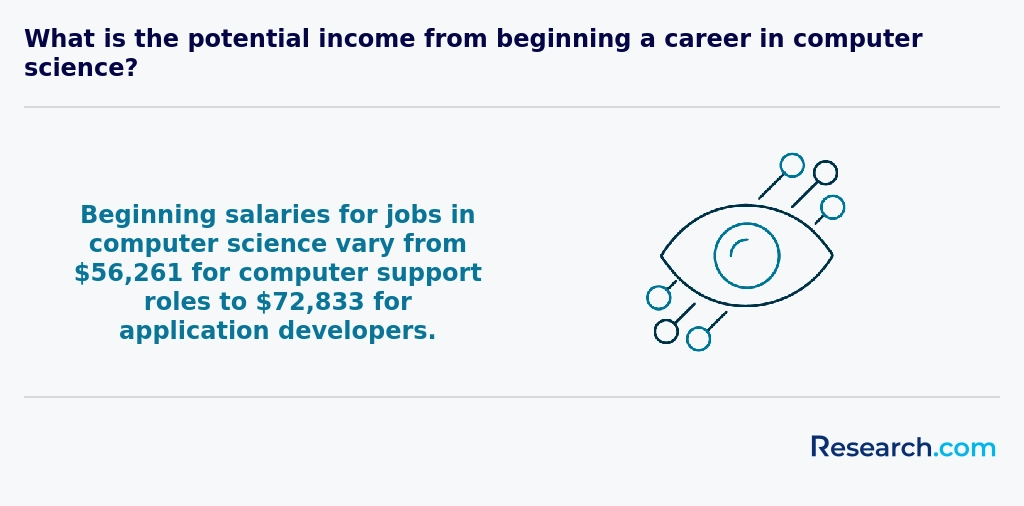
- The average starting salary for computer science graduates in Michigan is about $65,000 per year.
- Mid-career computer science professionals in Michigan typically earn between $95,000 and $110,000 annually.
- Michigan's tech hubs include Detroit and Ann Arbor, focusing on software development, automotive technology, and cybersecurity.
- The job market for computer science is expected to grow by around 8% over the next ten years in Michigan.
- Many Michigan schools offer internships and cooperative education programs to provide practical experience.
If you're thinking about how long it takes to finish a computer science degree in Michigan, the typical answer is about four years for a Bachelor of Science. Graduates from schools like the University of Michigan and Michigan State University often share how sticking to a full-time semester schedule helps them wrap up in this timeframe, juggling classes like programming, math, and software development.
That said, not everyone follows the same path. Some students take it slower by studying part-time, stretching their degree to five years or more while balancing work or family life. Others dive into accelerated programs or combined bachelor's/master's degrees, finishing sooner but with a heavier workload.
Graduate degrees add variety too - a full-time master's usually takes two years, while doctoral degrees can stretch 4 to 6 years depending on research progress, which some find thrilling and challenging in equal measure.
Overall, Michigan's college system offers flexibility, so you can choose what fits your life best and still earn your computer science degree on your terms.
If you're thinking about getting a computer science degree in Michigan, the biggest thing to know is how different online and on-campus programs feel day to day. On-campus at places like the University of Michigan or Michigan State, students love the hands-on vibe-imagine diving into labs, chatting face-to-face with professors, and being part of clubs or campus events that really help with networking. It's a classic college experience where you soak in the energy of campus life while learning.
Online programs, like those from Western Michigan University or Oakland University, are a whole different rhythm. Lots of students appreciate the flexibility, especially if they're juggling jobs or can't move to campus. You watch video lectures when it suits you and connect through discussion boards instead of in-person chats. It takes some self-drive, but many grads say it's super rewarding to learn at their own pace while saving money and skipping the commute.
Cost-wise, on-campus study usually comes with extra fees for campus resources, while online tuition tends to be similar but may add tech fees. Plus, many online students save big by avoiding housing and travel costs. No matter which route you pick, Michigan's job market is strong for CS grads, so you're in good shape either way.
The average cost of a computer science degree in Michigan usually sits around $38,908 for the entire program, which is a reasonable figure compared to the national scene. For those living in Michigan, the median in-state total cost is even friendlier at about $19,123, making public universities like the University of Michigan and Michigan State University popular choices. Graduates from these schools often share how the balanced cost and quality of education helped them feel confident investing in their future without drowning in debt.
Many students pursuing computer science here are thrilled because the costs align well with the quality of education, especially when considering the value of real-world experiences such as internships and collaborative projects offered by top Michigan institutions. Of course, expenses go beyond tuition-you'll want to budget for housing, textbooks, and tech gear. But some Michigan graduates say that investing in decent equipment upfront really paid off in their coursework and job readiness.
If you're looking to stretch your budget, it's smart to check out affordable computer science programs in michigan that often come with scholarships and financial aid. Those options make it easier for students to focus on learning rather than stressing over money. For more info on affordable options in Michigan, you can explore affordable computer science programs in michigan that fit various budgets and goals.

Michigan’s top computer science programs connect students with industry leaders to gain practical experience, strengthen resumes, and build professional networks. Key offerings include:
- Co-op placements with automotive giants like General Motors, Ford and Stellantis, where students contribute to autonomous vehicle and cybersecurity projects
- Research internships at University of Michigan’s TechLab and Michigan State University’s Applied AI Initiative, focusing on machine learning, data analytics and smart manufacturing
- Startup accelerator internships in Detroit’s tech hubs, enabling hands-on roles from full-stack development to product management
These partnerships often lead to mentorship, networking events and full-time job offers, giving graduates a competitive edge in Michigan’s bustling tech ecosystem. For students drawn to interactive media and design, consider exploring a game design bachelor degree online.
If you're diving into a computer science degree in Michigan, you're in luck because there are tons of financial aid options to help keep costs manageable. For example, many students at the University of Michigan snag federal aid by filling out the FAFSA, unlocking grants like the Pell Grant which can cover thousands without needing to be paid back. Graduates often say this relief made a huge difference in their budget during school.
On top of federal help, Michigan-specific scholarships like the Michigan Competitive Scholarship or TIP are game-changers, especially if you're an in-state student attending public schools like Michigan State. These programs can seriously chip away at tuition costs.
Merit scholarships are another popular route. Many students report landing scholarships based on solid GPAs or test scores, especially from schools with strong STEM vibes. Plus, if you're into diversity programs, groups like the Michigan Council of Women in Technology offer scholarships for underrepresented folks, which can be both encouraging and rewarding.
Lastly, don't underestimate paid internships tied to local tech companies. They not only pad your wallet but give real-world experience, which many who studied in Michigan rave about when job hunting after graduation.
As technology evolves, many Computer Science graduates choose to deepen their expertise through graduate study. Pursuing a master’s or Ph.D. can unlock specialized roles in research, leadership, and cutting-edge development. Key considerations include program format, curriculum focus, and alignment with career goals. Program Formats and Flexibility • On-Campus vs. Online: Traditional master’s programs offer in-person labs and networking, while online options provide self-paced study and work–life balance. For those looking to pivot into data-oriented roles, an data science online master degree delivers rigorous training in machine learning, big data architectures, and statistical modeling-often entirely remotely. • Full-Time vs. Part-Time: Full-time study accelerates completion (typically 1–2 years) and immersion in research, whereas part-time paths allow simultaneous career advancement. Curriculum and Research Opportunities • Thesis vs. Coursework: Thesis tracks emphasize original research under faculty mentors, ideal for Ph.D. preparation or R&D positions. Coursework-only tracks focus on practical skills through capstone projects and industry partnerships. • Interdisciplinary Labs: Many Michigan institutions house AI, cybersecurity, and human-computer interaction labs, enabling hands-on collaboration with faculty and industry sponsors. Financial Aid and ROI Graduate assistantships, fellowships, and employer-sponsored tuition benefits can offset costs. According to the U.S. Bureau of Labor Statistics, master’s holders in computer science and data science see median salaries 20–30% higher than bachelor’s graduates. Before applying, evaluate program accreditation, alumni placement rates, and networking events to maximize return on investment.
If you're thinking about jumping into a computer science degree in Michigan, know that most schools want you to have a solid high school background, especially in math and science. Graduates from places like Michigan State University often mention how nailing algebra, geometry, and even calculus before starting really set them up for success. It's not just about getting good grades but understanding those concepts deeply since computer science relies a lot on logical thinking.
Standardized test scores like the SAT or ACT can still matter, even if some schools say they're optional now. For example, aiming for around a 1200 on the SAT at MSU can really boost your chances. Some grads say having a decent score gave them confidence during applications.
Also, showing off some programming skills or tech-related classes helps. Maybe you took an AP Computer Science course or joined coding clubs-that experience makes a big difference in how ready you feel once classes start at schools like the University of Michigan-Flint.
Don't forget residency status, either; in-state students usually pay less tuition, which is a huge relief when budgeting for college life in Michigan.
Finally, some universities ask for placement tests to see if you're ready for tough math classes-something many grads found helpful to pinpoint what they needed to brush up on before diving into the core computer science courses.
If you're diving into a computer science degree in Michigan, get ready to tackle a mix of courses that really build your skills from the ground up. Graduates from schools like the University of Michigan often say that starting with programming fundamentals and data structures feels like learning the language of computers - it's like mastering the alphabet before writing a story. You'll also get hands-on with operating systems and database management, which means understanding how your favorite apps actually work behind the scenes.
Many students at Michigan State University find that software engineering classes help them get into the mindset of building real-world solutions, from designing apps to testing and fixing bugs with their project teams.
On top of that, you'll dive into cool electives like artificial intelligence and cybersecurity - areas that are booming right now. Math plays a surprising but important role too: discrete math and linear algebra help you solve the tricky puzzles behind coding challenges.
If you're diving into a computer science degree in Michigan, you'll find plenty of cool specializations to choose from that really match what companies are looking for today. Many students from big schools around the state pick software engineering because it's all about creating and perfecting apps, something that feels super rewarding when you see your code come to life. Plus, cybersecurity is another favorite, especially with how important protecting data has become-graduates often feel confident knowing they can fight off digital threats in real-world jobs.
There's also a strong focus on data science and analytics, which is growing fast. Michigan universities understand this and offer plenty of courses that prepare students to handle big data smartly-some even go on to pursue a data science online master degree to up their game. In fact, these Michigan computer science program focus areas often include specialties like AI, machine learning, and human-computer interaction, so you've got choices that fit almost any tech passion out there.
Picking the best computer science degree programs in Michigan comes down to what fits your style and goals. Graduates from the University of Michigan often rave about how the strong industry connections in Ann Arbor helped them land internships and jobs with local tech and automotive companies. On the other hand, those at Michigan Technological University appreciate the chance to focus on cybersecurity or data science, which really pumped up their enthusiasm for the field. It's smart to check for programs accredited by ABET since that's a big plus when employers look at your resume.
Don't forget about cost - community colleges in Michigan can be super affordable if you're looking for a budget-friendly route. If you want to compare options on price, you might also want to explore the Inexpensive Computer Science Degree Programs Ranking in Boston, MA for some ideas on affordable computer science colleges Michigan.
The vibe of the campus and the support you get really matter too. Students who felt supported with career counseling and research opportunities often mention how it made their experience more enjoyable and less stressful. So, weigh all this out and find a program that feels right for you!

If you're earning a computer science degree in Michigan, there's a whole playground of career paths waiting for you. Graduates from popular schools like the University of Michigan and Michigan State often land roles as software developers, data scientists, or cybersecurity specialists, especially with big players such as Ford or tech startups in Detroit. It's exciting because these jobs aren't just about coding-they're about shaping the future of automotive tech, manufacturing, and data analytics.
Many grads find themselves diving into cybersecurity, protecting the growing tech infrastructure across the state. Others explore data analytics or machine learning, turning massive data sets into game-changing insights. The job outlook for Michigan computer science graduates is bright, with lots of room to grow and adapt in industries that truly need these skills.
Plus, if you're looking for quicker options, some even explore high paying 6 month certificate programs online to jumpstart their career fast. The variety of opportunities means you're not just stuck with one path; Michigan's tech scene has something for everyone.
Graduates with computer science degrees in Michigan are stepping into a job market that's buzzing with opportunities. Cities like Detroit, Ann Arbor, and Grand Rapids aren't just great places to live-they're tech hotspots where startups and big companies alike are hunting for fresh talent. Many recent grads from universities in Michigan share stories of landing roles in exciting fields like software development and cybersecurity, often with automotive giants who are pushing the limits in smart manufacturing and autonomous vehicles.
While the average salary might be a bit below the national figure, many find the state's lower cost of living and strong community networks make it a sweet spot to start a career. Michigan's growing tech economy really shines when you consider the computer science job outlook Michigan offers, with projected growth faster than most places nationally.
For those weighing education costs, public universities in Michigan tend to be affordable, especially for in-state students, making it easier to dive into tech careers without crushing debt. And if you want to explore alternative paths, community colleges offer solid associate degrees that graduates praise for getting them into the tech world quickly.
Curious about continuing your education? Some students also look into the easiest doctoral programs in Michigan to boost their qualifications while staying close to home and connected to the local tech scene.
2027 Most Valuable Computer Science Degree Programs Ranking in Michigan
Investing in your education is a significant decision that can influence your career and future opportunities, and the Research.com team recognizes the importance of making well-informed choices. To support prospective students in Michigan, we have carefully developed the "2027 Most Valuable Computer Science Degree Programs Ranking in Michigan." Our dedication to quality, credibility, and accuracy is demonstrated through rigorous research and thorough analysis.
We utilized the following reputable data sources to ensure a comprehensive and trustworthy evaluation of computer science programs:
By reviewing this ranking, readers will receive valuable guidance on the most valuable computer science degree programs in Michigan, helping them choose the right educational path with confidence. For additional information on how this ranking was created, please visit our Research.com methodology page.


Frequently Asked Questions About computer science
Computer science students in Michigan can maximize their learning by engaging actively with both academic and practical experiences. Participating in internships is crucial, as the state hosts top tech employers like Duo Security and Ford's technology division, offering valuable real-world exposure. According to the Michigan Economic Development Corporation, internships improve employment prospects by over 70% for graduates.
Joining student organizations and coding clubs at universities like the University of Michigan or Michigan State University enhances collaborative skills and networking. Utilizing campus resources such as research labs and tech workshops also deepens understanding of cutting-edge technologies.
Finally, staying updated on Michigan's growing tech ecosystem through events and meetups helps students apply classroom knowledge to industry trends, ensuring a competitive edge after graduation.
The computer science field in Michigan is expanding to include several emerging niches that reflect current technological trends and industry needs. Areas like artificial intelligence (AI) and machine learning are rapidly growing, with Michigan universities and tech companies investing heavily in research and development.
Cybersecurity is another vital niche, driven by increased concerns over data protection and privacy. According to the Michigan Cyber Range, demand for cybersecurity professionals statewide has grown by over 20% annually in recent years.
Additionally, data science and big data analytics are critical, supported by Michigan's strong automotive and healthcare sectors that rely on data-driven decision making. Robotics and autonomous systems are also prominent, especially given Michigan's leadership in automotive innovation and automation.
These niches align with high-paying job markets and evolving technologies, making them attractive for students pursuing computer science degrees in Michigan.
Graduates with a computer science degree in Michigan should focus on gaining practical skills through internships and cooperative education programs. Many universities in Michigan, such as the University of Michigan and Michigan State University, offer strong connections to local industries, including Detroit's expanding tech sector.
Building a portfolio of projects, including contributions to open-source software, helps demonstrate technical abilities to employers. According to the Michigan Economic Development Corporation, demand for software developers in the state is expected to grow by over 15% through 2030, making early work experience critical.
Networking through local tech meetups and career fairs is also important for job placement. Additionally, developing soft skills like communication and problem-solving can improve employability in Michigan's competitive market.
Employers in Michigan highly value computer science graduates who demonstrate strong programming skills, particularly in languages such as Java, Python, and C++. According to the Michigan Department of Labor, proficiency in software development and data structures remains essential for entry-level positions. Additionally, experience with cloud computing platforms and cybersecurity knowledge is increasingly sought after due to Michigan's growing tech and automotive sectors.
Critical thinking and problem-solving abilities are crucial, as is teamwork and communication within multidisciplinary teams. Surveys by CompTIA highlight that nearly 70% of Michigan tech employers prioritize candidates with practical experience, including internships or cooperative education programs.
Finding internships in Michigan for computer science students involves a strategic approach that combines university resources, online platforms, and local industry connections. Many Michigan universities, such as the University of Michigan and Michigan State University, offer dedicated career centers that regularly post internship opportunities tailored to technology fields.
The Michigan Department of Labor highlights that the tech sector has grown by 6% annually, increasing demand for skilled interns. Students should leverage online job platforms like Handshake and LinkedIn, filtering for Michigan-based computer science internships. Networking events and tech meetups in Detroit and Ann Arbor also provide valuable direct contact with potential employers.
Moreover, Michigan hosts numerous large corporations and startups in automotive technology and software development, creating a broad spectrum of internship possibilities. Research from the Michigan Economic Development Corporation suggests that internships within these companies often lead to job offers post-graduation.
In Michigan, a computer science degree significantly enhances career mobility and advancement opportunities. The state's growing tech sector, including automotive technology and software development hubs in Detroit and Ann Arbor, demands skilled professionals. According to the Michigan Department of Technology, Management & Budget, computer science jobs are projected to grow by 14% from 2020 to 2030, outpacing many other fields.
Graduates with a computer science degree often access higher starting salaries, averaging around $70,000 annually, which increases with experience. The degree also facilitates transitions into specialized roles such as data science, artificial intelligence, and cybersecurity, areas expanding rapidly in Michigan's economy.
Employers in Michigan value the technical expertise and problem-solving skills gained from accredited computer science programs, often linking them to faster promotions and leadership roles. Additionally, networking through local universities can connect graduates to internships and job markets pivotal for career growth.
Studying for a computer science degree in Michigan offers strong preparation for interdisciplinary roles by emphasizing collaborative skills and broad technical knowledge. Michigan's universities often incorporate coursework from fields such as engineering, business, healthcare, and data science. This approach equips students to work across disciplines, which is essential given that 64% of Michigan tech jobs require collaboration beyond IT departments, according to a 2023 report by the Michigan Economic Development Corporation.
Several programs also promote internships and projects with local industries like automotive, manufacturing, and healthcare. These experiences help students apply computing skills in varied contexts, enhancing their versatility and employability.
Choosing between a thesis and a non-thesis computer science degree program in Michigan depends on your academic and career goals. Thesis programs emphasize research and require a significant project, ideal for students considering PhD studies or research-oriented careers. Non-thesis options focus more on coursework and practical skills, often appealing to those who want to enter the workforce immediately.
Michigan universities like the University of Michigan and Michigan State University offer both options. According to the National Center for Education Statistics, over 40% of Michigan's graduate computer science students opt for coursework-only programs, reflecting strong local industry demand for practical skills.
Consider your interests, time commitment, and long-term plans when deciding between these paths.
Students based in Michigan who want to study computer science abroad have several options through their home institutions. Many Michigan universities, such as the University of Michigan and Michigan State University, offer study-abroad programs that include partnerships with universities overseas. These programs often allow students to earn credit toward their degree while gaining international experience.
Additionally, some Michigan schools participate in exchange programs with renowned institutions in Europe and Asia, which can last from one semester to a full academic year. According to the Institute of International Education, approximately 10% of Michigan university students engage in study-abroad opportunities, though specific figures for computer science majors are not separately tracked.
For computer science students, studying abroad can include coursework in emerging technologies, global software development methodologies, and cross-cultural team projects, enhancing both technical and soft skills valuable in global markets.
Michigan offers various part-time job opportunities that complement a computer science degree education. Students often find roles as software developers, web developers, or IT support assistants to be valuable in gaining practical experience. According to the Michigan Talent Dashboard, the technology sector in Michigan grows steadily, with over 20,000 computing job openings projected annually through 2028.
Many university career centers in Michigan connect students with internships at automotive companies like Ford and General Motors, which increasingly rely on software engineers for autonomous vehicle projects. Additionally, local startups in Detroit and Ann Arbor frequently seek part-time programmers and data analysts.
These positions help students apply programming, debugging, and data management skills learned in classes, enhancing their resumes and practical knowledge concurrently.
Computer science students in Michigan benefit from a variety of networking opportunities that connect them with industry professionals and peers. Many universities, such as the University of Michigan and Michigan State University, host technology fairs and career expos each year, attracting major employers like Ford, General Motors, and smaller tech startups.
Student organizations and coding clubs provide frequent workshops and hackathons, allowing hands-on collaboration and skill-building.
Additionally, the Michigan Council of Women in Technology and Detroit Tech Meetups offer regular events for networking and mentorship, particularly valuable given Michigan's growing tech sector reported by the Michigan Economic Development Corporation (MEDC).
Internships facilitated by university career centers often lead to valuable professional contacts in this competitive field.
Alumni networks play a crucial role for computer science students in Michigan by providing essential professional connections. According to the Michigan Economic Development Corporation, the state has more than 50,000 tech workers, creating a rich job market amplified by strong university networks. These networks offer mentorship opportunities, internships, and exclusive job listings, helping students connect with established professionals and local tech companies.
Many Michigan institutions, such as the University of Michigan and Michigan State University, maintain active alumni groups that facilitate career growth. Research from the National Association of Colleges and Employers shows that referrals from alumni increase job placement rates by up to 25%.
In Michigan, many universities offer computer science programs designed to accommodate various career paths. Students can customize their degrees by selecting electives related to areas like artificial intelligence, cybersecurity, or data science. For example, the University of Michigan reports that almost 40% of its computer science courses focus on specialized fields, allowing learners to gain targeted skills.
Internships and cooperative education opportunities are another way to tailor your education. Programs at Michigan State University and Wayne State University often connect students with tech companies in Detroit and Ann Arbor, helping to build real-world experience aligned with career goals.
Additionally, many schools provide options for dual degrees or minors in complementary subjects such as business or engineering. This flexibility enhances adaptability in the competitive tech job market, where Michigan's computer science graduates saw an average starting salary of around $70,000 in 2023, according to the Michigan Department of Labor.
Computer science students in Michigan often encounter several common challenges during their studies. Many face a steep learning curve in mastering foundational topics such as algorithms, data structures, and programming languages, which requires strong problem-solving skills and persistence. According to the Michigan Department of Technology, Management & Budget, about 15% of STEM students change majors, often due to these academic difficulties.
Another challenge involves balancing rigorous coursework with internships or part-time tech jobs, which are crucial for gaining practical experience in Michigan's competitive job market. Access to updated technology and resources can vary widely between institutions.
Additionally, some students report limited diversity and support networks in computer science programs, which may impact retention rates for underrepresented groups, as noted in research from the University of Michigan's Center for Academic Innovation.
With a computer science degree in Michigan, graduates can pursue various professional certifications to advance their careers. Popular certifications include the Certified Information Systems Security Professional (CISSP), which is highly regarded in cybersecurity roles. The Project Management Professional (PMP) certification is also valuable, especially for those moving into management.
The Certified Software Development Professional (CSDP) from the IEEE Computer Society targets mid-career professionals. Additionally, certifications like Cisco's CCNA or CompTIA Security+ address networking and security skills.
According to Michigan's Bureau of Labor Market Information, demand for certified IT professionals has grown by 12% over the past five years, highlighting increased employer preference for credentialed candidates.
Writing a winning application for a computer science program in Michigan requires clear demonstration of both academic strength and genuine interest. Applicants should highlight strong performance in math and science courses, as these are critical for success in computer science. According to the Michigan Department of Education, over 60% of top Michigan colleges recommend a minimum 3.0 GPA for competitive applicants.
Additionally, securing robust letters of recommendation from teachers or professionals familiar with your technical skills can enhance your application. Including any relevant coding projects, internships, or involvement in technology clubs can also set you apart.
Essays should clearly express your passion for computer science and career goals. Preparing for standardized tests like the SAT or ACT remains important, with many Michigan schools considering these scores during admission.
Computer science careers have a strong global appeal, reflecting the universal demand for technology professionals. In the US, and specifically Michigan, the need for skilled computer scientists continues to grow rapidly. According to the Michigan Department of Technology, Management & Budget, the state expects a 22% growth in software development jobs between 2020 and 2030, outpacing many other fields.
Globally, countries emphasize computer science to drive innovation and economic competitiveness. The US remains a leader in both education and employment opportunities, making it an attractive place to study and launch a tech career.
Michigan's robust automotive and manufacturing sectors increasingly rely on computer science, especially in areas like artificial intelligence and cybersecurity. This creates unique local opportunities aligned with global technology trends.
Students pursuing a computer science degree in Michigan can gain practical experience through internships, cooperative education (co-op) programs, and research opportunities. Many Michigan universities, such as the University of Michigan and Michigan State University, have partnerships with local tech firms and industries that provide paid internships. According to the National Association of Colleges and Employers, 65% of computer science students in the Midwest secure internships before graduation, enhancing their job prospects.
Co-op programs allow students to alternate between semesters of study and full-time work, gaining hands-on experience and industry connections. Additionally, engaging in faculty-led research projects helps develop technical skills and contributes to real-world problem solving.
Choosing the right concentration within a computer science degree program in Michigan involves understanding both your career goals and the strengths of local institutions. Popular concentrations include software engineering, data science, cybersecurity, and artificial intelligence. According to the Michigan Economic Development Corporation, the state's tech industry grew by 10% from 2020 to 2023, highlighting strong demand for skills in AI and cybersecurity.
Research program offerings at Michigan State University, University of Michigan, and Wayne State University, as they provide diverse options. Consider internship opportunities in Michigan's expanding tech hubs like Detroit and Ann Arbor to gain practical experience. Align your choice with industries thriving regionally, such as automotive technology and healthcare IT, for better job prospects.
- 2027 Most Valuable Computer Science Degree Programs Ranking in Illinois
- 2027 Most Valuable Computer Science Degree Programs Ranking in Minnesota
- 2027 Most Valuable Computer Science Degree Programs Ranking in Pennsylvania
- 2027 Most Valuable Computer Science Degree Programs Ranking in Kentucky
- 2027 Most Valuable Computer Science Degree Programs Ranking in New York
- 2027 Most Valuable Computer Science Degree Programs Ranking in Tennessee
- 2027 Most Valuable Computer Science Degree Programs Ranking in North Carolina
- 2027 Most Valuable Computer Science Degree Programs Ranking in Maryland
- 2027 Most Valuable Computer Science Degree Programs Ranking in Connecticut
- 2027 Most Valuable Computer Science Degree Programs Ranking in Rhode Island
See What Experts Have To Say About Studying Computer Science
Read our interview with Computer Science experts

Derek Riley
Computer Science Expert
Professor, Program Director
Milwaukee School of Engineering

Martin Kang
Computer Science Expert
Assistant Professor
Loyola Marymount University

Kathleen M. Carley
Computer Science Expert
Professor of Computer Science
Carnegie Mellon University

Elan Barenholtz
Computer Science Expert
Associate Professor
Florida Atlantic University

- Computer Science - SWPS University https://english.swps.pl/academics/warsaw/ba-programs/computer-science
- New and Future Computer Science and Technology Trends https://www.computerscience.org/resources/computer-science-trends/
- The Crucial Role of Networking for Computer Science Students https://dev.to/thisisaayush/the-crucial-role-of-networking-for-computer-science-students-4k2i
- Ada Computer Science https://adacomputerscience.org/student_challenges
- Study Computer Science Abroad | Go Overseas https://www.gooverseas.com/study-abroad/computer-science
- Career advice for recent Computer Science graduates https://huyenchip.com/2018/10/08/career-advice-recent-cs-graduates.html
- 5 Challenges Faced by Computer Science Students and How to Overcome Them https://informatika.almaata.ac.id/5-challenges-faced-by-computer-science-students/
- Computer Science Alumni Council https://www.myniu.com/article.html
- Fields of Work in Computer Science: Top IT Careers | Walbrook https://www.walbrook.ac.uk/subjects/computer-science/computer-science-fields-of-work-career-in-it/
- How AI Is Transforming Computer Science Careers | Role of AI https://www.gisma.com/blog/how-ai-is-transforming-computer-science-careers