
2027 Most Valuable Computer Science Degree Programs Ranking in Maryland

Co-Founder and Chief Data Scientist
Choosing the right computer science degree program can shape your future, especially here in Maryland. To help you navigate your options, this article presents the 2027 Most Valuable Computer Science Degree Programs Ranking in Maryland, carefully crafted by the Research.com team of data scientists.
By exploring this ranking, you'll gain clear insights into programs that offer strong value, helping you make an informed decision about your education. Pursuing a computer science degree opens doors to exciting careers, growth opportunities, and lasting skills.
Take a confident step toward your future with guidance tailored just for you.
Key benefits of getting computer science degree in Maryland
- Graduates with a computer science degree in Maryland can expect strong earning potential, with roles like Software Engineer and Software Developer earning a mean annual wage of $138,110 and Web Developers earning $95,570.
- Career paths are diverse, ranging from software development and IT support to data analysis, offering many chances to find a role that fits your passion and skills right here in Maryland.
- Online computer science degrees from Maryland universities offer flexibility and convenience, helping you balance work or family while gaining the same valuable skills and credentials as traditional programs.
- Key benefits of getting computer science degree in Maryland
- What can I expect from computer science degree in Maryland?
- Where can I work with computer science degree in Maryland?
- How much can I make with computer science degree in Maryland?
- 2027 Most Valuable Computer Science Degree Programs Ranking in Maryland
- Key Findings
- How long does it take to complete computer science degree in Maryland?
- Emerging Trends and Future Outlook in Computer Science Education in Maryland
- What's the difference between online and on-campus computer science degree?
- Return on Investment (ROI) for Computer Science Degrees in Maryland
- What is the average cost of computer science degree in Maryland?
- What financial aid is available to computer science degree students in Maryland?
- Return on Investment
- What are the prerequisites for enrolling in computer science degree program in Maryland?
- Industry Partnerships and Internship Opportunities in Maryland Computer Science Programs
- What courses are typically in computer science degree programs in Maryland?
- What types of specializations are available in computer science degree programs in Maryland?
- How do you choose the best computer science degree in Maryland?
- What career paths are available for computer science degree students in Maryland?
- What is the job market for computer science degree in Maryland?
- Related Computer Science Rankings for Nearby States
- Top Trending Computer Science Rankings
- See What Experts Have To Say About Studying Computer Science
What can I expect from computer science degree in Maryland?
The average cost of a computer science degree in Maryland varies depending on whether you attend a public or private institution. For public universities like the University of Maryland, College Park, in-state tuition typically ranges from $10,000 to $15,000 per year. Many students appreciate the value they get for this cost, benefiting from strong academics and access to internships with nearby federal agencies and tech companies. Graduates often share how these experiences enrich their skills and job prospects.
Private universities such as Johns Hopkins University can have higher tuition, sometimes exceeding $50,000 annually. However, many students find that scholarship opportunities and financial aid programs help offset these costs, especially those promoting STEM diversity and inclusion in Maryland. Graduates often recall the supportive environment and networking possibilities these programs created.
Students planning finances should also consider additional expenses like textbooks and living costs. Maryland's robust tech ecosystem and research focus can lead to paid internships, helping offset costs while gaining practical experience. Overall, balancing tuition with scholarship possibilities and work experience is key for managing expenses effectively.
Where can I work with computer science degree in Maryland?
Graduates with a computer science degree in Maryland find opportunities in diverse industries thanks to the state's proximity to Washington, D.C., and its strong tech ecosystem. Many secure jobs at federal agencies like the NSA or the Department of Defense, working on cybersecurity or data analysis projects, benefiting from Maryland's high concentration of IT employment.
Private sector roles abound around Baltimore and Washington, where companies such as Lockheed Martin and Booz Allen Hamilton actively recruit graduates for software engineering and cybersecurity. Those who studied at the University of Maryland, College Park, often share how internships with these firms paved the way for full-time positions, highlighting the value of local networking.
Biotechnology and health informatics sectors in Baltimore also offer tech roles involving data management and computational biology. Graduates from Johns Hopkins have thrived here, applying technical skills in innovative health startups and established research institutions.
For those drawn to teaching or research, universities and technical colleges within Maryland provide fulfilling academic careers. Many graduates express excitement about contributing to cutting-edge projects while mentoring the next generation.
Entrepreneurial graduates benefit from Maryland's dynamic startup hubs, especially in Baltimore, where innovation centers support early-stage tech ventures in AI and software development.
How much can I make with computer science degree in Maryland?
Graduates with a computer science degree from universities like the University of Maryland College Park often start with salaries ranging from $65,000 to $80,000 annually, depending on their chosen role and employer. Entry-level positions such as IT Support Specialist typically average around $63,640 per year, making it a practical starting point for many new graduates.
Many Maryland graduates quickly advance into roles like Software Developer or Software Engineer, where the mean annual wage climbs to approximately $138,110. Mid-career professionals can expect salaries between $95,000 and $130,000, reflecting experience gained through internships and projects common in Maryland's tech-focused programs.
Data Analysts in Maryland also enjoy competitive pay, with mean salaries around $119,040. Graduates working in Baltimore or near the Washington, D.C. metro increasingly find opportunities in cybersecurity or cloud computing, where demand drives salaries even higher.
Students who take advantage of Maryland's robust internship options at government agencies or tech firms report strong confidence in securing rewarding roles and salaries that substantially exceed national averages.
2027 Most Valuable Computer Science Degree Programs Ranking in Maryland
How do we rank schools?
Investing in your education is a significant decision that can shape your future, and the Research.com team understands the importance of making informed choices. To assist prospective students in Maryland, we have meticulously crafted the "2027 Most Valuable Computer Science Degree Programs Ranking in Maryland." Our commitment to quality, credibility, and accuracy is reflected in the extensive research and analysis conducted to compile this ranking.
We utilized the following reputable data sources to ensure a comprehensive evaluation of computer science degree programs:
By exploring this ranking, readers will gain valuable insights into the most valuable computer science programs available in Maryland, enabling them to make confident and well-informed decisions about their educational paths. For more details on our methodology, please visit our Research.com methodology page.


# 10 position
United States Naval Academy
Bachelor of Science in Computer Science

Key Findings
- Maryland has several accredited universities offering computer science degrees, including the University of Maryland, Johns Hopkins University, and Towson University.
- In-state tuition at public universities averages between $10,000 and $12,000 per year, while out-of-state students pay $25,000 to $35,000 annually.
- Private universities often charge over $50,000 per year, though financial aid may reduce costs.
- About 90% of computer science graduates find employment within six months of graduation.
- Starting salaries for entry-level positions average around $70,000 per year, with mid-career salaries ranging from $95,000 to $120,000.
- Internships with federal agencies like the NSA provide valuable experience and networking opportunities for students.
How long does it take to complete computer science degree in Maryland?
Completing a computer science degree in Maryland typically takes four years for a bachelor's degree when attending full-time at schools like the University of Maryland, College Park or Johns Hopkins University. Many graduates share that maintaining a steady course load of 15-16 credits per semester helps them stay on track, while also allowing time for internships and projects that enhance their practical skills.
Students juggling work or family often find themselves extending their studies by a year or two, especially if attending part-time or relying on financial aid to manage tuition costs, which vary significantly between public and private institutions. Some who are highly motivated opt for summer classes to accelerate completion.
Graduate programs usually take two years, although intense, accelerated options exist for those ready to commit fully. Many Maryland graduates praise these pathways for allowing them to enter the job market faster, especially in tech hubs near Baltimore and DC.
Emerging Trends and Future Outlook in Computer Science Education in Maryland
Maryland’s computer science landscape is rapidly evolving, with emerging trends that not only influence current curricula but also set the stage for future innovation in both academic and professional arenas. Today’s programs are increasingly integrating advanced technologies-such as machine learning, data analytics, and cloud computing-into their course offerings to prepare students for the challenges of tomorrow’s tech ecosystem. Additionally, collaborative projects with leading tech firms, research partnerships, and state-funded initiatives are creating new avenues for hands-on learning and career development. As educational institutions strive to keep pace with global advancements, prospective students are encouraged to consider factors such as program adaptability, access to cutting-edge research facilities, and strong industry connections when selecting a degree. For instance, several Maryland universities now offer dedicated labs and innovation hubs where students work on real-world projects alongside top researchers and industry professionals. These developments contribute to a dynamic learning environment, where academic excellence and practical expertise converge. For those exploring opportunities at an affordable computer science school in maryland, it is essential to assess how well a program’s emerging initiatives align with your career goals. Embracing these trends can enhance employability and ensure that graduates are well-equipped to navigate a technology-driven future. As we look ahead, Maryland’s commitment to innovation in computer science education remains a significant draw for students seeking both quality instruction and responsive, forward-thinking academic experiences.
What's the difference between online and on-campus computer science degree?
Online and on-campus computer science degrees in Maryland differ mainly in format and daily experience. Graduates from the University of Maryland, College Park, explain how on-campus programs provide direct access to professors and lab resources, creating a hands-on environment that fosters collaboration and networking. In contrast, those who studied online appreciated the flexibility to balance coursework with jobs or family, using asynchronous classes to learn at their own pace.
For example, an online student at Towson University managed group projects through scheduled virtual meetings, developing strong self-discipline. Meanwhile, on-campus students often join campus clubs and attend career fairs, gaining connections that can lead to internships or job offers.
Cost differences are practical: online learners save on commuting and housing, though tuition can vary widely. Both paths in Maryland follow accredited curricula aligned with industry needs, so choosing depends on your lifestyle, learning style, and long-term career plans.
Return on Investment (ROI) for Computer Science Degrees in Maryland
Understanding the long-term value of a Computer Science degree in Maryland requires more than comparing tuition and salaries-it demands a clear ROI calculation. On average, in-state undergraduates pay around $17,545 per year, while out-of-state students may incur up to $36,000 annually. With entry‐level Software Engineers earning a mean salary of $132,930, most graduates recoup their investment within 2–3 years. Factors influencing ROI include:
- Tuition vs. Starting Salary: A four-year bachelor’s degree (total tuition ≈ $70K in-state) versus an entry salary of $132K yields a payback period under three years.
- Salary Growth: Mid‐career professionals in Maryland often see 50%+ salary increases within 5–7 years, accelerating ROI.
- Debt Management: Leveraging state grants (e.g., Terrapin Commitment) and federal Pell eligibility can reduce reliance on loans, shortening repayment timelines.
- Career Trajectories: Graduates who pursue internships and research projects often transition into high paying coding jobs in areas like AI, cybersecurity, and data science-fields with projected growth rates over 20%.
By factoring in average tuition, financial aid, and robust starting salaries, a Maryland Computer Science graduate can anticipate a strong ROI, positioning themselves for both rapid debt recovery and long-term financial stability.
What is the average cost of computer science degree in Maryland?
The average cost of a computer science degree in Maryland varies significantly depending on residency status and type of institution. For in-state students, the median total cost is approximately $11,809, making public universities like the University of Maryland, College Park an affordable and attractive option. Graduates from these programs often share how in-state tuition helped them pursue their passion without overwhelming financial stress, allowing them to focus more on hands-on learning and networking.
Out-of-state students face a steeper financial commitment, with median total costs reaching around $50,921. This expense is common at both public universities for non-residents and private institutions such as Johns Hopkins University, where the higher tuition is often balanced by better financial aid packages. Many students value the rich research opportunities and industry connections available, which can make the higher investment worthwhile.
Understanding the Maryland computer science degree tuition and fees is key to planning. Beyond tuition, students must budget for housing, books, and technology expenses, which can add thousands each year. Many hopefuls have found success by researching specialized scholarships and grants for STEM majors offered at Maryland's universities. Checking with financial aid offices ensures access to updated opportunities and advice.
For those prioritizing budget, exploring an affordable computer science school in maryland can be a game changer, combining quality education with manageable costs.

What financial aid is available to computer science degree students in Maryland?
Computer science students in Maryland can access a variety of financial aid options that make earning their degree more manageable. Graduates from popular schools like the University of Maryland share how state grants from the Maryland Higher Education Commission (MHEC), such as the Maryland Community College Promise Scholarship, helped reduce their tuition burden significantly without adding debt. Applying early for these grants is essential since they are aimed specifically at Maryland residents.
Federal aid through FAFSA unlocks Pell Grants, which often cover a substantial portion of tuition-around $4,000 annually-helping students from low- to moderate-income families. Many Maryland students rely on these grants to supplement their budgets alongside scholarships tailored to STEM fields. The National Science Foundation scholarships and university-specific awards, like those from the University of Maryland's computer science department, reward both academic achievement and leadership.
Loan programs with low-interest federal rates provide flexible repayment for students needing extra funding. Work-study opportunities also let students earn money through campus jobs connected to tech fields, making it easier to gain experience while covering costs. Additionally, working professionals benefit from employer tuition assistance programs offered by Maryland's tech companies and public agencies, which often pay for part of their schooling.
Return on Investment
Calculating ROI helps gauge the true value of your investment in a Maryland computer science degree.
- Total in-state tuition (4-year program): ~$40,000–$45,000
- Average entry-level salary: ~$85,000–$138,110
- Median payback period: 3–5 years, factoring in living expenses and aid
- Key influencers: available scholarships, employer partnerships, local internship opportunities
For students seeking flexible and budget-friendly pathways, consider exploring a gaming degree online.
What are the prerequisites for enrolling in computer science degree program in Maryland?
To enroll in a computer science degree in Maryland, students typically need a high school diploma with strong preparation in core subjects like algebra, geometry, and calculus. For example, graduates from the University of Maryland often recall how mastering pre-calculus helped them confidently tackle programming challenges early in their studies. Science courses such as physics also build essential hardware knowledge that supports advanced topics later on.
Many public Maryland universities require a GPA between 2.5 and 3.0, ensuring students are academically prepared. Some schools suggest submitting SAT or ACT scores but often remain test-optional, which eases application stress. Graduates frequently mention how meeting these standards boosted their confidence during admissions.
Transfer students aiming for graduate programs usually need a bachelor's degree in computer science or related fields with proven skills in algorithms and programming. Letters of recommendation and a clear statement of purpose are common requirements, reflecting a student's readiness for graduate-level work at institutions like Towson University.
Industry Partnerships and Internship Opportunities in Maryland Computer Science Programs
Maryland’s leading computer science programs distinguish themselves through robust partnerships with government agencies, tech startups, and Fortune 500 companies, providing students with hands-on experience that directly translates to career readiness. Universities like the University of Maryland, College Park, and Johns Hopkins University maintain formal affiliations with organizations such as the National Institute of Standards and Technology (NIST), Lockheed Martin, and Northrop Grumman, enabling students to contribute to real-world projects in cybersecurity, artificial intelligence, and software engineering. These collaborations often culminate in credit-bearing internships, capstone projects, and co-op placements, which not only bolster technical skills but also expand professional networks. Each year, over 60% of Maryland computer science undergraduates secure at least one internship through their institution’s career services office. For instance, Maryland Global Campus reports that 70% of its online students engage in virtual internships with regional employers, while on-campus cohorts at Towson University regularly participate in summer research programs sponsored by the Maryland Technology Development Corporation (TEDCO). These experiential learning opportunities serve as a springboard for full-time employment: recent data indicates that 45% of internship participants receive job offers from their host organizations within six months of graduation. Beyond traditional internships, many programs facilitate semester-long collaborative research projects. At Johns Hopkins University’s Malone Center for Engineering in Healthcare, computer science majors team up with biomedical researchers to develop machine-learning algorithms for patient data analysis. Similarly, the University of Maryland’s Clark School of Engineering hosts an annual hackathon sponsored by Amazon Web Services (AWS), where students prototype cloud-native solutions and often secure follow-up internship interviews. For those exploring cost-effective degree pathways, online learners can refer to our Cheapest Online Bachelor's in Computer Science Degree Programs Ranking in the West to identify affordable programs that also offer meaningful internship placements. By choosing a program that combines academic rigor with strategic industry partnerships, students maximize their return on investment and position themselves for competitive roles, from software engineer to data scientist, upon graduation.
What courses are typically in computer science degree programs in Maryland?
Computer science degree programs in Maryland typically include core courses that build a strong foundation in both theory and practical skills. Students at universities like University of Maryland, College Park, often start with Introduction to Programming, learning languages such as Python or Java, which many graduates describe as empowering for tackling real-world coding problems early on.
Courses in Data Structures and Algorithms help students develop efficient problem-solving techniques, essential for software development roles. Graduate feedback frequently highlights how these classes improved their logical thinking and coding speed.
Hands-on classes in Computer Systems, Operating Systems, and Networks provide insight into how software interacts with hardware and secure data communication-skills that are highly valued by Maryland's tech companies. Electives like Artificial Intelligence and Machine Learning offer advanced knowledge aligned with current industry demands, encouraging students to engage with cutting-edge projects during their studies.
Many find that completing internships encouraged by Maryland programs solidifies these skills, making theory applicable to actual tech work environments in the Baltimore-Washington area.
What types of specializations are available in computer science degree programs in Maryland?
Maryland offers diverse computer science degree specializations that match the state's dynamic tech and government landscape. Graduates from universities like the University of Maryland College Park often highlight strong programs in Artificial Intelligence (AI) and Machine Learning, where students work on real-world projects supported by nearby federal research labs. Cybersecurity is another top Maryland computer science concentration option, benefiting from the state's proximity to the NSA and Cyber Command, allowing students to engage in hands-on learning about network security and ethical hacking.
Other popular specializations include Data Science and Big Data Analytics, valued for roles in finance, healthcare, and government sectors. Students frequently mention how Maryland's programs teach practical skills in statistics and data visualization that helped them secure high-paying jobs. Software Engineering, Computer Graphics, and Networking and Distributed Systems are also widely pursued, with graduates praising the opportunities to work with local tech firms and government contractors.
For those exploring specializations, it's helpful to consider options tied to scholarships or internships since these can greatly ease tuition costs. To explore career prospects further, students often research high paying coding jobs aligned with their chosen tracks.
How do you choose the best computer science degree in Maryland?
To choose the best computer science degree program in Maryland, prioritize regional accreditation and the school's reputation. Graduates from the University of Maryland, College Park often highlight how the strong faculty involvement in projects with NASA and NIST enhanced their hands-on learning and networking opportunities. Look for programs that offer specializations matching your career goals, such as cybersecurity or data science, and provide internships or research chances that connect you to Maryland's tech hubs.
Consider cost carefully, especially if affordability is a priority. Many students begin at community colleges like Montgomery College, which offer affordable pathways to transfer into four-year degrees. This approach helps manage expenses while still aiming for a reputable degree. For a sense of financial options, explore financial aid and scholarships offered by Maryland schools. If you want detailed info on affordable options, check out the Cheapest Online Bachelor's in Computer Science Degree Programs Ranking in the West.
Finally, assess outcomes like graduation rates and starting salaries, which range from $65,000 to $75,000 according to Maryland reports. Programs with active career services and employer ties often provide an edge for job placement. Choosing an affordable computer science colleges Maryland with strong career support can make a big difference in your post-graduation success.
What career paths are available for computer science degree students in Maryland?
Graduates holding a computer science degree in Maryland find diverse and lucrative career paths aligned with the state's robust technology job prospects Maryland graduates appreciate. Skilled software developers frequently secure positions designing applications at major employers like Johns Hopkins University or in Baltimore's growing tech startups. These roles often provide competitive salaries reflecting local demand. Cybersecurity is another thriving area, leveraging Maryland's proximity to federal agencies; many graduates with combined computer science knowledge and security certifications enjoy steady career growth protecting critical infrastructure. Data science and analytics are fast-expanding fields, where graduates integrate technical skills with healthcare or finance expertise, frequently joining research institutions in Bethesda or Baltimore.
Other practical options include systems analyst jobs improving IT infrastructures or network engineering roles building vital communication systems. Graduates also pursue artificial intelligence and machine learning engineering, tapping Maryland's academic and industry research environment. Students balancing cost and speed often explore accelerated online bachelor degree programs to enter these professions sooner and capitalize on strong computer science career opportunities Maryland offers.
What is the job market for computer science degree in Maryland?
The computer science job market Maryland offers is robust, fueled by proximity to federal agencies and a growing tech industry. Graduates from universities like the University of Maryland College Park find ample opportunities with employers such as NASA, the NSA, and numerous cybersecurity firms in the Baltimore-Washington area. Many graduates share how internships during their studies led directly to full-time roles, highlighting the importance of gaining practical experience.
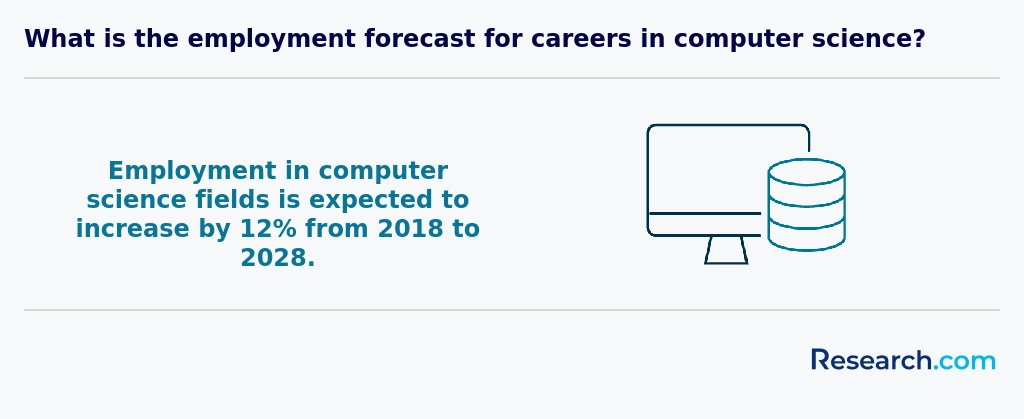
Maryland computer science degree employment is projected to expand by 15% through 2030, surpassing national growth rates. This growth translates to high demand for skills in cybersecurity, software development, and health informatics. Graduates often feel optimistic about entering a lucrative job market, with average wages around $105,720-significantly higher than the national average.
Students looking to balance cost and quality also appreciate Maryland's relatively affordable in-state tuition, such as the roughly $10,500 annual rate at public universities. For those seeking flexible options, considering an easiest degree online could complement traditional studies or enhance skills while working.
Frequently Asked Questions About computer science
Computer science degree students in Maryland can maximize their learning by engaging in both academic and practical experiences. Maryland hosts several top universities with strong computer science programs, such as the University of Maryland, College Park, which is ranked among the top 20 public computer science schools nationally by U.S. News & World Report (2023).
Students should seek internships in Maryland's robust tech and biotechnology sectors, especially in the Baltimore-Washington corridor, one of the nation's leading tech hubs. Gaining hands-on experience through internships at companies like Lockheed Martin or Northrop Grumman enhances practical skills and employability.
Participating in university research projects and joining coding clubs or hackathons helps strengthen problem-solving abilities. Maryland's proximity to federal agencies offers unique opportunities for cooperative education (co-op) and research collaboration.
Utilizing career services and attending industry networking events within the state can further connect students to mentors and job prospects. According to Maryland's Department of Labor, computer and information research science jobs in Maryland are projected to grow 15% through 2030, highlighting strong demand for skilled graduates.
The computer science field in Maryland is expanding into several emerging niches that reflect nationwide technological trends. Areas such as artificial intelligence (AI), cybersecurity, and data science are experiencing significant growth due to increasing demand from local industries and government agencies. For example, Maryland's proximity to federal institutions fosters robust opportunities in cybersecurity, a sector projected to grow by 31% nationwide through 2031, according to the U.S. Bureau of Labor Statistics.
Additionally, bioinformatics and health informatics are rising in prominence, supported by Maryland's strong healthcare and biotechnology sectors. These specializations combine computer science with biology and medicine, offering interdisciplinary pathways for graduates.
Other developing areas include cloud computing and the Internet of Things (IoT), which are influencing how businesses operate and manage data. Maryland universities are actively incorporating these topics into their computer science curricula to prepare students for the evolving job market.
Graduates with a computer science degree in Maryland can enhance their job prospects by gaining hands-on experience through internships. Maryland hosts numerous tech companies and government agencies, offering valuable internships that often lead to full-time roles. According to the Maryland Department of Labor, internships increase employment chances by up to 30%.
Building a strong professional network is essential. Attending local technology meetups and career fairs in cities like Baltimore and College Park can connect students with industry professionals.
Additionally, obtaining certifications in trending fields such as cybersecurity or cloud computing can improve resume appeal. The U.S. Bureau of Labor Statistics reports that Maryland's tech sector grew by 5.2% between 2020 and 2023, indicating a robust demand for skilled graduates.
Employers in Maryland value computer science graduates who demonstrate strong technical skills, including proficiency in programming languages like Python, Java, and C++. According to the Maryland Department of Labor, skills in software development and cloud computing are increasingly sought after, reflecting the state's growing tech sector.
Beyond coding, problem-solving ability and analytical thinking remain top priorities. Graduates who can adapt to evolving technologies and work collaboratively on complex projects tend to stand out.
Additionally, knowledge of cybersecurity is critical, given Maryland's concentration of defense and cybersecurity firms near the Washington D.C. metro area. Communication skills are also emphasized, as employers want candidates who can clearly explain technical concepts to non-technical stakeholders.
Finding internships in Maryland related to computer science involves leveraging local resources and industry connections. Maryland hosts a strong tech industry, including cybersecurity hubs like those near Baltimore and the National Security Agency in Fort Meade. Students can begin by using university career centers, which often have partnerships with regional employers. Websites like Handshake and WayUp frequently list internships specifically for computer science majors.
According to the Maryland Department of Labor, approximately 25% of tech internships statewide in 2023 were software development roles, which are relevant to CS students. Networking through Maryland-based tech meetups or organizations such as the STEM Education Coalition can also provide direct access to internship opportunities. Early application and engagement with faculty who have industry ties is highly recommended.
In Maryland, earning a computer science degree significantly enhances career mobility and advancement opportunities. The state's growing tech industry, including agencies like the National Security Agency and numerous cybersecurity firms, creates strong demand for skilled professionals.
According to the Maryland Department of Labor, technology jobs are projected to grow by over 11% between 2020 and 2030, outpacing many other sectors. A computer science degree equips graduates with in-demand skills, making them competitive for roles in software development, cybersecurity, and data analysis.
Furthermore, Maryland's proximity to Washington, D.C., offers access to federal jobs and lucrative contracts that often require or prefer candidates with specialized degrees. Salary growth for computer science graduates in Maryland tends to surpass the state average, supporting upward career movement.
Studying for a computer science degree in Maryland offers strong preparation for interdisciplinary roles by integrating foundational computing skills with real-world applications across various fields. Universities in Maryland often emphasize collaboration between computer science and areas like healthcare, cybersecurity, and engineering. For example, the University of Maryland's programs promote partnerships that encourage students to apply computing techniques to solve problems in biological sciences, business, and public policy.
Maryland's proximity to government agencies and tech firms provides students access to internships and research opportunities, enhancing practical skills in diverse sectors. According to the Maryland Higher Education Commission, graduates in computer science report high employability in roles requiring interdisciplinary knowledge, reflecting the state's focus on versatile education.
When choosing between a thesis and a non-thesis computer science degree program in Maryland, consider your career goals. Thesis programs emphasize research, suitable for students aiming for PhD studies or roles in innovation and academia. Non-thesis options focus more on coursework and practical skills, ideal for those preparing for industry roles.
Maryland hosts well-ranked universities like the University of Maryland, College Park, where about 30% of CS master's students opt for the thesis track, reflecting a strong research emphasis.
Cost and time are factors-thesis programs often take longer due to research commitments, while non-thesis degrees may allow completion in less time.
Assess whether you prefer independent research or applied learning to make the best choice.
Students in Maryland interested in studying computer science abroad have several options through their home institutions. Many Maryland universities, such as the University of Maryland, College Park, offer study abroad programs or exchange agreements with international universities known for strong computer science curricula.
These programs typically last a semester or a full academic year, allowing students to gain global experience while earning credits toward their degree. According to the University of Maryland Global Campus, over 20% of its students participate in some form of international study.
Additionally, students can explore summer internships or research collaborations abroad, supported by university partnerships in Europe and Asia. Opportunities in countries like Germany, the UK, and South Korea are common due to their advanced tech sectors.
Financial aid and scholarships are often available to Maryland students pursuing computer science studies overseas, enhancing accessibility.
Maryland offers diverse part-time job opportunities that can complement a computer science degree education. Many students find roles as IT support specialists or computer lab assistants at universities, gaining hands-on technical experience. The state's strong tech sector, highlighted by the presence of federal agencies like the National Institute of Standards and Technology (NIST), creates internships and part-time positions in cybersecurity and software development.
Additionally, Maryland's thriving startup scene in areas such as Baltimore and the Washington, D.C. metro often seeks student workers for coding, testing, or data analysis roles. According to the Maryland Department of Labor, technology-related jobs grew 7.6% between 2018 and 2023, reflecting increased opportunities for students to apply classroom learning in real-world environments.
Maryland offers numerous networking opportunities for computer science students due to its proximity to federal agencies, defense contractors, and tech startups. Universities like the University of Maryland, College Park, host regular career fairs and tech events that connect students with employers such as NASA, the National Institutes of Health, and major IT firms.
The state's technology hubs, including those in the Baltimore-Washington corridor, provide access to internships and collaborative projects. Organizations like the Maryland Tech Council facilitate professional networking and skill-building workshops tailored for computer science students.
According to the Maryland Department of Labor, technology sector jobs have grown by over 10% in recent years, enhancing opportunities for student engagement.
Alumni networks provide valuable support for computer science degree students in Maryland by connecting them to experienced professionals in the tech industry. These networks often host events, mentorship programs, and job fairs, giving students direct access to internships and employment opportunities. According to the Maryland Department of Labor, over 15,000 tech jobs are filled annually, many through alumni referrals.
Students benefit from advice on career paths and industry trends, which can improve their job prospects. Alumni can also offer guidance on graduate school options and research collaborations. Strong networks contribute to Maryland's reputation as a growing tech hub, especially around Baltimore and the Washington metro area.
Customizing a computer science degree in Maryland to fit your career goals often involves selecting specialized electives and concentrations. Many Maryland universities allow students to focus on areas like cybersecurity, data science, artificial intelligence, or software engineering. This flexibility can help you gain skills aligned with growing job markets in the state, such as Baltimore's expanding tech sector.
Internship opportunities with Maryland-based companies and government agencies, including those near Washington, D.C., enable practical experience. Additionally, some programs offer capstone projects or research options to apply knowledge to real-world problems.
According to the Maryland Higher Education Commission, 40% of computer science graduates engage in industry-related internships, enhancing career readiness. Choosing institutions accredited by ABET ensures degree quality, which is valued by Maryland employers.
Computer science students in Maryland often face challenges related to the rigorous curriculum and fast-evolving technology landscape. Many report difficulty balancing theoretical coursework with practical programming skills, a common issue noted by the Maryland Association of Computing Machinery. Additionally, access to internships and co-op programs is highly competitive, despite Maryland's strong tech industry presence, including federal agencies like the NSA and companies in the Baltimore-Washington corridor.
Another challenge is maintaining pace with rapid advancements in fields such as artificial intelligence and cybersecurity, which demand continuous learning. According to a 2023 survey by the Maryland Higher Education Commission, about 40% of computer science students express concerns about finding local employment matching their training levels.
A computer science degree from a Maryland institution opens doors to numerous professional certifications that enhance career prospects. Popular certifications include Certified Information Systems Security Professional (CISSP), often required for cybersecurity roles in Maryland's growing tech sector. Additionally, the Certified Ethical Hacker (CEH) is valued for those focusing on security testing and vulnerability assessment.
Microsoft Certified: Azure Fundamentals is another widely recognized certification, especially relevant as Maryland companies increasingly adopt cloud technology. CompTIA certifications such as Security+ and Network+ continue to hold strong value among entry-level IT professionals.
According to the Maryland Department of Labor, demand for certified computer science professionals grew by 15% between 2018 and 2023, illustrating the value of these credentials in the state's job market.
Applying for a computer science program in Maryland requires careful preparation and attention to detail. Start by researching schools thoroughly; institutions like the University of Maryland and Johns Hopkins University offer highly ranked programs. Emphasize your academic record, particularly your math and science courses, as these are crucial for computer science admissions.
Strong letters of recommendation from teachers or professionals familiar with your technical skills can strengthen your application. Additionally, include relevant experience such as internships, coding projects, or participation in computer science competitions. According to the Maryland Higher Education Commission, Maryland's demand for STEM graduates grows annually, increasing opportunities for students with practical experience and excellent academic credentials.
Standardized tests like the SAT or ACT may still be required by some schools, so prepare accordingly. Lastly, write a clear and concise personal statement that highlights your passion for computing and career goals, tailored specifically to the Maryland job market and research opportunities. Following these steps can enhance your chances of acceptance in this competitive field.
Computer science careers are increasingly valued worldwide due to rapid technological growth. In the United States, and particularly in Maryland, the field offers diverse opportunities in areas like cybersecurity, software development, and data science. Maryland's close ties to federal agencies such as the NSA and NASA create unique job prospects.
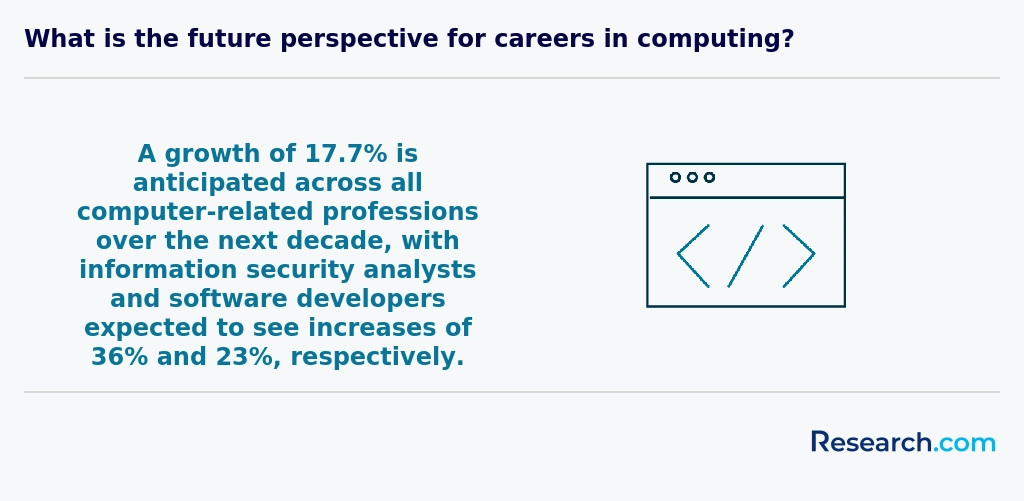
According to the U.S. Bureau of Labor Statistics, computer and information technology occupations are expected to grow by 15% from 2021 to 2031, much faster than average. Maryland's employment in tech fields is notably strong, supported by state initiatives and numerous research institutions.
Globally, demand for computer science professionals reflects a need for innovation and security. While salaries vary by region, Maryland consistently ranks above the national average in tech wages, making it an attractive area for study and work.
Gaining practical experience while pursuing a computer science degree in Maryland is crucial for career readiness. Many universities in the state, including the University of Maryland and Johns Hopkins, offer co-op programs and internships that connect students with local tech companies. These experiences help students apply theoretical knowledge in real-world settings.
Participation in research projects is another valuable option. Maryland's universities often collaborate with government agencies and private firms, giving students access to cutting-edge technology and expert mentorship.
Students can also join coding clubs and hackathons, which are common across campuses, fostering teamwork and problem-solving skills essential for the tech industry.
When choosing a concentration within a computer science degree program in Maryland, it is important to consider both your interests and local industry demands. Maryland offers diverse specializations such as cybersecurity, data science, and software engineering, reflecting the state's strong technology and government sectors. For instance, cybersecurity is a growing focus due to Maryland's proximity to federal agencies. According to Maryland Higher Education Commission data, programs emphasizing cybersecurity have seen a 15% enrollment increase over the past five years. Evaluating faculty expertise, available internships, and career support services can further guide your decision.
Research the curriculum flexibility and practical experience opportunities each concentration provides. Engaging with Maryland's tech hubs, like those in Baltimore and College Park, can offer valuable insights into which skills are most sought after. Additionally, some universities in Maryland participate in cooperative education programs, connecting students with employers for hands-on learning. Considering job placement rates and median graduate salaries in your chosen concentration will also help ensure alignment with your career goals in Maryland's competitive tech market.
Related Computer Science Rankings for Nearby States
- 2027 Most Valuable Computer Science Degree Programs Ranking in Pennsylvania
- 2027 Most Valuable Computer Science Degree Programs Ranking in New York
- 2027 Most Valuable Computer Science Degree Programs Ranking in Ohio
- 2027 Most Valuable Computer Science Degree Programs Ranking in North Carolina
- 2027 Most Valuable Computer Science Degree Programs Ranking in Kentucky
- 2027 Most Valuable Computer Science Degree Programs Ranking in Connecticut
- 2027 Most Valuable Computer Science Degree Programs Ranking in Rhode Island
- 2027 Most Valuable Computer Science Degree Programs Ranking in Tennessee
- 2027 Most Valuable Computer Science Degree Programs Ranking in Massachusetts
- 2027 Most Valuable Computer Science Degree Programs Ranking in Georgia
Top Trending Computer Science Rankings
See What Experts Have To Say About Studying Computer Science
Read our interview with Computer Science experts

Elan Barenholtz
Computer Science Expert
Associate Professor
Florida Atlantic University

Imed Bouchrika, Phd
Computer Science Expert
Professor of Computer Science
National Higher School of Artificial Intelligence

Martin Kang
Computer Science Expert
Assistant Professor
Loyola Marymount University

Kathleen M. Carley
Computer Science Expert
Professor of Computer Science
Carnegie Mellon University

References
- UK Computer Science Degree Requirements Explained https://accesscoursesonline.com/blogs/news/computer-science-degree-requirements
- Computer Science Cover Letter: How to Show You're a Top Tech Candidate https://arc.dev/talent-blog/computer-science-cover-letter/
- How AI Is Transforming Computer Science Careers | Role of AI https://www.gisma.com/blog/how-ai-is-transforming-computer-science-careers
- Computer Science Programs in Maryland https://www.computerscience.org/online-degrees/maryland/
- Computer Science Alumni Council https://www.myniu.com/article.html
- How to choose a bachelor's in computer science | edX https://www.edx.org/resources/how-to-choose-a-bachelors-in-computer-science
- The Crucial Role of Networking for Computer Science Students https://dev.to/thisisaayush/the-crucial-role-of-networking-for-computer-science-students-4k2i
- Essential Skills Every Computer Science Graduate Needs | LSBF https://lsbf.edu.my/blog/11-essential-skills-every-computer-science-graduate-needs/
- Top 12 Global Careers For Computer Science Degree Graduates https://womeninstemnetwork.com/careers-for-computer-science-degree/
- Computer Science Major https://www.towson.edu/fcsm/departments/computerinfosci/undergrad/computersci.html


