2027 Best Computer Science Degree Programs Ranking in the USA

Co-Founder and Chief Data Scientist
Choosing the right computer science degree program is a big step toward a successful tech career. This article presents the 2027 Best Computer Science Degree Programs Ranking in the USA, created by the Research.com team of data scientists to guide you through your options.
By exploring this ranking, you'll discover which programs offer quality education, strong faculty, and valuable opportunities. Whether you're just starting or looking to advance your skills, understanding these top programs can help you make a confident decision that fits your goals.
A computer science degree opens doors in a fast-growing, exciting field full of innovation and opportunity.
Key benefits of getting computer science degree in America
- Salary for computer science degree graduates: Graduates can expect strong earning potential with roles like Software Engineer or Developer earning a mean annual wage of $138,110, while Web Developers earn around $95,570 per year.
- Potential career paths: A computer science degree opens diverse opportunities such as Software Development, Data Analysis, or IT Support, offering graduates exciting and rewarding job options in technology-driven fields.
- Benefits of online degrees: Pursuing a computer science degree online offers flexibility and the convenience to balance studies with work or life commitments, making education more accessible without sacrificing quality.
- 2027 Best Computer Science Degree Programs Ranking in the USA
- What can I expect from computer science degree in America?
- Where can I work with computer science degree in America?
What can I expect from computer science degree in America?
The average cost of earning a computer science degree in America varies widely depending on the institution. At public universities, in-state students often pay between $10,000 and $20,000 per year, while out-of-state students can expect higher tuition. Private universities, including prestigious programs known for their strong tech partnerships, may charge $50,000 or more annually. Despite these costs, many graduates from schools like those in the University of California system or private institutions like Carnegie Mellon describe the investment as deeply rewarding.
Graduates often share how the immersive learning environments at these universities - combining lectures, labs, and hands-on projects - empower them to tackle real-world problems confidently. The financial commitment opens doors to internships with leading tech companies in Silicon Valley or Seattle, enriching students' experiences even further. These opportunities boost their skills and readiness, reinforcing the value of their education in competitive job markets.
Scholarships, financial aid, and cooperative education programs help many students manage costs, turning the dream of a computer science degree into an achievable goal. The strong job growth outlook and dynamic career paths make this journey an inspiring investment in the future.
Where can I work with computer science degree in America?
Graduates from top American universities like MIT, Stanford, and UC Berkeley find themselves stepping into vibrant careers across diverse industries. Many land exciting roles at tech giants such as Google, Microsoft, Apple, and Amazon, where they develop cutting-edge software, explore data science, or innovate in artificial intelligence. Imagine contributing to projects shaping the future of technology while earning competitive salaries that reflect the high demand for your skills.
Beyond big tech, graduates are thriving in finance, crafting algorithms that drive stock market decisions, or in healthcare, designing systems to improve patient care and medical research. Those from schools like Carnegie Mellon or University of Washington often join startups in dynamic cities like Seattle or Boston, where their creativity flourishes in fast-growing tech hubs.
Many enjoy the flexibility of remote work, collaborating with teams nationwide or internationally. Internships and co-op programs offered by these universities pave a smooth path to employment, with over 70% of graduates landing jobs within six months, proving that a computer science degree in America opens doors to a world of opportunity and innovation.
Graduates from renowned computer science programs at universities like MIT, Stanford, and the University of Michigan enjoy impressive earning potential right after graduation. For example, many software developers with a computer science degree in America earn a mean annual wage of about $138,110, reflecting their high demand and specialized skills.
Other common roles for graduates include data analysts and web developers, with annual wages averaging $119,040 and $95,570 respectively. Even positions such as IT support specialists offer competitive salaries around $63,640, making every step in a tech career rewarding.
These salary levels are not just numbers but real opportunities for graduates. Imagine starting your first job after graduation at a top tech company, easily covering living expenses and saving for your future while working on exciting projects that fuel innovation. Many students from leading American universities share stories of how their degrees opened doors to these rewarding positions.
With such strong earning potential, pursuing a computer science degree in America is a smart investment that can transform your passion for technology into a prosperous career filled with growth and opportunity.
- A bachelor's degree in computer science typically takes four years and covers topics like programming, algorithms, and computer systems.
- Public in-state tuition averages about $10,000 per year, while private nonprofit colleges can cost over $35,000 annually, excluding living and other expenses.
- Median annual salary for software developers is around $120,000, with entry-level pay ranging from $70,000 to $90,000.
- Job growth in computer and IT fields is projected at 15% from 2021 to 2031, driven by areas like AI, cybersecurity, and cloud computing.
- Computer science programs offer on-campus, online, and hybrid options, often including internships and co-op opportunities for practical experience.
Completing a computer science degree in America is an exciting journey that typically takes about four years for a bachelor's degree, a timeline embraced by many students at renowned institutions like the University of California, Berkeley, and the University of Michigan. Graduates often describe their experience as a blend of challenge and growth, fueled by hands-on projects and collaboration with passionate peers.
For those starting with an associate degree at community colleges, the path usually spans two years, serving as a strong stepping stone toward transferring to a four-year university. Many students appreciate this flexible route, balancing work and studies while building solid technical foundations.
Graduate students pursuing a master's degree can expect to invest an additional 1.5 to 2 years, a period many find deeply rewarding as they specialize in fields like artificial intelligence or cybersecurity.
The dedication of Ph.D. candidates, often lasting 4 to 6 years, reflects their commitment to advancing knowledge and innovation. Across all levels, the journey is marked by perseverance, excitement, and the promise of a flourishing future in technology.
Investing in a Computer Science degree requires a clear understanding of the return on investment (ROI). By comparing program costs with median starting salaries and payback periods, prospective students can make data-driven decisions.
- Average Tuition vs. Earnings • Bachelor’s Degree Tuition: $9,596 (in-state public) to $27,457 (out-of-state public) per year • Master’s Degree Tuition: $20,000 to $40,000 total • Median Starting Salary: $74,000 for software developers, $66,440 for data analysts, $61,580 for IT support specialists
- Payback Period Based on median student debt of $29,000 and an average starting salary of $74,000, graduates typically recoup tuition costs in 3 to 4 years. Those pursuing a master’s degree at $30,000 tuition and earning $132,930 as software engineers may recover costs in under 2 years.
- Long-Term Earnings Growth Graduates often see salary growth of 5–8% annually, reaching $100,000+ within five years. Specializations in AI, cybersecurity, and cloud computing can accelerate this trajectory.
- Factors Impacting ROI • Scholarships and Grants: Reducing upfront costs by 20–50% • Part-Time Work and Internships: Building experience that boosts starting offers by up to 15% • Program Format: Online degrees often cost 20–30% less than on-campus counterparts, while maintaining comparable outcomes Students aiming to maximize their ROI can also consider further specialization through a reputable data science master online program, blending advanced analytics skills with strong industry demand. By evaluating financial aid opportunities, post-graduation salary benchmarks, and program delivery options, prospective students can ensure their Computer Science investment delivers both short-term recovery and long-term career gains.
Choosing between an online and on-campus computer science degree in America opens two inspiring paths tailored to your lifestyle and goals. On-campus programs at universities like the University of California or University of Michigan deliver a vibrant, hands-on experience. Graduates often recall late nights in buzzing computer labs, face-to-face collaborations, and energizing hackathons that spark innovation and lifelong friendships. This immersive setting enriches personal growth and networking, with access to campus career fairs and local tech internships boosting job-ready skills.
Alternatively, online degrees from esteemed institutions such as Arizona State University offer unmatched flexibility. Students balancing work or family commitments can thrive by learning at their own pace, using virtual labs and interactive platforms that mirror traditional coursework. Many online graduates celebrate the freedom to study anytime, anywhere while still earning respected, accredited degrees that open doors across the tech industry.
The key difference is personalization: whether you crave in-person energy or adaptable scheduling, both paths empower you to achieve your dreams in America's dynamic computer science landscape.
The average cost of a computer science degree in America is an important consideration for many aspiring students. For those enrolling as in-state residents at public universities, the total cost typically averages around $16,306 for the full degree. Graduates often share stories of the value they received from institutions like state universities or community colleges, where access to quality education was balanced with affordable tuition, allowing them to focus on their studies without overwhelming financial stress.
Out-of-state students, while facing higher tuition costs, often find the investment in their future rewarding. The median total cost for such students can reach approximately $46,737. Many graduates from well-known public universities in other states report that even with these expenses, scholarships, grants, and work-study programs helped them manage costs effectively while gaining hands-on experience and connecting with top faculty in computer science.
Private universities known for their strong computer science programs may have higher tuition rates, but students often find these costs offset by generous financial aid and the prestige of the institution. Many who have pursued their degrees at such schools have expressed that the network, resources, and career opportunities they gained made their educational investment worthwhile. When thinking about the average cost of computer science degree USA programs, it's encouraging to explore different funding options and consider the long-term benefits.
For prospective students eager to find pathways that fit their budgets, exploring the most affordable computer science programs can be an inspiring next step. This allows future computer scientists to approach their education with confidence, knowing that meaningful and affordable options exist across America. The journey toward a computer science degree is a bright one, filled with promise and opportunity.

Students pursuing computer science degrees in America have access to a vibrant array of financial aid options that make their academic dreams achievable. Graduates from top universities like the University of California, Berkeley, and the University of Washington often share how Pell Grants provided vital support, covering thousands of dollars in tuition that made their journey manageable. These need-based grants, which can reach up to $7,395, are a powerful resource for students from diverse backgrounds.
In addition to grants, federal student loans such as Direct Subsidized Loans offer low-interest support while students focus on coding, cybersecurity projects, and innovative coursework without the immediate pressure of repayment. Many computer science students at colleges like MIT and Carnegie Mellon have leveraged these loans to balance tuition and living costs effectively.
State scholarships and institutional merit awards further empower students, rewarding academic excellence and technical talent. Work-study programs often provide hands-on experience and financial relief, allowing students to earn while gaining career-related skills. Private scholarships from tech companies also brighten the path, encouraging more students to embrace the future of computing with confidence.
Accreditation confirms a program meets high educational standards and ensures employer and graduate-school recognition.
- ABET programmatic accreditation validates core computer science, software engineering and information systems curricula.
- Regional accreditation (e.g., Middle States, WASC) guarantees overall institutional quality.
- Graduates from accredited programs often have an edge for certifications, advanced degrees and competitive job markets.
To verify accreditation, consult your university’s website or the official ABET directory. For creative tech paths with identical rigor, explore a game design degree online.
Enrolling in a computer science degree program in America starts with a strong foundation in high school academics, especially in mathematics and science. Graduates from renowned universities like MIT and Stanford often share how mastering subjects like algebra, calculus, and physics unlocked their understanding of complex algorithms and programming concepts. Many students recall their first coding projects in high school as exciting stepping stones that fueled their passion and confidence.
Standardized tests like the SAT or ACT continue to play a role in admissions at many American colleges, particularly for competitive computer science programs where high math scores can make a big difference. However, an increasing number of institutions offer test-optional policies, creating more accessible pathways for talented students eager to showcase their creativity through strong essays and robust extracurriculars in technology clubs or robotics teams.
For graduate programs, having a bachelor's degree with a solid GPA and relevant research or tech experience often opens doors to programs at places like Carnegie Mellon or UC Berkeley. This combination signals dedication and readiness to tackle advanced challenges, inspiring admissions committees with your commitment and potential to contribute to the future of technology.
Navigating the admissions process can be as challenging as it is rewarding, and understanding how to present your best self is essential. Prospective students should start by researching each program’s specific application requirements, such as letters of recommendation, personal statements, and standardized test scores. Craft a compelling narrative that highlights both your academic achievements and passion for technology, and be sure to showcase any relevant projects or internships that reinforce your practical skills. Additionally, many schools offer detailed webinars and campus tours that provide insights into how their programs integrate innovative learning methods, so taking advantage of these resources can give you a competitive edge. For those keen on balancing affordability with quality education, exploring the most affordable computer science programs can be a game changer in maximizing your investment in your future. Finally, paid attention to deadlines and tailor each application to reflect the unique culture and strengths of the institution, ensuring you demonstrate both preparedness and genuine interest in contributing to their academic community.
Students pursuing computer science degrees in America dive into a dynamic mix of courses that build confidence and expertise from day one. At renowned colleges and universities, graduates often recall the excitement of mastering fundamental subjects like programming, data structures, and algorithms-core essentials that unlock the secrets of software and hardware systems.
As studies progress, learners explore vital fields such as operating systems and computer architecture, gaining a deeper understanding of how technology powers the world. Coursework in software engineering teaches the craft of creating complex, reliable applications, inspiring students to innovate boldly. Many also embrace challenging math classes like discrete mathematics and calculus, equipped with the tools to solve problems creatively.
Typical courses include Introduction to Computer Programming, Cybersecurity, Artificial Intelligence and Machine Learning, and Theory of Computation. Students at top American universities find these courses not just educational but empowering, as they prepare for exciting careers in fast-growing industries.
Students pursuing a computer science degree in America find a wealth of exciting specialization options that fuel ambition and creativity. Top computer science concentrations in America frequently include Artificial Intelligence, where graduates develop smart systems that learn and adapt, reflecting the cutting-edge technology seen at universities like MIT and Stanford. Graduates often share their enthusiasm for Cybersecurity, a rapidly growing field vital for safeguarding digital information against threats, inspired by the dynamic environment at institutions such as the University of Maryland.
Data Science and Big Data Analytics stand out as powerful specializations, enabling students to extract meaningful insights from massive datasets-a skill in high demand across industries. Many graduates from popular colleges have found paths through these areas and continue to advance with programs like the data science master online program. Other specializations, such as Software Engineering and Human-Computer Interaction, offer hands-on experiences that prepare students to design innovative software and enhance user experiences, perfectly demonstrating the diversity and opportunity in a computer science degree specializations USA.
Choosing the best computer science degree programs USA means focusing on accredited schools with strong, industry-relevant curricula. Graduates from respected universities often highlight how real-world projects and internship opportunities prepared them for dynamic tech careers. Imagine yourself studying at a university that offers specializations in artificial intelligence or cybersecurity, fields where passion meets opportunity.
Many students find that evaluating cost alongside quality is empowering. Public institutions often provide excellent value, with average tuition around $10,000 annually, while private colleges might offer unique experiences at higher prices. Exploring financial aid and scholarships can make these options accessible. For example, students who utilized the Affordable Computer Science Degree Programs Ranking in Iowa discovered pathways that balanced excellence and affordability.
When wondering how to choose computer science degree America options, think about post-graduation success. Alumni from schools with strong career services land roles at tech giants or startups quickly, inspired by supportive networks. This growth mindset turns challenging subjects into rewarding achievements, fueling your journey toward a future in technology.
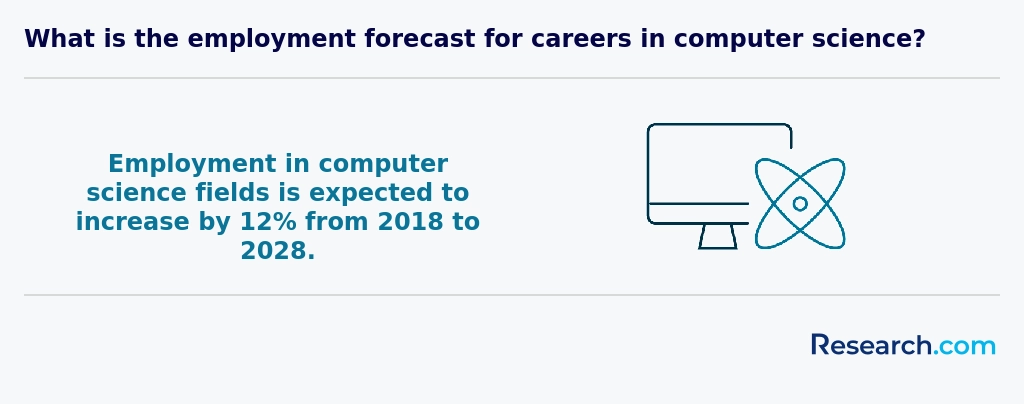
Graduates with a computer science degree in America unlock a world of exciting career paths that fuel innovation and transformation. From software developers creating apps used daily around the globe to AI specialists designing intelligent systems that shape the future, the possibilities are vast and inspiring. Many graduates from renowned universities like MIT or Stanford share how their practical experiences and internships helped them step confidently into roles as cybersecurity analysts, protecting vital data from evolving threats.
Exploring job prospects for computer science graduates in America reveals opportunities as data scientists who decode complex datasets for industries like healthcare and finance, or as network engineers ensuring smooth communication across global businesses. The thriving tech environment encourages students, even from colleges not traditionally known for tech, to leverage cooperative education programs-sometimes through best accelerated bachelor's degree online options-that accelerate their journey toward impactful careers.
With strong computer science career opportunities in the USA, every graduate can find a fulfilling role that matches their passion and skills, inspiring a future driven by creativity and innovation.
The job market for computer science degree holders in America is vibrant and filled with opportunity. Graduates from renowned institutions often find themselves stepping into roles as software engineers, cybersecurity specialists, or data analysts with competitive starting salaries. The demand for skilled professionals continuously grows as businesses embrace digital transformation, ensuring promising career prospects in tech hubs like Silicon Valley and Boston. This strong growth makes the computer science degree job outlook USA especially bright.
Graduates from universities known for their computer science programs share stories of quickly securing rewarding positions, sometimes even before graduation. Many enjoy the flexibility of remote work, which expands job opportunities nationwide and helps balance personal and professional lives. For students weighing options, costs remain a factor, but the potential returns-including salary and career growth-highlight the tremendous value of the degree. By considering colleges with open admissions, students can find pathways tailored to their goals and budgets without sacrificing quality.
Job opportunities for computer science graduates America-wide include vibrant roles powered by continuous innovation. From startups to established tech giants, graduates fuel progress and redefine possibilities daily.
2027 Best Computer Science Degree Programs Ranking in the USA
Investing in your education is a significant decision that can influence your future career and personal growth, and the Research.com team recognizes the importance of making well-informed choices. To support prospective students nationwide, we have carefully developed the "2027 Best Computer Science Degree Programs Ranking in the USA." Our dedication to quality, credibility, and accuracy is demonstrated by the thorough research and rigorous analysis undertaken to create this ranking.
We utilized the following reputable data sources to ensure a comprehensive evaluation of computer science programs:
By exploring this ranking, readers will gain valuable insights into the leading computer science degree programs across the USA, enabling them to make informed decisions about their educational and professional futures. For more details on how this ranking was compiled, please visit our Research.com methodology page.


# 7 position
Massachusetts Institute of Technology
Bachelor of Science in Computer Science and Engineering


# 11 position
Massachusetts Institute of Technology
Master of Engineering in Electrical Engineering and Computer Science
# 12 position
Massachusetts Institute of Technology
Doctor of Philosophy in Electrical Engineering and Computer Science


Frequently Asked Questions About computer science
Computer science degree students in America can maximize their learning by engaging in both theoretical studies and practical experiences. Participating in internships or cooperative education programs provides real-world application of classroom concepts. The National Center for Education Statistics reports that nearly 60% of computer science graduates gain valuable work experience through such programs.
Students should also take advantage of research opportunities and coding competitions offered by universities to deepen problem-solving skills. Collaborating on group projects enhances teamwork, an essential skill in the tech industry.
Staying updated with emerging technologies and pursuing certifications alongside a degree can further improve job prospects. According to the Computing Research Association, exposure to hands-on projects correlates with higher employment rates among graduates.
The field of computer science in America is rapidly evolving, with several emerging niches attracting significant attention. Areas such as artificial intelligence (AI), machine learning, and data science continue to expand, driven by demand for automation and advanced analytics. Cybersecurity is increasingly vital due to growing concerns about data breaches and privacy. According to the U.S. Bureau of Labor Statistics, employment in computer and information research roles is projected to grow 21% from 2021 to 2031, faster than average.
Other promising niches include quantum computing and human-computer interaction, both supported by research at leading American universities. These specialties offer strong career prospects for students seeking innovative fields within computer science.
After completing a computer science degree in America, preparing for the job market involves building both technical and soft skills. Many employers value practical experience, so engaging in internships or cooperative education programs during studies is crucial. According to the National Association of Colleges and Employers (NACE), 61% of computer science graduates who completed internships secured a job within six months of graduation.
Networking through career fairs, professional organizations like the Association for Computing Machinery (ACM), and LinkedIn can open doors to job opportunities. Additionally, developing proficiency in in-demand programming languages such as Python, Java, and JavaScript improves employability. Continuous learning through certifications, bootcamps, or online courses also helps graduates stay competitive in the fast-evolving tech landscape.
Employers in America seek computer science graduates with strong programming skills in languages such as Python, Java, and C++. According to the National Association of Colleges and Employers (NACE), proficiency in software development and problem-solving ranks among the top technical abilities desired.
Beyond coding, employers value knowledge of data structures, algorithms, and cybersecurity fundamentals. The U.S. Bureau of Labor Statistics highlights that adaptability and continuous learning are crucial due to rapid technological advancements.
Soft skills, including teamwork, communication, and critical thinking, are increasingly emphasized. A 2023 LinkedIn report found that 57% of employers prioritize these alongside technical expertise when hiring computer science graduates.
Finding internships in America relevant to a computer science degree involves proactive searching and leveraging university resources. According to the National Association of Colleges and Employers (NACE), 66% of computer science students obtain internships during their studies. Many universities offer career services that connect students to tech companies, startups, and research labs.
Students should also explore platforms like Handshake, LinkedIn, and specific company websites for internship postings. Engaging in networking events, hackathons, and tech meetups can increase internship opportunities. Companies such as Google, Microsoft, and Amazon frequently offer competitive internships for undergraduates and graduates in computer science.
Applying early and tailoring resumes to showcase programming skills and relevant projects is crucial. Internships not only provide practical experience but often lead to full-time employment in the booming US tech industry.
A computer science degree significantly enhances career mobility and advancement in the United States. According to the U.S. Bureau of Labor Statistics, employment in computer and information technology occupations is projected to grow 15% from 2021 to 2031, much faster than the average for all occupations. This growth creates diverse opportunities across industries like software development, cybersecurity, and data science.
Graduates with a computer science degree can transition more easily between roles due to strong technical skills and problem-solving abilities. Many employers also offer higher salaries to degree holders, with the median annual wage for computer occupations around $97,430 in 2022.
Additionally, a degree often serves as a prerequisite for senior positions, enabling faster promotion and leadership roles. Certifications and continued education complement but rarely replace the foundational degree.
Studying for a computer science degree in America equips students with the skills to work across multiple disciplines. U.S. programs often emphasize problem-solving, programming, and data analysis, which are valuable in fields like healthcare, finance, and engineering. According to the National Center for Education Statistics, computer science graduates increased by 20% from 2015 to 2020, reflecting growing interdisciplinary demand. Many universities also encourage minors or double majors in related areas such as biology or business, fostering versatile expertise.
Students engage in collaborative projects that simulate real-world problems, often requiring teamwork with peers from diverse academic backgrounds. This approach builds communication skills and adaptability essential for interdisciplinary roles.
Choosing between a thesis and a non-thesis computer science degree program in America depends largely on your career goals. Thesis programs emphasize research, requiring students to develop and defend an original project. This path suits those aiming for doctoral studies or research-focused roles in academia or industry. According to the National Center for Education Statistics, about 30% of US computer science master's graduates complete thesis degrees.
Non-thesis programs emphasize coursework and practical skills, appealing to students targeting immediate employment in software development or IT roles. These programs often require internships or capstone projects instead of a thesis.
Consider your long-term plans carefully, as thesis programs often demand more time and critical thinking skills, while non-thesis degrees typically offer faster completion and hands-on experience.
American students seeking to study computer science abroad have several paths to consider. Many U.S. universities offer study abroad programs, partner exchanges, or dual-degree options with international institutions, allowing students to earn credits overseas while remaining enrolled at their home school. According to the Institute of International Education, over 10% of U.S. STEM students participated in study abroad activities prior to 2020, with computer science among popular majors.
Another option involves enrolling directly in foreign universities known for strong computer science programs, such as those in Canada, the United Kingdom, or Germany. These students should ensure their chosen programs align with U.S. accreditation standards if they plan to return for work or further education.
Financial aid and scholarships from organizations like Gilman International Scholarships can support study abroad for computer science students. Additionally, remote learning options with international curricula are increasingly common.
Part-time job opportunities that complement a computer science degree in America focus on gaining practical experience and reinforcing technical skills. Common roles include software development internships, IT support technician positions, and data analyst assistant jobs. These jobs provide hands-on experience with programming languages and real-world problem solving, which is valuable for students.
According to the National Association of Colleges and Employers (NACE), computer science-related internships have increased by 15% over recent years, reflecting strong industry demand. Additionally, freelance coding and tutoring fellow students in programming languages like Python or Java are popular flexible options.
Many universities support these experiences through career centers and partnerships with Silicon Valley and other tech hubs, helping students balance work and study effectively.
Networking opportunities for computer science students in America are abundant and diverse. Many universities host career fairs and industry panels, connecting students directly with top tech companies such as Google, Apple, and Microsoft. According to the National Association of Colleges and Employers (NACE), over 80% of computer science graduates secure jobs through networking events or internships.
Professional organizations like the Association for Computing Machinery (ACM) and IEEE provide student chapters nationwide. These groups offer workshops, conferences, and local meetups that enhance industry connections. Furthermore, hackathons and coding competitions sponsored by universities and corporations present valuable chances to collaborate and showcase talent.
Online platforms such as LinkedIn and GitHub complement in-person networking by enabling students to build professional profiles and share projects. Universities also often offer mentoring programs linking students with alumni working in tech fields. Overall, networking plays a critical role in shaping careers within the US computer science community.
Alumni networks play a crucial role in supporting computer science degree students across American universities. These networks provide valuable access to professionals working in tech industries, which can open doors for internships and job opportunities. According to the National Association of Colleges and Employers (NACE), students with strong alumni connections are 20% more likely to secure relevant positions after graduation.
Many universities host mentorship programs where alumni advise current students, helping them navigate career choices and skill development. These relationships can also lead to collaborations on research projects or startups, enriching the academic experience.
Additionally, alumni events and online platforms facilitate ongoing professional networking, which is vital in the fast-evolving computer science field. Access to this community often leads to learning about cutting-edge trends and job market demands directly from experienced practitioners.
In the United States, many universities offer flexible computer science degree programs that allow students to tailor their studies according to career objectives. Students can choose from various specializations such as artificial intelligence, cybersecurity, data science, or software engineering. According to the Computing Research Association, over 60% of US computer science programs provide elective courses enabling this customization.
Additionally, internships and cooperative education experiences are widely available, allowing hands-on learning aligned with specific industry sectors. Some institutions also offer dual degrees or minors in fields like business or mathematics to enhance career prospects. This approach helps students build relevant skills that match their goals in the tech job market.
Moreover, online and part-time options have grown, accommodating working professionals aiming to specialize without interrupting their careers. The National Center for Education Statistics found that about 30% of computer science graduates pursue graduate-level certificates or advanced degrees to deepen their expertise in niche areas.
Computer science students in America often face several challenges throughout their degree programs. One major difficulty is the steep learning curve in foundational subjects like algorithms, data structures, and coding languages, which requires significant time and practice to master. According to the National Center for Education Statistics, about 40% of students in STEM fields, including computer science, struggle with retention in their programs.
Another challenge is balancing demanding coursework with internships or part-time jobs, necessary for gaining practical experience. Additionally, the fast pace of technological change demands continuous learning beyond the classroom.
Issues of diversity and inclusion also persist, as women and minority groups remain underrepresented in many computer science programs, impacting peer support and networking opportunities.
With a computer science degree in America, graduates can pursue numerous professional certifications to enhance their careers. Popular options include Certified Information Systems Security Professional (CISSP), which is valuable in cybersecurity fields. Another widely recognized credential is the Project Management Professional (PMP) certification, helping computer scientists lead technical projects effectively.
Many also consider certifications like Certified Ethical Hacker (CEH) or Cisco's CCNA for networking expertise. According to the Computing Technology Industry Association (CompTIA), certifications such as Security+ and Network+ are highly sought after, with the U.S. Bureau of Labor Statistics projecting a 15% growth in computer and IT occupations through 2032.
To write a winning application for a computer science program in America, start by highlighting your academic achievements, especially in math and science. Many top programs require strong grades in courses like calculus, physics, and computer programming. Including relevant extracurricular activities, such as coding clubs or internships, can strengthen your profile. According to the National Center for Education Statistics, computer science enrollments have grown by 21% in recent years, making applications more competitive.
Craft a compelling personal statement that explains your passion for computer science and future career goals. Also, ensure you submit strong letters of recommendation from teachers familiar with your technical skills.
Computer science careers in America are viewed as highly competitive and globally relevant. The U.S. remains a leader in technology innovation, attracting international collaboration and talent. According to the Bureau of Labor Statistics, employment in computer and information technology occupations is projected to grow 15% from 2021 to 2031, much faster than the average for all occupations.
American computer science graduates often work in global companies or startups influencing software development worldwide. The emphasis on skills such as artificial intelligence, cybersecurity, and data science aligns with international market demands.
Moreover, U.S. universities frequently collaborate with institutions abroad, reflecting a growing global interconnectedness in research and education. This makes a U.S. computer science degree valuable both domestically and internationally.
Gaining practical experience during a computer science degree in America significantly improves job prospects. Many U.S. universities encourage internships, which 61% of computer science students pursue before graduating, according to the National Association of Colleges and Employers (NACE). These internships often occur at tech firms, startups, or research labs, providing real-world coding and development skills.
Additionally, participating in undergraduate research projects helps students apply theoretical knowledge to innovation. Coding competitions and hackathons hosted by universities or organizations like Major League Hacking also enhance problem-solving abilities. Cooperative education programs (co-ops) combine study with paid work terms, offering extended experience. Engaging in open-source projects is another practical way to build a portfolio relevant to the U.S. job market.
Choosing the right concentration within a computer science degree program in America involves understanding your interests and career goals. Common concentrations include artificial intelligence, cybersecurity, software engineering, and data science. According to the National Center for Education Statistics, over 75,000 computer science bachelor's degrees were awarded in the U.S. in 2021, reflecting a strong demand across disciplines.
Consider which fields align with growth trends. For example, cybersecurity roles are projected to grow 35% from 2021 to 2031, according to the U.S. Bureau of Labor Statistics. Exploring university course offerings and faculty expertise can help identify strengths. Internships and research opportunities also provide insight into practical applications of each concentration.
See What Experts Have To Say About Studying Computer Science
Read our interview with Computer Science experts

Imed Bouchrika, Phd
Computer Science Expert
Professor of Computer Science
National Higher School of Artificial Intelligence

Kathleen M. Carley
Computer Science Expert
Professor of Computer Science
Carnegie Mellon University

Martin Kang
Computer Science Expert
Assistant Professor
Loyola Marymount University

Derek Riley
Computer Science Expert
Professor, Program Director
Milwaukee School of Engineering

- Top Careers in Computer Science | Careers, Salaries, and Resources https://www.computerscience.org/careers/
- 8 Tips for Computer Science Graduates to Get Their First Job https://allthecode.co/blog/post/tips-for-computer-science-graduates-to-get-their-first-job
- UK Computer Science Degree Requirements Explained https://accesscoursesonline.com/blogs/news/computer-science-degree-requirements
- Computer Science Alumni Council https://www.myniu.com/article.html
- 5 Challenges in Teaching Computer Science & Solutions https://www.computingolympiad.org/post/top-5-challenges-in-teaching-computer-science-in-schools-and-how-to-overcome-them
- Essential Skills Every Computer Science Graduate Needs | LSBF https://lsbf.edu.my/blog/11-essential-skills-every-computer-science-graduate-needs/
- Master of Science (M.S.) Major in Computer Science (Thesis Option) https://mycatalog.txstate.edu/graduate/science-engineering/computer/computerscience-thesis-nominor-ms/
- A Holistic Approach to Studying Interdisciplinary Collaboration: Computer Science https://sciety.org/articles/activity/10.21203/rs.3.rs-8694985/v1
- 8 Reasons to study computer science at university https://students.studygroup.com/blog/why-study-computer-science-in-the-usa
- The Crucial Role of Networking for Computer Science Students https://dev.to/thisisaayush/the-crucial-role-of-networking-for-computer-science-students-4k2i