2027 Most Popular Computer Science Degree Programs Ranking in the West

Co-Founder and Chief Data Scientist
Choosing the right computer science degree program can shape your future career and open doors to exciting opportunities. This article presents the 2027 Most Popular Computer Science Degree Programs Ranking in the West, created by the Research.com team of data scientists to help guide your decision with reliable data.
By exploring this ranking, you'll gain valuable insights into which programs stand out for quality and popularity. Whether you're just starting or considering a change, understanding these options can boost your confidence and help you find the perfect fit for your goals.
Key benefits of getting computer science degree in the West
- Graduates with a computer science degree often enjoy high salaries, such as a Software Engineer or Developer earning about $138,110 annually and Web Developers making around $95,570.
- Potential career paths include roles in software development, web development, IT support, and data analysis, providing flexibility and exciting job opportunities after graduation.
- Online computer science degrees offer convenience and often lower costs while delivering quality education, allowing students to balance work and studies effectively.
- 2027 Most Popular Computer Science Degree Programs Ranking in the West
- What can I expect from computer science degree in the West?
- Where can I work with computer science degree in the West?
What can I expect from computer science degree in the West?
The average cost of a computer science degree in the Western United States varies depending on whether you attend a public or private institution. For example, at University of California campuses, in-state students often pay between $15,000 and $30,000 annually in tuition and fees, while out-of-state students may expect costs upwards of $40,000 per year. Graduates from these universities often share how financial aid packages, scholarships, and work-study programs helped make their education more affordable.
At private universities like Stanford, tuition can exceed $60,000 per year, but many students emphasize the value of networking opportunities and cutting-edge resources that justify the investment. Many students also highlight the availability of internships and cooperative education with tech companies in Silicon Valley and Seattle, which often lead to paid work experiences offsetting educational expenses.
Planning a budget around 4 years of tuition, supplies, and living costs, students typically estimate the total cost for a degree in the West at $60,000 to $250,000. Smart financial planning combined with leveraging institutional funding and local tech internships can significantly alleviate this burden.
Where can I work with computer science degree in the West?
Graduates from computer science programs at universities like Stanford, UC Berkeley, and the University of Washington find themselves in high demand across the West Coast. Many step directly into roles at leading tech companies such as Google and Apple, working on cutting-edge projects in software engineering, cloud computing, or machine learning. These jobs often involve collaborating in dynamic teams to build innovative apps or scalable systems that impact millions of users.
Financial institutions in cities like San Francisco and Seattle also recruit these graduates to enhance security and automate trading platforms. Others leverage their skills in healthcare technology, developing telemedicine tools or managing electronic medical records, creating tangible improvements in patient care.
Government agencies including NASA and research labs offer positions blending data science with practical applications, perfect for graduates eager to impact science and technology. Additionally, graduates frequently join startups thriving in regions like Silicon Valley and Seattle, enjoying fast-paced roles in product development and DevOps that allow creativity and adaptability.
By combining technical expertise with interdisciplinary knowledge, such as business or design, graduates maximize their career prospects and thrive in Western tech ecosystems.
Graduates with a computer science degree from top Western universities such as Stanford, UC Berkeley, or the University of Washington often start with salaries between $75,000 and $95,000. This strong foundation is supported by data showing software engineers and developers in the region earning an average annual wage of about $138,110 according to the U.S. Bureau of Labor Statistics.
For those focusing on roles like data analysis, the mean salary reaches roughly $119,040, reflecting the high demand for skills in big data and AI. Entry-level web developers can expect around $95,570 on average, while IT support specialists earn closer to $63,640 per year. Experienced professionals, especially those who build expertise over five or more years, often surpass $150,000, benefiting from management roles or specialized fields.
Graduates living near vibrant technology hubs like San Francisco or Seattle frequently receive additional bonuses, stock options, and relocation packages-factors that significantly boost overall income and make pursuing computer science degrees at these institutions a rewarding choice.
- Public universities in the Western U.S. charge between $7,000 and $15,000 per year for in-state students, while out-of-state tuition can be $30,000 or more annually.
- Private universities often have tuition fees exceeding $40,000 per year, not including additional costs like room and board.
- Entry-level salaries for computer science graduates typically range from $70,000 to $90,000 annually in the West.
- Mid-career salaries often surpass $120,000, with specialists in fields like AI or cybersecurity earning above $150,000 yearly.
- Employment in computer and IT jobs is projected to grow about 15% through 2030, faster than the average for all occupations.
- Internship and co-op programs are widely available and improve job placement prospects by connecting students with local tech companies.
Completing a computer science degree in the West generally takes about four years for full-time students enrolled in programs at well-known universities such as the University of California or the University of Washington. Graduates often mention that following a structured plan with around 120 to 130 credit hours, including labs and projects, helps them stay on track without feeling overwhelmed.
Some students speed up their journey by enrolling in accelerated tracks or taking heavier course loads each semester, finishing in as little as three years. However, this requires solid time-management skills and dedication, especially when juggling challenging courses and internships.
Many students at community colleges begin with a two-year Associate degree and then transfer credits to four-year institutions, balancing cost savings with a longer timeline. Part-time students or those working while studying usually take five to six years but report a rewarding experience when applying knowledge progressively.
Graduates emphasize that engaging in internships or co-op programs not only extends the duration but makes the learning deeply practical and boosts career readiness in the competitive tech market.
Planning a successful application to top Computer Science degree programs requires strategic preparation and a clear timeline. Follow these SEO-optimized steps to maximize your chances: 1. Research and Shortlist Programs (12–10 Months Before Deadlines) - Identify institutions that match your interests-consider factors like specialization options, location, and support services. - Review each program’s prerequisites and average admitted student profiles. 2. Prepare Application Materials (10–8 Months Before Deadlines) - Transcripts: Request official copies from all prior institutions. - Standardized Tests: Register for the GRE or TOEFL/IELTS if required; aim for scores above program medians. - Personal Statement: Craft a compelling narrative that highlights your problem-solving skills, project experiences, and career goals. Use relevant keywords such as “algorithms,” “machine learning,” and “data structures.” - Letters of Recommendation: Choose referees who can attest to your technical proficiency and academic potential. 3. Build a Technical Portfolio (8–6 Months Before Deadlines) - Showcase projects on GitHub or a personal website-include code samples, documentation, and live demos when possible. - Highlight collaborative work from internships or hackathons to demonstrate teamwork and communication skills. 4. Submit Applications and Follow Up (6–4 Months Before Deadlines) - Complete online forms carefully, double-checking for typos and missing fields. - Pay attention to supplemental essays or video interviews; allocate time for practice and revisions. - Confirm receipt of materials and track application status via each school’s portal. 5. Plan Financing and Explore Careers (Post-Acceptance) - Compare financial aid offers, assistantships, and scholarship packages. - After acceptance, start networking with alumni and career services to secure internships. Consult our coding jobs list to explore in-demand roles and prepare for the job market. By adhering to this structured timeline and focusing on quality over quantity, you’ll present a standout application that aligns with competitive Computer Science programs in the West.
Online and on-campus computer science degrees in the Western U.S. offer distinctly different experiences tailored to various student needs. Graduates from on-campus programs, such as those at the University of Washington, often describe the energizing environment of face-to-face collaboration in labs and campus clubs, which help build strong local networks and access to internships in tech hubs like Seattle.
In contrast, students pursuing online degrees, like Oregon State's program, appreciate the flexibility to study asynchronously while balancing jobs or family life. These graduates highlight the convenience of virtual labs and remote teaching assistants who provide support without requiring physical presence.
Cost differences are a major factor-on-campus in-state tuition usually ranges from $8,000 to $12,000 annually, while some online programs total around $18,000 for the entire degree, making online options more budget-friendly for many.
Ultimately, if direct interaction and structured schedules motivate you, an on-campus path fits well. If flexibility and managing personal commitments are priorities, online study offers a viable, rigorous alternative without sacrificing quality.
To ensure our 2026 computer science program rankings in the West are rigorous and transparent, we evaluate each school using a balanced set of measures:
- Enrollment trends and overall program popularity at Western universities
- Graduation rates and student retention data sourced from institutional reports
- Early-career employment outcomes and average starting salaries reported by alumni
- Faculty research output, grant funding, and collaborations with industry
- Student-to-faculty ratio, class size, and availability of hands-on labs
For those exploring related tech disciplines, consider a game design online degree.
The average total cost for earning a computer science degree in the Western United States generally falls around $48,929, though in-state students often benefit from significantly lower expenses, usually close to $12,919. Graduates from public universities such as the University of Washington or Oregon State University frequently share how their costs were manageable in part due to residency savings. Out-of-state students, however, should prepare for substantially higher fees, often near the median total cost, reflecting tuition and living expenses.
Private institutions like Stanford University or the California Institute of Technology tend to have costs well above these figures, sometimes exceeding $50,000 annually. Many students report that while tuition is a major factor, housing and supplies in tech hubs like Seattle or San Francisco add to the total cost significantly. Understanding these components helps to anticipate budgets realistically for the total cost of computer science degree programs West.
Financial aid, scholarships, and state grants can make a meaningful difference. Many students recommend thoroughly researching aid options early to reduce financial stress. For those looking to accelerate their education or explore flexible scheduling, programs such as the fastest online computer science degree in california offer viable alternatives without compromising quality or increasing overall costs drastically.

In today’s rapidly evolving tech landscape, understanding the future direction of computer science education is just as important as knowing its current benefits and challenges. As digital transformation reshapes industries, innovative learning models-including hybrid and fully online programs-are offering unprecedented flexibility and access, ensuring that students can keep pace with emerging technologies such as artificial intelligence, blockchain, and quantum computing. These trends are not only driving curriculum updates but are also redefining the way institutions support student success through real-time projects, immersive labs, and collaborative virtual communities. Prospective students now have the opportunity to leverage programs that blend advanced theoretical knowledge with practical, hands-on experiences, paving the way for immediate entry into high-demand tech roles. For instance, those interested in cutting-edge remote learning can explore programs like the fastest online computer science degree in california, which highlights a commitment to quality education delivered with modern digital tools and resources. By staying informed about these emerging trends, students can better align their career goals with the evolving needs of the industry and select educational pathways that not only impart current skills but also anticipate the innovations of tomorrow.
Students pursuing computer science degrees in the Western United States can access a mix of financial aid that makes managing tuition and living costs more achievable. Many begin by completing the FAFSA to qualify for federal aid like Pell Grants, offering up to $7,395 annually, which has been a financial lifesaver for numerous graduates at public universities such as the University of Washington.
State grants also substantially ease the burden. For example, in California, the Cal Grant can cover up to $12,570 in tuition for in-state students attending schools like UC Berkeley or Cal Poly, significantly reducing out-of-pocket expenses.
Merit-based scholarships from universities and industry partners are another key resource. Computer science students at institutions like Stanford regularly receive awards recognizing academic achievement and technical skills, helping them focus more on studies and less on finances.
Work-study roles within campus IT departments or labs enable students to earn while gaining hands-on experience. Private scholarships from tech giants like Microsoft and Google provide additional support, sometimes covering full tuition and inspiring hope and motivation throughout the degree journey.
Preparing a competitive application for a Computer Science program in the West involves several strategic steps: 1. Research Program Requirements – Verify prerequisites such as calculus, discrete mathematics, and introductory programming courses. – Note minimum GPA thresholds and standardized test policies; many schools have test‐optional or super-scored SAT/ACT policies. 2. Craft a Strong Personal Statement – Highlight your passion for computing, relevant projects or hackathon experiences, and long-term career goals. – Mention any leadership roles in coding clubs or open-source contributions to demonstrate initiative. 3. Secure Compelling Recommendations – Request letters from instructors or mentors who can attest to your problem-solving skills and collaborative mindset. – Provide recommenders with your resume and personal statement to ensure tailored endorsements. 4. Showcase Hands-On Experience – Include internships, research assistantships, or personal projects on GitHub to prove practical ability. – If budget is a concern, explore affordable options like our Low Cost Computer Science Degree Programs Ranking in Montana and emphasize your cost-efficient plan in essays. 5. Monitor Deadlines and Submit Materials Early – Create a master calendar of application windows, fee-waiver deadlines, and financial aid forms (FAFSA or institutional scholarships). – Upload all transcripts, test scores (if required), and recommendation letters at least two weeks before the final deadline to allow for technical issues. 6. Prepare for Interviews or Portfolios – Some highly selective programs conduct interviews or request coding samples. – Practice whiteboard challenges and refine your portfolio with clean code and comprehensive documentation. By following these steps, applicants can present a well-rounded profile that aligns with the rigorous standards of Western Computer Science programs, increasing their chances of admission.
To enroll in a computer science degree in the Western United States, strong preparation in mathematics and science is essential. Graduates from popular universities in the region often recall how mastering algebra, geometry, and calculus powered their confidence during admissions and coursework. Taking advanced math classes in high school, such as AP Calculus, signals readiness to admission committees and boosts your application.
Hands-on experience with programming languages like Python or Java is a game-changer. Many Western students share how early exposure through AP Computer Science or community college dual-enrollment gave them practical skills and made their applications stand out. Physics and technology courses also strengthen your foundation and demonstrate your commitment.
Most colleges require a high school diploma and standardized test scores like SAT or ACT, though test-optional policies are becoming common. Don't overlook submitting strong personal essays and recommendation letters, which showcase your analytical thinking and passion-qualities highly valued by institutions such as those in California and Washington.
International applicants should plan for English proficiency tests like TOEFL, while community colleges in the West offer a more flexible and affordable pathway into computer science.
Our ranking process evaluates each computer science program on key metrics for quality and popularity:
- Enrollment and graduation rates from IPEDS to measure student success
- Alumni employment outcomes via LinkedIn to track placements at top Western tech companies
- Academic reputation scores from peer reviews and U.S. News & World Report assessments
- Affordability metrics, including average tuition and financial aid data
For deeper insights into cost-effective tech programs, explore our artificial intelligence degree programs.
Students pursuing computer science degrees in the West, such as those attending popular universities like UC Berkeley or the University of Washington, typically start with foundational courses like Introduction to Programming using Python or Java. These courses build a strong base, enabling students to solve problems effectively-a skill graduates recall as pivotal when tackling real-world coding challenges.
Mid-degree courses often focus on topics like Software Engineering and Database Systems. Graduates from these programs emphasize how hands-on projects, like designing apps or managing data with SQL, prepare them for tech internships across Silicon Valley. Engaging in Software Engineering classes teaches practical teamwork and agile development, making students feel confident stepping into fast-paced work environments.
Advanced coursework frequently covers Artificial Intelligence or Cybersecurity, reflecting industry trends in the West. Students value these classes for their cutting-edge content and opportunities to work on projects like machine learning models or secure network architectures-experiences they describe as exciting and motivating, directly linking theory to applications in companies based in Seattle and San Francisco.
Capstone projects or senior design courses provide critical real-world exposure by having students develop complete software solutions or conduct innovative research, often collaborating with local tech firms. These experiences translate to a strong sense of achievement and readiness for a competitive tech market in the Western United States.
In the West, computer science degrees offer diverse specializations that align with industry demands and student interests. Graduates from well-known Western universities often choose tracks like Artificial Intelligence (AI) and Machine Learning, gaining hands-on experience with algorithms and neural networks applied in healthcare or robotics. Others specialize in Cybersecurity, developing skills to protect systems from cyber threats, a field expecting rapid job growth.
Students interested in data-driven roles benefit from specializations in Data Science and Big Data, learning to analyze complex datasets for tech firms or startups. Software Engineering remains a practical choice, focusing on building reliable applications, while Computer Graphics and Visualization attract those passionate about animation or virtual reality projects. Human-Computer Interaction (HCI) emphasizes designing accessible, user-friendly software-graduates report satisfaction in creating tech that improves daily life.
Those seeking guidance on suitable paths can explore the coding jobs list tailored to Western universities. Choosing a specialization that matches your career goals and the evolving tech environment ensures a rewarding computer science degree in the West.
When choosing the best computer science degree in the West, start by confirming the program's accreditation, such as ABET, to ensure your education meets industry standards. Graduates from universities in California or Washington often emphasize how this impacts their confidence with employers in Silicon Valley or Seattle's tech scene.
Cost can weigh heavily on your decision. Many students find value in exploring affordable computer science colleges Western US offers, balancing tuition with living expenses in expensive areas like San Francisco. Some look into the Low Cost Computer Science Degree Programs Ranking in Montana for quality yet budget-friendly options.
Look closely at curriculum flexibility, like availability of specializations in artificial intelligence, cybersecurity, or data science. Graduates often share how tailoring their studies to these high-demand fields boosted their enthusiasm and job prospects.
Finally, practical experience matters. Seek programs with strong internship pipelines or collaborative projects with nearby tech companies. This direct exposure makes the learning feel real and energizing, helping to turn classroom theory into exciting career opportunities.

Graduates with a computer science degree in the West often find rewarding career paths in software engineering, where they design and build applications for leading tech companies around Silicon Valley and Seattle. These roles offer starting salaries typically between $95,000 and $110,000 annually, attracting those eager to dive into development and innovation. Many graduates from universities like Stanford or the University of Washington have shared how this career path rapidly develops their skills in real-world projects and collaborative environments, boosting confidence and professional growth.
Data science and analytics careers are also highly sought after, especially in California and Washington, where the demand for interpreting big data drives salaries above $120,000. This path appeals to graduates who enjoy problem-solving using large datasets to guide business decisions. For those interested in security, cybersecurity roles such as analysts or penetration testers promise strong job growth and impactful work protecting digital assets in the West's tech hubs.
Exploring computer science career opportunities in the West can also mean engaging in impactful research and development, often connected with top universities or government initiatives focused on emerging fields like robotics and quantum computing. Many graduates find that pursuing advanced degrees or online one year masters programs helps open doors to these innovative positions.
The computer science job opportunities in the West are abundant, especially around tech hubs like Silicon Valley and Seattle. Graduates from popular schools such as the University of California system or private institutions in the region often secure roles in software development, AI, and cybersecurity, benefiting from strong university-company partnerships. Many graduates share that internships and networking within these communities provide a clear path to these opportunities, easing the transition from academia to industry.
However, given high living costs, many students explore options such as remote work or relocation packages offered by employers to balance income versus expenses. Graduates often recommend focusing on gaining hands-on experience through projects and internships, which can greatly improve chances of landing competitive roles. For those considering accessibility to higher education, looking into programs with affordable tuition or the easiest associate degrees to get can be a strategic starting point for entering this vibrant market.
The West region computer science career outlook remains strong, with salaries reflecting the demand for skilled workers. Graduates report feeling optimistic about their prospects as the job market continues to grow and evolve with emerging tech trends.
2027 Most Popular Computer Science Degree Programs Ranking in the West
Investing in your education is a significant decision that can profoundly impact your career and personal growth. The Research.com team is keenly aware of the weight such decisions carry and has dedicated extensive effort to ensure the quality, credibility, and accuracy of the "2027 Most Popular Computer Science Degree Programs Ranking in the West." Through rigorous analysis and careful evaluation, we aim to provide prospective students with a trusted resource to guide their choices.
We utilized the following reputable data sources to compile this ranking:
By consulting this ranking, readers will gain valuable insights into the most sought-after computer science programs in the western region, empowering them to make well-informed educational choices. For further information on how this ranking was developed, please visit our Research.com methodology page.


Frequently Asked Questions About computer science
Students pursuing computer science degrees in the Western US can enhance their learning experience by actively engaging in both theoretical and practical work. Universities like Stanford and UC Berkeley emphasize hands-on projects and internships, which help 70% of their students secure tech roles within six months of graduation (National Center for Education Statistics, 2023). Participating in coding competitions, hackathons, and research opportunities can deepen understanding and improve problem-solving skills.
Additionally, students should take advantage of faculty office hours and peer study groups to clarify complex concepts and broaden their perspectives. Familiarity with current programming languages and emerging technologies is critical, as the Western tech industry frequently demands skills in AI, cloud computing, and cybersecurity.
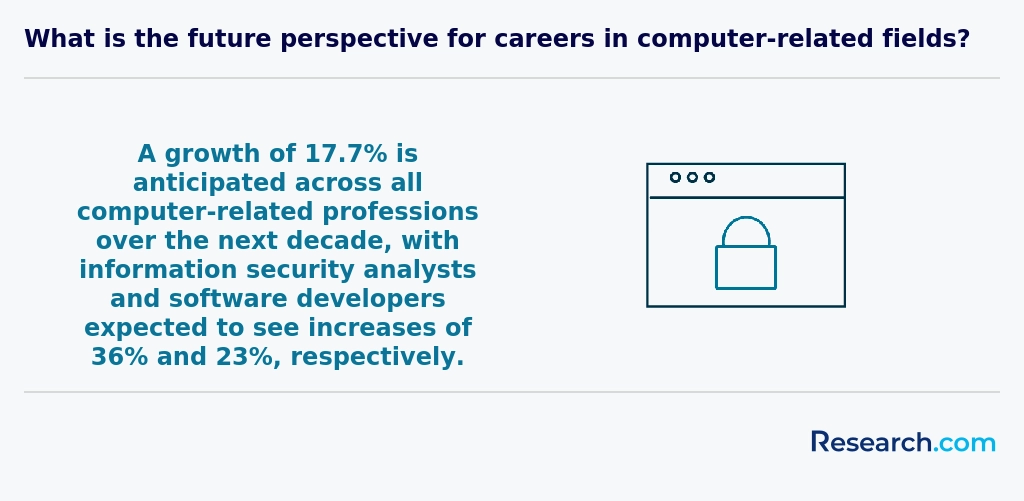
Emerging niches within computer science in the Western United States reflect rapid technological advances and evolving industry needs. Areas such as artificial intelligence (AI) and machine learning continue to dominate, with regional tech hubs like Silicon Valley driving innovation and academic programs focused on these skills. Cybersecurity is another fast-growing field, with the U.S. Bureau of Labor Statistics projecting a 35% growth rate for information security analysts through 2031.
Data science and big data analytics have become essential, helping companies make informed decisions through large-scale data processing. Quantum computing, still in early stages, is gaining attention in Western research universities. Additionally, fields like augmented reality (AR) and blockchain are developing, offering specialized career paths for new computer science graduates.
Graduates with computer science degrees in the Western US should focus on building practical skills alongside academic knowledge. According to the National Center for Education Statistics, internships during studies significantly increase employment chances within six months after graduation.
Developing a strong portfolio of projects on platforms like GitHub showcases abilities to potential employers. Many top technology companies in Silicon Valley and Seattle emphasize hands-on experience.
Networking is crucial; attending local tech meetups or joining student chapters of professional organizations like the ACM can create valuable job connections.
Lastly, staying updated on industry trends, such as artificial intelligence and cloud computing, through continuous learning enhances employability in a competitive market.
Employers in the Western US highly value computer science graduates with strong programming skills in languages like Python, Java, and C++. According to the Computing Research Association, over 70% of job listings require proficiency in these languages. Practical experience in software development and familiarity with data structures and algorithms are essential for problem-solving roles.
Additionally, employers seek graduates who understand cloud computing and cybersecurity, reflecting industry trends in the West's tech hubs such as Silicon Valley and Seattle. Communication and teamwork skills rank highly, as most projects are collaborative.
Data from the National Center for Education Statistics highlights that graduates with internships or co-op experience have a 30% better chance of employment within six months post-graduation.
Finding internships relevant to a computer science degree in the Western United States involves leveraging university resources and industry connections. Many universities in the West, such as Stanford and UC Berkeley, provide career centers that regularly post internship opportunities tailored to computer science students.
In 2023, the National Association of Colleges and Employers reported that over 60% of computer science students who interned found positions through their university's platforms. Networking events, including hackathons and tech meetups, are valuable for meeting potential employers in Silicon Valley and Seattle.
Additionally, online platforms like Handshake and LinkedIn offer access to thousands of internships specifically for computer science majors in Western tech hubs.
A computer science degree significantly enhances career mobility and advancement opportunities in the Western United States. According to the U.S. Bureau of Labor Statistics, employment in computer and information technology occupations is projected to grow 15% from 2021 to 2031, much faster than the average for all occupations. This growth reflects strong demand for skills gained through a computer science program.
Graduates often find it easier to switch roles or industries, as programming, software development, and data analysis skills are widely applicable. Employers value a degree as proof of technical expertise and problem-solving abilities, which can lead to higher starting salaries and faster promotions. For example, the average starting salary for a computer science graduate in California-a tech industry hub-is around $85,000, according to the National Association of Colleges and Employers (NACE).
In addition, earning an advanced degree or specialization within computer science can open doors to leadership positions and research opportunities. Universities in the West often collaborate with local tech companies, providing access to internships that further improve career prospects.
Studying for a computer science degree in the Western United States offers strong preparation for interdisciplinary roles by combining technical skills with broad academic exposure. Universities such as Stanford, UC Berkeley, and UCLA emphasize collaboration across fields like biology, business, and psychology.
Curricula often include courses in data science, human-computer interaction, and artificial intelligence, which engage multiple disciplines. According to the National Center for Education Statistics, over 40% of computer science undergraduates in the West take courses outside their core major to gain diverse perspectives.
This approach equips graduates to work in varied industries, including healthcare, finance, and entertainment.
Choosing between a thesis and a non-thesis computer science degree program in the West depends on your career goals and interests. Thesis options focus on research, preparing students for doctoral studies or research-intensive roles. They often require producing a substantial written project under faculty supervision.
Non-thesis programs emphasize practical skills and coursework, suitable for those seeking industry jobs or professional advancement. According to the National Center for Education Statistics (NCES, 2023), about 40% of master's students in computer science in Western US universities choose thesis programs, reflecting strong research interests.
Consider if you prefer hands-on projects or in-depth research when deciding which path to take.
Students in the Western United States have several options for pursuing computer science degrees abroad, often through university partnerships and exchange programs. Many US institutions collaborate with universities in Canada, Europe, and Asia, offering semester-long study abroad or dual-degree opportunities. According to the Institute of International Education, computer science remains among the top fields for study abroad, reflecting strong demand.
Popular destinations for Western students include Canada, which has highly ranked computer science programs and cultural similarities. Europe attracts students through initiatives like Erasmus+ and offers access to cutting-edge research. Students often benefit from gaining global perspectives and skills valued by employers in tech industries.
Part-time jobs that align well with computer science degrees in the Western U.S. often include roles in software development, IT support, and data analysis. Many students find internships or junior developer positions valuable for gaining practical experience. According to the National Association of Colleges and Employers (NACE), software developer roles grew by 22% between 2020 and 2023, especially in tech hubs like Silicon Valley and Seattle.
Campus tech support jobs allow students to strengthen troubleshooting skills while balancing coursework. Freelance coding projects or contributing to open-source software also help build portfolios.
Such roles not only improve technical skills but also enhance employability upon graduation.
Computer science students in the Western United States benefit from extensive networking opportunities through their universities and regional tech hubs. Many West Coast schools, such as Stanford and UC Berkeley, host career fairs and hackathons that attract top tech companies. According to the National Center for Education Statistics, these events connect thousands of students annually with potential employers.
Internships play a critical role, with Silicon Valley nearby, offering students access to companies like Google, Apple, and Facebook. Student organizations and alumni networks also provide platforms for mentorship and career advice.
Moreover, local meetups and tech conferences in cities like Seattle and San Francisco foster professional growth outside the classroom.
Alumni networks significantly benefit computer science degree students in the Western United States by providing valuable professional connections. Many institutions in the West, such as Stanford and UC Berkeley, actively cultivate these networks, which offer mentorship, internship opportunities, and job referrals. According to a 2023 survey by the Computing Research Association, about 65% of computer science graduates in the West found their first job through alumni connections.
Networking through alumni can also help students navigate the competitive tech industry by accessing exclusive events and workshops.
These networks provide insights into emerging technologies and industry trends, keeping students informed and prepared for future challenges.
Customizing a computer science degree program in the West allows students to align their studies with specific career goals. Many universities in California, Washington, and Oregon offer flexible curricula where students can choose electives in areas like artificial intelligence, cybersecurity, or data science. According to the Computing Research Association (CRA), 65% of West Coast institutions provide specialized tracks or concentrations within their computer science degrees.
Internships and cooperative education programs are widely available, enabling practical experience with tech companies such as Google, Microsoft, and Amazon. Additionally, students can pursue minors in related fields like business or mathematics to enhance interdisciplinary skills.
Research opportunities and capstone projects also help students tailor their education, focusing on emerging technologies relevant to their intended careers.
Computer science students in the Western US face several challenges during their studies. One major difficulty is the rigorous math and programming workload, which requires strong analytical skills and consistent practice. According to the National Center for Education Statistics, many students report struggling with advanced courses like algorithms and data structures.
Financial stress is another concern. In the West, tuition fees tend to be higher than the national average, making it harder for some students to afford their education without loans or scholarships.
Additionally, there is intense competition for internships and job placements, especially in tech hubs like Silicon Valley. Students must balance academic demands while building practical experience to remain competitive in the job market.
Graduates with a computer science degree in the Western United States can pursue various professional certifications to enhance their career prospects. Popular certifications include the Certified Information Systems Security Professional (CISSP), which is valued in cybersecurity roles. According to (ISC)², over half of cybersecurity job postings in the US require such credentials.
Other sought-after certifications are Certified Software Development Professional (CSDP) and Microsoft Certified: Azure Solutions Architect Expert, which align with software engineering and cloud computing fields, respectively.
Obtaining these certifications often boosts salary potential. For example, PayScale reports CISSP holders in the US earn a median salary exceeding $115,000 annually.
Applying to a computer science program in the Western US requires careful preparation and attention to detail. Start by maintaining a strong academic record, especially in mathematics and science, as these subjects are critical for admission committees. According to the National Center for Education Statistics, STEM program applicants with GPAs above 3.5 have higher acceptance rates.
Next, demonstrate your passion through extracurricular activities like coding clubs, internships, or personal projects. Writing a clear, focused personal statement that highlights your interest and goals in computer science is essential. Admissions often look for candidates who show problem-solving skills and innovation.
Strong letters of recommendation from teachers or mentors familiar with your technical abilities can significantly boost your application. Lastly, prepare thoroughly for standardized tests such as the SAT or ACT if required, focusing on math sections. Utilizing resources from the College Board or ACT official sites will help you perform better.
Computer science careers in the West, particularly in the United States, are highly valued and continue to grow rapidly. According to the U.S. Bureau of Labor Statistics, employment for software developers is expected to increase by 25% from 2021 to 2031, much faster than the average for all occupations. This growth is driven by expanding technology needs and digital transformation across multiple industries.
Globally, computer science skills are in demand, but Western countries offer some of the highest salaries and strongest job markets. U.S. graduates often have access to leading tech companies and innovative startups, providing diverse career paths. Universities in the West emphasize both theoretical foundations and practical experience, preparing students for global competition.
The global perspective reflects that a computer science degree from a Western institution is recognized worldwide, often serving as a gateway to international career opportunities in AI, cybersecurity, and data science.
Gaining practical experience while studying for a computer science degree in the West is essential for career readiness. Many universities encourage students to pursue internships, which are widely available through partnerships with tech companies in Silicon Valley and other West Coast hubs. According to the National Association of Colleges and Employers (NACE), nearly 65% of computer science students in the US complete at least one internship before graduation.
Students can also engage in cooperative education programs (co-ops), which combine academic study with full-time paid work. Additionally, participating in campus coding clubs, hackathons, and open-source projects provides hands-on experience and networking opportunities.
Research assistant positions are another valuable option, allowing students to work on faculty-led projects that align with their interests. This practical engagement complements classroom learning and boosts resumes for future job applications in the competitive West Coast tech industry.
Choosing the right concentration within a computer science degree program in the Western US involves examining your career goals and interests. Popular concentrations include artificial intelligence, cybersecurity, software engineering, and data science. The Bureau of Labor Statistics anticipates a 15% job growth for computer and information technology occupations through 2031, emphasizing demand in areas like AI and cybersecurity. Researching programs at universities such as Stanford, UC Berkeley, and the University of Washington can provide insight into which concentrations are prioritized. Additionally, consider industry needs in tech hubs like Silicon Valley and Seattle when selecting a focus.
Assess your strengths in math, programming, or problem-solving to align with a concentration. For example, data science may require strong statistical skills, while cybersecurity emphasizes network defense. Many Western universities offer flexible curricula allowing exploration before specialization. Consulting faculty and current students, reviewing course content, and internships can aid decision-making. Understanding regional employment trends through sources like the Western Interstate Commission for Higher Education can further inform your choice.
See What Experts Have To Say About Studying Computer Science
Read our interview with Computer Science experts

Imed Bouchrika, Phd
Computer Science Expert
Professor of Computer Science
National Higher School of Artificial Intelligence

Kathleen M. Carley
Computer Science Expert
Professor of Computer Science
Carnegie Mellon University

Martin Kang
Computer Science Expert
Assistant Professor
Loyola Marymount University

Elan Barenholtz
Computer Science Expert
Associate Professor
Florida Atlantic University

- UK Computer Science Degree Requirements Explained https://accesscoursesonline.com/blogs/news/computer-science-degree-requirements
- Ada Computer Science https://adacomputerscience.org/student_challenges
- Computer Science Programs: Cost, Types, What to Expect https://www.computerscience.org/degrees/
- Strengths and weaknesses of computer science degrees: The perception from European students https://www.jiem.org/index.php/jiem/article/view/384/280
- What Can You Do With a CS Degree? 12 Paths for 2026 | Extern https://www.extern.com/post/computer-science-degree-careers-guide
- Computer Science, B.S. - Brooklyn College https://www.brooklyn.edu/academics/programs/computer-science-bs/
- 5 Challenges Faced by Computer Science Students and How to Overcome Them https://informatika.almaata.ac.id/5-challenges-faced-by-computer-science-students/
- Essential Skills Every Computer Science Graduate Needs | LSBF https://lsbf.edu.my/blog/11-essential-skills-every-computer-science-graduate-needs/
- 5 Challenges in Teaching Computer Science & Solutions https://www.computingolympiad.org/post/top-5-challenges-in-teaching-computer-science-in-schools-and-how-to-overcome-them
- Challenges That Frustrate Computer Science Teachers https://codeeasy.io/blog/challenges-that-frustrate-computer-science-teachers